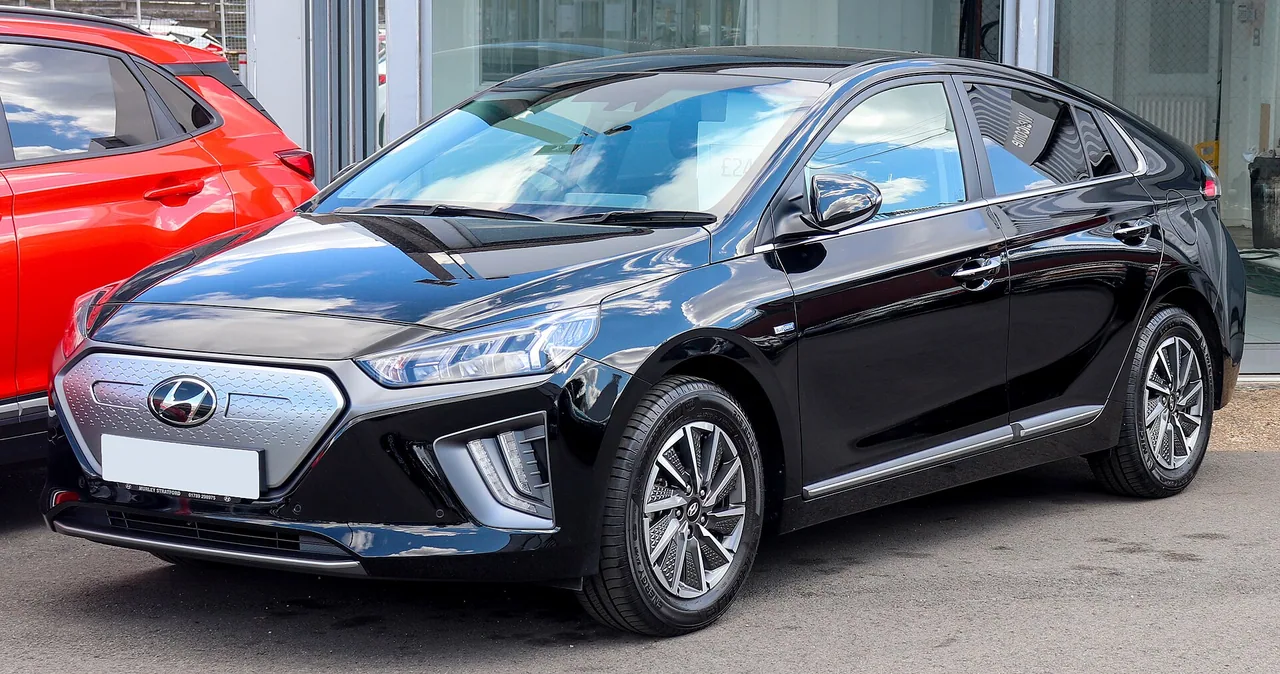

2021 Hyundai Ioniq Electric (SE, Limited)
Updated · Published
The 2021 Hyundai Ioniq Electric scores 72/100, above the average for 2021 EV hatchbacks; it beats its class most on range and efficiency, and its 170 miles of EPA range suits short daily drives but not road trips.
What changed on :
- Prices collected Nov 2026: market value $8,077–$10,143 (was $13,694–$20,611); a KBB price was collected but is not shown (conflicts with J.D. Power data); J.D. Power owners paid $8,077–$10,143 (was $13,694–$20,611); original MSRP $33,245; the prices before were collected Apr 2026.
Used$8,077–$10,143 J.D. Power, what owners paid, all 2021 Ioniq Electric trims, collected Nov 2026
Electric Hatchback · FWD
Above average for 2021 EV Hatchbacks (class avg 62 · top 13%)
Personalize this scoreSee what to check before buying →
Data:NHTSA through · Prices collected Nov 2026
Buyer brief
The 2021 Hyundai Ioniq Electric is a front-wheel-drive hatchback with 134 hp, 170 miles of EPA range and DC fast charging up to 100 kW.
Against the 8 trims we score among 2021 EV hatchbacks, it leads its class most on range and efficiency; Where it stands, below, sets each score beside the class average.
What to check before buying
-
Battery warranty: 10 years for the first owner
A 2021 car usually entered service between October 2020 and June 2022, so its 10-year/100,000-mile battery warranty ends between October 2030 and June 2032. Hyundai's 10-year battery term may cover only the original owner.
Check: Ask a Hyundai dealer how much of the 10-year/100,000-mile battery term carries to a second owner on this VIN.
Who it suits
Suits
-
Short daily drives. 170 miles of EPA range, with charging at home or work.
Not for
-
Road trips. 170 miles of EPA range is under our 220-mile line.
Figures in this brief: NHTSA recalls and complaints on every 2021 Hyundai Ioniq, not this trim alone; EPA range (fueleconomy.gov); TrimIndex scores and class averages.
Vehicle Specifications
NHTSA crash tests
NHTSA lists the 2021 Hyundai Ioniq EV 4 DR FWD as not rated: it has published no crash-test stars for it.
Source: NHTSA, “5-Star Safety Ratings: 2021 Hyundai Ioniq EV 4 DR FWD”, retrieved Nov 25, 2026.
Range and efficiency
- EPA range
- 170 miles
- 184 miles city, 153 miles highway.
- Energy use, EPA combined
- 25.4 kWh per 100 miles
- Efficiency, EPA combined
- 133 MPGe
- Electricity for 15,000 miles a year
- $550
- At $0.15 per kWh, EPA's price of Nov 20, 2026.
Source: U.S. EPA and DOE, fueleconomy.gov, “Ioniq Electric (EPA vehicle 43879)”, record updated Feb 2, 2022.
Charging
- Full charge at 240 volts
- 5.8 hourssource 1
- Home (AC) charging power
- 7.2 kWsource 2
- Applies to every 2021 Hyundai Ioniq Electric trim.
- Fast-charging port
- CCS1 (Combined Charging System)source 3
- Tesla Supercharger access
- With an adapter, since Mar 25, 2025source 3
- NACS DC adapter, free offer
- Announced Mar 25, 2025source 3
- Free to owners who bought or leased on or before Jan 31, 2025, one per vehicle, with a MyHyundai account, claimed within 60 days of an emailed invitation (invitations from the week of Apr 7, 2025).
Sources: 1 U.S. EPA and DOE, fueleconomy.gov, “Ioniq Electric (EPA vehicle 43879)”, record updated Feb 2, 2022; 2 Hyundai Motor America (hyundainews.com), “2021 IONIQ Electric Pricing (2021A, effective February 04, 2021)”, published Feb 4, 2021; 3 Hyundai Motor America, “Hyundai Owners Gain Access to U.S. Tesla Superchargers With Complimentary NACS Adapters”, published Mar 25, 2025; archived copy captured Sep 9, 2025.
Battery
- Stated by the manufacturer
- 38.3 kWh
- The manufacturer does not say usable or gross. Applies to every 2021 Hyundai Ioniq Electric trim.
Source: Hyundai Motor America (hyundainews.com), “2021 IONIQ Specifications”, published Aug 21, 2020.
Performance
- Horsepower
- 134 hp
- From the 2020 model year's document.
Source: Car and Driver, retrieved May 27, 2026.
Size and space
- Cargo, behind the rear seats
- 23 cu ftsource 1
- Curb weight
- 3,371 lbsource 1
- Lightest version; the manufacturer gives 3,371 lb to 3,488 lb.
- Wheelbase
- 106.3 inchessource 1
- Length
- 176.0 inchessource 1
- Width
- 71.7 inchessource 1
- Height
- 58.1 inchessource 1
- EPA size class
- Midsize carssource 2
Curb weight applies to this version; the other manufacturer figures here apply to every 2021 Hyundai Ioniq Electric trim.
Sources: 1 Hyundai Motor America (hyundainews.com), “2021 IONIQ Specifications”, published Aug 21, 2020; 2 U.S. EPA and DOE, fueleconomy.gov, “Ioniq Electric (EPA vehicle 43879)”, record updated Feb 2, 2022.
Where It Stands: Score Breakdown
What matters most to you?
Only 2 NHTSA records on file for this model year
Against its class
Class: 2021 EV Hatchbacks, 8 trims on TrimIndex.
- Stronger than its class by 8 points or more: Battery Health 77 against a class average of 60 (8 trims) and Range & Efficiency 72 against a class average of 52 (8 trims).
- Owner Satisfaction (50) is not compared: no owner posts about overall satisfaction are on file.
- Build Quality (76) is not compared: only 2 NHTSA complaints and recalls are on file for this model year, fewer than the 10 it takes to compare.
- Software & Tech (100) is not compared: only 2 NHTSA complaints and recalls are on file for this model year, fewer than the 10 it takes to compare.
| Dimension | This trim | Class average |
|---|---|---|
| Battery Health | 77+17 stronger | 608 trims |
| Owner Satisfaction | 50limited data | not compared |
| Build Quality | 76limited data | not compared |
| Range & Efficiency | 72+20 stronger | 528 trims |
| Software & Tech | 100limited data | not compared |
The same configuration in other model years
No change in these figures from 2020: the 2020 Hyundai Ioniq Electric has the same EPA range and connector.
| Figure | 2020Hyundai Ioniq Electric | 2021This trim |
|---|---|---|
| EPA range | 170 mi | 170 mi |
| Charging connector | CCS1 | CCS1 |
| NHTSA recalls | 1 | 0 |
| NHTSA complaints | 7 | 2 |
| TrimIndex score | 63 | 72 |
NHTSA recalls and complaints: NHTSA records through Nov 22, 2026, filed by model year.
EPA range: U.S. EPA and DOE, fueleconomy.gov, for each trim's own EPA test configuration.
Pricing & Market Value
Georgia Tax-Assessed Value
Georgia assessed value, 2026 manual
The 2026 manual prints 2 values that could be the 2021 Hyundai Ioniq Electric, under 2 series; it does not say which one is this trim, so each is shown.
| Manual series | Assessed value | VIN pattern | Page | Earlier editions |
|---|---|---|---|---|
| SE Sold as SE | $10,500 | 6 patterns | 2,808 | 2022$25,075, 2023$25,025, 2024$21,750, 2025$12,500 |
| LIMITED Sold as Limited | $11,075 | 5 patterns | 2,808 | 2022$27,475, 2023$26,925, 2024$22,450, 2025$14,525 |
Hyundai's documents give SE and Limited as names this configuration was sold under, and no other; the rows marked are those series.
Pursuant to the provisions of O.C.G.A. § 48-5C-1(a)(1), “fair market value of the motor vehicle” is set by averaging the current fair market value and the current wholesale value of a motor vehicle. Therefore, the fair market value reflected in this Manual generally will be less than the actual fair market value for a retail sale. The values listed in this Manual are intended solely for calculating tax liabilities.
Source: Georgia Department of Revenue, 2026 Motor Vehicle Assessment Manual for TAVT. Georgia title ad valorem tax figures, not offers or sale prices.
Other hatchbacks to compare
Hatchbacks from model years 2020–2023 closest to this trim's 170 miles of EPA range.
Ioniq
Worse: score 63 vs 72.
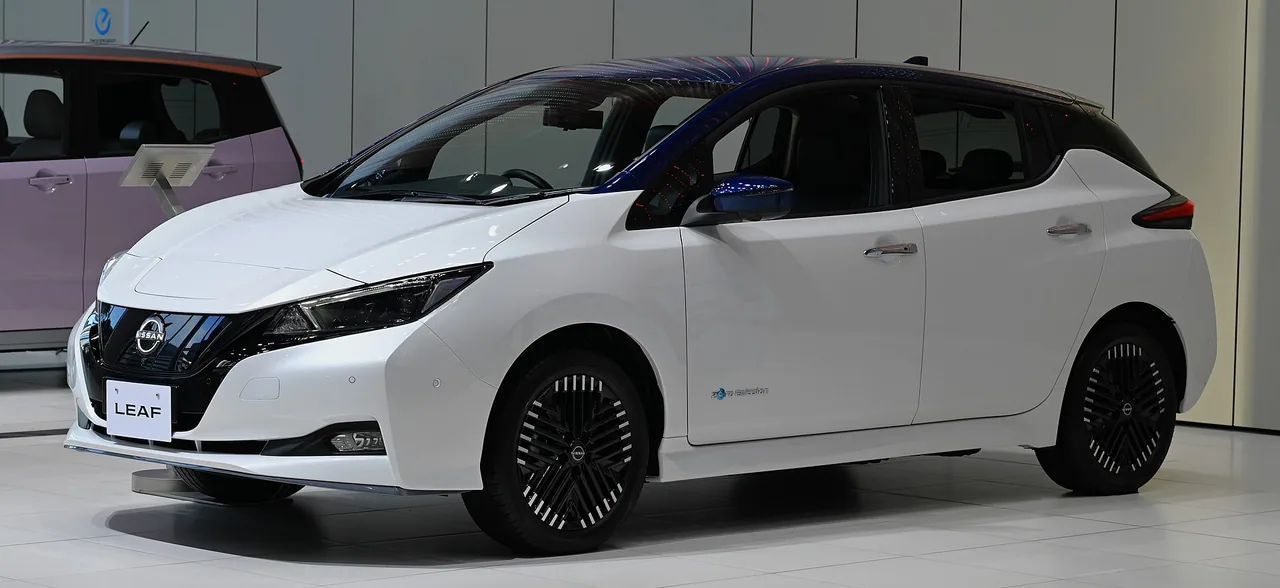
LEAF
Worse: score 60 vs 72; 149 vs 170 mi EPA range.
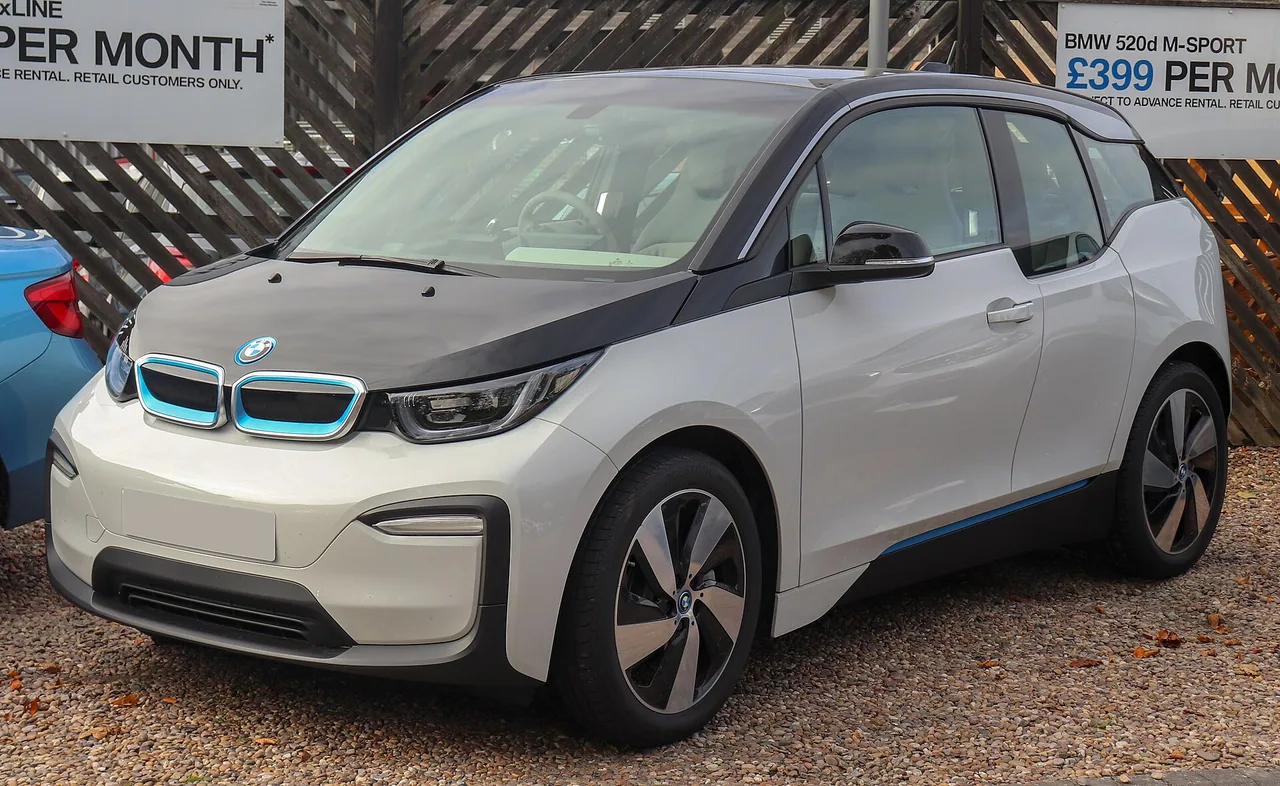
i3
Worse: score 66 vs 72; 153 vs 170 mi EPA range.
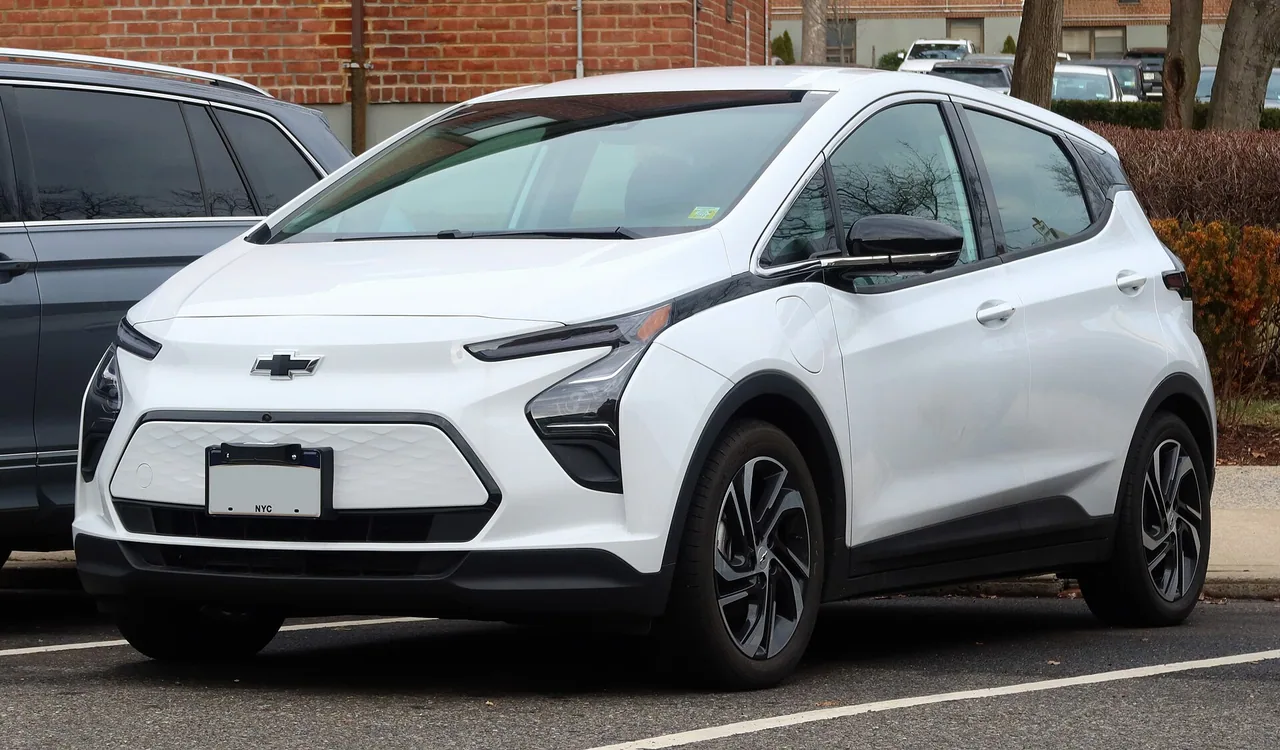
Bolt EV
Better: 259 vs 170 mi EPA range.
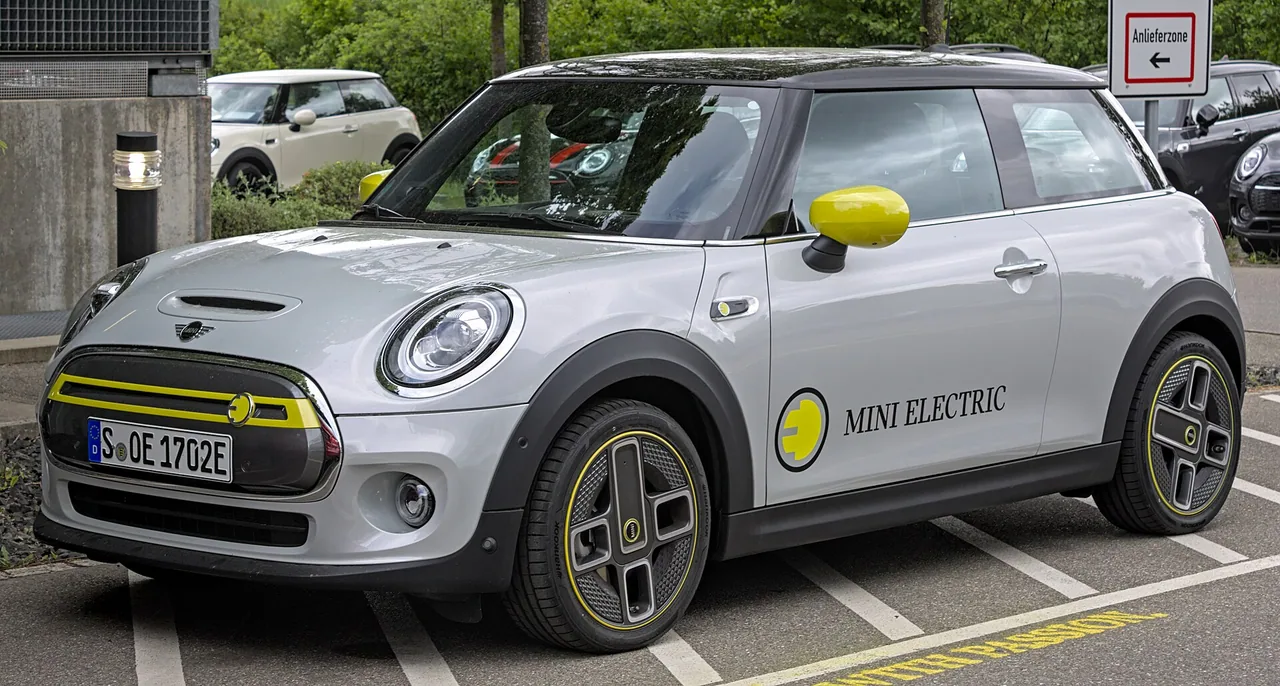
Cooper
Worse: score 62 vs 72; 114 vs 170 mi EPA range.
NHTSA Recalls (0)
NHTSA lists no recalls for this model year as of Nov 22, 2026.
NHTSA Investigations (1 closed petition)
NHTSA has closed 1 action on the 2021 Hyundai Ioniq Electric: 1 defect petition, opened Jan 2023.
Show the 1 closed action
- Pedestrian alert soundsDefect petition DP22005, opened Jan 27, 2023, closed Aug 7, 2023
Source: NHTSA Office of Defects Investigation, investigations file, records through Nov 19, 2026.
NHTSA Complaints (2 total)
2 complaints filed with NHTSA for the 2021 Hyundai Ioniq Electric, between Jun 2023 and Jul 2026.
None of the 2 complaints reports a crash, fire, injury or death. How these fields are filled
Source: NHTSA owner complaints filed on every 2021 Hyundai Ioniq Electric (NHTSA files them by model year, not trim), data through Nov 22, 2026.
All 2, most severe first, then newest
- Severity 4 of 5.Electrical system (other) · Battery and propulsion system
VEHICLE SAFETY HAZARD: ACTIVE HIGH-VOLTAGE ISOLATION FAULT (DTC P0AA6) WITH DECEPTIVE DEALER/MANUFACTURER BYPASS & CONCEALMENT.
Show the rest
On April 15, 2026, the dealer scanned my 2021 Ioniq EV and uncovered DTC P0AA6 (Hybrid/EV Battery Voltage System Isolation Fault), which denotes a catastrophic high-voltage leak into the chassis. This is a severe safety hazard posing immediate risks of fatal electrocution to occupants, EV battery thermal runaway (fire), or sudden total loss of propulsion at highway speeds. Instead of grounding this dangerous vehicle, the dealership concealed the diagnostic code, withheld the physical invoice, and released the vehicle back to me on April 28, falsely claiming it was "fixed to 100%." They forced me to drive an actively compromised high-voltage system. On May 7, the defect immediately returned while driving. I confronted the dealer on May 8 for merely resetting the car's computer to bypass the safety warning, which is an extremely dangerous fire hazard. The manufacturer has refused to replace the defective EV battery under warranty, or provide alternative transportation. This vehicle has now been grounded and decaying in an open lot for over 95 days. This is a severe systemic manufacturing defect and fraudulent maintenance practice that requires an immediate NHTSA safety investigation.
NHTSA ODI #11750854 - Severity 2 of 5.12-volt battery at 22,000 miles
The contact owns a 2021 Hyundai Ioniq EV. The contact stated that on several occasions the vehicle would not start or could not be restarted after being turned off.
Show the rest
The vehicle was towed to the local dealer who was unable to determine the exact cause of the failure but indicated that the failure was related to the 12V battery system. The vehicle was not yet repaired. The manufacturer and local dealer were notified of the failure. The failure mileage was 22,000.
NHTSA ODI #11527960
Battery Health Readings
1 battery-health reading from an individual car with this pack is on file.
This trim uses the Hyundai Ioniq Electric (38.3 kWh) battery pack; in our catalog only the Hyundai Ioniq Electric (2020–2021) uses it.
The federal $4,000 used-EV credit ended Sept 30, 2025.
6 states still run an open used-EV incentive — the largest up to $12,000 for income-qualified buyers; the 2021 Hyundai Ioniq Electric likely qualifies in 1 state, may qualify in 4 states (some rules this page cannot check) and does not qualify in 1 state.
Source & disclaimer
Frequently Asked Questions
How far does the 2021 Hyundai Ioniq Electric go on a charge?
EPA rates the 2021 Hyundai Ioniq Electric at 170 miles on a full charge: 184 miles in city driving and 153 on the highway.
How long does the 2021 Hyundai Ioniq Electric take to charge?
EPA lists 5.8 hours to charge the 2021 Hyundai Ioniq Electric from empty at 240 volts with the standard charger.
Can the 2021 Hyundai Ioniq Electric use Tesla Superchargers?
Yes, with a NACS DC adapter, since Mar 25, 2025, as announced by Hyundai Motor America that day.
What does the 2021 Hyundai Ioniq Electric cost to run?
EPA estimates the 2021 Hyundai Ioniq Electric costs $550 a year to charge, for 15,000 miles a year (55% city, 45% highway) at $0.15 per kWh (EPA's fuel prices of Nov 20, 2026). By EPA's estimate it saves $7,500 over 5 years in fuel compared with the average new vehicle.
What does a used 2021 Hyundai Ioniq Electric cost?
J.D. Power reports owners paid $8,077 to $10,143 for the 2021 Hyundai Ioniq Electric, across all trims (collected Nov 2026).
How safe is the 2021 Hyundai Ioniq Electric in a crash?
NHTSA has not crash-tested the 2021 Hyundai Ioniq Electric with front-wheel drive, so it has no NHTSA star rating.
What recalls does the 2021 Hyundai Ioniq Electric have?
No NHTSA recall campaigns were found for the 2021 Hyundai Ioniq Electric as of Nov 22, 2026.
How reliable is the 2021 Hyundai Ioniq Electric?
Owners have filed 2 complaints with NHTSA about the 2021 Hyundai Ioniq Electric as of Nov 22, 2026.
How long does the battery warranty last on the 2021 Hyundai Ioniq Electric?
Hyundai's warranty page (hyundaiusa.com) gives the battery warranty as 10 years or 100,000 miles, whichever comes first. For a 2021 car that went into service in 2021, it runs until 2031 or 100,000 miles, whichever comes first. The Hyundai warranty page says the battery coverage carries over to later owners.
What is the TrimIndex score for a 2021 Hyundai Ioniq Electric?
The 2021 Hyundai Ioniq Electric scores 72 out of 100 on TrimIndex. It is above the average of 62 for 2021 EV Hatchbacks (latest TrimIndex score of each of 8 trims). Its strongest dimension is Battery Health (77/100); weakest is Range & Efficiency (72/100).
What EV incentives can I get on a 2021 Hyundai Ioniq Electric?
6 of the 7 statewide used-EV programs open as of Oct 12, 2026 do not rule out a 2021 Hyundai by make, model-year age or price. The incentive finder on this page shows which, state by state.
What this page is built on
NHTSA data through
Compare Hyundai Ioniq Electric Against Rivals
Other Hyundai Ioniq Electric Years on TrimIndex
Photo credits
- Nissan Leaf (ZE1 facelift, 2023-2025): TTTNIS / Wikimedia Commons, CC0, resized. Representative photo of the generation, not the exact trim or market.
- BMW i3 (I01, 2018 facelift): Vauxford / Wikimedia Commons, CC BY-SA 4.0, resized. Representative photo of the generation, not the exact trim or market.
- Chevrolet Bolt EV (2022-2023 facelift): Kevauto / Wikimedia Commons, CC BY-SA 4.0, resized. Representative photo of the generation, not the exact trim or market.
- MINI Cooper SE (F56, 2020-2024): Alexander Migl / Wikimedia Commons, CC BY-SA 4.0, resized. Representative photo of the generation, not the exact trim or market.


