Hyundai Ioniq 9 vs Volkswagen ID. Buzz
Updated
The Bottom Line
Generational handoff: Volkswagen ID. Buzz (2025) vs its newer successor, Hyundai Ioniq 9 (2026)
These two models never overlapped in the same model year: the Volkswagen ID. Buzz ran 2025, and the Hyundai Ioniq 9 succeeded it from 2026 per NHTSA records through Nov 12, 2026. Choose the Ioniq 9 for longer EPA range (up to 335 mi); choose the ID. Buzz for the van format.
On EPA range, the Ioniq 9 reaches 335 mi vs 234 mi for the ID. Buzz; the Ioniq 9 offers built-in NACS Supercharger access while the ID. Buzz uses CCS1 (Combined Charging System).
Data:NHTSA through
Hyundai Ioniq 9
2026SUV · 3 canonical trims · AWD / RWD
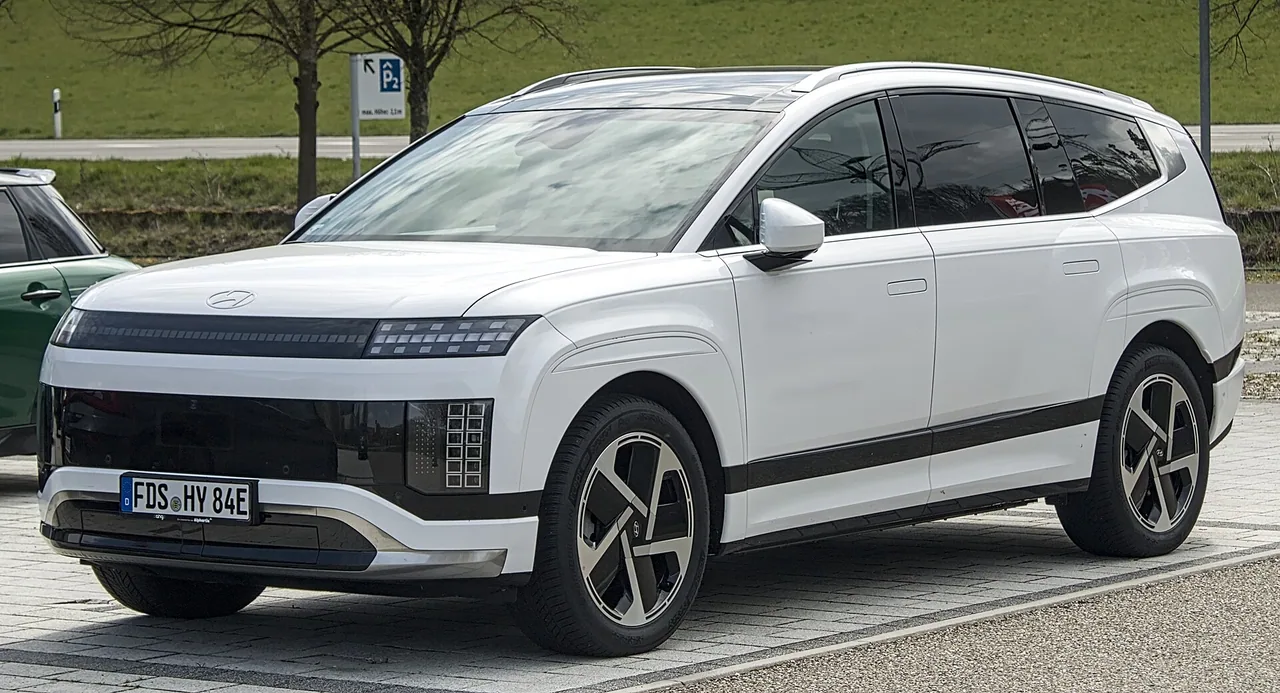
EPA Range
311–335 mi
Latest Port
NACS
Dealer Asking
$43,566–$59,990
Nov 2026 · asking, not sale
Volkswagen ID. Buzz
2025Van · 2 canonical trims · AWD / RWD
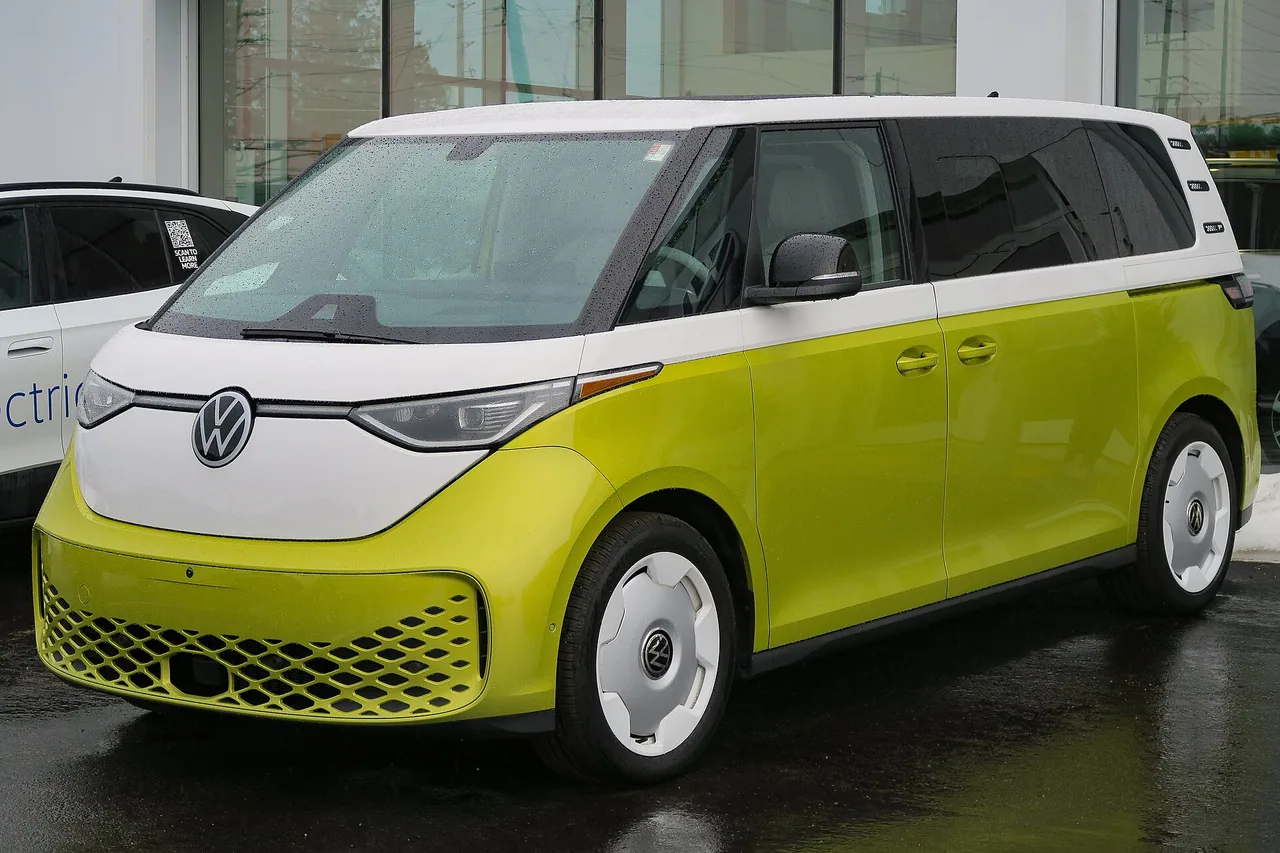
EPA Range
231–234 mi
Latest Port
CCS1
Dealer Asking
$59,279–$64,911
Nov 2026 · asking, not sale
Pick the Hyundai Ioniq 9 if…
- Maximum EPA range matters most — the Ioniq 9 reaches 335 mi vs 234 mi on the ID. Buzz.
- Lower energy use per mile — best Ioniq 9 trims rate 37.0 kWh/100 mi vs 40.8 kWh/100 mi on the ID. Buzz.
- Built-in Tesla Supercharger access without an adapter — Ioniq 9 ships with native NACS, whereas ID. Buzz uses CCS1 (Combined Charging System).
- You prefer the suv format over a van (AWD/RWD available).
Pick the Volkswagen ID. Buzz if…
- You prefer the van format over a suv (AWD/RWD available).
Compare matching model years side by side
2026 Hyundai Ioniq 9 vs 2025 Volkswagen ID. Buzz
Successor comparison — these models were sold in consecutive model years.
2026 Model Year · 3 trims
2026 Hyundai Ioniq 9
Efficiency: 37.0–40.0 kWh/100 mi · Up to 230 kW DC
- NHTSA complaints
- 39
- NHTSA recalls
- 3
- Open investigations
- 0
- Fast-charge port
- NACS (SAE J3400)
- Supercharger access
- Yes, with its built-in NACS port
- NHTSA crash rating
- 5/5 stars
- Dealer askingActive US dealer listings · Nov 2026 · asking prices, not final sale prices
- $43,566–$59,990
- Top owner complaint theme
- Sudden loss of drive power — 17 of 39 complaints (44%)
2025 Model Year · 2 trims
2025 Volkswagen ID. Buzz
Efficiency: 40.8–42.0 kWh/100 mi · Up to 200 kW DC
- NHTSA complaints
- 16
- NHTSA recalls
- 2
- Open investigations
- 0
- Fast-charge port
- CCS1 (Combined Charging System)
- Supercharger access
- With an adapter
- NHTSA crash rating
- 5/5 stars
- Dealer askingActive US dealer listings · Nov 2026 · asking prices, not final sale prices
- $59,279–$64,911
- Top owner complaint theme
- Center screen goes blank — 3 of 16 complaints (19%)
Years to avoid, recalls & recurring problems
Aligned year by year from NHTSA complaint, recall and defect-investigation files through Nov 12, 2026 (investigations through Nov 13, 2026). Complaint counts are raw totals on file, never fleet-normalized failure rates.
Documented Pattern · Hyundai Ioniq 9
Integrated charging control unit (ICCU) failures
Covers model years 2026.
Read the ICCU failure analysis →| Year | Hyundai Ioniq 9 | Volkswagen ID. Buzz | ||||
|---|---|---|---|---|---|---|
| Yr | Standing / Port | NHTSA Record | Range & Price | Standing / Port | NHTSA Record | Range & Price |
| 2026 | Too new NACS | 39 cmpl 3 rec | 311–335 mi $43,566–$59,990 (Asking · Nov 2026) | Not sold in 2026 | ||
| 2025 | Not sold in 2025 | Too new CCS1 | 16 cmpl 2 rec | 231–234 mi $59,279–$64,911 (Asking · Nov 2026) | ||
Click any year row to open that model year’s trim comparison, full recall campaign list and complaint themes. Years sold fewer than 30 months are marked Too new.
Rows marked Asking show aggregated active US used dealer listings where no KBB or J.D. Power guide price is on file yet (asking prices, not final sale prices; excluded from Value-to-Score).
Pack hardware, measured SoH & Tesla Supercharger access
Battery capacity readings come strictly from verified individual owner or per-car reports on file — never modeled projections. Charging port and Supercharger access come from automaker and Tesla documents.
Hyundai Ioniq 9 Battery
NMC- Usable pack capacity
- 110.3 kWh
- Thermal management
- liquid active
- Battery warranty
- 10 years or 100,000 miles
Measured Battery-Health Readings on File
No verified individual owner battery-health readings are on file for this pack yet.
Volkswagen ID. Buzz Battery
NMC- Usable pack capacity
- 86.0 kWh
- Thermal management
- liquid active
- Battery warranty
- 8 years / 100,000 mi federal floor
Measured Battery-Health Readings on File
No verified individual owner battery-health readings are on file for this pack yet.
Fast-charging ports & Tesla Supercharger access by model year
Several EVs transitioned from CCS1 to built-in NACS between 2024 and 2026. Check the exact model year before assuming adapter needs.
Hyundai Ioniq 9
Up to 230 kW DCTesla Superchargers: Yes, with its built-in NACS port
Source: Hyundai Motor America (published Mar 25, 2025; archived copy captured Sep 9, 2025); Tesla, Inc. (undated page, archived copy captured Apr 1, 2025)
Volkswagen ID. Buzz
Up to 200 kW DCTesla Superchargers: With an adapter
Adapter note: Needed, price not stated
Source: Volkswagen of America (undated page, read Nov 16, 2026)
Published market guides, dealer asking & original MSRP
Published used-market guide figures stay attributed to a single source (Kelley Blue Book or J.D. Power). Where no guide price is on file yet, TrimIndex shows aggregated active US used dealer asking prices — never blended with guide figures and excluded from Value-to-Score.
Hyundai Ioniq 9
2026Used dealer asking prices
Collected Nov 2026$43,566–$59,990
Covers model year 2026 · typical middle 50% (25th–75th percentile; median asking $44,799–$53,861)
Aggregated from active US used dealer listings (asking prices, not final sale prices; excluded from Value-to-Score).
Original MSRP Span
$58,955
Value-to-Score Ratio
Trim-level KBB required
Volkswagen ID. Buzz
2025Used dealer asking prices
Collected Nov 2026$59,279–$64,911
Covers model year 2025 · typical middle 50% (25th–75th percentile; median asking $62,624)
Aggregated from active US used dealer listings (asking prices, not final sale prices; excluded from Value-to-Score).
Original MSRP Span
Not on file
Value-to-Score Ratio
Trim-level KBB required
Georgia Tax-Assessed Value (Separate State Tax Schedule)
Georgia Department of Revenue Assessment Manual (2026 edition)
These figures come from the Georgia Department of Revenue Motor Vehicle Assessment Manual for Title Ad Valorem Tax (TAVT) under O.C.G.A. § 48-5C-1(a)(1). They are state tax-assessment values, not market prices, guide estimates or dealer offers, and are never blended into Value-to-Score calculations.
Hyundai Ioniq 9
- 2026 model year $48,475–$63,825
Volkswagen ID. Buzz
- 2025 model year $48,525–$56,550
The federal §25E used-EV tax credit expired in September 2025. State and utility incentives vary by residency, income and price caps — check each trim page’s State Incentive Finder for current state rules.
Specs & NHTSA 5-Star safety compared
| Specification | Hyundai Ioniq 9 | Volkswagen ID. Buzz |
|---|---|---|
| EPA range (all trims) EPA Fuel Economy Guide | 311–335 mi | 231–234 mi |
| Energy consumption (lower is better) EPA Fuel Economy Guide | 37.0–40.0 kWh/100 mi | 40.8–42.0 kWh/100 mi |
| Combined MPGe EPA Fuel Economy Guide | 85–92 MPGe | 80–83 MPGe |
| Usable battery capacity | 110.3 kWh | 86.0 kWh |
| Peak DC fast charging | 230 kW | 200 kW |
| Rated horsepower Manufacturer rated output | 215–303 hp | 282–335 hp |
| Drivetrains offered | AWD, RWD | AWD, RWD |
| NHTSA 5-Star overall rating NHTSA NCAP crash tests | 5 of 5 stars | 5 of 5 stars |
| Body style | SUV | Van |
What owners write about on EV forums & Reddit
Filtered to posts written by owners of each model year under TrimIndex’s owner-relevance rule. Topic counts reflect what owners discuss most often.
Hyundai Ioniq 9
2 owner posts on file“I'm very pleased with my Ioniq 9 but I didn't buy it for the looks. It's a non-threatening Dadmobile and it's good at a few things I can fit a bed in the back that sleeps two adults and a baby. Giant sunroof, power outlet, V2L adapter…”
“Mazion makes a good point about dealers: in my three-plus years of EV ownership, I have found sales people at dealerships to be quite ignorant about what owning an EV really entails. I have yet to meet anyone at a Hyundai or Kia dealer who…”
Volkswagen ID. Buzz
1 owner post on file“Charge Door Won't Open This is the second time this has happened to me. I have come out to my garage to plug in my car and the charge door won't open. I click unlock on my FOB several times, charge door still won't open. I open car doors…”
Hyundai Ioniq 9 vs Volkswagen ID. Buzz frequently asked questions
What model years should you avoid on the Hyundai Ioniq 9 vs Volkswagen ID. Buzz?
For the Hyundai Ioniq 9 (2026), no single model year is flagged to avoid (39 NHTSA complaints on file). For the Volkswagen ID. Buzz (2025), no single model year is flagged to avoid (16 NHTSA complaints on file). Every comparison uses age-matched NHTSA filings (NHTSA data through Nov 12, 2026).
Which has better range and faster charging: Hyundai Ioniq 9 or Volkswagen ID. Buzz?
Across active trims on file from the EPA Fuel Economy Guide, the Hyundai Ioniq 9 spans 311–335 mi and the Volkswagen ID. Buzz spans 231–234 mi. Efficiency: Ioniq 9 rates 37–40 kWh/100 mi; ID. Buzz rates 41–42 kWh/100 mi. Fast charging on file: Ioniq 9 peaks at 230 kW DC; ID. Buzz peaks at 200 kW DC.
Can the Hyundai Ioniq 9 and Volkswagen ID. Buzz use Tesla Superchargers?
Hyundai Ioniq 9 (NACS (SAE J3400)): yes, with its built-in nacs port. Volkswagen ID. Buzz (CCS1 (Combined Charging System)): with an adapter. Status reflects automaker and Tesla documentation on file at TrimIndex.
Which costs less used: the Hyundai Ioniq 9 or the Volkswagen ID. Buzz?
Active US used dealer listings (Nov 2026, model year 2026) show asking prices of $43,566–$59,990 for the Hyundai Ioniq 9 (asking prices, not final sale prices). Active US used dealer listings (Nov 2026, model year 2025) show asking prices of $59,279–$64,911 for the Volkswagen ID. Buzz (asking prices, not final sale prices). Each range reflects a single pricing source rather than blended estimates; inspect individual model-year and trim pages for trim-specific pricing.
How do the Hyundai Ioniq 9 and Volkswagen ID. Buzz batteries and warranties compare?
Hyundai Ioniq 9: NMC cells, 110.3 kWh usable, 10 years or 100,000 miles battery warranty. Volkswagen ID. Buzz: NMC cells, 86.0 kWh usable. Capacity readings reflect individual verified owner reports on file rather than modeled estimates.
What this comparison is built on
NHTSA Filings
Through Nov 12, 2026
EPA & NCAP
5 canonical trims
Owner Forum Posts
3 verified owner posts
Methodology
Model Hub · 2026
Explore Hyundai Ioniq 9 years & trims
Model Hub · 2025
Explore Volkswagen ID. Buzz years & trims
Related EV comparisons
Browse all 300 comparisons →Photo credits
- Hyundai Ioniq 9 (2026-): Alexander Migl / Wikimedia Commons, CC BY-SA 4.0, resized. Representative photo of the generation, not the exact trim or market.
- Volkswagen ID. Buzz LWB (2025-): Elise240SX / Wikimedia Commons, CC BY-SA 4.0, resized. Representative photo of the generation, not the exact trim or market.

