BMW i5 vs. BMW i7: Shared Dingolfing CLAR DNA Meets Steep 7-Series Depreciation
Updated
Platform Twin Verdict
Built inside BMW's Dingolfing plant, the i5 and i7 share rare-earth-free eDrive motors, Samsung SDI prismatic cells, Highway Assistant tech, and the same Integrated Braking System recall history. New, the flagship i7 carried a steep six-figure surcharge over the i5; two years later, 50%+ depreciation pulls used 2023–2024 i7 xDrive60s near late-model i5 territory—delivering air suspension, limousine space, and a 95.8 kWh pack for midsize money.
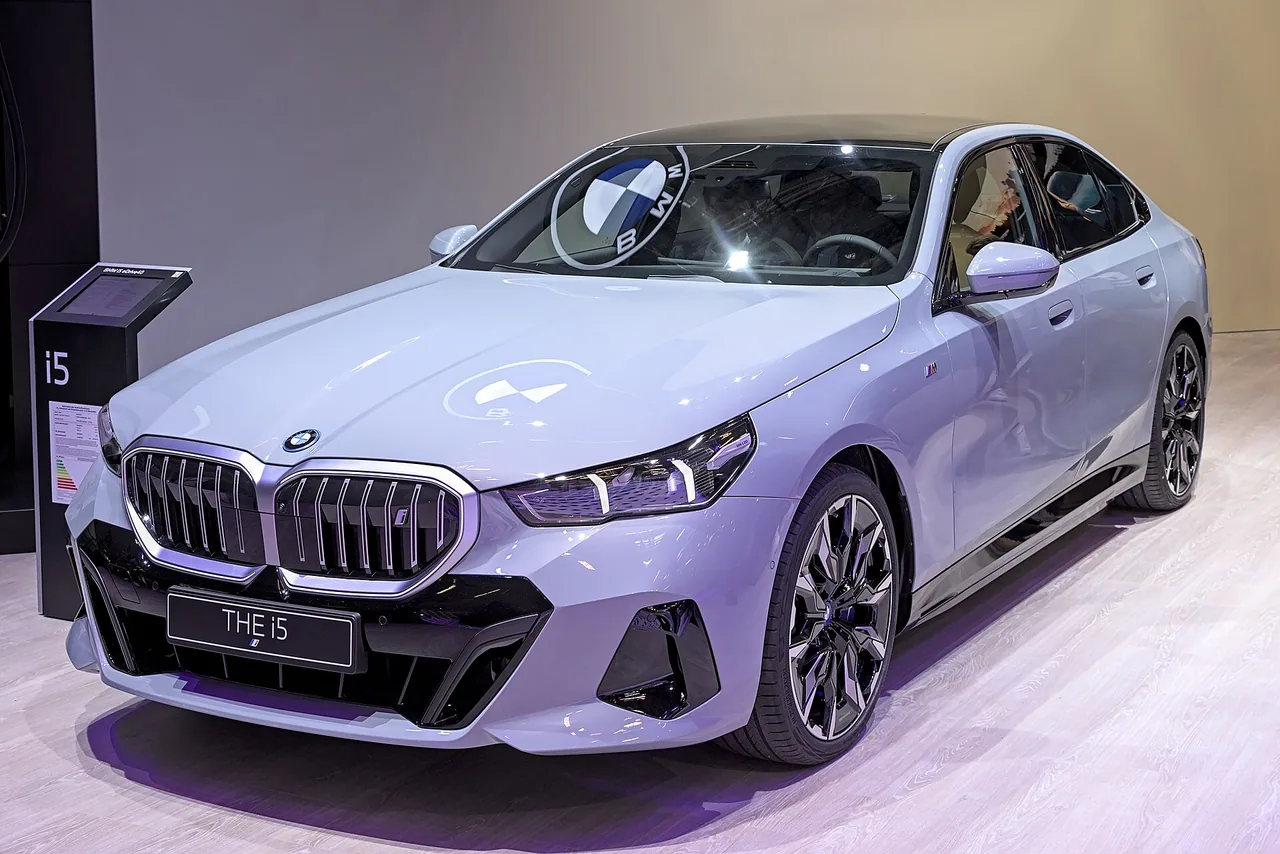
BMW i5
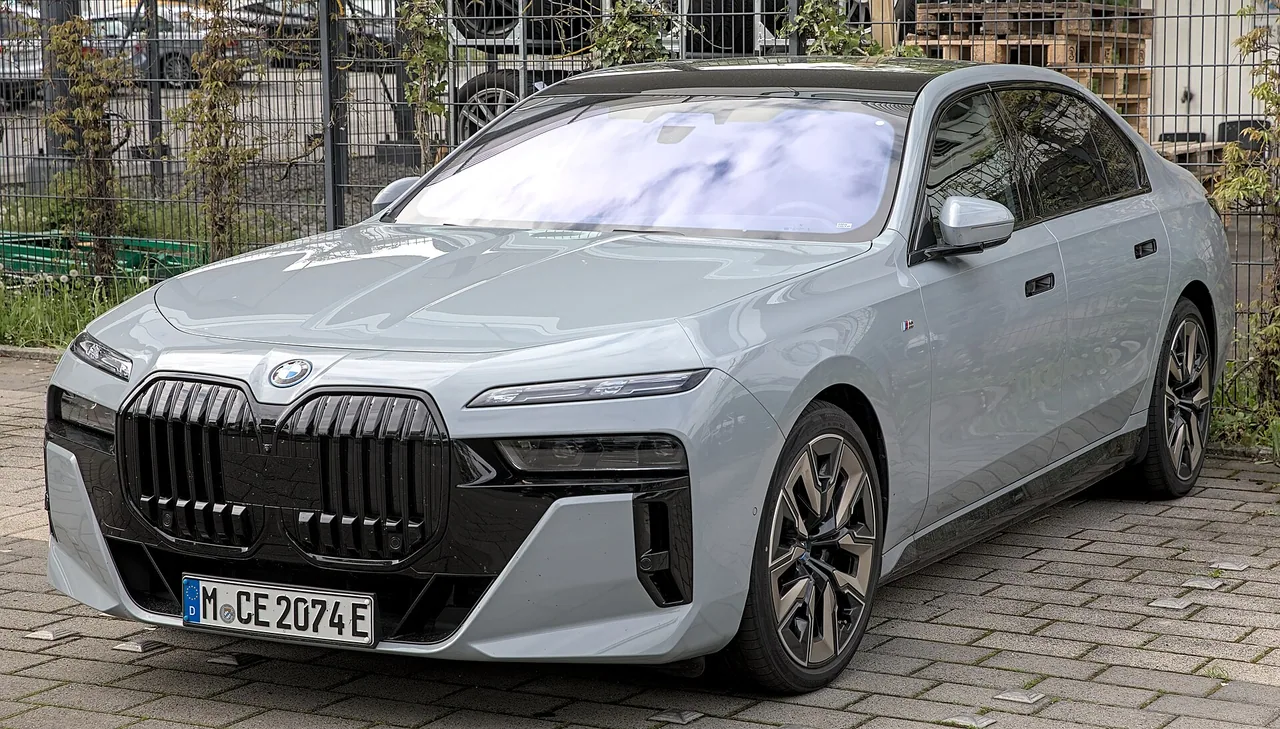
BMW i7
Latest Data Refresh Check · Nov 25, 2026
Reviewed data refresh (2026-11-25) updated records for i5 (2024: new NHTSA complaints) and i7 (2024, 2023: new NHTSA complaints); tables and dates below reflect the refreshed snapshot.
Live Market & Badge-Tax Readout
What you pay for the badge: new MSRP vs. used market
Depreciation shrinks the badge gap: i7 started ~$61,650 higher on MSRP, while the same-source used midpoint gap narrows to $15,000.
i5 ($61,650 lower avg MSRP)
TrimIndex never blends KBB, J.D. Power, and dealer asking figures into one range.
Where dealer asking prices are shown above or in the timeline below, figures summarize active US used dealer listings (asking prices, not final sale prices; excluded from Value-to-Score).
Day-to-Day Ownership Split
Where i5 and i7 actually diverge
Sharing a platform does not mean identical ownership. Here are the concrete calibration, cabin, software, charging, and dealer differences buyers feel every day.
Depreciation Cliff & Flagship Arbitrage
Second-hand buyers capture extraordinary value by letting the first owner eat the i7's massive six-figure drop rather than buying a brand-new or lightly used i5.
Battery Reserve vs. Charging Peak & Efficiency
i7 stretches maximum range slightly higher (321 vs. 310 mi), but i5 uses roughly 15–20% less electricity per mile and tops up its smaller pack a bit faster.
Chassis Refinement & Rear-Seat Theater
If whisper-quiet isolation and rear-cabin opulence rank above garage compactness, the i7 operates in a different stratosphere from the i5.
Exterior Length & Everyday Parking Ease
Measure your garage depth before chasing an i7 bargain; 13 extra inches of overhang can literally keep the door from closing.
Out-of-Warranty Complexity & Operating Overhead
Buying a used i7 for i5 money still means maintaining and insuring a flagship 7-Series once factory coverage expires.
Refreshed EPA, charging & safety specs side by side
Pulled directly from TrimIndex’s EPA Fuel Economy, NHTSA NCAP, and charging-access database (NHTSA records through Nov 22, 2026).
| Specification | BMW i5 | BMW i7 |
|---|---|---|
| EPA range (all trims) EPA Fuel Economy Guide | 253–310 mi | 285–321 mi |
| Efficiency (lower is better) EPA Fuel Economy Guide | 30.6–37.5 kWh/100 mi | 37.4–42.5 kWh/100 mi |
| Usable battery capacity | 79.0 kWh | 95.8 kWh |
| Peak DC fast charging | 205 kW | 195 kW |
| Rated horsepower | 335–593 hp | 449–650 hp |
| Drivetrains offered | AWD, RWD | AWD, RWD |
| Seating capacity | 5 seats | 5 seats |
| Fast-charging port & Supercharger | CCS1 (Combined Charging System) · With an adapter | CCS1 (Combined Charging System) · With an adapter |
The Dingolfing arbitrage: why a 2023–2024 BMW i7 cross-shops a newer i5
Every luxury automaker sees faster percentage depreciation at the top of its sedan range, yet few pairings expose that curve as dramatically as BMW's Dingolfing electric siblings. A 2024 BMW i5 started roughly forty thousand dollars below a 2024 BMW i7—and yet on single-source KBB used-market valuations, 2023–2024 i7 builds have shed up to 56.7% off sticker versus roughly 38% on comparable 2024 i5 trims.
That mathematical convergence puts lightly driven 2023–2024 i7 xDrive60 models (536 hp dual-motor AWD, up to 318–321 miles EPA, dual-axle air suspension, Integral Active Steering, cashmere/Merino cabin options) directly against loaded 2024–2025 i5 xDrive40 or M60 asking prices—and often well below a new 2026 i5 window sticker.
Before grabbing the keys to the bigger Bavarian flagship, however, weigh the trade-offs baked into that bargain. The i7 consumes 37.4 to 42.5 kWh per 100 miles (versus 30.6 to 37.5 on the i5), stretches over 17.6 feet long, and peaks at 195 kW on DC fast chargers instead of 205 kW. For suburban homeowners with deep garages and a Level 2 wallbox, those compromises feel trivial compared to floating down the interstate in 7-Series quiet.
- i7 entered the US catalog one year earlier (MY2023–2026, 10 trims) than i5 (MY2024–2026, 8 trims), creating a wider supply of off-lease flagship units.
- Base RWD i7 eDrive50 trims (449 hp, 314–321 mi EPA) deliver maximum range and simpler single-motor maintenance while keeping full 7-Series air-ride comfort.
- Both models retain BMW's 8-year/100,000-mile high-voltage battery warranty, insulating buyers from pack-replacement anxiety on 2023–2024 off-lease examples.
Compare BMW i7 depreciation and reliability standing alongside Mercedes-Benz EQS, Porsche Taycan, and Audi e-tron GT flagships.
Read the six-figure luxury EVs at half price guide →Automatic doors, Theater Screens, and realistic post-warranty ownership
Even though the i5 and i7 share fifth-generation eDrive motors and Samsung SDI cell chemistry, their non-powertrain repair risk splits sharply once BMW's 4-year/50,000-mile new-vehicle warranty wraps up. On an i5, you manage standard door hinges, conventional rear seating, and available adaptive dampers—familiar 5-Series hardware that independent BMW specialists know well.
Many used i7 builds carry headline flagship options that command serious attention during pre-purchase inspection: motorized automatic doors with side-obstacle radar sensors, touchscreen climate pads embedded in both rear door armrests, reclining calf-rest lounge hardware, dual-axle air bellows, and the motorized 31.3-inch 8K Amazon Fire TV Theater Screen folding out of the headliner. If you want flagship depreciation without flagship repair bills, look for a BMW Certified Pre-Owned (CPO) 2023–2024 i7—or favor simpler builds without the automatic door package.
Model-year timeline: i5 vs. i7
Refreshed automatically from TrimIndex’s database on each reviewed run so you can spot overlapping model years, Avoid flags, and pricing shifts.
| Year | i5 Score & Standing | i5 Price | i7 Score & Standing | i7 Price |
|---|---|---|---|---|
| 2026 | $54,667–$83,945 Dealer asking · Nov 2026 | $92,769–$132,248 Dealer asking · Nov 2026 | ||
| 2025 | $43,374–$69,942 Dealer asking · Nov 2026 | $65,926–$131,903 Dealer asking · Nov 2026 | ||
| 2024 | $41,400–$55,100 KBB · Nov 2026 | $54,000–$73,000 KBB · Nov 2026 | ||
| 2023 | Not sold | Not produced No US model year | $53,500 KBB · Nov 2026 |
Which platform twin should you buy?
Choose the BMW i5 if…
- You need a sub-200-inch sedan that parks cleanly in standard urban garages and tighter driveways.
- You want 15–20% lower electricity consumption (30.6–37.5 kWh/100 mi) and slightly quicker 205 kW peak charging.
- You prefer simpler long-term mechanical upkeep without dual-axle air springs or motorized automatic doors.
- You prioritize nimbler 5-Series agility and lower comprehensive insurance premiums over chauffeur rear legroom.
Choose the BMW i7 if…
- You want maximum luxury-car value per dollar by capturing 50%+ depreciation on a 2023–2024 i7 near late-model i5 pricing.
- You crave hushed 7-Series dual-axle air-ride isolation, 126.6-inch-wheelbase legroom, and standard rear-wheel steering.
- You want the larger 95.8 kWh usable battery pack for up to 321 miles of EPA range and 449–650 horsepower.
- You plan to purchase BMW CPO coverage or budget appropriately for flagship electronics and tires.
Used-Market Sweet Spot
If your garage fits 212 inches, a BMW Certified Pre-Owned 2024 i7 eDrive50 or xDrive60 with a completed IBS brake replacement is one of the sharpest flagship arbitrages in the used EV market—delivering 95.8 kWh range and full 7-Series luxury for roughly the price of a newer i5. Pick a 2024–2025 i5 eDrive40 when urban maneuverability, lower kWh bills, and simpler post-warranty hardware come first.
i5 & i7 platform questions
Are the BMW i5 and BMW i7 built in the same factory on the same platform?
Yes. Both sedans are assembled at BMW Group Plant Dingolfing in Germany on BMW's CLAR architecture, sharing rare-earth-free 5th-generation eDrive motors, Samsung SDI Gen5 prismatic cell architecture, iDrive 8.5 tech, and Highway Assistant capability.
Is a used BMW i7 actually close in price to a BMW i5?
Yes. Because flagship six-figure sedans depreciate far steeper than midsize models—with cataloged 2024 i7 KBB values dropping over 56% off MSRP—lightly used 2023–2024 i7 models frequently overlap with late-model used i5 trims and sit well below new 2026 i5 stickers.
How do battery size and charging speed compare between BMW i5 and BMW i7?
The i7 carries a 95.8 kWh usable pack (101.7 kWh gross) peaking at 195 kW DC for 285–321 miles EPA, while the lighter i5 carries 79 kWh usable (81.2 kWh gross) peaking at 205 kW DC for 253–310 miles EPA. Both use CCS1 ports and support Tesla Superchargers with the BMW-approved Lectron Vortex Plus adapter after a required RSU.
Does a used BMW i7 cost more to maintain than a BMW i5?
Powertrain and battery coverage are identical (8 years/100,000 miles), but the i7 carries standard dual-axle air suspension, heavier tires, and complex flagship options like motorized doors and the 31.3-inch Theater Screen—making extended or BMW CPO warranty protection strongly advisable on an i7.