Subaru Trailseeker vs. Toyota bZ: Same e-TNGA Skateboard, Built in Two Different Plants
Updated
Platform Twin Verdict
The 2026 Subaru Trailseeker and Toyota bZ share the exact 112.2-inch e-TNGA wheelbase, 74.7 kWh battery, 150 kW native NACS charging, and 11 kW AC hardware—yet split into distinct factory missions. Built in-house at Subaru's Gunma Yajima plant, Trailseeker stretches rear cargo space into a 375-hp AWD wagon (274–281 mi EPA). Toyota's Motomachi-built bZ stays shorter and offers FWD up to 314 miles EPA. Both face early parked 12-volt battery drain complaints.
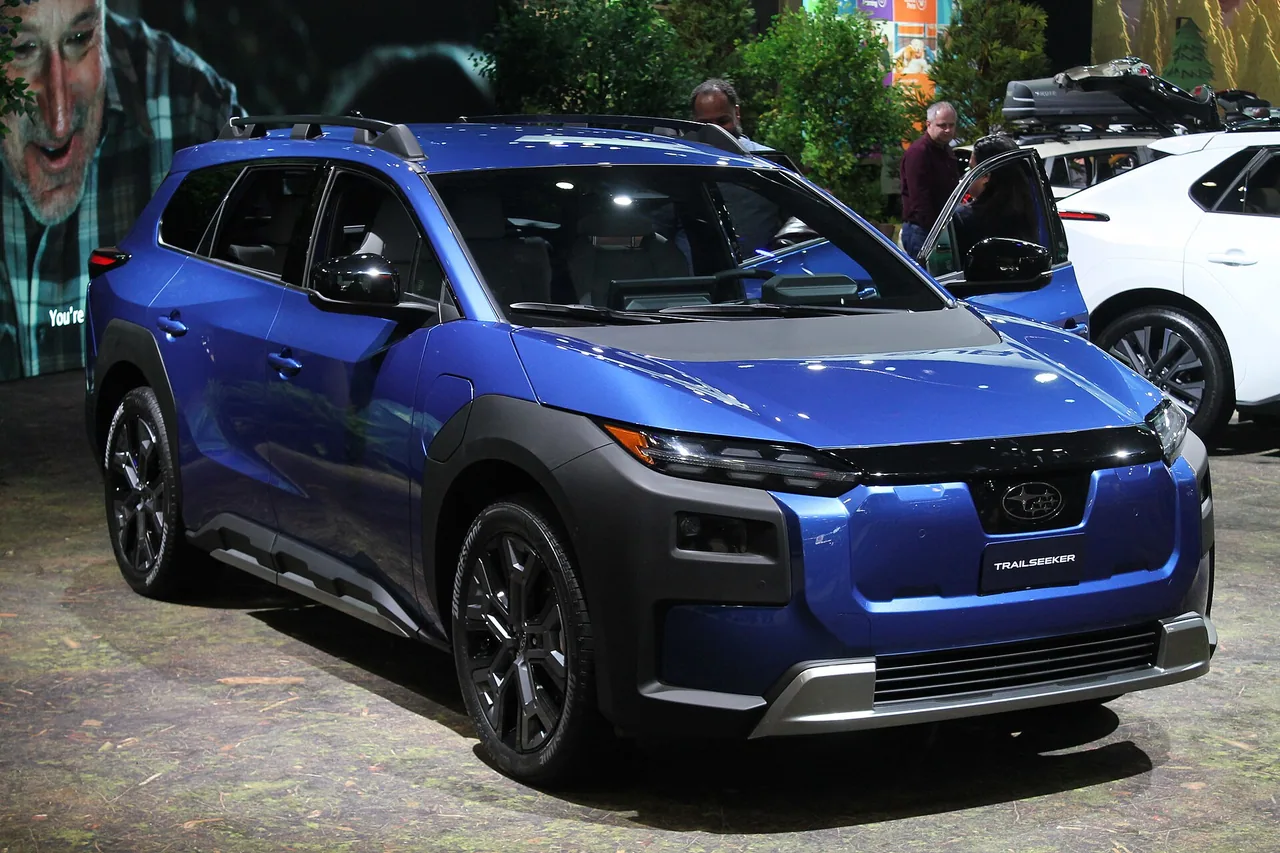
Subaru Trailseeker
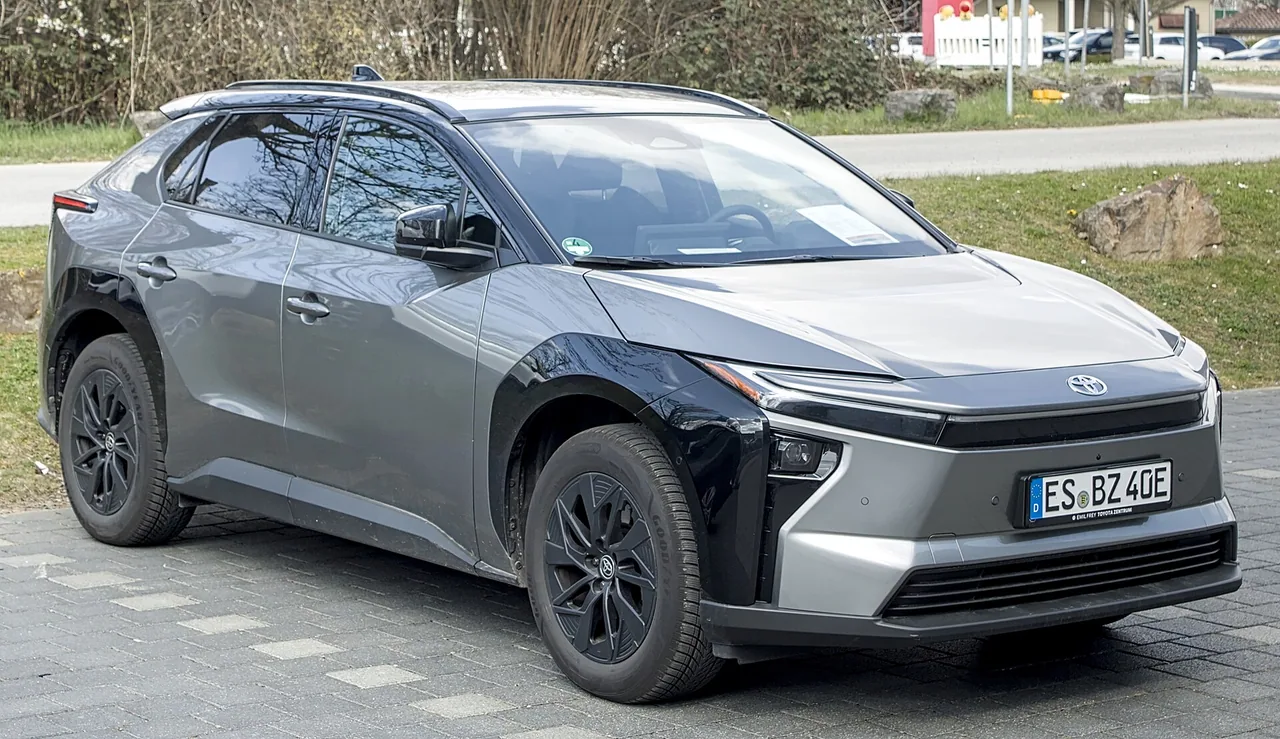
Toyota bZ
Latest Data Refresh Check · Nov 25, 2026
Re-checked against TrimIndex's latest reviewed data snapshot (2026-11-25): no material recall, complaint, or pricing shift recorded on either twin in the most recent cycle.
Live Market & Badge-Tax Readout
What you pay for the badge: new MSRP vs. used market
Current market snapshot: bZ ($10,756 less on Used dealer asking midpoint).
Trailseeker ($2,605 lower avg MSRP)
TrimIndex never blends KBB, J.D. Power, and dealer asking figures into one range.
Where dealer asking prices are shown above or in the timeline below, figures summarize active US used dealer listings (asking prices, not final sale prices; excluded from Value-to-Score).
Day-to-Day Ownership Split
Where Trailseeker and bZ actually diverge
Sharing a platform does not mean identical ownership. Here are the concrete calibration, cabin, software, charging, and dealer differences buyers feel every day.
Wagon Rear Overhang vs. Compact Footprint
Trailseeker is the authentic electric Outback replacement for cargo haulers; standard bZ parks easier in cramped urban driveways.
Horsepower vs. Maximum Range
Buy Trailseeker for maximum AWD punch and cargo utility; pick 74.7 kWh bZ FWD if you want 33 extra miles between fast-charge stops.
In-House Yajima vs. Motomachi Assembly
Motomachi brings four years of e-TNGA line maturity, whereas Yajima gave Subaru freedom to stamp its own elongated wagon body and 375-hp calibration.
12-Volt Battery Drain Concentration
Both twins share the 2026 e-TNGA 12-volt sleep-drain bug, but Trailseeker's early complaint concentration makes checking updated dealer software essential.
Entry Price vs. Dealer Asking Reality
Shoppers seeking discounts find far more leverage across Toyota bZ inventory than on freshly launched Trailseeker wagons.
Refreshed EPA, charging & safety specs side by side
Pulled directly from TrimIndex’s EPA Fuel Economy, NHTSA NCAP, and charging-access database (NHTSA records through Nov 22, 2026).
| Specification | Subaru Trailseeker | Toyota bZ |
|---|---|---|
| EPA range (all trims) EPA Fuel Economy Guide | 281 mi | 236–314 mi |
| Efficiency (lower is better) EPA Fuel Economy Guide | 29.0 kWh/100 mi | 25.5–29.0 kWh/100 mi |
| Usable battery capacity | 74.7 kWh | 57.7–74.7 kWh |
| Peak DC fast charging | 150 kW | 150 kW |
| Rated horsepower | 375 hp | Not on file |
| Drivetrains offered | AWD | AWD, FWD |
| Seating capacity | 5 seats | 5 seats |
| Fast-charging port & Supercharger | NACS (SAE J3400) · Yes, with its built-in NACS port | NACS (SAE J3400) · Yes, with its built-in NACS port |
| NHTSA 5-Star overall rating NHTSA NCAP crash tests | 5 of 5 stars | 5 of 5 stars |
Why Subaru built the Trailseeker in-house as an electric Outback
When Subaru co-launched the Solterra with Toyota, loyal Outback owners immediately pointed out what was missing: rear cargo length, tow-ready punch, and a tall squared-off hatch that swallows dog crates and skis without folding the second row. Rather than wait for another Toyota-bodied crossover, Subaru retooled its Gunma Yajima assembly plant in Japan into a flexible mixed-model line and launched the 2026 Trailseeker as its first in-house global BEV.
Keeping the exact 112.2-inch wheelbase and 74.7 kWh underfloor battery allowed Subaru to inherit Toyota's upgraded 2026 silicon-carbide powertrain, heat pump, and native NACS architecture without starting from scratch. Extending the rear structure to 190.8 inches overall and cranking AWD output to 375 horsepower turns the same skateboard into a genuinely different machine—one that out-accelerates every standard Toyota bZ while matching the bZ Woodland's 281-mile EPA figure on 18-inch wheels.
- Trailseeker stretches to 190.8 in long × 65.9 in tall (4,465–4,530 lbs) on the 112.2-in wheelbase with 375 hp standard AWD.
- Toyota bZ spans 4,057 to 4,500 lbs across 221-hp FWD (236–314 mi EPA) and 338-hp AWD (260–288 mi EPA, including bZ Woodland).
- Both charge at up to 150 kW DC via built-in NACS and 11 kW Level 2 AC at home.
The shared 2026 e-TNGA 12-volt battery drain warning
Read NHTSA owner filings across all four 2026 e-TNGA models and one electrical signature leaps off the spreadsheet: parked low-voltage battery depletion. On the 2026 Subaru Trailseeker, 27 of the first 31 NHTSA complaints—an extraordinary 87% share—describe the 12-volt accessory battery going completely flat after sitting parked, leaving doors locked or the car unable to boot even while the 74.7 kWh traction battery remains charged.
Toyota's 2026 bZ exhibits the exact same failure mode at a lower share (8 of 23 filings, 35%), alongside smaller waves on the 2026 Solterra, Uncharted, and C-HR EV. Because EVs rely on the DC-DC converter and wake-up telematics controllers to keep the 12-volt battery topped off while parked, an aggressive app ping, key-fob proximity loop, or DC-DC sleep bug can flatten a small auxiliary battery overnight. Before buying either sibling, demand confirmation of the latest dealer body-control and telematics firmware plus a fresh 12-volt load test—and keep a compact lithium jump pack in the cabin rather than under a powered rear hatch.
Neither Subaru nor Toyota had issued a formal NHTSA safety recall for the parked 12-volt drain through November 2026, even though it accounts for 27 of 31 Trailseeker complaints and 8 of 23 bZ complaints. Confirm software patch status and 12V battery health in writing before delivery.
Check active NHTSA EV defect investigations →Don't overlook Toyota's own bZ Woodland trim when cross-shopping
If you like Trailseeker's wagon utility and higher stance but prefer Toyota's showroom pricing or dealer network, look closely at the 2026 Toyota bZ Woodland AWD trim. Rated at 281 miles EPA on standard 235/60R18 tires (or 260 miles on chunkier 235/65R18 all-terrain rubber) and tipping the scales at 4,500 pounds, bZ Woodland bridges the gap between the standard urban bZ and Subaru's Trailseeker.
Trailseeker still keeps a 37-horsepower edge (375 hp vs. 338 hp) and Subaru's dedicated X-Mode calibration, whereas the mainstream bZ lineup counters with lower-priced FWD models and a 314-mile long-range option Subaru refuses to build on the 112.2-inch wheelbase.
Model-year timeline: Trailseeker vs. bZ
Refreshed automatically from TrimIndex’s database on each reviewed run so you can spot overlapping model years, Avoid flags, and pricing shifts.
Which platform twin should you buy?
Choose the Subaru Trailseeker if…
- You want an Outback-length electric wagon (190.8 inches) with squared-off cargo utility that standard compact crossovers cannot match.
- You want the highest horsepower in the 2026 e-TNGA family—375 hp standard AWD with Subaru's X-Mode calibration.
- You prioritize winter traction and outdoor gear hauling over chasing maximum FWD highway range.
Choose the Toyota bZ if…
- You want 314 miles of EPA range from the 74.7 kWh FWD model or a lower sticker price via the 57.7 kWh entry trim.
- You want Motomachi assembly maturity and deeper dealership inventory with stronger buyer negotiating leverage.
- You want a shorter urban-friendly footprint—or prefer Toyota's bZ Woodland trim if you still want rugged 18-inch AWD styling.
Used-Market Sweet Spot
If you haul family gear, dogs, or mountain hardware, the 2026 Subaru Trailseeker on 18-inch wheels (281 mi EPA, 375 hp) delivers the body style Toyota's standard bZ lacks—just insist on a fresh 12-volt battery test and latest wake-drain firmware. For range-focused road trippers or bargain hunters, the 74.7 kWh Toyota bZ XLE FWD Plus (314 mi EPA) is far tougher to beat.
Trailseeker & bZ platform questions
Is the 2026 Subaru Trailseeker built by Toyota like the Solterra?
No. While Trailseeker shares the 112.2-inch e-TNGA platform, 74.7 kWh battery, and NACS charging hardware co-developed with Toyota, Subaru builds the Trailseeker in-house at its Gunma Yajima Plant in Japan—Subaru's first in-house global BEV line. Standard Toyota bZ models are assembled at Toyota's Motomachi Plant.
How much larger is the Subaru Trailseeker than the Toyota bZ?
Both ride on an identical 112.2-inch wheelbase, so front and rear legroom are closely matched, but Trailseeker extends overall length to 190.8 inches—roughly 6.2 inches longer than standard Solterra/bZ crossovers—putting all of that extra volume into a deeper, taller wagon cargo area.
Why does the Subaru Trailseeker make 375 hp while the Toyota bZ AWD makes 338 hp?
Both use the updated 2026 dual-motor silicon-carbide eAxle hardware on the 74.7 kWh pack, but Subaru calibrated Trailseeker's power electronics for 375 combined horsepower to offset its heavier wagon body and towing/outdoor mission, compared to 338 hp on standard Toyota bZ AWD and Solterra AWD.
What is the main NHTSA complaint on the 2026 Subaru Trailseeker and Toyota bZ?
Parked 12-volt low-voltage battery drain is the leading NHTSA complaint theme on both vehicles: 27 of 31 filings (87%) on the 2026 Trailseeker and 8 of 23 filings (35%) on the 2026 Toyota bZ report the small auxiliary battery going dead while parked, leaving the car unable to unlock or start.