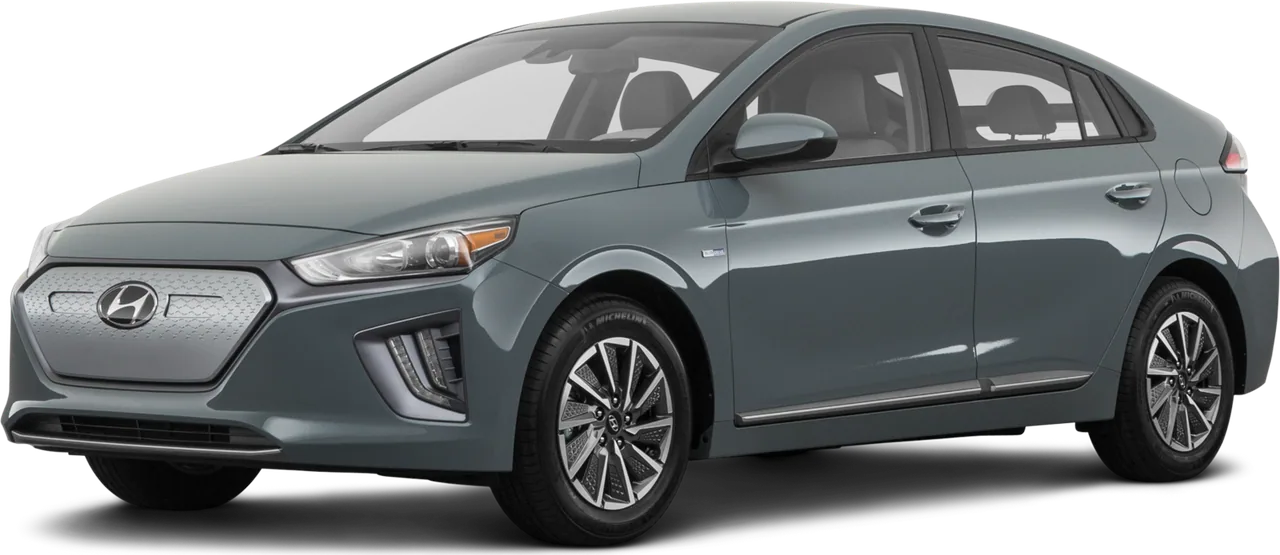
2020 Hyundai Ioniq Electric
Electric Hatchback · FWD
Based on battery health, build quality, owner data, EPA range, and market pricing
Below average for 2020 EV Hatchbacks (class avg 65)
Personalize this scoreIs a low score bad?
Last scanned 25 days ago
The 2020 Hyundai Ioniq Electric puts down 134 hp, 170 miles of EPA range and a 36 kWh battery, and a do-not-drive recall is in play, so VIN status comes before everything else.
Score read
A 60/100 makes this a high-risk buy. The useful split is software and driver-assist score at 85/100 versus range and efficiency score at 35/100. On Reddit, owners keep flagging the same two issues: owner satisfaction and build quality. If the seller cannot show recall completion, price that risk or move on.
Price context
Used examples are running around $14,681. Treat that as a budgeting floor, not a final price; pull a current KBB Fair Purchase or Edmunds True Market Value for this exact trim before negotiating.
Who this is for
✓ Good for
- ⏱ Daily commuter ≤50 mi/day, predictable charging
✗ Avoid if you are a
- ☷ Family hauler 3+ kids, cargo, towing
- ↦ Road tripper Long trips, needs DC fast network
- $ Bargain hunter Best TCO, reliability + low depreciation
Gotchas
- Serviceable Recall paperwork has to match the exact VIN.
Mitigation Use NHTSA and the automaker lookup, then require repair records instead of a verbal promise.
- Built in Range is the easy place to overbuy this trim (35/100).
Mitigation Check your commute, winter margin, and fast-charge plan before you assume the EPA number fits your use.
Pre-purchase inspection
- 1 Run the exact VIN through NHTSA and the automaker recall lookup before discussing price.
- 2 Compare the dashboard range estimate with the EPA 170-mile rating after a full charge.
- 3 Confirm how much of the 10-year/100,000-mile battery warranty remains and whether it transfers.
- 4 If road trips matter, run a short DC fast-charge session and watch whether speed tapers normally.
- 5 Map your normal highway route and winter margin against the EPA range before you treat it as a road-trip car.
VIN status first This model has 1 NHTSA recall record. The exact VIN lookup decides whether the car in front of you is clear.
Complaint context This scan found 8 NHTSA complaint records (3.6 per 10K VINs, low for any vehicle class). Read the themes below before treating the raw count as the verdict.
Price anchor Current market range is $11,412-$17,949. Use that range to compare listings for the same trim, mileage, and condition.
Pricing & Market Value
Score Breakdown
What matters most to you?
Drag the sliders to prioritize what you care about. Your TrimIndex Score recalculates instantly.
Vehicle Specifications
EVs at your price point that match or beat this trim
Price-gated peer set: vehicles within $11.7K–$17.6K market value (±20% of $14.7K). 1 outscore · 4 score within ±2. Mixed across makes — no "spend more, score better" comps.
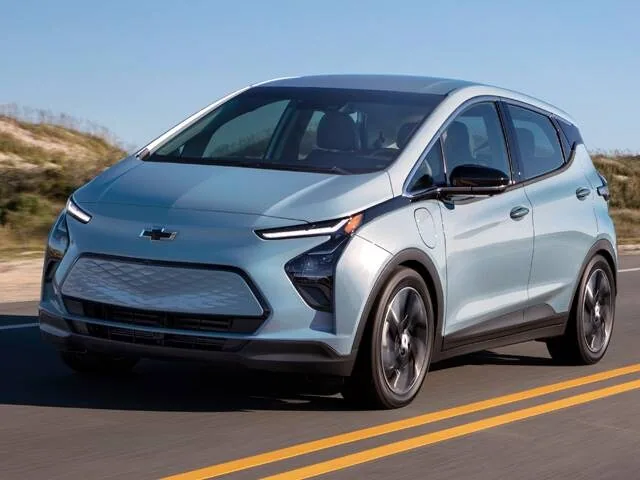
Bolt EV
- ✓ +89 mi more range
- ✓ Better owner satisfaction
- ✓ Better bang-for-buck
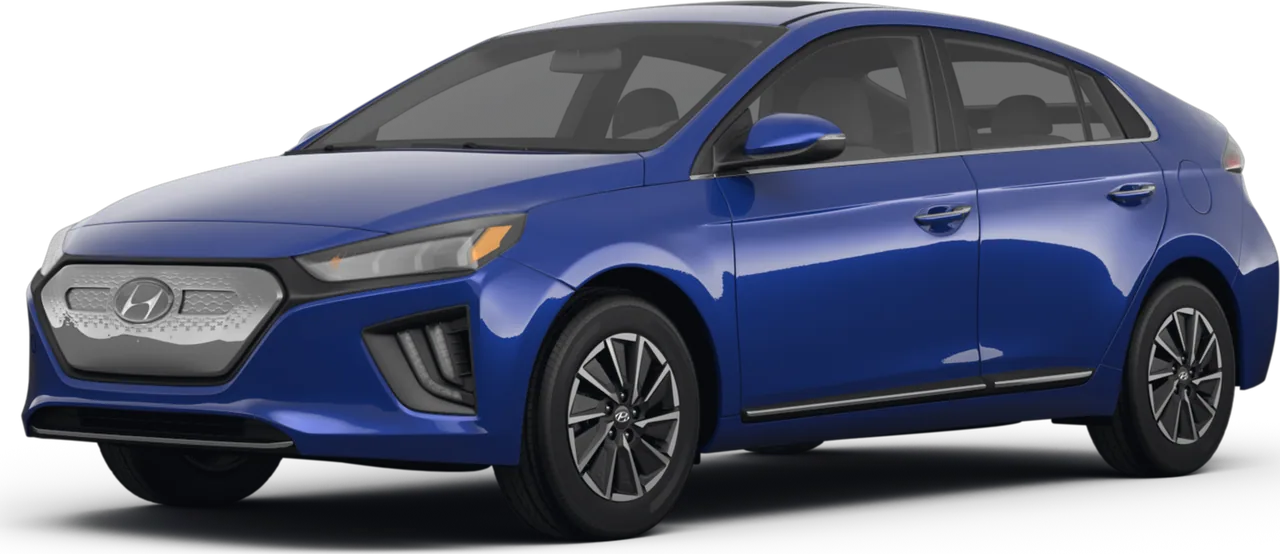
Ioniq
- ✓ Notably better build quality
- ✓ Better infotainment UX
- ✓ Better safety score
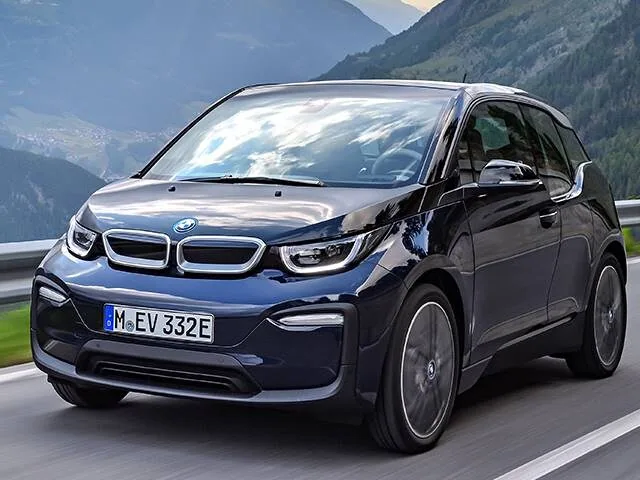
i3
- ✓ Notably better build quality
- ✓ Better infotainment UX
- ✓ Better bang-for-buck
i3
- ✓ Notably better build quality
- ✓ Better bang-for-buck
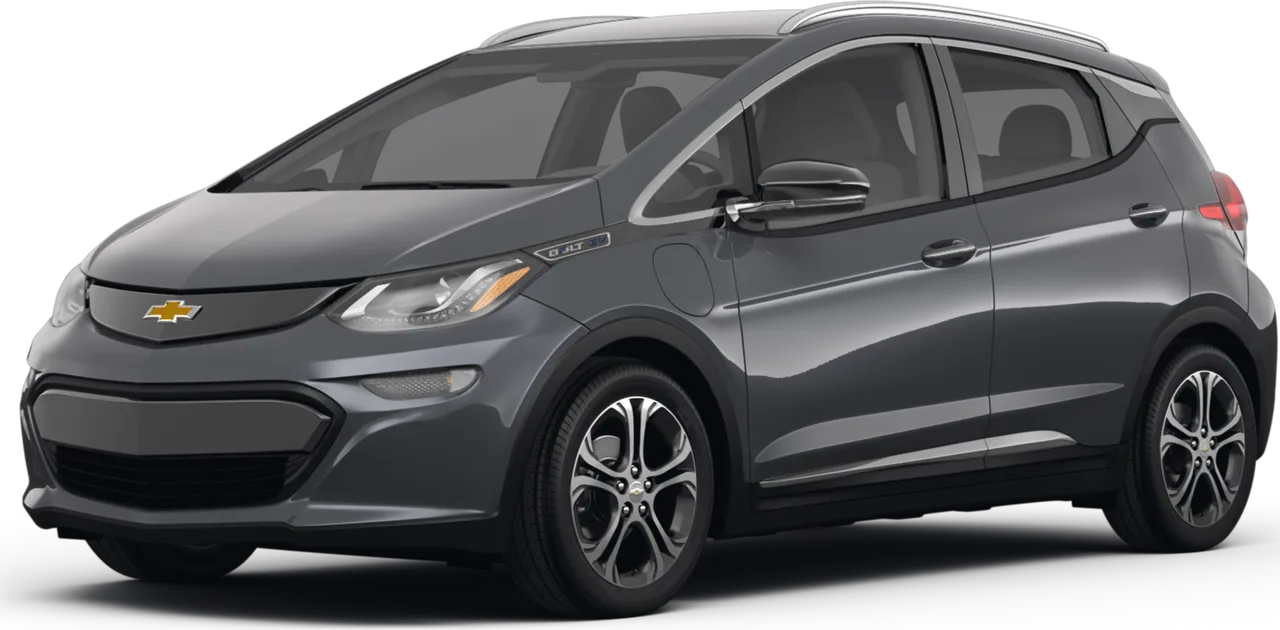
Bolt EV
- ✓ +89 mi more range
- ✓ Better bang-for-buck
- ✓ Happier owners overall
The federal $4,000 used-EV credit ended Sept 30, 2025.
But 10 states still run their own used-EV rebate programs — some up to $5,000. Pick your state to see what's available for this trim.
Source & disclaimer
Dealers make ~$6,248 on the average car loan.
After the price is set, the finance manager runs four plays to rebuild margin. Every buyer without a pre-approval is a target. Here's exactly what they run — and what stops each one.
78% of dealer loans carry a hidden +1.13% markup above what the lender actually charges. You never see it — it's buried in the contract. · CFPB
Dealer must match or beat your lender — they can't add margin invisibly. The markup play is dead on arrival.
Once you answer, they stretch the term to hit your number. Median result: $4K less off the price, 12 more months on the loan. · Industry avg
Financing is done. Only the sale price is on the table — and the dealer knows it.
Back-office F&I profit averages $1,975/vehicle, up 8.5% YoY. These products exist — but dealer markup is 4–10x what you'd pay elsewhere. · Dealership Guy
Dealer GAP runs $500–1K. Your insurer sells the same coverage for $100–250 over 5 years. Now you know.
"Your loan fell through — come re-sign." This pulls your APR up +5% on average. It's legal. It works because you've already driven the car home. · Ctr for Responsible Lending
A lender commitment letter means the deal is final. "Pending dealer approval" doesn't apply. You can't be yo-yo'd.
That's 29 months of your car payment — handed to the dealer's finance department for nothing.
Takes 2 minutes. No obligation to use it — but you'll walk in with all the leverage.
Pre-approval is a soft credit inquiry — no score impact. FICO treats all auto-loan hard pulls within 14 days as one, so you can still shop rates at the dealer.
NHTSA Recalls (1)
DRIVE
Hyundai Motor America (Hyundai) is recalling certain 2019-2020 Kona Electric and 2020 Ioniq Electric vehicles. The lithium-ion (Li-ion) battery may short-circuit.
An electrical short in the Li-ion battery increases the risk of a fire.
Check VIN status at NHTSA.govNHTSA Complaints (8 total · 3.6 per 10K US vehicles · low for any vehicle class)
the Hyundai ioniq 5 doesn't turn on its brake lights when you're using single-pedal driving, as shown in this youtube video: https://youtu.be/U0YW7x9U5TQ?t=97 these should be recalled because you can bring the vehicle to a complete stop without the brakes turning on
the Hyundai ioniq 5 doesn't turn on its brake lights when you're using single-pedal driving, as shown in this youtube video: https://youtu.be/U0YW7x9U5TQ?t=97 these should be recalled because you can bring the vehicle to a complete stop without the brakes turning on
The regenerative brake system failed to operate as it normally does, and no indicator lights came on on the dashboard. This unexpected loss of braking force nearly caused me to hit the car in front of me. I had recently disengaged cruise control and was approaching a red light. I pressed my foot on the brake pedal and felt no response from the car. I lifted my foot and pressed again two or three times with no response, neither deceleration nor any change in the regenerative braking meter on the dashboard. I had to press the brake all the way to the floor before the mechanical brakes were activated. This loss of braking power greatly increased my stopping distance and I narrowly avoided hitting the car in front of me. Once the light turned green, I accelerated and tested the brakes again and everything seemed to be working fine, including the regeneration meter. No indicator lights of any kind came on during this incident. This occurred approximately a week ago. I have owned the car for approximately three weeks, and have not experienced any similar issues in the two weeks prior to the incident or in the week since. I have not yet taken it to the dealership as I would not be able to reproduce the issue for them. I will gladly cooperate with any inspection needed to better understand this issue.
The regenerative brake system failed to operate as it normally does, and no indicator lights came on on the dashboard. This unexpected loss of braking force nearly caused me to hit the car in front of me. I had recently disengaged cruise control and was approaching a red light. I pressed my foot on the brake pedal and felt no response from the car. I lifted my foot and pressed again two or three times with no response, neither deceleration nor any change in the regenerative braking meter on the dashboard. I had to press the brake all the way to the floor before the mechanical brakes were activated. This loss of braking power greatly increased my stopping distance and I narrowly avoided hitting the car in front of me. Once the light turned green, I accelerated and tested the brakes again and everything seemed to be working fine, including the regeneration meter. No indicator lights of any kind came on during this incident. This occurred approximately a week ago. I have owned the car for approximately three weeks, and have not experienced any similar issues in the two weeks prior to the incident or in the week since. I have not yet taken it to the dealership as I would not be able to reproduce the issue for them. I will gladly cooperate with any inspection needed to better understand this issue.
This issue is easily repeatable, when braking if you hit a bump (pot hole, etc.) the braking power is greatly reduced & the brake pedal becomes almost impossible to push down to stop the car, making it very hard to stop even when not coming to an abrupt stop.
This issue is easily repeatable, when braking if you hit a bump (pot hole, etc.) the braking power is greatly reduced & the brake pedal becomes almost impossible to push down to stop the car, making it very hard to stop even when not coming to an abrupt stop.
The contact owns a 2020 Hyundai Ioniq. The contact stated that while driving at undisclosed speeds, the vehicle stalled. No warning lights were illuminated. The contact was able to restart the vehicle. The vehicle was taken to the dealer where it was diagnosed and determined that the battery had overheated. The vehicle was not repaired. The contact stated that on a separate occasion, while driving at undisclosed speeds, the vehicle stalled. No warning lights were illuminated. The vehicle was taken back to the dealer; however, no cause for the failure was found. The contact stated that on the way home, there was an abnormal ticking sound was coming from the vehicle. The contact stated that the electrical system on the vehicle had failed, and the doors and the trunk failed to open. No warning lights were illuminated. The vehicle was taken to the dealer; however, the contact was unsure if the vehicle was repaired. The vehicle remained at the dealer and had not been driven since the failure. The manufacturer was notified of the failure. The failure mileage was approximately 22,400.
The contact owns a 2020 Hyundai Ioniq. The contact stated that while driving at undisclosed speeds, the vehicle stalled. No warning lights were illuminated. The contact was able to restart the vehicle. The vehicle was taken to the dealer where it was diagnosed and determined that the battery had overheated. The vehicle was not repaired. The contact stated that on a separate occasion, while driving at undisclosed speeds, the vehicle stalled. No warning lights were illuminated. The vehicle was taken back to the dealer; however, no cause for the failure was found. The contact stated that on the way home, there was an abnormal ticking sound was coming from the vehicle. The contact stated that the electrical system on the vehicle had failed, and the doors and the trunk failed to open. No warning lights were illuminated. The vehicle was taken to the dealer; however, the contact was unsure if the vehicle was repaired. The vehicle remained at the dealer and had not been driven since the failure. The manufacturer was notified of the failure. The failure mileage was approximately 22,400.
When approaching a turn, I let off the accelerator but the car didn’t stop accelerating. Instead, it gently kept accelerating. I applied the brakes and the car started slowing down but not at the same rate I was applying brake pressure. Therefore I floored the brakes to try coming to a complete stop. Sadly, the cars ABS system did not engage, half of the car hopped over the curb at about 20 mph. I was able to steer the car back onto the road where it finally came to a stop but acted like it wanted to keep going until full blackout power loss happened. The car was deemed a total loss by my insurance company American Family. Essentially, the vehicle malfunctioned causing the accelerator to stick which caused the car to be harder to control than designed. The car malfunctioned by not engaging the ABS system as well. There is a recall on this exact problem for the 2017-2019 model but not for my 2020 even though it was manufactured during that campaign. It all happened very quickly and I was very lucky this did not involve another vehicle.
When approaching a turn, I let off the accelerator but the car didn’t stop accelerating. Instead, it gently kept accelerating. I applied the brakes and the car started slowing down but not at the same rate I was applying brake pressure. Therefore I floored the brakes to try coming to a complete stop. Sadly, the cars ABS system did not engage, half of the car hopped over the curb at about 20 mph. I was able to steer the car back onto the road where it finally came to a stop but acted like it wanted to keep going until full blackout power loss happened. The car was deemed a total loss by my insurance company American Family. Essentially, the vehicle malfunctioned causing the accelerator to stick which caused the car to be harder to control than designed. The car malfunctioned by not engaging the ABS system as well. There is a recall on this exact problem for the 2017-2019 model but not for my 2020 even though it was manufactured during that campaign. It all happened very quickly and I was very lucky this did not involve another vehicle.
Refill Coolant warning light intermittently signals EV battery coolant problem. Hyundai dealer in Fort Wayne, IN, topped off coolant. Andrew service representative was informed of two YouTube videos explaining recall due to defective coolant ASC1 that crystalizes and/or becomes sludgy. Video reported dealer changed old coolant with an upgraded coolant ASC2 number in a Hyundai Ioniq Limited 2020 Electric Vehicle 38 kw like my vehicle. Fort Wayne, Glenbrook Hyundai dealer has very little experience or training with EV vehicles, since they offered to change the engine oil. https://www.youtube.com/watch?v=CUs-YoGTMlw https://www.youtube.com/watch?v=cCt6MEbaXCI are video links apparently from England due to British accent and Chippenham city mentioned in video. USA NHTSA should add this recall to USA Hyundai Ioniq 2020 38 kv EV's. Defective coolant could cause EV battery failure and potential fire due to overheating and electrical short circuits. The Refill Coolant warning light goes off indicating coolant is sufficient, even when no additional coolant was added.
Refill Coolant warning light intermittently signals EV battery coolant problem. Hyundai dealer in Fort Wayne, IN, topped off coolant. Andrew service representative was informed of two YouTube videos explaining recall due to defective coolant ASC1 that crystalizes and/or becomes sludgy. Video reported dealer changed old coolant with an upgraded coolant ASC2 number in a Hyundai Ioniq Limited 2020 Electric Vehicle 38 kw like my vehicle. Fort Wayne, Glenbrook Hyundai dealer has very little experience or training with EV vehicles, since they offered to change the engine oil. https://www.youtube.com/watch?v=CUs-YoGTMlw https://www.youtube.com/watch?v=cCt6MEbaXCI are video links apparently from England due to British accent and Chippenham city mentioned in video. USA NHTSA should add this recall to USA Hyundai Ioniq 2020 38 kv EV's. Defective coolant could cause EV battery failure and potential fire due to overheating and electrical short circuits. The Refill Coolant warning light goes off indicating coolant is sufficient, even when no additional coolant was added.
The traction battery on my Ioniq 2020 went bad after 3 months. The diagnostic panel warned me of an electric issue and the range dropped drastically. The dealer changed the battery no questions asked. My vin wasn't part of the recall. I wonder if the recall should have included a broader range of vehicles.
The traction battery on my Ioniq 2020 went bad after 3 months. The diagnostic panel warned me of an electric issue and the range dropped drastically. The dealer changed the battery no questions asked. My vin wasn't part of the recall. I wonder if the recall should have included a broader range of vehicles.
8-1-2020 HYUNDAI MOTOR AMERICA LETTER RECEIVED THAT ORIGINAL WINDOW STICKER HAD INCORRECT INFORMATION AND IS NOT EQUIPPED WITH BLIND SPOT AND REAR CROSS TRAFFIC COLLISION AVOIDANCE ASSIST SYSTEMS; HOWEVER THESE VEHCLES ARE EQUIPPED WITH BLIND SPOT AND REAR CROSS TRAFFIC COLLISION WARNING SYSTEMS. HOW MANY OTHER BUYERS WERE MISLED BY THE WINDOW STICKER AND SOLD A CAR WITH MORE EXTENSIVE SAFETY EQUIPMENT THAN WHAT THEY ACTUALLY RECEIVED? SHOULD HYUNDAI RECALL THE VEHICLE TO INSTALL THE DEVICES AS ADVERTISED AND SOLD OR REIMBURSE THE BUYERS FOR THE DIFFERENCE AND THE LESSER VALUE CAR SOLD? MY CAR WAS STATIONARY AND NO MALFUNCTION KNOWN YET, BUT LACK OF ASSIST FUNCTION MAKES THE CAR LESS SAFE THAN REPRESENTED WHEN SOLD TO ME. THE DEFICIENCY, ERROR NOTICE LETTER IS NOT DATED AND DOES NOT OFFER TO CORRECT THE MISREPRESENTATION OR REFUND THE COST OF INSTALLING THIS SYSTEM, AND DOES NOT OFFER TO INSTALL IT AFTER THEIR ERROR.
8-1-2020 HYUNDAI MOTOR AMERICA LETTER RECEIVED THAT ORIGINAL WINDOW STICKER HAD INCORRECT INFORMATION AND IS NOT EQUIPPED WITH BLIND SPOT AND REAR CROSS TRAFFIC COLLISION AVOIDANCE ASSIST SYSTEMS; HOWEVER THESE VEHCLES ARE EQUIPPED WITH BLIND SPOT AND REAR CROSS TRAFFIC COLLISION WARNING SYSTEMS. HOW MANY OTHER BUYERS WERE MISLED BY THE WINDOW STICKER AND SOLD A CAR WITH MORE EXTENSIVE SAFETY EQUIPMENT THAN WHAT THEY ACTUALLY RECEIVED? SHOULD HYUNDAI RECALL THE VEHICLE TO INSTALL THE DEVICES AS ADVERTISED AND SOLD OR REIMBURSE THE BUYERS FOR THE DIFFERENCE AND THE LESSER VALUE CAR SOLD? MY CAR WAS STATIONARY AND NO MALFUNCTION KNOWN YET, BUT LACK OF ASSIST FUNCTION MAKES THE CAR LESS SAFE THAN REPRESENTED WHEN SOLD TO ME. THE DEFICIENCY, ERROR NOTICE LETTER IS NOT DATED AND DOES NOT OFFER TO CORRECT THE MISREPRESENTATION OR REFUND THE COST OF INSTALLING THIS SYSTEM, AND DOES NOT OFFER TO INSTALL IT AFTER THEIR ERROR.
What Owners Are Saying
"Buy another 2020 Ioniq EV limited or spring for a 2024 Ioniq 5 Limited RWD? I've been mulling over this choice and can't decide, so I'm interested in hearing your thoughts: A few months ago I traded in a 2010 honda CRV with 190,000 miles on it for a 2020 Ioniq EV limited with 14,000 miles. I love it. It had a 210 mile range when fully charged when it was warm out. Now... 81.5Kmreekster replied Feb 1, 2025 Hyundai IONIQ 5 karen6rd Mar 17, 2025 IONIQ 5 - warranty repairs Hi all, I have a 2023 IONIQ 5 namsan edition. Great car, however I recently had the 12v issue and also warnings come up regarding engine malfunction."
"I haven’t had any issues with mine, same model and upgraded trim and features are terrific. Had it for nearly six months and I couldn’t recommend it enough, Hyundai really seem to have their battery management well sorted."
"IoniqEV excels at 70 miles an hour range test buy InsideEVs As per the subject, good news from InsideEVs about the Ioniq, for anyone looking for a vehicle with super high efficiency even at highway speeds (here: From the article: "We've never had an EV on our highway range tests prove capable of matching, or in this case, exceed its EPA range rating while driving at 70-mph, until now." I've been really happy with my Tesla model 3 (I got one of the good ones, and I've never had to do business with Tesla service), but watching the news about the Ioniq recently, while looking for something my youngest child can take to college this fall. We're shopping now at a lower price point, charging networks have come a long way in the last 2 years (Ioniq uses CCS, right?), and back seat safety ratings are less important in a vehicle that will usually transport only the driver (although, from what I've seen, passengers are better protected in the Ioniq than in the Nissan Leaf, for example). So, Ioniq is looking really good at the moment, though it does have less acceleration than the Leaf, and certainly the Tesla."
"> skuba2 said: > > Hey folks, > > I've been looking into getting a used EV for daily commuting, and I came across this 2020 Hyundai Ioniq Premium with the 38.3 kWh battery. It looks like it's in solid shape, and I’m digging the gray color—feels pretty understated but clean. > > Anyone here own this trim or year? Wondering what real-world range looks like after a few years and if there’s anything specific I should be watching for in a used one. > > Here’s the listing I found: > > 2020 Hyundai IONIQ 38.3kWh Premium Auto 5dr > > Appreciate any insight from current or past owners! > > > Click to expand... I have a '21 model bought last Oct at 80000km or 48000 miles. I've put about 6000km on it over the western Canadian winter getting range when cold of about 160 miles in mixied city /hwy driving. Now warmer and getting about 185-190 miles. Car battery seems bulletproof. I bought used from an EV specific dealership. I do mostly level 1 or 2 charging with vary odd level 3 DC charge."
"Hyundai car quality very poor (Ioniq Hybrid) I’ve been the owner of a Hyundai Ioniq since November 30th, 2019 — my very first car. And honestly, it was a spectacular one. Over the years I’ve had a few minor issues, but nothing that ever made me regret my purchase… until this last year. Conveniently, **right after the 5-year warranty expired**, the car started to literally fall apart piece by piece. In just one year: * most of the **interior chrome trims have peeled off**, * the **front radar glass cracked and broke**, * the **seat belts no longer retract** because the mechanism failed, * the **paint on the alloy wheels is coming off**, * the **car constantly pulls to the right**, and despite all checks, **no one seems to know why**, * the **window seal has crumbled**, * the **side mirrors struggle to open and close** and now **have to be helped by hand**, * and even the **protective coating on the front headlights seems to be peeling off**. All this on a car that’s barely over five years old — a car I once considered a little gem. Honestly, I expected much better **quality and durability** from Hyundai. I was already looking at the new **Santa Fe** or **Ioniq 9** as my next car, but after this experience, I’ll **definitely think twice before choosing Hyundai again**. It’s honestly **disappointing** that a car in this category — one that was supposed to be close to a flagship model — starts showing all these issues just **one year out of warranty**. It’s frustrating, and it really gives the impression that the **build quality just isn’t up to the standards** one would expect. I already wrote to customer care but they said: >We would like to inform you that the official Hyundai warranty is valid for 5 years (60 months) from the date of the vehicle’s first registration. Beyond this period, unfortunately, we are not in a position to carry out any warranty-related interventions. For any issues occurring after the warranty has expired, you will need to contact your trusted mechanic or an authorized Hyundai dealership. In either case, any repair costs will be the responsibility of the driver. Please do not hesitate to contact us should you require any further information or assistance. Kind regards, **Carlo** Very very very disappointed!!!"
"Recall IONIQ EV - Voltage deviation, potential battery replacement Today I got an article from a dutch news source that said there was a recall on IONIQ's stating: "A voltage difference may develop between the individual cells of the high-voltage battery. This can cause a short circuit, which may result in a fire." (Translated from dutch) It also stated: "The vehicle owner is asked to make an appointment with the authorized dealer. The software will be updated to enable the detection of anomalies at an even earlier stage. If an anomaly is detected, the high-voltage battery will be replaced as a precautionary measure." Sources: \- \- \- Australian recall page: Just to inform anyone, not sure this recall is active in other places (it likely is), the producer's reference code for this recall (at least in the Netherlands) was: 61D018 This recall was active on my 38kwh IONIQ Edit: Unrelated to this sub, but it seems that this is also the case for KONA's:"
"Our New Ioniq 5 Died Suddenly -Only Then Did We Learn about Recalls My husband and I purchased a brand-new 2024 Hyundai Ioniq 5 from OpenRoad Hyundai Richmond Canada on a lease. We traded in a VW golf. In the roughly seven months we’ve had the vehicle, we used it primarily for commuting, school runs of our kids, and occasional leisure trips. We drove very carefully as it was my husband's dream car and the car was never in an accident or had any damage during this time. On **Friday, June 20, 2025**, while my husband was driving, the car suddenly began beeping frantically and showed a “Check electrical system” warning, and told him to pull over. Despite being adequately charged, the car became completely immobilized and stranded him on the road. We had to urgently call the school to inform them of the delayed pickup and scramble to find a friend who could help pick up the kids. Thank goodness the kids were not in the car when it became stranded on the road, as even adults could feel confused and anxious in that situation—let alone young children. After researching online, we found that many Hyundai owners had reported experiencing similar problems. That night, my husband had to call a tow truck to bring the car back home. Even after charging it overnight, the vehicle remained completely dead/non-functional. On **Saturday, June 21, 2025**, we had the vehicle towed to the OpenRoad Hyundai Richmond. Later that day, a representative from the service department called my husband to inform him that our car was subject to **two** recalls. We were genuinely shocked—this was the first time we had heard of any recall affecting our car. We received recall mails when we had other cars, but we never received any recall mail notification from Hyundai. We later found out both recalls were related to the ICCU (Integrated Charging Control Unit) issue. At no point during the purchase process did anyone from the sales department inform us of an active recall—Transport Canada Recall #2024-174—issued in March 2024 regarding the ICCU issue affecting the 2024 Ioniq 5 and other Hyundai models. We were also not informed whether the ICCU issue had been addressed or repaired on our specific vehicle prior to the sale. Had we been made aware of any of this information, we would never have agreed to lease the vehicle, as no consumer would knowingly choose a car with a known risk of becoming unpredictably immobilized on the road. Upon further research, we discovered the first recall (Transport Canada #2024-174) was published on **March 15, 2024** on Transport Canada’s website, and the second (Recall #2024-701) on **November 18, 2024**. Both address the same ICCU defect, with the second recall replacing the first as it required to recall more models of Hyundai cars. Both recalls address essentially the same issue, and the second recall specifically states: *"Vehicles that were repaired under \[recall #2024-174\] also require this repair."* We question whether the initial r"
"Never Buy the Hyundai Ioniq 5: My $60,000 Regret I purchased a 2025 Hyundai Ioniq 5 Preferred AWD Long Range in Canada for approximately CAD $60,000, and despite the high price, the vehicle’s interior quality and overall build are disappointingly subpar, with fabric seats instead of leather, no power tailgate, only the driver’s seat being power-adjustable while the front passenger and rear seats are manual, and power windows available only for the driver. In addition, there are numerous rattles from the trunk and suspension, gaps between the seats that increase noise on uneven roads, and even the rear seatbelt produces a spring-like noise. When I reported these issues to both the dealership and Hyundai Canada, I was told that this is normal and that I might be overly sensitive. After only two months of ownership, the dealership suggested I pay for a special technician to diagnose the source of the noises, which was both frustrating and disappointing. Although I had considered both the Tesla Model Y and the Ioniq 5, I chose Hyundai because of the greater availability of local dealerships, but my experience with Hyundai Canada has been profoundly disappointing. When a car has problems and the customer reports them but the dealership fails to address them, it speaks volumes about the brand’s commitment to quality and customer satisfaction. Do yourself a favor and avoid the Ioniq 5, as you will regret it 100%."
Showing 8 of 88 owner excerpts (sorted by sentiment strength)