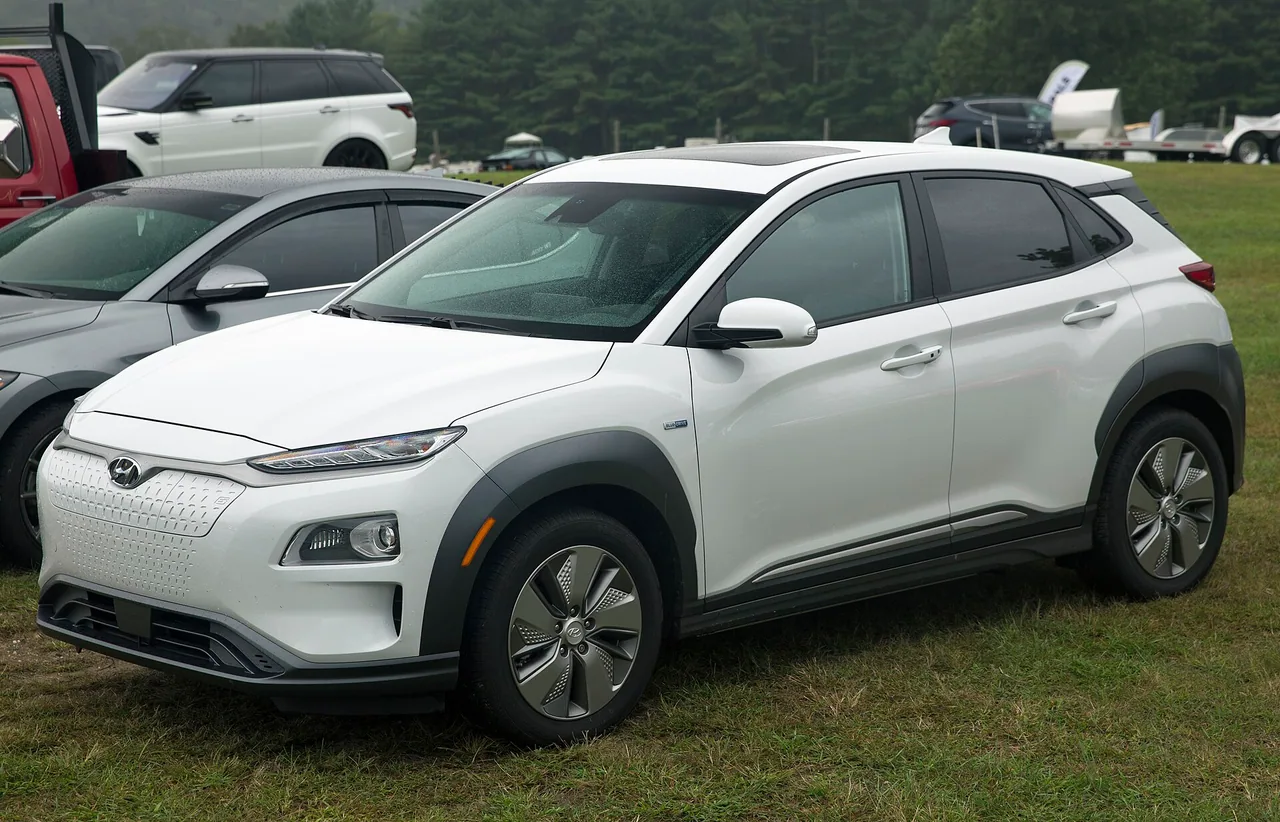

2021 Hyundai Kona Electric (SEL, Limited, Ultimate)
Updated · Published
The 2021 Hyundai Kona Electric scores 70/100, above the average for 2021 EV SUVs; it beats its class most on range and efficiency, and its 258 miles of EPA range suits commuting and occasional trips.
What changed on :
- Score change: TrimIndex Score from 69 to 70.
Used$14,950 KBB Fair Purchase Price, this trim, collected Nov 2026
Electric SUV · FWD
Above average for 2021 EV SUVs (class avg 62 · top 13%)
Personalize this scoreSee what to check before buying →
Data:NHTSA through · Prices collected Nov 2026
Buyer brief
The 2021 Hyundai Kona Electric is a front-wheel-drive SUV with 201 hp, 258 miles of EPA range and DC fast charging up to 75 kW.
Against the 24 trims we score among 2021 EV SUVs, it leads its class most on range and efficiency; Where it stands, below, sets each score beside the class average.
What to check before buying
-
Recall 22V941000: filed without a final fix
Recall 22V941000 covers the high-voltage battery. When it was filed (December 2022), the final fix was not yet available.
Check: Ask for the dealer repair order showing the final repair for 22V941000 was done on this VIN; if there is none, ask whether the automaker has written to the owner about it.
-
Battery warranty: 10 years for the first owner
A 2021 car usually entered service between October 2020 and June 2022, so its 10-year/100,000-mile battery warranty ends between October 2030 and June 2032. Hyundai's 10-year battery term may cover only the original owner.
Check: Ask a Hyundai dealer how much of the 10-year/100,000-mile battery term carries to a second owner on this VIN.
Who it suits
Suits
-
Commuting and occasional trips. 258 miles of EPA range sits between our 220-mile and 280-mile lines.
Figures in this brief: NHTSA recalls and complaints on every 2021 Hyundai Kona, not this trim alone (recalls as NHTSA listed them in November 2026); EPA range (fueleconomy.gov); TrimIndex scores and class averages.
Vehicle Specifications
NHTSA crash tests
NHTSA lists the 2021 Hyundai Kona EV SUV FWD as not rated: it has published no crash-test stars for it.
Source: NHTSA, “5-Star Safety Ratings: 2021 Hyundai Kona EV SUV FWD”, retrieved Nov 25, 2026.
Range and efficiency
- EPA range
- 258 miles
- Energy use, EPA combined
- 27.0 kWh per 100 miles
- Efficiency, EPA combined
- 120 MPGe
- Electricity for 15,000 miles a year
- $600
- At $0.15 per kWh, EPA's price of Nov 20, 2026.
Source: U.S. EPA and DOE, fueleconomy.gov, “Kona Electric (EPA vehicle 43747)”, record updated Feb 2, 2022.
Charging
- Full charge at 240 volts
- 9 hourssource 1
- Home (AC) charging power
- 7.2 kWsource 2
- Applies to every 2021 Hyundai Kona Electric trim.
- Fast-charging port
- CCS1 (Combined Charging System)source 3
- Tesla Supercharger access
- With an adapter, since Mar 25, 2025source 3
- NACS DC adapter, free offer
- Announced Mar 25, 2025source 3
- Free to owners who bought or leased on or before Jan 31, 2025, one per vehicle, with a MyHyundai account, claimed within 60 days of an emailed invitation (invitations from the week of Apr 7, 2025).
Sources: 1 U.S. EPA and DOE, fueleconomy.gov, “Kona Electric (EPA vehicle 43747)”, record updated Feb 2, 2022; 2 Hyundai Motor America (hyundainews.com), “2021 Kona Electric Specifications”, published Aug 5, 2020; 3 Hyundai Motor America, “Hyundai Owners Gain Access to U.S. Tesla Superchargers With Complimentary NACS Adapters”, published Mar 25, 2025; archived copy captured Sep 9, 2025.
Battery
- Stated by the manufacturer
- 64 kWh
- The manufacturer does not say usable or gross. Applies to every 2021 Hyundai Kona Electric trim.
Source: Hyundai Motor America (hyundainews.com), “2021 Kona Electric Specifications”, published Aug 5, 2020.
Performance
- Horsepower
- 201 hpsource 1
- From the 2025 model year's document.
- Drive
- Front-wheel drivesource 2
Sources: 1 Hyundai Motor America, retrieved May 27, 2026; 2 U.S. EPA and DOE, fueleconomy.gov, “Kona Electric (EPA vehicle 43747)”, record updated Feb 2, 2022.
Size and space
- Seats
- 5source 1
- Cargo, behind the rear seats
- 19.2 cu ftsource 2
- Cargo, rear seats folded
- 45.8 cu ftsource 2
- Curb weight
- 3,715 lbsource 2
- Wheelbase
- 102.4 inchessource 2
- Length
- 164.6 inchessource 2
- Width
- 70.9 inchessource 2
- Height
- 61.2 inchessource 2
- EPA size class
- Small sport utility vehiclesource 3
Curb weight applies to this version; the other manufacturer figures here apply to every 2021 Hyundai Kona Electric trim.
Sources: 1 Hyundai Motor America (hyundainews.com), “2021 Kona Electric Features”, published Aug 5, 2020; 2 Hyundai Motor America (hyundainews.com), “2021 Kona Electric Specifications”, published Aug 5, 2020; 3 U.S. EPA and DOE, fueleconomy.gov, “Kona Electric (EPA vehicle 43747)”, record updated Feb 2, 2022.
Where It Stands: Score Breakdown
What matters most to you?
Against its class
Class: 2021 EV SUVs, 24 trims on TrimIndex.
- Stronger than its class by 8 points or more: Range & Efficiency 72 against a class average of 52 (24 trims).
- Battery Health 74 against a class average of 64 (24 trims) is not called a strength while recall 22V941000 has no remedy yet (NHTSA: coolant contacting the EPCU circuit board may cause a loss of drive power, increasing the risk of a crash).
- Owner Satisfaction (49) is not compared: only 2 owner posts about overall satisfaction are on file.
| Dimension | This trim | Class average |
|---|---|---|
| Battery Health | 74+10, open recall | 6424 trims |
| Owner Satisfaction | 49limited data | not compared |
| Build Quality | 79+6 | 7322 trims |
| Range & Efficiency | 72+20 stronger | 5224 trims |
| Software & Tech | 83+6 | 7722 trims |
The same configuration in other model years
No change in these figures from 2020: the 2020 Hyundai Kona Electric has the same EPA range and connector.
No change in these figures in 2022: the 2022 Hyundai Kona Electric has the same EPA range and connector.
| Figure | 2020Hyundai Kona Electric | 2021This trim | 2022Hyundai Kona Electric |
|---|---|---|---|
| EPA range | 258 mi | 258 mi | 258 mi |
| Charging connector | CCS1 | CCS1 | CCS1 |
| NHTSA recalls | 4 | 3 | 1 |
| NHTSA complaints | 31 | 28 | 26 |
| TrimIndex score | 64 | 70 | 69 |
NHTSA recalls and complaints: NHTSA records through Nov 22, 2026, filed by model year.
EPA range: U.S. EPA and DOE, fueleconomy.gov, for each trim's own EPA test configuration.
Pricing & Market Value
Georgia Tax-Assessed Value
Georgia assessed value, 2026 manual
The 2026 manual prints 3 values that could be the 2021 Hyundai Kona Electric, under 3 series; it does not say which one is this trim, so each is shown.
| Manual series | Assessed value | VIN pattern | Page | Earlier editions |
|---|---|---|---|---|
| EV SEL Sold as SEL | $11,725 | 7 patterns | 2,830 | 2022$35,450, 2023$28,525, 2024$19,225, 2025$12,975 |
| EV LIMITED Sold as Limited | $12,100 | 7 patterns | 2,829 | 2021$30,025, 2022$33,400, 2023$31,600, 2024$21,475, 2025$15,100 |
| EV ULTIMATE Sold as Ultimate | $13,250 | 7 patterns | 2,829 | 2021$31,700, 2022$35,550, 2023$33,500, 2024$22,875, 2025$15,425 |
Hyundai's documents give SEL, Limited and Ultimate as names this configuration was sold under, and no other; the rows marked are those series.
Pursuant to the provisions of O.C.G.A. § 48-5C-1(a)(1), “fair market value of the motor vehicle” is set by averaging the current fair market value and the current wholesale value of a motor vehicle. Therefore, the fair market value reflected in this Manual generally will be less than the actual fair market value for a retail sale. The values listed in this Manual are intended solely for calculating tax liabilities.
Source: Georgia Department of Revenue, 2026 Motor Vehicle Assessment Manual for TAVT. Georgia title ad valorem tax figures, not offers or sale prices.
EVs with a similar range
SUVs from model years 2020–2023 closest to this trim's 258 miles of EPA range.
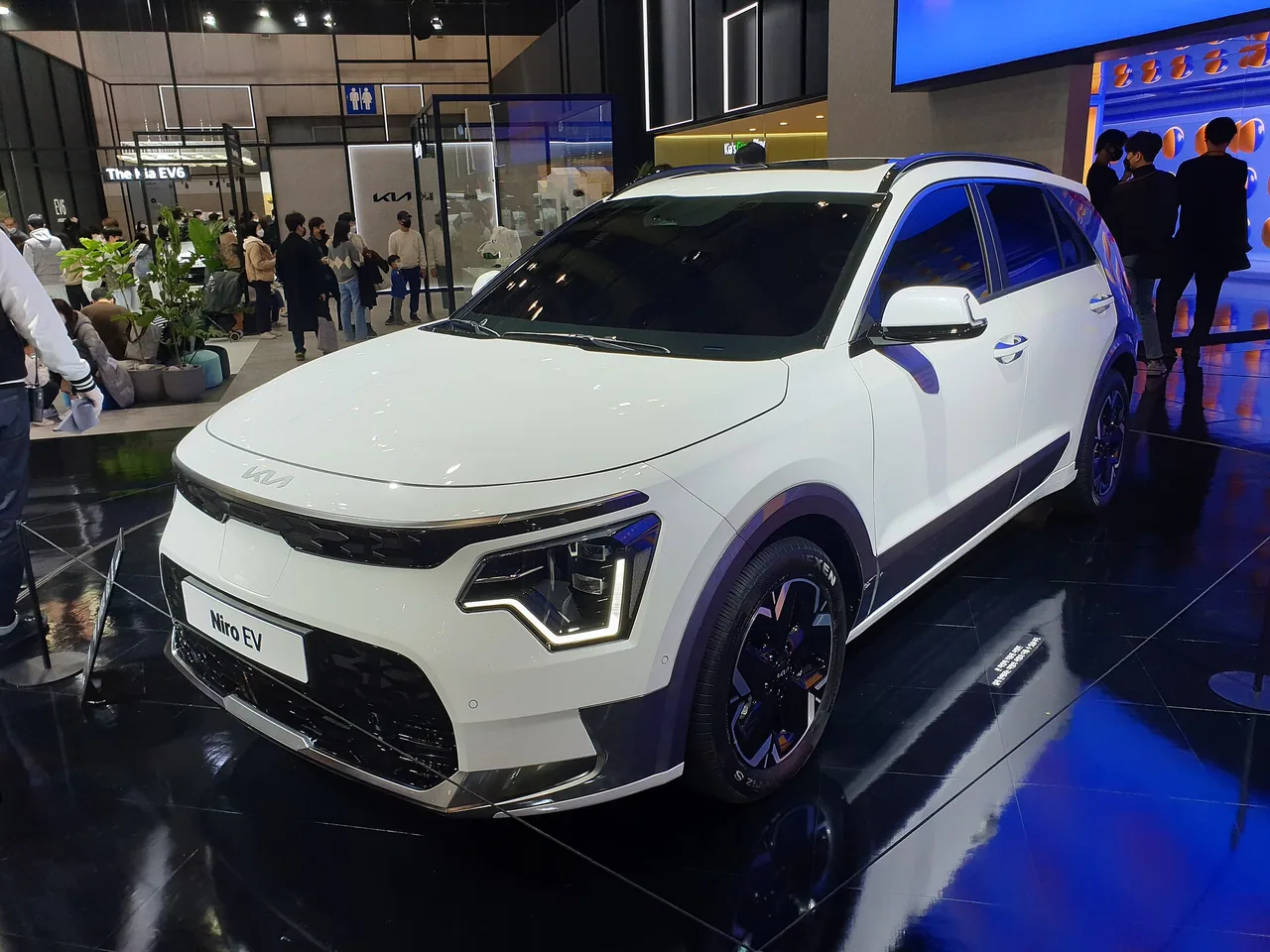
Niro
Close: score 69 vs 70; 253 vs 258 mi EPA range.
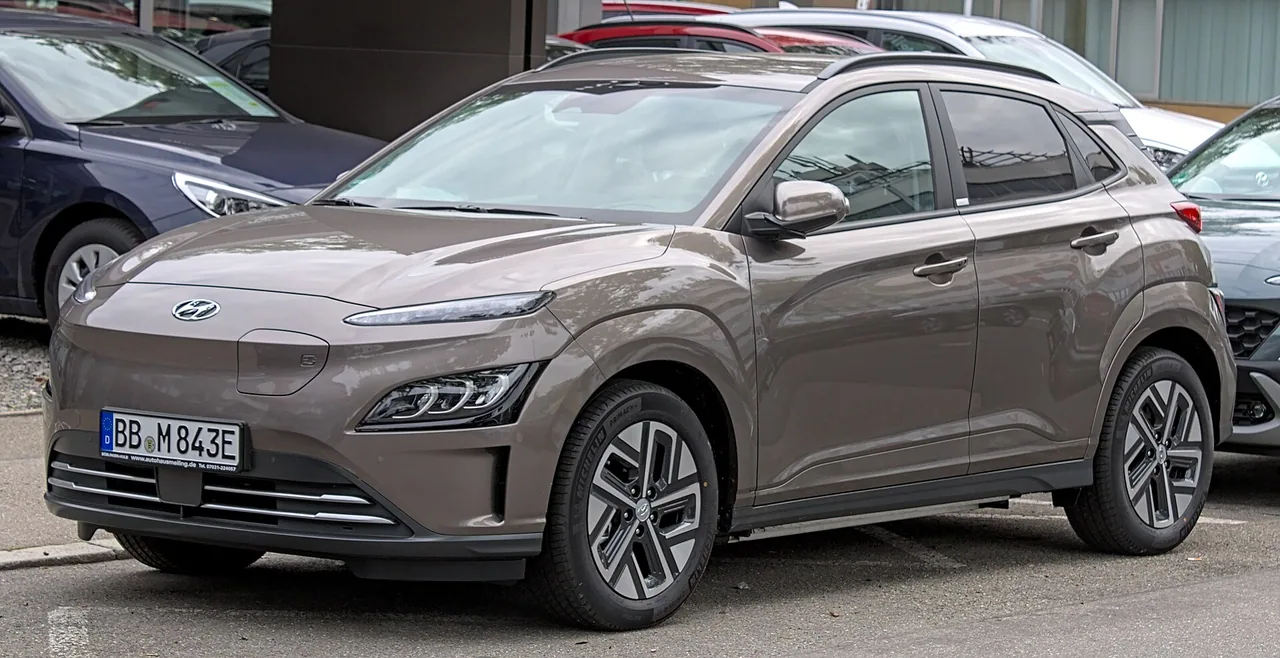
Kona
Close: score 70 vs 70; 258 vs 258 mi EPA range.
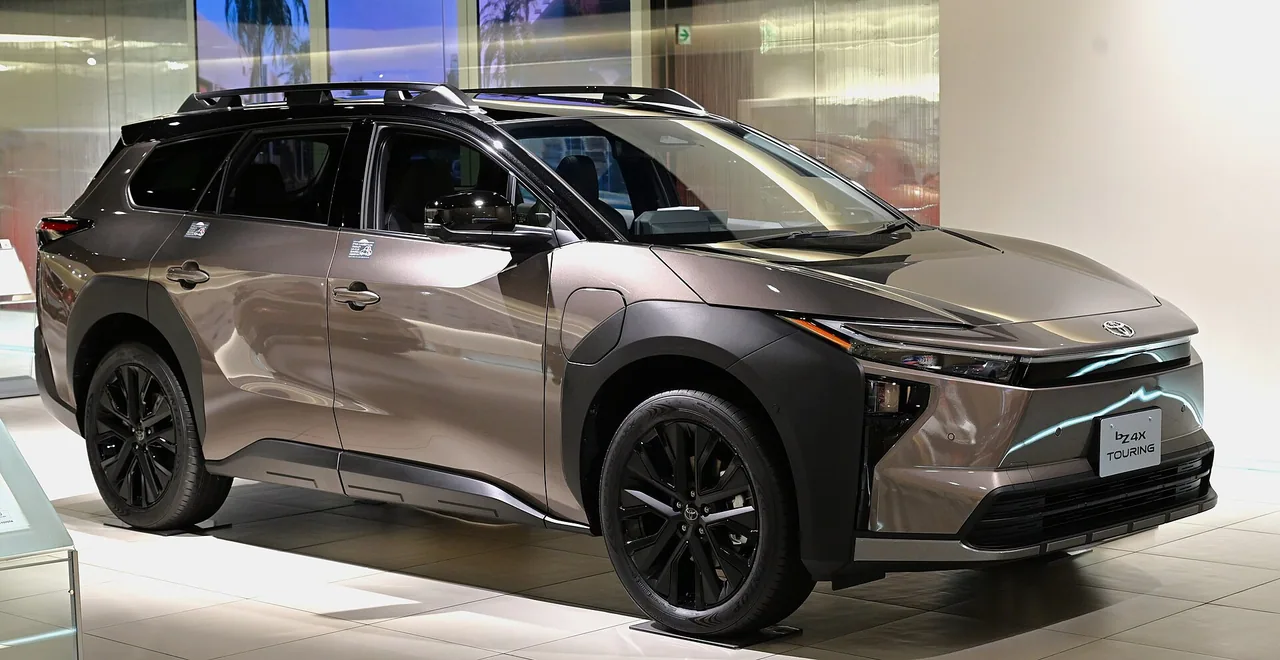
bZ4X
Worse: score 66 vs 70.
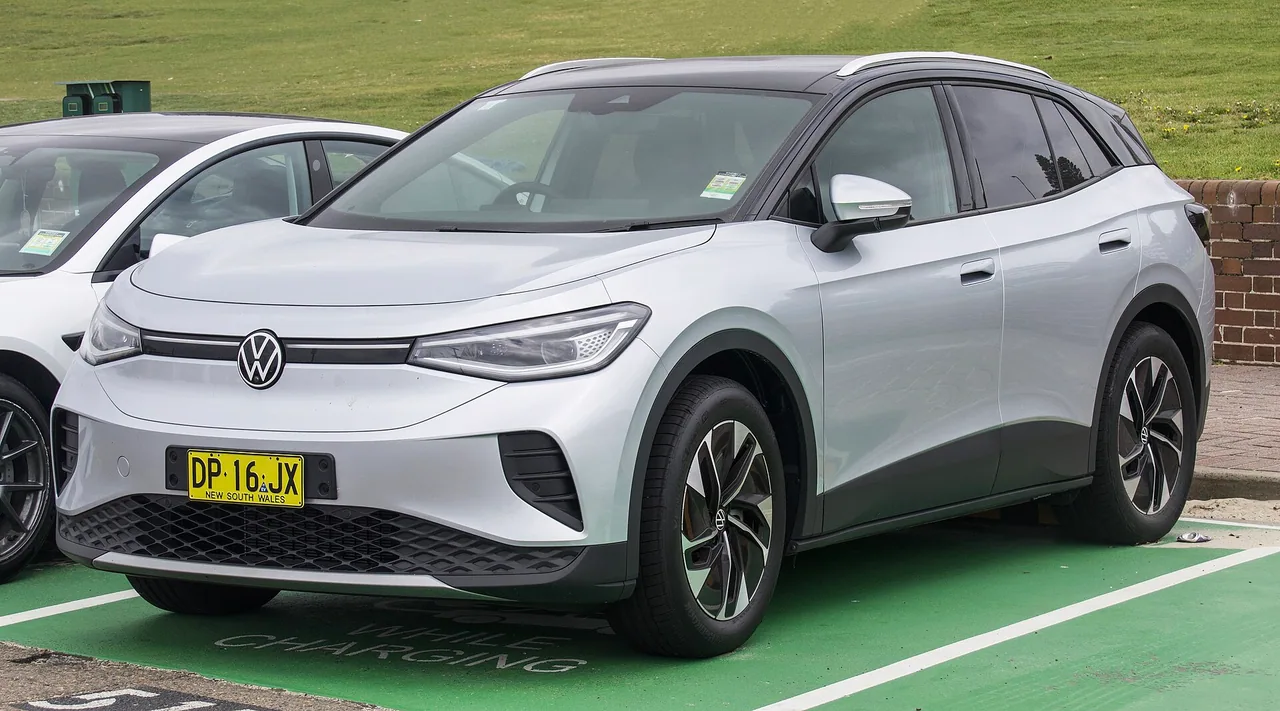
ID.4
Worse: score 62 vs 70.
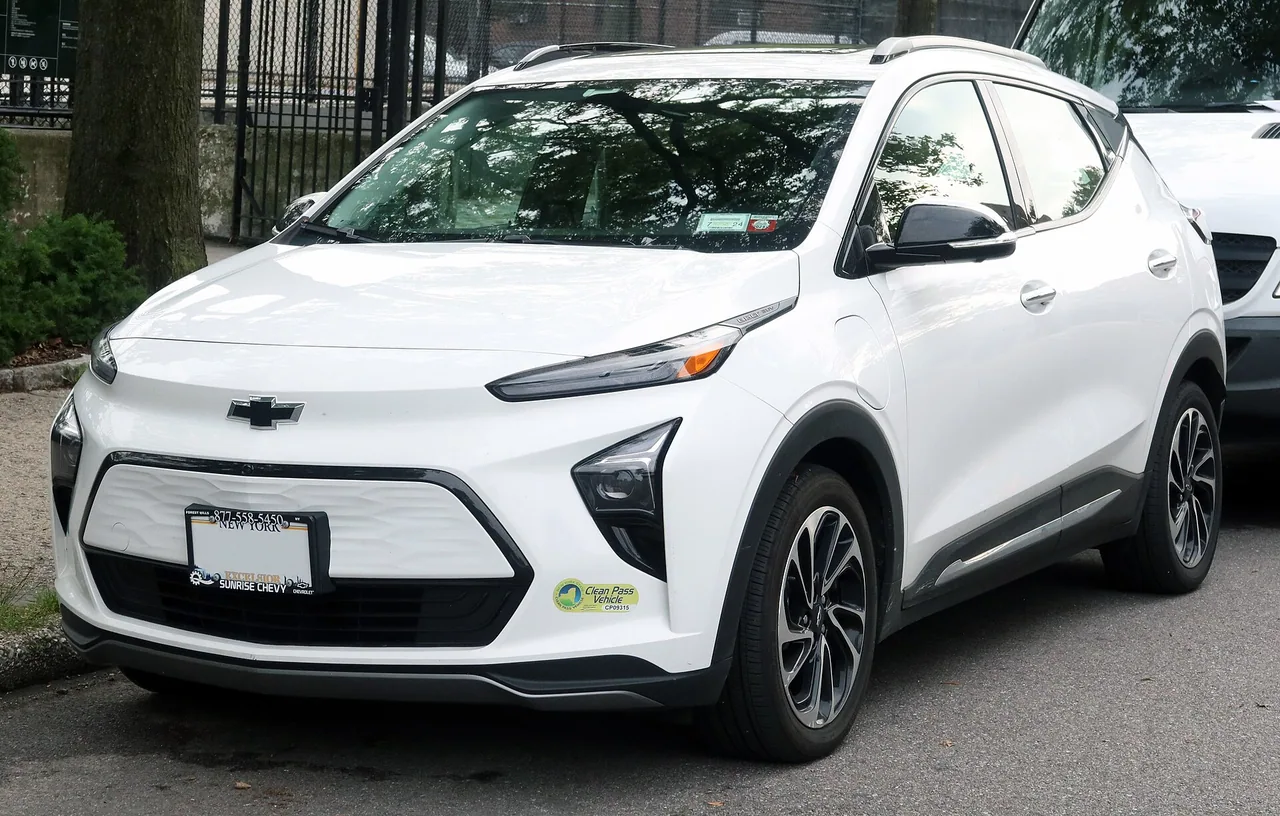
Bolt EUV
Worse: score 67 vs 70; 247 vs 258 mi EPA range.
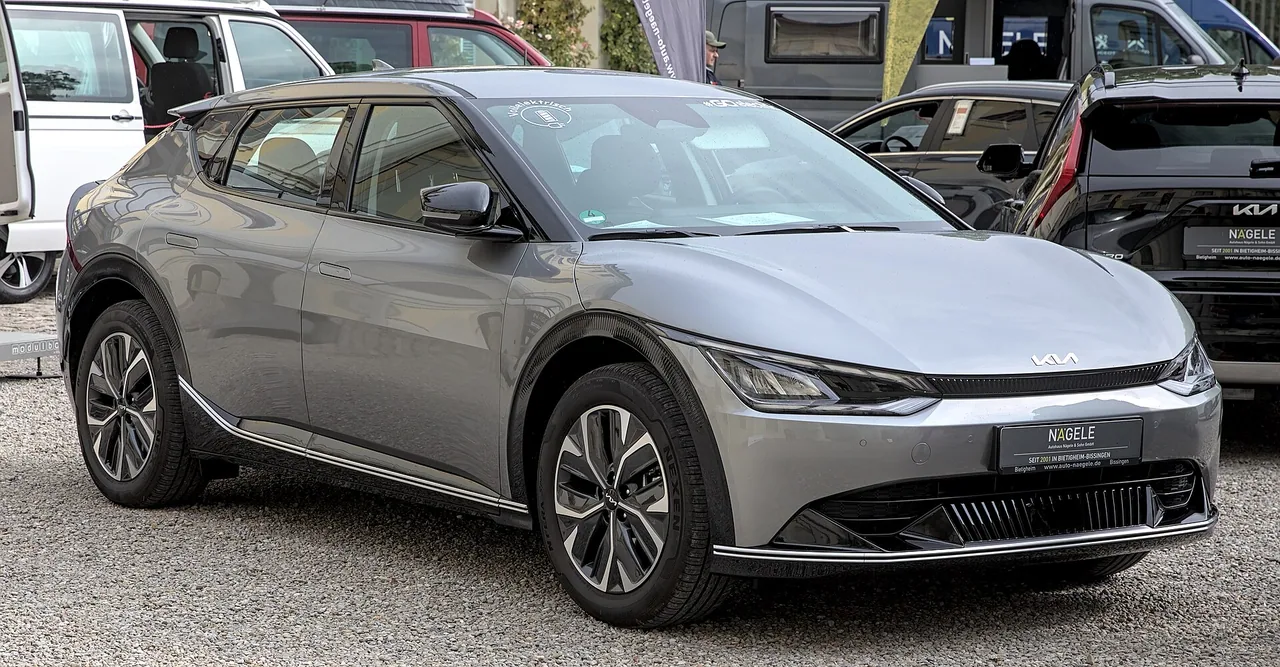
EV6
Worse: score 61 vs 70; 232 vs 258 mi EPA range.
NHTSA Recalls (3)
- NHTSA lists 3 recall campaigns for the 2021 Hyundai Kona Electric, filed between Dec 2020 and Nov 2026.
- When it was filed, 22V941000 (fluid/coolant) had no final fix available yet.
- How the other 2 are fixed, per the filings: 2 by a software update.
Source: NHTSA recall filings for the 2021 Hyundai Kona Electric, data through Nov 22, 2026. Why the VIN decides
- Filed Dec 2022
The Electric Power Control Unit (EPCU) may have been improperly sealed and may leak coolant internally.
Campaign #22V941000 · Part (NHTSA): electrical system › propulsion system › traction battery › thermal management › fluid/coolant- What happens:
- Coolant contacting the EPCU circuit board may cause a loss of drive power, increasing the risk of a crash.
- The fix
- When filed (Dec 2022) the final fix was not yet available. Check the VIN for the final repair.
- Covers:
- certain 2021 Kona EV vehicles.
NHTSA lists 853 vehicles in this campaign (all models it covers).
Check VIN status at NHTSA.gov - Filed Nov 2026
A software error in the air bag control unit (ACU) may improperly deactivate the air bag system and seat belt pretensioners.
Campaign #26V728000 · Part (NHTSA): air bags › air bag/restraint control module › software- What happens:
- Air bags and seat belt pretensioners that do not activate in a crash increases the risk of injury.
- The fix
- Free fix: software update at a dealer Dealers will update the ACU software, free of charge.
- Covers:
- certain 2019-2022 Veloster N, 2019-2023 Kona Electric vehicles.
NHTSA lists 37,901 vehicles in this campaign (all models it covers).
Check VIN status at NHTSA.gov - Filed Dec 2020
The Integrated Electronic Brake (IEB) system may detect an abnormal sensor signal and as a result, may significantly reduce braking performance.
Campaign #20V748000 · Part (NHTSA): service brakes, hydraulic › power assist › electric › control module › software- What happens:
- Reduced braking power could lengthen the distance required to stop the vehicle, increasing the risk of a crash.
- The fix
- Free fix: software update at a dealer Hyundai will notify owners, and dealers will update the IEB software, free of charge.
- Covers:
- certain 2019-2020 Nexo Fuel Cell and 2019-2021 Kona Electric vehicles.
NHTSA lists 8,176 vehicles in this campaign (all models it covers).
Check VIN status at NHTSA.gov
NHTSA Investigations (1 closed petition)
NHTSA has closed 1 action on the 2021 Hyundai Kona Electric: 1 defect petition, opened Jan 2023.
Show the 1 closed action
- Pedestrian alert soundsDefect petition DP22005, opened Jan 27, 2023, closed Aug 7, 2023
Source: NHTSA Office of Defects Investigation, investigations file, records through Nov 19, 2026.
NHTSA Complaints (28 total)
What owners report most
TrimIndex grouped the 28 complaints owners filed with NHTSA on the 2021 Hyundai Kona Electric (every trim; NHTSA files complaints by model year, not trim) into problem themes on Nov 16, 2026: 15 of them fall in the 3 themes below. How themes are made and checked
-
Refill inverter coolant warning returns
6 of 28 complaints (21%): Owners report a refill inverter coolant warning that keeps returning after recall coolant service, with some cars later failing to start or drive.
“leading to false "Refill Inverter Coolant" warnings and potential overheating risks.”
NHTSA complaint 11683955 “The ""refill inverter coolant" light kept coming back on.”
NHTSA complaint 11674690 -
Main battery fails and replacement delayed
5 of 28 complaints (18%): Owners report high-voltage battery faults that leave the car unable to drive or charge, followed by long waits for a replacement battery or recall parts.
“vehicle went in due to battery not charging. Vehicle kept at Temecula Hyundai repair until September 2022 for EV battery replacement.”
NHTSA complaint 11504717 “The car is at the dealership and they told the battery must be replaced when one is available.”
NHTSA complaint 11431228 -
Loss of drive power while driving
4 of 28 complaints (14%): Owners report the car suddenly losing propulsion or stalling while driving, sometimes at highway speed, needing a restart or a tow.
“While driving on the highway at 70 mph, cruise control engaged, there was a sudden loss of drive power.”
NHTSA complaint 11541136 “while his mother was driving at an undisclosed speed, the vehicle stalled on two occasions.”
NHTSA complaint 11541418
28 complaints filed with NHTSA for the 2021 Hyundai Kona Electric, between Apr 2021 and Oct 2026.
Parts named most often
| Part | Complaints | Share |
|---|---|---|
| Electrical system (other) | 8 | 29% |
| Drive unit | 6 | 21% |
Share of all 28 complaints; one complaint can name more than one part, so shares add up to more than 100%. 7 complaints name no specific part.
Owners reported a crash in 1 and a fire in 1 of the 28 complaints. How these fields are filled
Median odometer reading when the problem happened: 38,000 miles, from the 5 complaints that give one.
Complaints by year filed
| Year filed | Complaints |
|---|---|
| 2021 | 4 |
| 2022 | 6 |
| 2023 | 5 |
| 2024 | 2 |
| 2025 | 8 |
| 2026 (to Nov 22) | 3 |
Source: NHTSA owner complaints filed on every 2021 Hyundai Kona Electric (NHTSA files them by model year, not trim), data through Nov 22, 2026.
The 25 most severe, then newest, of 28
- Severity 5 of 5.Charging equipment Fire at 8,000 miles
The contact owns a 2021 Hyundai Kona Electric. The contact stated that while his wife disconnected the charger, the vehicle caught fire without warning. There were no reported injuries.
Show the rest
The installation plug was melted. The vehicle was taken to the local dealer where it was diagnosed the connection wiring needed to be replaced. The vehicle was not repaired. An inspector was able to inspect the vehicle. The manufacturer was notified however no further assistance was provided. The approximate failure mileage was 8,000.
NHTSA ODI #11438341 - Severity 4 of 5.Electrical system (other) · Drive unit
On February 3, 2026, while driving in a high-traffic turning lane, my Hyundai Kona Electric vehicle suddenly lost propulsion and would not accelerate.
Show the rest
The vehicle shut down without warning and could not be restarted. Traffic was building behind me, creating a safety hazard. I felt unsafe due to surrounding vehicles expecting movement, I contacted the police for assistance. The vehicle had to be towed from the roadway. The vehicle was transferred between 3 dealerships before being diagonsed. On February 16, 2026, the issue was diagnosed as a motor position sensor failure affecting the propulsion system. The vehicle has remained inoperable since February 3, 2026, and there is no repair ETA due to parts availability. The vehicle remains at the servicing dealership and is available for inspection upon request. There were no prior warning lamps, dashboard messages, or noticeable symptoms before the sudden loss of propulsion. This incident involved a sudden failure of the vehicle’s propulsion system while operating in active traffic and presented a significant safety concern.
NHTSA ODI #11719765 - Severity 4 of 5.
File with NHTSA now please!!!! What do you have to lose??? If anything If they do an investigation we are safe post warranty.
Show the rest
Report a Vehicle Safety Problem, Equipment Issue | NHTSA [XXX] The Hyundai Kona Electric Vehicle (EV) has experienced issues with its Integrated Charging Control Unit (ICCU) due to problems with the low-conductivity coolant (BSC-1) used in models produced between 2018 and October 2021. This coolant can crystallize, forming debris that clogs the cooling system, leading to false "Refill Inverter Coolant" warnings and potential overheating risks. A Technical Service Bulletin (TSB 23-01-049H) outlines a recall to flush and replace the coolant with an improved BSC-2 formula to address this issue. However, improper or repeated coolant flushes, if not performed correctly using Hyundai’s specialized equipment and procedures, can leave air bubbles or residual debris in the system, which may impair cooling efficiency and stress critical components like the ICCU, inverter, and electric motor. Repeated coolant flushes, especially when not executed properly, can exacerbate issues by introducing air locks or failing to fully remove crystallized debris, potentially causing damage to the ICCU, inverter, and motor. Air bubbles trapped in the cooling system can reduce heat dissipation, leading to overheating that may degrade the ICCU’s electronics or cause the inverter and motor to operate at unsafe temperatures, risking premature failure. Posts on forums indicate that some vehicles required multiple flushes to clear the warning, with improper flushing sometimes leaving contaminants that continue to trigger sensors or obstruct coolant flow. This underscores the importance of having the procedure done by trained technicians using the correct tools to avoid long-term damage to these sensitive components. INFORMATION REDACTED PURSUANT TO THE FREEDOM OF INFORMATION ACT (FOIA), 5 U.S.C. 552(B)(6)
NHTSA ODI #11683954 - Severity 4 of 5.
Potential Fire and safety risk... The Hyundai Kona Electric Vehicle (EV) has experienced issues with its Integrated Charging Control Unit (ICCU) due to problems with the
Show the rest
low-conductivity coolant (BSC-1) used in models produced between 2018 and October 2021. This coolant can crystallize, forming debris that clogs the cooling system, leading to false "Refill Inverter Coolant" warnings and potential overheating risks. A Technical Service Bulletin (TSB 23-01-049H) outlines a recall to flush and replace the coolant with an improved BSC-2 formula to address this issue. However, improper or repeated coolant flushes, if not performed correctly using Hyundai’s specialized equipment and procedures, can leave air bubbles or residual debris in the system, which may impair cooling efficiency and stress critical components like the ICCU, inverter, and electric motor. Repeated coolant flushes, especially when not executed properly, can exacerbate issues by introducing air locks or failing to fully remove crystallized debris, potentially causing damage to the ICCU, inverter, and motor. Air bubbles trapped in the cooling system can reduce heat dissipation, leading to overheating that may degrade the ICCU’s electronics or cause the inverter and motor to operate at unsafe temperatures, risking premature failure. Posts on forums indicate that some vehicles required multiple flushes to clear the warning, with improper flushing sometimes leaving contaminants that continue to trigger sensors or obstruct coolant flow. This underscores the importance of having the procedure done by trained technicians using the correct tools to avoid long-term damage to these sensitive components.
NHTSA ODI #11683955 - Severity 4 of 5.
Manufacturing defect... Took it in 4 times for "refill inverter coolant" warning. They had a campaign ' tried by couldn't get the light to go away.
Show the rest
It was their first time ever performing this on an EV at Kerry hyundai alexandria. Now TD EV in mason Ohio is confirming my inverter failed as a direct result of the poor flushes and poor manufacturing. I am seeking for hyundai to cover all related costs. I haven't had my vehicle for over a month. It's out of warranty 'however this was a known issue they issued a campaign for 'and then couldn't fix the issue after 4 or 5 tries and 2 different hyundia dealers. All work performed will be listed at Kerry hounding in alexandria KY and Jefferson wyler hyundai cincinnati Ohio.
NHTSA ODI #11677951 - Severity 4 of 5.Brakes
After powering on the car, the dashboard displayed multiple brake system warnings, including the brake system warning light and a message on the LCD display that read "Check regenerative brakes."
Show the rest
A Hyundai dealer replaced the integrated electric brake unit assembly (invoice attached).
NHTSA ODI #11669350 - Severity 4 of 5.Air bags · Forward collision avoidance Crash
My wife's car t-boned another vehicle, but the air bags didn't deploy. Luckily, she wasn't hurt badly, but the vehicle was deemed a total loss, so you can imagine the force of the collision.
Show the rest
The forward collision warning and automatic emergency braking didn't activate either. I reported it to Hyundai. They sent an inspector to examine the vehicle, and I also showed them photos and a copy of the police report, but they claim that my car was hit on the side, and the pre collision system doesn't detect imminent side impact. That's completely outrageous. I don't know what their inspector wrote in their report, but the photos and police report are irrefutable proof that my wife had a frontal collision with the side of another vehicle. Hyundai kept denying it because they didn't want to help financially. I attached a copy of their determination letters (the second one was after I submitted a copy of the police report to prove that my wife's car is the one that hit the other vehicle, but Hyundai refused to see it as it happened). This is a link to see the interior and exterior photos of the vehicle: [XXX] INFORMATION REDACTED PURSUANT TO THE FREEDOM OF INFORMATION ACT (FOIA), 5 U.S.C. 552(B)(6)
NHTSA ODI #11665430 - Severity 4 of 5.Speed control
While driving on the highway at 70 mph, cruise control engaged, there was a sudden loss of drive power. I could not accelerate, or return to the cruising speed. The speed just dramatically fell.
Show the rest
The only remedy was to pull over to the side of the road, turn off the car, and start it again. This VIN was not included in the initial similar recall earlier this year.
NHTSA ODI #11541136 - Severity 4 of 5.
I was parking my Hyundai Kona electric car going very slow when without warning it took off going over 100 miles per hour. I couldn't control the vehicle. The brakes didn't stop the car.
Show the rest
It ran over a wood parking beam, hit two light posts, and went over a concrete structure before finally stopping on its own. I was not hurt. Fortunately, no one else was hurt. I had my seat belt on. The air bags did not deploy. It was witnessed by another person. I had it towed to the Hyundai dealer in Webster. It is at Vision Collision. State Farm is paying for the repairs. When I got home after the incident I went online and discovered that acceleration problems with this car and year had been reported by others. This is a serious car defect that could result in the loss of life.
NHTSA ODI #11476368 - Severity 4 of 5.Brakes
Check regenerative brake warning comes on and the emergency brake applies while driving also when I come to a stop. When I started my car the immediately the light came on.
Show the rest
When I cut my car off the light clears. It happens when I’m braking. The regenerative brake light warning is becoming more frequent. I took my car back to the Hyundai dealership and they “checked” it out and found no problem with my vehicle. They ran a diagnostics and a update for my car, but 4 days later the warning can on again, after the repair.
NHTSA ODI #11468863
Show 15 more complaints
- Severity 4 of 5.
On 8/11/21, I tried to start my Hyundai Kona EV, and it displayed the high voltage warning. The car would not start or go into gear and had to be towed to the dealership.
Show the rest
We purchased the car in May 2021, and it had about 3000 miles on it at the time. At the dealership, the mechanic diagnosed it as a faulty battery and indicated that the whole LG battery underneath for the electric car would need to be replaced. After doing further research, there is already a recall on the 2018 to 2020 models for the same issue, with the battery catching fire in some instances. The car has the same battery a the 2018 to 2020 models. The guidance for those model years has been to park the car outside, in case there is a fire. We live in an HOA condo (and do have the option to park outside our garage). As of today, there is no ETA of a fix for a new battery. If they end up replacing it with another LG battery with the same faulty cell issues, I feel like this is a danger to my and my family's lives. Due to the battery issue, they also quit selling the Kona in Korea in April, a full month before we purchased our car. They sold us a car with a known issue. I want them to buy back this car, due to the safety issues.
NHTSA ODI #11430674 - Severity 4 of 5.Speed control at 1,700 miles
I WAS ENTERING MY NEIGHBORHOOD AND SLOWED DOWN AS WE NEARED OUR HOUSE WITH MY FOOT ON THE BRAKES SO THAT I CAN OPEN MY GARAGE DOOR, AS I RELEASED THE BRAKES, THE CAR STARTED
Show the rest
ACCELERATING BY ITSELF REALLY FAST AND I HAD TO SLAM ON MY BRAKES TO STOP THE CAR FROM SPEEDING UP ON ITS OWN.
NHTSA ODI #11408597 - Severity 3 of 5.Drive unit at 60,000 miles
The contact owns a 2021 Hyundai Kona Electric. The contact stated that since purchasing the vehicle, an abnormal rumble sound was heard that grew progressively louder.
Show the rest
Additionally, while accelerating from a complete stop, the vehicle was significantly sluggish. The failure recurred while driving at 30 MPH, requiring the driver to pull over to the shoulder of the road. Upon shutting off and restarting the vehicle, the vehicle returned to normal operation. The vehicle was taken to a dealer, who was unable to duplicate the failure during a test drive. The vehicle was returned to the dealer, who confirmed the failure; however, the contact was informed that the failure was not associated with TSB Number: 22-EV-001H (KONA EV MOTOR RUMBLE NOISE) because the rumble sound was not sufficiently loud. The contact stated that the sound had grown significantly louder. The vehicle was scheduled to be towed to the dealer. The failure mileage exceeded 60,000.
NHTSA ODI #11771304 - Severity 3 of 5.Forward collision avoidance
The automatic emergency braking system brakes way too hard causing the car to stop too fast and risks causing a rear end collision. This is not fixed by adjusting settings.
Show the rest
It is a common complaint and the system needs to be calibrated to brake more smoothly.
NHTSA ODI #11735057 - Severity 3 of 5.Electrical system (other)
Hyundia has had my car in for the SAME recall 4 to 5 times. 6 total weeks this time around. The ""refill inverter coolant" light kept coming back on.
Show the rest
The last time I got it home it had more issues than when I took it in and wouldn't even catch a charge. (EV) They fried my compassitor trying to fix the inverter coolant recall. I then took had to pay 450 for a diagnostic ' (Kerry hyundai alexandria) They said electric motor is bad and will cost 8000 to 9000. Got a 2nd diagnostic (Jeff wyler hyundai cincinnati) Completely different result- Zero mention of motor ' said Ac compasitor failed. (Had no issues prior to them working on the original recall ) The light for the recall is still on by the way and they want me to pay 3500 for new AC capacitor. (600 diagnostic included in that price ) " The dealership’s failure to properly perform the inverter coolant refill recall directly caused the AC compressor failure in my 2021 Hyundai Kona EV. Before taking the vehicle in for the recall, the AC system was fully functional, delivering cold air without any issues, and the car experienced no charging problems, indicating the battery and cooling systems were operating normally. The recall, intended to flush the inverter cooling system and replace the crystallizing BSC-1 coolant with BSC-2, was not completed correctly, as evidenced by the dealership’s admission that they couldn’t fix it. This botched service likely left air or debris in the cooling system, which, in Kona EVs with a heat pump, could overwork the AC compressor used for battery cooling during charging. The compressor’s failure shortly after the recall service, despite no prior issues, strongly suggests that the improper coolant flush caused undue stress on the compressor, leading to its $3,000 failure, which should be covered under warranty or as a goodwill repair due to the dealership’s error". [XXX] INFORMATION REDACTED PURSUANT TO THE FREEDOM OF INFORMATION ACT (FOIA), 5 U.S.C. 552(B)(6)
NHTSA ODI #11674690 - Severity 3 of 5.Electrical system (other) · Battery and propulsion system
The car was unable to charge using level 3 DC fast chargers, necessitating the use of a level 2 charger for an extended length of time in order to be able to return home.
Show the rest
A Hyundai dealer replaced the charging inlet lock actuator (invoice attached).
NHTSA ODI #11669567 - Severity 3 of 5.Drive unit
Fill coolant warning came on, we checked the coolant and the coolant level was good. I spoke to a Hyundai service center and the rep said that sometimes this happens with Hyundais and it may go off.
Show the rest
Indeed it did but then Fill coolant warning came back and the coolant level was still good. After several weeks of the Fill Coolant warning being on more often than not, the car started one morning but couldn’t be driven as the handbrake was stuck on, the fill coolant warning was on and the tire pressure warning was on, (even though the tire pressure on all tires was ok) I guess this was the EVs way of saying “Do Not Drive Me”. We got the car to the dealership, they performed a scan and found no codes. They preformed a total coolant flush as per Service Campaign T9E. This service was performed on 21 April, 2025 and thus far the fill coolant light has stated off. We bought this car used just 2 months prior and found through previous maintenance history that this EV had this service Campaign T9E done in January 2024. Our concern with this issue is two fold, 1) My wife could have been anywhere when the car went into: Don’t drive me mode. 2) is this going to be an annual event, which will cost several hundred dollars to address each time when this may no longer be covered by warranty
NHTSA ODI #11657178 - Severity 3 of 5.Backup camera and rear sensors at 86,612 miles
The contact owns a 2021 Hyundai Kona Electric. The contact stated while the vehicle was parked, the rearview camera became inoperable.
Show the rest
The contact stated that the image on the rearview camera went blank. There was no warning light illuminated. The vehicle was taken to the dealer, and it was diagnosed and determined that the tailgate wiring harness had failed and needed to be replaced. The vehicle was not repaired. The manufacturer was made aware of the failure and offered to pay for 60 percent of the parts and labor cost to repair the vehicle. The contact declined the offer provided by the manufacturer. The approximate failure mileage was 86,612.
NHTSA ODI #11630575 - Severity 3 of 5.
My vehicle has said, refill inverter coolant, I took it in a couple of days ago and they said there is an recall campaigns needing VIN-specific checks and they would fix it.
Show the rest
They called me back after I dropped it off and informed me that they did not have the specific coolant, and no one in the area did. Over the past couple days, my vehicle has had issues turning on.
NHTSA ODI #11586833 - Severity 3 of 5.Electrical system (other)
The contact owns a 2021 Hyundai Kona Electric. The contact received notification of NHTSA Campaign Number: 22V941000 (Electrical System) however, the part to do the recall repair
Show the rest
was not yet available. The local dealer was contacted. The contact stated that the manufacturer had exceeded a reasonable amount of time for the recall repair. The manufacturer was made aware of the issue. The contact had not experienced a failure. Parts distribution disconnect.
NHTSA ODI #11508764 - Severity 3 of 5.
July of 2022, vehicle went in due to battery not charging. Vehicle kept at Temecula Hyundai repair until September 2022 for EV battery replacement. Upon return, EV battery still didn't change.
Show the rest
September 2022 vehicle went back for repairs. Returned October 2022. Was told battery overheating sensor was faulty and was turned off. As a result the EV battery will not be able to charge beyond 90%. Was told nothing else they could do to repair the car. When I asked if there was an increased risk of battery getting too hot, the response was " their should not be". My concern is that their going to be an overheating issue while the vehicle is changing at my home. Contacted Hyundai about it; they did an investigation and determined there was reason for them to buy back the vehicle. They offered to buy it back at less that what the buy out the finance company states. It is now February 2023. Hyundai still has yet to buy back the vehicle at what is owed on it, and still have no idea how to due the proper repairs. They still cannot assure that the battery won't overheat and there are no sensors to notify if it does.
NHTSA ODI #11504717 - Severity 3 of 5.Electrical system (other) · Drive unit
My 2021 Hyundai Kona EV battery need to be replaced. But the dealer would not have estimated time when my Kona EV get new battery. It could take 1 month or 3 months. No clues. I would not make a mistake to buy another car like Hyundai EV.
NHTSA ODI #11486128 - Severity 3 of 5.Electrical system (other)
I have a 2021 Hyundai Kona Electric Vehicle with approximately 20,000 miles. On August 26, 2022 several warning lights came on indicating that the lithium battery was inoperable
Show the rest
but fully charged in danger of catching fire. The dealer immediately towed my vehicle and disconnected the battery. The recall for battery replacement due to fire risk for the 2018-2020 now appears to be affecting the 2021 model year. The dealer is telling me they have no replacement batteries and cannot give me a timeline for replacing mine nor can they assure me that will resolve the problem. The recall needs to be extended to all model years.
NHTSA ODI #11483089 - Severity 3 of 5.Drive unit · Electrical system (other)
After charging the vehicle at home with level 2 charger to 100% it would not go into drive or reverse. It can go to neutral or Park only.
Show the rest
The car is at the dealership and they told the battery must be replaced when one is available. It is a safety concern because one can get stranded on the road with vehicle that does not move although is fully charged.
NHTSA ODI #11431228 - Severity 2 of 5.Drive unit · 12-volt battery at 38,000 miles
The contact owns a 2021 Hyundai Kona Electric. The contact stated that the battery had discharged.
Show the rest
The contact stated that the 12-volt battery and “Bring in for Service, and key not detected messages were displayed. The contact stated that while his mother was driving at an undisclosed speed, the vehicle stalled on two occasions. The vehicle flickered, and the vanity lights dimmed and flickered. The contact called the local dealer, where the vehicle was rebooted. The contact stated that five attempts were needed to unlock the parking brake. The tow truck mechanic informed the driver that the 12-volt battery was not registering. The vehicle was towed to the local dealer, who was unable to duplicate the failure. The vehicle was not repaired. The manufacturer was contacted, and no assistance was provided. The failure mileage was approximately 38,000.
NHTSA ODI #11541418
Battery Health Readings
1 battery-health reading from an individual car with this pack is on file.
This trim uses the LG Kona Electric / Niro EV / Soul EV (64 kWh — pre-recall) battery pack. Cars in our catalog with this pack: Hyundai Kona Electric (2020–2023), Kia Niro EV (2020–2022), Kia Soul EV (2020).
Forum posts that mention this car
4 forum posts are on file for this model year. The 4 posts shown were retrieved Apr 2026.
"Outside rattling noise on my 2yo Kona EV I've had my Kona EV for a couple of years, done a bit more than 30000 kms and haven't had any issues so far. I started noticing a strange metallic rattling noise a few weeks ago, coming outside from the back of the car I think, when I drive with my window open and the road surface is quite..."
"Believing that Hyundai was a well respected and trusted car manufacturer, I bought my first Hyundai at the begining of the year, an all electric Kona Ultimate. Since then I have been surprised how hard it seems to be to get answers from Hyundai on various issues. It appears that Hyundai expect all questions to be put to the local dealer, who often does not seem to be able to respond, effectively saying that they are not able to get an answer from Hyundai. My latest issue relates to software updates, which I was led to believe could be done over the air (OTA) on my car thus ensuring that the…"
"Just got a 2021 Hyundai Kona. Am I dumb or is the FCA/AEB not working? As the title says I just got a used 2021 Kona (Limited trim, if that's relevant). It's my first car and I'm not a car guy so I don't really know what I'm doing. I'm reading the owners' manuals and I turned on Forward Collision-Avoidance Assist & Forward Collision Warning to Early, but I've experienced neither while driving. I'm not actively putting myself and others in dangerous situations to try it, but I have had some accidental close calls where I've had to slam on my brakes. I got no warning and no (apparent) brake…"
"Discrepancy regarding the choice of oil Good evening, I have had my 2021 Hyundai Kona 1.0 t-gdi 120cv serviced for some time and this problem arose. The booklet recommends using 5w-30 Acea A5/B5 viscosity oil, but all the systems on spare parts sites recommend other viscosities! Even in the first service carried out by the first owner at an authorized workshop, oil with viscosity 0w-20 was used. Does anyone have any clarification on this?"
The federal $4,000 used-EV credit ended Sept 30, 2025.
6 states still run an open used-EV incentive — the largest up to $12,000 for income-qualified buyers; the 2021 Hyundai Kona Electric likely qualifies in 1 state, may qualify in 4 states (some rules this page cannot check) and does not qualify in 1 state.
Source & disclaimer
Frequently Asked Questions
How far does the 2021 Hyundai Kona Electric go on a charge?
EPA rates the 2021 Hyundai Kona Electric at 258 miles on a full charge.
How long does the 2021 Hyundai Kona Electric take to charge?
EPA lists 9 hours to charge the 2021 Hyundai Kona Electric from empty at 240 volts with the standard charger.
Can the 2021 Hyundai Kona Electric use Tesla Superchargers?
Yes, with a NACS DC adapter, since Mar 25, 2025, as announced by Hyundai Motor America that day.
What does the 2021 Hyundai Kona Electric cost to run?
EPA estimates the 2021 Hyundai Kona Electric costs $600 a year to charge, for 15,000 miles a year (55% city, 45% highway) at $0.15 per kWh (EPA's fuel prices of Nov 20, 2026). By EPA's estimate it saves $7,250 over 5 years in fuel compared with the average new vehicle.
What does a used 2021 Hyundai Kona Electric cost?
Kelley Blue Book's Fair Purchase Price for the 2021 Hyundai Kona Electric, collected Nov 2026, is $14,950. J.D. Power reports owners paid $11,052 to $16,039 for the 2021 Hyundai Kona Electric, across all trims (collected Nov 2026).
How safe is the 2021 Hyundai Kona Electric in a crash?
NHTSA has not crash-tested the 2021 Hyundai Kona Electric with front-wheel drive, so it has no NHTSA star rating.
What recalls does the 2021 Hyundai Kona Electric have?
NHTSA lists 3 recall campaigns for the 2021 Hyundai Kona Electric as of Nov 22, 2026; the newest is 26V728000 (Nov 2, 2026), for the air-bag control software. 22V941000 (battery coolant) has no fix available yet.
How reliable is the 2021 Hyundai Kona Electric?
Owners have filed 28 complaints with NHTSA about the 2021 Hyundai Kona Electric as of Nov 22, 2026.
What problems do owners report on the 2021 Hyundai Kona Electric?
Of the 28 complaints owners filed with NHTSA about the 2021 Hyundai Kona Electric as of Nov 22, 2026, the three largest problem themes are: Refill inverter coolant warning returns (6); Main battery fails and replacement delayed (5); and Loss of drive power while driving (4). 15 of them fall in the 3 themes TrimIndex grouped from their narratives on Nov 16, 2026.
How long does the battery warranty last on the 2021 Hyundai Kona Electric?
Hyundai's warranty page (hyundaiusa.com) gives the battery warranty as 10 years or 100,000 miles, whichever comes first. For a 2021 car that went into service in 2021, it runs until 2031 or 100,000 miles, whichever comes first. The Hyundai warranty page says the battery coverage carries over to later owners.
What is the TrimIndex score for a 2021 Hyundai Kona Electric?
The 2021 Hyundai Kona Electric scores 70 out of 100 on TrimIndex. It is above the average of 62 for 2021 EV SUVs (latest TrimIndex score of each of 24 trims). Its strongest dimension is Software & Tech (83/100); weakest is Range & Efficiency (72/100).
What EV incentives can I get on a 2021 Hyundai Kona Electric?
6 of the 7 statewide used-EV programs open as of Oct 12, 2026 do not rule out a 2021 Hyundai by make, model-year age or price. The incentive finder on this page shows which, state by state.
What this page is built on
NHTSA data through
- NHTSA recall campaigns 3 1 with no fix available yet
- Owner complaints to NHTSA 28
- EPA record 258 mi Kona Electric, updated Feb 2, 2022
- NHTSA crash rating Not tested
- Manufacturer documents cited 5 from hyundaiusa.com and hyundainews.com
- Forum posts used 4 2 Reddit threads, 3 sources, none naming another model year
- Used prices collected Nov 2026 from Kelley Blue Book and J.D. Power
Compare Hyundai Kona Electric Against Rivals
Other Hyundai Kona Electric Years on TrimIndex
Photo credits
- Kia Niro EV (SG2, 2023-): Damian B Oh / Wikimedia Commons, CC BY-SA 4.0, resized. Representative photo of the generation, not the exact trim or market.
- Hyundai Kona Electric (OS facelift, 2022-2023): Alexander Migl / Wikimedia Commons, CC BY-SA 4.0, resized. Representative photo of the generation, not the exact trim or market.
- Toyota bZ4X (2023-2025): TTTNIS / Wikimedia Commons, CC0, resized. Representative photo of the generation, not the exact trim or market.
- Volkswagen ID.4 (2021-): LuvsMG481 / Wikimedia Commons, CC BY-SA 4.0, resized. Representative photo of the generation, not the exact trim or market.
- Chevrolet Bolt EUV (2022-2023): Kevauto / Wikimedia Commons, CC BY-SA 4.0, resized. Representative photo of the generation, not the exact trim or market.
- Kia EV6 (CV, 2022-2024): Alexander Migl / Wikimedia Commons, CC BY-SA 4.0, resized. Representative photo of the generation, not the exact trim or market.


