All Vehicles
2021 Tesla Model 3 Trims Compared: Range, Price & Problems
Updated
2021 Tesla Model 3: 3 trims compared. 263–353 mi EPA range, 22 recalls, 680 NHTSA complaints, top problem: Sudden braking with no obstacle (55% of complaints).
Data:NHTSA through
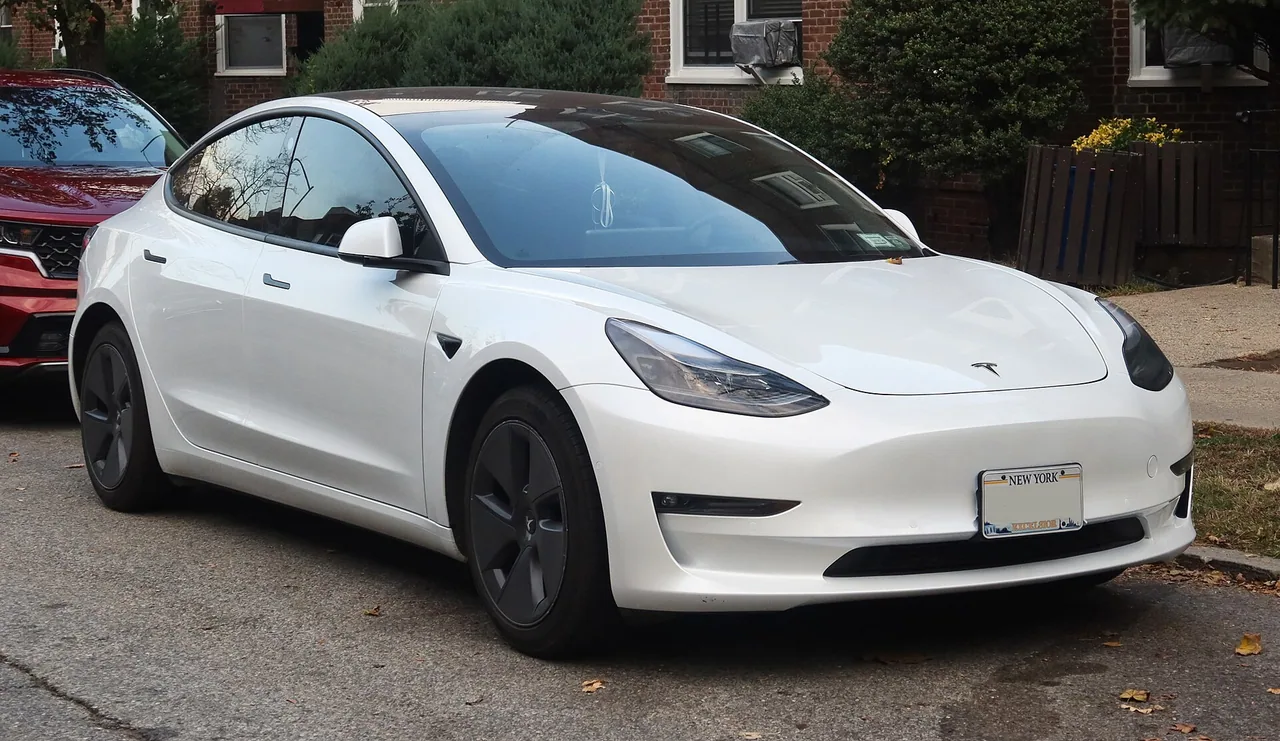

Compare the 2021 Tesla Model 3 trims
| Trim | TrimIndex score | Used price | Drive | EPA range | EPA energy use | 0–60 mph | DC fast-charge peak | Georgia tax value (2026 manual) |
|---|---|---|---|---|---|---|---|---|
| Long Range AWD | 68 | $26,100KBB, Nov 2026 | AWD | 353 mi | 25.1 kWh/100 mi | 4.2 s | 250 kW | $19,750 |
| Performance AWD | 64 | $27,800KBB, Nov 2026 | AWD | 315 mi | 30.0 kWh/100 mi | 3.1 s | 250 kW | $20,425 |
| Standard Range Plus RWD | 63 | $22,900KBB, Nov 2026 | RWD | 263 mi | 23.7 kWh/100 mi | 5.3 s | 170 kW | $17,450 |
Tesla, Inc. lists one figure for the 2021 Model 3: 19.8 cu ft of cargo space.
EPA range and EPA energy use: U.S. EPA and DOE, fueleconomy.gov.
0–60 mph and dc fast-charge peak: Tesla, Inc., via the Internet Archive.
Used price: the figure each trim page shows, with its source and the month collected.
Georgia tax value: the Georgia Department of Revenue's title-tax assessment value for each trim in its 2026 manual, one edition for every row; a state tax figure, not a sale price or market value.
TrimIndex score: out of 100.
What differs between the 2021 Tesla Model 3 trims
Compared with the 2021 Model 3 Standard Range Plus RWD, the Performance AWD has all-wheel drive, 52 more miles of EPA range, a 0–60 mph claim 2.2 s quicker and a DC fast-charge peak 80 kW higher, with EPA energy use 6.2 kWh/100 mi higher and a used price on file $4,900 higher (KBB, Nov 2026).
Compared with the 2021 Model 3 Performance AWD, the Long Range AWD has 38 more miles of EPA range, EPA energy use 4.8 kWh/100 mi lower and a used price on file $1,700 lower (KBB, Nov 2026), with a 0–60 mph claim 1.1 s slower.
Which 2021 Tesla Model 3 trim for what
- Longest EPA range: the 2021 Model 3 Long Range AWD, 353 miles; next, the Performance AWD has 315 miles.
- Quickest 0–60 mph (manufacturer claims): the 2021 Model 3 Performance AWD, 3.1 seconds; next, the Long Range AWD has 4.2 seconds.
- Lowest used price on file: the 2021 Model 3 Standard Range Plus RWD, $22,900; next, the Long Range AWD has $26,100.
- Highest TrimIndex score: the 2021 Model 3 Long Range AWD, 68 out of 100; next, the Performance AWD has 64 out of 100.
NHTSA Recalls (22)
- NHTSA lists 22 recall campaigns for the 2021 Tesla Model 3, filed between May 2021 and Aug 2026.
- When it was filed, 26V507000 (headlights) had no final fix available yet.
- One was later replaced — 22V063000 by 22V235000 (filed Apr 2022) — so its own fix is no longer the current one.
- How the other 20 are fixed, per the filings: 15 by a software update (all can install over the air) and 5 by work on the car.
Source: NHTSA recall filings for the 2021 Tesla Model 3, data through Nov 22, 2026. Why the VIN decides
- Filed Aug 2026
The headlight low beams may be too bright and exceed the maximum light output.
Campaign #26V507000 · Part (NHTSA): exterior lighting › headlights- What happens:
- Headlight low beams that are too bright can reduce visibility for oncoming drivers, increasing the risk of a crash.
- The fix
- When filed (Aug 2026) the final fix was not yet available. Check the VIN for the final repair.
- Covers:
- certain 2017-2023 Model 3 and 2020-2023 Model Y vehicles.
- Federal standard not met:
- 108 (Lamps, Reflective Devices, and Associated Equipment).
NHTSA lists 20,349 vehicles in this campaign (all models it covers).
Check VIN status at NHTSA.gov - REPLACEDFiled Feb 2022
The Boombox function allows sounds to be played through an external speaker while the vehicle is in motion, which may obscure the Pedestrian Warning System (PWS) sounds.
Campaign #22V063000 · Part (NHTSA): forward collision avoidance › warnings › external/pedestrian alert- What happens:
- Pedestrians may be unaware of an approaching vehicle if the PWS sounds are obscured, increasing the risk of a crash.
- The fix
- Replaced by 22V235000 (filed Apr 2022); this filing's own fix is no longer the current one. See 22V235000
- Covers:
- certain 2020-2022 Model S, Model X, Model Y, and 2017-2022 Model 3 vehicles.
- Federal standard not met:
- 141 (Minimum Sound Requirements for Hybrid and Electric Vehicles).
NHTSA lists 578,607 vehicles in this campaign (all models it covers).
Check VIN status at NHTSA.gov
Show the other 20 campaigns, each with a fix listed
- Filed May 2026
The rearview camera image may be delayed when the vehicle is placed in reverse.
Campaign #26V283000 · Part (NHTSA): back over prevention › software- What happens:
- A delayed rearview image reduces the driver's view behind the vehicle, increasing the risk of a crash.
- The fix
- Free fix: software update over the air Tesla has released an over-the-air (OTA) software update, free of charge.
- Covers:
- certain 2017, 2021-2023 Model 3, 2020-2023 Model Y, 2021-2023 Model S, and Model X vehicles operating software version 2026.8.6.
- Federal standard not met:
- 111 (Rear Visibility).
NHTSA lists 218,868 vehicles in this campaign (all models it covers).
Check VIN status at NHTSA.gov - Filed Dec 2024
The tire pressure monitoring system (TPMS) warning light may not remain illuminated between drive cycles, failing to warn the driver of low tire pressure.
Campaign #24V935000 · Part (NHTSA): tires › pressure monitoring and regulating systems- What happens:
- Driving with improperly inflated tires increases the risk of a crash.
- The fix
- Free fix: software update over the air Tesla released an over-the-air (OTA) software update, free of charge.
- Covers:
- certain 2024 Cybertruck, 2017-2025 Model 3, and 2020-2025 Model Y vehicles.
- Federal standard not met:
- 138 (Tire Pressure Monitoring Systems).
NHTSA lists 696,281 vehicles in this campaign (all models it covers).
Check VIN status at NHTSA.gov - Filed Jul 2024
The hood latch assembly may fail to detect an unlatched hood condition after the hood has been opened.
Campaign #24V554000 · Part (NHTSA): electrical system › software- What happens:
- An unlatched hood can fully open, obstructing the driver's view and increasing the risk of a crash.
- The fix
- Free fix: software update over the air Tesla has released an over-the-air (OTA) software update, free of charge.
- Covers:
- certain 2021-2024 Model 3, Model S, Model X, and 2020-2024 Model Y vehicles.
NHTSA lists 1,849,638 vehicles in this campaign (all models it covers).
Check VIN status at NHTSA.gov - Filed May 2024
In the event of an unbelted driver, the seat belt warning light and audible chime may not activate as intended.
Campaign #24V376000 · Part (NHTSA): seat belts › front › warning light/devices- What happens:
- A seat belt warning system that fails to alert occupants of an unbelted seat belt can increase the risk of injury during a crash.
- The fix
- Free fix: software update over the air Tesla will release an over-the-air (OTA) software update.
- Covers:
- certain 2012-2024 Model S, 2015-2024 Model X, 2017-2023 Model 3, and 2020-2023 Model Y vehicles.
- Federal standard not met:
- 208 (Occupant Crash Protection).
NHTSA lists 125,233 vehicles in this campaign (all models it covers).
Check VIN status at NHTSA.gov - Filed Feb 2024
A factory reset muted the Pedestrian Warning System (PWS) sounds.
Campaign #24V153000 · Part (NHTSA): forward collision avoidance › warnings › external/pedestrian alert- What happens:
- Pedestrians may be unaware of an approaching vehicle if the PWS sounds are muted, increasing the risk of a crash.
- The fix
- Free fix: software update over the air Tesla released an over-the-air (OTA) software update, release 2023.44.30.14, free of charge.
- Covers:
- certain 2013, 2018-2021 Model S, 2020-2021 Model X, 2018-2022 Model 3, and 2020-2022 Model Y vehicles.
- Federal standard not met:
- 141 (Minimum Sound Requirements for Hybrid and Electric Vehicles).
NHTSA lists 6,557 vehicles in this campaign (all models it covers).
Check VIN status at NHTSA.gov - Filed Jan 2024
An incorrect font size is displayed on the instrument panel for the Brake, Park, and Antilock Brake System (ABS) warning lights.
Campaign #24V051000 · Part (NHTSA): electrical system › instrument cluster/panel- What happens:
- Warning lights with a smaller font size can make critical safety information on the instrument panel difficult to read, increasing the risk of a crash.
- The fix
- Free fix: software update over the air Tesla began releasing an over-the-air (OTA) software update, free of charge.
- Covers:
- certain 2012-2023 Model S, 2016-2024 Model X, 2017-2023 Model 3, 2019-2024 Model Y, and 2024 Cybertruck vehicles.
- Federal standard not met:
- 105 (Hydraulic and Electric Brake Systems) and 135 (Light Vehicle Brake Systems).
NHTSA lists 2,193,869 vehicles in this campaign (all models it covers).
Check VIN status at NHTSA.gov - Filed Dec 2023
In certain circumstances when Autosteer is engaged, the prominence and scope of the feature's controls may not be sufficient to prevent driver misuse of the SAE Level 2 advanced driver-assistance feature.
Campaign #23V838000 · Part (NHTSA): electrical system › ADAS › driver monitoring › software- What happens:
- In certain circumstances when Autosteer is engaged, and the driver does not maintain responsibility for vehicle operation and is unprepared to intervene as necessary or fails to recognize when Autosteer is canceled or not engaged, there may be an increased risk of a crash.
- The fix
- Free fix: software update over the air Tesla will release an over-the-air (OTA) software update, free of charge.
NHTSA lists 2,031,220 vehicles in this campaign (all models it covers).
Check VIN status at NHTSA.gov - Filed Feb 2023
The FSD Beta system may allow the vehicle to act unsafe around intersections, such as traveling straight through an intersection while in a turn-only lane, entering a stop sign-controlled intersection without coming to a complete stop, or proceeding into an intersection during a steady yellow traffic signal without due caution.
Campaign #23V085000 · Part (NHTSA): steering › automated/adaptive steeringIn addition, the system may respond insufficiently to changes in posted speed limits or not adequately account for the driver's adjustment of the vehicle's speed to exceed posted speed limits.
- What happens:
- FSD Beta software that allows a vehicle to exceed speed limits or travel through intersections in an unlawful or unpredictable manner increases the risk of a crash.
- The fix
- Free fix: software update over the air Tesla will release an over-the-air (OTA) software update, free of charge.
NHTSA lists 362,758 vehicles in this campaign (all models it covers).
Check VIN status at NHTSA.gov - Filed Oct 2022
The second-row left seat belt buckle and second-row center seat belt anchor may have been incorrectly reassembled during vehicle service.
Campaign #22V798000 · Part (NHTSA): seat belts › rear/other › anchorage- What happens:
- An incorrectly reassembled seat belt anchor can impair the performance of the seat belt during a crash, increasing the risk of injury.
- The fix
- Free fix: work on the car by Tesla Service Tesla Service will inspect and reassemble the seat belt anchors as necessary, free of charge.
- Covers:
- certain 2017-2022 Model 3 vehicles.
NHTSA lists 24,064 vehicles in this campaign (all models it covers).
Check VIN status at NHTSA.gov - Filed Sep 2022
The window automatic reversal system may not react correctly after detecting an obstruction.
Campaign #22V702000 · Part (NHTSA): visibility › power window devices and controls- What happens:
- A closing window may exert excessive force by pinching a driver or passenger before retracting, increasing the risk of injury.
- The fix
- Free fix: software update over the air Tesla will perform an over-the-air (OTA) software update of the automatic window reversal system, free of charge.
- Covers:
- certain 2017-2022 Model 3, 2020-2022 Model Y, and 2021-2022 Model S and Model X vehicles.
- Federal standard not met:
- 118 (Power-Operated Window Systems).
NHTSA lists 1,096,762 vehicles in this campaign (all models it covers).
Check VIN status at NHTSA.gov - Filed May 2022
The fisheye and narrow camera cable terminals were incorrectly installed in the cable harness connector, resulting in swapped camera views.
Campaign #22V317000 · Part (NHTSA): forward collision avoidance › automatic emergency braking- What happens:
- Swapped camera views can prevent the vehicle's cameras from detecting crossing objects and high-curvature lane lines, impairing the Autosteer and Automatic Emergency Braking (AEB) performance, and increasing the risk of a crash.
- The fix
- Free fix: work on the car by Tesla Service Tesla Service will correct the swapped terminals and recalibrate the cameras, free of charge.
- Covers:
- certain 2020-2021 Model 3 and 2021 Model Y vehicles.
NHTSA lists 7 vehicles in this campaign (all models it covers).
Check VIN status at NHTSA.gov - Filed Apr 2022
The unit of speed (mph or km/h) may fail to display on the speedometer while in Track Mode.
Campaign #22V263000 · Part (NHTSA): electrical system › instrument cluster/panel- What happens:
- The driver may not know how fast the vehicle is traveling without the mph or km/h unit display, increasing the risk of a crash.
- The fix
- Free fix: software update over the air Tesla will perform an over-the-air (OTA) software update, free of charge.
- Covers:
- certain 2018-2022 Model 3 Performance vehicles.
- Federal standard not met:
- 101 (Control and Displays).
NHTSA lists 48,184 vehicles in this campaign (all models it covers).
Check VIN status at NHTSA.gov - Filed Apr 2022
The Boombox function allows sounds to be played through an external speaker while the vehicle is in motion, which may obscure the Pedestrian Warning System (PWS) sounds.
Campaign #22V235000 · Part (NHTSA): forward collision avoidance › warnings › external/pedestrian alert- What happens:
- Pedestrians may be unaware of an approaching vehicle if the PWS sounds are obscured, increasing the risk of a crash.
- The fix
- Free fix: software update over the air Tesla will perform an over-the-air (OTA) software update that will disable the Boombox functionality when the vehicle is in Drive, Neutral and Reverse modes, including Summon and Smart Summon, free of charge.
- Covers:
- certain 2020-2022 Model Y, Model X, Model S, and 2017-2022 Model 3 vehicles.
- Federal standard not met:
- 141 (Minimum Sound Requirements for Hybrid and Electric Vehicles).
NHTSA lists 594,894 vehicles in this campaign (all models it covers).
Check VIN status at NHTSA.gov - Filed Feb 2022
A software error may cause a valve in the heat pump to open unintentionally and trap the refrigerant inside the evaporator, resulting in decreased defrosting performance.
Campaign #22V050000 · Part (NHTSA): electrical system › software- What happens:
- Decreased defrosting performance may reduce the driver's visibility, increasing the risk of a crash.
- The fix
- Free fix: software update over the air Tesla will perform an over-the-air (OTA) software update, free of charge.
- Covers:
- certain 2021-2022 Model 3, Model S, Model X, and 2020-2022 Model Y vehicles.
- Federal standard not met:
- 103 (Windshield Defrosting and Defogging Systems).
NHTSA lists 26,681 vehicles in this campaign (all models it covers).
Check VIN status at NHTSA.gov - Filed Feb 2022
The audible chime may not activate when the vehicle starts and the driver has not buckled their seat belt.
Campaign #22V045000 · Part (NHTSA): seat belts › front- What happens:
- The driver may be unaware that their seat belt is not fastened, increasing the risk of injury during a crash.
- The fix
- Free fix: software update over the air Tesla will perform an over-the-air (OTA) software update, free of charge.
- Covers:
- certain 2021-2022 Model S and Model X, 2017-2022 Model 3, and 2020-2022 Model Y vehicles.
- Federal standard not met:
- 208 (Occupant Crash Protection).
NHTSA lists 817,143 vehicles in this campaign (all models it covers).
Check VIN status at NHTSA.gov - Filed Jan 2022
The "rolling stop" functionality available as part of the Full Self-Driving (Beta) software may allow the vehicle to travel through an all-way stop intersection without first coming to a stop.
Campaign #22V037000 · Part (NHTSA): steering › automated/adaptive steering- What happens:
- Failing to stop at a stop sign can increase the risk of a crash.
- The fix
- Free fix: software update over the air Tesla will perform an over-the-air (OTA) software update that disables the "rolling stop" functionality, free of charge.
- Covers:
- certain 2016-2022 Model S and Model X, 2017-2022 Model 3, and 2020-2022 Model Y vehicles.
NHTSA lists 53,822 vehicles in this campaign (all models it covers).
Check VIN status at NHTSA.gov - Filed Oct 2021
A communication error may cause false forward-collision warning (FCW) or unexpected activation of the automatic emergency brake (AEB) system.
Campaign #21V846000 · Part (NHTSA): forward collision avoidance › sensing system › camera- What happens:
- Unexpected activation of the AEB system may cause the car to stop suddenly, increasing the risk of a crash.
- The fix
- Free fix: software update over the air or by Tesla Service Tesla Service has released an over-the-air (OTA) software update, free of charge.
- Covers:
- certain 2017-2021 Model S, Model 3, Model X, and 2020-2021 Model Y vehicles operating software version 2021.36.5.2.
NHTSA lists 11,728 vehicles in this campaign (all models it covers).
Check VIN status at NHTSA.gov - Filed Oct 2021
The left and/or right side curtain air bag may have been improperly secured to the roof rail, which could result in a twisted air bag.
Campaign #21V834000 · Part (NHTSA): air bags › side/window › curtain- What happens:
- A twisted side curtain air bag may improperly deploy, increasing the risk of injury or occupant ejection during a crash.
- The fix
- Free fix: work on the car by Tesla Service Tesla Service will inspect and realign the left and right side curtain air bag as necessary, free of charge.
- Covers:
- certain 2020-2021, 2023 Model 3 vehicles.
- Federal standard not met:
- 214 (Side Impact Protection) and 226 (Ejection Mitigation).
NHTSA lists 3 vehicles in this campaign (all models it covers).
Check VIN status at NHTSA.gov - Filed Oct 2021
The front suspension lateral link fasteners may loosen, allowing the lateral link to separate from the sub-frame.
Campaign #21V835000 · Part (NHTSA): suspension › critical fasteners- What happens:
- A lateral link separation could shift the wheel alignment, causing instability and increasing the risk of a crash.
- The fix
- Free fix: work on the car by Tesla Service Tesla Service will tighten or replace the lateral link fasteners as necessary, free of charge.
- Covers:
- certain 2020-2021 Model Y and 2019-2021 Model 3 vehicles.
NHTSA lists 2,791 vehicles in this campaign (all models it covers).
Check VIN status at NHTSA.gov - Filed May 2021
The brake caliper bolts may be loose, allowing the brake caliper to separate and contact the wheel rim.
Campaign #21V387000 · Part (NHTSA): service brakes, hydraulic › critical fasteners- What happens:
- Contact with the rim may cause a loss of tire pressure, increasing the risk of a crash.
- The fix
- Free fix: work on the car by Tesla Service Tesla Service will inspect and tighten, or replace the caliper bolts as necessary, free of charge.
- Covers:
- certain 2019-2021 Model 3 and 2020-2021 Model Y vehicles.
NHTSA lists 5,974 vehicles in this campaign (all models it covers).
Check VIN status at NHTSA.gov
NHTSA Investigations (4 open, 1 open petition, 6 closed, 2 closed petitions)
NHTSA has 4 open investigations and 1 open defect petition covering the 2021 Tesla Model 3 (NHTSA investigations file of Nov 19, 2026).
What these kinds of action mean
- OpenEngineering analysis EA26002, opened Mar 18, 2026
FSD Collisions in Reduced Roadway Visibility Conditions
What NHTSA says it is examining: The Office of Defects Investigation (ODI) is opening this Engineering Analysis to evaluate Tesla’s Full Self Driving Beta and Full Self Driving (Supervised) (collectively, FSD) degradation detection system.
Model years NHTSA lists for this model in the action: 2017-2026.
- OpenPreliminary evaluation PE25012, opened Oct 7, 2025
Traffic safety violations while Full Self Driving ("FSD") is engaged
What NHTSA says it is examining: The Office of Defects Investigation (“ODI”) is opening this Preliminary Evaluation (PE) to assess the scope, frequency, and potential safety consequences of FSD executing driving maneuvers that constitute traffic safety violations.
Model years NHTSA lists for this model in the action: 2017-2026.
- OpenAudit query AQ25002, opened Aug 20, 2025
Compliance with Standing General Order 2021-01 Reporting Requirements
What NHTSA says it is examining: The Office of Defects Investigation (“ODI”) has identified numerous incident reports submitted by Tesla, Inc. (“Tesla”) in response to Standing General Order 2021-01 (the “SGO”), in which the reported crashes occurred several months or more before the dates of the reports.
Model years NHTSA lists for this model in the action: 2017-2026.
- OpenRecall query RQ24009, opened Apr 25, 2024
Recall 23V838 Remedy Effectiveness
What NHTSA says it is examining: The Office of Defects Investigation (ODI) is opening a Recall Query to assess the remedy adequacy of Recall 23V838.
Model years NHTSA lists for this model in the action: 2017-2024.
- Open petitionDefect petition DP23002, opened Jun 29, 2023
Sudden Unintended Acceleration
What NHTSA says it is examining: The Office of Defects Investigation (ODI) received a petition requesting that ODI reevaluate its decision to deny DP20-001 on the basis that intermittent high electrical current demands on the vehicles' 12VDC systems may have caused some or all of the incidents examined by ODI in DP20-001.
Model years NHTSA lists for this model in the action: 2017-2023.
NHTSA has closed 8 actions on the 2021 Tesla Model 3: 5 preliminary evaluations, 1 engineering analysis and 2 defect petitions, opened between Aug 2021 and Jan 2025. 2 of them name recalls this page lists: 22V063000, 23V085000 and 23V838000.
Show the 8 closed actions
- Actually Smart Summon sessions resulting in low-speed impactsPreliminary evaluation PE24033, opened Jan 6, 2025, closed Apr 3, 2026
- FSD Collisions in Reduced Roadway Visibility ConditionsPreliminary evaluation PE24031, opened Oct 17, 2024, closed Mar 18, 2026
- Defect Petition Interlock RequestDefect petition DP23001, opened Apr 7, 2023, closed Mar 18, 2026
- Pedestrian alert soundsDefect petition DP22005, opened Jan 27, 2023, closed Aug 7, 2023; recall 22V063000
- Autopilot System Driver ControlsEngineering analysis EA22002, opened Jun 8, 2022, closed Apr 25, 2024; recall 23V085000, 23V838000
- Unexpected Brake ActivationPreliminary evaluation PE22002, opened Feb 16, 2022, closed Jun 29, 2026
- Tesla Passenger PlayPreliminary evaluation PE21023, opened Dec 21, 2021, closed May 26, 2023
- Autopilot & First Responder ScenesPreliminary evaluation PE21020, opened Aug 13, 2021, closed Jun 8, 2022
Source: NHTSA Office of Defects Investigation, investigations file, records through Nov 19, 2026; an open investigation is not a finding of a defect in the 2021 Tesla Model 3.
NHTSA Complaints (680 total)
NHTSA lists 22 recall campaigns for the 2021 Tesla Model 3; 16 of them name an over-the-air software update as the fix. NHTSA lists no remedy yet for campaign 26V507000 (headlights) in records through Nov 22, 2026. Owners have filed 680 complaints with NHTSA; the largest part groups are Forward collision avoidance (411) and Brakes (126). Of all 680, 46 report a crash, 5 a fire and 16 an injury.
What owners report most
TrimIndex grouped the 680 complaints owners filed with NHTSA on the 2021 Tesla Model 3 (every trim; NHTSA files complaints by model year, not trim) into problem themes on Nov 16, 2026: 578 of them fall in the 30 themes below, 44 of them in two. 3 complaints were filed after that grouping and are not in a theme yet. How themes are made and checked
-
Sudden braking with no obstacle
372 of 680 complaints (55%): The car brakes hard or cuts its set speed on its own with no vehicle or obstacle ahead, including at highway speed with cruise control or Autopilot on.
Owners reported an injury in 3 of the 372 complaints.
“The adaptive cruise control/autopilot system repeatedly hit the brakes when driving at highway speeds for no apparent reason.”
NHTSA complaint 11492655 “my Tesla Model 3 has suddenly braked hard on its own while the Autopilot cruise control function was engaged”
NHTSA complaint 11452591 -
False forward collision warnings
27 of 680 complaints (4%): The forward collision alarm sounds and a collision alert appears when nothing is in the car's path, such as oncoming traffic or overhead signs.
“The car suddenly slows or stops and the forward collision warning alarms sound.”
NHTSA complaint 11449943 “my car would give false forward collision warning if the car in front of me slows down even a little bit”
NHTSA complaint 11456435 -
Car accelerates on its own
22 of 680 complaints (3%): The car surges forward without the driver pressing the accelerator, while parking, turning or at speed, and owners report striking curbs, walls or other cars.
Owners reported a crash in 14, an injury in 4 and a death in 1 of the 22 complaints.
“it suddenly accelerated very hard from approximately 40 mph to over 60mph before I was able to stab the brake pedal”
NHTSA complaint 11621879 “When I tapped on the break to stop the car, it suddenly accelerated forward.”
NHTSA complaint 11539308 -
Cameras and safety features stop working
18 of 680 complaints (3%): Camera views and driving visualization go dark or fail, and Autopilot, automatic emergency braking, collision warnings and other safety features stop working with them.
“it disables most safety features of the car, no collision warning or avoidance, no automatic emergency breaking”
NHTSA complaint 11763429 “all of the automatic safety features such as automatic braking, blind spot monitoring, cruise control stopped working on the vehicle.”
NHTSA complaint 11581476 -
Loss of drive power while driving
18 of 680 complaints (3%): While driving, the car shows warnings or a drive unit error and then loses propulsion or shuts down, leaving it stopped in traffic or needing a tow.
“The car lost its power and came to complete stop in the middle of the street.”
NHTSA complaint 11549464 “My RWD motor completely went out and lost power on the highway off ramp.”
NHTSA complaint 11735962 -
Cabin heat and defrost stop working
15 of 680 complaints (2%): In cold weather the heat pump or climate system stops heating, the cabin goes cold, and the windshield fogs or ices over and cannot be cleared.
“Heating failed in -10 temperature for approx 40 miles. Window became ice covered and would not clear.”
NHTSA complaint 11566447 “the heat pump went out entirely which creates the climate control in the vehicle.”
NHTSA complaint 11509108
Show the other 24 themes
-
Driver assist steers the car wrongly
13 of 680 complaints (2%): With Autopilot, Autosteer or Full Self-Driving engaged, the car drifts or jerks out of its lane, changes lanes unexpectedly, or steers toward traffic, medians or roadside objects.
Owners reported a crash in 7, an injury in 2 and a death in 1 of the 13 complaints.
“Tesla full self driving software malfunctioned and turned into oncoming traffic lanes instead of crossing over to the correct opposite side of the roadway.”
NHTSA complaint 11699513 -
Touchscreen freezes or goes black
13 of 680 complaints (2%): The center touchscreen freezes, goes black or restarts, including while driving, removing the speed display, turn signals, wipers and other controls until it comes back.
“When accessing the on-screen owner's manual, the Tesla screen freezes completely and no controls or signals are available.”
NHTSA complaint 11429782 -
Automatic wipers misbehave
9 of 680 complaints (1%): The automatic wipers start late, fail to run or speed up in rain, or run when it is dry, and are forced on with cruise control.
“Auto wipers do not speed up in heavy rain forcing me to manually change the speed”
NHTSA complaint 11570164 -
High voltage battery fails
9 of 680 complaints (1%): The high voltage battery reports a fault, charging is capped or refused, usable range drops sharply, and the car can become undrivable until the pack is replaced.
“Battery is no longer able to charge. High voltage battery will need to be replaced.”
NHTSA complaint 11741063 -
No manual release on rear doors
9 of 680 complaints (1%): The rear doors open only electrically and have no mechanical release, so owners worry rear passengers cannot get out if power is lost.
“The front doors have an additional manual release to open the door. However, the rear doors do not.”
NHTSA complaint 11626097 -
Suspension bolts loosen or links break
9 of 680 complaints (1%): Suspension bolts back out or go missing and links or tie rods separate, with knocking noises or a wheel coming loose.
Owners reported a crash in 1 of the 9 complaints.
“I jacked up the car and looked at the passenger control arm to see a bolt completely missing from the front suspension lateral link.”
NHTSA complaint 11617402 -
Camera blocked or blinded warnings
8 of 680 complaints (1%): The car reports cameras as blocked, blinded or not working, including when they are clear, and driver assist features become unavailable.
“the cameras on my vehicle will often produce warning/error messages stating “X camera is blocked or blinded” for absolutely no reason”
NHTSA complaint 11443310 -
Steering locks or loses assist
7 of 680 complaints (1%): The steering wheel seizes, locks in place, stiffens or loses power assist, with or without a steering fault alert, and owners report hitting fences or dividers.
Owners reported a crash in 1 of the 7 complaints.
“turning left the wheels locked to the left and would not turn straight causing me to hit a concrete divider.”
NHTSA complaint 11683322 -
Backup camera lags or cuts out
6 of 680 complaints (1%): The rear camera picture lags behind the car's movement or drops out entirely, and camera errors can switch off collision warnings.
“The rear view camera lags. It stutters and shows me a delayed view.”
NHTSA complaint 11586244 -
Excessive driver attention warnings
6 of 680 complaints (1%): After a software update, Autopilot keeps warning the driver to pay attention or hold the wheel, and disengages or locks the feature out.
“The screen constantly pings and nags the driver to pay attention drawing my attention away from the road.”
NHTSA complaint 11562820 -
Brakes fail to stop the car
5 of 680 complaints (1%): The driver presses the brake pedal but the car does not slow or stop, and it runs into other vehicles or objects.
Owners reported a crash in 4, a fire in 1 and an injury in 1 of the 5 complaints.
“As I slowed down and applied the brakes to stop, the car failed to respond.”
NHTSA complaint 11695420 -
Front suspension noise and worn links
5 of 680 complaints (1%): The front suspension creaks, clunks or grinds and feels loose, and service replaces worn upper control arms and lower links.
“Loud creaking/squeaking noise from the front suspension (primarily passenger side) when driving at low speeds over bumps and during slow turns.”
NHTSA complaint 11773010 -
Passenger airbag sensor fault warning
5 of 680 complaints (1%): A front passenger safety restraint fault message keeps appearing with chimes, and the passenger airbag may switch off with someone in the seat.
“Front passenger safety restraint system fault in sensor, sensors won’t stop going off and giving me warnings while driving.”
NHTSA complaint 11613608 -
Seat belt buckle comes unlatched
5 of 680 complaints (1%): A seat belt buckle will not stay latched, breaks apart, or releases on its own while the car is being driven.
Owners reported a crash in 1 and a death in 1 of the 5 complaints.
“Seat belt buckle goes into the latch but doesn't stick inside and just slides right out.”
NHTSA complaint 11607851 -
Airbags not deploying in crash
4 of 680 complaints (1%): In collisions involving the front of the car, the airbags did not deploy.
All 4 complaints report a crash.
“I was struck on the driver’s side front. Despite the severity of the impact, the airbags did not deploy”
NHTSA complaint 11607429 -
Car goes completely dead
4 of 680 complaints (1%): The car loses all low voltage power without warning, leaving doors, windows and controls unresponsive, and occupants or pets can be shut in.
“While driving, no warning, car went dead, no control over lights, windows”
NHTSA complaint 11591417 -
Car swerves on its own
4 of 680 complaints (1%): Without driver input the car turns sharply or spins, heading into oncoming lanes, rails or ditches, and owners report crashes.
Owners reported a crash in 3 and an injury in 1 of the 4 complaints.
“the vehicle made a violent right turn inadvertently crashed into a ditch, and rolled on the driveway.”
NHTSA complaint 11585174 -
Horn fails to sound
4 of 680 complaints (1%): Pressing the horn produces no sound or a delayed sound, depending on where the pad is pressed or after the car has been out in rain.
“After exposure to heavy rain or wet conditions, the vehicle’s horn completely stops functioning.”
NHTSA complaint 11708149 -
Seat belt stays locked
4 of 680 complaints (1%): A seat belt, including the rear middle belt, stays locked or retracted and will not extend, leaving that seat without a usable belt.
“the seat belt failed to extend and was unusable.”
NHTSA complaint 11626911 -
Update switched cruise to self-driving
4 of 680 complaints (1%): After a software update, the cruise control stalk engages Full Self-Driving instead of plain cruise control, and the car steers or changes lanes unexpectedly.
“Today I was driving and had intentionally engaged the adaptive cruise control when the car attempted to signal and change lanes”
NHTSA complaint 11581044 -
Headlight stops working
3 of 680 complaints (under 1%): A front headlight stops working or flashes on its own while driving.
“Periodically one headlight starts flashing and my front turn signal won’t work.”
NHTSA complaint 11434355 -
Regenerative braking cuts out
3 of 680 complaints (under 1%): When the driver lifts off the accelerator, the expected regenerative slowing does not happen or stops partway, so the car coasts until the brake pedal is used.
“sometimes the regenerative braking fails to activate when lifting your foot off the go pedal.”
NHTSA complaint 11478932 -
Self-driving mode makes wrong moves
3 of 680 complaints (under 1%): With the self-driving mode engaged, the car reverses toward walls or parked cars, heads the wrong way, or accelerates when the driver presses the brake.
Owners reported a crash in 1 of the 3 complaints.
“I press the brake to stop full self driving the car immediately accelerated and caused a crash.”
NHTSA complaint 11746324
680 complaints filed with NHTSA for the 2021 Tesla Model 3, between Dec 2020 and Nov 2026.
Parts named most often
| Part | Complaints | Share |
|---|---|---|
| Forward collision avoidance including adaptive cruise control (285) and automatic emergency braking (232) | 411 | 60% |
| Brakes | 126 | 19% |
| Speed control | 123 | 18% |
| Electrical system (other) | 72 | 11% |
| Lane keeping and blind-spot systems including assist (22) and warning (15) | 34 | 5% |
Share of all 680 complaints; one complaint can name more than one part, so shares add up to more than 100%. 44 complaints name no specific part.
Owners reported a crash in 46, a fire in 5, an injury in 16 and a death in 5 of the 680 complaints. How these fields are filled
Median odometer reading when the problem happened: 10,223 miles, from the 44 complaints that give one.
Complaints by year filed
| Year filed | Complaints |
|---|---|
| 2020 | 1 |
| 2021 | 71 |
| 2022 | 339 |
| 2023 | 93 |
| 2024 | 74 |
| 2025 | 42 |
| 2026 (to Nov 22) | 60 |
Source: NHTSA owner complaints filed on every 2021 Tesla Model 3 (NHTSA files them by model year, not trim), data through Nov 22, 2026.
The 25 most severe, then newest, of 680
- Severity 5 of 5.Lane keeping and blind-spot systems · Seat belts Death · Crash
Component: Lane Support System — Emergency Lane Keeping (ELK) Part of standard Autopilot safety suite (not FSD) activated without valid lane detection data and pushed the vehicle
Show the rest
into the oncoming lane of traffic on Ohio State Route [XXX]. The system then aborted mid-intervention (LSS_STATE_ABORT), leaving the driver in the oncoming lane. The resulting head-on collision killed both drivers — the [XXX] Tesla driver and the driver of the oncoming vehicle. Two people died because of this ELK malfunction. Tesla's own telematics data confirms the following sequence: 5At 23:51:17.420 UTC, the Lane Support System activated Emergency Lane Keeping (LSS_STATE_ELK). 6At 23:51:17.652 UTC (232 milliseconds after activation), the system logged ALC_UNAVAILABLE_NO_LANES — confirming it had no valid lane detection data during the intervention. 7At 23:51:17.755 UTC (335 milliseconds after activation), the system logged LSS_STATE_ABORT — the system cancelled itself mid-intervention. 8During the 335-millisecond intervention, the vehicle's steering angle reached -16.79 degrees leftward and lateral acceleration measured +1.200 m/s² leftward — both confirming the vehicle was pushed into the oncoming lane. 9The driver responded with the largest steering torque (-5.08 Nm rightward) and largest rightward steering angle (+19.50 degrees) recorded in the entire telematics file — confirming he was actively attempting to recover. 10 The head-on collision killed both him and the driver of the oncoming vehicle. We requested additional telematics data from Tesla through the Tesla app. A forensic expert has examined the vehicle's ECU motherboard— missing critical fields including continuous yaw rate, high-resolution steering data, ELK steering commands, and lane detection confidence scores. A subsequent request for additional data produced an error message and Tesla has not provided further data. This crash is the exact behavior under PE25012. INFORMATION REDACTED PURSUANT TO THE FREEDOM OF INFORMATION ACT (FOIA), 5 U.S.C. 552(B)(6)
NHTSA ODI #11750627 - Severity 5 of 5.Seat belts Death · Crash
Front Seatbelt On March 13, 2026, at approximately 7:51 PM EST (23:51 UTC), the driver of a 2021 Tesla Model 3 was killed in a head-on collision on SR 741 in Warren County, Ohio.
Show the rest
Two people died in this crash — the Tesla driver and the driver of the oncoming vehicle. Tesla's own telematics data (provided to the family post-crash) reveals that the driver's seatbelt unlatched at Row 5115 / 23:51:03.269 UTC — exactly 14.15 seconds before the collision. The driver was actively driving at the time, as confirmed by 66 separate steering torque readings between the seatbelt unlatch and the crash, ranging from −1.59 Nm to +2.15 Nm in constantly alternating directions — the signature of active lane-holding. The seatbelt released on its own while the driver was actively steering based on tesla data at approximately 66 mph. No rational driver unbuckles their seatbelt while driving 66 mph on a busy two-lane road. The telematics data proves continuous active driving before, during, and after the seatbelt event. The seatbelt failure is a separate and independent defect from the Emergency Lane Keeping (ELK) system failure that caused the collision (which is the subject of a separate NHTSA complaint). Even if the collision was unavoidable, a functioning seatbelt may have saved the driver's life. The seatbelt failure independently contributed to the fatality. The following data is from Tesla's own telematics file provided to the family: Timestamp (UTC)RowEvent 23:51:03.269 5115 Driver seatbelt status changes from LATCHED to UNLATCHED 23:51:03.269 – 23:51:17.420(row 5115–5311)66 steering torque readings confirm active driving (−1.59 to +2.15 Nm) 23:51:17.4205311ELK system activates (separate defect) ~23:51:19.0—Head-on collision — driver unrestrained — two fatalities Pattern of identical complaints from other 2021 Model 3 owners (ODI 11713076, 11738583, 11684327)
NHTSA ODI #11750698 - Severity 5 of 5.Brakes · Forward collision avoidance Fire
I drove into my neighbor’s driveway to drop her off. As I slowed down and applied the brakes to stop, the car failed to respond.
Show the rest
It continued forward, running over the flower and plant pots at the edge of the driveway, crossing the backyard, and finally colliding with the trees and bushes at the rear of the property. All airbags deployed, and the vehicle was damaged beyond repair.
NHTSA ODI #11695420 - Severity 5 of 5.Brakes · Forward collision avoidance Injury · Crash
On [Wednesday, 07/09/2025], I was driving my Tesla Model 3 in rainy conditions when the vehicle suddenly swerved and crashed into a sidewall.
Show the rest
The road was wet but not flooded, and I was traveling at a moderate speed. As I lifted my foot off the accelerator to slow down, the car's regenerative braking system engaged abruptly, which I believe shifted weight forward and caused the rear tires to lose traction. This led to hydroplaning and complete loss of control. There were no warning lights or alerts prior to the incident. The road surface did not have visible hazards or standing water that would typically explain a spinout. The tires were moderately worn but within usable limits. As a result of the crash, the car was declared a total loss. The insurance company now has possession of the vehicle. Thankfully, no one was injured, but the crash was severe. After the incident, I researched similar cases and found multiple reports and articles (e.g., AutoEvolution) linking Tesla’s regenerative braking to increased risk of hydroplaning or loss of control in wet or slippery conditions. The regen system eliminates coasting and applies braking force immediately upon throttle lift-off, which appears to be a safety risk in reduced-traction environments like rain, snow, or ice. I believe this issue deserves investigation, as it may affect the safety of other Tesla drivers in similar weather conditions.
NHTSA ODI #11676548 - Severity 5 of 5.Brakes · Electrical system (other) · Steering Injury · Crash
UNKNOWN
NHTSA ODI #11628595 - Severity 5 of 5.Steering · Lane keeping and blind-spot systems Injury · Crash
1. Autosteer/Lane assist failure, yes its available for inspection upon request with Tesla 2. Due to above failure met with a crash which led to severe medical issues 3.
Show the rest
The car has been totalled and the car is not functional, waiting on Tesla to inspect and confirm 4. Police has filed a crash report but manufacturer, insurance yet to inspect the vehicle or component 5. Absolutely NO WARNING lamps/messages prior to the failure.
NHTSA ODI #11620683 - Severity 5 of 5.Steering Injury · Crash at 44,410 miles
The contact owns a 2021 Tesla Model 3. The contact stated that while driving approximately 40 MPH, the vehicle made a violent right turn inadvertently crashed into a ditch, and rolled on the driveway.
Show the rest
The contact sustained a concision. Medical attention was needed. A police report was filed. The vehicle was towed to a lot. The vehicle was not diagnosed or repaired. The manufacturer was not notified of the failure. The failure mileage was 44,410.
NHTSA ODI #11585174 - Severity 5 of 5.Electrical system (other) · Seat belts Injury
UNKNOWN
NHTSA ODI #11575945 - Severity 5 of 5.Suspension · Steering Death · Fire · Crash
Please note that the VIN I have used is not the VIN of the actual vehicle which is the subject of this complaint. There has been a fatal crash in San Diego. Here is a video of the aftermath.
Show the rest
[XXX] I have taken stills from that video that show the Tesla wheel lying on the roadway well before the crash site and marks on the road that show the car slewed sideways after the wheel fell off and then crashed and burned incinerating the young driver. Photos are attached. You know full well that Tesla has defective suspensions. You have blood on your hands for failing to take action against Tesla. INFORMATION REDACTED PURSUANT TO THE FREEDOM OF INFORMATION ACT (FOIA), 5 U.S.C. 552(B)(6)
NHTSA ODI #11572238 - Severity 5 of 5.Forward collision avoidance Injury
Driver assisst function for cruise control/autosteer failed/malfunctioned. Applied Emergency braking systems while autosteer/driver control active. Multiple times on freeway.
Show the rest
OTA software Updates require additional data downloading and are not required to install. Never received update and safety issues resolved via OTA are already being exposed and they are not allowed to do anything to prevent any damage or loss to the vehicle. Wifi at all government EV charging stations is a basic requirement.
NHTSA ODI #11563098
Show 15 more complaints
- Severity 5 of 5.Speed control Injury · Crash at 12,400 miles
The contact owned a 2021 Tesla Model 3. The contact stated that after reversing out of a parking space, then shifting to the drive position and lightly pressing the accelerator
Show the rest
pedal the vehicle suddenly experienced unintended acceleration and drove forward at a very high rate of speed. The vehicle drove across a street and crashed into a building. During the crash, the driver sustained an upper torso and neck injury and was transported to the hospital. One person inside the building was also injured during the incident. No further information was available. The vehicle was destroyed and towed away. A police report was taken at the scene. The manufacturer was notified of the incident. The failure mileage was 12,400.
NHTSA ODI #11560173 - Severity 5 of 5.Electrical system (other) Fire
Car was charging in garage overnight when an interior dash electrical fire started. Fire burnt dash and smoke damaged the interior or car.
Show the rest
Fire smoldered itself out, and car was considered a total loss. Collision center that picked up vehicle stated that they believed the fire started from an electrical charging fault at the harness in the dash.
NHTSA ODI #11556904 - Severity 5 of 5.Speed control Death · Crash
This accident involved a high speed collision on the 2nd floor of a parking garage at a hospital in a suburb of Houston, Tx. Both the driver and the passenger were killed.
Show the rest
A question has arisen as to how the vehicle could have accelerated at such a high rate, in such a short period of time, especially inside a parking garage? When we found out NHSTA was re-opening, the Tesla sudden acceleration issue, we thought it important to include the facts of our accident. Sudden acceleration in this case, raises some concern, taking into account the facts and circumstances surrounding this accident. We have photos of the vehicle if needed.
NHTSA ODI #11543898 - Severity 5 of 5.Forward collision avoidance Injury · Crash at 48,570 miles
The contact owns a 2021 Tesla Model 3. The contact stated while using a self-driving mode at 50 mph, it would not stay in the lane and drive slowly into the next lane.
Show the rest
The contact stated on April 9, 2023, while using a self-driving mode at 15 mph, a pedestrian walked into the lane and the vehicle did not detect the person and hit the pedestrian. No air bags deployed. The contact did not sustain any injuries. The pedestrian sustained an unknown fractured leg and a fractured arm and sought medical attention for his injuries. A police report was filed. The vehicle was not drivable. The vehicle was towed to a Tesla collision shop and had the front windshield replaced. The contact took the vehicle to the local dealer but was informed no failure was detected. The vehicle was not repaired and continued to experience the failure. The manufacturer had been informed of the failure. The failure mileage was 48,570.
NHTSA ODI #11533171 - Severity 5 of 5.Brakes · Speed control · Forward collision avoidance Injury · Crash
1:Brake fail when trying to stop the car after the accident. The car is available for inspection at Arrow towing service Oklahoma City.
Show the rest
2: After the car accident the car keep going can't stop got Tee boned and my passenger broke his legs and ankles, elbow. 3: No, the problem has not be discussed with the dealer or manufacturer yet. 4: No one, including police, insurance have been inspect it. 5: No warning lamp or any kind of warning.
NHTSA ODI #11527815 - Severity 5 of 5.Injury · Crash
Autopilot failed. Driver had head, neck injuries, and the passenger had head, neck, and knee injuries. CRASH REPORT: Date - 1/14/23; Time - 10:30 am. NCIC Number - 9565; Officer's Name: Garduno #22857
NHTSA ODI #11502891 - Severity 5 of 5.Forward collision avoidance Injury
Trip from Piedmont, California to Salt Lake City, Utah, I experienced three (x3) phantom breaking incidents at over 80 mph on interstate 1-80.
Show the rest
The car without warning dramatically de-accelerated from approximately 85mph to 65mph or 60mph without warning and suddenly. Dog was riding in back and thrown into front dashboard on one occasion. Visited Tesla dealership on State St in Salt Lake City Utah upon destination arrival and manager/head at front desk laughed indicents off saying, "we've heard of such incidents just wait for the software update." Horrible. Beyond dangerous. I can report that in all three incidents there were no cars in front or behind me and the phenonenon occurred totally unexpectedly. Reported it also to Tesla repair shop in Berkeley, California, and intake group had zero sympathy and said, "it's a known software glitch."
NHTSA ODI #11501524 - Severity 5 of 5.Battery and propulsion system Fire · Crash
This is a complaint about the unacceptable fire risk that affects all Teslas due to the dangerous battery chemistry and the vulnerability to impact damage that can trigger an instantaneous fire.
Show the rest
The VIN of a random Tesla has been used. This problem affects every Tesla. Here is a video of a test conducted by a European testing authority which shows the Tesla igniting almost immediately after a deliberate crash that only caused a minor strike to the underside. https://www.youtube.com/watch?v=QRDCKfCdh90 When NHTSA and many other testing authorities perform crash tests on Teslas they should do so with a fully charge battery that is warm from charging or from having being driven. This is a much more realistic scenario than using cold depleted batteries that are less prone to instant ignition. By comparison with a Tesla the Pinto was just a damp squib. And yet it was recalled and grounded. Please do the right thing before even more people get burned alive. Thank you
NHTSA ODI #11481466 - Severity 5 of 5.Forward collision avoidance Injury · Crash at 13,000 miles
The contact owns a 2021 Tesla Model 3. The contact stated while driving approximately 8 MPH, the vehicle inadvertently accelerated and jumped the curb.
Show the rest
The contact depressed the brakes pedal to the floorboard; however, the vehicle continued to accelerate and crashed into a wall where the vehicle came to a stop. There was no warning light illuminated. The seat belt was on and the driver's air bag deployed, however, the contact head hit the windshield, and it shattered. The air bag was not covering the contacts face completely. The police arrived on the scene and filed a report. There were injuries to the contact's left wrist, neck, hip, and back, and a fracture to the right foot. The contact started receiving medical treatment the same day. The vehicle was towed to the contact's residence. The damage was to the front of the vehicle. The contact stated her personal phone was connected to Tesla, and an inoperative alert message illuminated. The manufacturer notified the contact at the time of the accident. The approximate failure mileage was 13,000.
NHTSA ODI #11474990 - Severity 5 of 5.Fire-related · Steering Death · Injury · Fire · Crash
The contact's son owned a 2021 Tesla Model 3. The contact stated that his son was involved in a fatal collision while driving at an undisclosed speed with the autopilot activated.
Show the rest
The contact was informed by his son's friend, who was a passenger in the vehicle, that the autopilot malfunctioned, causing the vehicle to inadvertently drive off the road, hit a tree, and then catch fire. An unknown bright orange light was seen on the windshield right before the failure occurred. The contact's son's friend was able to exit the vehicle, but the contact's son was unconscious and was not able to exit the vehicle. The fire department was able to extinguish the fire. A fire department report was filed. The contact's son's friend received medical attention for burns and bruises on his legs. The contact's son's autopsy report stated that his son died as a result of intense thermal heat and smoke inhalation. The vehicle was towed and remained with the Highway Patrol. The manufacturer was not made aware of the failure. The failure mileage was unknown.
NHTSA ODI #11466262 - Severity 5 of 5.Brakes · Forward collision avoidance Injury
Phantom braking for no apparent reason. Worst occurrence was this morning driving home from work on cruise control, max speed cruise 73mph, suddenly my car braked on its own down
Show the rest
to 59mph in 2 seconds. Very scary. My wrist hurts from that incident & my forehead almost hit the steering. Nothing in front & thank God no tailgating car behind me. This is not safe. It happens to me all the time but this was the scariest of all.
NHTSA ODI #11450308 - Severity 5 of 5.Drive unit · Speed control · Electrical system (other) Injury · Crash
After parking and leaving the car, I realize later the dashboard did not shut down. The dashboard was still illuminated, and I was also able to hear the sound from a tuned FM radio.
Show the rest
I re-open and closed both the driver and the passenger doors in an attempt to shutoff the dashboard. Since I did not get the expected result, I decided to get back into the car. I sat down in the driver chair to investigate the problem when the car was instantly activated and switched to a sudden and uncontrolled acceleration. It crashed into a facing wall after a run of about 30 feet.
NHTSA ODI #11423241 - Severity 5 of 5.Electrical system (other) · Drive unit · Speed control Injury · Crash
see description on file report Nb:11423241
NHTSA ODI #11423248 - Severity 4 of 5.
1. Home address and navigation error My home address, [XXX] appears to have been relocated in the navigation system. FSD attempted 4 separate times to navigate to some unknown location.
Show the rest
The first 2 times FSD tried to turn into a driveway or street. I had to straighten up steering or slow in traffic to avoid an unsafe turn. The 3rd time it tried to pass my driveway. I braked harder than i like to turn into my driveway and stopped to get mail. driveway is 1/4 mile long so I reengaged FSD to go home. FSD immediately shifted to reverse. That forced me to disconnect FSD again and drive home. Only in one instance was traffic encountered. These disconnects cause slow downs. In heavy traffic they may cause other drivers to jam on brakes to avoid my car. 2. Unexpected reversing When I arrived in my driveway, FSD attempted to reverse so it could continue its incorrect navigation route. intervened for the 4th time and drove the vehicle to my house. 3. Incorrect speed selection On [XXX] where the posted speed limit is 40mph, FSD selected the following speeds: Initially 25mph subsequently 60mph. Finally 25mph again. These behaviors raise serious safety concerns. Are these problems related to FSD 14.3 Lite, navigation mapping or speed limit recognition?, INFORMATION REDACTED PURSUANT TO THE FREEDOM OF INFORMATION ACT (FOIA), 5 U.S.C. 552(B)(6)
NHTSA ODI #11777084 - Severity 4 of 5.
Over the past week when using autopilot the Tesla has jerked to the right and slowed down. I took control immediately every time, and I'm unsure if it thought it was coming to an emergency stop or trying to swerve off the road.
NHTSA ODI #11773642
NHTSA 5-Star Crash-Test Ratings
Each 2021 Tesla Model 3 trim matches more than one variant NHTSA tested, so no crash-test rating is shown.
Forum posts that mention this car
The 10 posts shown were retrieved Apr–May 2026.
Of the 30 forum posts on file for this model year, 12 are about overall satisfaction, 10 about software and tech and 5 about range.
| Topic | Posts |
|---|---|
| Overall satisfaction | 12 |
| Software and tech | 10 |
| Range | 5 |
Topics with fewer than 5 posts are not counted here: build quality (2), battery (1). How posts are chosen
"Tesla assigned my Model 3 to some random person in Europe Maybe you’ve heard of me. I’m the guy who managed to reverse-engineer the Tesla Key Cards that are used on the Model 3 and Model Y. But that’s not what this post is about. This is the story about how Tesla accidentally assigned my vehicle to some random person “in Europe”, giving them the ability to remotely control various aspects of my vehicle—even the garage door to my home—without my knowledge or consent. It started a few days ago, when my partner told me that the garage door was open and I walked out to investigate. This seemed…"
"2021 Tesla Model 3 SR+ battery type? New Tesla owner here. Picked up my 2021 M3 SR + 3 weeks ago. Couldn’t be happier with this vehicle and I’m currently trying to get to the bottom of something so that I’m charging appropriately. My work commute is 80 miles one way and total of 160. I use on average 50% battery by the time I get to work, so I stop by Tesla super charger for a few minutes on my way home so that I arrive at home with 20% charge. Car is plugged in right away but not scheduled to charge until off peak hours 10PM-6AM in my area. I’ve searched online and on Reddit trying to figure…"
"1 Month Of Ownership And I LOVE IT! 2021 Tesla Model 3 Performance Bought this at 10k miles and the previous owner left it like brand new with the new car smell still. Only 2 minor scratches which was mentioned at the Carvana listing. My favorite color is red so it was love at first sight even though I’ve been window shopping Tesla since January of 2024. I’ve owned 3 cars before this one and this has been the best car I’ve had and I’m not even a car guy. I still like checking out other teslas on the roads and on this forum even after being a Tesla owner for a month. I’m glad to be part of the…"
"I bought 2021 Tesla Model 3 and I HATE IT, I really regret buying it and all I want is to sell it ASAP UPDATE: Car is amazing, for some reason suspension was extremely bad after car spend a few months outside in very cold temperatures. But it got fixed somehow after the first 500km of driving. I also fixed all noise with silicone spray. Now everything is amazing! ~~I used to be a huge Tesla fan until I actually bought Tesla.~~ ~~It's a 2021 Tesla Model 3 Performance with 18" wheels for better range and better comfort.~~ ~~It's THE WORST CAR SUSPENSION I EVER HAD. It's literally a bad…"
"A definitive Tesla Model 3 review after two years of ownership and a cross-country road trip Tesla Model 3 LR AWD and Cross Country Road Trip (2800+ miles, 12 states, 30 Superchargers) After completing a cross-country road trip in my two-year old Tesla Model 3, I fell in love with it all over again and knew I had to write a post about it. In my opinion, Tesla hasn’t just revolutionized the electrical vehicle (EV) industry, it has reinvented the car, as I will show you in this (highly biased) post. Whether you’re in the market for a Tesla, are an existing owner or are simply curious about EVs…"
"I’ve had a Model 3 RWD for 2 years and don’t look at range anymore. I changed my readout to %. I know my commute to work takes 10% in the spring and summer and maybe 12% in the winter (possibly more if I preheat it unplugged. ) Honestly after a few months range won’t matter even on longer journeys, just let the car figure it out"
"Software Update Glitch Advice Since the most recent update, my Tesla Model 3 has stopped working entirely. These issues started immediately after the most recent software update where I think the software may have improperly updated. As soon as I try to start the car up, numerous alerts simultaneously sound and any attempts to drive the car are dangerous as the car’s brakes cease to function properly. I tried a soft reset and hard reset but that didn’t fix anything. My other attempts at fixing the car consisted of switching between driving modes (hold, creep, roll) and keeping the car powered…"
"I’m writing this post to share a troubling experience I recently had with my Tesla Model 3 — an experience that raises serious questions about vehicle safety, accountability, and consumer responsibility in the age of software-defined cars. A few days ago, I was prompted by Tesla to install a routine software update. This is something Tesla owners are used to: updates are presented as improvements, bug fixes, and sometimes even safety enhancements. I had no warnings, no alerts, and no indication that anything was wrong with my car prior to the update. Everything appeared to be functioning…"
"2021 Tesla Model 3 Rusting? Recently bought this car and noticed it's rusting on the sills, previous owner never fitted mud guards, has anyone else seen this or have any ideas what I can do to prevent/fix this before it gets worse? As far as I'm aware the warranty doesn't cover it unless there's a hole? :( This isn't the only side either! I've never had a car that rusted, and I'm shocked it's rusting on a car so new."
"Range in Tesla model 3 Hi guys, I recently bought a model 3 dual motor in the uae. Now i have driven it for a couple of days. The average wh/km consumption i have found to be 242 wh/ km. Now considering this with the 75kwh battery i have my range should last around 309 km against rhe advertised 678 km with the 18 inch rims Can someone guide with the real world range they are getting in the UAE or in general. Please mind the road speed in UAE is mostly 100 KM/hr and 120km/hr is allowed. However for me the average speed has been around.75 km/hr Edit Temperature in UAE is around 41 C and i keep…"
Showing 10 of 30 forum posts.
What changed from 2020
TrimIndex lists 2 configurations for 2021 that match no 2020 configuration by name, by drive, EPA range and battery, or by name and rated horsepower: Performance AWD and Standard Range Plus RWD.
It lists 5 configurations for 2020 with no such match for 2021: Long Range Performance AWD (18in), Long Range, Mid Range, Standard Range and Standard Range Plus.
From 2020 to 2021, for the same configurations: the Long Range AWD: EPA range 322 to 353 mi.
NHTSA lists 22 recall campaigns for the 2021 Tesla Model 3 and 21 for the 2020; 18 cover both.
2021 Tesla Model 3 frequently asked questions
What trims does the 2021 Tesla Model 3 come in?
TrimIndex lists 3 configurations of the 2021 Tesla Model 3, as EPA names them: Long Range AWD, Performance AWD and Standard Range Plus RWD.
What is the difference between the 2021 Tesla Model 3 Standard Range Plus RWD and Performance AWD?
Compared with the 2021 Model 3 Standard Range Plus RWD, the Performance AWD has all-wheel drive, 52 more miles of EPA range, a 0–60 mph claim 2.2 s quicker and a DC fast-charge peak 80 kW higher, with EPA energy use 6.2 kWh/100 mi higher and a used price on file $4,900 higher (KBB, Nov 2026).
What is the range of the 2021 Tesla Model 3?
EPA rates the 2021 Tesla Model 3 at 263 to 353 miles, depending on the configuration: 353 for the Long Range AWD, 315 for the Performance AWD and 263 for the Standard Range Plus RWD.
Are there recalls on the 2021 Tesla Model 3?
Yes. NHTSA lists 22 recall campaigns for the 2021 Tesla Model 3 in records through Nov 22, 2026: 3 for the pedestrian warning sound, 3 for the seat belts, 2 for the automatic emergency braking, 2 for the instrument display and 12 for other parts. For the 2021 Tesla Model 3, NHTSA lists no remedy yet for 26V507000.
What problems do owners report on the 2021 Tesla Model 3?
Of the 680 complaints owners filed with NHTSA about the 2021 Tesla Model 3 in records through Nov 22, 2026, the three largest problem themes are: Sudden braking with no obstacle (372); False forward collision warnings (27); and Car accelerates on its own (22). 578 of them fall in the 30 themes TrimIndex grouped from their narratives on Nov 16, 2026.