All Vehicles
2022 Tesla Model 3 Trims Compared: Range, Price & Problems
Updated
2022 Tesla Model 3: 3 trims compared. 272–358 mi EPA range, 18 recalls, 777 NHTSA complaints.
Data:NHTSA through
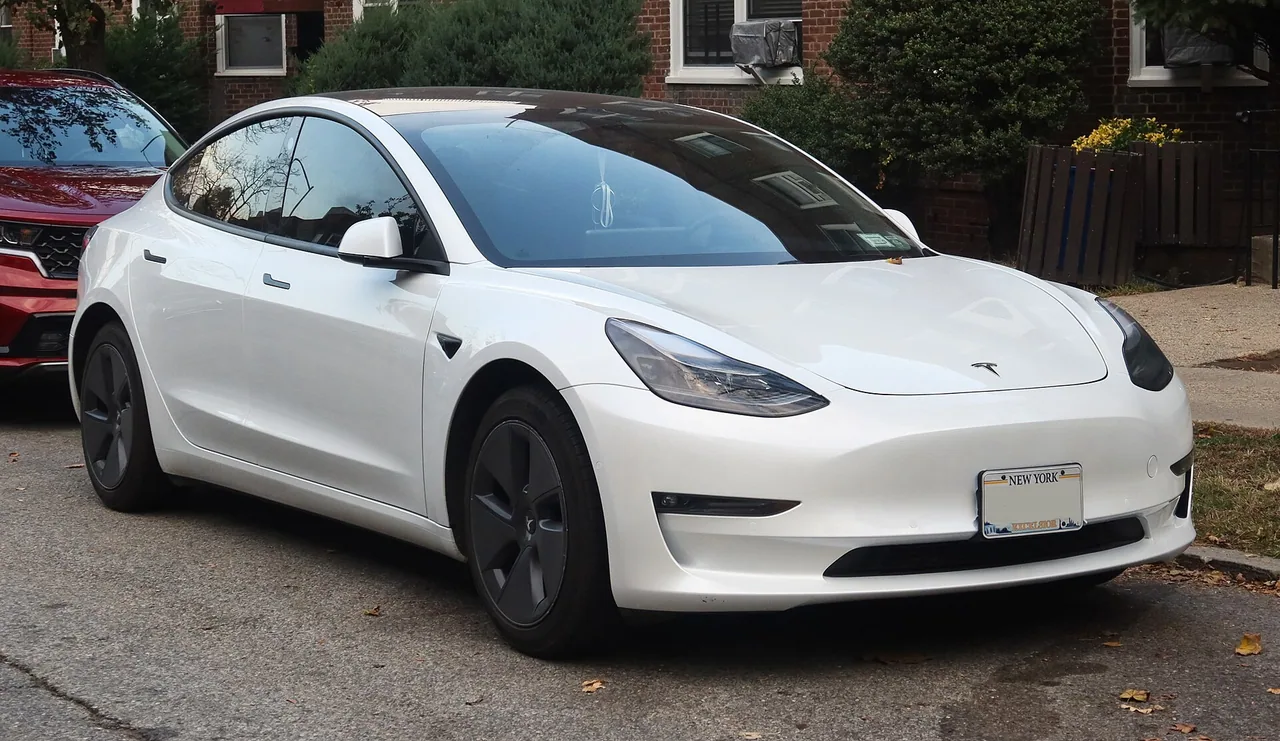

Compare the 2022 Tesla Model 3 trims
| Trim | TrimIndex score | Price new | Used price | Drive | EPA range | EPA energy use | 0–60 mph | Georgia tax value (2026 manual) |
|---|---|---|---|---|---|---|---|---|
| Long Range AWD | 67 | from $50,990starting price | $27,300KBB, Nov 2026 | AWD | 358 mi | 25.8 kWh/100 mi | 4.2 s | $18,875–$21,550 (2 values) |
| RWD | 66 | from $44,990starting price | $24,400KBB, Nov 2026 | RWD | 272 mi | 25.5 kWh/100 mi | 5.8 s | $18,875–$21,550 (2 series) |
| Performance AWD | 62 | from $58,990starting price | $29,800KBB, Nov 2026 | AWD | 315 mi | 30.0 kWh/100 mi | 3.1 s | $21,550–$22,650 (2 values) |
Tesla, Inc. lists one figure for the 2022 Model 3: 19.8 cu ft of cargo space.
Price new and 0–60 mph: Tesla, Inc., via the Internet Archive.
EPA range and EPA energy use: U.S. EPA and DOE, fueleconomy.gov.
Used price: the figure each trim page shows, with its source and the month collected.
Georgia tax value: the Georgia Department of Revenue's title-tax assessment value for each trim in its 2026 manual, one edition for every row; a state tax figure, not a sale price or market value.
TrimIndex score: out of 100.
What differs between the 2022 Tesla Model 3 trims
Compared with the 2022 Model 3 RWD, the Long Range AWD has all-wheel drive, 86 more miles of EPA range and a 0–60 mph claim 1.6 s quicker, with a starting price $6,000 higher and a used price on file $2,900 higher (KBB, Nov 2026).
Compared with the 2022 Model 3 Long Range AWD, the Performance AWD has a 0–60 mph claim 1.1 s quicker, with 43 fewer miles of EPA range, EPA energy use 4.1 kWh/100 mi higher, a starting price $8,000 higher and a used price on file $2,500 higher (KBB, Nov 2026).
Which 2022 Tesla Model 3 trim for what
- Longest EPA range: the 2022 Model 3 Long Range AWD, 358 miles; next, the Performance AWD has 315 miles.
- Quickest 0–60 mph (manufacturer claims): the 2022 Model 3 Performance AWD, 3.1 seconds; next, the Long Range AWD has 4.2 seconds.
- Lowest used price on file: the 2022 Model 3 RWD, $24,400; next, the Long Range AWD has $27,300.
NHTSA Recalls (18)
- NHTSA lists 18 recall campaigns for the 2022 Tesla Model 3, filed between Jan 2022 and Aug 2026.
- When it was filed, 26V507000 (headlights) had no final fix available yet.
- One was later replaced — 22V063000 by 22V235000 (filed Apr 2022) — so its own fix is no longer the current one.
- How the other 16 are fixed, per the filings: 15 by a software update (all can install over the air) and 1 by work on the car.
Source: NHTSA recall filings for the 2022 Tesla Model 3, data through Nov 22, 2026. Why the VIN decides
- Filed Aug 2026
The headlight low beams may be too bright and exceed the maximum light output.
Campaign #26V507000 · Part (NHTSA): exterior lighting › headlights- What happens:
- Headlight low beams that are too bright can reduce visibility for oncoming drivers, increasing the risk of a crash.
- The fix
- When filed (Aug 2026) the final fix was not yet available. Check the VIN for the final repair.
- Covers:
- certain 2017-2023 Model 3 and 2020-2023 Model Y vehicles.
- Federal standard not met:
- 108 (Lamps, Reflective Devices, and Associated Equipment).
NHTSA lists 20,349 vehicles in this campaign (all models it covers).
Check VIN status at NHTSA.gov - REPLACEDFiled Feb 2022
The Boombox function allows sounds to be played through an external speaker while the vehicle is in motion, which may obscure the Pedestrian Warning System (PWS) sounds.
Campaign #22V063000 · Part (NHTSA): forward collision avoidance › warnings › external/pedestrian alert- What happens:
- Pedestrians may be unaware of an approaching vehicle if the PWS sounds are obscured, increasing the risk of a crash.
- The fix
- Replaced by 22V235000 (filed Apr 2022); this filing's own fix is no longer the current one. See 22V235000
- Covers:
- certain 2020-2022 Model S, Model X, Model Y, and 2017-2022 Model 3 vehicles.
- Federal standard not met:
- 141 (Minimum Sound Requirements for Hybrid and Electric Vehicles).
NHTSA lists 578,607 vehicles in this campaign (all models it covers).
Check VIN status at NHTSA.gov
Show the other 16 campaigns, each with a fix listed
- Filed May 2026
The rearview camera image may be delayed when the vehicle is placed in reverse.
Campaign #26V283000 · Part (NHTSA): back over prevention › software- What happens:
- A delayed rearview image reduces the driver's view behind the vehicle, increasing the risk of a crash.
- The fix
- Free fix: software update over the air Tesla has released an over-the-air (OTA) software update, free of charge.
- Covers:
- certain 2017, 2021-2023 Model 3, 2020-2023 Model Y, 2021-2023 Model S, and Model X vehicles operating software version 2026.8.6.
- Federal standard not met:
- 111 (Rear Visibility).
NHTSA lists 218,868 vehicles in this campaign (all models it covers).
Check VIN status at NHTSA.gov - Filed Dec 2024
The tire pressure monitoring system (TPMS) warning light may not remain illuminated between drive cycles, failing to warn the driver of low tire pressure.
Campaign #24V935000 · Part (NHTSA): tires › pressure monitoring and regulating systems- What happens:
- Driving with improperly inflated tires increases the risk of a crash.
- The fix
- Free fix: software update over the air Tesla released an over-the-air (OTA) software update, free of charge.
- Covers:
- certain 2024 Cybertruck, 2017-2025 Model 3, and 2020-2025 Model Y vehicles.
- Federal standard not met:
- 138 (Tire Pressure Monitoring Systems).
NHTSA lists 696,281 vehicles in this campaign (all models it covers).
Check VIN status at NHTSA.gov - Filed Jul 2024
The hood latch assembly may fail to detect an unlatched hood condition after the hood has been opened.
Campaign #24V554000 · Part (NHTSA): electrical system › software- What happens:
- An unlatched hood can fully open, obstructing the driver's view and increasing the risk of a crash.
- The fix
- Free fix: software update over the air Tesla has released an over-the-air (OTA) software update, free of charge.
- Covers:
- certain 2021-2024 Model 3, Model S, Model X, and 2020-2024 Model Y vehicles.
NHTSA lists 1,849,638 vehicles in this campaign (all models it covers).
Check VIN status at NHTSA.gov - Filed May 2024
In the event of an unbelted driver, the seat belt warning light and audible chime may not activate as intended.
Campaign #24V376000 · Part (NHTSA): seat belts › front › warning light/devices- What happens:
- A seat belt warning system that fails to alert occupants of an unbelted seat belt can increase the risk of injury during a crash.
- The fix
- Free fix: software update over the air Tesla will release an over-the-air (OTA) software update.
- Covers:
- certain 2012-2024 Model S, 2015-2024 Model X, 2017-2023 Model 3, and 2020-2023 Model Y vehicles.
- Federal standard not met:
- 208 (Occupant Crash Protection).
NHTSA lists 125,233 vehicles in this campaign (all models it covers).
Check VIN status at NHTSA.gov - Filed Feb 2024
A factory reset muted the Pedestrian Warning System (PWS) sounds.
Campaign #24V153000 · Part (NHTSA): forward collision avoidance › warnings › external/pedestrian alert- What happens:
- Pedestrians may be unaware of an approaching vehicle if the PWS sounds are muted, increasing the risk of a crash.
- The fix
- Free fix: software update over the air Tesla released an over-the-air (OTA) software update, release 2023.44.30.14, free of charge.
- Covers:
- certain 2013, 2018-2021 Model S, 2020-2021 Model X, 2018-2022 Model 3, and 2020-2022 Model Y vehicles.
- Federal standard not met:
- 141 (Minimum Sound Requirements for Hybrid and Electric Vehicles).
NHTSA lists 6,557 vehicles in this campaign (all models it covers).
Check VIN status at NHTSA.gov - Filed Jan 2024
An incorrect font size is displayed on the instrument panel for the Brake, Park, and Antilock Brake System (ABS) warning lights.
Campaign #24V051000 · Part (NHTSA): electrical system › instrument cluster/panel- What happens:
- Warning lights with a smaller font size can make critical safety information on the instrument panel difficult to read, increasing the risk of a crash.
- The fix
- Free fix: software update over the air Tesla began releasing an over-the-air (OTA) software update, free of charge.
- Covers:
- certain 2012-2023 Model S, 2016-2024 Model X, 2017-2023 Model 3, 2019-2024 Model Y, and 2024 Cybertruck vehicles.
- Federal standard not met:
- 105 (Hydraulic and Electric Brake Systems) and 135 (Light Vehicle Brake Systems).
NHTSA lists 2,193,869 vehicles in this campaign (all models it covers).
Check VIN status at NHTSA.gov - Filed Dec 2023
In certain circumstances when Autosteer is engaged, the prominence and scope of the feature's controls may not be sufficient to prevent driver misuse of the SAE Level 2 advanced driver-assistance feature.
Campaign #23V838000 · Part (NHTSA): electrical system › ADAS › driver monitoring › software- What happens:
- In certain circumstances when Autosteer is engaged, and the driver does not maintain responsibility for vehicle operation and is unprepared to intervene as necessary or fails to recognize when Autosteer is canceled or not engaged, there may be an increased risk of a crash.
- The fix
- Free fix: software update over the air Tesla will release an over-the-air (OTA) software update, free of charge.
NHTSA lists 2,031,220 vehicles in this campaign (all models it covers).
Check VIN status at NHTSA.gov - Filed Feb 2023
The FSD Beta system may allow the vehicle to act unsafe around intersections, such as traveling straight through an intersection while in a turn-only lane, entering a stop sign-controlled intersection without coming to a complete stop, or proceeding into an intersection during a steady yellow traffic signal without due caution.
Campaign #23V085000 · Part (NHTSA): steering › automated/adaptive steeringIn addition, the system may respond insufficiently to changes in posted speed limits or not adequately account for the driver's adjustment of the vehicle's speed to exceed posted speed limits.
- What happens:
- FSD Beta software that allows a vehicle to exceed speed limits or travel through intersections in an unlawful or unpredictable manner increases the risk of a crash.
- The fix
- Free fix: software update over the air Tesla will release an over-the-air (OTA) software update, free of charge.
NHTSA lists 362,758 vehicles in this campaign (all models it covers).
Check VIN status at NHTSA.gov - Filed Oct 2022
The second-row left seat belt buckle and second-row center seat belt anchor may have been incorrectly reassembled during vehicle service.
Campaign #22V798000 · Part (NHTSA): seat belts › rear/other › anchorage- What happens:
- An incorrectly reassembled seat belt anchor can impair the performance of the seat belt during a crash, increasing the risk of injury.
- The fix
- Free fix: work on the car by Tesla Service Tesla Service will inspect and reassemble the seat belt anchors as necessary, free of charge.
- Covers:
- certain 2017-2022 Model 3 vehicles.
NHTSA lists 24,064 vehicles in this campaign (all models it covers).
Check VIN status at NHTSA.gov - Filed Sep 2022
The window automatic reversal system may not react correctly after detecting an obstruction.
Campaign #22V702000 · Part (NHTSA): visibility › power window devices and controls- What happens:
- A closing window may exert excessive force by pinching a driver or passenger before retracting, increasing the risk of injury.
- The fix
- Free fix: software update over the air Tesla will perform an over-the-air (OTA) software update of the automatic window reversal system, free of charge.
- Covers:
- certain 2017-2022 Model 3, 2020-2022 Model Y, and 2021-2022 Model S and Model X vehicles.
- Federal standard not met:
- 118 (Power-Operated Window Systems).
NHTSA lists 1,096,762 vehicles in this campaign (all models it covers).
Check VIN status at NHTSA.gov - Filed May 2022
The infotainment central processing unit (CPU) may overheat during the preparation or process of fast-charging, causing the CPU to lag or restart.
Campaign #22V296000 · Part (NHTSA): equipment › electrical › infotainment › video (touch)screen/monitor/unit- What happens:
- A lagging or restarting CPU may prevent the center screen from displaying the rearview camera image, gear selection, windshield visibility control settings, and warning lights, increasing the risk of a crash.
- The fix
- Free fix: software update over the air Tesla will perform an over-the-air (OTA) software update that will improve CPU temperature management, free of charge.
- Covers:
- certain 2021-2022 Model S, Model X, and 2022 Model 3 and Model Y vehicles operating certain firmware releases.
NHTSA lists 129,960 vehicles in this campaign (all models it covers).
Check VIN status at NHTSA.gov - Filed Apr 2022
The unit of speed (mph or km/h) may fail to display on the speedometer while in Track Mode.
Campaign #22V263000 · Part (NHTSA): electrical system › instrument cluster/panel- What happens:
- The driver may not know how fast the vehicle is traveling without the mph or km/h unit display, increasing the risk of a crash.
- The fix
- Free fix: software update over the air Tesla will perform an over-the-air (OTA) software update, free of charge.
- Covers:
- certain 2018-2022 Model 3 Performance vehicles.
- Federal standard not met:
- 101 (Control and Displays).
NHTSA lists 48,184 vehicles in this campaign (all models it covers).
Check VIN status at NHTSA.gov - Filed Apr 2022
The Boombox function allows sounds to be played through an external speaker while the vehicle is in motion, which may obscure the Pedestrian Warning System (PWS) sounds.
Campaign #22V235000 · Part (NHTSA): forward collision avoidance › warnings › external/pedestrian alert- What happens:
- Pedestrians may be unaware of an approaching vehicle if the PWS sounds are obscured, increasing the risk of a crash.
- The fix
- Free fix: software update over the air Tesla will perform an over-the-air (OTA) software update that will disable the Boombox functionality when the vehicle is in Drive, Neutral and Reverse modes, including Summon and Smart Summon, free of charge.
- Covers:
- certain 2020-2022 Model Y, Model X, Model S, and 2017-2022 Model 3 vehicles.
- Federal standard not met:
- 141 (Minimum Sound Requirements for Hybrid and Electric Vehicles).
NHTSA lists 594,894 vehicles in this campaign (all models it covers).
Check VIN status at NHTSA.gov - Filed Feb 2022
A software error may cause a valve in the heat pump to open unintentionally and trap the refrigerant inside the evaporator, resulting in decreased defrosting performance.
Campaign #22V050000 · Part (NHTSA): electrical system › software- What happens:
- Decreased defrosting performance may reduce the driver's visibility, increasing the risk of a crash.
- The fix
- Free fix: software update over the air Tesla will perform an over-the-air (OTA) software update, free of charge.
- Covers:
- certain 2021-2022 Model 3, Model S, Model X, and 2020-2022 Model Y vehicles.
- Federal standard not met:
- 103 (Windshield Defrosting and Defogging Systems).
NHTSA lists 26,681 vehicles in this campaign (all models it covers).
Check VIN status at NHTSA.gov - Filed Feb 2022
The audible chime may not activate when the vehicle starts and the driver has not buckled their seat belt.
Campaign #22V045000 · Part (NHTSA): seat belts › front- What happens:
- The driver may be unaware that their seat belt is not fastened, increasing the risk of injury during a crash.
- The fix
- Free fix: software update over the air Tesla will perform an over-the-air (OTA) software update, free of charge.
- Covers:
- certain 2021-2022 Model S and Model X, 2017-2022 Model 3, and 2020-2022 Model Y vehicles.
- Federal standard not met:
- 208 (Occupant Crash Protection).
NHTSA lists 817,143 vehicles in this campaign (all models it covers).
Check VIN status at NHTSA.gov - Filed Jan 2022
The "rolling stop" functionality available as part of the Full Self-Driving (Beta) software may allow the vehicle to travel through an all-way stop intersection without first coming to a stop.
Campaign #22V037000 · Part (NHTSA): steering › automated/adaptive steering- What happens:
- Failing to stop at a stop sign can increase the risk of a crash.
- The fix
- Free fix: software update over the air Tesla will perform an over-the-air (OTA) software update that disables the "rolling stop" functionality, free of charge.
- Covers:
- certain 2016-2022 Model S and Model X, 2017-2022 Model 3, and 2020-2022 Model Y vehicles.
NHTSA lists 53,822 vehicles in this campaign (all models it covers).
Check VIN status at NHTSA.gov
NHTSA Investigations (4 open, 1 open petition, 5 closed, 3 closed petitions)
NHTSA has 4 open investigations and 1 open defect petition covering the 2022 Tesla Model 3 (NHTSA investigations file of Nov 19, 2026).
What these kinds of action mean
- OpenEngineering analysis EA26002, opened Mar 18, 2026
FSD Collisions in Reduced Roadway Visibility Conditions
What NHTSA says it is examining: The Office of Defects Investigation (ODI) is opening this Engineering Analysis to evaluate Tesla’s Full Self Driving Beta and Full Self Driving (Supervised) (collectively, FSD) degradation detection system.
Model years NHTSA lists for this model in the action: 2017-2026.
- OpenPreliminary evaluation PE25012, opened Oct 7, 2025
Traffic safety violations while Full Self Driving ("FSD") is engaged
What NHTSA says it is examining: The Office of Defects Investigation (“ODI”) is opening this Preliminary Evaluation (PE) to assess the scope, frequency, and potential safety consequences of FSD executing driving maneuvers that constitute traffic safety violations.
Model years NHTSA lists for this model in the action: 2017-2026.
- OpenAudit query AQ25002, opened Aug 20, 2025
Compliance with Standing General Order 2021-01 Reporting Requirements
What NHTSA says it is examining: The Office of Defects Investigation (“ODI”) has identified numerous incident reports submitted by Tesla, Inc. (“Tesla”) in response to Standing General Order 2021-01 (the “SGO”), in which the reported crashes occurred several months or more before the dates of the reports.
Model years NHTSA lists for this model in the action: 2017-2026.
- OpenRecall query RQ24009, opened Apr 25, 2024
Recall 23V838 Remedy Effectiveness
What NHTSA says it is examining: The Office of Defects Investigation (ODI) is opening a Recall Query to assess the remedy adequacy of Recall 23V838.
Model years NHTSA lists for this model in the action: 2017-2024.
- Open petitionDefect petition DP23002, opened Jun 29, 2023
Sudden Unintended Acceleration
What NHTSA says it is examining: The Office of Defects Investigation (ODI) received a petition requesting that ODI reevaluate its decision to deny DP20-001 on the basis that intermittent high electrical current demands on the vehicles' 12VDC systems may have caused some or all of the incidents examined by ODI in DP20-001.
Model years NHTSA lists for this model in the action: 2017-2023.
NHTSA has closed 8 actions on the 2022 Tesla Model 3: 4 preliminary evaluations, 1 engineering analysis and 3 defect petitions, opened between Aug 2021 and Dec 2025. 2 of them name recalls this page lists: 22V063000, 23V085000 and 23V838000.
Show the 8 closed actions
- Emergency egress controls are not readily accessible and clearly identifiableDefect petition DP25002, opened Dec 23, 2025, closed Jul 22, 2026
- FSD Collisions in Reduced Roadway Visibility ConditionsPreliminary evaluation PE24031, opened Oct 17, 2024, closed Mar 18, 2026
- Defect Petition Interlock RequestDefect petition DP23001, opened Apr 7, 2023, closed Mar 18, 2026
- Pedestrian alert soundsDefect petition DP22005, opened Jan 27, 2023, closed Aug 7, 2023; recall 22V063000
- Autopilot System Driver ControlsEngineering analysis EA22002, opened Jun 8, 2022, closed Apr 25, 2024; recall 23V085000, 23V838000
- Unexpected Brake ActivationPreliminary evaluation PE22002, opened Feb 16, 2022, closed Jun 29, 2026
- Tesla Passenger PlayPreliminary evaluation PE21023, opened Dec 21, 2021, closed May 26, 2023
- Autopilot & First Responder ScenesPreliminary evaluation PE21020, opened Aug 13, 2021, closed Jun 8, 2022
Source: NHTSA Office of Defects Investigation, investigations file, records through Nov 19, 2026; an open investigation is not a finding of a defect in the 2022 Tesla Model 3.
NHTSA Complaints (777 total)
NHTSA lists 18 recall campaigns for the 2022 Tesla Model 3; 16 of them name an over-the-air software update as the fix. NHTSA lists no remedy yet for campaign 26V507000 (headlights) in records through Nov 22, 2026. Owners have filed 777 complaints with NHTSA; the largest part groups are Forward collision avoidance (538) and Speed control (171). Of all 777, 57 report a crash, 4 a fire and 29 an injury.
What owners report most
TrimIndex grouped the 777 complaints owners filed with NHTSA on the 2022 Tesla Model 3 (every trim; NHTSA files complaints by model year, not trim) into problem themes on Nov 16, 2026: 692 of them fall in the 26 themes below, 31 of them in two. 2 complaints were filed after that grouping and are not in a theme yet. How themes are made and checked
-
Sudden braking with nothing ahead
507 of 777 complaints (65%): With cruise control or Autopilot engaged, the car brakes hard on its own on an open road with no obstacle ahead, sometimes with a collision warning sounding.
Owners reported a crash in 2 and an injury in 1 of the 507 complaints.
“no other cars or any obstacles in the road whatsoever, the car would slam on the brakes hard”
NHTSA complaint 11494353 “car suddenly applied brakes with no other vehicles or obstructions present ahead or beside us”
NHTSA complaint 11472168 -
Driver assist steers off course
31 of 777 complaints (4%): With Autopilot, lane keeping or Full Self-Driving engaged, the car swerves or tugs the wheel toward exits, curbs, the shoulder, walls or oncoming traffic.
Owners reported a crash in 8 and an injury in 5 of the 31 complaints.
“the car drifts or actively steers across double yellow lines into the lane of oncoming traffic”
NHTSA complaint 11720201 “it initiated a left turn across the path of an oncoming vehicle traveling in the opposite direction, resulting in a collision”
NHTSA complaint 11772197 -
Car accelerates on its own
24 of 777 complaints (3%): At a stop, while parking, reversing or in traffic, the car surges forward on its own, and owners describe pressing the brake without the car stopping before a collision.
Owners reported a crash in 17 and an injury in 8 of the 24 complaints.
“the car was accelerating on its own and would not stop despite her pressing on the brake pedal.”
NHTSA complaint 11576904 “while at a stop light with the brake pedal depressed, the vehicle accelerated and crashed into a Dodge Ram.”
NHTSA complaint 11481824 -
Passenger seat sensor airbag warning
15 of 777 complaints (2%): Seat occupancy sensors malfunction and a restraint system or airbag fault warning appears for the front passenger seat, sometimes returning after repair or switching the airbag off.
“Passenger safety restraint system fault error appears on and off without any correlation to driving conditions or passenger presence”
NHTSA complaint 11658350 “The car continuously complains about front passenger safety restraint system faults.”
NHTSA complaint 11610632 -
Sudden loss of drive power
15 of 777 complaints (2%): While driving, the car loses drive power or shuts down and coasts or stops in traffic, sometimes refusing to restart or showing a drive unit alert.
“Sudden loss of power, coasting to stop making a lane change and seeking shoulder space.”
NHTSA complaint 11469224 “while I was driving the car started jerking and came to a complete stop in traffic.”
NHTSA complaint 11455347 -
Steering gets heavy or locks
14 of 777 complaints (2%): The steering wheel becomes stiff, sticks or locks while driving, with a power steering failure or steering assist reduced message, making the car hard to keep on course.
Owners reported a crash in 2 and an injury in 1 of the 14 complaints.
“During operation steering wheel becomes heavy and difficult to turn and becomes notchy.”
NHTSA complaint 11669363 “The steering wheel locked in a turning position, driving the car off the overpass.”
NHTSA complaint 11645163
Show the other 20 themes
-
Safety systems miss vehicles or obstacles
12 of 777 complaints (2%): Driver assistance, collision warning or parking systems do not detect or react to vehicles, school buses, red lights, debris or walls, and the car does not stop or warn.
Owners reported a crash in 7 and an injury in 3 of the 12 complaints.
“In autopilot mode vehicle failed to recognize School bus with flashung red lights and children crossing in front of vehicle”
NHTSA complaint 11624540 -
Front control arm and bushing failure
9 of 777 complaints (1%): Front control arms, lateral links or their bushings wear, tear or come loose, producing squeaks, clicks and pops, and the wheel can collapse into the frame.
“identified visible tearing of front lower control arm bushings on BOTH sides”
NHTSA complaint 11733793 -
Steering turns on its own
9 of 777 complaints (1%): Without driver assistance described as active, the steering wheel turns or locks while driving, the car swerves out of its path and strikes a barrier, pole or divider.
Owners reported a crash in 8 and an injury in 3 of the 9 complaints.
“Suddenly, I felt the steering wheel turned right a little by itself and the car slowly drifted to the right a little”
NHTSA complaint 11551204 -
Cabin heating or cooling fails
8 of 777 complaints (1%): The cabin heater, heat pump or air conditioning stops working, leaving the cabin cold or hot and the windshield unable to defrost.
“When the system failed, the vehicle lost heating and proper defrost capability.”
NHTSA complaint 11721824 -
Camera view lags or goes blank
8 of 777 complaints (1%): The rear view or side camera image on the screen lags, freezes, goes blank or does not come back while reversing or signalling.
Owners reported a crash in 2 of the 8 complaints.
“Rear view camera display sometimes just a blank screen, other times delayed by 2-15 seconds.”
NHTSA complaint 11570081 -
Airbags not deploying in crash
7 of 777 complaints (1%): Owners describe crashes with significant impact, including side and frontal hits, in which the airbags did not deploy.
Owners reported a crash in 5 and an injury in 4 of the 7 complaints.
“Side Curtain Airbags failed to deploy, drivers side front, passenger side front, passenger side rear, driver side rear.”
NHTSA complaint 11499098 -
Driver assistance computer failure
7 of 777 complaints (1%): The driver assistance computer fails or keeps rebooting, leaving cameras dark and emergency braking, collision warnings and other assistance features unavailable.
“Tesla Service diagnosed a failed Autopilot computer (HW3) and quoted $3,100 to replace it with another HW3 unit.”
NHTSA complaint 11775357 -
Windows move on their own
6 of 777 complaints (1%): Power windows lower or raise by themselves, including when doors open or close, and owners report fingers caught as a window closes.
“the windows would lower when opening the doors and would roll up when closing the doors.”
NHTSA complaint 11495692 -
Wrong speed limit used
6 of 777 complaints (1%): Cruise control or Autopilot reads or applies the wrong speed limit and slows the car well below the posted limit or fails to adjust to it.
“it will abruptly try to slow the vehicle to 35 MPH, the speed limit for traffic on the overpass.”
NHTSA complaint 11614533 -
False forward collision warnings
5 of 777 complaints (1%): The forward collision warning sounds loudly when there is no real threat, such as near parked cars, turning cars or on curves.
“My car has become too sensitive often giving me several false forward collision warnings per day.”
NHTSA complaint 11575716 -
Glass cracks without impact
5 of 777 complaints (1%): The windshield, rear glass or rear side windows crack or shatter with no impact, including while the car sits parked.
“The crack originated from the edge of the glass without any external impact.”
NHTSA complaint 11733457 -
No easy rear door release
5 of 777 complaints (1%): The rear doors have no easy-to-find manual release, so occupants cannot get out when power is lost, including after crashes with fire.
Owners reported a crash in 2, a fire in 2 and an injury in 2 of the 5 complaints.
“There is NO way to find the emergency manual release in the rear doors.”
NHTSA complaint 11690233 -
Sudden cascade of stability warnings
5 of 777 complaints (1%): A cluster of warnings appears together, such as stability control, traction control, vehicle hold or ABS disabled, and braking or steering feel changes.
“multiple alerts appeared, indicating that the car's hold feature, traction control, and steering assist were reduced”
NHTSA complaint 11629438 -
Cannot cap self-driving speed
4 of 777 complaints (1%): After software changes, the driver cannot set or lower a maximum speed under Full Self-Driving, and the car picks its own speed above posted limits.
Owners reported a crash in 1 of the 4 complaints.
“The driver can no longer set a maximum speed.”
NHTSA complaint 11754093 -
Car catches fire
4 of 777 complaints (1%): The car catches fire, either while parked and unattended, spreading to the home, or inside the cabin following a collision.
Owners reported a crash in 2, a fire in 4 and an injury in 3 of the 4 complaints.
“the vehicle independently started while parked in the driveway and caught on fire”
NHTSA complaint 11755495 -
Center screen goes black
4 of 777 complaints (1%): The center touchscreen goes black, shuts off or restarts while driving or reversing, taking away the speed display, camera views and controls until it comes back.
“While driving, the center display intermittently goes completely black.”
NHTSA complaint 11707068 -
Musty mold smell in cabin
4 of 777 complaints (1%): A musty or mold odor comes from the vents or cabin, sometimes with dampness inside the car, and returns after filter changes.
“I began noticing a persistent musty, mold-like odor coming from the HVAC vents whenever the air conditioning or defrost was on.”
NHTSA complaint 11697649 -
Summon mode collisions
3 of 777 complaints (under 1%): While moving itself in a parking lot under Summon, the car does not stop for obstacles and strikes a parked vehicle or a pole.
All 3 complaints report a crash.
“It crossed a parking aisle and went into the next aisle, striking a parked vehicle with a passenger inside.”
NHTSA complaint 11526627 -
Tires failing early
3 of 777 complaints (under 1%): Tires lose chunks of tread, develop bubbles or wear out well before owners expect.
“Both front tires are loosing chunks of tread toward the outside of the tire near the sidewall.”
NHTSA complaint 11634318 -
Trunk strut breaks rear glass
3 of 777 complaints (under 1%): The powered trunk lift strut breaks or separates, the lid drops, and the strut cracks or shatters the rear glass.
“saw the electrically-operated trunk strut separated from the trunk and also a crack in my rear glass”
NHTSA complaint 11730042
777 complaints filed with NHTSA for the 2022 Tesla Model 3, between Dec 2021 and Nov 2026.
Parts named most often
| Part | Complaints | Share |
|---|---|---|
| Forward collision avoidance including adaptive cruise control (390) and automatic emergency braking (310) | 538 | 69% |
| Speed control | 171 | 22% |
| Brakes | 169 | 22% |
| Electrical system (other) | 53 | 7% |
| Lane keeping and blind-spot systems including assist (29) and blind spot detection (14) | 46 | 6% |
Share of all 777 complaints; one complaint can name more than one part, so shares add up to more than 100%. 37 complaints name no specific part.
Owners reported a crash in 57, a fire in 4, an injury in 29 and a death in 1 of the 777 complaints. How these fields are filled
Median odometer reading when the problem happened: 5,100 miles, from the 60 complaints that give one.
Complaints by year filed
| Year filed | Complaints |
|---|---|
| 2021 | 10 |
| 2022 | 443 |
| 2023 | 140 |
| 2024 | 73 |
| 2025 | 61 |
| 2026 (to Nov 22) | 50 |
Source: NHTSA owner complaints filed on every 2022 Tesla Model 3 (NHTSA files them by model year, not trim), data through Nov 22, 2026.
The 25 most severe, then newest, of 777
- Severity 5 of 5.Steering · Brakes Injury · Crash
In a rented 2022 TESLA MODEL 3 entering a right veering on-ramp, the vehicle failed to respond to driver steering inputs at normal speed.
Show the rest
I released the accelerator and there was no degenerative braking. I applied brakes, but the ABS was violently shaking without stopping and I noticed something illuminate on the computer screen. Unable to turn the steering wheel at all, we made severe impact with the left guardrail injuring both my wife([XXX]) and I. The Steering Assist Reduced warning light remained illuminated after the accident and I took a picture. INFORMATION REDACTED PURSUANT TO THE FREEDOM OF INFORMATION ACT (FOIA), 5 U.S.C. 552(B)(6)
NHTSA ODI #11773387 - Severity 5 of 5.Electrical system (other) Injury · Fire at 33,000 miles
The contact owned a 2022 Tesla Model 3. The contact stated that while the vehicle was unoccupied, the vehicle independently started while parked in the driveway and caught on fire.
Show the rest
No warning lights were illuminated prior to the failure. The contact stated that the fire spread to the residence and the residence burned down. The contact's daughter and her significant other were able to exit the residence safely. The local Fire Department arrived on the scene to extinguish the fire. The contact stated that the fire had started near the charging port. A Police Report was not filed. In addition, the contact stated that his daughter and her significant other suffered severe mental distress. Medical attention was not sought. A Fire Report was filed. The local dealer was not contacted. The vehicle was deemed a total loss by the insurance company. The manufacturer was not made aware of the failure. The failure mileage was approximately 33,000.
NHTSA ODI #11755495 - Severity 5 of 5.Body and structure · Steering · Speed control Injury · Crash
My wife had a collission on June 25th at 2 30PM CST while she was parking her vehicle in her office parking spot. The car suddenty sped and hit a tree. We suspect it be a misfire in Tesla.
NHTSA ODI #11747194 - Severity 5 of 5.Electrical system (other) Injury · Fire · Crash
Submitted Under 49 CFR §552.3 Request for Defect Investigation & Safety Recall Tesla Model 3 / Model Y: Interior High-Voltage Heater Fire Hazard, Missing Firewall, and Entrapment
Show the rest
Due to Electronic Door Failures. My 2022 Tesla Model 3 experienced an interior flash fire caused by a design defect. Tesla placed the high-voltage PTC cabin heater and HV wiring inside the dashboard with no firewall. After a crash, I saw a straight “strip flame” shoot out of the HVAC dash vent, exactly like a gas heater. The fire began INSIDE the dash/HVAC ducting within seconds of impact, not from the battery. This shows an arc-flash failure of the HV heater or wiring inside the cabin. The flame entered the cabin instantly because there is no firewall separating HV components from occupants. During the fire, all electronic door releases failed. Tesla hides the manual front releases and provides NO rear mechanical releases. I was trapped inside a burning cabin and suffered major injuries trying to escape by kicking the rear passenger window before bystander helped me brake out the rear passenger window to get me out. Most people cannot escape this design. This is a dangerous combination of defects: (1) HV heater and wiring located inside the cabin with no firewall; (2) HVAC ducting becomes a flame pathway; (3) Electronic door releases fail during fire/crash; (4) No labeled manual rear-door exits; (5) No backup 12-V actuator power to open doors. Tesla must: relocate the HV heater outside the cabin (frunk), add a real firewall, add fire-retardant HVAC materials, add labeled manual releases on all doors, and include a 12-V backup to door actuators. Please open a defect investigation. This design nearly killed me and will kill others.
NHTSA ODI #11701894 - Severity 5 of 5.Steering · Electrical system (other) · Doors, latches and locks Injury · Fire · Crash
During a head-on collision on [XXX] in Georgia, the electrical system in my 2022 Tesla Model 3 lost power and the electric door releases stopped functioning.
Show the rest
The vehicle interior caught fire and I was trapped inside. I was unaware of the location of the hidden mechanical emergency door release because it is not visibly labeled, not explained upon delivery, and not intuitive in an emergency. I was forced to climb to the back seat and break the rear passenger window with my legs to escape while the interior was burning. I suffered a broken hip, broken arm, and later required a full hip replacement. The mechanical emergency door release was concealed and unlabeled, resulting in entrapment during a fire, which is a violation of FMVSS 206 and presents a continuing and life-threatening safety hazard to all drivers and passengers. Tesla has not provided warnings, recall guidance, labeling, or owner education regarding how to exit the vehicle during a power-loss emergency. This defect can result in deaths. I am requesting a formal investigation. DP25002 INFORMATION REDACTED PURSUANT TO THE FREEDOM OF INFORMATION ACT (FOIA), 5 U.S.C. 552(B)(6)
NHTSA ODI #11698174 - Severity 5 of 5.Injury · Crash
While driving home, my Tesla was operating in Full Self-Driving (FSD) mode and initially performed normally, stopping at a red light and proceeding smoothly when it turned green.
Show the rest
Moments later, the vehicle suddenly accelerated on its own, lost control, and began spinning uncontrollably before sideswiping a parked car and coming to a stop on the wrong side of the street in oncoming traffic. I was fully awake, alert, and did not manually steer or accelerate at any point. The incident appears to have resulted from a malfunction in the vehicle’s FSD system and/or its steering and acceleration control mechanisms. There were no warning lights, error messages, or alerts before or during the event—it occurred without warning. This malfunction created an immediate safety hazard that endangered my life and posed a serious risk to other drivers, pedestrians, and surrounding property. The situation could have easily resulted in a fatal collision or injury. I promptly notified the police, and the incident was reported to Tesla Insurance, which serves as my coverage provider. Despite my repeated efforts to have the issue inspected and addressed, Tesla Insurance has refused to acknowledge fault, open a claim, or cover related damages. As a result, the malfunction has not been reproduced or confirmed by Tesla or any authorized service center. The vehicle has since been inspected by Collision Works, a Certified Tesla Collision Center in Long Beach, California (500 E. Anaheim St, Long Beach, CA 90813), which provided a preliminary repair estimate. I am currently responsible for repair costs out of pocket pending resolution with Tesla Insurance. The vehicle remains in my possession and is available for inspection by Tesla, investigators, or safety authorities upon request. The complete and unexpected failure of the FSD system to regulate acceleration and steering represents a serious safety defect that warrants immediate investigation to prevent future harm.
NHTSA ODI #11693997 - Severity 5 of 5.Forward collision avoidance · Speed control Injury · Crash
My family and I were in my Tesla Model 3 2022 and heading from Charlotte to Orlando on [XXX]. The car was in Full Self-Drive (FSD) mode while commuting through Daytona Beach.
Show the rest
The rain was heavy in the area. While driving in Daytona Beach, FSD caused the car to change lanes and go to a lane that had standing rain puddles on [XXX]. After FSD caused the lane change, the car immediately hydroplaned out of control. The car's short clearance from it's bottom and the ground which traps water that exacerbates hydroplaning, along with its generative breaking feature made matters worse and uncontrollable. The car spun into the median three times and settled in the middle of danger interstate. The car is totalled. My family and I require medical attention and counseling due to the trauma. INFORMATION REDACTED PURSUANT TO THE FREEDOM OF INFORMATION ACT (FOIA), 5 U.S.C. 552(B)(6)
NHTSA ODI #11693098 - Severity 5 of 5.Driver-assist system Injury · Crash at 104,547 miles
The contact owns a 2022 Tesla Model 3. The contact stated that while the vehicle was in self-driving mode, the vehicle was supposed to merge into the right lane, however the
Show the rest
vehicle accelerated into the left lane, and another vehicle collided into the front driver side of the vehicle. The contact stated that he did not sustain any injuries, however the passenger stated he sustained injuries, but the injuries were unknown. No medical attention was required. The contact stated that a police report was filed. The vehicle was taken to dealer where it was diagnosed that the software needs to be updated. The vehicle was not repaired. The vehicle was still drivable after the incident. The manufacturer was not notified of the failure. The approximate failure mileage was 104,547.
NHTSA ODI #11664877 - Severity 5 of 5.Electrical system (other) Fire
Our car was parked in our garage for two days before August 25, 2024 not plugged in for charging and was clear of issues.
Show the rest
On the morning of August 25, 2024 we woke up to the smell of smoke and evacuated our house as the source was coming from our Tesla in the garage. This incident burned our home and took 6 of our cats with it. We filed with insurance and they are reporting that they are not liable for the accident. They did not bother to show up to the joint investigation and paid the bare minimum for the market price of the vehicle. The company has been slow in responding and has shown zero remorse or care of the matter. Fire department pinned it as a 99.9% probability of cause that the front battery of the Tesla triggered the fire.
NHTSA ODI #11638815 - Severity 5 of 5.Brakes · Speed control Injury · Crash
NHTSA Vehicle Safety Complaint •Vehicle Information: •Make: Tesla •Model: Model 3 •Year: 2022 •Summary of Incident: On November 28,2024, I experienced an incident involving my 2022
Show the rest
Tesla Model 3 while it was stationary just outside my garage. I accidentally pressed the accelerator pedal instead of the brake. The car surged forward and crashed into the back wall of my garage. Despite Tesla’s advertised safety features, such as Collision Avoidance Assist and Automatic Emergency Braking (AEB), none of these systems intervened or activated during the incident. I expected the safety systems to detect the garage wall and mitigate the collision, but they failed to respond. Additionally, Tesla’s Obstacle-Aware Acceleration system did not seem to function as intended to limit acceleration in this scenario. •Injuries or Property Damage: There were minor injuries to passenger, but the vehicle and the garage sustained significant damage. •Steps Taken Post-Incident: I have contacted Tesla to request an analysis of the vehicle’s event data logs to determine why the safety features did not activate. I am waiting for their response. •Concern: I am filing this report because I believe this may indicate a potential safety issue with Tesla’s collision prevention systems in low-speed scenarios involving stationary obstacles. This raises concerns about the reliability of these features in real-world situations, particularly for drivers who may accidentally press the accelerator. •Supporting Information: If needed, I can provide photographs of the damage, repair estimates, and additional details.
NHTSA ODI #11634158
Show 15 more complaints
- Severity 5 of 5.Driver-assist system Injury · Crash at 27,669 miles
The contact owned a 2022 Tesla Model 3. The contact stated that while driving at approximately 35 MPH with the full self-driving mode activated and making a right turn off the
Show the rest
highway, the vehicle collided with the wall of the exit ramp and spun out. The contact stated that there were no prior alerts and or warnings of the collision. The contact sustained a right shoulder injury. Medical attention was not needed. A police report was not filed. The vehicle was towed to a collision shop where it was deemed totalled. The manufacturer was not notified of the failure. The failure mileage was 27,669.
NHTSA ODI #11632501 - Severity 5 of 5.Forward collision avoidance Injury
Tesla FSD almost caused a serious accident. My car was at a stop sign at a t in the road with cross traffic going 40-50mph.
Show the rest
The car did not see a white car driving toward from the left as it pulled out. Instead of stopping before getting in front of the car, it pulled slowly into the lane and then errored out, stopping right in front of a car that was about to T-bone me. I had to take back control of the car and quickly accelerate before they crashed into me. Luckily the combination of me taking over and accelerating and the other car also slowing down drastically saved us from having a serious accident. Unfortunately I had a fresh cup of hot coffee in my left hand and the acceleration caused it to spill allover the left side of my face, neck and chest causing burns. None of this would have happened if I wasn't testing the free trial of "Full Self-Driving." This was only a block from my home and it couldn't even work properly for more than 2 minutes. Software is so far from being ready to be safely used it is going to kill people. I have dashcam videos of the whole thing and can provide to you.
NHTSA ODI #11620771 - Severity 5 of 5.Doors, latches and locks Injury
When switch is pressed on the trunk to close and when as the trunk starting to come down but want to cancel closing it won't stop. Its so hard and it hit my head.
Show the rest
Other cars like Mercedes if we want to cancel closing and if we just touch trunk it goes back and does not come down. But on this car trunk keeps coming down hard and hands can get crushed if trunk comes down like that.
NHTSA ODI #11605670 - Severity 5 of 5.Seats Injury · Crash
ISSUE BACK OF FRONT SEATS COLLAPSED BACKWARDS DURING A REAR END COLLISION. CAR TOTALED. On December 4. 2023 we were rear ended while stopped at red.
Show the rest
The van that hit us was doing 40 MPH, when it hit the Tesla we were driving. The two front seat backs collapsed backwards. As the driver and because of the seat collapsing backwards I suffered a fractured BACK and have spent the last six plus months in a cervical thoracic brace which we are still in.
NHTSA ODI #11595793 - Severity 5 of 5.Brakes · Steering Injury · Crash
Driving on the freeway, husband driving, myself in passenger front seat and 1yr and 3yrs in back.
Show the rest
Just touched a 70 zone when the car, without warning/prompt started to deviate from left lane to right lane, at same speed, my husband tried to control car at which point he realized that the steering wheel and brakes were locked and he had no control of the direction or speed and could do nothing to stop the car. The car continued at high speed to drag us to the left side of the road, we smashed at full force into a display maintenance board first, the airbags deployed, and we continued to smash through a barrier and finally into a tree in a field about 100yards+ from freeway. We managed to escape the vehicle and get our screaming kids to safety where we then were picked up by ambulance and police. The car, of course, was unsalvageable. We, by some unknown miracle, made it out alive of this horrific, beyond imaginable experience. This was not normal behavior for a car. We had this car for 2.5yrs, we had no automatic driving capabilities turned on (we didn't have self-drive) and were driving home midday from a grocery store trip on a road we drive frequently. The brakes wouldn't push down, the steering wheel wouldn't move, we were totally at the mercy of the car.
NHTSA ODI #11592116 - Severity 5 of 5.Electrical system (other) · Forward collision avoidance Injury · Crash at 21,372 miles
The contact owned a 2022 Telsa Model 3. The contact stated that while driving at 18 MPH, the vehicle veered to the right hitting an electrical pole.
Show the rest
The contact stated neither the autopilot nor cruise control was set to on, and the vehicle failed to stop. The contact stated it happened so fast he was unable to depress the brake pedal in time. No warning lights were illuminated and the air bags in the vehicle failed to deploy. The contact sustained a knee injury and later received medical attention at an urgent care. However, the contact stated he was traumatized from the crash. The vehicle was towed and deemed destroyed. A police report was filed. The contact notified the manufacturer of the failure. The failure mileage was approximately 21,372.
NHTSA ODI #11571652 - Severity 5 of 5.Brakes · Electrical system (other) · Forward collision avoidance Injury · Crash
the car started to abruptly accelerate when slowing down the car at a stop light and would not brake. the anti collision functions did not work. the car went into a truck.
NHTSA ODI #11564754 - Severity 5 of 5.Air bags Injury · Crash
VIN #: [XXX] INCIDENT: COLLISION – FAULTY SAFETY AIRBAG EQUIPMENT DATE OF INCIDENT: 09/04/23; TIME: 22:07:33 SUMMARY ON SEPTEMBER 4, 2023 VEHICLE WAS HEADING WEST ON ARROW HWY
Show the rest
UPLAND PASSING 5TH STREET IN UPLAND, CA. VEHICLE PROCEDED WITH GREEN LIGHT. 2ND PARTY HEADED EASTBOUND ON TWO WAY STREET OF ARROW HWY COLLIDED WITH PARKED VAN. 2ND PARTY RICOCHETED FROM INITIAL COLLISION WITH PARKED VAN AND THEN COLLIDED WITH TESLA FRONT DRIVER SIDE. 2ND PARTY WAS HEADING NORTHBOUND WITH SPEED AND WRECKED ALL VEHICLES IMPACTED. THE SENSORS OF THE VEHICLE ONLY REPORTED TIRE PRESSURE AND NO OTHER SENSORS AS INDICATED IN TESLA MOBILE APP. TIRE AXLE LEFT VEHICLE DAMAGED AND UNABLE TO DRIVE. UPON TOW REMOVAL FROM THE SCENE, VEHICLE WAS UNABLE TO BE MANEUVERED BY USE OF THE STEERING WHEEL AS THE COLLISION IMPACT DAMAGED THE UNIT. DUE TO FAULTY SAFETY EQUIPMENT, TESLA AIRBAGS DID NOT DEPLOY AT THE TIME OF ACCIDENT AND DID NOT ACTIVATE OR DETECT THE COLLISION. COLLISSION RESULTED IN ENTIRE FRONT DRIVER’S SIDE TO BE WRECKED. AS A RESULT OF THE AIRBAGS NOT DEPLOYING, PASSENGERS SUFFER FROM SUSTAINING INJURIES. DRIVER AND THREE (3) ADDITIONAL PASSENGERS SAUGHT MEDICAL HELP, TESTING AND XRAYS FROM E.D WITHIN 48 HOURS FROM THE ACCIDENT. PASSENGERS CONTINUE TO SEEK MEDICAL HELP DUE TO ACCIDENT. FARMERS’ ADJUSTER STATES VEHICLE IS SETTING AS A TOTAL LOSS DUE THE COLLISSION FROM 2ND PARTY. VEHICLE RECORDING OF ACCIDENT AVAILABLE. INFORMATION REDACTED PURSUANT TO THE FREEDOM OF INFORMATION ACT (FOIA), 5 U.S.C. 552(B)(6)
NHTSA ODI #11547832 - Severity 5 of 5.Brakes · Forward collision avoidance Injury · Crash
I was in the carpool lane when traffic came to a complete stop. I pressed on the brakes but they were heavy as if I was not able to press it down all the way.
Show the rest
There was no information prior to the accident from the Tesla trying to warn me about an incoming collision. It wasn’t until after the accident the Tesla acknowledged that there was damage done to the car. Prior to the accident there was a service required for the front passenger safety restraints. This accident could have been much worse as I tried to swerve out of the way to avoid traffic but wasn’t able to make it back in time.
NHTSA ODI #11544619 - Severity 5 of 5.Steering · Speed control Injury · Crash at 50,000 miles
The contact stated that while renting a 2022 Tesla Model 3. The contact stated that while driving approximately 60 mph, the steering wheel suddenly turned left while accelerating.
Show the rest
The contact attempted to gain control however the steering wheel seized. The vehicle ended up crashing in the middle of the highway on the left side of the vehicle and front-end mostly. The air bags deployed. The vehicle was towed however it had not been determined if the vehicle was totaled as of yet. The display of the front left safety restraint system fault message was displayed on the main control display. The contact received injuries to their arms, knees, neck, shoulder, and back. Medical attention was needed. A police report was filed. The manufacturer was not made aware of the failure. The approximate failure mileage was 50,000.
NHTSA ODI #11542573 - Severity 5 of 5.Air bags Injury
The airbags of the vehicle did not inflate when the car was hit by a concrete stone when the car was running at 70 miles per hour on a freeway.
Show the rest
The stone came flying on to the windshield and completely smashed the Tesla Model 3 windshield and created a hole in the windshield. This is a grave safety failure of the vehicle where the driver or front passenger did not get any protection or safety from the broken glass of the windshield that hit the passenger and the driver when it was hit by the stone. The vehicle should have been equipped with enough failsafe, warnings, protection against windshield glass so that the safety of passengers is not compromised. As a Tesla owner, I feel unsafe to be driving the vehicle any more and would expect the company to take urgent action on this dangerous and unsafe vehicle that could potentially lead to more injuries and trauma for Tesla owners driving on the roads.
NHTSA ODI #11535946 - Severity 5 of 5.Speed control · Steering Injury · Crash at 4,400 miles
The contact owned a 2022 Tesla Model 3. The contact stated while driving at approximately 65 MPH with the "auto-pilot" engaged, the vehicle approached another vehicle in traffic
Show the rest
from behind and had gotten too close. The contact stated that she depressed the brake pedal to slow down when the vehicle inadvertently accelerated at high speed. The contact steered to the left to avoid rear-end crash with the vehicle directly in front. Additionally, the contact stated that the steering wheel had become hard to turn and the vehicle crashed into the highway divider. The vehicle's front end had crashed into the divider wall and the vehicle ricocheted across four lanes of traffic and ran off the roadway onto the right shoulder and was stopped by having crashed with small trees and bushes. The contact stated she did not notice any warning lights. The contact stated that she had been transported by ambulance to a trauma center. The contact stated that she had compression fractures of her spine, suffered soft tissue damage to her neck, and right wrist soft tissue damage, and rib fractures on the left side. The vehicle had been towed to an impound lot, and the police were on the scene and filed a report. The contact stated that her insurance provider had declared the vehicle a total loss. The manufacturer had been informed of the failure. The failure mileage was 4,400.
NHTSA ODI #11500296 - Severity 5 of 5.Air bags Injury · Crash
Vehicle was involved in a side collision on the driver side while stationary. Was hit by a 44 seat school bus traveling at or near highway speeds.
Show the rest
Side Curtain Airbags failed to deploy, drivers side front, passenger side front, passenger side rear, driver side rear. Vehicle could be available for inspection, is currently being held by insurance adjuster but unsure where. When collision happened it caused head trauma with the window and window frame that could have ended up in death or severe cervical spine trauma. Manufacturer does not acknowledge issue with airbag system. Have not been able to get the manufacturer to respond to requests to look at the vehicle. Insurance adjuster took photos but does not have the tools necessary to inspect the airbag system to my understanding. Police did not inspect. No warnings lights or errors. Had a Tesla service representative out days before to run diagnostics on car for a separate issue.
NHTSA ODI #11499098 - Severity 5 of 5.Forward collision avoidance Injury at 1,000 miles
The contact owns a 2022 Tesla Model 3. The contact stated while her husband was driving 50 mph on cruise control, the vehicle began to decelerate independently.
Show the rest
The contact stated no warning light was illuminated. The contact stated they continue to experience the failure five to ten times on the first trip. The contact stated she also experienced the failure on 9/23/2022, while driving 80 mph on cruise control, the vehicle began to decelerate independently to 70 mph and deactivated the cruise control independently. The contact stated no warning light was illuminated. The contact stated the force of the deceleration caused the seat belt to retract and caused her to have whiplash and headache left side of her head. The contact did not sought medical attention. The contact continued to experience the failure while driving to her destination. The contact stated she experience the failure for a second time on 9/25/2022. The vehicle was not diagnosed or repaired. A dealer was not contacted. The manufacturer had not been informed of the failure. The failure mileage was approximately 1,000.
NHTSA ODI #11486386 - Severity 5 of 5.Speed control Injury · Crash at 1,062 miles
The contact owns a 2022 Tesla Model 3. The contact stated that while driving at 5 MPH to park at her residence, the vehicle experienced unintended acceleration and inadvertently veered to the right.
Show the rest
The vehicle then crashed into a transformer box in a residential yard and came to a complete stop. The contact had a broken backbone and received medical attention. A police report was filed. The vehicle was towed to a body shop where it remained unrepaired. The manufacturer was made aware of the failure and informed the contact that it was a human error, mistaking the accelerator pedal for the brake pedal and that they would review the computer log. The failure mileage was 1,062. The VIN was unavailable.
NHTSA ODI #11482271
NHTSA 5-Star Crash-Test Ratings
NHTSA crash-tested the all-wheel-drive 2022 Tesla Model 3 sedan (the Long Range AWD and Performance AWD): 5 stars overall, with frontal 5, side 5, rollover 5. NHTSA crash-tested the rear-wheel-drive 2022 Tesla Model 3 sedan (the RWD): 5 stars overall, with frontal 5, side 5, rollover 5.
Forum posts that mention this car
The 10 posts shown were retrieved Apr–May 2026.
Of the 39 forum posts on file for this model year, 9 are about overall satisfaction, 9 about software and tech, 8 about range, 8 about battery and 5 about build quality.
| Topic | Posts |
|---|---|
| Overall satisfaction | 9 |
| Software and tech | 9 |
| Range | 8 |
| Battery | 8 |
| Build quality | 5 |
"Tesla assigned my Model 3 to some random person in Europe Maybe you’ve heard of me. I’m the guy who managed to reverse-engineer the Tesla Key Cards that are used on the Model 3 and Model Y. But that’s not what this post is about. This is the story about how Tesla accidentally assigned my vehicle to some random person “in Europe”, giving them the ability to remotely control various aspects of my vehicle—even the garage door to my home—without my knowledge or consent. It started a few days ago, when my partner told me that the garage door was open and I walked out to investigate. This seemed…"
"My experience with mustang Mach-E (I posted this to Mach-E sub with very predictable reactions) I have been a long-time tesla model 3 owner and made a decision long-time ago to never buy another ICE car. Our model 3 has been my daily driver and only car for the past 3 years and I have put 150k miles on it (I travel a lot for insurance industry). Now my wife is pregnant and her work location is little further away from home so we desperately needed a second car. But I really didn't want to spend 65k for model y so I was looking for alternates. I found a dealer who sold the Mach-E to me at MSRP…"
"I bought the car about 2-3 weeks ago. I've been driving it like crazy (added almost 2K miles already!!)!!! I love this car! I'm certain that when the time comes, I'll either fix the issues with this car, or I will definitely be buying another EV, most likely a Tesla (unless someone else can make something with the speed, acceleration, handling and features this offers)."
"My first Tesla! 2022 Tesla Model 3 LR AWD. Any new owner suggestions? It is so FAST & beautiful coming from my 2012. It feels so unreal & luxury although it wasnt so super expensive. People stare at it when I pull into places. They look as if I am driving a high class car. I feel so good in it, but also a bit perceived & awkward (lol) so i will be adding tints! It is definitely one of my favorite purchases right now. I truly love to drive for the first time in a while. Also, where do you guys get yours washed? Do you do it yourselves? Any new owner tips would be great!"
"I’ve had a Model 3 RWD for 2 years and don’t look at range anymore. I changed my readout to %. I know my commute to work takes 10% in the spring and summer and maybe 12% in the winter (possibly more if I preheat it unplugged. ) Honestly after a few months range won’t matter even on longer journeys, just let the car figure it out"
"I get 300 miles on a single charge. I drive steady around 65mph mostly freeway. I'm extremely happy with that. If I calculate the actual degradation it could be 10%. But with an EV you could do slight variations in your driving habits and get a little more range. After I fully charge my car it shows about 300-303. Highest I saw was 306. If I drove at a constant 75mph it could go down. I have the 18 aeros if that helps. Point being you could get lost in all the graphs charts and scheduling percentages and only come out slightly ahead instead of actually enjoying your car."
"Software Update Glitch Advice Since the most recent update, my Tesla Model 3 has stopped working entirely. These issues started immediately after the most recent software update where I think the software may have improperly updated. As soon as I try to start the car up, numerous alerts simultaneously sound and any attempts to drive the car are dangerous as the car’s brakes cease to function properly. I tried a soft reset and hard reset but that didn’t fix anything. My other attempts at fixing the car consisted of switching between driving modes (hold, creep, roll) and keeping the car powered…"
"I’m writing this post to share a troubling experience I recently had with my Tesla Model 3 — an experience that raises serious questions about vehicle safety, accountability, and consumer responsibility in the age of software-defined cars. A few days ago, I was prompted by Tesla to install a routine software update. This is something Tesla owners are used to: updates are presented as improvements, bug fixes, and sometimes even safety enhancements. I had no warnings, no alerts, and no indication that anything was wrong with my car prior to the update. Everything appeared to be functioning…"
"the following link from cnn is quite depressing, especially since i bought a new long range model 3 in july, 2021 and since day 1, i have been battling vibration/rattling issues that are driving me nuts. one issue on the right-hand side dashboard was fixed by a friendly and helpful technician who insulated the speaker grill. i am still hearing rattling coming from the left rear seat and for that the service center has ordered a part. also, my ears have to put up with periodic rattling coming from the left-hand side of the dashboard which sounds like it needs insulation as well. elon musk…"
"Same history here. after a month my model 3 started having rattles all over the place. It all started when the SC replaced a cracked windscreen. They didn’t adjust the wiper feeds and the tubes caused a new rattle. Problem is .. every time SC tries to address a rattle a new one appears. Or an old one reappears. I now have a rattle they supposedly fixed 3 service appointments ago. I can live with it but annoys me quite a bit. I clearly got a lemon. My theory is that my car was half built when the Shanghai factory went into lockdown. Then it was picked up months later by a different team who…"
Showing 10 of 39 forum posts.
What changed from 2021
TrimIndex lists a configuration for 2022 that matches no 2021 configuration by name, by drive, EPA range and battery, or by name and rated horsepower: RWD.
It lists a configuration for 2021 with no such match for 2022: Standard Range Plus RWD.
NHTSA lists 18 recall campaigns for the 2022 Tesla Model 3 and 22 for the 2021; 17 cover both.
2022 Tesla Model 3 frequently asked questions
What trims does the 2022 Tesla Model 3 come in?
TrimIndex lists 3 configurations of the 2022 Tesla Model 3, as EPA names them: Long Range AWD, RWD and Performance AWD.
What is the difference between the 2022 Tesla Model 3 RWD and Performance AWD?
Compared with the 2022 Model 3 RWD, the Performance AWD has all-wheel drive, 43 more miles of EPA range and a 0–60 mph claim 2.7 s quicker, with EPA energy use 4.5 kWh/100 mi higher, a starting price $14,000 higher and a used price on file $5,400 higher (KBB, Nov 2026).
What is the range of the 2022 Tesla Model 3?
EPA rates the 2022 Tesla Model 3 at 272 to 358 miles, depending on the configuration: 358 for the Long Range AWD, 315 for the Performance AWD and 272 for the RWD.
Are there recalls on the 2022 Tesla Model 3?
Yes. NHTSA lists 18 recall campaigns for the 2022 Tesla Model 3 in records through Nov 22, 2026: 3 for the pedestrian warning sound, 3 for the seat belts, 2 for the instrument display, 2 for the steering and 8 for other parts. For the 2022 Tesla Model 3, NHTSA lists no remedy yet for 26V507000.
What problems do owners report on the 2022 Tesla Model 3?
Of the 777 complaints owners filed with NHTSA about the 2022 Tesla Model 3 in records through Nov 22, 2026, the three largest problem themes are: Sudden braking with nothing ahead (507); Driver assist steers off course (31); and Car accelerates on its own (24). 692 of them fall in the 26 themes TrimIndex grouped from their narratives on Nov 16, 2026.