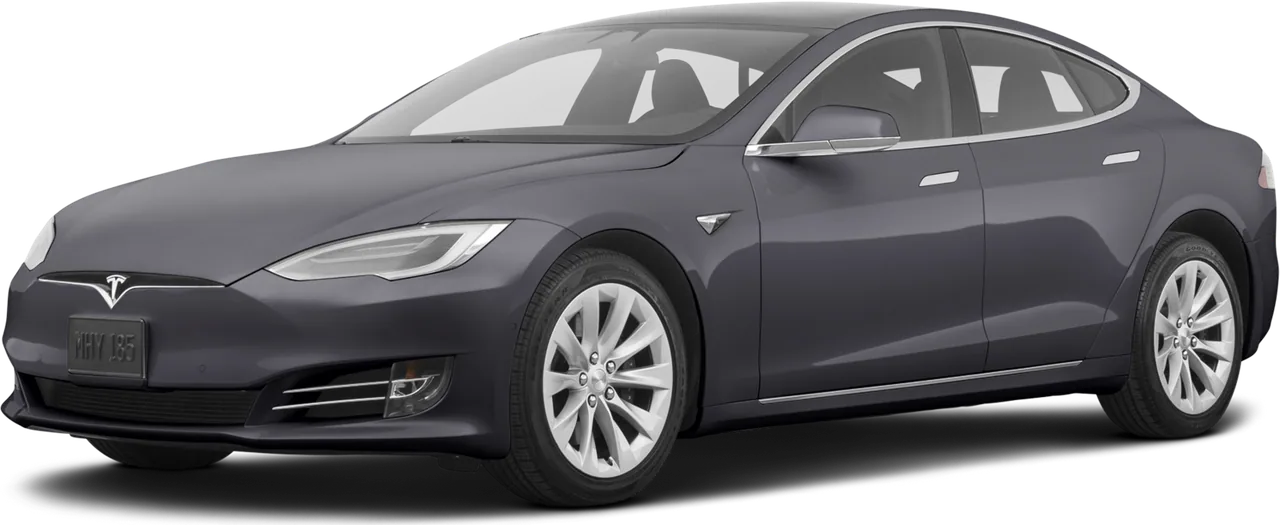
2020 Tesla Model S Performance
19in Wheels
Luxury Electric Sedan · AWD
Based on battery health, build quality, owner data, EPA range, and market pricing
Below average for 2020 EV Sedans (class avg 69)
Personalize this scoreIs a low score bad?
Last scanned 34 days ago
The 2020 Tesla Model S Performance (19in Wheels) has 348 miles of EPA range and 250 kW fast charging, and 11 recall campaigns affect this make/year — verify every one is closed on the exact VIN.
Score read
A 64/100 makes this worth comparing, not chasing. Software and driver-assist score is 84/100, but owner feedback score is only 51/100. Reddit threads cluster around owner satisfaction and build quality — verify both against the service records. Treat missing repair records as a price problem, not a footnote.
Is it a good deal?
Used examples are running around $33,000 against a $96,190 original sticker, about 34% of new. That much depreciation usually has a reason; make sure the battery report, recall history, and service records explain it before you commit.
Who this is for
✓ Good for
- ⏱ Daily commuter ≤50 mi/day, predictable charging
- ↦ Road tripper Long trips, needs DC fast network
✗ Avoid if you are a
No persona-level disqualifiers — fits broadly.
Gotchas
- Serviceable Recall paperwork has to match the exact VIN.
Mitigation Use NHTSA and the automaker lookup, then require repair records instead of a verbal promise.
- Verify Owner feedback is the part to read carefully (51/100).
Mitigation Read the complaint themes and ask whether this VIN has already had those issues repaired.
Pre-purchase inspection
- 1 Run the exact VIN through NHTSA and the automaker recall lookup before discussing price.
- 2 Compare the dashboard range estimate with the EPA 348-mile rating after a full charge.
- 3 Confirm how much of the 8-year/150,000-mile battery warranty remains and whether it transfers.
- 4 If road trips matter, run a short DC fast-charge session and watch whether speed tapers normally.
- 5 Read the complaint themes, not just the count, and ask the seller whether those issues have shown up on this VIN.
VIN status first This model has 11 NHTSA recall records. The exact VIN lookup decides whether the car in front of you is clear.
Complaint context This scan found 79 NHTSA complaint records (3.2 per 10K VINs, low for any vehicle class). Read the themes below before treating the raw count as the verdict.
Price anchor Current market range is $33,000-$33,000. Use that range to compare listings for the same trim, mileage, and condition.
Pricing & Market Value
A64-rated trim trading 66% below MSRP. Higher discounts on higher-quality vehicles score better — this signal is orthogonal to the TrimIndex composite, not part of it.
Score Breakdown
What matters most to you?
Drag the sliders to prioritize what you care about. Your TrimIndex Score recalculates instantly.
Vehicle Specifications
EVs at your price point that match or beat this trim
Price-gated peer set: vehicles within $26.4K–$39.6K market value (±20% of $33.0K). 4 outscore · 0 score within ±2. Mixed across makes — no "spend more, score better" comps.
Model S
- ✓ +54 mi more range
- ✓ Happier owners overall
- ✓ Better safety score
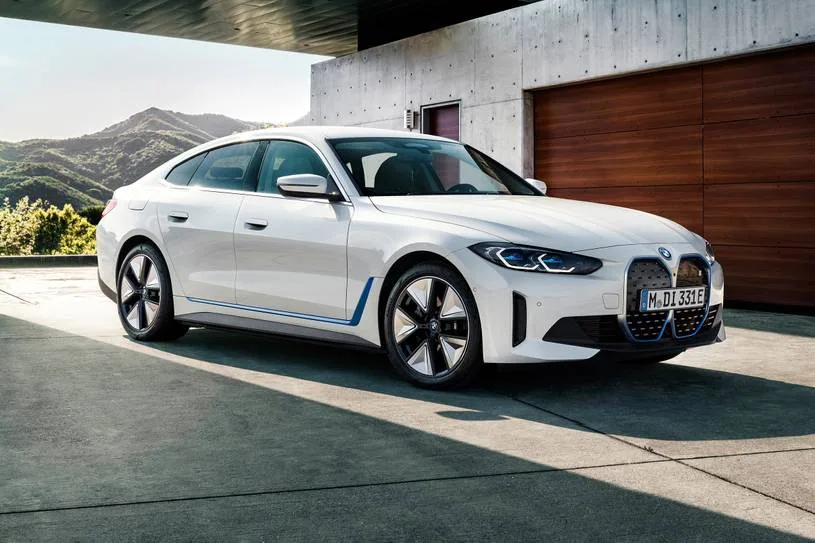
i4
- ✓ Happier owners overall
- ✓ Better infotainment UX
- ✓ Better safety score
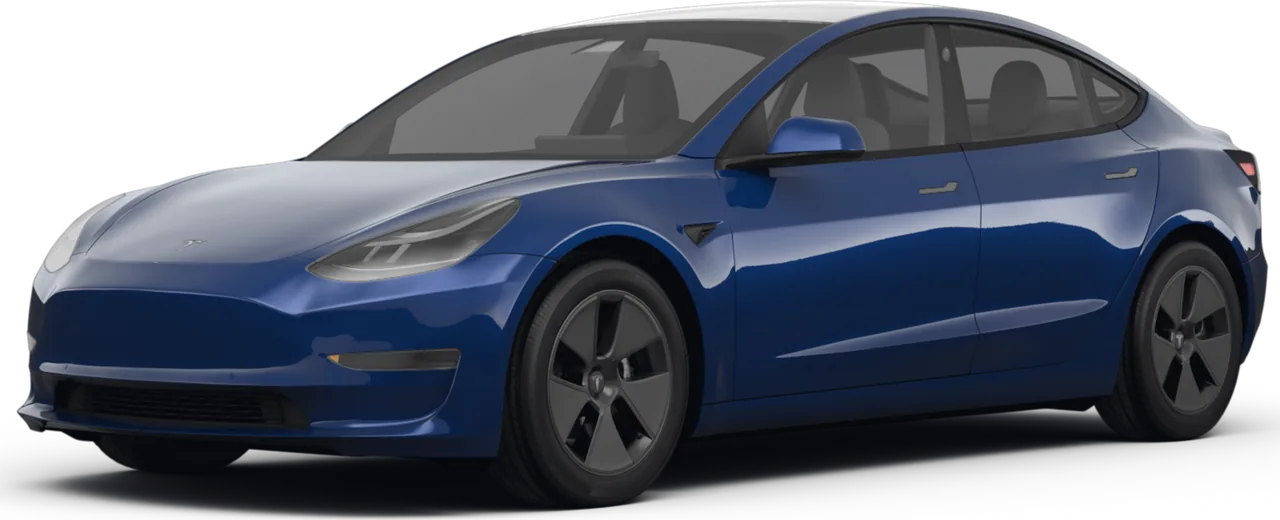
Model 3
- ✓ Happier owners overall
- ✓ +-33 mi more range
- ✓ Better safety score
Model S
- ✓ Happier owners overall
- ✓ Better safety score
The federal $4,000 used-EV credit ended Sept 30, 2025.
But 10 states still run their own used-EV rebate programs — some up to $5,000. Pick your state to see what's available for this trim.
Source & disclaimer
Dealers make ~$9,584 on the average car loan.
After the price is set, the finance manager runs four plays to rebuild margin. Every buyer without a pre-approval is a target. Here's exactly what they run — and what stops each one.
78% of dealer loans carry a hidden +1.13% markup above what the lender actually charges. You never see it — it's buried in the contract. · CFPB
Dealer must match or beat your lender — they can't add margin invisibly. The markup play is dead on arrival.
Once you answer, they stretch the term to hit your number. Median result: $4K less off the price, 12 more months on the loan. · Industry avg
Financing is done. Only the sale price is on the table — and the dealer knows it.
Back-office F&I profit averages $1,975/vehicle, up 8.5% YoY. These products exist — but dealer markup is 4–10x what you'd pay elsewhere. · Dealership Guy
Dealer GAP runs $500–1K. Your insurer sells the same coverage for $100–250 over 5 years. Now you know.
"Your loan fell through — come re-sign." This pulls your APR up +5% on average. It's legal. It works because you've already driven the car home. · Ctr for Responsible Lending
A lender commitment letter means the deal is final. "Pending dealer approval" doesn't apply. You can't be yo-yo'd.
That's 20 months of your car payment — handed to the dealer's finance department for nothing.
Takes 2 minutes. No obligation to use it — but you'll walk in with all the leverage.
Pre-approval is a soft credit inquiry — no score impact. FICO treats all auto-loan hard pulls within 14 days as one, so you can still shop rates at the dealer.
NHTSA Recalls (11)
Tesla, Inc. (Tesla) is recalling certain 2012-2024 Model S, 2015-2024 Model X, 2017-2023 Model 3, and 2020-2023 Model Y vehicles. In the event of an unbelted driver, the seat belt warning light and audible chime may not activate as intended. As such, these vehicles fail to comply with the requirements of Federal Motor Vehicle Safety Standard number 208, "Occupant Crash Protection."
A seat belt warning system that fails to alert occupants of an unbelted seat belt can increase the risk of injury during a crash.
Check VIN status at NHTSA.govTesla, Inc. (Tesla) is recalling certain 2013, 2018-2021 Model S, 2020-2021 Model X, 2018-2022 Model 3, and 2020-2022 Model Y vehicles. A factory reset muted the Pedestrian Warning System (PWS) sounds. As such, these vehicles fail to comply with the requirements of Federal Motor Vehicle Safety Standard number 141, "Minimum Sound Requirements for Hybrid and Electric Vehicles."
Pedestrians may be unaware of an approaching vehicle if the PWS sounds are muted, increasing the risk of a crash.
Check VIN status at NHTSA.govTesla, Inc. (Tesla) is recalling certain 2012-2023 Model S, 2016-2024 Model X, 2017-2023 Model 3, 2019-2024 Model Y, and 2024 Cybertruck vehicles. An incorrect font size is displayed on the instrument panel for the Brake, Park, and Antilock Brake System (ABS) warning lights. As such, these vehicles fail to comply with the requirements of Federal Motor Vehicle Safety Standard number 105, "Hydraulic and Electric Brake Systems" and 135, "Light Vehicle Brake Systems."
Warning lights with a smaller font size can make critical safety information on the instrument panel difficult to read, increasing the risk of a crash.
Check VIN status at NHTSA.govTesla, Inc. (Tesla) is recalling 2012-2023 Model S, 2016-2023 Model X, 2017-2023 Model 3, and 2020-2023 Model Y vehicles equipped with all versions of Autosteer leading up to the version(s) that contains the recall remedy. In certain circumstances when Autosteer is engaged, the prominence and scope of the feature's controls may not be sufficient to prevent driver misuse of the SAE Level 2 advanced driver-assistance feature.
In certain circumstances when Autosteer is engaged, and the driver does not maintain responsibility for vehicle operation and is unprepared to intervene as necessary or fails to recognize when Autosteer is canceled or not engaged, there may be an increased risk of a crash.
Check VIN status at NHTSA.govTesla, Inc. (Tesla) is recalling certain 2016-2023 Model S, Model X, 2017-2023 Model 3, and 2020-2023 Model Y vehicles equipped with Full Self-Driving Beta (FSD Beta) software or pending installation. The FSD Beta system may allow the vehicle to act unsafe around intersections, such as traveling straight through an intersection while in a turn-only lane, entering a stop sign-controlled intersection without coming to a complete stop, or proceeding into an intersection during a steady yellow traffic signal without due caution. In addition, the system may respond insufficiently to changes in posted speed limits or not adequately account for the driver's adjustment of the vehicle's speed to exceed posted speed limits.
FSD Beta software that allows a vehicle to exceed speed limits or travel through intersections in an unlawful or unpredictable manner increases the risk of a crash.
Check VIN status at NHTSA.govTesla, Inc. (Tesla) is recalling certain 2017-2021 Model S and Model X vehicles. The electronic power assist steering (EPAS) system may experience a loss of power steering assist when driving on rough roads or after hitting a pothole.
A loss of power steering assist can require greater steering effort, especially at low speeds, increasing the risk of a crash.
Check VIN status at NHTSA.govTesla, Inc. (Tesla) is recalling certain 2020-2022 Model Y, Model X, Model S, and 2017-2022 Model 3 vehicles. The Boombox function allows sounds to be played through an external speaker while the vehicle is in motion, which may obscure the Pedestrian Warning System (PWS) sounds. As such, these vehicles fail to comply with the requirements of Federal Motor Vehicle Safety Standard number 141, "Minimum Sound Requirements for Hybrid and Electric Vehicles."
Pedestrians may be unaware of an approaching vehicle if the PWS sounds are obscured, increasing the risk of a crash.
Check VIN status at NHTSA.govTesla, Inc. (Tesla) is recalling certain 2020-2022 Model S, Model X, Model Y, and 2017-2022 Model 3 vehicles. The Boombox function allows sounds to be played through an external speaker while the vehicle is in motion, which may obscure the Pedestrian Warning System (PWS) sounds. As such, these vehicles fail to comply with the requirements of Federal Motor Vehicle Safety Standard number 141, "Minimum Sound Requirements for Hybrid and Electric Vehicles."
Pedestrians may be unaware of an approaching vehicle if the PWS sounds are obscured, increasing the risk of a crash.
Check VIN status at NHTSA.govTesla, Inc. (Tesla) is recalling certain 2016-2022 Model S and Model X, 2017-2022 Model 3, and 2020-2022 Model Y vehicles. The "rolling stop" functionality available as part of the Full Self-Driving (Beta) software may allow the vehicle to travel through an all-way stop intersection without first coming to a stop.
Failing to stop at a stop sign can increase the risk of a crash.
Check VIN status at NHTSA.govTesla, Inc. (Tesla) is recalling certain 2014-2021 Model S vehicles. The front trunk latch assembly may be misaligned, preventing the secondary hood latch from engaging. As such, these vehicles fail to comply with the requirements of Federal Motor Vehicle Safety Standard number 113, "Hood Latch System."
If the primary latch is inadvertently released and the secondary latch is not engaged, the hood could open unexpectedly, obstructing the driver's view and increasing the risk of a crash.
Check VIN status at NHTSA.govTesla, Inc. (Tesla) is recalling certain 2017-2021 Model S, Model 3, Model X, and 2020-2021 Model Y vehicles operating software version 2021.36.5.2. A communication error may cause false forward-collision warning (FCW) or unexpected activation of the automatic emergency brake (AEB) system.
Unexpected activation of the AEB system may cause the car to stop suddenly, increasing the risk of a crash.
Check VIN status at NHTSA.govNHTSA Complaints (79 total · 3.2 per 10K US vehicles · low for any vehicle class)
Vehicle was tested for concern about self driving after test drive with tech told ok 3 days later Summoned car and immediately turned into adjacent vehicle all captured on video in 1-2 seconds. No issues with summons for over 4 years $2200 damage to adjacent vehicle but Tesla no damage left front wheel caused damage on start.
Vehicle was tested for concern about self driving after test drive with tech told ok 3 days later Summoned car and immediately turned into adjacent vehicle all captured on video in 1-2 seconds. No issues with summons for over 4 years $2200 damage to adjacent vehicle but Tesla no damage left front wheel caused damage on start.
While attempting to park car,the car accelerated on it own despite me hitting the brakes causing the car to hit a wall.
While attempting to park car,the car accelerated on it own despite me hitting the brakes causing the car to hit a wall.
Car: Tesla Model S (and, I think, Model X). Year: 2020 (and, I think, prior and later) After a battery power loss (as can...and did...happen in an accident), many doors/compartments CAN NOT BE OPENED. Four safety problems: 1. Rear passenger doors: can not be opened without power. The car manual briefly describes how to open them (pulling up the carpet, finding a secret cable, and pulling it). EVEN WITH THE MANUAL IN HAND, I was unable to find the cable or open the doors (I was trying this from the junkyard, a month after the accident). If I had passengers in back at the time of the accident, their safety would be greatly endangered... particularly if conditions (e.g., fire, traffic) required egress from the car! This car should never be allowed on the market, or on the road, with the incredibly dangerous safety flaw! (Rear doors could not be opened from outside, since there was no power to pop the handle up, either.) 2. Trunk cannot be opened without power. Imagine: I have fire-fighting equipment in the trunk... and there's a fire. How can I open the trunk to get it? 3. Glove box cannot be opened without power. Imagine: I have medicine, and/or important papers, and/or a legal (locked) firearm with ammo in the glove box. Being unable to get such things out can result in serious problems! 4. I'm not sure, but I think the frunk ("front trunk") also cannot be opened without power. 2020 Tesla Model S (and, IIRC, Model X)
Car: Tesla Model S (and, I think, Model X). Year: 2020 (and, I think, prior and later) After a battery power loss (as can...and did...happen in an accident), many doors/compartments CAN NOT BE OPENED. Four safety problems: 1. Rear passenger doors: can not be opened without power. The car manual briefly describes how to open them (pulling up the carpet, finding a secret cable, and pulling it). EVEN WITH THE MANUAL IN HAND, I was unable to find the cable or open the doors (I was trying this from the junkyard, a month after the accident). If I had passengers in back at the time of the accident, their safety would be greatly endangered... particularly if conditions (e.g., fire, traffic) required egress from the car! This car should never be allowed on the market, or on the road, with the incredibly dangerous safety flaw! (Rear doors could not be opened from outside, since there was no power to pop the handle up, either.) 2. Trunk cannot be opened without power. Imagine: I have fire-fighting equipment in the trunk... and there's a fire. How can I open the trunk to get it? 3. Glove box cannot be opened without power. Imagine: I have medicine, and/or important papers, and/or a legal (locked) firearm with ammo in the glove box. Being unable to get such things out can result in serious problems! 4. I'm not sure, but I think the frunk ("front trunk") also cannot be opened without power. 2020 Tesla Model S (and, IIRC, Model X)
The rear trunk would not open and stayed locked. Pressing the rear trunk button, using the app and even trying to open the trunk using the dashboard screen would not open the trunk. Lastly, even when I tried to pull/push on the emergency latch from within the vehicle (inside of it) the trunk would still not detach and open. If a child was stuck in the trunk and tried to hit the emergency latch button (that pulls on a mechanical cable) the trunk would still not open. This is a big safety issue that Tesla knows about. Several Tesla vehicles have suffered from the same fate. Tesla confirmed it has to do with a lock actuator. Tesla came out to replace the actuator. However if one of my younger kids were to get stuck in the trunk and despite pushing or pulling on the emergency latch,... the trunk would not have opened for them.
The rear trunk would not open and stayed locked. Pressing the rear trunk button, using the app and even trying to open the trunk using the dashboard screen would not open the trunk. Lastly, even when I tried to pull/push on the emergency latch from within the vehicle (inside of it) the trunk would still not detach and open. If a child was stuck in the trunk and tried to hit the emergency latch button (that pulls on a mechanical cable) the trunk would still not open. This is a big safety issue that Tesla knows about. Several Tesla vehicles have suffered from the same fate. Tesla confirmed it has to do with a lock actuator. Tesla came out to replace the actuator. However if one of my younger kids were to get stuck in the trunk and despite pushing or pulling on the emergency latch,... the trunk would not have opened for them.
I WAS STOPPED AT A RED LIGHT ONE CAR IN FRONT OF ME. MY CAR SUDDENLY ACCELERATED FORWARD AND HIT THE CAR IN FRONT OF ME. MY CAR THEN STOPPED. NO INJURIES.
I WAS STOPPED AT A RED LIGHT ONE CAR IN FRONT OF ME. MY CAR SUDDENLY ACCELERATED FORWARD AND HIT THE CAR IN FRONT OF ME. MY CAR THEN STOPPED. NO INJURIES.
Rear emergency release cable does not open the trunk. The latch mechanism failed with a trunk full of groceries, I pushed down the rear setts to access the trunk compartment and crawled back and popped open the emergency release cable and it did not function. I have a service for the car scheduled for Dec 2nd to repair/replace the latch mechanism.
Rear emergency release cable does not open the trunk. The latch mechanism failed with a trunk full of groceries, I pushed down the rear setts to access the trunk compartment and crawled back and popped open the emergency release cable and it did not function. I have a service for the car scheduled for Dec 2nd to repair/replace the latch mechanism.
On 09/18, I was using the Smart Summon feature of my Tesla Model S in the parking lot of Costco, Greenwood (Indianapolis, IN). The intent was to have the vehicle autonomously navigate from its parked spot toward my location, as designed and advertised by Tesla. During the Summon operation: 1.The vehicle failed to correctly detect and avoid a fixed obstacle (the cart return stand where shopping carts are housed). 2.Instead of stopping or rerouting safely, the car collided with the structure, causing visible damage to the front of the vehicle. 3.While there was no damage to public property or injury to people, the incident demonstrated a serious safety risk, since pedestrians or nearby vehicles could have been struck had they been present. 4.The Smart Summon system did not provide sufficient warning or correction during this event, despite being marketed as capable of safely maneuvering in such environments. This failure shows that the Smart Summon feature did not perform as intended and behaved in an unsafe manner in a real-world public parking environment.
On 09/18, I was using the Smart Summon feature of my Tesla Model S in the parking lot of Costco, Greenwood (Indianapolis, IN). The intent was to have the vehicle autonomously navigate from its parked spot toward my location, as designed and advertised by Tesla. During the Summon operation: 1.The vehicle failed to correctly detect and avoid a fixed obstacle (the cart return stand where shopping carts are housed). 2.Instead of stopping or rerouting safely, the car collided with the structure, causing visible damage to the front of the vehicle. 3.While there was no damage to public property or injury to people, the incident demonstrated a serious safety risk, since pedestrians or nearby vehicles could have been struck had they been present. 4.The Smart Summon system did not provide sufficient warning or correction during this event, despite being marketed as capable of safely maneuvering in such environments. This failure shows that the Smart Summon feature did not perform as intended and behaved in an unsafe manner in a real-world public parking environment.
In all assisted driving modes except Full Self Driving (FSD), the car properly displays the speed Limit it has determined either by Map data or visual confirmation. In FSD, apparently only on pre-2021+ Model S cars, the determined speed limit is not displayed. In my town we have a US60 route. The car sees these signs and determines the speed limit is 60, even though it is only 35. The driver notices a rapid acceleration and may observe the set FSD speed has changed to 60. There is no Speed Limit displayed in this mode. Very dangerous to go this fast on a 35 MPH road. When not using FSD, the car does show this error in the speed limit as being 60, even though the car determined speed limit itself is in error.
In all assisted driving modes except Full Self Driving (FSD), the car properly displays the speed Limit it has determined either by Map data or visual confirmation. In FSD, apparently only on pre-2021+ Model S cars, the determined speed limit is not displayed. In my town we have a US60 route. The car sees these signs and determines the speed limit is 60, even though it is only 35. The driver notices a rapid acceleration and may observe the set FSD speed has changed to 60. There is no Speed Limit displayed in this mode. Very dangerous to go this fast on a 35 MPH road. When not using FSD, the car does show this error in the speed limit as being 60, even though the car determined speed limit itself is in error.
The contact owned a 2020 Tesla Model S. The contact stated while driving approximately 15 MPH and attempting to make a left turn, the vehicle lost stability and started to slide sideways and left the roadway. The contact stated that the vehicle left the roadway, slid down a ditch on the passenger side, and crashed into a telephone pole on the passenger side front door. The contact stated no warning light was illuminated, also she said that the road conditions were dry pavement. The contact stated that the police were on the scene and filed a report. The contact stated she was transported to a shock trauma unit by ambulance. The contact stated that she had broken her pelvis and had to have surgery to reconstruct the right side of the pelvis and replace the right hip joint. The vehicle was towed to an impound lot. The vehicle was not repaired. The manufacturer was not informed of the failure. The failure mileage was 29,996.
The contact owned a 2020 Tesla Model S. The contact stated while driving approximately 15 MPH and attempting to make a left turn, the vehicle lost stability and started to slide sideways and left the roadway. The contact stated that the vehicle left the roadway, slid down a ditch on the passenger side, and crashed into a telephone pole on the passenger side front door. The contact stated no warning light was illuminated, also she said that the road conditions were dry pavement. The contact stated that the police were on the scene and filed a report. The contact stated she was transported to a shock trauma unit by ambulance. The contact stated that she had broken her pelvis and had to have surgery to reconstruct the right side of the pelvis and replace the right hip joint. The vehicle was towed to an impound lot. The vehicle was not repaired. The manufacturer was not informed of the failure. The failure mileage was 29,996.
Front linkages and half shafts have failed for the second time on the vehicle. They were replaced in Feb of 2022 and now (Nov. 2023) need the replacement again after normal driving conditions. Tesla service center adviser (Briarcliff Road in Atlanta) admitted that these parts fail frequently at this rate and need multiple replacements. If the parts fail, steering would be lost, potentially leading to loss of control of the vehicle. Tesla has published a service bulletin on the issue but charges a very high rate for the service. One service adviser claimed that the VIN of the vehicle does not meet the service bulletin [XXX], though the service bulletin clearly states that all cars produced between 2014-2020 meet the criteria. INFORMATION REDACTED PURSUANT TO THE FREEDOM OF INFORMATION ACT (FOIA), 5 U.S.C. 552(B)(6)
Front linkages and half shafts have failed for the second time on the vehicle. They were replaced in Feb of 2022 and now (Nov. 2023) need the replacement again after normal driving conditions. Tesla service center adviser (Briarcliff Road in Atlanta) admitted that these parts fail frequently at this rate and need multiple replacements. If the parts fail, steering would be lost, potentially leading to loss of control of the vehicle. Tesla has published a service bulletin on the issue but charges a very high rate for the service. One service adviser claimed that the VIN of the vehicle does not meet the service bulletin [XXX], though the service bulletin clearly states that all cars produced between 2014-2020 meet the criteria. INFORMATION REDACTED PURSUANT TO THE FREEDOM OF INFORMATION ACT (FOIA), 5 U.S.C. 552(B)(6)
Error message popped on my screen steering might require extra force and shortly after that I lost power steering, cruise control, automatic emergency, braking, forward collision warning land departure etc. Contacted Tesla service to acquire about recalls since I remember reading about it.
Error message popped on my screen steering might require extra force and shortly after that I lost power steering, cruise control, automatic emergency, braking, forward collision warning land departure etc. Contacted Tesla service to acquire about recalls since I remember reading about it.
This is a follow up to my previous complaint about corroded ground connections causing loss of power steering on Tesla Model Y. Having done more research it is certain that this problem affects all Tesla models. Here is a thread on the Tesla Motors Forum. [XXX] "Mar 28, 2023 #1 About 2 weeks ago, while reversing in my driveway, during a hard turn left, I lost power steering and received the service alerts "steering assist reduced" and "park assist unavailable." Took the vehicle to Tesla who diagnosed a $4200 steering rack. Declined the repair and paid only the required $200 diagnostic fee. Did some research online, and discovered the power steering motor ground was corroded, and upon my attempt at removal, it detached from the frame. I taped out a new, relocated, hole and resecured the ground with bolt and washers, I now have power steering again. I am a little upset that not only did Tesla mis-diagnose the problem, I paid them $200 for the bad diagnosis" Other owners chime in to say that the same thing happened to them. These owners are doing DIY repairs that will only fix the problem temporarily. This is an easily fixable problem. The ground connection for all safety critical items should be via a solid copper cable direct to the 12 Volt battery negative terminal and NOT via the car bodywork which has a mix of aluminum and steel that creates galvanic corrosion. Smearing grease on these parts is not a solution. Glitches on the 12 Volt system can also cause random intermittent glitches in all aspects of the car's systems including unintended acceleration. I am qualified in both mechanical and electronic engineering and what I am saying is not some Tesla hating conspiracy theory as has been claimed by some Musk followers. Thank you [XXX] INFORMATION REDACTED PURSUANT TO THE FREEDOM OF INFORMATION ACT (FOIA), 5 U.S.C. 552(B)(6)
This is a follow up to my previous complaint about corroded ground connections causing loss of power steering on Tesla Model Y. Having done more research it is certain that this problem affects all Tesla models. Here is a thread on the Tesla Motors Forum. [XXX] "Mar 28, 2023 #1 About 2 weeks ago, while reversing in my driveway, during a hard turn left, I lost power steering and received the service alerts "steering assist reduced" and "park assist unavailable." Took the vehicle to Tesla who diagnosed a $4200 steering rack. Declined the repair and paid only the required $200 diagnostic fee. Did some research online, and discovered the power steering motor ground was corroded, and upon my attempt at removal, it detached from the frame. I taped out a new, relocated, hole and resecured the ground with bolt and washers, I now have power steering again. I am a little upset that not only did Tesla mis-diagnose the problem, I paid them $200 for the bad diagnosis" Other owners chime in to say that the same thing happened to them. These owners are doing DIY repairs that will only fix the problem temporarily. This is an easily fixable problem. The ground connection for all safety critical items should be via a solid copper cable direct to the 12 Volt battery negative terminal and NOT via the car bodywork which has a mix of aluminum and steel that creates galvanic corrosion. Smearing grease on these parts is not a solution. Glitches on the 12 Volt system can also cause random intermittent glitches in all aspects of the car's systems including unintended acceleration. I am qualified in both mechanical and electronic engineering and what I am saying is not some Tesla hating conspiracy theory as has been claimed by some Musk followers. Thank you [XXX] INFORMATION REDACTED PURSUANT TO THE FREEDOM OF INFORMATION ACT (FOIA), 5 U.S.C. 552(B)(6)
From Aug 23 to 28, 2023, we traveled in our 2020 Tesla Model S Long Range Plus vehicle from Santa Fe, NM to San Diego, CA and back, for a total distance of approximate 2100 miles. We drove primarily interstates (I-25, I-10, I-8, I-5) where speed limits ranged from 55 to 75. We experienced numerous instances of what is known to Tesla owners as sudden, severe "phantom braking" [hereinafter PB] while the cruise control was activated (not AutoPilot, nor FSD, just cruise control). In ALL instances, no cars or other objects were visible within 1 mile ahead of our vehicle, and in ALL instances, these "phantom braking" incidents happened on absolutely flat, straight, smooth road surfaces, at all times of day, morning, noon, and night. This car has had PB problems since the day was purchased; in fact on that day, there were at least two sudden PB incidents while I drove home in the new car! At numerous times since, I've reported these problems to Tesla Service---to no avail. The problem is widely known among Tesla owners, and to my knowledge no owner has been able to get Tesla to do anything. On this most recent long-distance trip, our PB incidents happened typically at the posted speed limit of 75mph in all-clear situations---nobody else anywhere remotely nearby. The car would be operating smoothly when all of a sudden the brakes would engage and the vehicle would rapidly decelerate, throwing forward anything not fastened down inside the car. Because of the history of this problem, I NEVER activate cruise control whenever ANY vehicle is near the rear of the car, as I can never tell if my car will "phantom brake" at that moment, causing a possible accident. I consider this problem VERY dangerous. I have owned this car since 2020, and Tesla has refused to do anything to fix it, always coming up with one or other stalling technique or excuse. I consider this an extreme safety flaw of this car and hope NHTSA can help to force Tesla to fix it once and for all.
From Aug 23 to 28, 2023, we traveled in our 2020 Tesla Model S Long Range Plus vehicle from Santa Fe, NM to San Diego, CA and back, for a total distance of approximate 2100 miles. We drove primarily interstates (I-25, I-10, I-8, I-5) where speed limits ranged from 55 to 75. We experienced numerous instances of what is known to Tesla owners as sudden, severe "phantom braking" [hereinafter PB] while the cruise control was activated (not AutoPilot, nor FSD, just cruise control). In ALL instances, no cars or other objects were visible within 1 mile ahead of our vehicle, and in ALL instances, these "phantom braking" incidents happened on absolutely flat, straight, smooth road surfaces, at all times of day, morning, noon, and night. This car has had PB problems since the day was purchased; in fact on that day, there were at least two sudden PB incidents while I drove home in the new car! At numerous times since, I've reported these problems to Tesla Service---to no avail. The problem is widely known among Tesla owners, and to my knowledge no owner has been able to get Tesla to do anything. On this most recent long-distance trip, our PB incidents happened typically at the posted speed limit of 75mph in all-clear situations---nobody else anywhere remotely nearby. The car would be operating smoothly when all of a sudden the brakes would engage and the vehicle would rapidly decelerate, throwing forward anything not fastened down inside the car. Because of the history of this problem, I NEVER activate cruise control whenever ANY vehicle is near the rear of the car, as I can never tell if my car will "phantom brake" at that moment, causing a possible accident. I consider this problem VERY dangerous. I have owned this car since 2020, and Tesla has refused to do anything to fix it, always coming up with one or other stalling technique or excuse. I consider this an extreme safety flaw of this car and hope NHTSA can help to force Tesla to fix it once and for all.
CAR REPEATEDLY APPLIED THE BRAKES HARD AND SUDDENLY WHILE TRAVELING AT 75MPH ON THE INTERSTATE. THIS OCCURRED WHILE IN DRIVER ASSIST MODE AS WELL AS IN CRUISE CONTROL ONLY. IT DID NOT HAPPEN WHEN DRIVING WITHOUT ANY ASSISTED DRIVING MODES ACTIVATED. THERE WERE NO OTHER VEHICLES NEAR US NOR ANY OBJECTS IN THE ROAD OR ON THE SIDE OF THE HIGHWAY THAT COULD HAVE BEEN CONSTRUED AS A REASON TO EMERGENCY BRAKE
CAR REPEATEDLY APPLIED THE BRAKES HARD AND SUDDENLY WHILE TRAVELING AT 75MPH ON THE INTERSTATE. THIS OCCURRED WHILE IN DRIVER ASSIST MODE AS WELL AS IN CRUISE CONTROL ONLY. IT DID NOT HAPPEN WHEN DRIVING WITHOUT ANY ASSISTED DRIVING MODES ACTIVATED. THERE WERE NO OTHER VEHICLES NEAR US NOR ANY OBJECTS IN THE ROAD OR ON THE SIDE OF THE HIGHWAY THAT COULD HAVE BEEN CONSTRUED AS A REASON TO EMERGENCY BRAKE
My car (Tesla 2020 Model S) was broadsided ("t-boned") at about 35 to 40 MPH. The other car hit mine in middle, between front and rear doors, passenger side (after it ran a red light on a city street). Five airbags deployed in my Tesla... two on driver's side (ok), and three on the passenger side. Since there was no one in the car other than the driver, and the car was aware of that (according to indicator light at start of trip), the passenger side bags should **NOT** have deployed. (Deployed, IIRC: front passenger side, front passenger headrest (?), and rear passenger side.) Result: driver lost almost all hearing, instantly. Needlessly. Accident date: June 2, 2022. Report date: Mar 9, 2023. Driver is on hearing aids for life, providing partial hearing (at best).
My car (Tesla 2020 Model S) was broadsided ("t-boned") at about 35 to 40 MPH. The other car hit mine in middle, between front and rear doors, passenger side (after it ran a red light on a city street). Five airbags deployed in my Tesla... two on driver's side (ok), and three on the passenger side. Since there was no one in the car other than the driver, and the car was aware of that (according to indicator light at start of trip), the passenger side bags should **NOT** have deployed. (Deployed, IIRC: front passenger side, front passenger headrest (?), and rear passenger side.) Result: driver lost almost all hearing, instantly. Needlessly. Accident date: June 2, 2022. Report date: Mar 9, 2023. Driver is on hearing aids for life, providing partial hearing (at best).
While driving at night if someone doesnt turn off there high beams the car will randomly slam on the breaks as if its going to hit something. Low beans dont effect it but high beams do while your driving past another car.
While driving at night if someone doesnt turn off there high beams the car will randomly slam on the breaks as if its going to hit something. Low beans dont effect it but high beams do while your driving past another car.
While driving with Autopilot engaged the car applied the brakes suddenly and severely without warning. This has occurred on multiple occasions at freeway speeds and at surface street speeds. There was no apparant reason to apply the brakes and no warning.
While driving with Autopilot engaged the car applied the brakes suddenly and severely without warning. This has occurred on multiple occasions at freeway speeds and at surface street speeds. There was no apparant reason to apply the brakes and no warning.
Rear hatchback was showing open but was in a “close” position. Was unable to open back hatch. Pulled down the seats and with the Tesla manual tried to manually open the hatch from the inside emergency release handle but it would not move and the tab on the cable came off in my hand. It did not release the hatch. No way to open the back hatch in an emergency.
Rear hatchback was showing open but was in a “close” position. Was unable to open back hatch. Pulled down the seats and with the Tesla manual tried to manually open the hatch from the inside emergency release handle but it would not move and the tab on the cable came off in my hand. It did not release the hatch. No way to open the back hatch in an emergency.
The latest tesla update has caused significant increased number of "phantom breaking" episodes when using just cruise control on state highways. I had at least 10 episodes on my last 100 mile drive (not using autopilot, just cruise control). Worst events caused rapid breaking from highway speed of 65 mph down to 40-45 mph with warning messages and audible alarms. Non of the events needed breaking. The worst two events were on straight sections of road with no oncoming traffic or other potential obstruction. I do not feel safe using cruise control on the freeway.
The latest tesla update has caused significant increased number of "phantom breaking" episodes when using just cruise control on state highways. I had at least 10 episodes on my last 100 mile drive (not using autopilot, just cruise control). Worst events caused rapid breaking from highway speed of 65 mph down to 40-45 mph with warning messages and audible alarms. Non of the events needed breaking. The worst two events were on straight sections of road with no oncoming traffic or other potential obstruction. I do not feel safe using cruise control on the freeway.
Component and explanation - The right front passenger seat belt locks the passenger into place as if the seatbelt had been activated in a crash. That is, it no longer moves freely as it is supposed to under normal operation, rather, it locks and clicks to tighten. Passengers remove the seatbelt several times during each trip so that they are not being restrained so aggressively. Safety Risk - Passengers either will not ride in my car or refuse to wear their seatbelt because of the issue. Inspection and reproducing - the issue has been repeatedly inspected by Tesla and they were in ALL instances able to reproduce the issue almost immediately. There are no warnings to notify the passenger that the seatbelt is about to restrain them. Tesla has replaced a part of the seatbelt I believe 5 times although they have been repeatedly told by me that the repair was not in any way resolving the issue. Tesla has now refused any further evaluation or repairs to the seatbelt and though I have asked many times during the applicable period, Tesla has refused to lemon my car and replace it with one that works.
Component and explanation - The right front passenger seat belt locks the passenger into place as if the seatbelt had been activated in a crash. That is, it no longer moves freely as it is supposed to under normal operation, rather, it locks and clicks to tighten. Passengers remove the seatbelt several times during each trip so that they are not being restrained so aggressively. Safety Risk - Passengers either will not ride in my car or refuse to wear their seatbelt because of the issue. Inspection and reproducing - the issue has been repeatedly inspected by Tesla and they were in ALL instances able to reproduce the issue almost immediately. There are no warnings to notify the passenger that the seatbelt is about to restrain them. Tesla has replaced a part of the seatbelt I believe 5 times although they have been repeatedly told by me that the repair was not in any way resolving the issue. Tesla has now refused any further evaluation or repairs to the seatbelt and though I have asked many times during the applicable period, Tesla has refused to lemon my car and replace it with one that works.
When backing up, multiple systems failed at the same time including backup camera, backup sensor distance visuals, backup sensor audio alerts, writing data to flash drive, GPS sensors. Tesla was unable to diagnose the sysfiles to identify the hardware issue behind the simultaneous failures because they are deleted after seven days. Scheduling a service appointment takes much longer than seven days. No one at Tesla can tell me why this happened. No one can assure me that it will not happen again. I hope this is not a widespread issue. I was not injured and my rear bumper only sustained minor damage. But what if someone had been hit because all these systems failed simultaneously?
When backing up, multiple systems failed at the same time including backup camera, backup sensor distance visuals, backup sensor audio alerts, writing data to flash drive, GPS sensors. Tesla was unable to diagnose the sysfiles to identify the hardware issue behind the simultaneous failures because they are deleted after seven days. Scheduling a service appointment takes much longer than seven days. No one at Tesla can tell me why this happened. No one can assure me that it will not happen again. I hope this is not a widespread issue. I was not injured and my rear bumper only sustained minor damage. But what if someone had been hit because all these systems failed simultaneously?
Stability control disabled, steering assist disabled, airbags disabled, brake system altered for weeks before service request. In addition, steering wheel moved uncontrollably while parked, with car off, and no one in it for over eight hours. Finally, entire system locked after a factory reset. Locking the doors, preventing entry, and showing the transmission in neutral. Tesla’s service model is inhuman, meaning they don’t allow conversation with a human, but instead require scheduling service through their phone app. The app recorded these issues and were attached to the service request. Tesla’s service center claims they resolved the issue by adding wiper fluid and checking the tire pressure. After two weeks, they cannot find anything in the car logs, after previously stating the car logs every aspect of operation.
Stability control disabled, steering assist disabled, airbags disabled, brake system altered for weeks before service request. In addition, steering wheel moved uncontrollably while parked, with car off, and no one in it for over eight hours. Finally, entire system locked after a factory reset. Locking the doors, preventing entry, and showing the transmission in neutral. Tesla’s service model is inhuman, meaning they don’t allow conversation with a human, but instead require scheduling service through their phone app. The app recorded these issues and were attached to the service request. Tesla’s service center claims they resolved the issue by adding wiper fluid and checking the tire pressure. After two weeks, they cannot find anything in the car logs, after previously stating the car logs every aspect of operation.
TL* THE CONTACT OWNS A 2020 TESLA MODEL S. THE CONTACT STATED THAT WHILE HIS WIFE DRIVING IN A PARKING LOT AT 5 MPH, THE VEHICLE ACCELERATED ON IT'S OWN AND CRASHED INTO A WALL AT 70 MPH. THE DRIVER ATTEMPTED TO DEPRESSED ON THE BRAKE PEDAL BUT THE VEHICLE DID NOT STOP. THERE WAS NO WARNING LIGHT ILLUMINATED ON THE VEHICLE AT THE TIME OF THE FAILURE. THE CONTACT WIFE SUSTAINED BRUISES ON HER CHEST AND HANDS ALONG WITH BURNS FROM THE AIR BAGS. THE CONTACT WHO WAS A PHYSICIAN WAS TREATING HIS WIFE. NO MEDICAL TREATMENT RECEIVED AT THE SCENE. THE POLICE ARRIVED AT THE SCENE BUT NO POLICE REPORT WAS FILED. THE AIR BAGS DID DEPLOY. THE VEHICLE WAS TOWED TO A TOWED YARD. THE VEHICLE WAS NOT REPAIRED. THE MANUFACTURER WAS NOT MADE AWARE OF THE FAILURE. THE FAILURE MILEAGE WAS 15,000.
TL* THE CONTACT OWNS A 2020 TESLA MODEL S. THE CONTACT STATED THAT WHILE HIS WIFE DRIVING IN A PARKING LOT AT 5 MPH, THE VEHICLE ACCELERATED ON IT'S OWN AND CRASHED INTO A WALL AT 70 MPH. THE DRIVER ATTEMPTED TO DEPRESSED ON THE BRAKE PEDAL BUT THE VEHICLE DID NOT STOP. THERE WAS NO WARNING LIGHT ILLUMINATED ON THE VEHICLE AT THE TIME OF THE FAILURE. THE CONTACT WIFE SUSTAINED BRUISES ON HER CHEST AND HANDS ALONG WITH BURNS FROM THE AIR BAGS. THE CONTACT WHO WAS A PHYSICIAN WAS TREATING HIS WIFE. NO MEDICAL TREATMENT RECEIVED AT THE SCENE. THE POLICE ARRIVED AT THE SCENE BUT NO POLICE REPORT WAS FILED. THE AIR BAGS DID DEPLOY. THE VEHICLE WAS TOWED TO A TOWED YARD. THE VEHICLE WAS NOT REPAIRED. THE MANUFACTURER WAS NOT MADE AWARE OF THE FAILURE. THE FAILURE MILEAGE WAS 15,000.
HERE IS A 2020 TERDSLA IN THE JUNKYARD. HTTPS://WWW.IAAI.COM/VEHICLEDETAILS/39122553?TENANT=US&ROWNUMBER=5 IT IS LISTED AS HAVING BEEN STOLEN. I'M GUESSING THE THIEF DROVE IT LIKE HE STOLE IT. BAD MISTAKE TO DO THAT IN A TERDSLA. THE FRONT WHEEL FELL OFF. EVERY PART OF THE SUSPENSION HAS SNAPPED. THE CONTROL ARMS, STEERING ARM, STEERING KNUCKLE BALL JOINTS AND EVERY OTHER GIBLET HAS SNAPPED LIKE A CHOCOLATE FROG. I KNOW YOU WOULDN'T WANT TO UPSET LORD ELON BUT WOULD YOU MIND AT LEAST ISSUING A WARNING TO THE PUBLIC ABOUT THESE TENT BUILT ELECTRIC JALOPIES. THAN YOU. KEEF.
HERE IS A 2020 TERDSLA IN THE JUNKYARD. HTTPS://WWW.IAAI.COM/VEHICLEDETAILS/39122553?TENANT=US&ROWNUMBER=5 IT IS LISTED AS HAVING BEEN STOLEN. I'M GUESSING THE THIEF DROVE IT LIKE HE STOLE IT. BAD MISTAKE TO DO THAT IN A TERDSLA. THE FRONT WHEEL FELL OFF. EVERY PART OF THE SUSPENSION HAS SNAPPED. THE CONTROL ARMS, STEERING ARM, STEERING KNUCKLE BALL JOINTS AND EVERY OTHER GIBLET HAS SNAPPED LIKE A CHOCOLATE FROG. I KNOW YOU WOULDN'T WANT TO UPSET LORD ELON BUT WOULD YOU MIND AT LEAST ISSUING A WARNING TO THE PUBLIC ABOUT THESE TENT BUILT ELECTRIC JALOPIES. THAN YOU. KEEF.
TL* THE CONTACT OWNS A 2020 TESLA MODEL S. THE CONTACT STATED THAT HE WAS DRIVING ON 12/19 2020 ON THE HIGHWAY AND LOST POWER IN STEERING WHICH HE HAD TO PULL OVER ON THE SIDE OF THE ROAD. THEN HE CONTACTED THE TESLA DEALER FOR TOW SERVICE FOR HIS CAR.THE CONTACT STATED HIS CAR WAS NOW AT TESLA DEALER AT DEDHAM,MASSACHUSETTE. THE FAILURE MILAGE WAS NOT AVAILABLE.
TL* THE CONTACT OWNS A 2020 TESLA MODEL S. THE CONTACT STATED THAT HE WAS DRIVING ON 12/19 2020 ON THE HIGHWAY AND LOST POWER IN STEERING WHICH HE HAD TO PULL OVER ON THE SIDE OF THE ROAD. THEN HE CONTACTED THE TESLA DEALER FOR TOW SERVICE FOR HIS CAR.THE CONTACT STATED HIS CAR WAS NOW AT TESLA DEALER AT DEDHAM,MASSACHUSETTE. THE FAILURE MILAGE WAS NOT AVAILABLE.
TL* THE CONTACT OWNS A 2020 TESLA MODEL S. THE CONTACT STATED THAT WHILE DRIVING AT VARIOUS SPEEDS WITH THE CRUISE CONTROL ACTIVATED, THE VEHICLE ABRUPTLY STOPPED INDEPENDENTLY WITHOUT WARNING. THE VEHICLE RESUMED NORMAL OPERATION SOON AFTER EACH FAILURE. THE CONTACT HAD TAKEN THE VEHICLE TO TESLA (2312 STATE ST, SOUTH SALT LAKE, UT 84115) WHERE THE MECHANIC WAS UNABLE TO DIAGNOSE OR DUPLICATE THE FAILURE. THE MANUFACTURER HAD YET TO BE NOTIFIED OF THE FAILURE. THE VEHICLE HAD YET TO BE REPAIRED. THE FAILURE MILEAGE WAS APPROXIMATELY 2,500.
TL* THE CONTACT OWNS A 2020 TESLA MODEL S. THE CONTACT STATED THAT WHILE DRIVING AT VARIOUS SPEEDS WITH THE CRUISE CONTROL ACTIVATED, THE VEHICLE ABRUPTLY STOPPED INDEPENDENTLY WITHOUT WARNING. THE VEHICLE RESUMED NORMAL OPERATION SOON AFTER EACH FAILURE. THE CONTACT HAD TAKEN THE VEHICLE TO TESLA (2312 STATE ST, SOUTH SALT LAKE, UT 84115) WHERE THE MECHANIC WAS UNABLE TO DIAGNOSE OR DUPLICATE THE FAILURE. THE MANUFACTURER HAD YET TO BE NOTIFIED OF THE FAILURE. THE VEHICLE HAD YET TO BE REPAIRED. THE FAILURE MILEAGE WAS APPROXIMATELY 2,500.
TL* THE CONTACT OWNS A 2020 TESLA MODEL S. THE CONTACT STATED WHILE REVERSING FROM HIS GARAGE, THE STEERING WHEEL SEIZED. THE CONTACT STATED STEERING ASSIST REDUCE, AUTOPILOT SAFETY CONVENIENCE FEATURE UNAVAILABLE AND PARK ASSIST UNAVAILABLE WARNING LIGHTS WERE ILLUMINATED. THE CONTACT CALLED THE HELPDESK FOR TESLA FOR HELP TO RESET THE SYSTEM. THE CONTACT STATED THAT THE FAILURE RECURRED. THE CONTACT STATED WHILE DRIVING 65 MPH, THE STEERING WHEEL SEIZED WITH THE SAME PREVIOUS WARNING LIGHTS ILLUMINATED. THE CONTACT PARKED ON THE SIDE OF THE ROAD. THE CONTACT CALLED THE HELPDESK AND WAS ABLE TO RESET THE SYSTEM AGAIN. THE VEHICLE WAS TAKEN TO TESLA (840 PROVIDENCE HWY, DEDHAM, MA 0202; (781) 471-3001), WHERE THE VEHICLE WAS BEING DIAGNOSED. THE VEHICLE WAS NOT REPAIRED. THE MANUFACTURER HAD BEEN INFORMED OF FAILURE. THE FAILURE MILEAGE WAS APPROXIMATELY 3,000.
TL* THE CONTACT OWNS A 2020 TESLA MODEL S. THE CONTACT STATED WHILE REVERSING FROM HIS GARAGE, THE STEERING WHEEL SEIZED. THE CONTACT STATED STEERING ASSIST REDUCE, AUTOPILOT SAFETY CONVENIENCE FEATURE UNAVAILABLE AND PARK ASSIST UNAVAILABLE WARNING LIGHTS WERE ILLUMINATED. THE CONTACT CALLED THE HELPDESK FOR TESLA FOR HELP TO RESET THE SYSTEM. THE CONTACT STATED THAT THE FAILURE RECURRED. THE CONTACT STATED WHILE DRIVING 65 MPH, THE STEERING WHEEL SEIZED WITH THE SAME PREVIOUS WARNING LIGHTS ILLUMINATED. THE CONTACT PARKED ON THE SIDE OF THE ROAD. THE CONTACT CALLED THE HELPDESK AND WAS ABLE TO RESET THE SYSTEM AGAIN. THE VEHICLE WAS TAKEN TO TESLA (840 PROVIDENCE HWY, DEDHAM, MA 0202; (781) 471-3001), WHERE THE VEHICLE WAS BEING DIAGNOSED. THE VEHICLE WAS NOT REPAIRED. THE MANUFACTURER HAD BEEN INFORMED OF FAILURE. THE FAILURE MILEAGE WAS APPROXIMATELY 3,000.
TL* THE CONTACT OWNS A 2020 TESLA MODEL S. THE CONTACT STATED THAT WHILE THEY WERE PULLING INTO A PARKING SPACE AT ABOUT APPROXIMATELY 6 MPH, WHEN THEY TAPPED ON THE ACCELERATOR PEDAL LIGHTLY TO MOVE FORWARD SLIGHTLY, THE VEHICLE ACCELERATED FORWARD AT HIGH SPEEDS CRASHING INTO THE BUILDING IN FRONT OF THE PARKING SPACE. AIR BAGS DEPLOYED. THE CONTACT STATED A POLICE REPORT WAS NOT FILED. THE VEHICLE WAS TOWED. THE CONTACT RECEIVED INJURIES TO THEIR LEG AREA AND NEEDED MEDICAL ATTENTION. THE CONTACT CONTACTED THE DEALER (ACCURATE AUTO BODY 9042 WILLOWS RD, REDMOND, WA 98052; (425) 970-9699) WHO WERE LOOKING INTO THE CAUSE OF THE FAILURE. THE CONTACT STATED THAT THEY HAD NOT RECEIVED ANY OFFICIAL DIAGNOSING. THE MANUFACTURER WAS MADE AWARE OF THE FAILURE. THE APPROXIMATE FAILURE MILEAGE WAS 6,500.*BF CONSUMER STATED CAR IS TOTALED.*JB
TL* THE CONTACT OWNS A 2020 TESLA MODEL S. THE CONTACT STATED THAT WHILE THEY WERE PULLING INTO A PARKING SPACE AT ABOUT APPROXIMATELY 6 MPH, WHEN THEY TAPPED ON THE ACCELERATOR PEDAL LIGHTLY TO MOVE FORWARD SLIGHTLY, THE VEHICLE ACCELERATED FORWARD AT HIGH SPEEDS CRASHING INTO THE BUILDING IN FRONT OF THE PARKING SPACE. AIR BAGS DEPLOYED. THE CONTACT STATED A POLICE REPORT WAS NOT FILED. THE VEHICLE WAS TOWED. THE CONTACT RECEIVED INJURIES TO THEIR LEG AREA AND NEEDED MEDICAL ATTENTION. THE CONTACT CONTACTED THE DEALER (ACCURATE AUTO BODY 9042 WILLOWS RD, REDMOND, WA 98052; (425) 970-9699) WHO WERE LOOKING INTO THE CAUSE OF THE FAILURE. THE CONTACT STATED THAT THEY HAD NOT RECEIVED ANY OFFICIAL DIAGNOSING. THE MANUFACTURER WAS MADE AWARE OF THE FAILURE. THE APPROXIMATE FAILURE MILEAGE WAS 6,500.*BF CONSUMER STATED CAR IS TOTALED.*JB
I WAS ATTEMPTING TO PARK MY TESLA MODEL S IN A CHARGING SLOT IN THE TESLA KETTLEMAN CITY SUPERCHARGE STATION. AFTER LOCATING A VACANT SLOT TO MY RIGHT, I MADE A RIGHT TURN INTO THE SLOT. THE CAR COASTED INTO THE SLOT IN A PERFECT HEAD-IN FASHION WITH NO PROBLEM. MY FOOT WAS ON OR HOVERING OVER THE BRAKE PEDAL, SLOWING AS NECESSARY AS THE CAR REACHED ITS DESIRED POSITION. ALL OF A SUDDEN, THE CAR LUNGED FORWARD WITH A POWERFUL PROPULSIVE FORCE. IT FELT LIKE WE WERE FALLING OVER A CLIFF OR ROLLER COASTER. I HEARD MY WIFE YELL FOR ME. THEN THE CAR CRASHED INTO A POLE IN FRONT OF THE PARKING SPOT. THE IMPACT CAUSED ALL THE AIRBAGS TO DEPLOY. MY FOOT WAS STILL ON THE BRAKE PEDAL TRYING TO STOP THE CAR. THE ENTIRE FRONT OF THE CAR COLLAPSED DUE TO THE FORCEFUL IMPACT. THE WINDSHIELD WAS SHATTERED. IT WAS IMMEDIATELY EVIDENT THAT THE DAMAGE WAS SIGNIFICANT. MY WIFE AND I WERE THE ONLY OCCUPANTS IN THE CAR AND SUFFERED MINOR BRUISES AND CUTS TO OUR ARMS AND LEGS. MY WIFE ALSO BRUISED HER RIGHT FOOT (5TH METATARSAL WAS FRACTURED) AND SUFFERED SOME CHEST INJURIES THAT DID NOT REQUIRE HOSPITALIZATION. THE CAR WAS NOT DRIVABLE AND HAD TO BE TRANSPORTED ON A FLATBED TO A TESLA FACILITY IN SUNNYVALE, CALIFORNIA. THE MODEL S HAD 661 MILES ON THE ODOMETER WHEN THE ACCIDENT OCCURRED. I BELIEVE THIS IS A MANIFESTATION OF THE SUDDEN UNCOMMANDED ACCELERATION SYNDROME.
I WAS ATTEMPTING TO PARK MY TESLA MODEL S IN A CHARGING SLOT IN THE TESLA KETTLEMAN CITY SUPERCHARGE STATION. AFTER LOCATING A VACANT SLOT TO MY RIGHT, I MADE A RIGHT TURN INTO THE SLOT. THE CAR COASTED INTO THE SLOT IN A PERFECT HEAD-IN FASHION WITH NO PROBLEM. MY FOOT WAS ON OR HOVERING OVER THE BRAKE PEDAL, SLOWING AS NECESSARY AS THE CAR REACHED ITS DESIRED POSITION. ALL OF A SUDDEN, THE CAR LUNGED FORWARD WITH A POWERFUL PROPULSIVE FORCE. IT FELT LIKE WE WERE FALLING OVER A CLIFF OR ROLLER COASTER. I HEARD MY WIFE YELL FOR ME. THEN THE CAR CRASHED INTO A POLE IN FRONT OF THE PARKING SPOT. THE IMPACT CAUSED ALL THE AIRBAGS TO DEPLOY. MY FOOT WAS STILL ON THE BRAKE PEDAL TRYING TO STOP THE CAR. THE ENTIRE FRONT OF THE CAR COLLAPSED DUE TO THE FORCEFUL IMPACT. THE WINDSHIELD WAS SHATTERED. IT WAS IMMEDIATELY EVIDENT THAT THE DAMAGE WAS SIGNIFICANT. MY WIFE AND I WERE THE ONLY OCCUPANTS IN THE CAR AND SUFFERED MINOR BRUISES AND CUTS TO OUR ARMS AND LEGS. MY WIFE ALSO BRUISED HER RIGHT FOOT (5TH METATARSAL WAS FRACTURED) AND SUFFERED SOME CHEST INJURIES THAT DID NOT REQUIRE HOSPITALIZATION. THE CAR WAS NOT DRIVABLE AND HAD TO BE TRANSPORTED ON A FLATBED TO A TESLA FACILITY IN SUNNYVALE, CALIFORNIA. THE MODEL S HAD 661 MILES ON THE ODOMETER WHEN THE ACCIDENT OCCURRED. I BELIEVE THIS IS A MANIFESTATION OF THE SUDDEN UNCOMMANDED ACCELERATION SYNDROME.
AS I WAS DRIVING, SUDDENLY MY SPEEDOMETER DECIDED TO STOP WORKING AND SHOWED 0MPH. IT HAPPENED TO ME TWICE ON SEPARATE OCCASIONS. REBOOTING THE SYSTEM FIXED THE ISSUE. I SPOKE TO TESLA SERVICE CENTER AND THEY TOLD THEY FOUND A FIRMWARE PROBLEM (THE SERVICE MANAGER TOLD ME IT IS THE 1ST TIME HE SAW THIS ISSUE) AND EXPECT A FIX SOMETIME IN THE FUTURE. TO MY QUESTION IF SPEEDOMETER COULD STOP WORKING AGAIN, HE SAID "YES, THERE ARE NO GUARANTEES IN LIFE. THE PROBLEM WILL BE SOLVED WITH THE NEW FIRMWARE." TO MY QUESTION WHEN, HE SAID "I HAVE NO CLUE" I AM UPLOADING A PHOTO AND ALSO HAVE A VIDEO
AS I WAS DRIVING, SUDDENLY MY SPEEDOMETER DECIDED TO STOP WORKING AND SHOWED 0MPH. IT HAPPENED TO ME TWICE ON SEPARATE OCCASIONS. REBOOTING THE SYSTEM FIXED THE ISSUE. I SPOKE TO TESLA SERVICE CENTER AND THEY TOLD THEY FOUND A FIRMWARE PROBLEM (THE SERVICE MANAGER TOLD ME IT IS THE 1ST TIME HE SAW THIS ISSUE) AND EXPECT A FIX SOMETIME IN THE FUTURE. TO MY QUESTION IF SPEEDOMETER COULD STOP WORKING AGAIN, HE SAID "YES, THERE ARE NO GUARANTEES IN LIFE. THE PROBLEM WILL BE SOLVED WITH THE NEW FIRMWARE." TO MY QUESTION WHEN, HE SAID "I HAVE NO CLUE" I AM UPLOADING A PHOTO AND ALSO HAVE A VIDEO
The contact owns a 2020 Tesla Model S. The contact stated while driving at various speeds, the vehicle started to vibrate in the shutter shaft unit. There were no warning lights illuminated. The vehicle was taken to the dealer and was diagnosed with front CV axle failure. The vehicle was repaired; however, the failure persisted. On a separate occasion, the vehicle started to shudder, and the vehicle was taken back to the dealer. The vehicle was repaired for the most recent failure however, the contact stated the vehicle had been repaired three times, for the CV axle failure. The manufacturer was made aware of the failure. The failure mileage was approximately 32,807.
The contact owns a 2020 Tesla Model S. The contact stated while driving at various speeds, the vehicle started to vibrate in the shutter shaft unit. There were no warning lights illuminated. The vehicle was taken to the dealer and was diagnosed with front CV axle failure. The vehicle was repaired; however, the failure persisted. On a separate occasion, the vehicle started to shudder, and the vehicle was taken back to the dealer. The vehicle was repaired for the most recent failure however, the contact stated the vehicle had been repaired three times, for the CV axle failure. The manufacturer was made aware of the failure. The failure mileage was approximately 32,807.
Since the installation of software version 2024.27.25, which includes FSD version 12.5.4, on Sept 26, 2024, any driving which occurs on FSD results in emergency braking events for Green Lights, unprotected/unsignaled crosswalks without pedestrians present, Parallel Parked Cars not encroaching on the lane of travel, vehicles traveling the same direction and similar speed (+/- 5mph), not encroaching on my lane. These frequently reoccurring events were not remedied by any of the subsequent updates received: v2024.32.10 (FSD v12.5.4.1) on Oct 8, 2024 v2024.33.5 (FSD v12.5.4.2) on Nov 2, 2024 2024.44.25.2 (FSD v12.5.4.2) on Dec 10, 2024 While not all events occurred with surrounding traffic, those that did posed a hazard to not just occupants of my vehicle, but those in and around other vehicles, including pedestrians. Most other drivers do not expect and are unprepared for a vehicle to apply panic-level emergency braking and come to full stop at green lights, before unprotected crosswalks with no pedestrians present, or along well-traveled streets without significant errant other drivers. No warning lights, chimes, or other indications ever appeared on any of the displays or instrument clusters within the vehicle during any of the events. The FSD traffic display did not indicate or highlight any features of the surrounding area that were causing it to slow or stop. The problem has been regularly experienced by many other drivers, as evidenced by the large number of similar reports across the various Tesla driver communities online. I and my vehicle are available for inspection and I'm additionally willing to take an inspector on a ride-along to demonstrate the issue.
Since the installation of software version 2024.27.25, which includes FSD version 12.5.4, on Sept 26, 2024, any driving which occurs on FSD results in emergency braking events for Green Lights, unprotected/unsignaled crosswalks without pedestrians present, Parallel Parked Cars not encroaching on the lane of travel, vehicles traveling the same direction and similar speed (+/- 5mph), not encroaching on my lane. These frequently reoccurring events were not remedied by any of the subsequent updates received: v2024.32.10 (FSD v12.5.4.1) on Oct 8, 2024 v2024.33.5 (FSD v12.5.4.2) on Nov 2, 2024 2024.44.25.2 (FSD v12.5.4.2) on Dec 10, 2024 While not all events occurred with surrounding traffic, those that did posed a hazard to not just occupants of my vehicle, but those in and around other vehicles, including pedestrians. Most other drivers do not expect and are unprepared for a vehicle to apply panic-level emergency braking and come to full stop at green lights, before unprotected crosswalks with no pedestrians present, or along well-traveled streets without significant errant other drivers. No warning lights, chimes, or other indications ever appeared on any of the displays or instrument clusters within the vehicle during any of the events. The FSD traffic display did not indicate or highlight any features of the surrounding area that were causing it to slow or stop. The problem has been regularly experienced by many other drivers, as evidenced by the large number of similar reports across the various Tesla driver communities online. I and my vehicle are available for inspection and I'm additionally willing to take an inspector on a ride-along to demonstrate the issue.
The contact owns a 2020 Tesla Model S. The contact stated that while driving at various speeds between 40-50 MPH, the vehicle experienced phantom braking, causing the vehicle to abruptly stop in the middle of the road. The contact indicated that the failure had occurred on multiple occasions at the same road location. Also, the contact indicated that the vehicle had erroneously attempted to switch lanes and at one time attempted to switch lanes into oncoming traffic. The cause of the failure was not yet determined. The manufacturer and local dealer were notified of the failure. The failure mileage was 100.
The contact owns a 2020 Tesla Model S. The contact stated that while driving at various speeds between 40-50 MPH, the vehicle experienced phantom braking, causing the vehicle to abruptly stop in the middle of the road. The contact indicated that the failure had occurred on multiple occasions at the same road location. Also, the contact indicated that the vehicle had erroneously attempted to switch lanes and at one time attempted to switch lanes into oncoming traffic. The cause of the failure was not yet determined. The manufacturer and local dealer were notified of the failure. The failure mileage was 100.
Setting: Adaptive cruise control, 70 MPH, no nearby traffic, no nearby bridges or overpasses, no visible obstructions, straight highway, daytime, clear skies. Incidents (multiple): Unexpected, inexplicable braking. During one of the incidents, there was a splotch of some sort on the road (perhaps spilled paint). During all other incidents, there was nothing obvious which could explain a misperceived need to brake.
Setting: Adaptive cruise control, 70 MPH, no nearby traffic, no nearby bridges or overpasses, no visible obstructions, straight highway, daytime, clear skies. Incidents (multiple): Unexpected, inexplicable braking. During one of the incidents, there was a splotch of some sort on the road (perhaps spilled paint). During all other incidents, there was nothing obvious which could explain a misperceived need to brake.
Driving on freeway speed 80mph with no other cars around the car slammed on brakes while on cruise control. It was able to accelerate and the next time I put the cruise control on a few minutes later it slammed on brakes again. Car clean no warning that it was trying to avoid an unseen object. Drove rest of the way without cruise control on and no problems.
Driving on freeway speed 80mph with no other cars around the car slammed on brakes while on cruise control. It was able to accelerate and the next time I put the cruise control on a few minutes later it slammed on brakes again. Car clean no warning that it was trying to avoid an unseen object. Drove rest of the way without cruise control on and no problems.
In June of 2020 I reported a "wobble" noise coming from the front of the vehicle under normal acceleration. I took it to a Tesla repair shop, where the tech confirmed that they were aware of the issue, but Tesla was working on a fix for it and they would contact me when a solution was available. The issue was repaired in Sept of 2021, which happened without me initiating it as I had taken my vehicle in for another maintenance issue and re-reported the noise, and they replaced the "half-shaft"s on the front of the vehicle. Now, about 19 months later, the sound has returned and the repair has failed. I contacted Tesla and they advised that I am now out of warranty and thus will have to bear the entirety of the cost associated with the repair.
In June of 2020 I reported a "wobble" noise coming from the front of the vehicle under normal acceleration. I took it to a Tesla repair shop, where the tech confirmed that they were aware of the issue, but Tesla was working on a fix for it and they would contact me when a solution was available. The issue was repaired in Sept of 2021, which happened without me initiating it as I had taken my vehicle in for another maintenance issue and re-reported the noise, and they replaced the "half-shaft"s on the front of the vehicle. Now, about 19 months later, the sound has returned and the repair has failed. I contacted Tesla and they advised that I am now out of warranty and thus will have to bear the entirety of the cost associated with the repair.
While driving today on I-25 northbound at approximately 9:50 am from Albuquerque to Santa Fe we had the cruise control set at 85 mph. There were no vehicles or obstacles in front of our 2020 Model S when the automatic braking suddenly engaged bringing the vehicle to a sudden stop. Multiple vehicles behind us had to make emergency maneuvers to avoid hitting our stopped vehicle. The vehicle was set on cruise control, NOT full self driving. This type of life threatening malfunction is not acceptable in a $100,000 vehicle. The car was serviced 1 week prior to this incident at the Tesla service center in Pojaque NM. There were no warning lights, messages, or other notifications prior to the phantom braking incident. We plan to sell the vehicle as we no longer feel safe driving it.
While driving today on I-25 northbound at approximately 9:50 am from Albuquerque to Santa Fe we had the cruise control set at 85 mph. There were no vehicles or obstacles in front of our 2020 Model S when the automatic braking suddenly engaged bringing the vehicle to a sudden stop. Multiple vehicles behind us had to make emergency maneuvers to avoid hitting our stopped vehicle. The vehicle was set on cruise control, NOT full self driving. This type of life threatening malfunction is not acceptable in a $100,000 vehicle. The car was serviced 1 week prior to this incident at the Tesla service center in Pojaque NM. There were no warning lights, messages, or other notifications prior to the phantom braking incident. We plan to sell the vehicle as we no longer feel safe driving it.
While driving my daughter to school at approximately 8 AM I turned onto the merge lane of southbound Interstate Highway 280 at the junction with Wolfe Road, Sunnyvale. At that time of the morning the sun was low in the sky. After I turned into the merge lane and started accelerating to merge onto the highway the car was pointed directly towards the sun. While accelerating and at about 60 MPH the car braked hard without warning and a message that corrective action had been taken was displayed together with an audible warning. There was no vehicle in front of my car for some hundreds of feet. The vehicle following my car was able to slow in time to avoid a collision but came very close to the rear of my vehicle. While there was no collision, the driver of that vehicle sounded his horn for an extended period of time and gestured at me. Sudden braking at highway speeds on a clear stretch of road clearly puts vehicles behind the rapidly slowing vehicle at risk of a collision. My vehicle has has not been inspected by Tesla or anyone else since this occurred. There were no indications of any problem before or since this incident. The vehicle is available for inspection if requested.
While driving my daughter to school at approximately 8 AM I turned onto the merge lane of southbound Interstate Highway 280 at the junction with Wolfe Road, Sunnyvale. At that time of the morning the sun was low in the sky. After I turned into the merge lane and started accelerating to merge onto the highway the car was pointed directly towards the sun. While accelerating and at about 60 MPH the car braked hard without warning and a message that corrective action had been taken was displayed together with an audible warning. There was no vehicle in front of my car for some hundreds of feet. The vehicle following my car was able to slow in time to avoid a collision but came very close to the rear of my vehicle. While there was no collision, the driver of that vehicle sounded his horn for an extended period of time and gestured at me. Sudden braking at highway speeds on a clear stretch of road clearly puts vehicles behind the rapidly slowing vehicle at risk of a collision. My vehicle has has not been inspected by Tesla or anyone else since this occurred. There were no indications of any problem before or since this incident. The vehicle is available for inspection if requested.
The contact owned a 2020 Tesla Model S. The contact stated that the vehicle was designed with a safety feature that allowed the front driver's seat to move back when the vehicle was in park (P). The contact stated while at a complete stop and picking up her son, she opened and closed the driver's side door to allow the front passenger's side door to open while the vehicle was in drive (D) and the brake pedal was depressed. However, the front driver's seat moved back, causing her foot to release the brake pedal and the vehicle moved forward. The contact stated that she panicked and extended her foot to reach the brake pedal; however, she depressed the accelerator pedal unintendedly. The vehicle accelerated, crashed into a fence, and crashed into an unoccupied vehicle that was parked inside the fence. The air bags deployed. The contact sustained a concussion, pain on the right side of her body, high blood pressure, trauma, loss of memory, dizziness, and bruises on her thighs. The contact had been seeking medical assistance. A police report was filed. The vehicle was towed to a tow lot where it was totaled. The contact attempted to notify the manufacturer of the failure but had not been able to reach the manufacturer. The failure mileage was unknown.
The contact owned a 2020 Tesla Model S. The contact stated that the vehicle was designed with a safety feature that allowed the front driver's seat to move back when the vehicle was in park (P). The contact stated while at a complete stop and picking up her son, she opened and closed the driver's side door to allow the front passenger's side door to open while the vehicle was in drive (D) and the brake pedal was depressed. However, the front driver's seat moved back, causing her foot to release the brake pedal and the vehicle moved forward. The contact stated that she panicked and extended her foot to reach the brake pedal; however, she depressed the accelerator pedal unintendedly. The vehicle accelerated, crashed into a fence, and crashed into an unoccupied vehicle that was parked inside the fence. The air bags deployed. The contact sustained a concussion, pain on the right side of her body, high blood pressure, trauma, loss of memory, dizziness, and bruises on her thighs. The contact had been seeking medical assistance. A police report was filed. The vehicle was towed to a tow lot where it was totaled. The contact attempted to notify the manufacturer of the failure but had not been able to reach the manufacturer. The failure mileage was unknown.
The contact owns a 2020 Tesla Model S. The contact stated while driving 75 MPH with the Adaptive Cruise Control activated, the vehicle inadvertently decelerated to 52 MPH. During the failure a second vehicle nearly crashed into the rear of the vehicle. The contact indicated that no warning lights were displayed. The failure occurred on several occasions. The cause of the failure was not yet determined. The manufacturer and local dealer were not notified of the failure. The failure mileage was 30,000.
The contact owns a 2020 Tesla Model S. The contact stated while driving 75 MPH with the Adaptive Cruise Control activated, the vehicle inadvertently decelerated to 52 MPH. During the failure a second vehicle nearly crashed into the rear of the vehicle. The contact indicated that no warning lights were displayed. The failure occurred on several occasions. The cause of the failure was not yet determined. The manufacturer and local dealer were not notified of the failure. The failure mileage was 30,000.
I was on the interstate with my cruise control set at 75 mph. Traffic was normal when all of a sudden the brakes were applied and my speed quickly decelerated by at least 20 mph. I immediately physically applied the brakes to disengage the cruise control and immediately speed up again so that I would not get rear ended by the car behind me. This event happened 5 more times through my road trip while I was using the autopilot AND cruise control.
I was on the interstate with my cruise control set at 75 mph. Traffic was normal when all of a sudden the brakes were applied and my speed quickly decelerated by at least 20 mph. I immediately physically applied the brakes to disengage the cruise control and immediately speed up again so that I would not get rear ended by the car behind me. This event happened 5 more times through my road trip while I was using the autopilot AND cruise control.
While using adaptive cruise control on the highway. During the day. I experienced multiple instances of unnecessary braking. Once when another car was close behind me. I think the car was overreacting to passing cars or shadows or dips in the road. It did not seem to happen while driving at night. At times it happened about every fifteen minutes. At other times it would be about once an hour. Sometimes the car would recover and accelerate again quickly and at other times I had to step on the accelerator pedal
While using adaptive cruise control on the highway. During the day. I experienced multiple instances of unnecessary braking. Once when another car was close behind me. I think the car was overreacting to passing cars or shadows or dips in the road. It did not seem to happen while driving at night. At times it happened about every fifteen minutes. At other times it would be about once an hour. Sometimes the car would recover and accelerate again quickly and at other times I had to step on the accelerator pedal
The tesla full self driving was on and it turned my car into the guardrail in the middle of the highway all by itself for no reason at 70mph. It looked like a truck was turning into my lane and instead of stopping the car swerved into the grass and I hit the guard rail. The car was totaled. I have a video of the incident. This is one of the videos: https://www.veed.io/view/8e44fe01-a7ab-457c-90ee-4f7089bfe33c Full self driving was on the whole time. When I tried to take over it was too late to stop it and the brakes did not work or stop. The airbag did not go off. There had to be an error with the full self driving that decided I should go into the guardrail.
The tesla full self driving was on and it turned my car into the guardrail in the middle of the highway all by itself for no reason at 70mph. It looked like a truck was turning into my lane and instead of stopping the car swerved into the grass and I hit the guard rail. The car was totaled. I have a video of the incident. This is one of the videos: https://www.veed.io/view/8e44fe01-a7ab-457c-90ee-4f7089bfe33c Full self driving was on the whole time. When I tried to take over it was too late to stop it and the brakes did not work or stop. The airbag did not go off. There had to be an error with the full self driving that decided I should go into the guardrail.
The contact owns a 2020 Tesla Model S. The contact stated while driving approximately 70 MPH in the left lane on the highway, a vehicle approached on the right side of the roadway and the Forward Collision Avoidance: Emergency Automatic Braking feature activated and slowed the vehicle to 20 MPH. The contact disengaged the semi-autonomous auto pilot and brought the vehicle back up to highway speeds. The contact was not aware of any warning light being illuminated. The contact had not taken the vehicle to a local dealer to be diagnosed or repaired. The manufacturer had not been informed of the failure. The failure mileage was approximately 14,500. The consumer stated this is the fourth time the car has slammed the brakes on by itself.
The contact owns a 2020 Tesla Model S. The contact stated while driving approximately 70 MPH in the left lane on the highway, a vehicle approached on the right side of the roadway and the Forward Collision Avoidance: Emergency Automatic Braking feature activated and slowed the vehicle to 20 MPH. The contact disengaged the semi-autonomous auto pilot and brought the vehicle back up to highway speeds. The contact was not aware of any warning light being illuminated. The contact had not taken the vehicle to a local dealer to be diagnosed or repaired. The manufacturer had not been informed of the failure. The failure mileage was approximately 14,500. The consumer stated this is the fourth time the car has slammed the brakes on by itself.
While driving with adaptive cruise control or auto pilot the car will apply the breaks for flashing yellow lights. Random times there is nothing around and it will just tap the breaks lunging you forward then contrinues as normal.
While driving with adaptive cruise control or auto pilot the car will apply the breaks for flashing yellow lights. Random times there is nothing around and it will just tap the breaks lunging you forward then contrinues as normal.
I have experienced 5 occasions where the Tesla Model S software and instrument panel has shut down and rebooted while driving. This also happened while waiting at an intersection. The vehicle would not operate properly. Traffic was blocked. All human sense of control is lost. This is a repeating occurrence. Twice I have reported to Tesla and Twice they said that they cannot and will not resolve it.
I have experienced 5 occasions where the Tesla Model S software and instrument panel has shut down and rebooted while driving. This also happened while waiting at an intersection. The vehicle would not operate properly. Traffic was blocked. All human sense of control is lost. This is a repeating occurrence. Twice I have reported to Tesla and Twice they said that they cannot and will not resolve it.
The vehicle still exhibits random forward collision alerts. I can be multiple car lengths away from the car in front traveling at no more than 40 mph, and it will still trigger. Tesla is using these to determine a safety score, which it then uses to determine monthly auto insurance rates. There is no way to request review of a potentially false forward collision alert. Worse, on the freeway, the autopilot still randomly emergency brakes. This is a well known reported issue for all Tesla vehicles. Over-the-air updates have not fixed this issue. Lastly, the passenger side mirror keeps getting stuck in rear view mode (faces down) when shifted to drive gear. I've brought this up with the service center, and they claim nothing to fix. This has been ongoing since I purchased the vehicle. I have had near misses when attempting to shift to the right and cannot see vehicles on the right lane.
The vehicle still exhibits random forward collision alerts. I can be multiple car lengths away from the car in front traveling at no more than 40 mph, and it will still trigger. Tesla is using these to determine a safety score, which it then uses to determine monthly auto insurance rates. There is no way to request review of a potentially false forward collision alert. Worse, on the freeway, the autopilot still randomly emergency brakes. This is a well known reported issue for all Tesla vehicles. Over-the-air updates have not fixed this issue. Lastly, the passenger side mirror keeps getting stuck in rear view mode (faces down) when shifted to drive gear. I've brought this up with the service center, and they claim nothing to fix. This has been ongoing since I purchased the vehicle. I have had near misses when attempting to shift to the right and cannot see vehicles on the right lane.
The contact owns a 2020 Tesla Model S. The contact stated that while driving at an undisclosed speed, the vehicle experienced phantom braking. The vehicle was not diagnosed nor repaired by an independent mechanic or dealer. The manufacturer was not made aware of the failure. The failure mileage was approximately 100.
The contact owns a 2020 Tesla Model S. The contact stated that while driving at an undisclosed speed, the vehicle experienced phantom braking. The vehicle was not diagnosed nor repaired by an independent mechanic or dealer. The manufacturer was not made aware of the failure. The failure mileage was approximately 100.
The Tesla when driving at 35 mph on AIA at or near the speed limit frequently has quick sudden phantom braking and acceleration. I have analyzed and believe I know the reason. There are many driveways. When cars enter or exit, these phantom braking events occur. Most often when another vehicle ( in front of the Tesla )enters a driveway and is moving away from its lane, even if its tail light is in the bike lane (which is a painted narrow lane on the right side of the road) the Tesla will suddenly brake (flashes simultaneously a red dashboard image for following too close and then accelerate). At the instant of the following too close warning the lane in front is totally clear. It happens so fast that if cars behind are not being attentive they close too close to my vehicle and then set off a warning on my dash. Similarly if on a multilane road and an accelerating car cuts in front of me too close, the cruise control sees the object without considering its acceleration, and suddenly brakes and then as the car in front accelerates to create more distance, the Tesla accelerates suddenly as well. Further, the tesla system invokes more rapid changes in speed - both deceleration and acceleration - than a good human driver would invoke as humans register the acceleration of the vehicle in front of them. In fact humans would curse the other car more often than brake. One other comment: Tesla has an outstanding feedback system between vehicle and headquarters and their system has been behaving better than a 2020 S Class Mercedes comparable one that I have also been driving. Tesla feedback from customers is not even available. I know this is a business aspect - but I believe they would improve their system if they had a way get the feedback I just gave you. But they do not.
The Tesla when driving at 35 mph on AIA at or near the speed limit frequently has quick sudden phantom braking and acceleration. I have analyzed and believe I know the reason. There are many driveways. When cars enter or exit, these phantom braking events occur. Most often when another vehicle ( in front of the Tesla )enters a driveway and is moving away from its lane, even if its tail light is in the bike lane (which is a painted narrow lane on the right side of the road) the Tesla will suddenly brake (flashes simultaneously a red dashboard image for following too close and then accelerate). At the instant of the following too close warning the lane in front is totally clear. It happens so fast that if cars behind are not being attentive they close too close to my vehicle and then set off a warning on my dash. Similarly if on a multilane road and an accelerating car cuts in front of me too close, the cruise control sees the object without considering its acceleration, and suddenly brakes and then as the car in front accelerates to create more distance, the Tesla accelerates suddenly as well. Further, the tesla system invokes more rapid changes in speed - both deceleration and acceleration - than a good human driver would invoke as humans register the acceleration of the vehicle in front of them. In fact humans would curse the other car more often than brake. One other comment: Tesla has an outstanding feedback system between vehicle and headquarters and their system has been behaving better than a 2020 S Class Mercedes comparable one that I have also been driving. Tesla feedback from customers is not even available. I know this is a business aspect - but I believe they would improve their system if they had a way get the feedback I just gave you. But they do not.
the car when the autopilot is on sometimes will Phantom Brake out of nowhere at high speeds in the highway. almost creating a coalition with the cars in the back.
the car when the autopilot is on sometimes will Phantom Brake out of nowhere at high speeds in the highway. almost creating a coalition with the cars in the back.
Showing top 50 of 79 complaints (sorted by severity, most recent first). Full records available via NHTSA ODI search.
What Owners Are Saying
"Zero issues with mine, picked it up a few weeks ago, very recent build. Even panel gaps, they are perfectly aligned, in fact exceeded my expectations (all panels are equally spaced). As far as interior rattles, no issues at all..... even compared to my BMW or Mbenz. I can even hear the sound of water bottle splashing that is stored deep in the central console under the armrest. Previous owners have warned me about the build quality being a matter of luck, and what I got had exceeded my expectations. I specially liked the wind noise insulation... It was fun to take it on the highway (admittedly there wasn't high speed wind, but still, driving 85 MPH, it acted really well noise wise). I recently did a full PPF... there was not even any chance for them to tuck the PPF in between the front bumper gaps and fenders, or the rear bumper and quarter panel, which is by itself a good sign. I would say that the rear trunk could receive some design enhancement to show a smaller gap with the quarter panel... seems common and unavoidable due to the trunk curvature design Nov 29, 20218,5269,587Camarillo, CA"
"- Mar 18, 20234051,117Laurinburg, NC I have almost 9,000 miles on my 2023 model S plaid, and have not had a single quality issue. I ordered it in February and took delivery in April of this year. Sorry you are running into issues. Apr 16, 2017406429San Diego, CA > danthomas07 said: > > We took delivery of our 3rd Model S last month and have already had multiple issues. We previously had a 2013 and 2016 MS which never had any significant issues. Since taking delivery, a piece of trim on the rear vehicle has come loose and yesterday the interior of one of the rear doors fell off. It also has issues with the air conditioning occasionally not working properly. Is this typical of newer generation Teslas? > > View attachment 977004 > > Click to expand..."
"I just completed a 3,235 mile road trip from CO to PA and back and I averaged exactly 300wh/mi for the whole trip. Some segments were well under 250, some were over 350; some segments were downhill, some were uphill; some segments I drove 80-85MPH, others 70-75MPH. Never once did I charge more than 90% or arrive less than 10%. Longest charge was 35 minutes, most were 15-20. The car's destination SOC estimator was accurate to within +/- 2 percentage points at departure, which was very impressive. The longest distance between charges was at most 200 miles, which was more than my lower body was comfortable with without stopping to walk and stretch. Superchargers the whole way (except at our destinations in rural OH and PA, where we destination charged) made this trip super easy. Anyway, at 300wh/mi, the 96.3kWh usable capacity of a brand new MSLR would take you 321 miles, 100% to 0%. But if you slow down, you can definitely do better than that. Reactions: Teetoogrn, mswlogo and Gavram Oct 6, 2021223161California 275 miles for me. Start at 100. Until 50 miles left. Actual distance plus 50 miles equals 275 miles or so."
"Dilemma: Model S or BMW iX Hi everyone, I currently have a BMW i X and Tesla model S on order. I initially was fully committed to going with the BMW IX, because I had a less than stellar experience with my previous Tesla model Y. However, the closer I got to delivery date, the more sales tactic/markups etc. I’ve been dealing with with my dealership. This, along with the price drops, enticed me to go test drive a new model S, and I instantly fell in love with it. The quality of the car far exceeded my expectations compared to what I had grown accustomed to with the model Y, and I was pleasantly surprised with the level of storage the car offered for a sedan. Additionally, as someone who does a lot of road trips, I know the Tesla charging network takes a lot of the stress away. Right now I am talking with my dealer to cancel my IX order and go ahead and pick up my model S sometime next week. Since this is a big decision, I just wanted to see what everyone here has as far as thoughts on these two cars, or any experiences that you’ve had: just in case I am overlooking something that I should be considering. My use case is primarily just my wife and I taking our 2 bicycles various places, going on extended road trips (5 to 10 hours at a time), and the occasional hour or two long day trip with our 2-3 nieces and nephews. I did not believe I would like the model S as much as I do, and my impression was that the interior build quality between the two cars is very similar. But, the last thing I want to do is get too emotional about either vehicle, and have the sort of buyers remorse I did with my model Y purchase (which just wasn’t a good fit as a vehicle for me). Thanks! EDIT: Thank you everyone for your input, I’ve sent the email to cancel the iX deposit, and I’m going to take delivery of the Model S next week 👌"
"When FSD/Autopilot became really safer than an average Human Driver? Tesla’s history of settling lawsuits. Article by The Street: Tesla loses crucial Autopilot ruling that could cost hundreds of millions Judge rules against Tesla in bid to overturn $243 million judgment: U.S. District Judge Beth Bloom affirmed the jury’s initial verdict last Friday, Feb. 20, saying that the evidence at trial “more than supports” the judgment and that Tesla raised no new arguments to warrant reconsideration. Tesla’s history of settling lawsuits: \- $10.5 million settlement – California, 2023: A Tesla Model X with Autopilot engaged hit a highway barrier, killing the driver. The family said Autopilot failed to detect the obstacle and that Tesla misrepresented the vehicle’s capabilities. \- $8.2 million settlement – California, 2022: A pedestrian was killed in a crosswalk by a Tesla Model 3 with Autopilot engaged that didn’t stop or alert the driver of an issue until it was too late. \- $7.5 million settlement – California, 2021: A Tesla Model S with Autopilot engaged rear-ended a stopped vehicle at high speed, instantly killing the victim. Investigators said they found no evidence that the car even tried to brake before the collision. \- $6.8 million settlement – California, 2020: A Tesla Model X with Autopilot engaged crashed into a parked fire truck. The driver of the vehicle survived, but the passenger died from blunt force trauma. Obviously, FSD is the work in progress and improves over time. At what time it became comparable and better than an average human driving? Or are those settled cases more of a temporary glitch? I remember pictures of a dude from a Bay area, who was starting a car then crawled to the back seat... I mean this level of trust is insane... HW3 FSD owner here...."
"Dec 7, 2018165152Monrovia, CA Jan 7, 20232943Irvine I initially asked for adjustments to the rear bumper because there was a 1 cm gap on the left side near the trunk when I first received the vehicle. Although they rectified this issue at the time, a year later the clips on the rear bumper are coming loose. In addition to that, there are multiple other issues(rear drive unit failed twice within a year), to the point where it seems like the build quality could have been better executed by chimps. Jan 22, 2023484390United States"
"I'll remain a fan, but as of today I'm out as an owner. The Grand Experiment is over. After 20 months, 50,000 miles driven, a media control unit replacement, a battery replacement, and an engine replacement, last Saturday my 2015 Tesla Model S 60 gave me yet another "battery can not charge to maximum capacity" error (u_0018, I think) and basically left me without a working vehicle until next Friday. Couple that fried battery with yet another MCU replacement being needed (yellow banding this time, was told that no replacement unit was available for the foreseeable future), and by my estimate that is close to 30 or 40 thousand dollars in replacement parts to date, all of which have thankfully been covered under the original warranty. Additionally, having to drive to either Rockville, MD or Tysons Corner, VA to get any service done is a huge drain on time and resources, and Tesla's recent cancellation of their loaner car program along with the total inability now to actually speak to a human being on the phone for service just compounds the issue. Mobile repair is also not a thing in my area (WV), though I always get scheduled for it initially and then am rescheduled for a service center at a later date when using the app. 20 months of ownership seems like a short span for this many issues (bought it as a certified pre-owned with 30k miles), so today I called a lemon a lemon, hung up my cute little Model S key fobs, and traded that sucker in for a brand new 2020 Chevy Bolt EV. I still love Tesla and have nothing but respect for Elon Musk, but it's apparent to me that at this juncture in my life, my lifestyle and Tesla's way of doing business just aren't a good fit. Another time, perhaps. My first EV was a 2012 Chevy Volt so I'm accustomed to that ecosystem and it won't be too much of a shock, especially given that I never paid to "unlock" the free for life supercharging or the autopilot features on my Tesla(the Bolt actually has way more bells and whistles than what I had previously). I commute 135 miles a day round trip and this was meant to be my daily driver, which it did admirably well when things weren't breaking. Honestly getting the S 60 was probably just too much for my range requirements; that's awfully taxing on the battery but I didn't really think about that until later and after a lot of reading but here and on the forums (full charge left me with 12-40 miles of range left after commuting home, depending on weather and driving conditions). If it's ok with you all, I'll stick around the forum as I still love reading up on what's going on in the community. I'm a quiet lurker, I promise. Thanks for reading, please don't flay me. Edit: well this blew up! Thanks for the discussion, everyone, and thank you stranger for the platinum! What a cool surprise to wake up to."
"2025 Tesla Model S Plaid - Rattle and Disappointed with Tesla Service... Bought a new 2025 Model S Plaid \~2 months ago (second Tesla, previously had a Model 3 LR). For the price and reputation, the ownership experience has been rough so far: (two vids of the noise...) * **Software issues:** Air suspension + electric braking both failed early on, throwing a flood of alerts. It was kind of a frightening experience, I have to be honest. The car reset after a little while, but it can be a bit dangerous when it happens mid-drive. Both times, I was backing up when this happened. * **Service nightmare:** Scheduled for a rattle in the rear liftgate. The first service center didn’t have the part in time (I was moving states), so they asked that I rebook in my new state (which I was okay with). It did take a month to get an appointment, but I understand they are busy. * **Zero communication when scheduling for service:** I received no updates on the status of the vehicle, and none of my calls were answered when I called the service center. The car said it would be completed the same day, @ 5 PM, but it was only until late at night that I was informed it would roll into tomorrow. I was a bit annoyed with the lack of communication because my work schedule requires me to be on top of it. * **Poor delivery:** The car was returned dirty and at a 20% charge when they had it for TWO DAYS. I figured since I had spent $100,000 on a vehicle, they'd clean it and give it back with a full charge. Every other premium dealer (BMW, Porsche, etc.) cleans before giving it back. Hell, even if you buy a used Porsche and take it to a Porsche dealer, they will quite literally detail the thing before giving it back lol. * **Problem wasn't fixed :(:** They told me the rattle was gone, but it was still there.... and louder the next day. For a $100k+ car, this service feels pretty crap rather than premium. Anyone else having similar issues with Tesla service quality lately? And if anyone can tell me what that noise is and how I can get rid of it that would be great lol, it is annoying."
Showing 8 of 38 owner excerpts (sorted by sentiment strength)