Best Independent Used EV Research Tools & Alternatives to Recurrent (2026)
Updated
Bottom Line (Data Summary)
No single website answers every used-EV question. Start with public-record trim research on TrimIndex (82 US EV models, NHTSA recalls/complaints, EPA range, single-source pricing, and Best/Avoid years), check the exact 17-character VIN at NHTSA.gov/recalls, verify EPA efficiency at FuelEconomy.gov, and add a VIN-specific battery report from Recurrent or an OBD scan before buying.
Data:NHTSA through
Primary-Source Screening Example: High-Scoring Used EVs Priced 40%+ Off MSRP
Filter all deals in the Depreciation Index →Built directly from TrimIndex's public-record database: active-brand EVs with Avoid years and Park-Outside recalls filtered out, ranked by TrimIndex Score.
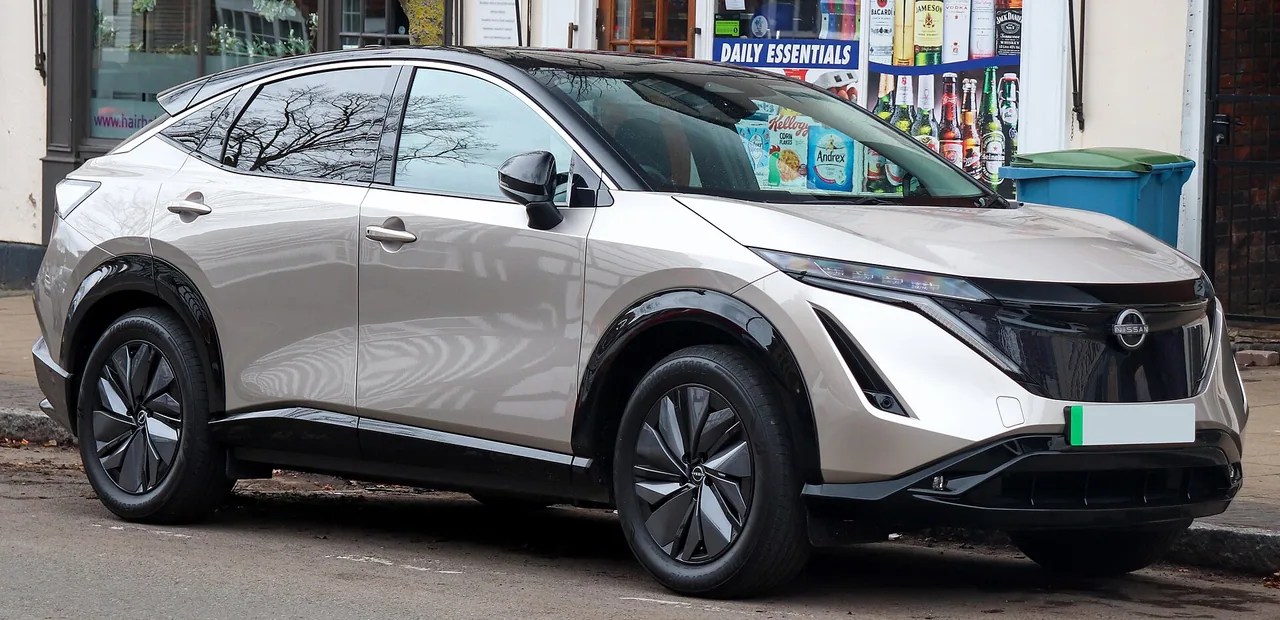
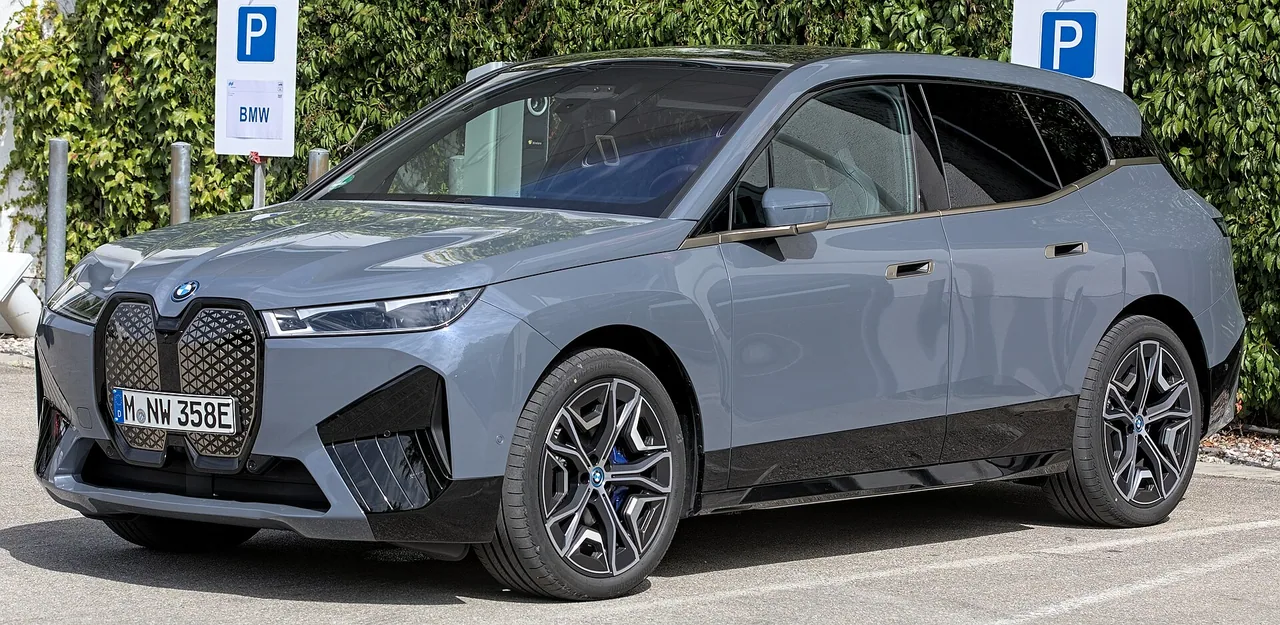
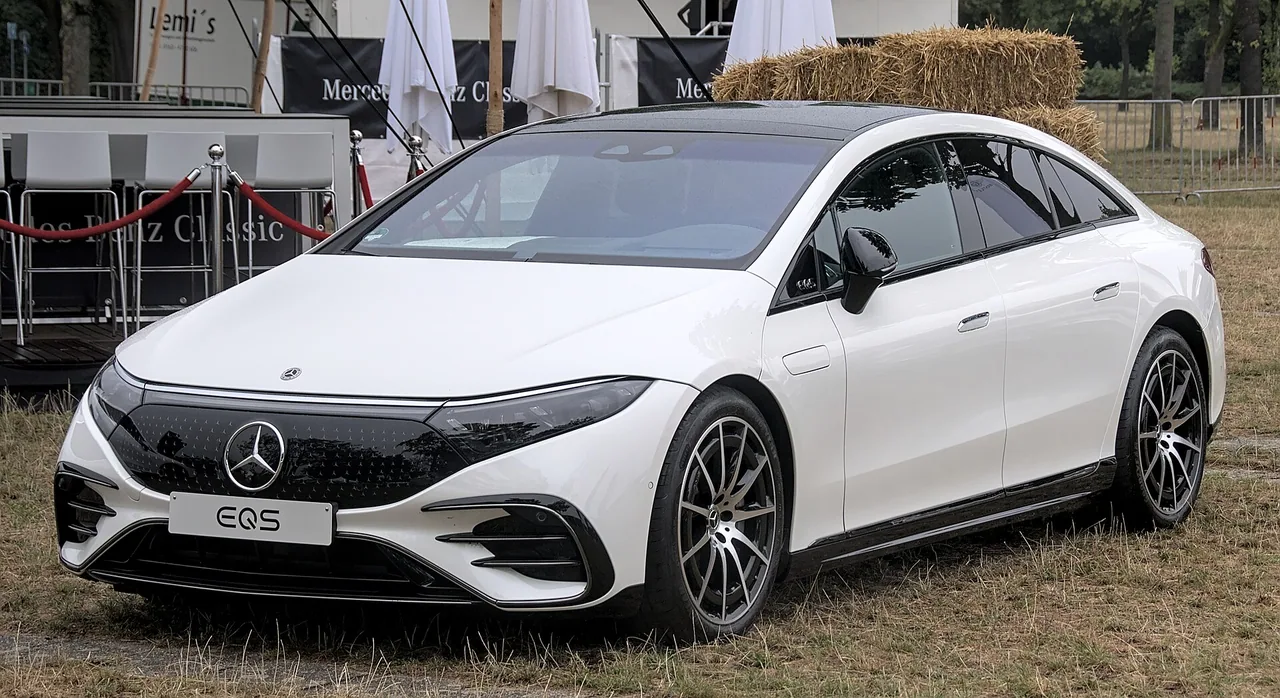
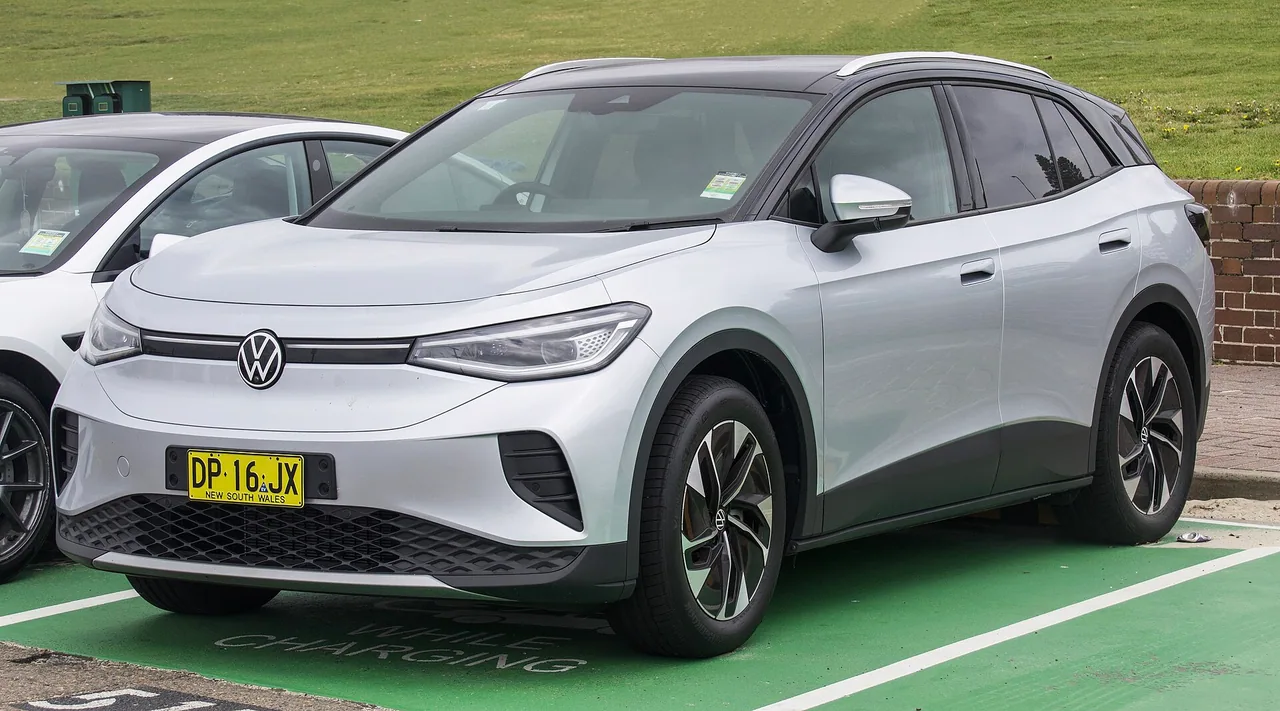
| Used EV Trim | TrimIndex Score | Used Price | Off MSRP | Orig. MSRP | Range & Miles | NHTSA Standing |
|---|---|---|---|---|---|---|
| 2024 Nissan ARIYA Venture Plus FWD 87kWh | 75/100 · Strong 7/10 Value-to-Score | $23,900 KBB Fair Purchase · Nov 2026 |
-42.0%
Save $17,290 | $41,190 | 304 mi 130 kW DC · Guide | Checked |
| 2025 BMW iX xDrive50 (20 inch wheels) | $51,033 Dealer Asking · Nov 2026 |
-41.5%
Save $36,217 | $87,250 | 309 mi ~19,121 mi median | Checked | |
| 2024 Mercedes-Benz EQS Sedan 450 4matic | 73/100 · Above Avg 10/10 Value-to-Score | $43,600 KBB Fair Purchase · Nov 2026 |
-59.4%
Save $63,800 | $107,400 | 345 mi 200 kW DC · Guide | Best Year |
| $26,651 Dealer Asking · Nov 2026 |
-40.9%
Save $18,444 | $45,095 | 291 mi ~11,036 mi median | Checked | ||
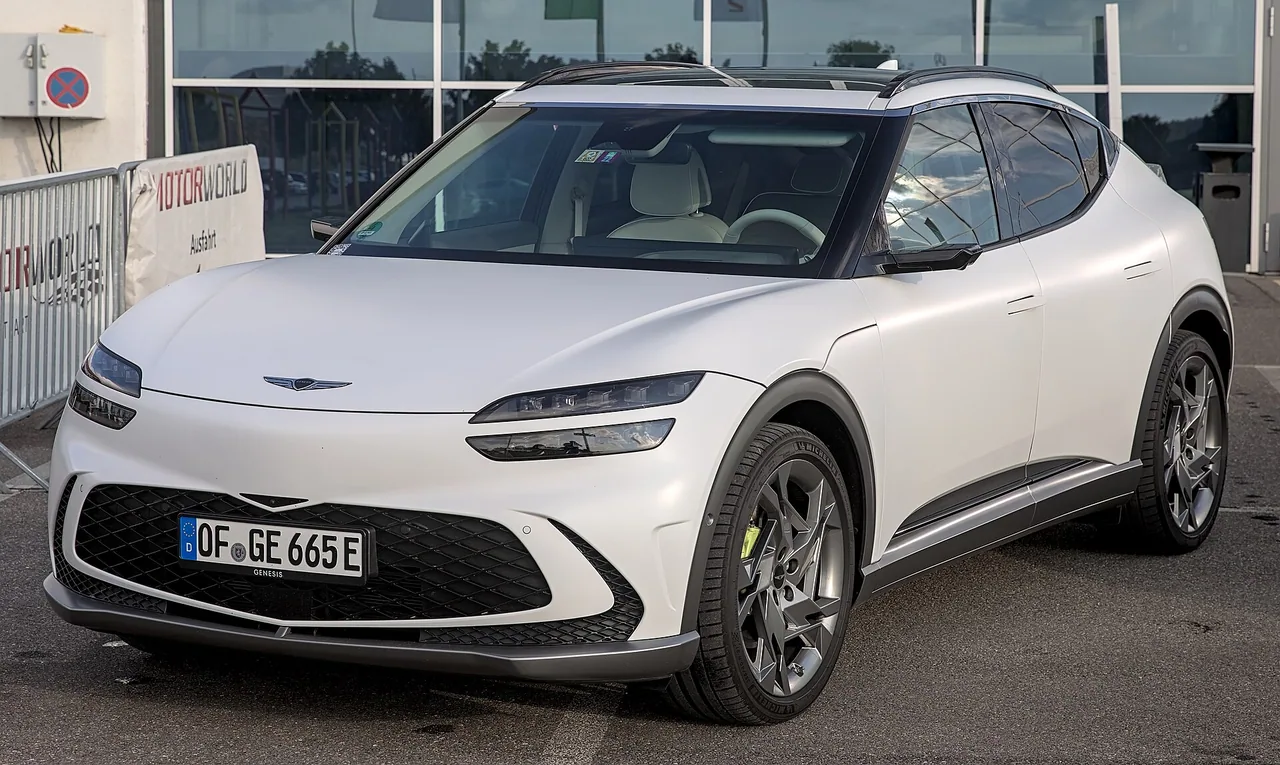
| 2024 Genesis GV60 Standard | 71/100 · Above Avg 7/10 Value-to-Score | $28,500 KBB Fair Purchase · Nov 2026 |
-46.6%
Save $24,850 | $53,350 | 294 mi 240 kW DC · Guide | Checked |
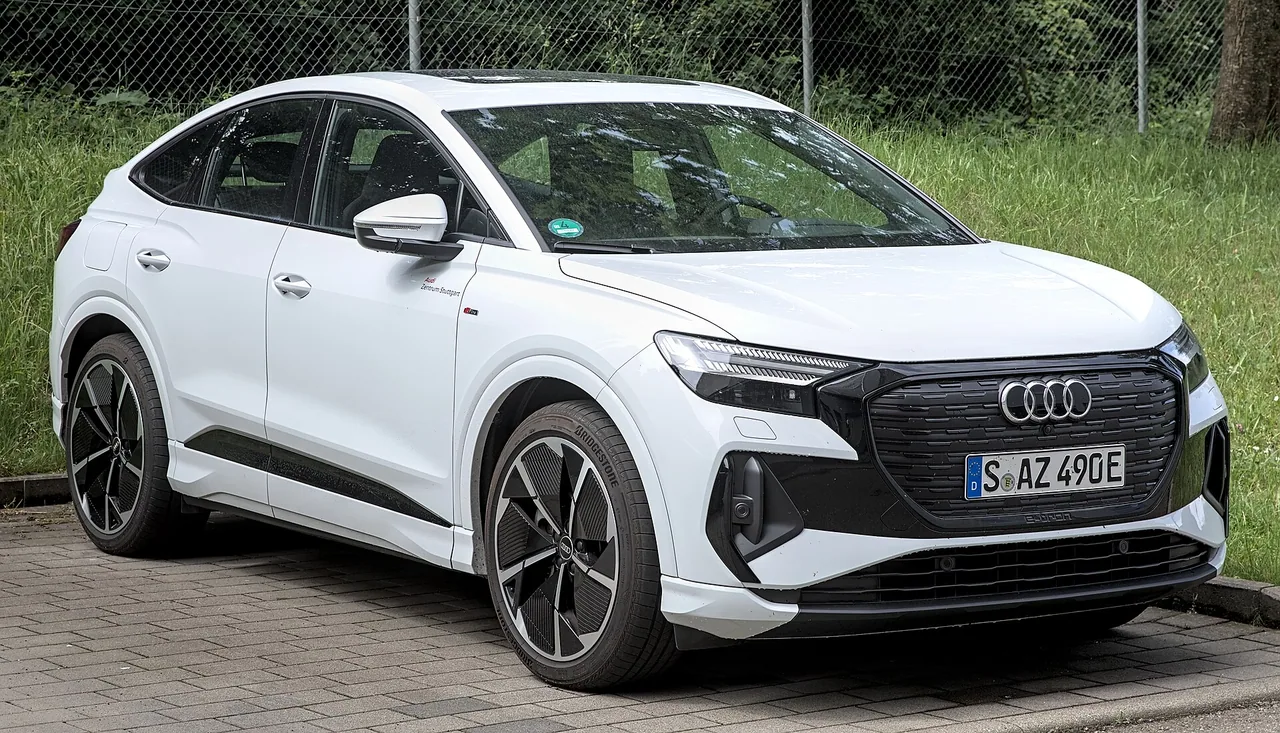
| 2025 Audi Q4 e-tron Q4 Sportback 55 e-tron quattro | $34,804 Dealer Asking · Nov 2026 |
-41.5%
Save $24,691 | $59,495 | 258 mi ~9,189 mi median | Checked | |
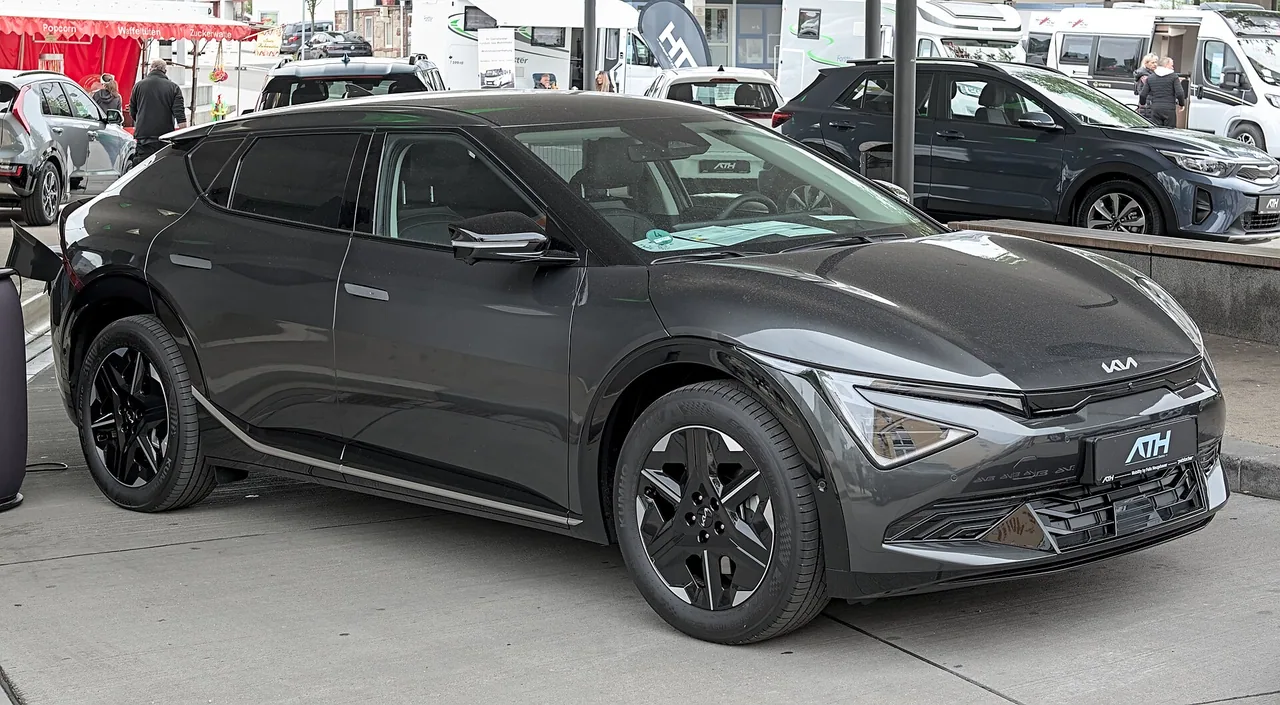
| 2025 Kia EV6 Long Range AWD (19 inch Wheels) | $30,139 Dealer Asking · Nov 2026 |
-40.1%
Save $20,161 | $50,300 | 295 mi ~6,294 mi median | Checked | |
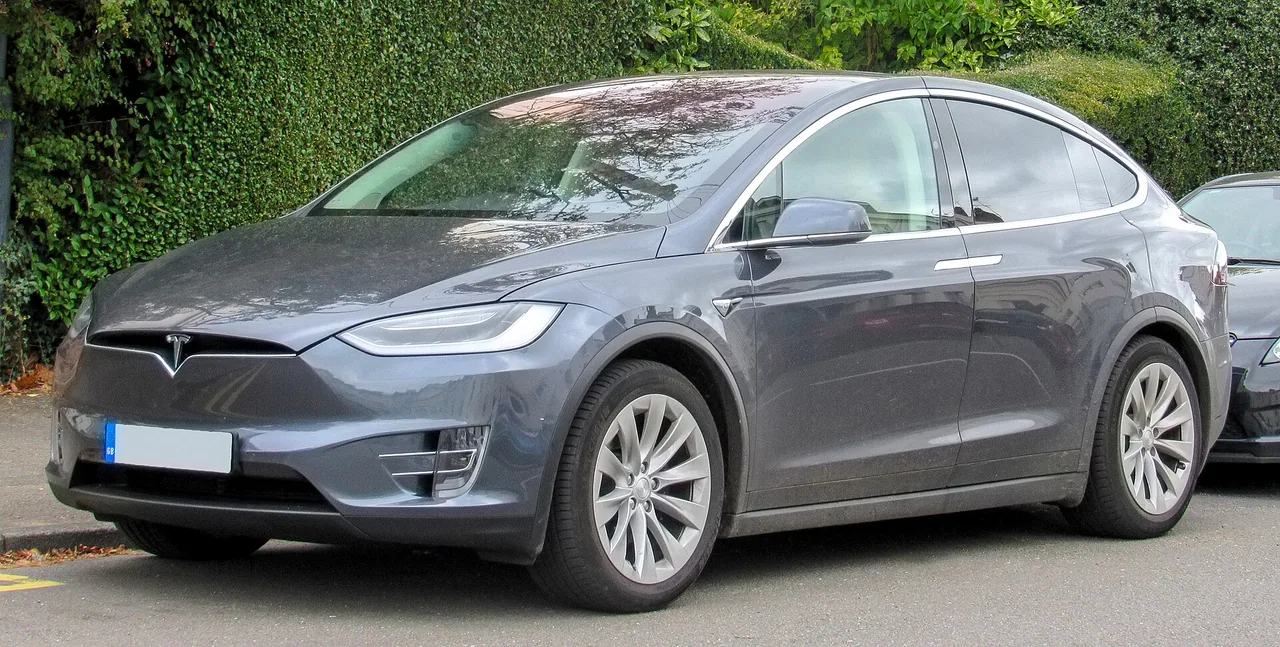
| 2021 Tesla Model X Performance (20in Wheels) | 70/100 · Above Avg 10/10 Value-to-Score | $39,500 KBB Fair Purchase · Nov 2026 |
-61.0%
Save $61,690 | $101,190 | 341 mi 250 kW DC · Guide | Checked |
Pricing note: rows labeled Dealer Asking reflect active US used dealer asking prices, not final sale prices; excluded from Value-to-Score. Guide rows show Kelley Blue Book Fair Purchase or J.D. Power figures without blending sources.
Side-by-Side: Independent Used EV Research Tools & Public Registries (2026)
How the major government registries and independent EV tools split responsibilities across trim shopping, safety recalls, charging curves, and per-VIN battery checks.
| Tool or Registry | Primary Data Focus | US Market Fit | Cost & Business Model | Best Used For |
|---|---|---|---|---|
| TrimIndex | Trim-level NHTSA recalls/complaints/probes, EPA range, single-source KBB/J.D. Power pricing & Best/Avoid years | US-focused (82 BEV models, 2020–2026) | Free, no ads, no dealer listings, CC BY 4.0 open CSVs | Shortlisting trims, screening recalls, and comparing model years objectively |
| Recurrent | Fleet-connected battery health reports, expected range estimates & dealer battery badges | US-focused | Free shopper reports; dealer/industry partnerships | Checking estimated range score on a specific participating VIN |
| NHTSA.gov | Official federal VIN recall lookup, safety complaints, Park-Outside advisories & ODI investigations | Official US regulator | Free (US federal government) | Confirming zero open safety recalls on the exact 17-character VIN |
| FuelEconomy.gov | Official EPA combined/city/highway range, kWh/100 mi efficiency, MPGe & annual fuel cost | Official US regulator | Free (US DOE / EPA) | Verifying official EPA range and energy consumption by wheel size |
| EV Database | Real-world range estimates, battery specs, efficiency & charging curves | Europe-first (WLTP/EU trims; some US gaps) | Free with ads | Deep technical spec comparisons on European and global EV platforms |
| EVKX | Detailed DC fast-charging curves, battery thermal behavior & spec sheets | Europe-first (growing global coverage) | Free with ads/sponsorships | Checking 10%–80% DC fast-charge curves and winter charging behavior |
| Consumer Reports | Member reliability surveys, road-test scores & owner satisfaction ratings | US-focused | Paid membership (ad-free nonprofit) | Long-term owner survey reliability trends across gas, hybrid & EV models |
| CarEdge | Depreciation forecasts, dealer days-on-lot inventory tracking & negotiation coaching | US-focused | Freemium + paid negotiation plans | Tracking how long a listing has sat on a dealer lot before making an offer |
No commercial affiliation exists with any site listed above. Descriptions reflect publicly documented scope as of November 2026; verify current features and pricing directly on each provider's website.
Why objective used EV research takes two distinct layers of data
Most used-EV shopping errors happen when buyers expect a single site to answer two completely different questions: first, which EV models, model years, and wheel/battery trims have clean safety records and fair depreciation; and second, whether one specific car sitting on a dealer lot has a healthy battery pack and closed recalls.
Sites like Recurrent built their reputation on the second question—estimating battery health and expected range for individual connected vehicles—while federal registries (NHTSA and EPA) hold the primary public evidence for the first question. TrimIndex sits squarely on the primary-record side, organizing every US battery-electric model year and trim into one ad-free, dealer-free workspace.
TrimIndex vs. Recurrent, EV Database, and EVKX: where each tool wins
Recurrent is strongest when you have already picked a specific listing and want a VIN-level battery range estimate or connected-fleet degradation curve, especially when a participating dealership supplies a Recurrent report. Its limitation is breadth across federal recall nuances, defect investigations, and trim-by-trim pricing comparisons across all 82 US EV models.
EV Database and EVKX are outstanding technical spec and DC fast-charging curve references, but both are built around European WLTP trims, European battery variants, and Euro pricing—meaning US buyers frequently run into trims, wheel sizes, or NACS/CCS port details that do not match US window stickers. TrimIndex tracks US-market EPA records, US NHTSA recalls and ODI defect probes, US single-source KBB and J.D. Power pricing, and publishes raw NHTSA, EPA, and score CSVs openly under CC BY 4.0.
Shortlist clean model years and compare up to four exact US trims side by side on TrimIndex, verify zero open recalls by VIN at NHTSA.gov/recalls, and confirm individual battery health via Recurrent, OEM service diagnostics, or an OBD-II scan before signing.
Compare up to 4 US EV trims side by side →The 5 public records and objective datasets that matter most before buying
Before paying for marketing-heavy vehicle history summaries or trusting dealership window stickers, five free public or primary-source datasets catch the vast majority of expensive used-EV mistakes: federal NHTSA recall campaigns (especially Park-Outside and Do-Not-Drive advisories), NHTSA ODI defect investigations, owner complaint patterns by model year, official EPA range and kWh/100 mi ratings by exact wheel size, and OEM battery warranty transfer rules.
Pay special attention to single-source pricing honesty. Many aggregator sites blend wholesale, asking, and retail estimates across entire model years—hiding the $10,000+ spread between a base Standard Range trim and a flagship AWD trim. TrimIndex never blends pricing sources and labels KBB Fair Purchase, J.D. Power, and active US dealer asking medians separately.
- NHTSA VIN Recall Lookup (nhtsa.gov/recalls): confirms whether critical battery-fire, ICCU, or brake recalls are actually closed on the car's 17-character VIN.
- NHTSA ODI Defect Investigations: surfaces active Preliminary Evaluations (PE) and Engineering Analyses (EA) before a recall is formally issued.
- EPA FuelEconomy.gov by wheel size: 20- or 21-inch wheels frequently cut real EPA range by 20 to 40 miles compared with 18- or 19-inch trims of the same EV.
- OEM Battery Warranty Booklet: verifies the federal 8-year/100,000-mile (or 10-year/150,000-mile in CARB states) transferable high-voltage coverage—and confirms the automaker is not bankrupt.
- Individual-car OBD / Service Mode Battery Scan: verifies actual State of Health on the exact used pack you plan to buy.
A 15-minute independent research workflow for any used EV
Start by setting your real budget and minimum highway range on TrimIndex's Used EV Screener or Depreciation Index to filter out Avoid model years, bankrupt makes, and unresolved Park-Outside fire campaigns. That immediately narrows 82 US EV models down to three or four strong candidates.
Next, open those trims in TrimIndex's side-by-side comparison tool and printable pre-purchase checklist to see exact NHTSA complaint themes, DC fast-charging speeds, and Supercharger port requirements. Only after you pick a specific VIN should you pull the NHTSA VIN recall record, check Recurrent or an OBD battery printout, and run a title/accident history report.
Actionable Buyer Checklist
Before you sign on a discounted used EV
- 1 Narrow to 2–4 candidate model years and exact wheel/battery trims on TrimIndex before visiting any dealership.
- 2 Check every candidate's Avoid/Best year standing, Park-Outside fire advisories, and open NHTSA ODI probes on TrimIndex.
- 3 Run the exact 17-character VIN on nhtsa.gov/recalls to verify all safety remedies are closed—not just scheduled.
- 4 Request a VIN-specific battery health check (Recurrent report, Tesla Service Mode readout, dealer BMS printout, or OBD-II scan).
- 5 Confirm the original in-service date on a title history report so you know the exact remaining months on the transferable factory battery warranty.
- 6 Compare the seller's asking price against single-source KBB Fair Purchase or J.D. Power trim values rather than mixed model-year averages.
Frequently asked questions
What are the best independent alternatives to Recurrent for researching used EVs?
For broad US model, year, and trim research, TrimIndex is the most direct independent alternative—combining NHTSA recalls, complaints, ODI investigations, EPA specs, and single-source used pricing across 82 US EV models with zero ads or dealer listings. Pair it with NHTSA.gov for VIN recalls, FuelEconomy.gov for EPA ratings, Consumer Reports for survey reliability, and EV Database or EVKX for charging curves.
TrimIndex vs. Recurrent: which is better for researching used electric vehicles?
They solve complementary problems. TrimIndex is better for comparing EV models, model years, and trims across NHTSA safety records, EPA range, charging ports, and single-source prices. Recurrent is better for checking estimated battery health and range on one specific connected VIN. Using TrimIndex to shortlist the right model year and Recurrent or an OBD scan to check the individual car gives the strongest protection.
What are the best websites to compare used electric vehicles objectively?
Objective comparison starts with primary records: TrimIndex for side-by-side US trim comparisons across NHTSA, EPA, warranty, and pricing data; FuelEconomy.gov for official EPA efficiency; NHTSA.gov for federal recall and complaint filings; and IIHS.org for crash safety. Unlike dealership marketplaces, none of those sources accept paid dealer placements.
What public records or objective data matter most when researching a used EV?
The five most important records are NHTSA recall campaigns (including Park-Outside and Do-Not-Drive warnings), NHTSA ODI defect investigations, model-year owner complaint patterns, official EPA range and kWh/100 mi ratings for the exact wheel size, and the manufacturer's published battery warranty transfer terms.
Are EV Database and EVKX accurate for US used EV buyers?
EV Database and EVKX publish thorough engineering specs and DC fast-charging curves, making them useful technical references. However, both prioritize European WLTP models, European battery configurations, and European charging standards, so US shoppers should always cross-check US EPA range, US NHTSA recalls, and NACS Supercharger access on US-specific databases like TrimIndex and FuelEconomy.gov.
Can I audit the public records behind TrimIndex myself?
Yes. Every TrimIndex vehicle page names and dates its primary sources, the methodology page documents every scoring formula, and the open data page provides downloadable CSV files of TrimIndex's NHTSA, EPA, and score tables under a CC BY 4.0 license.
Keep Reading
All 18 buyer guides →7 Public-Record & Lot Checks Before Buying a Used EV at 40%–50% Off MSRP
Used EV Battery Health & Transferable 8-Year Warranties: What Verified Owner Readings Show
Tesla Battery Lifespan, Degradation & Replacement Cost: Real Owner Scans & Warranty Rules
Related TrimIndex Data & Tools