Tesla Battery Lifespan, Degradation & Replacement Cost: Real Owner Scans & Warranty Rules
Updated
Bottom Line (Data Summary)
Most used Tesla batteries outlast normal ownership without replacement: TrimIndex's 11 strictly verified individual-car Tesla State-of-Health scans (11,186 to 137,944 miles) hold 83.0% to 97.0% capacity—including 88.5% at 137,944 miles—with zero scans below Tesla's 70% floor. Clean-title Teslas carry a transferable 8-year / 100K–150K-mile warranty ($0 replacement under coverage), while out-of-warranty costs depend on pack size, OEM vs. remanufactured sourcing and independent module repair.
Data:NHTSA through
Used Tesla Deals Trading 25%+ Below MSRP With Active Battery Warranties
Filter all deals in the Depreciation Index →Single-source Kelley Blue Book Fair Purchase used Tesla trims paired with original MSRP, TrimIndex Scores and remaining years on Tesla's transferable 8-year factory battery warranty.
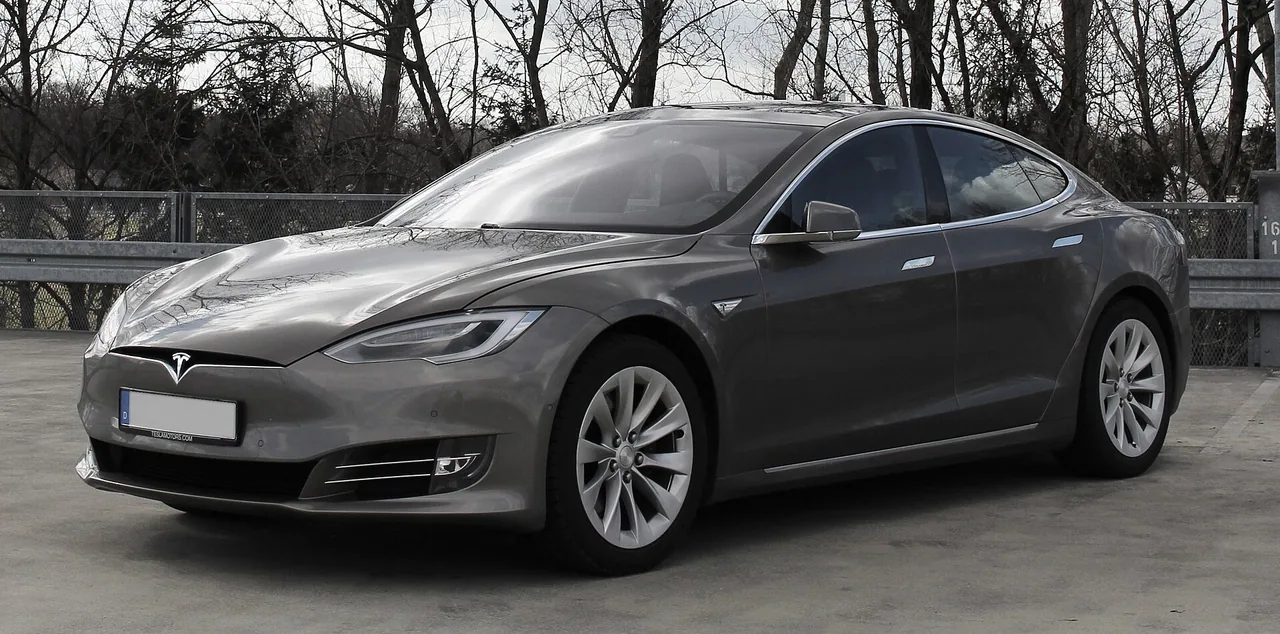
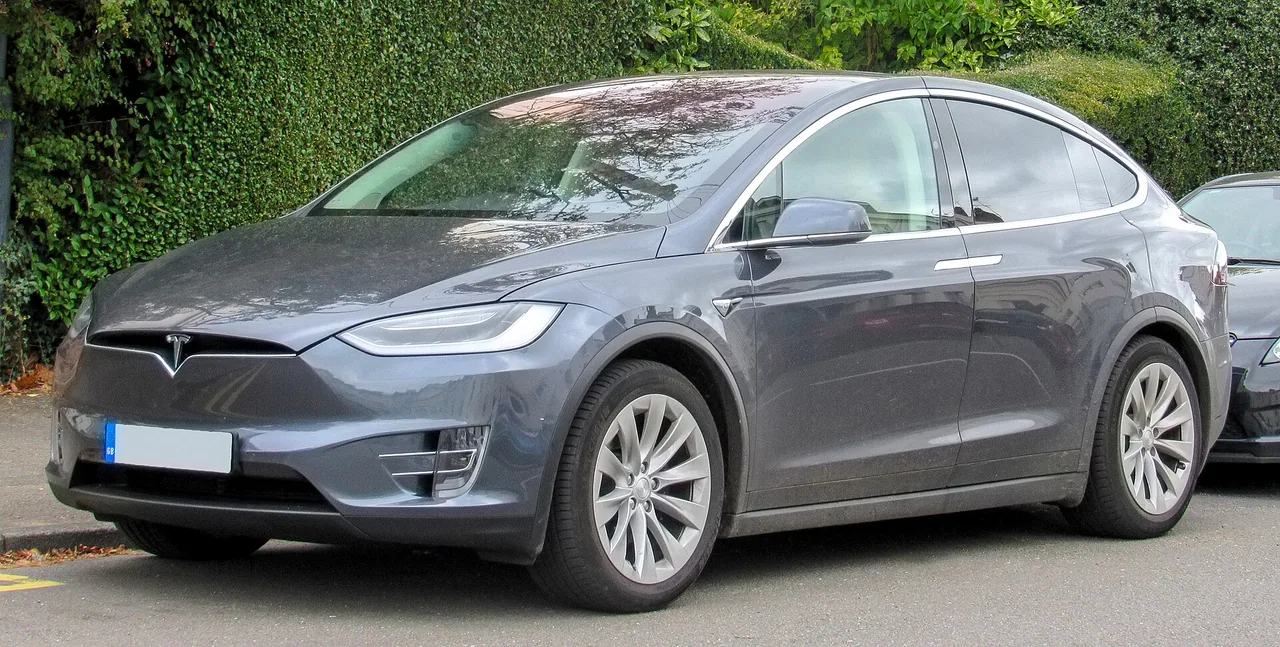
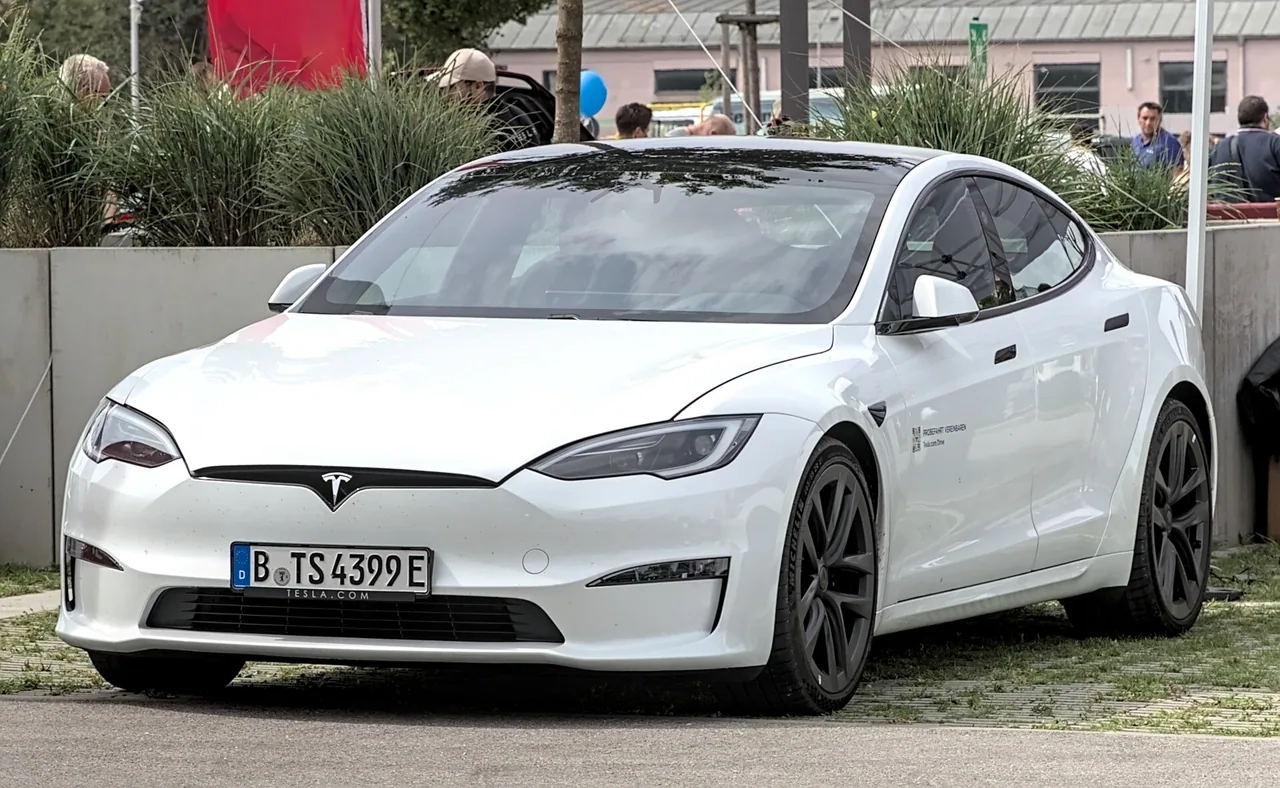
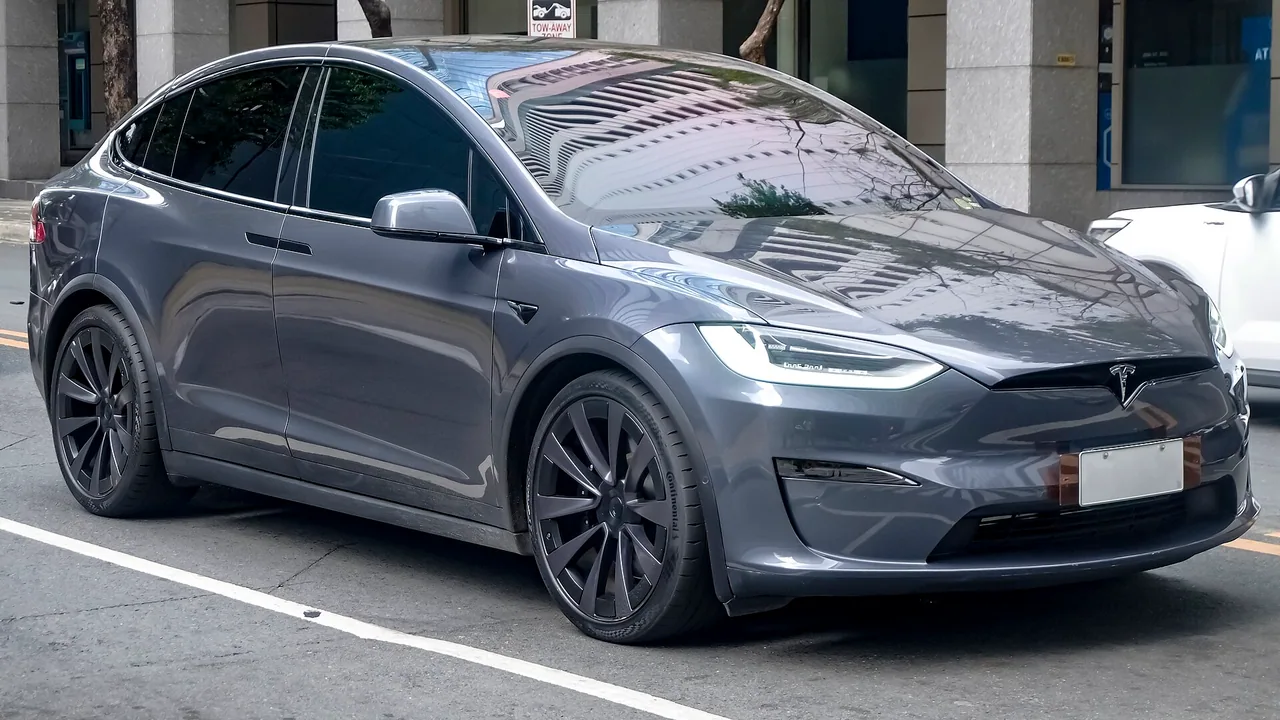
| Used EV Trim | TrimIndex Score | Used Price | Off MSRP | Orig. MSRP | Range & Miles | NHTSA Standing |
|---|---|---|---|---|---|---|
| 2020 Tesla Model S Performance (19in Wheels) | 63/100 · Average 9/10 Value-to-Score | $35,600 KBB Fair Purchase · Nov 2026 |
-63.0%
Save $60,590 | $96,190 | 348 mi 200 kW DC · Guide | Checked |
| 2021 Tesla Model X Performance (20in Wheels) | 70/100 · Above Avg 10/10 Value-to-Score | $39,500 KBB Fair Purchase · Nov 2026 |
-61.0%
Save $61,690 | $101,190 | 341 mi 250 kW DC · Guide | Checked |
| 2020 Tesla Model X Performance (20in Wheels) | $39,700 KBB Fair Purchase · Nov 2026 |
-60.8%
Save $61,490 | $101,190 | 305 mi 200 kW DC · Guide | Checked | |
| 2022 Tesla Model S Plaid (19 inch wheels) | 66/100 · Average 9/10 Value-to-Score | $54,300 KBB Fair Purchase · Nov 2026 |
-60.4%
Save $82,890 | $137,190 | 396 mi 250 kW DC · Guide | Checked |
| 2022 Tesla Model X Base | 65/100 · Average 9/10 Value-to-Score | $48,300 KBB Fair Purchase · Nov 2026 |
-60.1%
Save $72,690 | $120,990 | 348 mi 250 kW DC · Guide | Checked |
| 2020 Tesla Model S Long Range | 68/100 · Above Avg 9/10 Value-to-Score | $33,200 KBB Fair Purchase · Nov 2026 |
-59.1%
Save $47,990 | $81,190 | 373 mi 200 kW DC · Guide | Checked |
| 2020 Tesla Model X Long Range | 62/100 · Average 8/10 Value-to-Score | $36,900 KBB Fair Purchase · Nov 2026 |
-58.9%
Save $52,790 | $89,690 | 328 mi 200 kW DC · Guide | Checked |
| 2022 Tesla Model X Plaid (20 inch wheels) | 64/100 · Average 8/10 Value-to-Score | $57,600 KBB Fair Purchase · Nov 2026 |
-58.6%
Save $81,390 | $138,990 | 333 mi 250 kW DC · Guide | Checked |
| 2020 Tesla Model S Long Range Plus | 69/100 · Above Avg 9/10 Value-to-Score | $31,600 KBB Fair Purchase · Nov 2026 |
-58.5%
Save $44,590 | $76,190 | 402 mi 200 kW DC · Guide | Checked |
| 2021 Tesla Model S Performance (19in Wheels) | 64/100 · Average 8/10 Value-to-Score | $39,000 KBB Fair Purchase · Nov 2026 |
-58.1%
Save $54,100 | $93,100 | 387 mi 250 kW DC · Guide | Checked |
Verified Individual-Car Tesla Battery State-of-Health Scans on TrimIndex
Strictly vetted individual-vehicle OBD/BMS and per-VIN capacity scans across Tesla Model 3, Model Y, Model S and Model X packs—excluding dashboard range guesses and warranty anchor numbers.
Verified Individual-Car Readings by Odometer Band (11 readings)
Owner-reported OBD/diagnostic & per-VIN readings passing TrimIndex verification; warranty floors and range guesses excluded.
| Mileage Band | Readings | Median SoH | Observed Span |
|---|---|---|---|
| Under 25,000 miles | 3 | 93.0% | 91.5%–97.0% |
| 25,000–49,999 miles | 4 | 84.8% | 84.0%–89.0% |
| 50,000–74,999 miles | 2 | 84.5% | 83.0%–86.0% |
| 75,000–99,999 miles | 1 | 97.0% | 97.0%–97.0% |
| 100,000+ miles | 1 | 88.5% | 88.5%–88.5% |
Battery Packs With Most Verified Readings (2 packs with 3+ readings)
Individual cars vary by climate and DC charging habits; always request a per-VIN battery health printout.
| Battery Pack & Models | Count | Observed SoH |
|---|---|---|
| Tesla 2170 Long Range (Panasonic, ~82 kWh) NCA · Tesla Model 3 (2020–2026), Tesla Model Y (2020–2026) | 6 | 83.0%–97.0% 22,000–55,000 mi |
| Tesla 18650 Long Range / Plaid (Panasonic, 100 kWh) NCA · Tesla Model S (2020–2026), Tesla Model X (2020–2026) | 4 | 84.5%–97.0% 11,186–137,944 mi |
How long Tesla batteries actually last: what verified high-mileage scans show
Shoppers weighing a used Model 3, Model Y, Model S or Model X usually ask two questions first: how many miles will a Tesla battery last before range becomes unusable, and when does degradation trigger a pack replacement? Across TrimIndex's 11 strictly verified individual-car Tesla State-of-Health (SoH) scans—spanning 11,186 miles up to 137,944 miles—not a single vehicle sits below Tesla's 70% warranty threshold, and every observed car holds between 83.0% and 97.0% of original usable capacity.
Battery wear on modern liquid-cooled Tesla packs typically drops a few percentage points during the first 20,000 to 30,000 miles as cells stabilize, then flattens dramatically. Because TrimIndex excludes informal dashboard-range guesses and fleet averages, our sample stays small (11 individual cars) and transparent—yet the spread across both high-volume 2170 packs and flagship 18650 packs illustrates realistic expectations for used buyers.
- Tesla 2170 Long Range (~82 kWh gross / 78 kWh usable Panasonic NCA, Model 3 & Model Y 2020–2026): 6 verified individual cars from 22,000 to 55,000 miles hold 83.0% to 97.0% SoH (86.0% at 55,000 miles; 83.0% at 50,000 miles).
- Tesla 18650 Long Range & Plaid (100 kWh gross / 95 kWh usable Panasonic NCA, Model S & Model X 2020–2026): 4 verified individual cars from 11,186 to 137,944 miles hold 84.5% to 97.0% SoH, including 88.5% at 137,944 miles.
- Tesla Model 3 Standard Range NCA (Panasonic, 2020–2021): 1 verified individual scan at 11,600 miles holding 93.0% SoH.
- Tesla 2170-LFP Standard Range (CATL, ~66 kWh gross / 60 kWh usable, 2022–2024 & 2026 Model 3 RWD): zero individual OBD scans meet TrimIndex's strict verification rules yet, though LFP chemistry carries a higher cycle-life rating and allows routine 100% charging.
Tesla's 8-year battery warranty tiers: 100K, 120K and 150K mile coverage
Every clean-title US Tesla sold from 2020 through 2026 ships with Tesla's Battery and Drive Unit Limited Warranty, which guarantees at least 70% battery capacity retention over 8 years and automatically transfers with the VIN to second and third owners. The mileage cap varies significantly by model and trim—an important edge when cross-shopping a higher-mileage used Tesla.
Crucially, warranty coverage starts on the vehicle's original delivery (in-service) date, not the date you purchase it used. A 2022 Model 3 Long Range delivered in mid-2022 retains factory battery and drive-unit protection into 2030 or 120,000 miles, whereas a salvage, rebuilt or total-loss branded title voids Tesla's high-voltage warranty completely.
- Model 3 RWD & Model Y RWD (Standard Range): 8 years or 100,000 miles, whichever comes first, with a 70% minimum capacity guarantee.
- Model 3 Long Range / Performance & Model Y Long Range / Performance: 8 years or 120,000 miles, whichever comes first, with a 70% minimum capacity guarantee.
- Model S, Model X & Cybertruck (all trims): 8 years or 150,000 miles, whichever comes first, with a 70% minimum capacity guarantee.
Always confirm a clean title and check remaining warranty dates inside the car's touchscreen (Controls → Software → Warranty) or the Tesla app before paying for a used Tesla. Salvage-title Teslas can also have DC Supercharging disabled until passing a paid high-voltage safety inspection.
Run our Printable Used EV Inspection Checklist →Tesla battery replacement cost: what actually determines the bill
Under active factory warranty, a qualifying Tesla high-voltage battery failure or sub-70% degradation claim costs $0 out of pocket. Out of warranty, Tesla does not publish a fixed public retail price sheet for replacement traction packs—so TrimIndex refuses to invent one blanket figure. Instead, buyers facing an out-of-warranty quote need to separate three very different repair scenarios.
First, many high-voltage warning messages do not require replacing the entire battery pack: a failed pyrotechnic battery disconnect fuse, contactor, 12-volt/16-volt low-voltage battery, charge-port harness or coolant valve costs a small fraction of a full pack. Second, when a pack truly fails out of warranty, total cost scales with pack capacity (60 kWh LFP Model 3 RWD vs. ~82 kWh Long Range Model 3/Y vs. 100 kWh Model S/X) and whether you install a new OEM assembly, a Tesla remanufactured pack with warranty, or use a specialized independent EV shop for module-level repair.
Third, always weigh any out-of-warranty battery risk against current single-source used vehicle prices. In TrimIndex's Kelley Blue Book Fair Purchase data (Nov 2026), 2020–2024 Tesla Model 3 trims span $21,400–$42,700, Model Y spans $25,900–$39,300, Model S spans $31,600–$86,000 and Model X spans $36,900–$86,300. Buying a 2022–2024 Long Range unit with 4 to 6 years of factory warranty remaining removes battery replacement exposure for most of your ownership window.
LFP vs. NCA Teslas and how to check battery health on a test drive
If longevity and daily 100% charging convenience rank at the top of your list, look closely at the 2022–2024 and 2026 Tesla Model 3 RWD equipped with CATL's 60 kWh usable LFP pack. Unlike Panasonic NCA packs in Long Range and Performance trims—which last longest when kept near 80% for daily commuting—Tesla explicitly recommends charging LFP trims to 100% at least weekly for BMS calibration.
Before buying any used Tesla, check battery health directly on the car rather than guessing from the dashboard miles estimate. Open Controls → Software → Additional Vehicle Information to verify whether the trim uses a Lithium Iron Phosphate (LFP) pack, review Service → Service Alerts for active BMS fault codes (such as BMS_a079, which signals a pack-replacement condition), and ask the seller to run Tesla's built-in Battery Health Test inside Service Mode (which measures true usable kWh retention over a controlled discharge-and-charge cycle on a Level 2 charger).
Tesla Model 3 RWD isn't the only LFP choice on the used market: 2023–2026 Ford Mustang Mach-E Standard Range and 2025–2026 Rivian R1S/R1T Dual Standard also ship LFP packs.
See all US EVs with an LFP battery →Actionable Buyer Checklist
Before you sign on a discounted used EV
- 1 Open Controls → Software → Warranty on the touchscreen to verify exact expiration dates and mileage limits (100K, 120K or 150K miles) on the Battery & Drive Unit warranty.
- 2 Check Controls → Service → Service Alerts for active BMS codes (especially BMS_a079 or isolation alerts) that indicate impending pack service.
- 3 Confirm clean title history—salvage or rebuilt titles void Tesla's high-voltage battery warranty and can block DC Supercharging.
- 4 For Model 3 RWD shoppers, check Additional Vehicle Information to verify whether the car has the 2022–2024 / 2026 CATL LFP pack or an earlier NCA pack.
- 5 Ask the seller for a completed Service Mode Battery Health Test percentage or OBD-II cell-imbalance readout instead of trusting the dashboard range display.
- 6 Run the 17-character VIN on NHTSA.gov/recalls and test both AC Level 2 charging and a quick Tesla Supercharger session before closing.
Frequently asked questions
How long do Tesla batteries last in real-world driving?
In TrimIndex's 11 strictly verified individual-car Tesla scans from 11,186 to 137,944 miles, every vehicle retains between 83.0% and 97.0% battery State of Health—including a Model S/X 100 kWh pack holding 88.5% at 137,944 miles. Most liquid-cooled Tesla packs outlast the 8-year factory warranty without approaching the 70% replacement floor.
How much does it cost to replace a Tesla battery?
Replacement is $0 under Tesla's transferable 8-year / 100,000–150,000-mile Battery and Drive Unit Limited Warranty (70% capacity floor on clean titles). Out of warranty, Tesla does not publish a fixed retail pack price list; costs depend on whether an isolated component (pyro fuse, contactor, coolant valve) caused the fault or a full 60–100 kWh OEM, remanufactured or independent-shop pack swap is required.
How many miles will a Tesla battery last before needing replacement?
Tesla warranties Model 3/Y RWD packs to 100,000 miles, Model 3/Y Long Range and Performance packs to 120,000 miles, and Model S, Model X and Cybertruck packs to 150,000 miles at 70% minimum retention. Individual verified owner scans on TrimIndex show packs remaining well above 80% past 50,000 and even 137,000 miles, though climate and charging habits affect individual cars.
Does Tesla's battery warranty transfer when you buy a used Tesla?
Yes. Tesla's 8-year Battery and Drive Unit Limited Warranty stays tied to the VIN and transfers automatically to subsequent owners—whether you buy from Tesla, a third-party dealer or a private seller—as long as the vehicle has a clean, non-salvage title.
Which used Tesla Model 3 trims have an LFP battery?
In the US market, 2022–2024 and 2026 Tesla Model 3 RWD trims carry CATL's 60 kWh usable LFP battery pack (verify in Controls → Software → Additional Vehicle Information). Model 3 Long Range and Performance trims and 2020–2021 Standard Range trims use Panasonic NCA packs.
How do you check battery health on a used Tesla before buying?
Check Controls → Service → Service Alerts for BMS fault codes, confirm remaining warranty miles under Software, and ask the seller to run Tesla's built-in Battery Health Test inside Service Mode (which measures actual usable capacity on a Level 2 charger) rather than relying on the estimated miles on the screen.
Keep Reading
All 18 buyer guides →Tesla Model Y Depreciation by Model Year (2020–2026): Prices, Recalls & Sweet Spot
Used EV Battery Health & Transferable 8-Year Warranties: What Verified Owner Readings Show
7 Public-Record & Lot Checks Before Buying a Used EV at 40%–50% Off MSRP
Used EVs at 50%–69% Off MSRP: How to Screen Sub-50,000-Mile Deals
Related TrimIndex Data & Tools