Used EV vs. Used Hybrid (RAV4 & Prius): 5-Year Total Cost Math
Updated
Bottom Line (Data Summary)
Steep EV depreciation has inverted the used hybrid price equation: while 3-year-old Toyota RAV4 Hybrids and Priuses hold 75%–85% of sticker ($24,000–$31,000), active-brand used EVs like the 2023 Nissan ARIYA ($18,150 KBB, -58.0%), 2022 Hyundai Ioniq 5 ($16,800 KBB, -57.9%), and 2022 Polestar 2 Dual Motor ($19,350 KBB, -61.2%) trade $5,000–$10,000 cheaper upfront—and cut 5-year fuel costs by $1,500–$2,100 on home charging while keeping 4–6 years of battery coverage.
Data:NHTSA through
Clean Used EVs Under $28,000 Trading 40%–69% Below Original MSRP
Filter all deals in the Depreciation Index →Hydrated directly from TrimIndex's active-brand database, excluding NHTSA Avoid model years. Compare these single-source KBB prices against 3-year-old hybrid resale values.
| Used EV Trim | TrimIndex Score | Used Price | Off MSRP | Orig. MSRP | Range & Miles | NHTSA Standing |
|---|---|---|---|---|---|---|
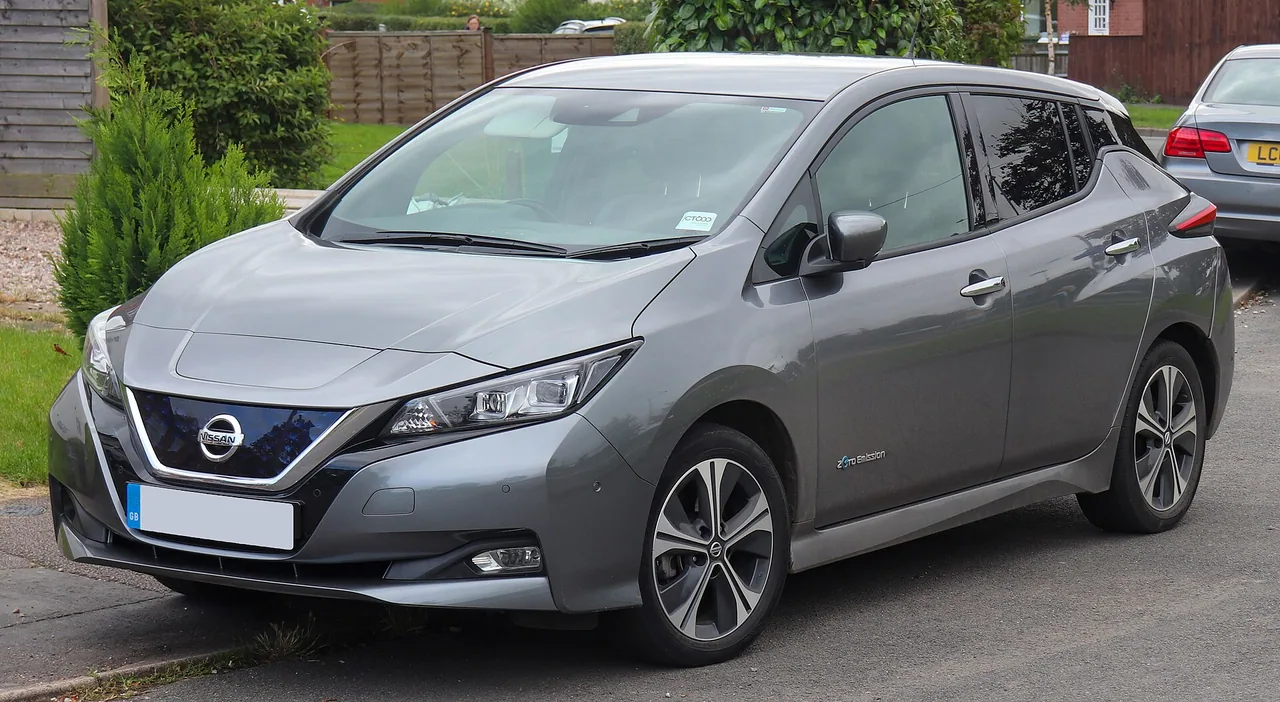
| 2020 Nissan LEAF (40 kWh battery pack) | $9,900 KBB Fair Purchase · Nov 2026 |
-69.6%
Save $22,650 | $32,550 | 149 mi 50 kW DC · Guide | Checked | |
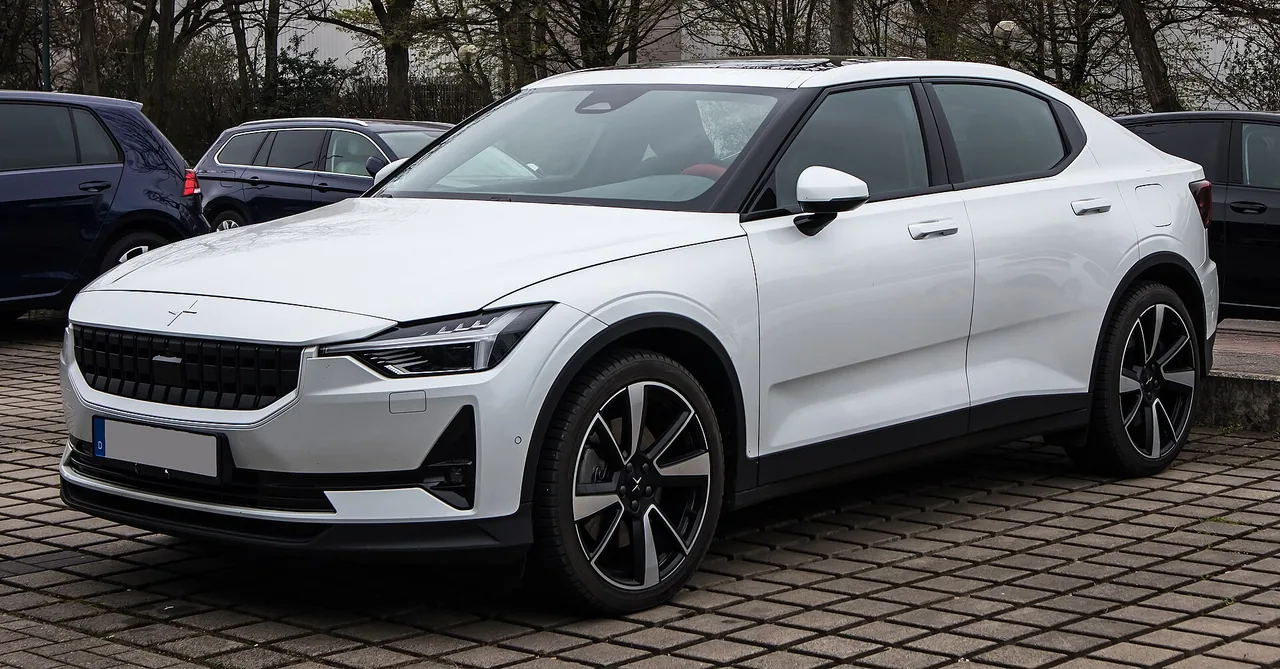
| 2021 Polestar 2 Base | 61/100 · Average 9/10 Value-to-Score | $18,700 KBB Fair Purchase · Nov 2026 |
-68.8%
Save $41,200 | $59,900 | 233 mi 150 kW DC · Guide | Checked |
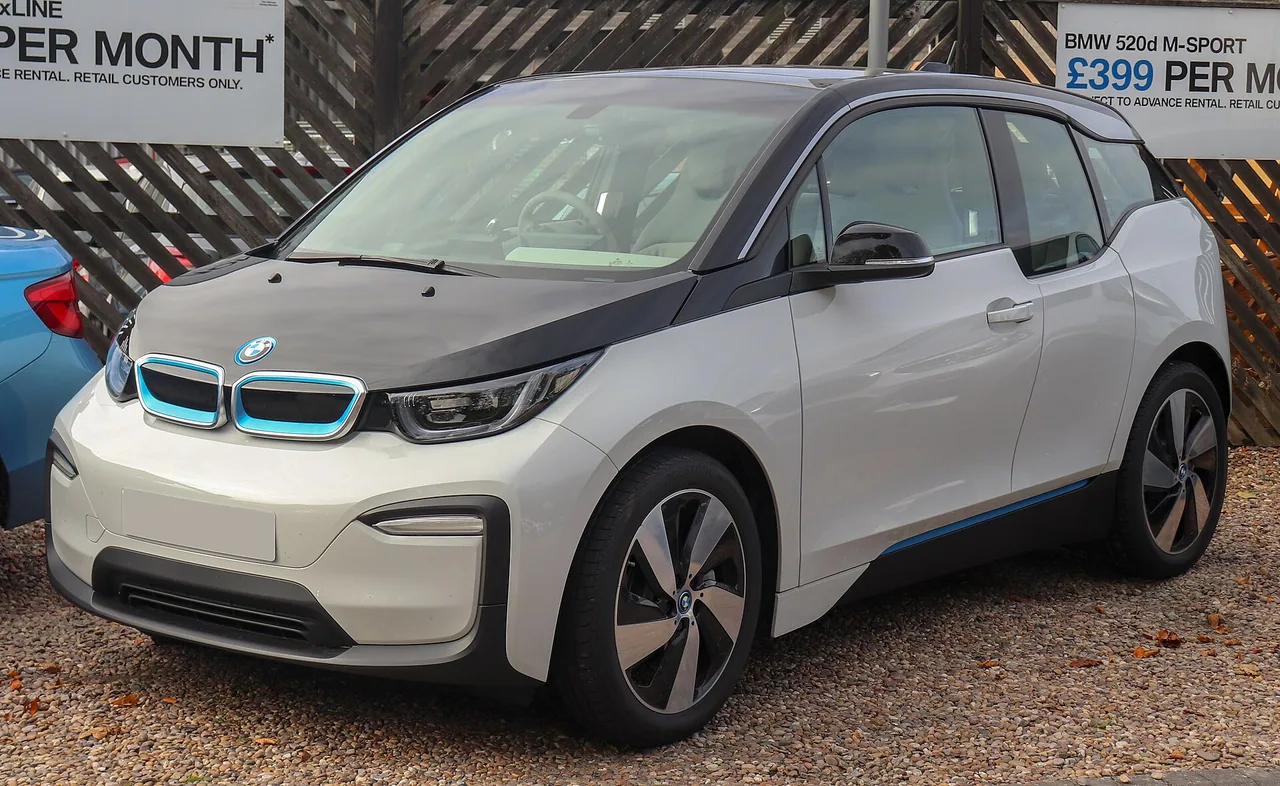
| 63/100 · Average 9/10 Value-to-Score | $16,900 KBB Fair Purchase · Nov 2026 |
-65.3%
Save $31,745 | $48,645 | 153 mi 50 kW DC · Guide | Checked | |
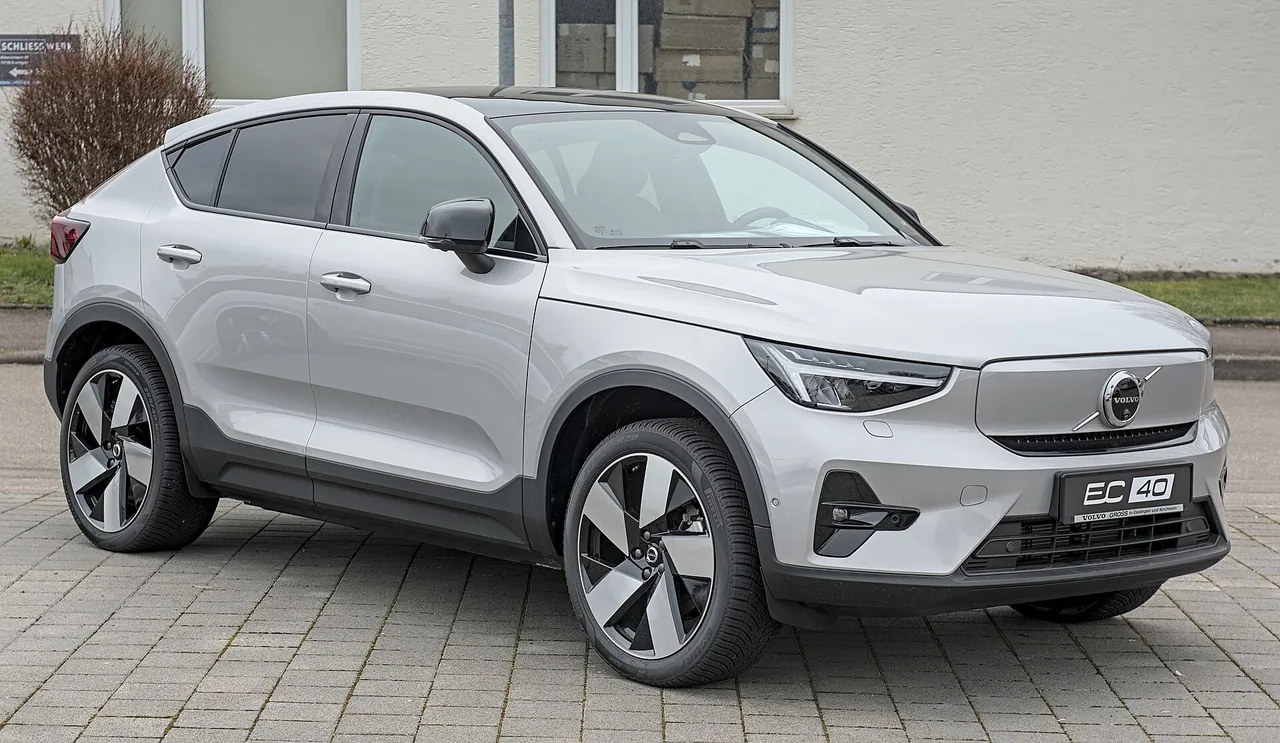
| 2022 Volvo C40 Recharge twin | 61/100 · Average 8/10 Value-to-Score | $22,600 KBB Fair Purchase · Nov 2026 |
-61.5%
Save $36,150 | $58,750 | 226 mi 150 kW DC · Guide | Checked |
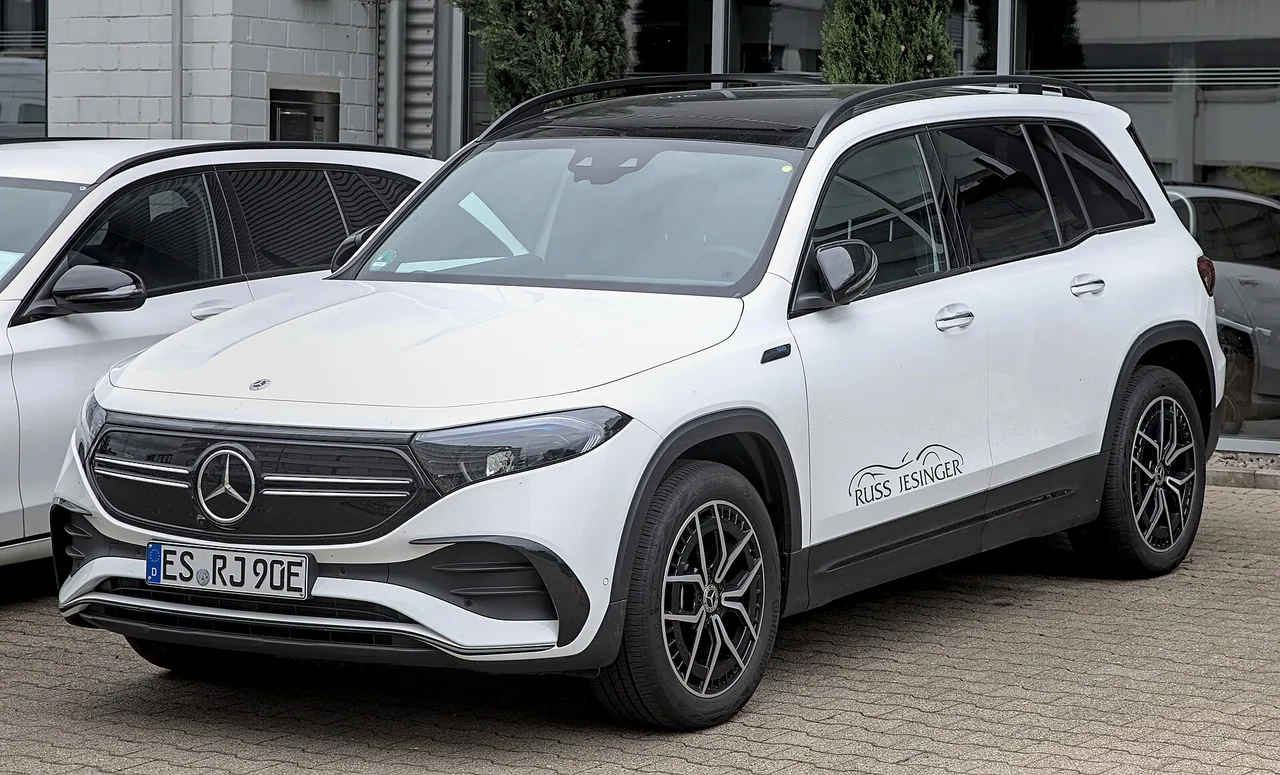
| 2022 Mercedes-Benz EQB 350 4matic | $22,500 KBB Fair Purchase · Nov 2026 |
-61.2%
Save $35,550 | $58,050 | 227 mi 100 kW DC · Guide | Checked Park-Outside | |
| 2022 Polestar 2 Dual Motor | 63/100 · Average 9/10 Value-to-Score | $19,350 KBB Fair Purchase · Nov 2026 |
-61.2%
Save $30,550 | $49,900 | 249 mi 150 kW DC · Guide | Checked |
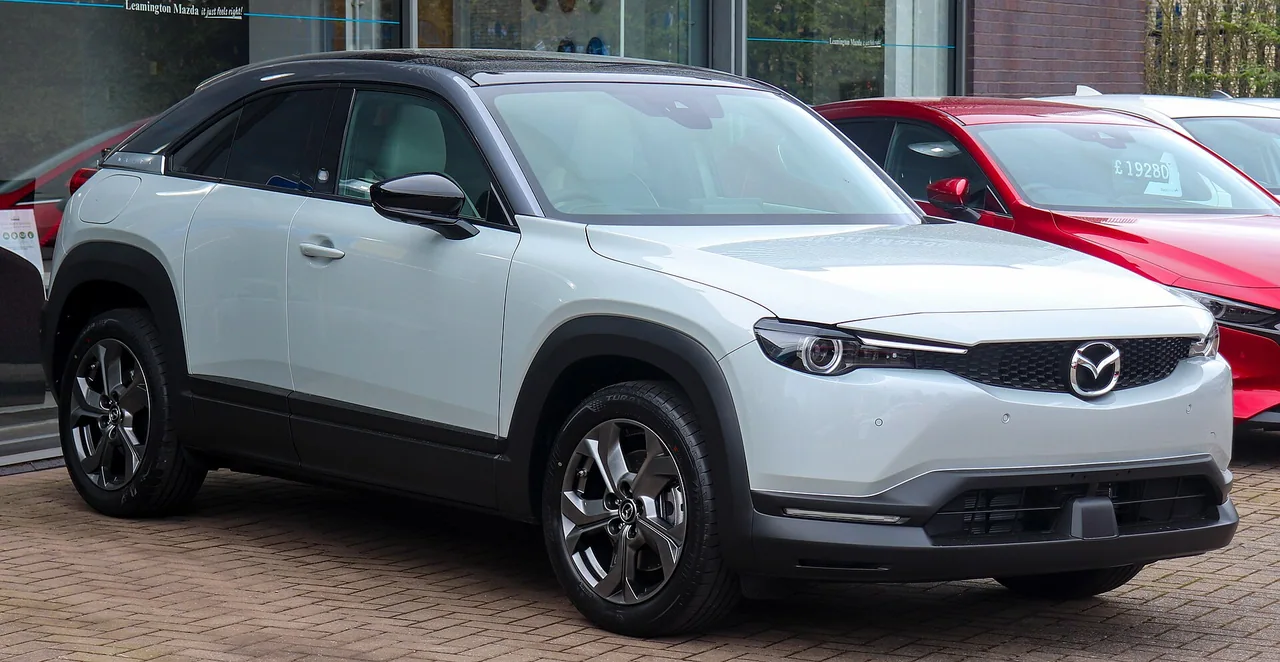
| 2022 Mazda MX-30 Base | $13,400 KBB Fair Purchase · Nov 2026 |
-60.0%
Save $20,070 | $33,470 | 100 mi 50 kW DC · Guide | Checked | |
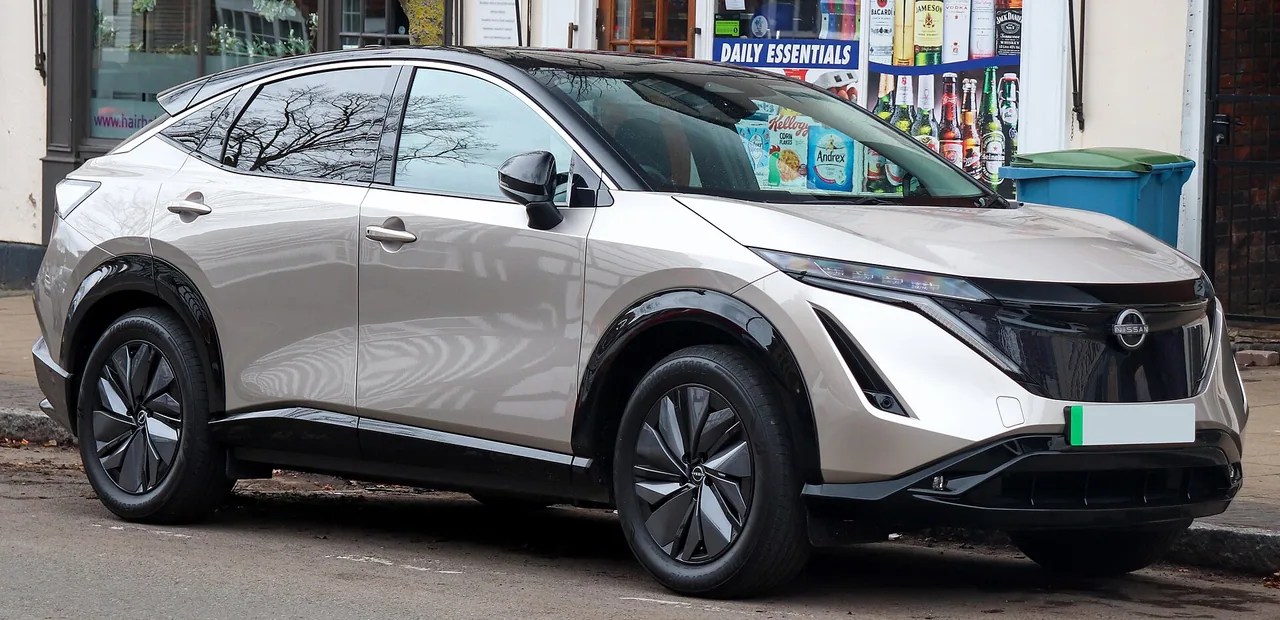
| 2023 Nissan ARIYA Engage FWD 63kWh | 63/100 · Average 8/10 Value-to-Score | $18,150 KBB Fair Purchase · Nov 2026 |
-58.0%
Save $25,040 | $43,190 | 216 mi 130 kW DC · Guide | Checked |
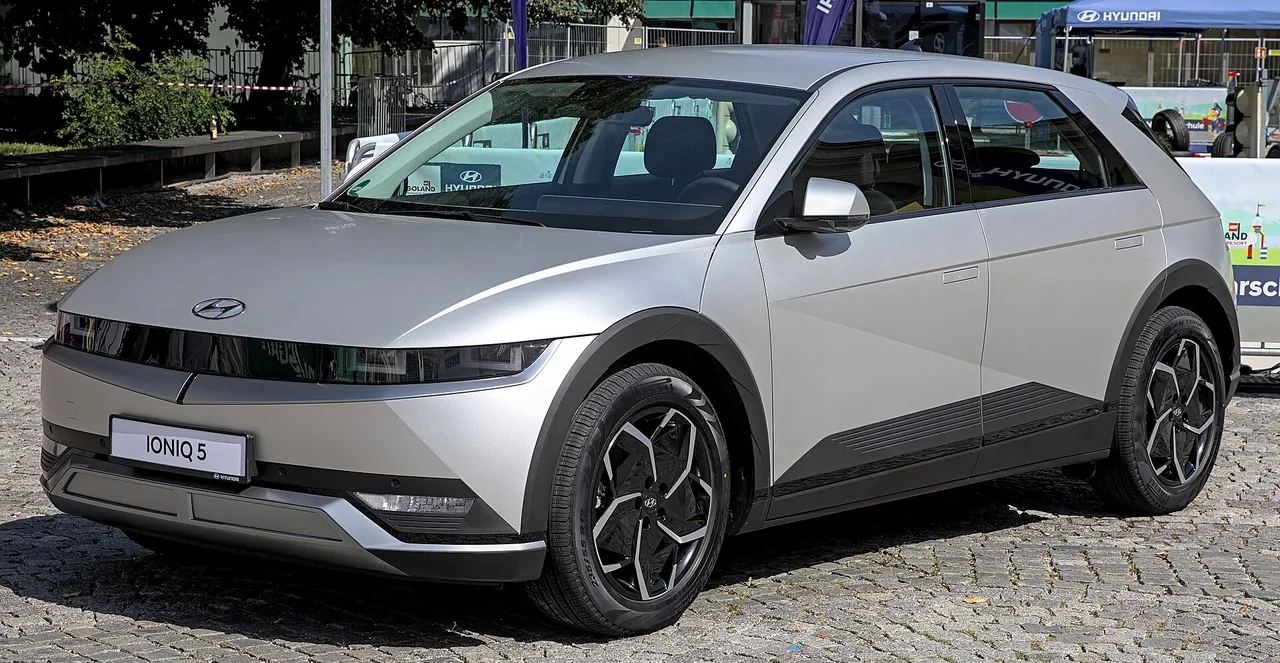
| 2022 Hyundai Ioniq 5 RWD (Standard Range) | 62/100 · Average 8/10 Value-to-Score | $16,800 KBB Fair Purchase · Nov 2026 |
-57.9%
Save $23,150 | $39,950 | 220 mi 235 kW DC · Guide | Checked |
| 62/100 · Average 8/10 Value-to-Score | $18,650 KBB Fair Purchase · Nov 2026 |
-57.6%
Save $25,345 | $43,995 | 250 mi 125 kW DC · Guide | Checked |
Used EV vs. Used Hybrid: Upfront Price, 5-Year Fuel Math & Warranty Standing
Customize with your local gas & electric rate →Used EV prices and EPA efficiency figures come from TrimIndex's November 2026 trim-matched KBB database; hybrid benchmarks illustrate typical 40 MPG compact SUVs (RAV4/CR-V Hybrid) and 52 MPG sedans (Prius/Camry Hybrid).
| Segment | Used EV Value Pick | Comparable Used Gas Car | Est. Fuel / Charging Edge | Warranty Advantage |
|---|---|---|---|---|
| Compact Crossover SUV | 2023 Nissan ARIYA Engage FWD (63 kWh) $18,150 KBB (-58.0% off $43,190 MSRP) · 216 mi EPA | 2022–2023 Toyota RAV4 Hybrid (~40 MPG) Commonly $27K–$31K retail with 35K–55K miles | ~$356/yr vs 40 MPG hybrid (~$1,780 over 5 yrs @ 33 kWh/100 mi) | ~5 yrs federal HV battery left + $8K–$12K lower purchase price |
| Fast-Charging Family SUV | 2022 Hyundai Ioniq 5 RWD Standard Range $16,800 KBB (-57.9% off $39,950 MSRP) · 220 mi EPA | 2021–2022 Honda CR-V Hybrid (~38 MPG) Commonly $24K–$28K retail; oil & transmission service | ~$447/yr vs 38 MPG hybrid (~$2,235 over 5 yrs @ 31 kWh/100 mi) | Active transferable 8-yr+ battery floor (verify ICCU recall 24V-868) |
| AWD Fastback Sedan | 2022 Polestar 2 Dual Motor AWD $19,350 KBB (-61.2% off $49,900 MSRP) · 249 mi EPA | 2022–2023 Toyota Prius / Camry Hybrid (~52 MPG) Commonly $24K–$28K retail with half the horsepower | ~$32/yr vs 52 MPG hybrid (nearly tied @ 38 kWh/100 mi) | Wins via $5K–$8K upfront discount + 4 yrs battery warranty left |
| Luxury AWD Compact SUV | 2022 Audi Q4 e-tron Sportback quattro $22,700 KBB (-56.9% off $52,700 MSRP) · 241 mi EPA | 2022–2023 Lexus UX / NX Hybrid (~39 MPG) Often $30K–$38K used; premium fuel on some trims | ~$324/yr vs 39 MPG regular (~$1,620 over 5 yrs @ 36 kWh/100 mi) | ~4 yrs HV battery coverage + zero engine/CVT/exhaust work |
| 402-HP Dual-Motor SUV | 2022 Volvo C40 Recharge Twin AWD $22,600 KBB (-61.5% off $58,750 MSRP) · 226 mi EPA | 2022–2023 RAV4 Hybrid XSE / Limited (~40 MPG) Often $30K–$34K used despite much lower original MSRP | ~$241/yr vs 40 MPG hybrid (~$1,205 over 5 yrs @ 39 kWh/100 mi) | $7K–$11K lower upfront price + 4 yrs battery protection left |
Math assumes 12,000 miles/yr at $3.30/gal regular gas (40 MPG hybrid = $990/yr; 52 MPG hybrid = $762/yr) vs. home Level 2 charging at $0.16/kWh using each EV's official EPA kWh/100 mi rating. Run your own electric rate and mileage in our Charging Cost Calculator.
Why stubborn hybrid resale values hand used EV buyers a $5,000–$10,000 head start
When comparing brand-new cars, hybrids frequently cost less than equivalent EVs and feel like the low-risk compromise. On the 2-to-4-year-old used market, that relationship completely flips. High consumer demand for Toyota RAV4 Hybrids, Honda CR-V Hybrids, and Toyota Priuses keeps 3-year-old retail prices hovering close to 75%–85% of original sticker.
Meanwhile, TrimIndex's trim-matched pricing shows 41 active-brand used EVs already trading under $25,000 at 40% to 69.6% off original MSRP. A buyer shopping for a used crossover can purchase a 2023 Nissan ARIYA Engage FWD ($18,150 KBB, -58.0% off $43,190) or 2022 Audi Q4 e-tron Sportback quattro ($22,700 KBB, -56.9% off $52,700) for thousands less than a higher-mileage used RAV4 Hybrid—before counting a single kilowatt-hour of energy savings.
Honest 5-year energy & maintenance math: EV vs. 40 MPG SUV vs. 52 MPG Prius
Hybrids narrow the pure fuel gap compared with conventional gas cars, so precision matters. At 12,000 miles per year and $3.30/gal regular gas, a 40 MPG hybrid crossover spends $990 annually ($4,950 over 5 years), while a 52 MPG hybrid sedan spends $762 annually ($3,810 over 5 years). On US-average $0.16/kWh home electricity, a 31–33 kWh/100-mile EV crossover (such as a 2022 Hyundai Ioniq 5 or 2023 Nissan ARIYA) costs $595–$634 per year ($2,976–$3,168 over 5 years).
Against a 40 MPG hybrid SUV, home charging saves $1,780 to $2,235 over five years on top of eliminating oil changes, spark plugs, exhaust systems, and hybrid engine-side wear items. Against a 52 MPG Prius, however, home electricity only saves $150 to $800 over five years—meaning the used EV wins mainly through its $5,000+ lower purchase price, not fuel alone. And if you rely heavily on $0.45–$0.55/kWh public DC fast chargers instead of home charging, a 50+ MPG hybrid actually costs less per mile to fuel.
Enter your local off-peak utility rate (often $0.08–$0.14/kWh overnight) or high coastal rate ($0.30+/kWh) alongside your target hybrid's MPG to see your exact 5-year break-even.
Open EV Home Charging & Gas Savings Calculator →Three situations where a used hybrid still beats a 55%-off used EV
No vehicle powertrain wins every driveway. A used hybrid carries both a gas engine and a smaller traction battery (usually 1–2 kWh), which brings oil changes and engine maintenance—but also zero charging infrastructure friction. Before committing to a discounted used EV, check whether your routine falls into one of the three cases where a used hybrid remains the cleaner fit.
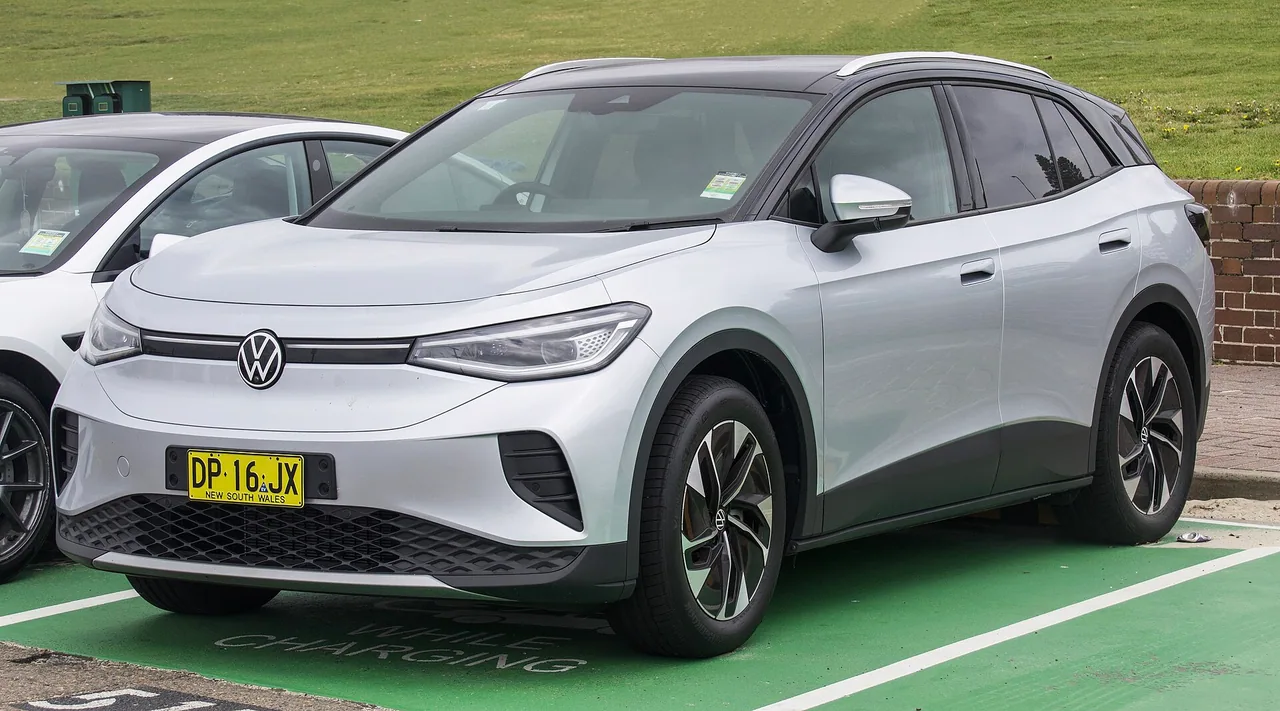
Also filter carefully inside the under-$28,000 EV table itself: notice that the 2022 Mercedes-Benz EQB 350 4MATIC ($22,500 KBB, -61.2%) carries 4 NHTSA Park-Outside advisory recalls and the 2023 VW ID.4 S ($19,350 KBB, -57.3%) carries 3 advisory recalls, while the 2020 Nissan LEAF ($9,900 KBB, 149 mi EPA) and 2022 Mazda MX-30 ($13,400 KBB, 100 mi EPA) are strictly short-range commuters.
- No home or workplace plug-in access: relying on $0.48/kWh public DC fast chargers erases the EV energy advantage over a 40–52 MPG hybrid.
- Frequent 350+ mile rural or sub-freezing winter drives where 25-minute DC stops are impractical.
- High local EV insurance quotes or flat annual state EV registration fees ($200–$300/yr) that offset smaller fuel savings against a 52 MPG Prius—always quote the exact VIN first.
- Always check remaining high-voltage battery coverage (8 yr / 100K mi federal floor, 10 yr / 150K mi in CARB states) before comparing against a hybrid's 10-year/150K hybrid battery warranty.
Actionable Buyer Checklist
Before you sign on a discounted used EV
- 1 Verify you can charge at home (120V for under 35 mi/day or 240V Level 2) and check your utility's off-peak $/kWh rate before comparing against a 40–52 MPG hybrid.
- 2 Add local annual state EV registration fees and a VIN-specific insurance quote to both sides of your 5-year budget.
- 3 Use TrimIndex's Battery Warranty Checker to verify exact years and miles remaining on the EV's transferable federal or CARB high-voltage warranty.
- 4 Screen out NHTSA Park-Outside advisory recalls (such as 2022 Mercedes EQB and 2023 VW ID.4) and verify ICCU recall completion on Hyundai/Kia E-GMP models.
- 5 Compare financing cost: saving $6,000–$9,000 upfront on a 55%-off used EV reduces 60-month loan interest by $1,000+ even before fuel savings.
Frequently asked questions
Is a used EV cheaper than a used hybrid over 5 years?
For drivers with home charging at US-average electric rates ($0.14–$0.18/kWh), yes—primarily because used EVs sell $5,000 to $10,000 cheaper upfront than equivalent 3-year-old RAV4 Hybrids or CR-V Hybrids. Over 5 years (60,000 miles), a clean 2022–2024 used EV also saves $1,500–$2,200 in energy vs a 40 MPG hybrid SUV and eliminates engine oil and exhaust maintenance.
Does a used EV save much money on fuel compared with a 52 MPG Prius?
At $0.16/kWh home charging and $3.30/gal gas, a 52 MPG Prius costs about $762/year to fuel at 12,000 miles/year, while an efficient 30–33 kWh/100 mi EV costs $576–$634/year—a modest $130–$185 annual fuel edge. Against a Prius, the used EV's financial advantage comes mainly from buying a 50%–60% depreciated car for $5,000+ less upfront.
What if my home electricity costs $0.30 to $0.40 per kWh?
At $0.35/kWh (without an off-peak EV time-of-use plan or home solar), a 33 kWh/100 mi EV costs about $1,386/year for 12,000 miles—more than a 40 MPG hybrid ($990/year at $3.30/gal). Check your utility's overnight EV tariff first; if overnight power stays above $0.30/kWh, run the 5-year math carefully against your upfront purchase savings.
Which has a better battery warranty: a used hybrid or a used EV?
Toyota hybrids from 2020 onward carry a 10-year/150,000-mile hybrid battery warranty. All active-brand US EVs carry at least an 8-year/100,000-mile transferable federal battery warranty—extended to 10 years/150,000 miles in CARB states on qualifying trims, and 10 years/155,000 miles nationwide on Mercedes EQS/EQE.
Do hybrids need more maintenance than fully electric used cars?
Yes. Because a hybrid still runs a gasoline internal combustion engine, it requires oil changes, engine air filters, spark plugs, cooling system service, and exhaust/catalytic converter upkeep (and hybrid catalytic converters are frequent theft targets). Both hybrids and EVs save heavily on brake pads thanks to regenerative braking.
Keep Reading
All 18 buyer guides →Used EV vs. Used Gas SUV at $25,000: Why 50%-Off Electric Crossovers Beat Used RAV4 & CR-V Pricing
Used Electric Sedan vs. Used Gas Sedan Under $20,000: Why 50%-Off EVs Out-Value Used Camry & Civic Prices
Off-Lease 2023–2024 Used EVs With the Steepest Verified MSRP Discounts
LFP vs. NMC Batteries in Used EVs: Longevity, Cold Weather, Charging & Real SoH Data
Related TrimIndex Data & Tools