Audi Q6 e-tron vs. Porsche Macan Electric: Shared 800V PPE Bank-Charging vs. Porsche Badge Tax
Updated
Platform Twin Verdict
Audi and Porsche co-developed the 800-volt PPE platform underneath both the Q6 e-tron and Macan Electric, giving each a ~113.8-inch wheelbase, ~95 kWh usable battery, and 270 kW charging that splits into dual 400V banks on legacy stations. Yet the Audi delivers slightly longer 307–321-mile EPA range and softer pricing while logging 45 launch-year complaints (11 for sudden power loss), whereas Leipzig's pricier Macan Electric posts just 10 complaints across 2024–2026.
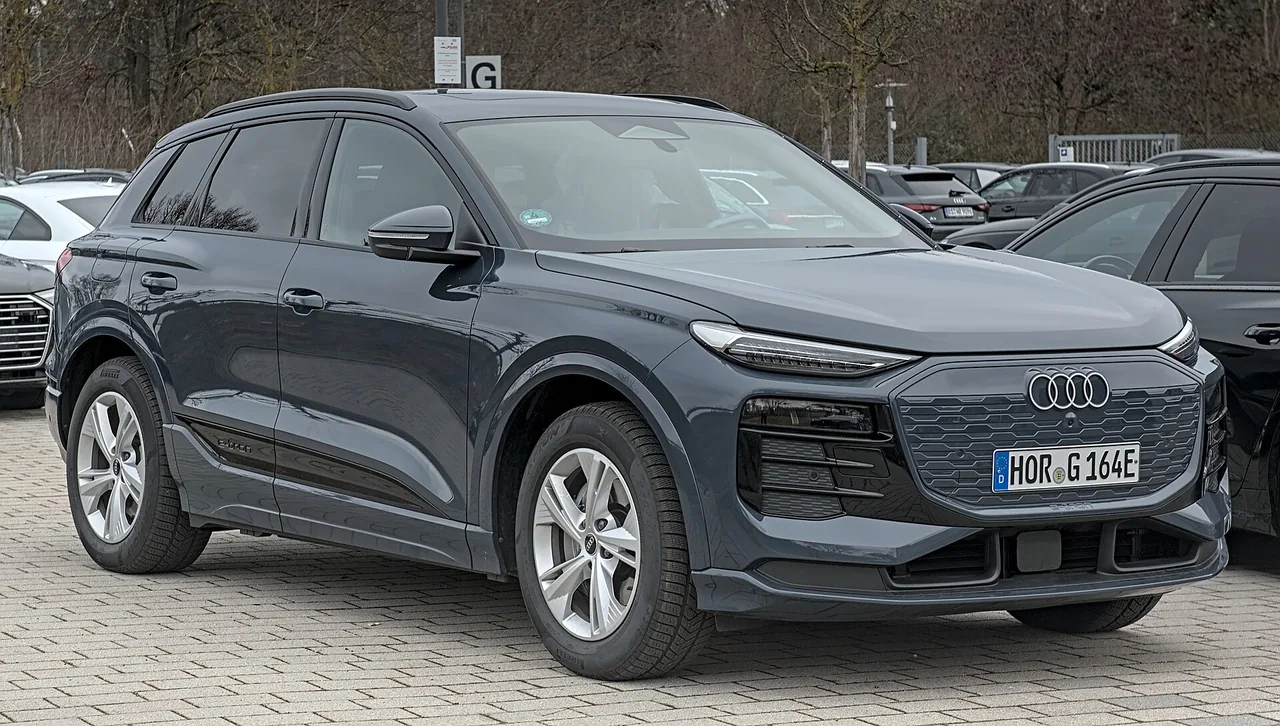
Audi Q6 e-tron
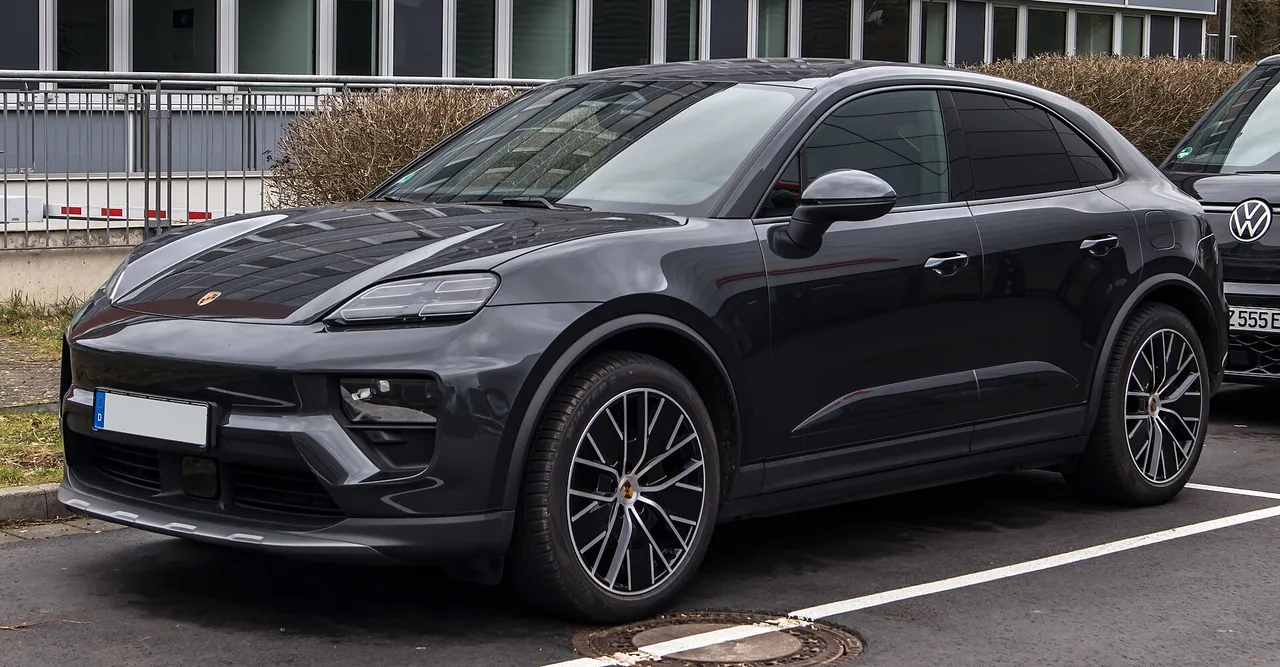
Porsche Macan Electric
Latest Data Refresh Check · Nov 25, 2026
Reviewed data refresh (2026-11-25) updated records for Q6 e-tron (2025: new NHTSA complaints) and Macan Electric (2026); tables and dates below reflect the refreshed snapshot.
Live Market & Badge-Tax Readout
What you pay for the badge: new MSRP vs. used market
Current market snapshot: Q6 e-tron: $38,996–$49,913 (Used dealer asking prices) vs. Macan Electric: $61,400–$86,200 (KBB).
Q6 e-tron ($29,050 lower avg MSRP)
TrimIndex never blends KBB, J.D. Power, and dealer asking figures into one range.
Where dealer asking prices are shown above or in the timeline below, figures summarize active US used dealer listings (asking prices, not final sale prices; excluded from Value-to-Score).
Day-to-Day Ownership Split
Where Q6 e-tron and Macan Electric actually diverge
Sharing a platform does not mean identical ownership. Here are the concrete calibration, cabin, software, charging, and dealer differences buyers feel every day.
Badge Premium & Option Inflation
Shoppers focused on 800V charging and everyday luxury utility get essentially the same electric propulsion hardware in the Q6 for far less money.
Early NHTSA Reliability Signal
Macan Electric's cleaner early complaint rate offsets part of Audi's sticker advantage until Ingolstadt software updates prove durable.
EPA Range & Efficiency
Q6 e-tron squeezes slightly better efficiency and range from the exact same 100 kWh gross battery.
Driving Position & Chassis Feel
Porsche earns its enthusiast reputation through steering precision and body control that the standard Q6 intentionally trades for plush commuting comfort.
Cockpit Architecture & Software
Porsche's tactile console climate toggles win over buyers fatigued by screen-centric cabin controls.
Refreshed EPA, charging & safety specs side by side
Pulled directly from TrimIndex’s EPA Fuel Economy, NHTSA NCAP, and charging-access database (NHTSA records through Nov 22, 2026).
| Specification | Audi Q6 e-tron | Porsche Macan Electric |
|---|---|---|
| EPA range (all trims) EPA Fuel Economy Guide | 307–321 mi | 288–315 mi |
| Efficiency (lower is better) EPA Fuel Economy Guide | 32.5–34.0 kWh/100 mi | 34.1–37.2 kWh/100 mi |
| Usable battery capacity | 94.4 kWh | 95.0 kWh |
| Peak DC fast charging | 260–270 kW | 270 kW |
| Rated horsepower | 302–422 hp | 355–563 hp |
| Drivetrains offered | AWD, RWD | AWD, RWD |
| Seating capacity | 5 seats | Not on file |
| Fast-charging port & Supercharger | CCS1 (Combined Charging System) · Announced, start not confirmed | CCS1 (Combined Charging System) · With an adapter |
| NHTSA 5-Star overall rating NHTSA NCAP crash tests | 5 of 5 stars | Not rated |
PPE's 800-volt bank-charging advantage: why both twins crush older 400V stations
Early 800-volt EVs like the first-generation Porsche Taycan struggled at widespread 400-volt DC chargers unless buyers paid extra for a heavy 150 kW onboard DC-DC voltage booster. Audi and Porsche engineered PPE from day one to solve that headache cleanly inside the battery pack itself.
When either a Q6 e-tron or Macan Electric plugs into a 400-volt fast charger, high-voltage contactors automatically split the 800-volt battery into two parallel 400-volt banks of equal voltage, allowing both halves to charge simultaneously at up to 135 kW without conversion losses. On true 800-volt stations, both climb to 270 kW (260 kW on RWD Q6) for roughly 21-minute 10%–80% refills. That shared electrical architecture is the real headline value hidden behind both grilles.
Ingolstadt's E3 1.2 launch hiccups vs. Leipzig's quieter Macan rollout
Both PPE twins debut Volkswagen Group's long-delayed E3 1.2 centralized electronic architecture—a five-computer nervous system designed to replace dozens of scattered legacy control units. Early US NHTSA filings show Audi bearing the sharper initial growing pains: the 2025 Q6 e-tron already accumulates 45 complaints and three recalls, with 11 of those 45 owners (24%) reporting sudden loss of drive power or high-voltage drivetrain faults.
Porsche launched the Macan Electric slightly earlier for 2024 out of Leipzig and totals just 10 complaints and six recalls across 2024–2026 builds (five complaints in 2024, five in 2025). While fleet sizes differ and neither model yet has mature multi-year SoH data on file, prospective Q6 e-tron buyers should insist on confirming every E3 1.2 software campaign and high-voltage module update is applied before taking delivery.
Both Q6 e-tron and Macan Electric are too new for multi-year reliability standings. Check TrimIndex's federal ODI tracker for any emerging PPE investigations before closing.
Open NHTSA EV Investigations Tracker →Where badge-tax arbitrage lands as first-year PPE inventory hits the used lot
On the new-car showroom floor, a well-optioned Macan 4 easily climbs far past an Audi Q6 e-tron quattro Prestige even though both carry the identical ~95 kWh battery, 270 kW charging hardware, and ~113.8-inch wheelbase. Because first-year luxury Audi EVs historically depreciate steeper off MSRP than comparable Porsche SUVs, watch the refreshed single-source pricing cards above: the used dollar gap between a lightly driven 2025 Q6 e-tron and a 2024–2025 Macan 4 represents pure badge and chassis-tuning spend.
Drivers who care most about rear-seat headroom, 307–321-mile range, and 21-minute fast-charging trips pocket meaningful savings with the Q6. Enthusiasts who value low seating ergonomics, tactile climate toggles, and Porsche steering calibration—and want lower early NHTSA complaint noise—have concrete engineering reasons to step up to Leipzig's version.
- Q6 e-tron edge: lower entry sticker, 307–321 mi EPA range, 32.5–34.0 kWh/100 mi efficiency, and verified 5-star NHTSA crash rating.
- Macan Electric edge: broader 355–563 hp lineup, sharper chassis tuning, frameless doors, physical HVAC toggles, and fewer early NHTSA complaints (10 vs. 45).
- Shared blind spot: neither PPE pack has verified third-party OBD SoH scans on file yet due to recent 2024–2025 launch timing.
Model-year timeline: Q6 e-tron vs. Macan Electric
Refreshed automatically from TrimIndex’s database on each reviewed run so you can spot overlapping model years, Avoid flags, and pricing shifts.
| Year | Q6 e-tron Score & Standing | Q6 e-tron Price | Macan Electric Score & Standing | Macan Electric Price |
|---|---|---|---|---|
| 2026 | Not sold | Not produced No US model year | $80,125–$102,019 Dealer asking · Nov 2026 | |
| 2025 | $38,996–$49,913 Dealer asking · Nov 2026 | $62,147–$95,324 Dealer asking · Nov 2026 | ||
| 2024 | Not sold | Not produced No US model year | $61,400–$86,200 KBB · Nov 2026 |
Which platform twin should you buy?
Choose the Audi Q6 e-tron if…
- You want PPE's 800V 270 kW bank-charging hardware and 307–321-mile EPA range without paying Porsche option-sheet markups.
- Slightly taller rear-seat headroom, boxy cargo space, and a verified 5-star NHTSA crash rating top your family checklist.
- You find a lightly used 2025 Q6 with verified E3 1.2 software updates and clean dealer service history.
Choose the Porsche Macan Electric if…
- Lower seating posture, taut steering feel, and Porsche chassis balance matter more than maximizing cargo height.
- You prefer physical climate toggles on the console and want the cleaner early NHTSA complaint record (10 filings across 2024–2026).
- You plan to keep the SUV long-term and value Porsche's stronger brand resale support and Porsche Approved CPO coverage.
Used-Market Sweet Spot
Value-focused buyers willing to verify clean dealer software history get massive hardware parity in a lightly depreciated 2025 Audi Q6 e-tron quattro (307 mi EPA, 422 hp). Buyers prioritizing sharper driving dynamics and calmer debut reliability should look for a well-optioned 2024–2025 Macan 4 that already absorbed its initial depreciation hit on a dealer lot.
Q6 e-tron & Macan Electric platform questions
Do the Audi Q6 e-tron and Porsche Macan Electric share the same platform?
Yes. Both were co-developed on the 800-volt VW Group PPE platform with a nearly identical ~113.8-inch wheelbase, 100 kWh gross (~94.4–95 kWh usable) 12-module NMC battery, silicon-carbide rear inverter, and 270 kW peak DC fast charging with dual-400V split-bank charging.
How does 800V bank charging work on the Q6 e-tron and Macan Electric?
When plugged into an older 400-volt DC fast charger, internal battery switches automatically divide the 800-volt pack into two parallel 400-volt halves so both charge simultaneously at up to 135 kW. On 800-volt stations, the full pack charges at up to 270 kW (260 kW on RWD Q6).
Why does the 2025 Audi Q6 e-tron have more NHTSA complaints than the Macan Electric?
In NHTSA records, the debut 2025 Audi Q6 e-tron already totals 45 complaints (with 11 citing sudden loss of drive power) and three recalls, while the 2024–2026 Porsche Macan Electric totals 10 complaints and six recalls. Early software teething on Audi's E3 1.2 rollout drove the initial gap, making dealer campaign verification essential on 2025 Q6 units.
Which gets better EPA range: the Audi Q6 e-tron or Porsche Macan Electric?
The Audi Q6 e-tron edges out the Porsche slightly, earning 307 to 321 miles EPA at 32.5–34.0 kWh/100 mi versus 288 to 315 miles EPA at 34.1–37.2 kWh/100 mi on the Macan Electric—mainly because Audi fits narrower rolling-resistance tires and milder motor outputs on core trims.
Are the Audi Q6 e-tron and Porsche Macan Electric built in the same factory?
No. Although they share the co-developed PPE architecture, Audi assembles the Q6 e-tron at its main plant in Ingolstadt, Germany, while Porsche builds the Macan Electric at its dedicated facility in Leipzig, Germany.