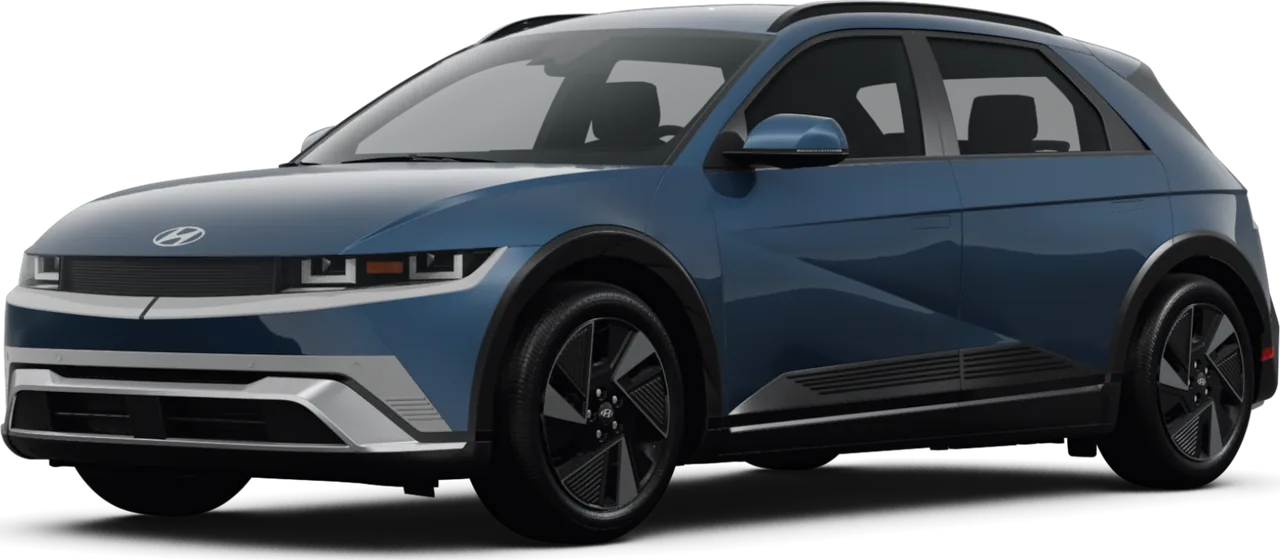
2025 Hyundai Ioniq 5 AWD
19" wheels
Premium Electric SUV · AWD
Based on battery health, build quality, owner data, EPA range, and market pricing
Below average for 2025 EV SUVs (class avg 66)
Personalize this scoreIs a low score bad?
Last scanned 12 days ago
The 2025 Hyundai Ioniq 5 AWD (19-inch wheels) packs 320 hp, 290 miles of EPA range and a 80 kWh battery, and park-outside or do-not-drive risk hangs over the trim — verify the VIN before you negotiate.
Score read
A 64/100 makes this a paperwork-and-test-drive decision. Software and driver-assist score is the cleaner read at 83/100; range and efficiency score needs more diligence at 44/100. Owners on Reddit repeatedly cite build quality and software tech as recurring problems. A clean VIN lookup matters more than the headline count.
Price context
The original sticker was $50,050. Used pricing varies by miles, condition, and how this model is moving in the market; pull a current KBB Fair Purchase or Edmunds True Market Value for this exact trim and anchor your offer there, not the sticker.
Who this is for
✓ Good for
- ★ Weekend driver Performance, fun, low mileage
✗ Avoid if you are a
- ⏱ Daily commuter ≤50 mi/day, predictable charging
- ☷ Family hauler 3+ kids, cargo, towing
- $ Bargain hunter Best TCO, reliability + low depreciation
Gotchas
- Serviceable Recall paperwork has to match the exact VIN.
Mitigation Use NHTSA and the automaker lookup, then require repair records instead of a verbal promise.
- Built in Range is the easy place to overbuy this trim (44/100).
Mitigation Check your commute, winter margin, and fast-charge plan before you assume the EPA number fits your use.
- Verify Current market pricing is not confirmed well enough for this trim.
Mitigation Compare KBB, J.D. Power, and live listings for the same trim before treating price as a buying signal.
Pre-purchase inspection
- 1 Run the exact VIN through NHTSA and the automaker recall lookup before discussing price.
- 2 Compare the dashboard range estimate with the EPA 290-mile rating after a full charge.
- 3 Confirm how much of the 10-year/100,000-mile battery warranty remains and whether it transfers.
- 4 If road trips matter, run a short DC fast-charge session and watch whether speed tapers normally.
- 5 Map your normal highway route and winter margin against the EPA range before you treat it as a road-trip car.
VIN status first This model has 8 NHTSA recall records. The exact VIN lookup decides whether the car in front of you is clear.
Complaint context This scan found 253 NHTSA complaint records (25.3 per 10K VINs, elevated — verify before purchase). Read the themes below before treating the raw count as the verdict.
Price anchor Current market range is $37,614-$44,100. Use that range to compare listings for the same trim, mileage, and condition.
Pricing & Market Value
A64-rated trim trading 18% below MSRP. Higher discounts on higher-quality vehicles score better — this signal is orthogonal to the TrimIndex composite, not part of it.
Score Breakdown
What matters most to you?
Drag the sliders to prioritize what you care about. Your TrimIndex Score recalculates instantly.
Vehicle Specifications
EVs at your price point that match or beat this trim
Price-gated peer set: vehicles within $32.7K–$49.0K market value (±20% of $40.9K). 6 outscore · 0 score within ±2. Mixed across makes — no "spend more, score better" comps.
Ioniq 5
- ✓ Happier owners overall
- ✓ Notably better build quality
- ✓ Better infotainment UX
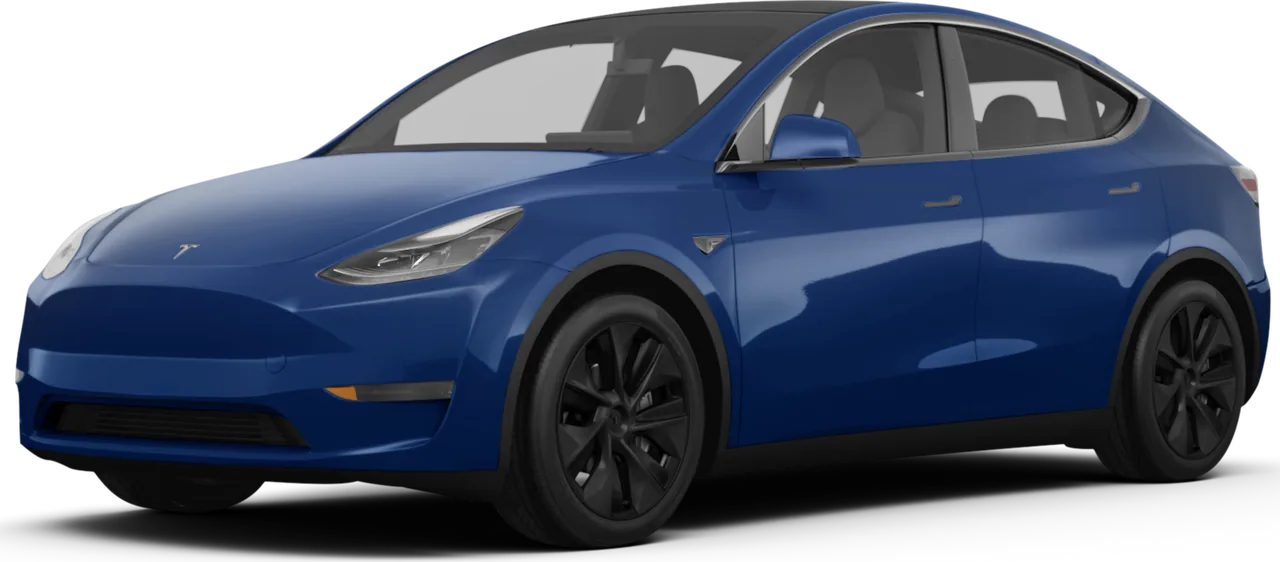
Model Y
- ✓ Notably better build quality
- ✓ +21 mi more range
- ✓ Stronger safety record
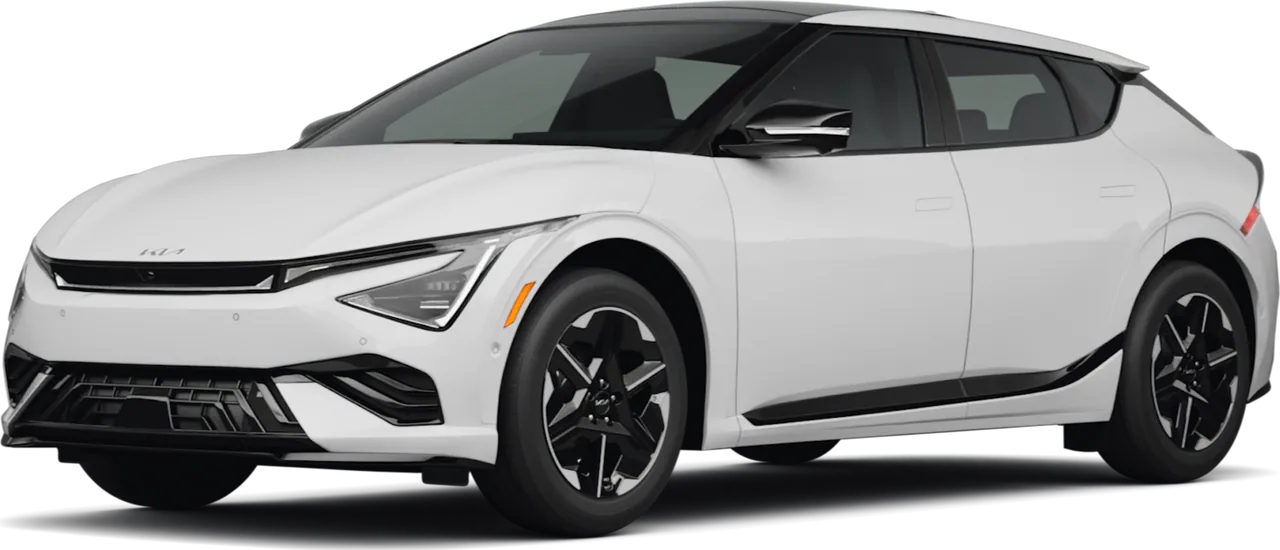
EV6
- ✓ Notably better build quality
- ✓ +29 mi more range
- ✓ Stronger safety record
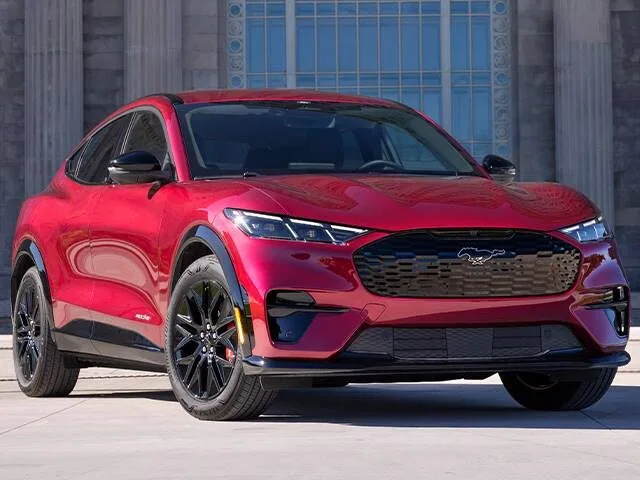
Mustang Mach-E
- ✓ Notably better build quality
- ✓ +30 mi more range
- ✓ Better infotainment UX
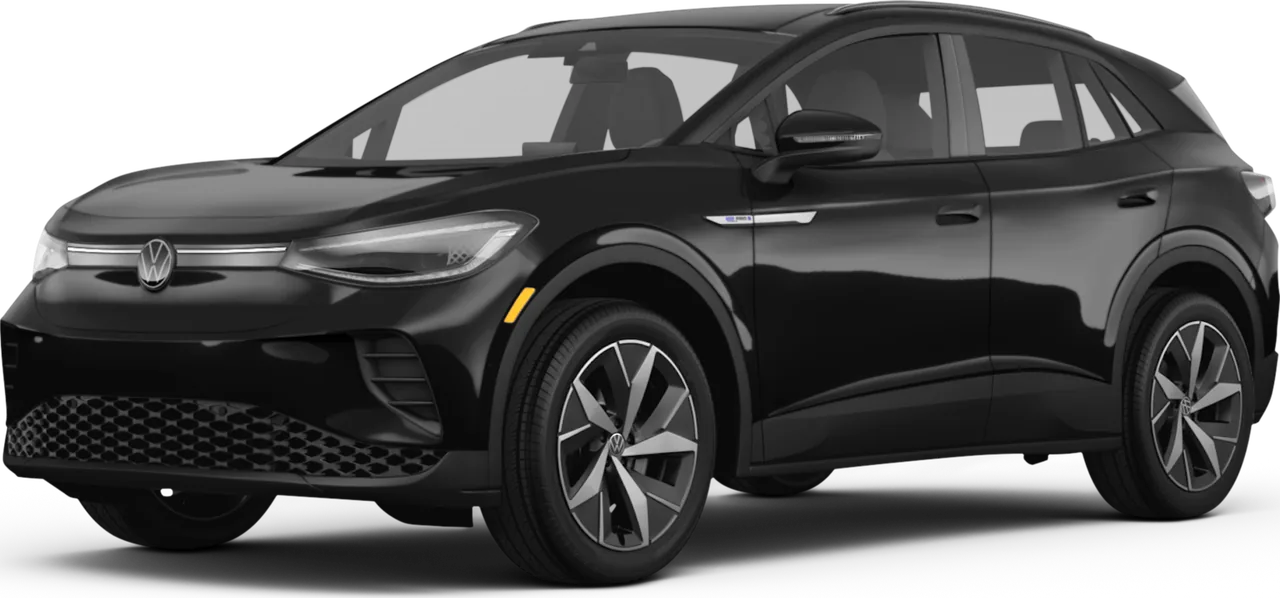
ID.4
- ✓ Notably better build quality
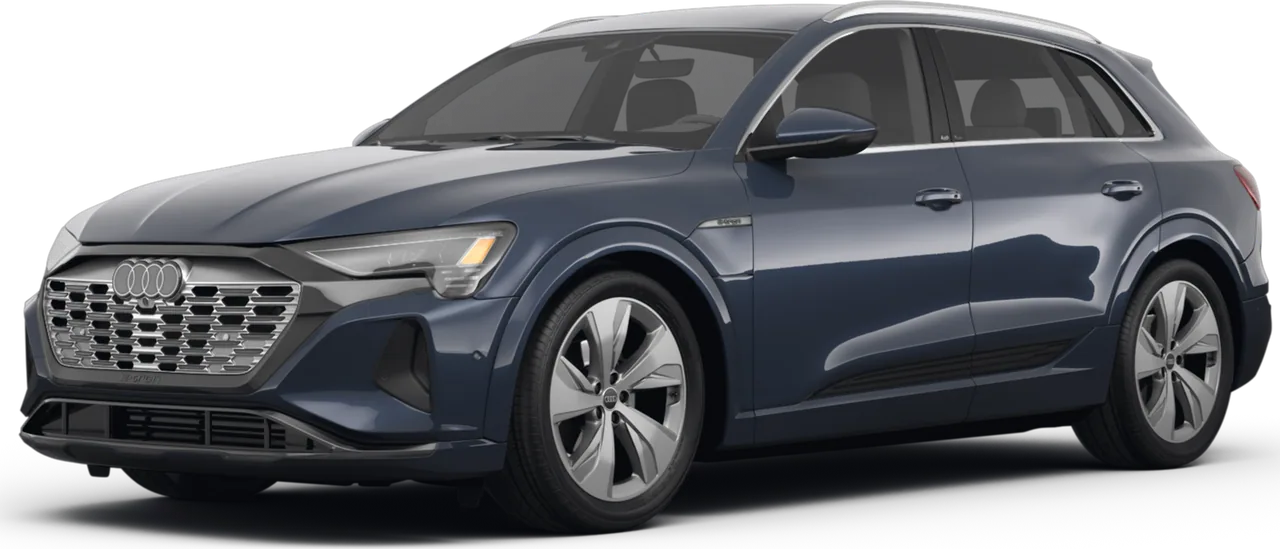
Q8 e-tron
- ✓ Notably better build quality
- ✓ Better bang-for-buck
- ✓ +10 mi more range
The federal $4,000 used-EV credit ended Sept 30, 2025.
But 10 states still run their own used-EV rebate programs — some up to $5,000. Pick your state to see what's available for this trim.
Source & disclaimer
Dealers make ~$11,013 on the average car loan.
After the price is set, the finance manager runs four plays to rebuild margin. Every buyer without a pre-approval is a target. Here's exactly what they run — and what stops each one.
78% of dealer loans carry a hidden +1.13% markup above what the lender actually charges. You never see it — it's buried in the contract. · CFPB
Dealer must match or beat your lender — they can't add margin invisibly. The markup play is dead on arrival.
Once you answer, they stretch the term to hit your number. Median result: $4K less off the price, 12 more months on the loan. · Industry avg
Financing is done. Only the sale price is on the table — and the dealer knows it.
Back-office F&I profit averages $1,975/vehicle, up 8.5% YoY. These products exist — but dealer markup is 4–10x what you'd pay elsewhere. · Dealership Guy
Dealer GAP runs $500–1K. Your insurer sells the same coverage for $100–250 over 5 years. Now you know.
"Your loan fell through — come re-sign." This pulls your APR up +5% on average. It's legal. It works because you've already driven the car home. · Ctr for Responsible Lending
A lender commitment letter means the deal is final. "Pending dealer approval" doesn't apply. You can't be yo-yo'd.
That's 18 months of your car payment — handed to the dealer's finance department for nothing.
Takes 2 minutes. No obligation to use it — but you'll walk in with all the leverage.
Pre-approval is a soft credit inquiry — no score impact. FICO treats all auto-loan hard pulls within 14 days as one, so you can still shop rates at the dealer.
NHTSA Recalls (8)
DRIVE
Hyundai Motor America (Hyundai) is recalling certain 2025 IONIQ 5 vehicles. The high voltage battery system may contain an improperly tightened bus bar, which can cause a short-circuit.
An electrical short in the high voltage battery system increases the risk of a fire.
Check VIN status at NHTSA.govHyundai Motor America (Hyundai) is recalling certain 2025-2026 IONIQ 5 and 2026 IONIQ 9 vehicles. The high voltage battery system may contain an improperly tightened bus bar, which can cause a short-circuit.
An electrical short in the high voltage battery system increases the risk of a fire.
Check VIN status at NHTSA.govHyundai Motor America (Hyundai) is recalling certain 2025 IONIQ 5 vehicles. The seat belt retractors for the driver and front passenger seats may not be securely fastened.
An improperly secured seat belt retractor may not function properly in a crash, increasing the risk of injury.
Check VIN status at NHTSA.govHyundai Motor America (Hyundai) is recalling certain 2025 IONIQ 5 electric vehicles. Certain rear suspension alignment adjustment bolts may have been improperly tightened, which can cause a loss of vehicle stability control.
A loss of vehicle stability control increases the risk of a crash.
Check VIN status at NHTSA.govHyundai Motor America (Hyundai) is recalling certain 2025 Hyundai IONIQ 5 vehicles. The right-side headlight may have an incorrect headlight aim label, which can result in improperly aimed headlights. As such, these vehicles fail to comply with the requirements of Federal Motor Vehicle Safety Standard number 108, "Lamps, Reflective Devices, and Associated Equipment."
Improperly aimed headlights can result in insufficient illumination of the road, decreasing the driver's visibility and increasing the risk of a crash.
Check VIN status at NHTSA.govHyundai Motor America (Hyundai) is recalling certain 2025 Hyundai IONIQ 5 "N" vehicles equipped with left-foot braking (LFB) and N e-shift features. The integrated electronic brake (IEB) and vehicle control unit (VCU) software may cause reduced braking performance when LFB is activated. Additionally, the vehicle may continue to accelerate after the pedal is released and the vehicle's N e-shift feature is engaged.
Reduced braking performance and unexpected, continued acceleration increase the risk of a crash.
Check VIN status at NHTSA.govHyundai Motor America (Hyundai) is recalling certain 2025 Hyundai IONIQ 5 "N" vehicles equipped with a left-foot braking (LFB) feature. The integrated electronic brake (IEB) and vehicle control unit (VCU) software may cause reduced braking performance when LFB is activated.
Reduced braking performance can increase the distance required to stop the vehicle, increasing the risk of a crash.
Check VIN status at NHTSA.govHyundai Motor America (Hyundai) is recalling certain 2025 IONIQ 5 EV vehicles. The rear floor wiring harness may contain an open circuit, which can result in the rear side air bag not deploying as intended.
A rear side air bag that does not deploy as intended can increase the risk of injury in a crash.
Check VIN status at NHTSA.govNHTSA Complaints (253 total · 25.3 per 10K US vehicles · elevated — verify before purchase)
I was driving on the highway when the car suddenly flashed a “check power supply” warning and then immediately shut down. I was traveling approximately 55 mph when the car came to a sudden stop and I was almost rear-ended as a consequence. I was not rear ended because I had a wide shoulder to immediately pull over onto, but if this had happened in a location without a shoulder, it likely would have caused an accident.
I was driving on the highway when the car suddenly flashed a “check power supply” warning and then immediately shut down. I was traveling approximately 55 mph when the car came to a sudden stop and I was almost rear-ended as a consequence. I was not rear ended because I had a wide shoulder to immediately pull over onto, but if this had happened in a location without a shoulder, it likely would have caused an accident.
1. The Integrated Charging Control Unit (ICCU) and associated high-voltage harness/fuse appear to have failed. According to the dealership, both the ICCU harness and a high-voltage fuse are being replaced. The vehicle is still at the dealer for repairs and can be made available for inspection upon request. 2. While merging onto a freeway on-ramp after charging at a Tesla Supercharger in Barstow, California, the vehicle suddenly stalled, losing all propulsion power. This occurred in live traffic while attempting to accelerate, putting me at significant risk of a collision. I was forced to stop the vehicle on the on-ramp and eventually had to call a tow truck. The situation was hazardous, as there was no shoulder to safely exit the vehicle and other vehicles were traveling at high speeds. 3. Yes. The issue was confirmed by the authorized Hyundai dealership where the vehicle was towed. The dealership stated that the ICCU harness and a high-voltage fuse are being replaced under warranty. However, they have also indicated that the required parts are backordered, and no ETA has been provided. 4. The vehicle has been inspected by a Hyundai dealership technician, and Hyundai Motor America is involved in the case. It has not been inspected by police or insurance representatives. Hyundai Customer Care has acknowledged the issue and is in contact with me, but a resolution has not yet been reached. 5. Yes. Approximately 5 to 10 seconds after finishing DC fast charging at the Barstow Tesla Supercharger, the vehicle displayed a brief warning message related to the charging system. Unfortunately, the warning disappeared quickly before I could take a photo or read it in full. Immediately after, as I attempted to enter the freeway on-ramp, the vehicle stalled.
1. The Integrated Charging Control Unit (ICCU) and associated high-voltage harness/fuse appear to have failed. According to the dealership, both the ICCU harness and a high-voltage fuse are being replaced. The vehicle is still at the dealer for repairs and can be made available for inspection upon request. 2. While merging onto a freeway on-ramp after charging at a Tesla Supercharger in Barstow, California, the vehicle suddenly stalled, losing all propulsion power. This occurred in live traffic while attempting to accelerate, putting me at significant risk of a collision. I was forced to stop the vehicle on the on-ramp and eventually had to call a tow truck. The situation was hazardous, as there was no shoulder to safely exit the vehicle and other vehicles were traveling at high speeds. 3. Yes. The issue was confirmed by the authorized Hyundai dealership where the vehicle was towed. The dealership stated that the ICCU harness and a high-voltage fuse are being replaced under warranty. However, they have also indicated that the required parts are backordered, and no ETA has been provided. 4. The vehicle has been inspected by a Hyundai dealership technician, and Hyundai Motor America is involved in the case. It has not been inspected by police or insurance representatives. Hyundai Customer Care has acknowledged the issue and is in contact with me, but a resolution has not yet been reached. 5. Yes. Approximately 5 to 10 seconds after finishing DC fast charging at the Barstow Tesla Supercharger, the vehicle displayed a brief warning message related to the charging system. Unfortunately, the warning disappeared quickly before I could take a photo or read it in full. Immediately after, as I attempted to enter the freeway on-ramp, the vehicle stalled.
The dealership performed the software update from the Hyundai recall 275. After the update, when using the e-shift feature in N mode the car sometimes will accelerate out of control on its own without the accelerator pedal being engaged. Hyundai also changed the motor sounds and e-shift feel.
The dealership performed the software update from the Hyundai recall 275. After the update, when using the e-shift feature in N mode the car sometimes will accelerate out of control on its own without the accelerator pedal being engaged. Hyundai also changed the motor sounds and e-shift feel.
The contact owns a 2025 Hyundai Ioniq 5. The contact received notification of NHTSA Campaign Number: 25V797000 (Seat Belts); however, the part to do the recall repair was unavailable. The contact stated that the manufacturer had exceeded a reasonable amount of time for the recall repair. The dealer was contacted, and it was confirmed that the part was not available. The manufacturer was made aware of the issue, and a case was opened. The contact had not experienced a failure.
The contact owns a 2025 Hyundai Ioniq 5. The contact received notification of NHTSA Campaign Number: 25V797000 (Seat Belts); however, the part to do the recall repair was unavailable. The contact stated that the manufacturer had exceeded a reasonable amount of time for the recall repair. The dealer was contacted, and it was confirmed that the part was not available. The manufacturer was made aware of the issue, and a case was opened. The contact had not experienced a failure.
My Ioniq5 has experienced a recurring water leak that has repeatedly exposed the left rear seat belt and seat belt retractor to large amounts of water. I noticed recently that after it had rained the left back seat belt was soaked and dripping water when pulled out. After fully pulling out the belt as far as it would go it was clear that the water had fully soaked the belt and retractor. It is unclear when this started or how long this has been occurring, as there was no warning or other indication that there was a leak until the belt happened to be put on soon after it had rained. I am uncertain if this poses an actual risk to the function of the seat belt or seat belt retractor. However, even though it is unknown if the water intrusion limits the seat belt's function, there is a perceived risk that this could corrode or degrade the function of the internal components due to the repeated water exposure. The car was taken to the dealership twice. The first time they claimed they were unable to repeat the issue. However, days later it rained again and the belt and retractor were again soaked. After the second return to the dealership they were able to confirm a leak in the glass roof of the vehicle that was allowing the intrusion to the seat belt and retractor. The car is still currently at the dealer awaiting repair for the water leak with an unknown timeline
My Ioniq5 has experienced a recurring water leak that has repeatedly exposed the left rear seat belt and seat belt retractor to large amounts of water. I noticed recently that after it had rained the left back seat belt was soaked and dripping water when pulled out. After fully pulling out the belt as far as it would go it was clear that the water had fully soaked the belt and retractor. It is unclear when this started or how long this has been occurring, as there was no warning or other indication that there was a leak until the belt happened to be put on soon after it had rained. I am uncertain if this poses an actual risk to the function of the seat belt or seat belt retractor. However, even though it is unknown if the water intrusion limits the seat belt's function, there is a perceived risk that this could corrode or degrade the function of the internal components due to the repeated water exposure. The car was taken to the dealership twice. The first time they claimed they were unable to repeat the issue. However, days later it rained again and the belt and retractor were again soaked. After the second return to the dealership they were able to confirm a leak in the glass roof of the vehicle that was allowing the intrusion to the seat belt and retractor. The car is still currently at the dealer awaiting repair for the water leak with an unknown timeline
When in cruise control, the driver attention warning message appears regardless of where my eyes might be, whether I am wearing glasses or sunglasses or not, with nothing obstucting the sensor, with the steering wheel adjusted higher or lower. I have since May of 2025 tried to figure out how to get it to work properly to no avail. The warning continues to appear with an alarm ubntil it turns the motor off completely, even at highway speed causing an extremely dangerous situation. Additionally, I depend on the cruise control to help me maintain a safe, legal speed. This malfunction, rather than being a safety feature, is a distraction to safe driving. It CAUSES distraction, rather than provide safety. Hyundai is fully aware of this deficiency, yet has not addressed it I know that Many have experienced this smae problem. It is time for a recall to remedy this problem.
When in cruise control, the driver attention warning message appears regardless of where my eyes might be, whether I am wearing glasses or sunglasses or not, with nothing obstucting the sensor, with the steering wheel adjusted higher or lower. I have since May of 2025 tried to figure out how to get it to work properly to no avail. The warning continues to appear with an alarm ubntil it turns the motor off completely, even at highway speed causing an extremely dangerous situation. Additionally, I depend on the cruise control to help me maintain a safe, legal speed. This malfunction, rather than being a safety feature, is a distraction to safe driving. It CAUSES distraction, rather than provide safety. Hyundai is fully aware of this deficiency, yet has not addressed it I know that Many have experienced this smae problem. It is time for a recall to remedy this problem.
Car battery completely failed on a busy road.
Car battery completely failed on a busy road.
The car lost power while driving. It lost power completely while driving it to the dealer. Had to be towed. I was lucky I was able to pull over out of traffic while it was losing power. Loss of propulsion in the middle of driving is a safety risk.
The car lost power while driving. It lost power completely while driving it to the dealer. Had to be towed. I was lucky I was able to pull over out of traffic while it was losing power. Loss of propulsion in the middle of driving is a safety risk.
1. Component/System: One-pedal driving / regenerative braking (i-Pedal mode). Vehicle is available for inspecti On three separate occasions since leasing the vehicle in April, 2025, the vehicle failed to decelerate when i-Pedal mode was active and I fully released the accelerator pedal. Instead of slowing immediately as expected, the car continued maintaining speed for a few seconds before eventually reducing speed. In all instances, the accelerator pedal returned fully to its default position, and my foot was completely off the pedal. My foot was hovering over the brake and prepared to brake manually. This unexpected continued acceleration created a safety risk, particularly in situations where I anticipated immediate slowing. Safety Risk: This behavior increases the risk of rear-end collisions or reduced reaction time in traffic. It causes uncertainty in vehicle response and requires sudden manual braking when the system fails to operate correctly. Inspection/Reproduction: The dealership has inspected the vehicle and has denied existence of any issues. Warning Lamps/Messages: No warning lamps or messages appeared before or during the events. ⸻ 2. Component/System: Blind spot monitoring / driver assistance sensors Since acquiring the vehicle, the blind spot monitoring system routinely activates warnings when vehicles are more than one lane away, not in the adjacent lane. This results in frequent false warnings, especially on multi-lane highways. Safety Risk: The false alerts cause distraction and hesitation during lane changes. The system startles the driver and forces additional visual checks beyond normal safe driving practice, increasing cognitive load and reducing confidence in the system’s accuracy. Inspection/Reproduction: This behavior is frequent and occasionally reproducible. Warning Lamps/Messages: System behaves as if detecting vehicles in blind spot even when lanes are clear.
1. Component/System: One-pedal driving / regenerative braking (i-Pedal mode). Vehicle is available for inspecti On three separate occasions since leasing the vehicle in April, 2025, the vehicle failed to decelerate when i-Pedal mode was active and I fully released the accelerator pedal. Instead of slowing immediately as expected, the car continued maintaining speed for a few seconds before eventually reducing speed. In all instances, the accelerator pedal returned fully to its default position, and my foot was completely off the pedal. My foot was hovering over the brake and prepared to brake manually. This unexpected continued acceleration created a safety risk, particularly in situations where I anticipated immediate slowing. Safety Risk: This behavior increases the risk of rear-end collisions or reduced reaction time in traffic. It causes uncertainty in vehicle response and requires sudden manual braking when the system fails to operate correctly. Inspection/Reproduction: The dealership has inspected the vehicle and has denied existence of any issues. Warning Lamps/Messages: No warning lamps or messages appeared before or during the events. ⸻ 2. Component/System: Blind spot monitoring / driver assistance sensors Since acquiring the vehicle, the blind spot monitoring system routinely activates warnings when vehicles are more than one lane away, not in the adjacent lane. This results in frequent false warnings, especially on multi-lane highways. Safety Risk: The false alerts cause distraction and hesitation during lane changes. The system startles the driver and forces additional visual checks beyond normal safe driving practice, increasing cognitive load and reducing confidence in the system’s accuracy. Inspection/Reproduction: This behavior is frequent and occasionally reproducible. Warning Lamps/Messages: System behaves as if detecting vehicles in blind spot even when lanes are clear.
Ioniq 5's yellow air bag wire/harness underneath driver seat has design flaw, many other owners are noticing. In my case the cables are touching the floor, it's a hazard.
Ioniq 5's yellow air bag wire/harness underneath driver seat has design flaw, many other owners are noticing. In my case the cables are touching the floor, it's a hazard.
Ioniq 5 is known to have a loose and possibly dangling wire underneath the driver seat. This wire is often uncovered and unshielded, and is susceptible to becoming damaged due to the automatic seats and adjustments. This wire directly operates the airbag and if damaged loses all functionality. Hyundai is not covering any damage to this wire under warranty, and this poses an immediate threat to anyone driving their vehicle.
Ioniq 5 is known to have a loose and possibly dangling wire underneath the driver seat. This wire is often uncovered and unshielded, and is susceptible to becoming damaged due to the automatic seats and adjustments. This wire directly operates the airbag and if damaged loses all functionality. Hyundai is not covering any damage to this wire under warranty, and this poses an immediate threat to anyone driving their vehicle.
The contact owns a 2025 Hyundai Ioniq 5 N. The contact stated that while driving and exceeding 30 MPH on several occasions, the accelerator pedal was released; however, the vehicle accelerated unintendedly for three seconds. Additionally, the contact stated that upon depressing the brake pedal, the vehicle responded as intended after three seconds. The vehicle was taken to an unknown dealer, where it was diagnosed and determined that the ABS module had failed, and a software update was needed. The vehicle was not repaired. The manufacturer was notified of the failure. The failure mileage was 9,200.
The contact owns a 2025 Hyundai Ioniq 5 N. The contact stated that while driving and exceeding 30 MPH on several occasions, the accelerator pedal was released; however, the vehicle accelerated unintendedly for three seconds. Additionally, the contact stated that upon depressing the brake pedal, the vehicle responded as intended after three seconds. The vehicle was taken to an unknown dealer, where it was diagnosed and determined that the ABS module had failed, and a software update was needed. The vehicle was not repaired. The manufacturer was notified of the failure. The failure mileage was 9,200.
After recent software update on 17 March 2025, the vehicle demonstrated unpredictable high acceleration. Vehicle is unsafe in E-shift mode. Vehicle can only be driven safely in automatic mode. Per a Hyundai communication: "there have been complications reported related to the Vehicle Control Unit (VCU) software that may cause momentary continued acceleration during the release of the accelerator pedal while the vehicle’s N e-shift feature is engaged, increasing the risk of a crash. Our records indicate that your vehicle, VIN [XXX], has had this software update installed as the remedy for recall 275. Hyundai is currently investigating the root cause of this complication and will provide an update when available. In the meantime, Hyundai recommends all owners who previously received remedy repair for recall 275 NOT TO USE the N e-SHIFT Feature." INFORMATION REDACTED PURSUANT TO THE FREEDOM OF INFORMATION ACT (FOIA), 5 U.S.C. 552(B)(6)
After recent software update on 17 March 2025, the vehicle demonstrated unpredictable high acceleration. Vehicle is unsafe in E-shift mode. Vehicle can only be driven safely in automatic mode. Per a Hyundai communication: "there have been complications reported related to the Vehicle Control Unit (VCU) software that may cause momentary continued acceleration during the release of the accelerator pedal while the vehicle’s N e-shift feature is engaged, increasing the risk of a crash. Our records indicate that your vehicle, VIN [XXX], has had this software update installed as the remedy for recall 275. Hyundai is currently investigating the root cause of this complication and will provide an update when available. In the meantime, Hyundai recommends all owners who previously received remedy repair for recall 275 NOT TO USE the N e-SHIFT Feature." INFORMATION REDACTED PURSUANT TO THE FREEDOM OF INFORMATION ACT (FOIA), 5 U.S.C. 552(B)(6)
With Eshift enabled, the car continues accelerating under heavy throttle even after releasing the accelerator pedal.
With Eshift enabled, the car continues accelerating under heavy throttle even after releasing the accelerator pedal.
The Hyundai Ioniq 5N features a unique mode called N e-Shift which enables a software simulated 8-speed transmission that attempts to emulate the gear changes and driving dynamics of a traditional automatic transmission that would be found in an internal combustion engine vehicle. Unfortunately, the mode has a dangerous component in the programming, wherein, when the driver has been accelerating in a spirited fashion and lifts off the throttle, the vehicle CONTINUES TO ACCELERATE for approximately 1-2 seconds despite there being no input from the operator to do so. This unintended acceleration, given the performance characteristics of an electric vehicle with 640HP, could quickly place the vehicle and the operator in an unsafe and undesired situation that could result in a crash. I purchased this vehicle recently and have experienced the dangerous condition repeatedly, it is easily reproducible and appears to be an intended feature of the N e-Shift mode. The first time I performed a spirited acceleration in this mode the unintended acceleration put me in a undesirable situation that I was able to recover from with use of braking, however, I believe it is unsafe and will result in a crash if the vehicles are not recalled and a fix to the software is made to remove the dangerous component. My vehicle is available for inspection/reproduction of the issue. I have not brought it to the dealer or had an inspection done by any third party, given the nature of the issue being a software configuration, I don't expect any productive outcome other than a fix from the manufacturer. There are no warning lamps displayed. The issue has several confirmed posts and comments on social media: [XXX] [XXX] [XXX] INFORMATION REDACTED PURSUANT TO THE FREEDOM OF INFORMATION ACT (FOIA), 5 U.S.C. 552(B)(6)
The Hyundai Ioniq 5N features a unique mode called N e-Shift which enables a software simulated 8-speed transmission that attempts to emulate the gear changes and driving dynamics of a traditional automatic transmission that would be found in an internal combustion engine vehicle. Unfortunately, the mode has a dangerous component in the programming, wherein, when the driver has been accelerating in a spirited fashion and lifts off the throttle, the vehicle CONTINUES TO ACCELERATE for approximately 1-2 seconds despite there being no input from the operator to do so. This unintended acceleration, given the performance characteristics of an electric vehicle with 640HP, could quickly place the vehicle and the operator in an unsafe and undesired situation that could result in a crash. I purchased this vehicle recently and have experienced the dangerous condition repeatedly, it is easily reproducible and appears to be an intended feature of the N e-Shift mode. The first time I performed a spirited acceleration in this mode the unintended acceleration put me in a undesirable situation that I was able to recover from with use of braking, however, I believe it is unsafe and will result in a crash if the vehicles are not recalled and a fix to the software is made to remove the dangerous component. My vehicle is available for inspection/reproduction of the issue. I have not brought it to the dealer or had an inspection done by any third party, given the nature of the issue being a software configuration, I don't expect any productive outcome other than a fix from the manufacturer. There are no warning lamps displayed. The issue has several confirmed posts and comments on social media: [XXX] [XXX] [XXX] INFORMATION REDACTED PURSUANT TO THE FREEDOM OF INFORMATION ACT (FOIA), 5 U.S.C. 552(B)(6)
After the recent RECALL, while driving up I almost got in an accident because after upshifting the car, the car accelerated more than I intended, prolonged movement forward that never happened before the recall. This is a very dangerous situation.
After the recent RECALL, while driving up I almost got in an accident because after upshifting the car, the car accelerated more than I intended, prolonged movement forward that never happened before the recall. This is a very dangerous situation.
When using the N-Shift mode with the current OTA software update, the car will accelerate when lifting off the throttle in higher gears at lower rpms in the programed faux shift logic.
When using the N-Shift mode with the current OTA software update, the car will accelerate when lifting off the throttle in higher gears at lower rpms in the programed faux shift logic.
While driving on [XXX], I heard a 'pop' towards the rear of the car. A dashboard warning appeared notifying me of an electrical fault. The car went into 'limp' mode, which allowed me to drive no faster than around 25 mph. Fortunately, I was within a half mile of my home, so I was able to do a U turn and return home. I called a tow truck, which towed the car to the local Hyundai dealer in Lebanon, NH. This was a Saturday in February, 2026, so dealer inspection did not occur until the following Monday. The dealer confirmed that the problem was a failed ICCU assembly and the associated high voltage fuse. INFORMATION REDACTED PURSUANT TO THE FREEDOM OF INFORMATION ACT (FOIA), 5 U.S.C. 552(B)(6)
While driving on [XXX], I heard a 'pop' towards the rear of the car. A dashboard warning appeared notifying me of an electrical fault. The car went into 'limp' mode, which allowed me to drive no faster than around 25 mph. Fortunately, I was within a half mile of my home, so I was able to do a U turn and return home. I called a tow truck, which towed the car to the local Hyundai dealer in Lebanon, NH. This was a Saturday in February, 2026, so dealer inspection did not occur until the following Monday. The dealer confirmed that the problem was a failed ICCU assembly and the associated high voltage fuse. INFORMATION REDACTED PURSUANT TO THE FREEDOM OF INFORMATION ACT (FOIA), 5 U.S.C. 552(B)(6)
While backing out of my driveway at less than 5 mph, I heard a sudden loud pop noise from the rear of the vehicle, immediately followed by a dashboard warning: 'Check Electric Vehicle System.' Since I was still in my driveway, I was able to safely park and exit the vehicle. There were no injuries and no other vehicles or property were involved. The vehicle was undriveable and required towing to the dealership. The dealer diagnosed the failure as a defective Integrated Charging Control Unit (ICCU) and replaced the unit. The vehicle was out of service for approximately 6 days.
While backing out of my driveway at less than 5 mph, I heard a sudden loud pop noise from the rear of the vehicle, immediately followed by a dashboard warning: 'Check Electric Vehicle System.' Since I was still in my driveway, I was able to safely park and exit the vehicle. There were no injuries and no other vehicles or property were involved. The vehicle was undriveable and required towing to the dealership. The dealer diagnosed the failure as a defective Integrated Charging Control Unit (ICCU) and replaced the unit. The vehicle was out of service for approximately 6 days.
ICCU blew while driving and immediately slowed me to 45 mph
ICCU blew while driving and immediately slowed me to 45 mph
ICCU failed and blew high power fuse. Car displayed warning and only drove slowly. I went to the selling dealer and they confirmed the ICCU and fuse failure.
ICCU failed and blew high power fuse. Car displayed warning and only drove slowly. I went to the selling dealer and they confirmed the ICCU and fuse failure.
Vehicle shut down with minimal warning due to “integrated charging control unit” failure. Vehicle left my wife stranded on rural road. Current mileage is 12k.
Vehicle shut down with minimal warning due to “integrated charging control unit” failure. Vehicle left my wife stranded on rural road. Current mileage is 12k.
Vehicle unexpectedly ceased to work. A loud pop sound then a message to check electrical system. Vehicle reverted to “limp mode” leaving me at a max of 15 mph. Terribly unsafe and extremely, concerningly widespread ICCU failure across Hyundai EV models For 5+ years is unacceptable
Vehicle unexpectedly ceased to work. A loud pop sound then a message to check electrical system. Vehicle reverted to “limp mode” leaving me at a max of 15 mph. Terribly unsafe and extremely, concerningly widespread ICCU failure across Hyundai EV models For 5+ years is unacceptable
I was driving my vehicle on a freeway with 3 passengers when i heard a muffled pop or thud from behind me. A rear passenger confirmed that it came from beneath the rear seat towards the left side of the car. The vehicle speed immediately dropped to less than 40 mph and a warning message appeared on the dash "Check electric vehicle system". I later noticed a red battery icon appear on the left of the dash. I pulled over after leaving the freeway and attempted to resolve the issue by turning off the car, then restarting it. The notice and red battery icon still appeared. I feel that this sudden reduction in speed is a safety issue because I could have been driving at a higher speed (65-70 vs 45-50). Following cars may not have been able to stop in time, or I cuold have been forced to attempt to get off the road by entering lanes with vehicles travelling at a much faster speed. I was about 5 miles away from home on the start of a 400 mile trip so decided to turn around. Back at home I discovered that a new DTC code had been thrown during or after this event - P1A9096. I transferred to another person's cart to complete the trip, and on return arranged for the car to be transported to a manufacturer recommended dealership to check the issue. The Dealership service department conducted diagnostic tests and determined that the issue was caused by an ICCU failure. The have placed an order for a replacement ICCU unit and fuse. Prior to this event there had been no dash light warnings or trouble codes thrown.
I was driving my vehicle on a freeway with 3 passengers when i heard a muffled pop or thud from behind me. A rear passenger confirmed that it came from beneath the rear seat towards the left side of the car. The vehicle speed immediately dropped to less than 40 mph and a warning message appeared on the dash "Check electric vehicle system". I later noticed a red battery icon appear on the left of the dash. I pulled over after leaving the freeway and attempted to resolve the issue by turning off the car, then restarting it. The notice and red battery icon still appeared. I feel that this sudden reduction in speed is a safety issue because I could have been driving at a higher speed (65-70 vs 45-50). Following cars may not have been able to stop in time, or I cuold have been forced to attempt to get off the road by entering lanes with vehicles travelling at a much faster speed. I was about 5 miles away from home on the start of a 400 mile trip so decided to turn around. Back at home I discovered that a new DTC code had been thrown during or after this event - P1A9096. I transferred to another person's cart to complete the trip, and on return arranged for the car to be transported to a manufacturer recommended dealership to check the issue. The Dealership service department conducted diagnostic tests and determined that the issue was caused by an ICCU failure. The have placed an order for a replacement ICCU unit and fuse. Prior to this event there had been no dash light warnings or trouble codes thrown.
Car charged as scheduled overnight 3/28/26 but was dead the morning of 3/29/26 and when it was jumped gave error "Battery overheated, please stop and exit vehicle" and "check electrical system" - vehicle has been in shop for 16 days, no diagnosis except that it "probably" needs a HV battery.
Car charged as scheduled overnight 3/28/26 but was dead the morning of 3/29/26 and when it was jumped gave error "Battery overheated, please stop and exit vehicle" and "check electrical system" - vehicle has been in shop for 16 days, no diagnosis except that it "probably" needs a HV battery.
I heard a loud pop and my car died and was undriveable in about 5 minutes. Told it was my iccu failure and fuse popping. Apparently this is a common issue. I was almost killed as I was kn thr interstate and needed to be towed. Nothing worked
I heard a loud pop and my car died and was undriveable in about 5 minutes. Told it was my iccu failure and fuse popping. Apparently this is a common issue. I was almost killed as I was kn thr interstate and needed to be towed. Nothing worked
2025 Hyundai Ioniq 5 XRT, VIN [XXX]. Four 12V battery failures requiring jump-starts in under 800 miles of ownership. No fault codes stored at any failure event. Visit 1 (01/12/26, ~100 mi, RO HYCS79193): Factory OEM battery confirmed failed by GDS. Replaced under warranty. Visit 2 (01/30/26, ~300 mi): Second OEM battery confirmed failed by GDS. Replaced. Visit 3 (03/31/26, ~800 mi): Aftermarket AGM tested healthy but required jump-starts. GDS recorded 12V SOC dropping from 99% to 21% then recovering to 79% — consistent with intermittent LDC output interruption, not parasitic drain. Hyundai Techline contacted. No repair performed. Visit 4 (04/08/26, ~800 mi): AGM measured 5.5V, required jump-start. Maryland Lemon Law notice submitted to Hyundai Motor America. The Ioniq 5 has no alternator — the 12V system depends entirely on the ICCU’s DC-DC converter. Hyundai has acknowledged this ICCU defect under NHTSA Recalls 24V-204 and 24V-868, covering 2022–2024 Ioniq 5 models. The 2025 model uses the same E-GMP platform and ICCU architecture but is excluded from both recalls. My symptoms — repeated battery failure with no DTCs, confirmed SOC anomaly on GDS, failure across two battery chemistries — match the subclinical LDC failure mode documented in those recalls. A Hyundai North America case is open and engineering has been engaged. No repair has resolved the defect. I request NHTSA investigate whether the 2025 Ioniq 5 is affected by this defect and consider expanding Recall 24V-868 to the 2025 model year. Please add this complaint to Investigation PE23-011. INFORMATION REDACTED PURSUANT TO THE FREEDOM OF INFORMATION ACT (FOIA), 5 U.S.C. 552(B)(6)
2025 Hyundai Ioniq 5 XRT, VIN [XXX]. Four 12V battery failures requiring jump-starts in under 800 miles of ownership. No fault codes stored at any failure event. Visit 1 (01/12/26, ~100 mi, RO HYCS79193): Factory OEM battery confirmed failed by GDS. Replaced under warranty. Visit 2 (01/30/26, ~300 mi): Second OEM battery confirmed failed by GDS. Replaced. Visit 3 (03/31/26, ~800 mi): Aftermarket AGM tested healthy but required jump-starts. GDS recorded 12V SOC dropping from 99% to 21% then recovering to 79% — consistent with intermittent LDC output interruption, not parasitic drain. Hyundai Techline contacted. No repair performed. Visit 4 (04/08/26, ~800 mi): AGM measured 5.5V, required jump-start. Maryland Lemon Law notice submitted to Hyundai Motor America. The Ioniq 5 has no alternator — the 12V system depends entirely on the ICCU’s DC-DC converter. Hyundai has acknowledged this ICCU defect under NHTSA Recalls 24V-204 and 24V-868, covering 2022–2024 Ioniq 5 models. The 2025 model uses the same E-GMP platform and ICCU architecture but is excluded from both recalls. My symptoms — repeated battery failure with no DTCs, confirmed SOC anomaly on GDS, failure across two battery chemistries — match the subclinical LDC failure mode documented in those recalls. A Hyundai North America case is open and engineering has been engaged. No repair has resolved the defect. I request NHTSA investigate whether the 2025 Ioniq 5 is affected by this defect and consider expanding Recall 24V-868 to the 2025 model year. Please add this complaint to Investigation PE23-011. INFORMATION REDACTED PURSUANT TO THE FREEDOM OF INFORMATION ACT (FOIA), 5 U.S.C. 552(B)(6)
The Integrated Charging Control Unit (ICCU) failed after just 7400 miles on 2-6-2026. The vehicle would not drive faster than 25 miles per hour and had to be towed to the dealership for repair, where it took approximately one month to be returned to me. There was a "Check electric vehicle system" message on the dashboard.
The Integrated Charging Control Unit (ICCU) failed after just 7400 miles on 2-6-2026. The vehicle would not drive faster than 25 miles per hour and had to be towed to the dealership for repair, where it took approximately one month to be returned to me. There was a "Check electric vehicle system" message on the dashboard.
The 12V battery in my 2025 Hyundai Ioniq 5 failed under normal use, causing repeated loss of vehicle function. Voltage measured ~12.3V at rest, dropping to ~12.0V when opening the door, and collapsing to ~11V then ~9V under light load (headlights), resulting in system shutdown. After a failed start attempt, the vehicle experienced a brownout followed by a complete loss of 12V power for approximately 5 minutes while the battery was replaced. After installing a known-good replacement battery, the vehicle powered up and the instrument cluster displayed “The vehicle is On, Ready” without pressing the start button or providing any operator input. Due to safety concerns, I did not attempt to move the vehicle. Concern: After a complete loss of control power, the vehicle appears capable of entering or reporting a Ready state without explicit operator action. A vehicle should not present or enter a drive-ready state following a power interruption without a new, deliberate user command. This behavior is unpredictable and could present a safety risk if the system were to enable propulsion or mislead the operator about the vehicle’s state. At minimum, it indicates improper state recovery after a power failure.
The 12V battery in my 2025 Hyundai Ioniq 5 failed under normal use, causing repeated loss of vehicle function. Voltage measured ~12.3V at rest, dropping to ~12.0V when opening the door, and collapsing to ~11V then ~9V under light load (headlights), resulting in system shutdown. After a failed start attempt, the vehicle experienced a brownout followed by a complete loss of 12V power for approximately 5 minutes while the battery was replaced. After installing a known-good replacement battery, the vehicle powered up and the instrument cluster displayed “The vehicle is On, Ready” without pressing the start button or providing any operator input. Due to safety concerns, I did not attempt to move the vehicle. Concern: After a complete loss of control power, the vehicle appears capable of entering or reporting a Ready state without explicit operator action. A vehicle should not present or enter a drive-ready state following a power interruption without a new, deliberate user command. This behavior is unpredictable and could present a safety risk if the system were to enable propulsion or mislead the operator about the vehicle’s state. At minimum, it indicates improper state recovery after a power failure.
On April 1, 2026, my 2025 Hyundai IONIQ 5 experienced a cascading electrical failure. The vehicle first displayed a warning about a problem with the on-board charger, followed shortly by an alarm and the 'Stop Vehicle and Check Power Supply' warning with a red 12V battery indicator, rendering the vehicle unsafe to drive. Had I been on the freeway this would have been extremely dangerous. My Bluelink diagnostics history confirms three fault codes from that date: P1A9096 (ICCU fault, Electric Vehicle / Air Flap system, still Open as of 4/3/2026), and P056216 (Voltage Regulation fault, Hybrid Control system, reported twice), consistent with a cascading ICCU failure causing 12V system collapse.
On April 1, 2026, my 2025 Hyundai IONIQ 5 experienced a cascading electrical failure. The vehicle first displayed a warning about a problem with the on-board charger, followed shortly by an alarm and the 'Stop Vehicle and Check Power Supply' warning with a red 12V battery indicator, rendering the vehicle unsafe to drive. Had I been on the freeway this would have been extremely dangerous. My Bluelink diagnostics history confirms three fault codes from that date: P1A9096 (ICCU fault, Electric Vehicle / Air Flap system, still Open as of 4/3/2026), and P056216 (Voltage Regulation fault, Hybrid Control system, reported twice), consistent with a cascading ICCU failure causing 12V system collapse.
The vehicle flashed a warning not to drive the car because of an electrical system problem after a loud popping noise. I had the car towed to a dealership who told me the Integrated Charging Controller Unit had failed. The car is only 9 months old with under 5000 miles.
The vehicle flashed a warning not to drive the car because of an electrical system problem after a loud popping noise. I had the car towed to a dealership who told me the Integrated Charging Controller Unit had failed. The car is only 9 months old with under 5000 miles.
ICCU completely went out. Had to have the ICCU replaced with an upgraded one, fuse replaced and software was updated.
ICCU completely went out. Had to have the ICCU replaced with an upgraded one, fuse replaced and software was updated.
Integrated Charging Control Unit (ICCU) failure leading to a loud popping sound from the rear, total loss of drive power.
Integrated Charging Control Unit (ICCU) failure leading to a loud popping sound from the rear, total loss of drive power.
March 19, 2026, the car left my 18 y.o. daughter stranded at 10:00pm in a store parking lot. The car was fine when she went into the store. When she went back to the car, it was completely dead. No power at all. I had to pick her up to bring her home and left the car overnight. Called AAA the next morning. I have already previously reported about this car a few months back when it was in the shop for 3 months. Then, the ICCU and wiring harness were replaced a couple times.
March 19, 2026, the car left my 18 y.o. daughter stranded at 10:00pm in a store parking lot. The car was fine when she went into the store. When she went back to the car, it was completely dead. No power at all. I had to pick her up to bring her home and left the car overnight. Called AAA the next morning. I have already previously reported about this car a few months back when it was in the shop for 3 months. Then, the ICCU and wiring harness were replaced a couple times.
For the HYUNDAI Ioniq 5 XRT, the ICCU, fuse and perhaps hybrid battery malfunctioned. We were in a disabled car on a 4 lane highway with traffic: On February 10, 2026, as we drove out of our home we heard a loud pop. As we got out onto a large 4 lane road near our house, the notice “Check Electrical System” came on and the car’s power was drastically reduced. We made a U turn and drove (20 mph) back to our driveway. We were fortunate that this was mid-day and the road was relatively clear. Normally this is an extremely busy road with traffic moving at 40-50 mph and we would have had great difficulty even pulling out to the side -- as there is only marginal side space on this road. Hyundai has confirmed to us that the ICCU and a related fuse failed. They also think the hybrid battery is also involved and they are testing to confirm that. We had no warning at all -- except for the electrical warning that came on as the car's power was reduced. The car had charged normally and had had no warning signals/signs at all.
For the HYUNDAI Ioniq 5 XRT, the ICCU, fuse and perhaps hybrid battery malfunctioned. We were in a disabled car on a 4 lane highway with traffic: On February 10, 2026, as we drove out of our home we heard a loud pop. As we got out onto a large 4 lane road near our house, the notice “Check Electrical System” came on and the car’s power was drastically reduced. We made a U turn and drove (20 mph) back to our driveway. We were fortunate that this was mid-day and the road was relatively clear. Normally this is an extremely busy road with traffic moving at 40-50 mph and we would have had great difficulty even pulling out to the side -- as there is only marginal side space on this road. Hyundai has confirmed to us that the ICCU and a related fuse failed. They also think the hybrid battery is also involved and they are testing to confirm that. We had no warning at all -- except for the electrical warning that came on as the car's power was reduced. The car had charged normally and had had no warning signals/signs at all.
Driving and lost power in vehicle it wasn't able to accelerate and resulted in getting stranded. Power would then be restored and then lost randomly. Dealer said it was the ICCU that was faulty.
Driving and lost power in vehicle it wasn't able to accelerate and resulted in getting stranded. Power would then be restored and then lost randomly. Dealer said it was the ICCU that was faulty.
Got "Check Vehicle Electrical system" message. Car stopped running and got turned off. Couldn't jump start too.
Got "Check Vehicle Electrical system" message. Car stopped running and got turned off. Couldn't jump start too.
Car showed electrical problem on the dash. Car would not start.
Car showed electrical problem on the dash. Car would not start.
ICCU FAILURE STOPPED ON ROAD
ICCU FAILURE STOPPED ON ROAD
ICCU unit of the car short circuited right in middle of driving and caused the car to go in "limp mode". Sudden pop noise and slowdown created situation where car could be rear-ended. The part has already caused recall for prior model years, but model year for my car is not included in the recall. Based on internet search it is a continued and widely prevalent issue, manufacture has not done enough to fix this and a recall needs to add new model years. Additionally, the parts are backordered and there is no immediate fix.
ICCU unit of the car short circuited right in middle of driving and caused the car to go in "limp mode". Sudden pop noise and slowdown created situation where car could be rear-ended. The part has already caused recall for prior model years, but model year for my car is not included in the recall. Based on internet search it is a continued and widely prevalent issue, manufacture has not done enough to fix this and a recall needs to add new model years. Additionally, the parts are backordered and there is no immediate fix.
I am submitting this complaint regarding a serious safety issue with my vehicle, a Hyundai Ioniq 5, which I purchased new and which currently has only 4,795 miles. The vehicle remains fully covered under the manufacturer’s warranty. Yesterday, March 19th 2026, while driving on a heavily congested street, the vehicle suddenly displayed a warning message stating: “Stop Vehicle and Check Power Supply.” Immediately after, the car began to significantly lose power and slow down in active traffic. This created a dangerous situation, as I was forced to pull over abruptly in a crowded roadway, putting my safety and the safety of others at risk. Due to the severity of the issue, I contacted Hyundai roadside assistance, and the vehicle was towed to Safford Hyundai for inspection and repair. I was informed by the dealership that repairs could take up to four months, and I was not provided with a loaner vehicle or alternative transportation. As a result: I am currently without a vehicle for daily transportation, including commuting to work I have experienced significant stress and anxiety due to the sudden and dangerous nature of the incident I am left without a reasonable remedy despite the vehicle being new and under full warranty This situation raises serious concerns regarding vehicle safety, reliability, and Hyundai’s failure to provide adequate support or transportation during an extended repair period. Given that this is a new vehicle with a critical failure that compromises safety, I am requesting: Immediate assistance with a loaner or rental vehicle at no cost A clear timeline and communication regarding repairs Consideration of further remedies if the vehicle cannot be repaired within a reasonable timeframe, in accordance with applicable consumer protection laws I believe this issue represents a significant defect that substantially impairs the use, value, and safety of the vehicle.
I am submitting this complaint regarding a serious safety issue with my vehicle, a Hyundai Ioniq 5, which I purchased new and which currently has only 4,795 miles. The vehicle remains fully covered under the manufacturer’s warranty. Yesterday, March 19th 2026, while driving on a heavily congested street, the vehicle suddenly displayed a warning message stating: “Stop Vehicle and Check Power Supply.” Immediately after, the car began to significantly lose power and slow down in active traffic. This created a dangerous situation, as I was forced to pull over abruptly in a crowded roadway, putting my safety and the safety of others at risk. Due to the severity of the issue, I contacted Hyundai roadside assistance, and the vehicle was towed to Safford Hyundai for inspection and repair. I was informed by the dealership that repairs could take up to four months, and I was not provided with a loaner vehicle or alternative transportation. As a result: I am currently without a vehicle for daily transportation, including commuting to work I have experienced significant stress and anxiety due to the sudden and dangerous nature of the incident I am left without a reasonable remedy despite the vehicle being new and under full warranty This situation raises serious concerns regarding vehicle safety, reliability, and Hyundai’s failure to provide adequate support or transportation during an extended repair period. Given that this is a new vehicle with a critical failure that compromises safety, I am requesting: Immediate assistance with a loaner or rental vehicle at no cost A clear timeline and communication regarding repairs Consideration of further remedies if the vehicle cannot be repaired within a reasonable timeframe, in accordance with applicable consumer protection laws I believe this issue represents a significant defect that substantially impairs the use, value, and safety of the vehicle.
The ICCU failed. The car makes a loud pop sound and then the dashboard lights up. You are stranded wherever it fails because the car isn’t drivable after it happens. The car was inspected by the dealership. There were no warnings before it happened.
The ICCU failed. The car makes a loud pop sound and then the dashboard lights up. You are stranded wherever it fails because the car isn’t drivable after it happens. The car was inspected by the dealership. There were no warnings before it happened.
ICCU failure
ICCU failure
COMPONENT FAILURE: The Integrated Charging Control Unit (ICCU) failed on a 2025 Hyundai IONIQ 5 AWD Limited with fewer than 3,000 miles on the odometer. The ICCU controls AC onboard charging and DC-DC power conversion. The vehicle is currently at the dealership and available for inspection upon request. SAFETY RISK: The ICCU failure caused a complete loss of vehicle propulsion, rendering the vehicle fully undriveable. Warning lamps and system fault messages appeared on the instrument cluster prior to full failure. The vehicle lost all ability to be driven or charged. A sudden loss of propulsion in a battery electric vehicle poses significant safety risk to the driver and others on the road. DEALER AND MANUFACTURER CONFIRMATION: The failure was confirmed and inspected by the selling Hyundai dealership. Hyundai Motor America (the manufacturer) reviewed the case and issued a formal written determination in February 2026 concluding the defect was unrepairable, accepting a Lemon Law repurchase under Washington State RCW 19.118. This constitutes manufacturer confirmation that the ICCU failure is a non-repairable defect. WARNING SYMPTOMS: Multiple warning lamps and fault messages appeared on the vehicle’s instrument cluster and infotainment display prior to the vehicle becoming fully undriveable. These warnings preceded the total loss of propulsion. ADDITIONAL NOTE: Despite issuing a written Lemon Law repurchase acceptance in February 2026, Hyundai Motor America has failed to execute the repurchase for over 23 days past document submission, missing their own stated resolution deadline. This complaint is filed to create a federal record of both the ICCU safety defect and HMA’s failure to honor an accepted Lemon Law repurchase in a timely manner.
COMPONENT FAILURE: The Integrated Charging Control Unit (ICCU) failed on a 2025 Hyundai IONIQ 5 AWD Limited with fewer than 3,000 miles on the odometer. The ICCU controls AC onboard charging and DC-DC power conversion. The vehicle is currently at the dealership and available for inspection upon request. SAFETY RISK: The ICCU failure caused a complete loss of vehicle propulsion, rendering the vehicle fully undriveable. Warning lamps and system fault messages appeared on the instrument cluster prior to full failure. The vehicle lost all ability to be driven or charged. A sudden loss of propulsion in a battery electric vehicle poses significant safety risk to the driver and others on the road. DEALER AND MANUFACTURER CONFIRMATION: The failure was confirmed and inspected by the selling Hyundai dealership. Hyundai Motor America (the manufacturer) reviewed the case and issued a formal written determination in February 2026 concluding the defect was unrepairable, accepting a Lemon Law repurchase under Washington State RCW 19.118. This constitutes manufacturer confirmation that the ICCU failure is a non-repairable defect. WARNING SYMPTOMS: Multiple warning lamps and fault messages appeared on the vehicle’s instrument cluster and infotainment display prior to the vehicle becoming fully undriveable. These warnings preceded the total loss of propulsion. ADDITIONAL NOTE: Despite issuing a written Lemon Law repurchase acceptance in February 2026, Hyundai Motor America has failed to execute the repurchase for over 23 days past document submission, missing their own stated resolution deadline. This complaint is filed to create a federal record of both the ICCU safety defect and HMA’s failure to honor an accepted Lemon Law repurchase in a timely manner.
After hearing a sudden loud pop, my car lost all power. I was able to pull to the side of a busy 2 lane road. It was dangerous and scary to be stranded alone on a very busy road. The car had to be towed to the dealership. It took 48 days to replace the ICCU, fuses and the coolant. The service manager said this is a known issue.
After hearing a sudden loud pop, my car lost all power. I was able to pull to the side of a busy 2 lane road. It was dangerous and scary to be stranded alone on a very busy road. The car had to be towed to the dealership. It took 48 days to replace the ICCU, fuses and the coolant. The service manager said this is a known issue.
Backing out of driveway on 3/13/26, warning message appeared on dashboard- "Stop Vehicle and Check Power Supply." Had car towed to dealership (Ourisman Hyundai, Bowie, MD). On 3/16/26, service department advised the ICCU needed to be replaced, part was on back order with no ETA.
Backing out of driveway on 3/13/26, warning message appeared on dashboard- "Stop Vehicle and Check Power Supply." Had car towed to dealership (Ourisman Hyundai, Bowie, MD). On 3/16/26, service department advised the ICCU needed to be replaced, part was on back order with no ETA.
ICCU failure causing the car to go into low power mode. Tow required to get the car to the dealership for repair.
ICCU failure causing the car to go into low power mode. Tow required to get the car to the dealership for repair.
I was sitting inside my parked car when I heard a loud pop sound from around the back trunk area, like a computer chip exploded. The car alerted me to check the ECS or battery management system and told me to pull over to safe location and don’t drive anymore. I relocated the car to another location and parked it but when I tried to start it again, nothing would power up. It appears the 12V battery has died. I contact Hyundai roadside assistance for a tow to my closest Hyundai service center. Hyundai confirmed that the ICCU and 12V battery needed to be replaced.
I was sitting inside my parked car when I heard a loud pop sound from around the back trunk area, like a computer chip exploded. The car alerted me to check the ECS or battery management system and told me to pull over to safe location and don’t drive anymore. I relocated the car to another location and parked it but when I tried to start it again, nothing would power up. It appears the 12V battery has died. I contact Hyundai roadside assistance for a tow to my closest Hyundai service center. Hyundai confirmed that the ICCU and 12V battery needed to be replaced.
The Integrated Charging Control Unit (ICCU), part number 36400-1XAD5, failed on my 2025 Hyundai Ioniq 5 SEL RWD at 2138 miles. The ICCU is responsible for charging the 12V auxiliary battery from the high voltage traction battery. DTC P1A9096 was recorded on 03/02/2026. When the ICCU fails, the 12V battery drains because it has no charging source. The vehicle becomes undrivable as all vehicle systems depend on the 12V battery. The vehicle had to be towed on a flatbed truck to Hyundai dealer for diagnosis and repair. The failure was confirmed by the dealer using their diagnostic tools. This is the same ICCU failure mode covered by Hyundai Recalls 257 and 272 for 2022-2024 Ioniq 5 vehicles, however the 2025 Ioniq 5 is not currently included in those recalls despite using the same ICCU architecture. The failure at only 2138 miles on a 2025 model indicates the underlying defect was not resolved with the model year refresh. If this failure had occurred while driving at highway speed rather than while the vehicle was stationary, the progressive loss of motive power could have created a serious safety hazard. NHTSA should consider expanding the existing ICCU recall to include 2025 Ioniq 5 vehicles.
The Integrated Charging Control Unit (ICCU), part number 36400-1XAD5, failed on my 2025 Hyundai Ioniq 5 SEL RWD at 2138 miles. The ICCU is responsible for charging the 12V auxiliary battery from the high voltage traction battery. DTC P1A9096 was recorded on 03/02/2026. When the ICCU fails, the 12V battery drains because it has no charging source. The vehicle becomes undrivable as all vehicle systems depend on the 12V battery. The vehicle had to be towed on a flatbed truck to Hyundai dealer for diagnosis and repair. The failure was confirmed by the dealer using their diagnostic tools. This is the same ICCU failure mode covered by Hyundai Recalls 257 and 272 for 2022-2024 Ioniq 5 vehicles, however the 2025 Ioniq 5 is not currently included in those recalls despite using the same ICCU architecture. The failure at only 2138 miles on a 2025 model indicates the underlying defect was not resolved with the model year refresh. If this failure had occurred while driving at highway speed rather than while the vehicle was stationary, the progressive loss of motive power could have created a serious safety hazard. NHTSA should consider expanding the existing ICCU recall to include 2025 Ioniq 5 vehicles.
I started driving and pulled out of a parking lot onto a busy road. The ICCU had failed unknownst to me and as I was underway the car started losing power and the dashboard lit up with warnings about the electrical system. I was limited to 25 MPH for a brief time and struggled to turn off into a parking lot amongst much faster traffic. While doing this the car slowed further to 10 MPH. I limped at this speed into the parking lot at which point it turned off and lot all power. This happened over the course of about 30 seconds. If it had happened on a busier road I would have been in trouble. On the highway and it would have been extremely dangerous. It was dangerous enough as is with cars passing me 20+ MPH faster than my car could go. This all occurred with no warning, and is due to an issue with the ICCU in the car that Hyundai has known about for years and has refused to address or fix.
I started driving and pulled out of a parking lot onto a busy road. The ICCU had failed unknownst to me and as I was underway the car started losing power and the dashboard lit up with warnings about the electrical system. I was limited to 25 MPH for a brief time and struggled to turn off into a parking lot amongst much faster traffic. While doing this the car slowed further to 10 MPH. I limped at this speed into the parking lot at which point it turned off and lot all power. This happened over the course of about 30 seconds. If it had happened on a busier road I would have been in trouble. On the highway and it would have been extremely dangerous. It was dangerous enough as is with cars passing me 20+ MPH faster than my car could go. This all occurred with no warning, and is due to an issue with the ICCU in the car that Hyundai has known about for years and has refused to address or fix.
Showing top 50 of 253 complaints (sorted by severity, most recent first). Full records available via NHTSA ODI search.
What Owners Are Saying
"Thanks for your help! Big thanks to everyone for your help! I finally bought a Hyundai Ioniq 5 in Finland, and I’m very happy with it! I really appreciate everyone who took the time to reply—your insights were incredibly helpful. • u/Few-Consideration-17, thanks for explaining the difference between AWD and RWD heating systems. That’s an important factor for Finland, we are freezing cool! :) • u/kimguroo, your advice about the lack of battery preconditioning in the 2022 RWD model was crucial, it was unexpected thing • u/cardinalkgb, really valuable info on the extended range of the RWD / AWD • u/naturtok, your comment on AWD traction and handling reassured me that it was a solid choice. • u/snipsuper415, thanks for the warning about battery preconditioning—it made a difference in my decision. • u/undermark5, your explanation of how preconditioning affects charging was really helpful. • u/South_Butterfly6681, great argument for RWD in warmer climates, but in Finland, AWD seemed like the way to go! • u/zeeper25, your thoughts on trim levels and digital mirrors were really useful. • u/miguel-elote, your story about V2L and hurricane power backup was inspiring! That feature alone makes Ioniq 5 a game-changer. Hope we won’t have hurricanes in Finland, but still :) • u/SyntheticOne, thanks for the detailed breakdown of AWD vs. RWD performance and features. • u/Ztasiwk, your point about real-world range differences between AWD and RWD helped clarify things. • u/DarkXanthos, your insights on HUD, the panoramic roof, and key features helped me choose the right trim. When I touched one with panoramic roof - I refused to choose any other :) • u/DavidReeseOhio, your details about ICCU and Limited trim features were much appreciated. Thanks again to everyone who shared their experience! This is an awesome community—I’m glad I asked here. AWD, 2022, 50000 km, Premium tier (panoramic roof, all assistants, all electronic seats, preconditioning), black"
"I know comment sections are full of complaining people but I just want to say that our Ioniq 5 has been rock solid. Over 100,000kms and 4.5years of use, I'd buy this fantastic car again in a heartbeat. I've regularly taken it on long roadtrips through -30° snowy mountains, and also used all the automated driving elements on the vehicle. It drives smooth, holds a ton of camping gear, powers our portable induction camping stove, and is downright comfortable. It's also saved us a boatload of cash, and for the first year and a half of ownership we didn't even have at home charging. This car rocks."
"Tracked my old Ioniq 5 after return - 2 1/2 years 30,000 + miles - battery still 100% On March 28th, I turned in my leased 2024 Hyundai Ioniq 5 Limited AWD (30,580 miles / $41,000 residual) to a local Hyundai dealership in Illinois and leased a new 2026 AWD Limited ($557 OTD including taxes and fees, 36 months, 10K/year). This week, I followed the car on Bluelink. Over three days, it was transported 640 miles and ended up in Richmond, Virginia at a 100% EV reseller — “Recharged” — a CarMax-like company that inspects, reconditions, and, most importantly, tests and rates remaining battery health. For better or worse, I always charged to 100% after roughly 60–150 miles between charges. Recharged’s battery health report, using a Voltest device, shows 100% state of health and indicates that 95% of charging was slow charging — which accurately reflects my home Level 2 charging at 11 kW, with only occasional 350 kW fast charging via Electrify America during the 2 years of free charging that came with the 2024 Ioniq 5. It’s now listed for sale on Recharged.com for $31,998."
"For what it's worth, the Norwegian car owners interest group (NAF) makes both summer and winter range test of electrical vehicles. They have tested both the 2025 Ioniq 5 AWD and the 2023 Ioniq 5 AWD in the winter. The range has increased from 344,7 km (2023 model) to 440 km (2025 model). So it's a significant increase, despite the mere 7 kWh battery upgrade. Hyundai IONIQ 5 \| NAF (in Norwegian). Good day, battery pack modules over 70°F you will be able to reach or exceed ( with higher tire pressure) this numbers doing 70 MPH. On my I5N with factory 20 inches wheels from standard limited Ioniq 5 and Michelin pilot sport EV tires doing 65 MPH, 300 miles. I do run 43 PSI rear axle and 42 PSI front axle. Reason behind is to experiment with Tesla recommended tire pressure. I will provide more information on the reason using Tesla recommended tire pressure on Ioniq 5. Stock factory pressure 285 miles ( but didn't had chance for 3 repeated tests to make average."
"IONIQ 5 Charging And Batteries Strake Feb 2, 2026 RESOLVED: Bricked, Dead battery after putting the OTA Update on my '25 Ioniq 5 Limited yesterday. Dealer installed a new 12 V battery just 3 weeks ago and all has been good until yesterday when I saw a notice for a OTA update which I told it to install. I drove the car for nearly an hour yesterday just fine and when I pulled into my garage, and shut the car off, saw the update notice... 37774Strake replied Feb 9, 2026 Hyundai IONIQ 9"
"> Fordsimmo said: > > My IONIQ 5 was completely silent inside when driving new. Now it has started making creaking/rattling noises like the trunk lid fittings have become loose. I mentioned this to my dealership when it went in for the 5K tire rotation and they asked if there was anything floating around loose under the trunk mat - there was not. They found nothing related to the trunk lid mechanics/fittings. The lid sits flush and looks normal- in fact well engineered and operates fine (Limited edition auto trunk features). They asked that I bring it back in for a 2-3 hour inspection (for which I would pay) because the mechanic believed there were rocks lodged up in the wheel wells! I told them that if that was the case then the vehicle was delivered that way to me as it has never been off roaded. Is anyone else experiencing this rear end noise? > > > Click to expand... #52· Nov 26, 2024"
"Hyundai Ioniq 5 major issue: Sudden lurching/braking. Requires $8,000+ fix: Traction Motor Assembly, MCU, Rear Motor Assembly replacement. I'm mainly posting this so that other people with this problem can find info on it. Despite several previous searches, it seems like I'm one of the first few posting about it. We (my husband and I) have a 2022 RWD SE model of Hyundai Ioniq 5 with 160,000 miles on it. We bought it a couple years ago for $30,000 and it had 22,000 miles on it. (Edit: we rechecked, it's at about 53,000 miles a year). For a used car, it was basically new because it was previously a lease car from that same Hyundai dealership. There were no previously reported problems, accidents, and it had a good service history. Despite being driven constantly, it was well taken care of, including coolant changes at the dealership. We serviced it consistently, got new tires as needed, etc. It drove great and it really performed fantastically! Super comfortable, fun to drive. Until... Our issue seemed small at first: The car would randomly lurch, resulting in a sudden loss of acceleration. Imagine the feeling of a heavy gear shift in a non-luxury gas car. Or imagine somebody randomly tapping the brake. Sometimes, but not always and *not* predictably, we would get a yellow warning message if the battery was near full (90%-98%). Something like **\[Regeneration not available, battery fully charged\]**. This was mildly concerning but at most annoying. We tried to figure out what caused it at first...We couldn't tell if weather was a factor, but this happened during cool winter months (about 20-40 degrees F). Car speed, driving uphill or downhill, weight load, etc did not seem to affect the issue frequency. We actually had an OBD2 car code reader, and initially didn't find anything but in the middle of the saga did see a historic error code about motor overcurrent. This went on for about a month. Speed limit function was not turned on. We turned off everything that could be remotely software related too. We were not getting the "power limited" turtle icon (if you are, here's a link to that issue: After we saw the motor overcurrent error we took it in to the dealership service center. But since the issue was triggered randomly / intermittently and the driver couldn't influence frequency, the techs couldn't reproduce it. They didn't charge us and told us to come back if it kept happening. Well, it kept happening, but we decided that we could live with it and still be pretty happy with the car as long as nothing got worse. So of course it got way worse. Within a couple of weeks, the car gave us a critical error and while it didn't shut off, it would not accelerate / maintain spe"
"ICCU worries I really like the Hyundai Ioniq 5. The design, the interior space, the ride quality. it just feels like a well thought-out EV overall. But here’s the thing that’s holding me back: the ICCU issue. I’ve been reading about cases where the car suddenly throws errors, stops charging, or even leaves people stranded because of ICCU failures. I know there have been recalls and software updates, but it still feels like this could happen anytime without warning. I am worried I will be stranded on a highway and without a car for 3-4 weeks. So I’m trying to understand how others are thinking about this before buying: • Are you just trusting the recall fixes and moving forward? • Does warranty coverage make this a non-issue for you? • Or are you factoring this risk into price negotiations / deciding to lease instead of buy? • Have any backup plans? I really want to go for this car, but this one thing is stopping me. Curious how you all are thinking about it. CR ARTICLE: Update: Thanks for all the comments. Really appreciate it. For now, I have decided to not to buy Ioniq5. Hopefully the fix comes soon. Thanks again."
Showing 8 of 76 owner excerpts (sorted by sentiment strength)