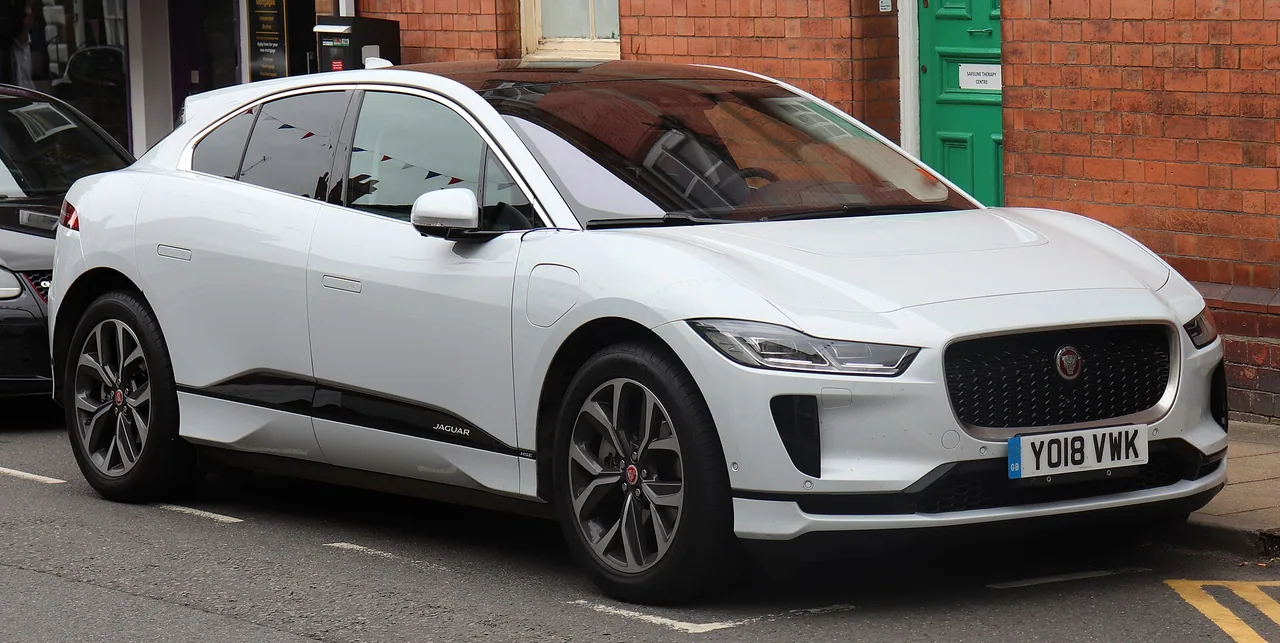

2024 Jaguar I-Pace EV400 (20 inch tires)
Updated · Published
The 2024 Jaguar I-Pace EV400 (20-inch tires) scores 63/100, just below the average for 2024 EV SUVs; first confirm that the park-outside fire-risk recall 23V369000 was repaired on this VIN, and once it is, its 246 miles of EPA range suits commuting and occasional trips.
What changed on :
- Prices collected Nov 2026: KBB Fair Purchase Price $34,000 (was $39,500); J.D. Power owners paid $27,981–$33,686 (was $32,686–$39,351); the prices before were collected May 2026.
Used$34,000 KBB Fair Purchase Price, this trim, collected Nov 2026
Premium Electric SUV · AWD
Below average for 2024 EV SUVs (class avg 65)
Personalize this scoreSee what to check before buying →
Data:NHTSA through · Prices collected Nov 2026
Buyer brief
The 2024 Jaguar I-Pace EV400 (20-inch tires) is an all-wheel-drive SUV with 394 hp, 246 miles of EPA range and DC fast charging up to 100 kW.
Against the 132 trims we score among 2024 EV SUVs, it leads its class most on build quality and trails it most on range and efficiency, then software; Where it stands, below, sets each score beside the class average.
What to check before buying
-
Recall 23V369000: park-outside fire-risk advisory
Recall 23V369000 covers the high-voltage battery and tells owners to park outside, away from buildings, until it is repaired.
Check: Ask for the dealer repair order showing 23V369000 was completed on this VIN. Without it, treat the car as unrepaired.
-
Driver-assist system: 21 of 25 complaints
21 of the 25 NHTSA complaints filed on the 2024 Jaguar I-Pace (84%) are about the driver-assist system, most often "autonomous/self driving" (18).
Check: Test the driver-assist features on a highway drive and ask whether a software update or recall work addressed them on this VIN.
-
Software: 77/100, below its class
Its software score of 77/100 trails its class (Where it stands); it is built from software reports filed with NHTSA and owner posts about software.
Check: Restart the car on the test drive, use the screen, cameras and phone connection, and ask which software version it runs and when it last updated.
-
Battery warranty after recall 23V369000
The fix for recall 23V369000 replaces high-voltage battery parts where the dealer finds it necessary, so on a car that got them the 8-year/100,000-mile battery warranty may run from the replacement date, not from when the car entered service.
Check: Ask for the 23V369000 repair order: it shows whether battery parts were replaced, and when. Then ask a Jaguar dealer which battery warranty end date applies to this VIN.
Who it suits
Suits
-
Commuting and occasional trips. 246 miles of EPA range sits between our 220-mile and 280-mile lines.
-
Quick acceleration. 0-60 mph in 4.5 s, a model-year figure (our line: 4.5 s).
Figures in this brief: NHTSA recalls and complaints on every 2024 Jaguar I-Pace, not this trim alone (recalls as NHTSA listed them in November 2026); EPA range (fueleconomy.gov); Jaguar Land Rover North America (media.jlr.com) (acceleration); TrimIndex scores and class averages.
Vehicle Specifications
NHTSA crash tests
NHTSA lists the 2024 Jaguar I-PACE SUV AWD as not rated: it has published no crash-test stars for it.
Source: NHTSA, “5-Star Safety Ratings: 2024 Jaguar I-PACE SUV AWD”, retrieved Nov 25, 2026.
Range and efficiency
- EPA range
- 246 miles
- 255 miles city, 235 miles highway.
- Energy use, EPA combined
- 39.5 kWh per 100 miles
- Efficiency, EPA combined
- 85 MPGe
- Electricity for 15,000 miles a year
- $900
- At $0.15 per kWh, EPA's price of Nov 20, 2026.
- EPA size class
- Small sport utility vehicle
Source: U.S. EPA and DOE, fueleconomy.gov, “I-Pace EV400 (20 inch tires) (EPA vehicle 46963)”, record updated Aug 25, 2024.
Charging
- Full charge at 240 volts
- 13 hourssource 1
- Tesla Supercharger access
- With an adaptersource 2
- NACS DC adapter
- Sold by the maker, price not statedsource 2
Sources: 1 U.S. EPA and DOE, fueleconomy.gov, “I-Pace EV400 (20 inch tires) (EPA vehicle 46963)”, record updated Aug 25, 2024; 2 Jaguar Land Rover North America, “Explore I-PACE (Jaguar USA)”, undated page, read Nov 16, 2026.
Battery
- Stated by the manufacturer
- 90 kWh
- Nominal (the manufacturer does not say usable or gross). Applies to every 2024 Jaguar I-Pace trim.
Source: Jaguar Land Rover North America (media.jlr.com), “What’s NEW FOR Jaguar: 2024 Model Year Highlights”, published Jun 26, 2023.
Performance
- Horsepower
- 394 hpsource 1
- 0 to 60 mph
- 4.5 secondssource 2
- Drive
- All-wheel drivesource 3
The manufacturer figures here apply to every 2024 Jaguar I-Pace trim.
Sources: 1 Jaguar, retrieved May 27, 2026; 2 Jaguar Land Rover North America (media.jlr.com), “What’s NEW FOR Jaguar: 2024 Model Year Highlights”, published Jun 26, 2023; 3 U.S. EPA and DOE, fueleconomy.gov, “I-Pace EV400 (20 inch tires) (EPA vehicle 46963)”, record updated Aug 25, 2024.
Wheel, tire and charger variants
| Configuration | Wheels | EPA range | Efficiency | Score |
|---|---|---|---|---|
| EV400 (20 inch tires) This page | 20 in | 246 mi | 39.5 kWh/100 mi | 63 |
| EV400 (22 inch tires) | 22 in | 217 mi | 44.6 kWh/100 mi | 60 |
Sources: wheel and tire sizes as EPA names each configuration; EPA range and efficiency of each configuration (fueleconomy.gov); TrimIndex Score of each configuration.
Where It Stands: Score Breakdown
What matters most to you?
Against its class
Class: 2024 EV SUVs, 132 trims on TrimIndex.
- Stronger than its class by 8 points or more: Build Quality 85 against a class average of 76 (115 trims).
- Weaker than its class by 8 points or more: Range & Efficiency 27 against a class average of 48 (131 trims) and Software & Tech 77 against a class average of 85 (115 trims).
- Owner Satisfaction (50) is not compared: no owner posts about overall satisfaction are on file.
| Dimension | This trim | Class average |
|---|---|---|
| Battery Health | 77+3 | 74132 trims |
| Owner Satisfaction | 50limited data | not compared |
| Build Quality | 85+9 stronger | 76115 trims |
| Range & Efficiency | 27−21 weaker | 48131 trims |
| Software & Tech | 77−8 weaker | 85115 trims |
The same configuration in other model years
No change in these figures from 2023: the 2023 Jaguar I-Pace EV400 (20 inch tires) has the same EPA range and power.
| Figure | 2023EV400 (20 inch tires) | 2024This trim |
|---|---|---|
| EPA range | 246 mi | 246 mi |
| Power | 394 hp | 394 hp |
| NHTSA recalls | 3 | 2 |
| NHTSA complaints | 2 | 25 |
| TrimIndex score | 61 | 63 |
NHTSA recalls and complaints: NHTSA records through Nov 22, 2026, filed by model year.
EPA range: U.S. EPA and DOE, fueleconomy.gov, for each trim's own EPA test configuration.
Power: jaguarusa.com.
Pricing & Market Value
Georgia Tax-Assessed Value
Georgia tax-assessed value by year
Georgia title ad valorem tax figures, not offers or sale prices.
| Manual edition | Georgia tax-assessed value | Page |
|---|---|---|
| 2024 | $69,400 | 3,134 |
| 2025 | $50,000 | 2,900 |
| 2026 | $38,075 | 2,982 |
From the 2024 edition to the 2026 edition, the Georgia tax-assessed value of the 2024 Jaguar I-Pace EV400 (20 inch tires) fell $31,325 (45.1%), from $69,400 to $38,075.
Pursuant to the provisions of O.C.G.A. § 48-5C-1(a)(1), “fair market value of the motor vehicle” is set by averaging the current fair market value and the current wholesale value of a motor vehicle. Therefore, the fair market value reflected in this Manual generally will be less than the actual fair market value for a retail sale. The values listed in this Manual are intended solely for calculating tax liabilities.
Source: Georgia Department of Revenue, Motor Vehicle Assessment Manual for TAVT, 2024–2026 editions, PDFs downloaded Nov 16, 2026.
EVs at a similar used price
SUVs from model years 2022–2026 with a used price within ±20% of the one this page shows, from prices collected Nov 2026.
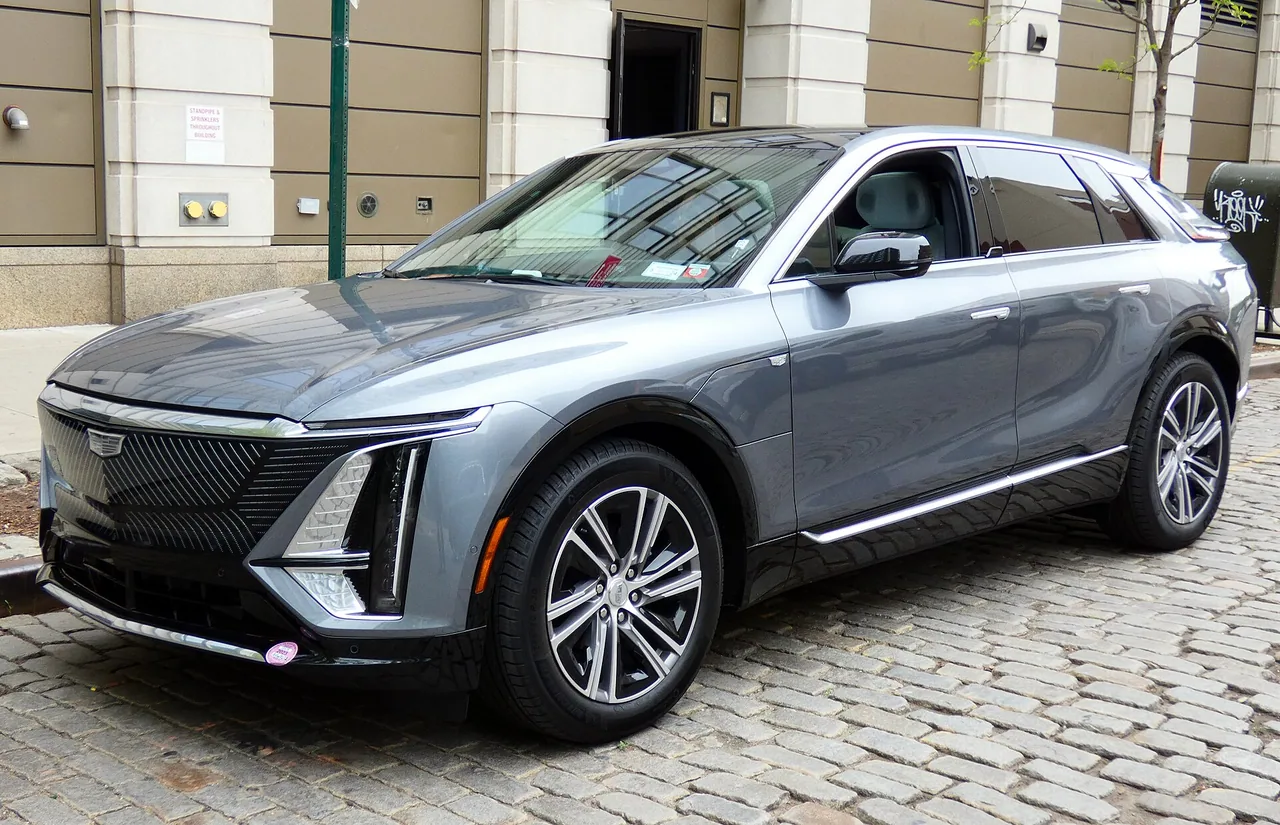
LYRIQ
Better: score 69 vs 63; 312 vs 246 mi EPA range.
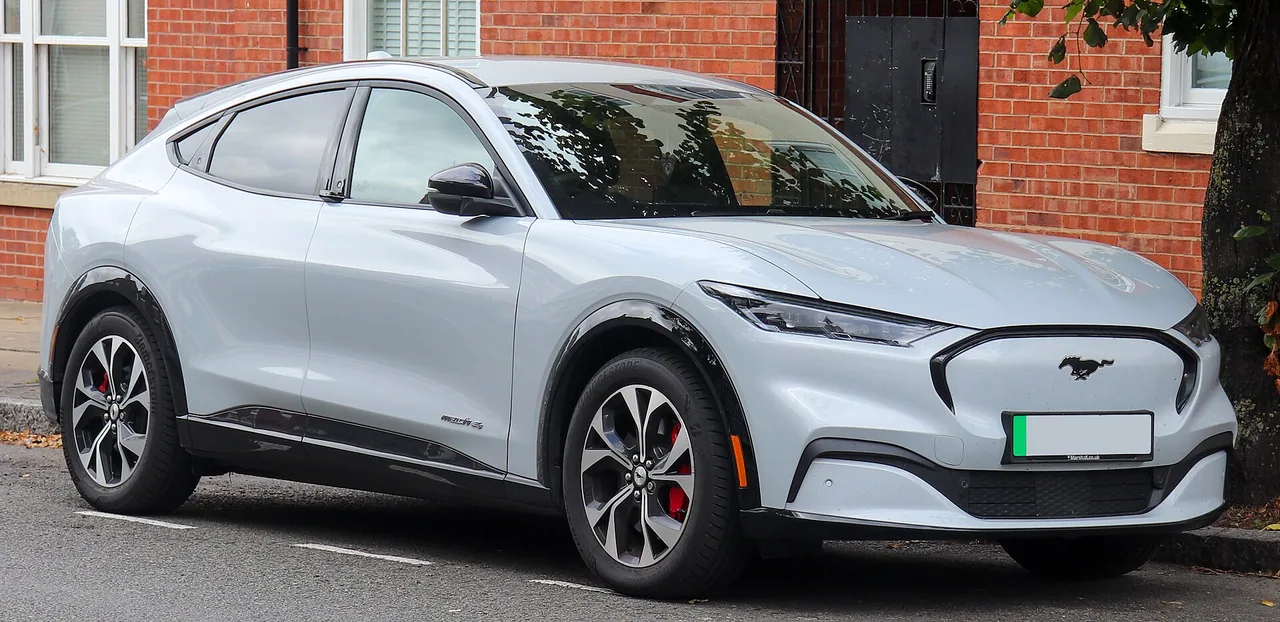
Mustang Mach-E
Better: score 72 vs 63; 320 vs 246 mi EPA range.
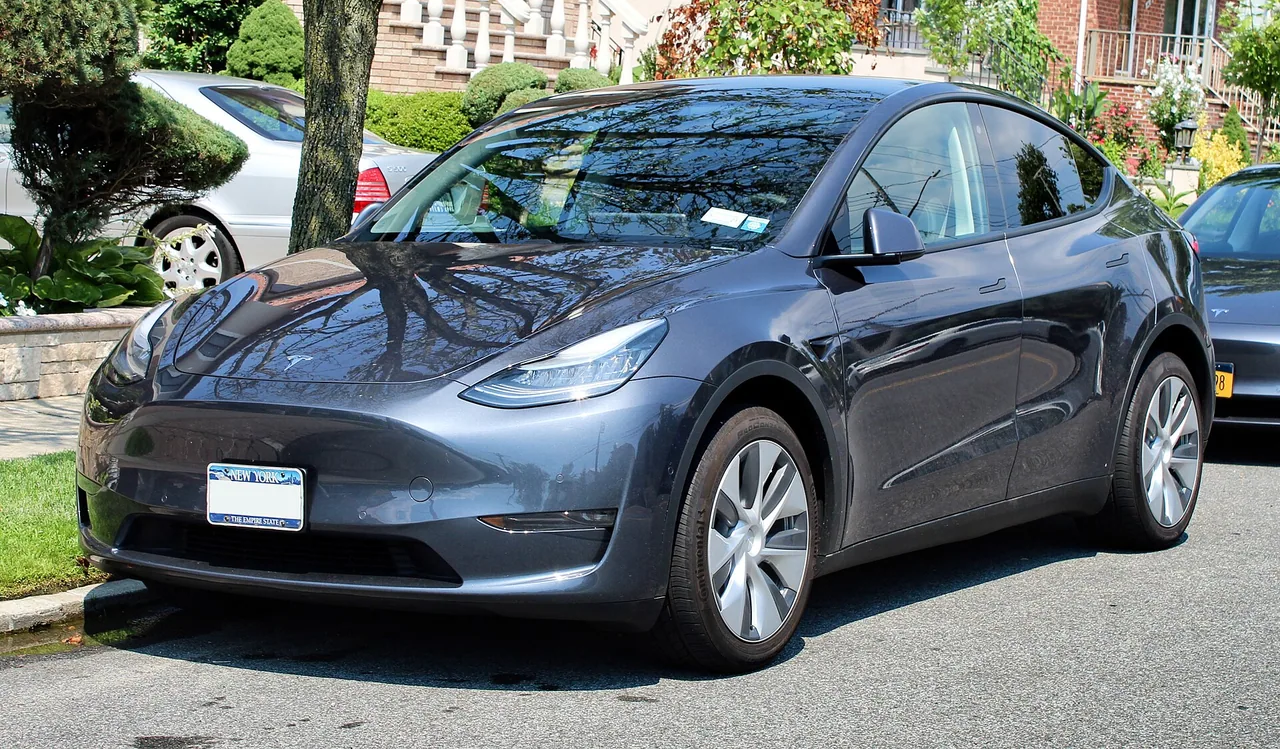
Model Y
Better: score 68 vs 63; 330 vs 246 mi EPA range.
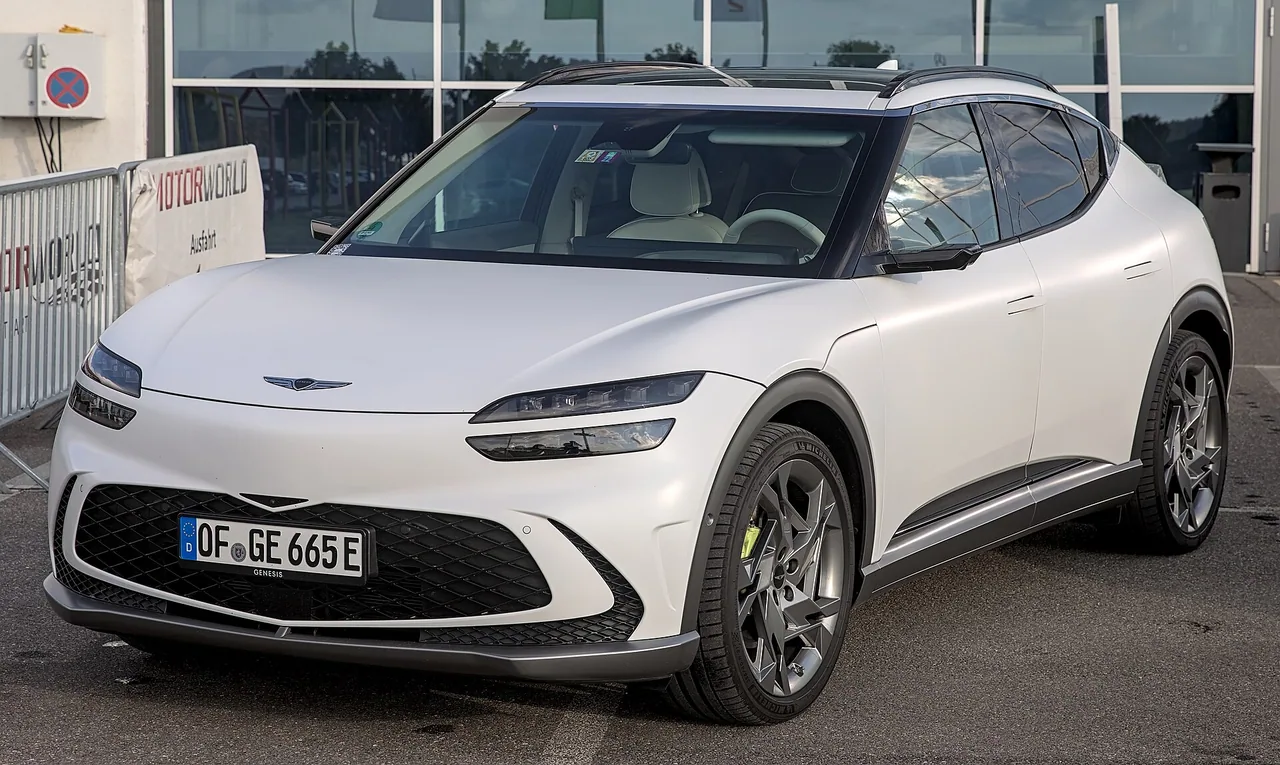
GV60
Better: score 71 vs 63; 294 vs 246 mi EPA range.
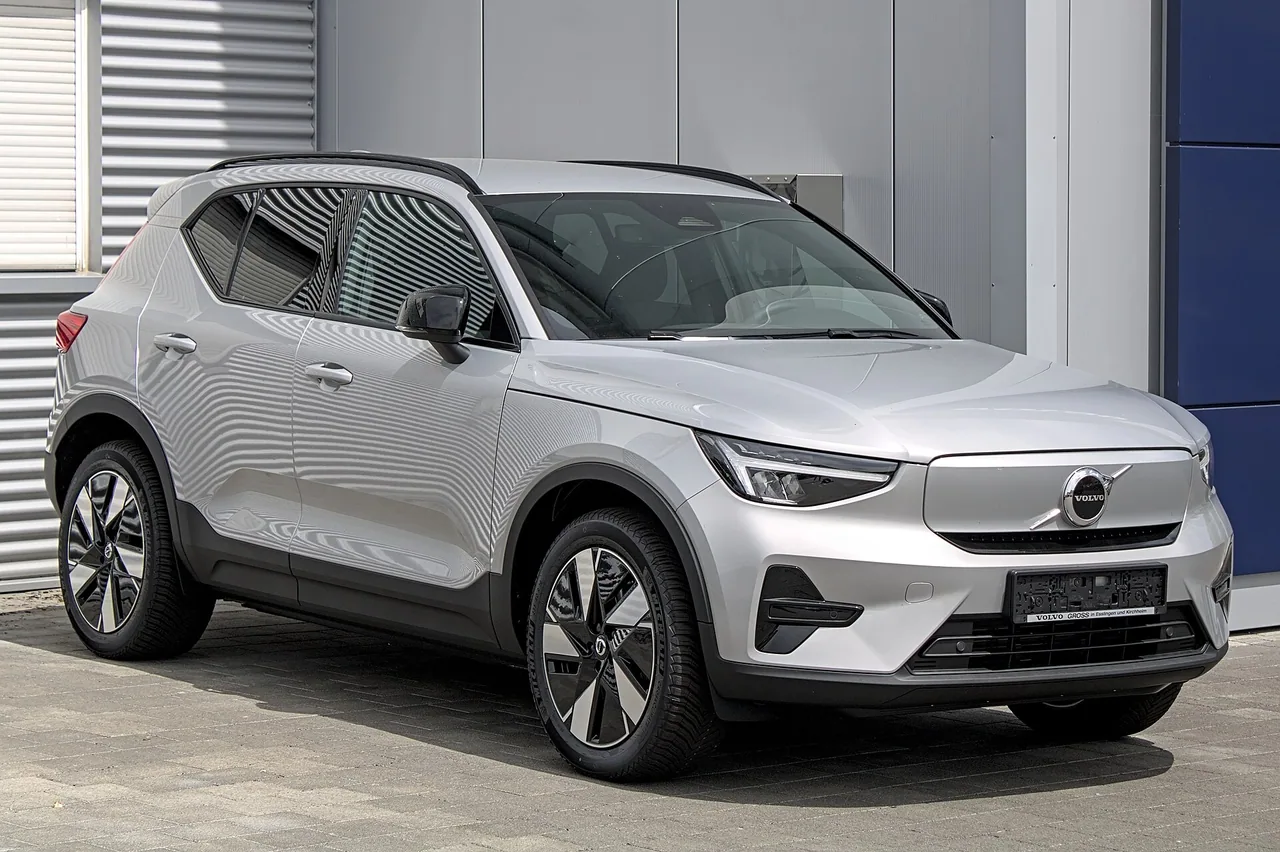
XC40
Better: score 70 vs 63; 293 vs 246 mi EPA range.
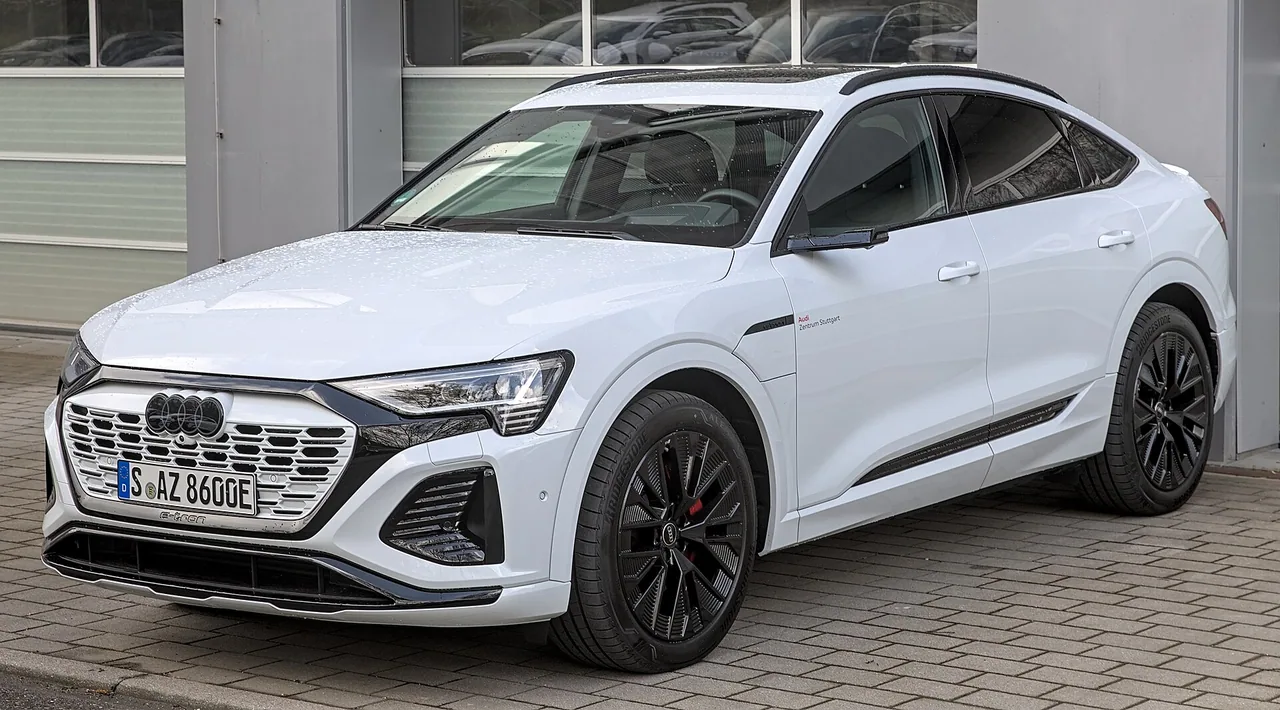
Q8 e-tron
Better: score 69 vs 63; 296 vs 246 mi EPA range.
NHTSA Recalls (2)
- NHTSA lists 2 recall campaigns for the 2024 Jaguar I-Pace, filed between May 2023 and Feb 2024.
- 23V369000 (traction battery) carries a Park Outside advisory.
- How they are fixed, per the filings: 1 by a software update and 1 by both a software update and work on the car.
Source: NHTSA recall filings for the 2024 Jaguar I-Pace, data through Nov 22, 2026. Why the VIN decides
- PARK
OUTSIDEFiled May 2023The high-voltage battery may overheat.
Campaign #23V369000 · Part (NHTSA): electrical system › propulsion system › traction battery- What happens:
- The high-voltage battery overheating increases the risk of a fire.
- Until it is fixed:
- Owners are advised to park and charge vehicle outside and away from structures until the recall repair is complete.
- The fix
- Free fix: software update (it can install over the air) plus work on the car at a dealer The battery energy control module software will be updated by a dealer, or through an over-the-air (OTA) update. In addition, battery modules will be replaced as necessary.
- Covers:
- certain 2019-2024 Jaguar I-PACE vehicles.
NHTSA lists 6,422 vehicles in this campaign (all models it covers).
Check VIN status at NHTSA.gov - Filed Feb 2024
In the event that one of the turn signals stops working, the turn signal flash rate frequency will not adjust to warn the driver that a turn signal is not working correctly.
Campaign #24V134000 · Part (NHTSA): exterior lighting › turn signal- What happens:
- Inoperative rear turn signals may not notify other drivers of a turning vehicle, increasing the risk of a crash.
- The fix
- Free fix: software update at a dealer Dealers will update the Car Configuration File (CCF) software, free of charge.
- Covers:
- certain 2021-2024 Jaguar I-Pace vehicles.
- Federal standard not met:
- 108 (Lamps, Reflective Devices, and Associated Equipment).
NHTSA lists 2,015 vehicles in this campaign (all models it covers).
Check VIN status at NHTSA.gov
NHTSA Complaints (25 total)
25 complaints filed with NHTSA for the 2024 Jaguar I-Pace, between Jul 2025 and Nov 2026.
Parts named most often
| Part | Complaints | Share |
|---|---|---|
| Driver-assist system including autonomous or self driving (18) | 21 | 84% |
Share of all 25 complaints; one complaint can name more than one part, so shares add up to more than 100%. 1 complaint names no specific part.
None of the 25 complaints reports a crash, fire, injury or death. How these fields are filled
Complaints by year filed
| Year filed | Complaints |
|---|---|
| 2025 | 2 |
| 2026 (to Nov 22) | 23 |
Source: NHTSA owner complaints filed on every 2024 Jaguar I-Pace (NHTSA files them by model year, not trim), data through Nov 22, 2026.
All 25, most severe first, then newest
- Severity 4 of 5.Brakes · Drive unit · Electrical system (other)
SAFETY INCIDENTS 1. Highway Limp Mode Failure — May 2026 & June 2026 While driving on the highway in summer conditions with my infant in the vehicle, the car has entered limp mode
Show the rest
twice without warning, reducing speed to a maximum of 2mph. This left us stranded in live traffic lanes, creating immediate and serious danger to my child's life. 2. Severe Range Loss in Winter Storm — December 2025 While driving in an ice storm with my infant in the vehicle, I briefly stopped to purchase windshield de-icer. Upon restarting the vehicle, the car lost approximately 50 miles of range instantaneously, leaving us unable to safely reach home in life-threatening winter conditions.
NHTSA ODI #11743033 - Severity 3 of 5.Driver-assist system
On approximately 9:50 a.m. on Friday, XXX, I observed an unoccupied Waymo vehicle (California license plate [XXX]) turning from [XXX] onto [XXX].
Show the rest
I observed the Waymo vehicle traveling northbound on [XXX]. The Waymo vehicle entered into the lane for oncoming traffic, driving past a DO NOT ENTER - WRONG WAY sign. This reckless driving put vehicles traveling into the path of the oncoming Waymo into serious danger. I did not call the police but I did report the incident to the California DMV and Waymo. Fortunately, there were collisions as a result of the Waymo's traffic violation (driving the wrong way into oncoming traffic). INFORMATION REDACTED PURSUANT TO THE FREEDOM OF INFORMATION ACT (FOIA), 5 U.S.C. 552(B)(6)
NHTSA ODI #11776615 - Severity 3 of 5.Driver-assist system
On October 7, 2026, I experienced a serious safety issue as a passenger in a Waymo autonomous vehicle. The ride began at approximately 8:16 AM and was estimated to take 13 minutes.
Show the rest
Instead, it lasted about 41 minutes because the vehicle repeatedly failed to reach the intended destination, rerouted itself, and circled the surrounding area multiple times. I contacted Waymo Rider Support several times because the vehicle was not reaching the correct drop-off location. Support attempted to assist with navigation, but the problem continued. The most serious issue occurred when I repeatedly requested that the vehicle stop so I could exit. I told Rider Support that I wanted to end the ride and get out. After support attempted to verbally navigate the vehicle, I again requested that it stop at a safe location so I could exit and walk the remaining distance. The vehicle continued moving after I requested to stop and exit. At that point, I repeatedly yelled for the vehicle to stop and let me out because I did not feel I had control over when I could leave the vehicle. The vehicle eventually stopped and unlocked the doors. There was no collision or impact. No emergency crews responded. I am unaware of any warning lights or messages before the incident, and I do not know whether a traffic violation occurred. My primary safety concern is that an autonomous vehicle continued moving after a passenger repeatedly requested to end the ride and exit. I believe this incident warrants investigation as a potential autonomous-vehicle passenger safety issue.
NHTSA ODI #11769513 - Severity 3 of 5.Driver-assist system
Alma St in Palo Alto is a five lane thoroughfare with two through lanes in each direction and a shared center turn lane.
Show the rest
At 14:58:48 on July 25, 2026, I observed a Waymo Jaguar SUV make an illegal left turn from the left through lane of SB Alma St causing two vehicles behind it to brake. It should have first moved into the center turn lane before reaching the intersection and making the turn. There was no conflicting traffic or anything else blocking its access to the turn lane. I have dashcam video of the incident. Links are on the uploaded screenshots. I do not know the license plate number of the Jaguar that made this illegal turn. The license number on this report is for a Waymo Jaguar, but may not be the one I saw on 7/25/26.
NHTSA ODI #11769216 - Severity 3 of 5.Lane keeping and blind-spot systems
On July 25, 2026, at approximately 7:10 PM, I was a passenger in a fully autonomous Waymo vehicle traveling southbound near 24th Street and Southern Avenue in Phoenix, Arizona.
Show the rest
The vehicle entered the intersection to make a left turn and, while still in the active intersection, unexpectedly reversed. I considered this a serious safety concern because of the potential risk to surrounding traffic. Fortunately, there was no collision or injury. I reported the incident directly to Waymo and subsequently followed up, asking them to review the vehicle’s video and driving data. Approximately six weeks have passed, and Waymo has not responded to me regarding the incident. I am reporting this to NHTSA so the automated-driving behavior can be documented and reviewed as a potential vehicle safety issue.
NHTSA ODI #11762623 - Severity 3 of 5.Driver-assist system
The contact witnessed a near-crash involving a 2024 Jaguar I-PACE Waymo Autonomous Vehicle. The contact was positioned approximately 5 feet away from the vehicle at an intersection.
Show the rest
The contact observed a father and daughter walking across the crosswalk when the daughter fell to the ground. The Waymo vehicle started approaching the fallen child, and the father threw a stroller in front of the vehicle. Simultaneously, the contact positioned herself against the side of the vehicle, prompting the autonomous system to come to a stop and preventing the child from being struck. Once the pedestrians had cleared the crosswalk, the Waymo vehicle abruptly accelerated and sped away from the scene. The contact was document the license plate information. The contact stated the information was reported to the local news authority; however, the news authority was providing incorrect information.
NHTSA ODI #11761737 - Severity 3 of 5.Driver-assist system
Child safety at risk I saw a child (estimate 3-5 y/o) sitting in front seat of Waymo vehicle at 2:08pm at Bedford Dr. and Peck Dr. in Beverly Hills, CA. There did not appear to be an adult in the vehicle.
NHTSA ODI #11755792 - Severity 3 of 5.Driver-assist system
On XXX, I was the sole passenger in a driverless Waymo (XXX) in [XXX]. Pickup: Chase Field ~4:14 PM.
Show the rest
At ~4:25 PM on [XXX], a multi-lane urban arterial, the automated driving system decelerated the vehicle without cause to ~10 mph and held that speed in the number one (leftmost) lane. There was no obstacle, pedestrian, emergency vehicle, work zone, signal, or traffic condition to explain it. Traffic passed at normal speed in adjacent lanes. The system merged to the center lane, then returned to the number one lane, still at ~10 mph. The vehicle was a slow-moving obstruction in a live travel lane. There was no steering wheel, no pedal, no human driver. I could not accelerate, pull over, or exit the lane. My exposure to a rear-end collision was created solely by the ADS and could be ended only by the ADS, which was not ending it. I called Waymo rider support. The vehicle remained at ~10 mph. About 30 seconds in, a remote agent overrode the system and restored normal speed. Key finding: the malfunction did not self-correct. The vehicle did not detect the anomaly, resolve it, or degrade to a safe state. It operated hazardously until a remote human took control. The system’s own safety architecture did not catch it. A human did, only because I called. Waymo confirmed in writing that it verified the event as described, then declined to provide root cause, telemetry, or any investigative outcome absent legal process. I request NHTSA determine: (1) whether this was reported under the Standing General Order for ADS vehicles, or deemed below threshold and on what basis; (2) whether unexplained deceleration, sustained low-speed travel in live lanes, or failure-to-self-correct events have been reported for this fleet in the Phoenix ODD; (3) whether an ADS that cannot correct its own hazardous speed loss without remote human rescue meets any reasonable safety expectation for driverless operation on public arterials. Please contact me. INFORMATION REDACTED PURSUANT TO THE FREEDOM OF INFORMATION ACT (FOIA), 5 U.S.C. 552(B)(6)
NHTSA ODI #11749793 - Severity 3 of 5.Driver-assist system
THIS REPORT IS ABOUT A SAFETY ISSUE INVOLVING A WAYMO VEHICLE OPERATING ON SAN THOMAS EXPRESSWAY AND CA HIGHWAY 101.
Show the rest
6/24/2026 ON OR AROUND THIS DATE, THE VEHICLE WAS OBSERVED AT SAN THOMAS EXPRESSWAY IN SANTA CLARA CALIF AND HIGHWAY 101. WAYMO VEHICLE CA PLT # 98720A4 WAS OBSERVED IN THE RIGHT LANE, THAT IS DEDICATED FOR VEHICLES ENTERING THE ONRAMP FOR THE CA 101 SOUTH. WITHOUT WARNING AND WITHOUT A TURN SIGNAL AND CROSSING OVER THE SOLID WHITE LINE, THE WAYMO VEHICLE AGGRESSIVELY ACCELERATED AND MADE AN UNSAFE AND ILLEGAL MERGE INTO THE LEFT LANE BOUND OVER THE OVER-PASS, AND CONTINUED ONTO MONTAGUE EXPRESSWAY. WAYMO VEHICLES ARE UNSAFE AND SHOULD NOT BE ALLOWED ON PUBLIC ROADS, HIGHWAYS AND STREETS. PLEASE INVESTIGATE!!
NHTSA ODI #11748955 - Severity 3 of 5.Driver-assist system
On [XXX] at approximately [XXX] pm, I was driving in the right-most lane on [XXX]. Traffic in my lane was stopped due to a red light.
Show the rest
An autonomous Waymo vehicle was originally stopped at a yield sign on an intersecting side road behind my position. Instead of waiting for a legal gap in the traffic lane, the Waymo vehicle illegally entered the designated bicycle lane to bypass the stopped vehicles. When the traffic light turned green and my lane began to move, the Waymo vehicle abruptly merged into my lane directly from the bike lane (my right-side blind spot). It forced its way in front of my vehicle, requiring me to brake and use my horn to avoid a collision. The autonomous vehicle performed an unpredictable, illegal passing maneuver in a non-vehicle lane (bike lane) and merged from a blind spot, causing a near-miss with a human-driven vehicle that had the right-of-way. I have front and rear dashcam footage capturing the entire incident. Because the raw video files exceed standard upload limits, I have uploaded the unedited footage here for investigators to review and download: [XXX] INFORMATION REDACTED PURSUANT TO THE FREEDOM OF INFORMATION ACT (FOIA), 5 U.S.C. 552(B)(6)
NHTSA ODI #11747089
Show 15 more complaints
- Severity 3 of 5.Driver-assist system
At approximately [XXX] PT on Saturday, [XXX], my daughter and I were riding as passengers inside the car when the car itself couldn't make the traffic light in time before it
Show the rest
turned red and got caught in the intersection of [XXX] and [XXX]. It started backing up into the oncoming traffic going across on [XXX] with the car itself backing up on [XXX], and kept on going backwards to the point that it fully blocked one out of the 2 lanes on [XXX] going towards downtown. This blatantly broke traffic laws, with cars going around us so it wouldn't hit us. INFORMATION REDACTED PURSUANT TO THE FREEDOM OF INFORMATION ACT (FOIA), 5 U.S.C. 552(B)(6)
NHTSA ODI #11746977 - Severity 3 of 5.Driver-assist system
Waymo car who had a passenger in the back of the vehicle, was autonomously driving illegally in the bus lane via Wilshire Blvd. Endangering those around them and the passenger inside.
NHTSA ODI #11747041 - Severity 3 of 5.Driver-assist system
I was a passenger in a Waymo autonomous vehicle in Orlando, Florida, on June 19, 2026, when a potentially dangerous traffic situation occurred.
Show the rest
The vehicle was traveling on a roadway with a speed limit of approximately 45 mph when it suddenly decelerated and continued driving at approximately 10 mph. Other vehicles on the road were traveling at normal traffic speeds, creating a significant speed differential. I was concerned that a vehicle approaching from behind could have rear-ended the Waymo vehicle due to the unexpected and substantial reduction in speed. The vehicle remained at approximately 10 mph for a period of time while surrounding traffic was moving significantly faster. There were no warning messages, alarms, or explanations provided to me before the deceleration. There was no collision, injury, or property damage, but I believe the situation created an unreasonable safety risk. I contacted Waymo support during the incident. I was informed that the vehicle had entered a "restricted zone," but I was not provided with a clear explanation of what that meant or why it required the vehicle to travel at approximately 10 mph on a roadway where traffic was moving much faster. No emergency services responded. There was no collision. However, I am reporting this incident because I believe the vehicle's behavior created a potential traffic hazard and should be reviewed from a safety perspective.
NHTSA ODI #11745658 - Severity 3 of 5.Driver-assist system
For nearly one hour, this vehicle was blocking traffic and delaying first responders from critical incident calls. Vehicle was immobile and blocking in right lane of major thoroughfare.
NHTSA ODI #11745434 - Severity 3 of 5.Driver-assist system
At 11:45 AM, a Waymo AV stopped in the middle northbound lane at the Kierland Commons/Scottsdale Quarter signaled pedestrian crosswalk. The stop signal was not on.
Show the rest
Pedestrians were standing on the sidewalk waiting for the signal to turn so they could cross Scottsdale Road. I assume the Waymo AV saw the pedestrians standing on the sidewalk and decided to stop. I was directly behind the Waymo AV. Traffic was passing us in both lanes. The Waymo AV remained stopped until the pedestrian signal came on and did not move forward until after the signal turned off. Fortunately, vehicles behind me were paying attention and did not rear-end anybody. The main issue involves a Waymo AV coming to a stop when it sees pedestrians waiting to cross the street, rather than paying attention to the pedestrian signal light, which is a blinking red light over each lane when triggered by a pedestrian that turns solid red, allowing pedestrians to cross the street. I have provided this information to Waymo LLC and they have responded that they are looking into why this Waymo AV stopped when it should not have stopped.
NHTSA ODI #11739725 - Severity 3 of 5.Driver-assist system
I nearly had a collision with an autonomous Waymo vehicle in [XXX] due to the Waymo vehicle's failure to yield at an intersection. No emergency vehicles responded to the scene.
Show the rest
There were no warning lamps, sounds or other symptoms prior to the failure to yield by the Waymo vehicle There was no collision. The Waymo vehicle failed to yield to my vehicle as I was traveling through an intersection with a protected green arrow. I had to slam onto my brakes with to avoid a collision. INFORMATION REDACTED PURSUANT TO THE FREEDOM OF INFORMATION ACT (FOIA), 5 U.S.C. 552(B)(6)
NHTSA ODI #11737875 - Severity 3 of 5.Driver-assist system
A waymo put pedestrian and public safety at risk on 5/12/26 at approximately 7:50 pm when it stopped halfway through an intersection at 14th, Market, and Church Street in San
Show the rest
Francisco alongside a crosswalk. I began honking from my vehicle as the waymo stopped in front of lanes of oncoming traffic, blocking the intersection. Instead of continuing through the intersection, the waymo turned towards oncoming traffic and advanced forward into the crosswalk and into oncoming traffic that was stopped at the red light. As one of the vehicles it was advancing towards I laid on my horn to try to get it to stop, but it didn't and the car next to me had to back up away from it to avoid collision. The waymo stopped about 1 foot away from the car before reversing into the intersection again (see pictures) and then turning onto 14th andriving away. The waymo essentially used a very busy intersection and active crosswalk to execute a 3 point turn. Without human driver intervention a collision was likely with a vehicle or pedestrian.
NHTSA ODI #11737727 - Severity 3 of 5.Driver-assist system
During a heavy rain vehicle stalled out. Looked like it hit a bag of leaves at the drivers front wheel. Stuck in standing water blocking a lane.
Show the rest
I was pulled over waiting out the rain and cars trying to get past the stalled Waymo were almost colliding with me and others. If a car can not function in heavy rain why are these on the roads.
NHTSA ODI #11734966 - Severity 3 of 5.Driver-assist system
We told a driver with Waymo months ago when he was mapping the pickup route for the Waymos NOT to have them come in our very busy driveway.
Show the rest
He did not do as we requested and from that point on they have been coming into our driveway which is private property. If you could please advise them not to enter our driveway that would be great. I have witnessed them beep their horns repeatedly when there's traffic in the driveway which disturbs our guests and they've also backed out of the entrance of our driveway on several occasions which is very dangerous. They used to pickup on the street which was working out just fine before they started coming into our private property and we would like them to go back to picking them up there please! Thank you!
NHTSA ODI #11731878 - Severity 3 of 5.Driver-assist system
It almost drove into a semi truck with trailer making a turn. It then stopped despite multiple cars behind it and obviously having a green light.
Show the rest
It was also near an intersection and if things were busy this might have caused an accident. It was the smart and calm defensive driving of multiple people and the truck driver that prevented an accident. It shouldn’t have to require that and my city streets shouldn’t be used as an experiment using vehicles that could be deadly. NHTSA should not wait for a great tragedy and loss of life to take action on these vehicles with nobody inside them. I have the video of it stopping for no reason but only after the incident began.
NHTSA ODI #11730167 - Severity 3 of 5.Lane keeping and blind-spot systems
How was your safety or the safety of others put at risk? On multiple occasions, the vehicle crossed solid white lines during active traffic, made illegal turning maneuvers at
Show the rest
intersections without yielding properly, and consistently camped in the passing lane at speeds below the flow of traffic. This forced other vehicles to pass on the right and created unpredictable merge scenarios that increased collision risk for surrounding drivers. Did emergency crews respond to the incident? No emergency crews responded to these specific violations, though they represent ongoing safety concerns during routine operation. Were there any warning lamps, messages, sounds, or other symptoms of the problem prior to the failure, and when did they first appear? No warning indicators were present. The vehicle operated normally from a system status perspective while committing the traffic violations. The illegal maneuvers occurred without any passenger notification or system alert. Was there a collision or impact with another vehicle, cyclist, pedestrian or stationary object? No collision occurred, but the illegal maneuvers created near-miss scenarios with other vehicles forced to react to unpredictable behavior. Was there a traffic violation? Yes. Multiple traffic violations including crossing solid white lines, illegal intersection maneuvers, and improper lane usage (camping in the passing lane).
NHTSA ODI #11722761 - Severity 3 of 5.Driver-assist system
I rode a Waymo for about 5 miles in Burlingame, CA today. On [XXX] near the intersection of [XXX], at approximately [XXX] on [XXX], I witnessed a safety incident. The car was driving west on [XXX].
Show the rest
The road is one lane in each direction. The right-hand lane was closed for road work. As my car approached the lane closure, a road worker waved at my car to indicate it to stop. This was because only one lane was open to traffic and was being used for alternating two-way traffic. The car did not stop or even slow down much and shifted to the left (oncoming) lane and continued driving. Thankfully there were no cars coming in the opposite direction but this was a very unsafe maneuver. INFORMATION REDACTED PURSUANT TO THE FREEDOM OF INFORMATION ACT (FOIA), 5 U.S.C. 552(B)(6)
NHTSA ODI #11721470 - Severity 3 of 5.Driver-assist system
Waymo ran a red light at [XXX] on [XXX] in Santa Monica, CA. It was traveling probably 20-25 mph (less than the speed limit) and could have easily stopped after the light turned yellow at [XXX].
Show the rest
Instead it continued through the intersection while the light turned red. I was a pedestrian waiting to cross and was delayed by the Waymo. I could have been hit if I entered with the walk signal. Please see video here: [XXX]. I reported this to Waymo. They refused to acknowledge the mistake or explain what specific actions they were taking in response. While this situation was not exceptionally dangerous, that was partly because I took caution. A human driver may slightly misjudge this sort of situation, but I cannot understand why an autonomous vehicle would do it. It was not a challenging driving situation for a computer to solve if it is generally trying to operate within the rules. I am concerned that Waymo is cheating a bit on red lights on purpose to save time. I strongly support autonomous vehicles for safety, but they only help if companies take the rules seriously. INFORMATION REDACTED PURSUANT TO THE FREEDOM OF INFORMATION ACT (FOIA), 5 U.S.C. 552(B)(6)
NHTSA ODI #11674553 - Severity 3 of 5.Driver-assist system
The contact called about failures with 2024 Jaguar I-Pace vehicles. The contact stated that on four separate occasion had experienced failures with Waymo powered Jaguar vehicles.
Show the rest
The contact stated that while exiting a one-way circle, a Waymo vehicle started driving towards her vehicle in the wrong direction. The Waymo vehicle eventually stopped right before crashing into the bumper of the contact's vehicle. The contact then stated that the Waymo reversed independently and parked in the corner of the circle. The contact stated that in another incident, a Waymo vehicle failed to stop at a 4-way intersection and drove through stop sign. In addition, the contact stated that while driving in her lane at a slow speed, a Waymo vehicle entered the contact's lane and cut the contact off. Additionally, the contact stated that while driving at a moderate rate of speed, another Waymo vehicle stopped far beyond the stop sign line and was in the contact's lane. The contact was forced to drive around the Waymo vehicle to avoid crashing into the vehicle. The contact expressed grave concerns about these vehicles and believed that these vehicles were a danger to public safety.
NHTSA ODI #11671556 - Severity 1 of 5.
Vehicle turned west bound on broadway without stopping at the red light turning directly in front of us. No accident. Only reporting it ran a red light
NHTSA ODI #11770590
Forum posts that mention this car
1 forum post is on file for this model year. The post shown was retrieved May 2026.
"I'm not sure JLR has advertised the I-Pace on any EV sites in the USA recently. I don't think I've seen more than 1 or 2 ads about I-Pace this year and I read all the EV media I can get my hands on. One could also question JLR's judgement in providing a tester with 22" wheels to a man who planned to do a 70 mph range test..... That said, they actually discussed the I-Pace on their podcast a few weeks ago and had good things to say about it. Namely, the handling, styling, fit and finish were all fantastic. Their main beefs were charging speed and efficiency, which I think are very valid…"
The federal $4,000 used-EV credit ended Sept 30, 2025.
6 states still run an open used-EV incentive — the largest up to $12,000 for income-qualified buyers; the 2024 Jaguar I-Pace may qualify in 4 states (some rules this page cannot check) and does not qualify in 2 states.
Source & disclaimer
Frequently Asked Questions
How far does the 2024 Jaguar I-Pace EV400 (20 inch tires) go on a charge?
EPA rates the 2024 Jaguar I-Pace EV400 (20 inch tires) at 246 miles on a full charge: 255 miles in city driving and 235 on the highway.
How long does the 2024 Jaguar I-Pace EV400 (20 inch tires) take to charge?
EPA lists 13 hours to charge the 2024 Jaguar I-Pace EV400 (20 inch tires) from empty at 240 volts with the standard charger.
Can the 2024 Jaguar I-Pace EV400 (20 inch tires) use Tesla Superchargers?
Yes, with a NACS DC adapter, as stated on Jaguar Land Rover North America's undated page (read Nov 16, 2026).
What does the 2024 Jaguar I-Pace EV400 (20 inch tires) cost to run?
EPA estimates the 2024 Jaguar I-Pace EV400 (20 inch tires) costs $900 a year to charge, for 15,000 miles a year (55% city, 45% highway) at $0.15 per kWh (EPA's fuel prices of Nov 20, 2026). By EPA's estimate it saves $5,750 over 5 years in fuel compared with the average new vehicle.
What does a used 2024 Jaguar I-Pace EV400 (20 inch tires) cost?
Kelley Blue Book's Fair Purchase Price for the 2024 Jaguar I-Pace EV400 (20 inch tires), collected Nov 2026, is $34,000. J.D. Power reports owners paid $27,981 to $33,686 for the 2024 Jaguar I-Pace, across all trims (collected Nov 2026).
How safe is the 2024 Jaguar I-Pace EV400 (20 inch tires) in a crash?
NHTSA has not crash-tested the 2024 Jaguar I-Pace with all-wheel drive, so it has no NHTSA star rating.
What recalls does the 2024 Jaguar I-Pace have?
NHTSA lists 2 recall campaigns for the 2024 Jaguar I-Pace as of Nov 22, 2026; the newest is 24V134000 (Feb 22, 2024), for the turn signals. Under 23V369000, owners were told to park outside until the fix is done; the fix is available for it, so check that this car's VIN has had it.
How reliable is the 2024 Jaguar I-Pace EV400 (20 inch tires)?
Owners have filed 25 complaints with NHTSA about the 2024 Jaguar I-Pace as of Nov 22, 2026.
How long does the battery warranty last on the 2024 Jaguar I-Pace EV400 (20 inch tires)?
Jaguar's support page (jaguar.com) gives the battery warranty as 8 years or 100,000 miles, whichever comes first. For a 2024 car that went into service in 2024, it runs until 2032 or 100,000 miles, whichever comes first.
What is the TrimIndex score for a 2024 Jaguar I-Pace EV400 (20 inch tires)?
The 2024 Jaguar I-Pace EV400 (20 inch tires) scores 63 out of 100 on TrimIndex. It is below the average of 65 for 2024 EV SUVs (latest TrimIndex score of each of 132 trims). Its strongest dimension is Build Quality (85/100); weakest is Range & Efficiency (27/100).
What EV incentives can I get on a 2024 Jaguar I-Pace EV400 (20 inch tires)?
4 of the 7 statewide used-EV programs open as of Oct 12, 2026 do not rule out a 2024 Jaguar by make, model-year age or price. The incentive finder on this page shows which, state by state.
What this page is built on
NHTSA data through
- NHTSA recall campaigns 2
- Owner complaints to NHTSA 25
- EPA record 246 mi I-Pace EV400 (20 inch tires), updated Aug 25, 2024
- NHTSA crash rating Not tested
- Manufacturer documents cited 4 from jaguar.com and media.jlr.com and 1 more
- Forum post used 1 1 source, none naming another model year
- Used prices collected Nov 2026 from Kelley Blue Book and J.D. Power
Compare Jaguar I-Pace Against Rivals
Other Jaguar I-Pace Years on TrimIndex
Photo credits
- Cadillac Lyriq (2023-): Mr.choppers / Wikimedia Commons, CC BY-SA 3.0, resized. Representative photo of the generation, not the exact trim or market.
- Ford Mustang Mach-E (2021-): Vauxford / Wikimedia Commons, CC BY-SA 4.0, resized. Representative photo of the generation, not the exact trim or market.
- Tesla Model Y (2020-2025): Kevauto / Wikimedia Commons, CC BY-SA 4.0, resized. Representative photo of the generation, not the exact trim or market.
- Genesis GV60 (JW1, 2023-): Alexander Migl / Wikimedia Commons, CC BY-SA 4.0, resized. Representative photo of the generation, not the exact trim or market.
- Volvo EX40 (formerly XC40 Recharge, 2025-): Alexander-93 / Wikimedia Commons, CC BY-SA 4.0, resized. Representative photo of the generation, not the exact trim or market.
- Audi Q8 Sportback e-tron (2024-2025): Alexander-93 / Wikimedia Commons, CC BY-SA 4.0, resized. Representative photo of the generation, not the exact trim or market.


