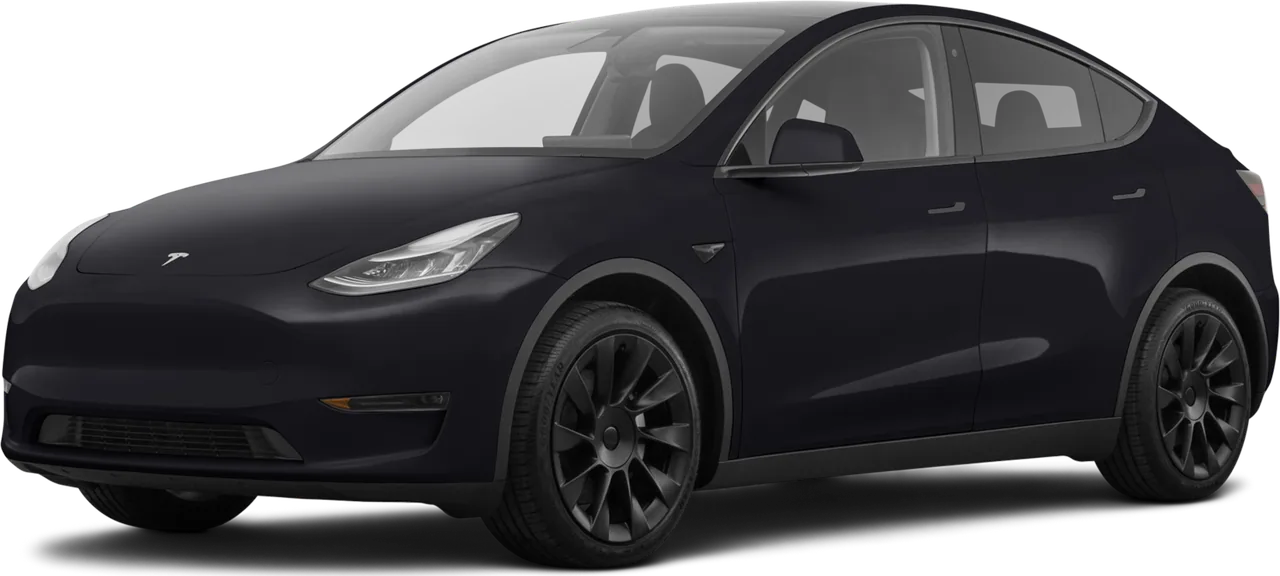
2020 Tesla Model Y Performance AWD
Premium Electric SUV · AWD
Based on battery health, build quality, owner data, EPA range, and market pricing
Above average for 2020 EV SUVs (class avg 66 · top 37%)
Personalize this scoreIs a low score bad?
Last scanned 34 days ago
The 2020 Tesla Model Y Performance AWD packs 315 miles of EPA range and 250 kW fast charging, and 22 recall campaigns affect this make/year — verify every one is closed on the exact VIN.
Score read
A 68/100 makes this worth comparing, not chasing. Software and driver-assist score is the cleaner read at 90/100; battery-health score needs more diligence at 55/100. Reddit threads cluster around owner satisfaction and software tech — verify both against the service records. A clean VIN lookup matters more than the headline count.
Price context
This trim started from $59,990 new. Used examples have come down since launch, but pricing varies by miles, condition, and how the model is moving right now; pull a current KBB Fair Purchase, an Edmunds True Market Value, or an active dealer listing for this exact trim, and anchor your offer there. Walk if the seller will not move off new-car-style pricing.
Who this is for
✓ Good for
- ⏱ Daily commuter ≤50 mi/day, predictable charging
- ↦ Road tripper Long trips, needs DC fast network
✗ Avoid if you are a
- $ Bargain hunter Best TCO, reliability + low depreciation
Gotchas
- Serviceable Recall paperwork has to match the exact VIN.
Mitigation Use NHTSA and the automaker lookup, then require repair records instead of a verbal promise.
- Verify Battery condition is the number not to take on faith (55/100).
Mitigation Require a battery-health report, charging history, or dealer diagnostic before final price.
- Verify Current market pricing is not confirmed well enough for this trim.
Mitigation Compare KBB, J.D. Power, and live listings for the same trim before treating price as a buying signal.
Pre-purchase inspection
- 1 Run the exact VIN through NHTSA and the automaker recall lookup before discussing price.
- 2 Compare the dashboard range estimate with the EPA 315-mile rating after a full charge.
- 3 Confirm how much of the 8-year/120,000-mile battery warranty remains and whether it transfers.
- 4 If road trips matter, run a short DC fast-charge session and watch whether speed tapers normally.
- 5 Ask for a battery-health report or dealer diagnostic before discussing final price.
VIN status first This model has 22 NHTSA recall records. The exact VIN lookup decides whether the car in front of you is clear.
Complaint context This scan found 269 NHTSA complaint records (1.8 per 10K VINs, low for any vehicle class). Read the themes below before treating the raw count as the verdict.
Price anchor Current market range is $24,020-$25,700. Use that range to compare listings for the same trim, mileage, and condition.
Pricing & Market Value
Score Breakdown
What matters most to you?
Drag the sliders to prioritize what you care about. Your TrimIndex Score recalculates instantly.
Vehicle Specifications
EVs at your price point that match or beat this trim
Price-gated peer set: vehicles within $19.9K–$29.8K market value (±20% of $24.9K). 0 outscore · 3 score within ±2. Mixed across makes — no "spend more, score better" comps.
Model Y
- ✓ Better owner satisfaction
Model Y
- ✓ Different trade-offs at the same price
Model Y
- ✓ Different trade-offs at the same price
The federal $4,000 used-EV credit ended Sept 30, 2025.
But 10 states still run their own used-EV rebate programs — some up to $5,000. Pick your state to see what's available for this trim.
Source & disclaimer
Dealers make ~$8,101 on the average car loan.
After the price is set, the finance manager runs four plays to rebuild margin. Every buyer without a pre-approval is a target. Here's exactly what they run — and what stops each one.
78% of dealer loans carry a hidden +1.13% markup above what the lender actually charges. You never see it — it's buried in the contract. · CFPB
Dealer must match or beat your lender — they can't add margin invisibly. The markup play is dead on arrival.
Once you answer, they stretch the term to hit your number. Median result: $4K less off the price, 12 more months on the loan. · Industry avg
Financing is done. Only the sale price is on the table — and the dealer knows it.
Back-office F&I profit averages $1,975/vehicle, up 8.5% YoY. These products exist — but dealer markup is 4–10x what you'd pay elsewhere. · Dealership Guy
Dealer GAP runs $500–1K. Your insurer sells the same coverage for $100–250 over 5 years. Now you know.
"Your loan fell through — come re-sign." This pulls your APR up +5% on average. It's legal. It works because you've already driven the car home. · Ctr for Responsible Lending
A lender commitment letter means the deal is final. "Pending dealer approval" doesn't apply. You can't be yo-yo'd.
That's 22 months of your car payment — handed to the dealer's finance department for nothing.
Takes 2 minutes. No obligation to use it — but you'll walk in with all the leverage.
Pre-approval is a soft credit inquiry — no score impact. FICO treats all auto-loan hard pulls within 14 days as one, so you can still shop rates at the dealer.
NHTSA Recalls (22)
Tesla, Inc. (Tesla) is recalling certain 2024 Cybertruck, 2017-2025 Model 3, and 2020-2025 Model Y vehicles. The tire pressure monitoring system (TPMS) warning light may not remain illuminated between drive cycles, failing to warn the driver of low tire pressure. As such, these vehicles fail to comply with the requirements of Federal Motor Vehicle Safety Standard number 138, "Tire Pressure Monitoring Systems."
Driving with improperly inflated tires increases the risk of a crash.
Check VIN status at NHTSA.govTesla, Inc. (Tesla) is recalling certain 2021-2024 Model 3, Model S, Model X, and 2020-2024 Model Y vehicles. The hood latch assembly may fail to detect an unlatched hood condition after the hood has been opened.
An unlatched hood can fully open, obstructing the driver's view and increasing the risk of a crash.
Check VIN status at NHTSA.govTesla, Inc. (Tesla) is recalling certain 2012-2024 Model S, 2015-2024 Model X, 2017-2023 Model 3, and 2020-2023 Model Y vehicles. In the event of an unbelted driver, the seat belt warning light and audible chime may not activate as intended. As such, these vehicles fail to comply with the requirements of Federal Motor Vehicle Safety Standard number 208, "Occupant Crash Protection."
A seat belt warning system that fails to alert occupants of an unbelted seat belt can increase the risk of injury during a crash.
Check VIN status at NHTSA.govTesla, Inc. (Tesla) is recalling certain 2013, 2018-2021 Model S, 2020-2021 Model X, 2018-2022 Model 3, and 2020-2022 Model Y vehicles. A factory reset muted the Pedestrian Warning System (PWS) sounds. As such, these vehicles fail to comply with the requirements of Federal Motor Vehicle Safety Standard number 141, "Minimum Sound Requirements for Hybrid and Electric Vehicles."
Pedestrians may be unaware of an approaching vehicle if the PWS sounds are muted, increasing the risk of a crash.
Check VIN status at NHTSA.govTesla, Inc. (Tesla) is recalling certain 2012-2023 Model S, 2016-2024 Model X, 2017-2023 Model 3, 2019-2024 Model Y, and 2024 Cybertruck vehicles. An incorrect font size is displayed on the instrument panel for the Brake, Park, and Antilock Brake System (ABS) warning lights. As such, these vehicles fail to comply with the requirements of Federal Motor Vehicle Safety Standard number 105, "Hydraulic and Electric Brake Systems" and 135, "Light Vehicle Brake Systems."
Warning lights with a smaller font size can make critical safety information on the instrument panel difficult to read, increasing the risk of a crash.
Check VIN status at NHTSA.govTesla, Inc. (Tesla) is recalling 2012-2023 Model S, 2016-2023 Model X, 2017-2023 Model 3, and 2020-2023 Model Y vehicles equipped with all versions of Autosteer leading up to the version(s) that contains the recall remedy. In certain circumstances when Autosteer is engaged, the prominence and scope of the feature's controls may not be sufficient to prevent driver misuse of the SAE Level 2 advanced driver-assistance feature.
In certain circumstances when Autosteer is engaged, and the driver does not maintain responsibility for vehicle operation and is unprepared to intervene as necessary or fails to recognize when Autosteer is canceled or not engaged, there may be an increased risk of a crash.
Check VIN status at NHTSA.govTesla, Inc. (Tesla) is recalling certain 2016-2023 Model S, Model X, 2017-2023 Model 3, and 2020-2023 Model Y vehicles equipped with Full Self-Driving Beta (FSD Beta) software or pending installation. The FSD Beta system may allow the vehicle to act unsafe around intersections, such as traveling straight through an intersection while in a turn-only lane, entering a stop sign-controlled intersection without coming to a complete stop, or proceeding into an intersection during a steady yellow traffic signal without due caution. In addition, the system may respond insufficiently to changes in posted speed limits or not adequately account for the driver's adjustment of the vehicle's speed to exceed posted speed limits.
FSD Beta software that allows a vehicle to exceed speed limits or travel through intersections in an unlawful or unpredictable manner increases the risk of a crash.
Check VIN status at NHTSA.govTesla, Inc. (Tesla) is recalling certain 2023 Model 3 and 2020-2023 Model Y vehicles. One or both taillights may intermittently fail to illuminate.
A taillight that fails to illuminate may reduce the visibility of the vehicle, increasing the risk of a crash.
Check VIN status at NHTSA.govTesla, Inc. (Tesla) is recalling certain 2017-2022 Model 3, 2020-2022 Model Y, and 2021-2022 Model S and Model X vehicles. The window automatic reversal system may not react correctly after detecting an obstruction. As such, these vehicles fail to comply with the requirements of Federal Motor Vehicle Safety Standard number 118, "Power-Operated Window Systems."
A closing window may exert excessive force by pinching a driver or passenger before retracting, increasing the risk of injury.
Check VIN status at NHTSA.govTesla, Inc. (Tesla) is recalling certain 2020-2022 Model Y, Model X, Model S, and 2017-2022 Model 3 vehicles. The Boombox function allows sounds to be played through an external speaker while the vehicle is in motion, which may obscure the Pedestrian Warning System (PWS) sounds. As such, these vehicles fail to comply with the requirements of Federal Motor Vehicle Safety Standard number 141, "Minimum Sound Requirements for Hybrid and Electric Vehicles."
Pedestrians may be unaware of an approaching vehicle if the PWS sounds are obscured, increasing the risk of a crash.
Check VIN status at NHTSA.govTesla, Inc. (Tesla) is recalling certain 2020-2022 Model S, Model X, Model Y, and 2017-2022 Model 3 vehicles. The Boombox function allows sounds to be played through an external speaker while the vehicle is in motion, which may obscure the Pedestrian Warning System (PWS) sounds. As such, these vehicles fail to comply with the requirements of Federal Motor Vehicle Safety Standard number 141, "Minimum Sound Requirements for Hybrid and Electric Vehicles."
Pedestrians may be unaware of an approaching vehicle if the PWS sounds are obscured, increasing the risk of a crash.
Check VIN status at NHTSA.govTesla, Inc. (Tesla) is recalling certain 2021-2022 Model 3, Model S, Model X, and 2020-2022 Model Y vehicles. A software error may cause a valve in the heat pump to open unintentionally and trap the refrigerant inside the evaporator, resulting in decreased defrosting performance. As such, these vehicles fail to comply with the requirements of Federal Motor Vehicle Safety Standard number 103, "Windshield Defrosting and Defogging Systems."
Decreased defrosting performance may reduce the driver's visibility, increasing the risk of a crash.
Check VIN status at NHTSA.govTesla, Inc. (Tesla) is recalling certain 2021-2022 Model S and Model X, 2017-2022 Model 3, and 2020-2022 Model Y vehicles. The audible chime may not activate when the vehicle starts and the driver has not buckled their seat belt. As such, these vehicles fail to comply with the requirements of Federal Motor Vehicle Safety Standard number 208, "Occupant Crash Protection."
The driver may be unaware that their seat belt is not fastened, increasing the risk of injury during a crash.
Check VIN status at NHTSA.govTesla, Inc. (Tesla) is recalling certain 2016-2022 Model S and Model X, 2017-2022 Model 3, and 2020-2022 Model Y vehicles. The "rolling stop" functionality available as part of the Full Self-Driving (Beta) software may allow the vehicle to travel through an all-way stop intersection without first coming to a stop.
Failing to stop at a stop sign can increase the risk of a crash.
Check VIN status at NHTSA.govTesla, Inc. (Tesla) is recalling certain 2020-2022 Model Y vehicles. The front and rear suspension knuckles may fracture, causing the suspension links to separate.
Suspension links that separate can reduce vehicle stability and control, increasing the risk of a crash.
Check VIN status at NHTSA.govTesla, Inc. (Tesla) is recalling certain 2017-2021 Model S, Model 3, Model X, and 2020-2021 Model Y vehicles operating software version 2021.36.5.2. A communication error may cause false forward-collision warning (FCW) or unexpected activation of the automatic emergency brake (AEB) system.
Unexpected activation of the AEB system may cause the car to stop suddenly, increasing the risk of a crash.
Check VIN status at NHTSA.govTesla, Inc. (Tesla) is recalling certain 2020-2021 Model Y and 2019-2021 Model 3 vehicles. The front suspension lateral link fasteners may loosen, allowing the lateral link to separate from the sub-frame.
A lateral link separation could shift the wheel alignment, causing instability and increasing the risk of a crash.
Check VIN status at NHTSA.govTesla, Inc. (Tesla) is recalling certain 2019-2021 Model 3 and 2020-2021 Model Y vehicles. The brake caliper bolts may be loose, allowing the brake caliper to separate and contact the wheel rim.
Contact with the rim may cause a loss of tire pressure, increasing the risk of a crash.
Check VIN status at NHTSA.govTesla, Inc. (Tesla) is recalling certain 2018-2020 Model 3 and 2019-2021 Model Y vehicles. One or both fasteners that secure the front seat shoulder belt to the b-pillar may not be properly attached.
An improperly attached fastener may prevent the seat belt system from performing as designed, increasing the risk of injury.
Check VIN status at NHTSA.govTesla, Inc. (Tesla) is recalling certain 2019-2021 Model Y vehicles. One or both fasteners that secure the left and right second row seat belt retractors may not be properly attached.
Improperly attached fasteners may prevent the seat belt retention system from performing as designed, increasing the risk of injury.
Check VIN status at NHTSA.govTesla, Inc. (Tesla) is recalling certain 2020 Model Y vehicles. The bolts connecting the front upper control arm and steering knuckle may have not been properly tightened, allowing the upper control arm to detach from the steering knuckle.
A detached upper control arm can cause the wheels to lean in or out, decreasing the driver's ability to steer and increasing the risk of a crash.
Check VIN status at NHTSA.govTesla, Inc. (Tesla) is recalling certain 2020 Model Y vehicles equipped with a global rear lamp and tow package configuration. A software error prevents the illumination of trailer brake lights. As such, these vehicles fail to comply with the requirements of Federal Motor Vehicle Safety Standard number 108, "Lamps, Reflective Devices, and Associated Equipment."
Trailer brake lights that fail to illuminate during braking increase the risk of a crash.
Check VIN status at NHTSA.govNHTSA Complaints (269 total · 1.8 per 10K US vehicles · low for any vehicle class)
In Summon Mode, autonomous driving, our car collided with another stationary parked car
In Summon Mode, autonomous driving, our car collided with another stationary parked car
Unexplained SUDDEN acceleration. At Kroger parking lot. I was at complete stop, then lightly stepped on accelerator to start moving and car suddenly, rapidly accelerated causing me to hit STOP sign. Unexplained acceleration! Fortunately no one was standing in front of the car. Caused some damage to the right, front area of the car.
Unexplained SUDDEN acceleration. At Kroger parking lot. I was at complete stop, then lightly stepped on accelerator to start moving and car suddenly, rapidly accelerated causing me to hit STOP sign. Unexplained acceleration! Fortunately no one was standing in front of the car. Caused some damage to the right, front area of the car.
While I was parking the car at a parking spot for a doctor's appointment, it accelerated by itself and drove over the parking spot front bump and drove a short downhill covered with grass. Then it drove across a street and stopped by hitting an SUV parked. During the whole process, I tried to stop it by braking it, but failed. While it slides down, I gave up controlling the car.
While I was parking the car at a parking spot for a doctor's appointment, it accelerated by itself and drove over the parking spot front bump and drove a short downhill covered with grass. Then it drove across a street and stopped by hitting an SUV parked. During the whole process, I tried to stop it by braking it, but failed. While it slides down, I gave up controlling the car.
The car was almost parked and the parking button was about to pressed when the car suddenly accelerated hitting a light pole in front on the passenger side and the car ended up on a lane in a four lane local road perpendicular to traffic flow. The accelerator was definitely not pressed. I have been driving the car for last year and three months and have 26000 miles on it. There was no warning of nearby obstacles or any beeps.
The car was almost parked and the parking button was about to pressed when the car suddenly accelerated hitting a light pole in front on the passenger side and the car ended up on a lane in a four lane local road perpendicular to traffic flow. The accelerator was definitely not pressed. I have been driving the car for last year and three months and have 26000 miles on it. There was no warning of nearby obstacles or any beeps.
I think regenerative braking makes the Tesla Y fishtail and swerve when driving in snow, ice or slippery surfaces when you decelerate or go downhill. The regenerative brakes cause the car to suddenly brake in snow or ice. If you brake suddenly in snow in a normal car, you may swerve, and this swerving is worse if the car is turned slightly. A friend swerved suddenly going downhill in WA in a snow storm. He recovered by lightly touching the accelerator. My Tesla Y spun 90 degrees when I took foot off accelerator in snowstorm in RI and I was able to recover. Minutes later on expressway at 25 mph, I took foot off accelerator and the car spun 180 degrees and hit a guard rail. In the Chevy Bolt owners manual, under winter driving, the first bullet point they make is to put the car in D--which turns off regenerative braking. You can reduce the amount of regenerative braking on a Tesla, but you can not turn it off. Under driving in winter on the Tesla on the website, there is no mention of reducing the regenerative braking in snow or ice. I think any EV with regenerative braking is at risk of spinning out in snow, ice or on slick surfaces.
I think regenerative braking makes the Tesla Y fishtail and swerve when driving in snow, ice or slippery surfaces when you decelerate or go downhill. The regenerative brakes cause the car to suddenly brake in snow or ice. If you brake suddenly in snow in a normal car, you may swerve, and this swerving is worse if the car is turned slightly. A friend swerved suddenly going downhill in WA in a snow storm. He recovered by lightly touching the accelerator. My Tesla Y spun 90 degrees when I took foot off accelerator in snowstorm in RI and I was able to recover. Minutes later on expressway at 25 mph, I took foot off accelerator and the car spun 180 degrees and hit a guard rail. In the Chevy Bolt owners manual, under winter driving, the first bullet point they make is to put the car in D--which turns off regenerative braking. You can reduce the amount of regenerative braking on a Tesla, but you can not turn it off. Under driving in winter on the Tesla on the website, there is no mention of reducing the regenerative braking in snow or ice. I think any EV with regenerative braking is at risk of spinning out in snow, ice or on slick surfaces.
The trunk hatch door does not stop moving (opening or closing) when it comes into contact with an object. Incident #1: I closed the trunk not realizing that my husband was under the hatch door. The hatch door came down on his head and did not stop closing until he forced it to stop with his arm. Incident #2: I pulled the car into my garage but did not realize that I had not pulled the car far enough into the garage. I opened the trunk from the drivers seat. The hatch door hit the closed garage door and kept trying to open (scratching the hatch door on the garage door in the process) until I was able to pull the hatch door down hard enough for it to stop moving. This is a safety hazard. A child/person could get caught and injured in between the hatch door and the trunk and/or the hatch door and another object.
The trunk hatch door does not stop moving (opening or closing) when it comes into contact with an object. Incident #1: I closed the trunk not realizing that my husband was under the hatch door. The hatch door came down on his head and did not stop closing until he forced it to stop with his arm. Incident #2: I pulled the car into my garage but did not realize that I had not pulled the car far enough into the garage. I opened the trunk from the drivers seat. The hatch door hit the closed garage door and kept trying to open (scratching the hatch door on the garage door in the process) until I was able to pull the hatch door down hard enough for it to stop moving. This is a safety hazard. A child/person could get caught and injured in between the hatch door and the trunk and/or the hatch door and another object.
MY 2020 MODEL Y LUNGED FORWARD WHILE SITTING AT A RED LIGHT BEHIND A PICKUP TRUCK. I DID NOT TOUCH THE ACCELERATOR ANS THE BRAKE WOULD NOT STOP THE CAR. I IMPACTED THE PICKUP TRUCK AND DAMAGED THE LEFT CENTER OF THE CAR FRONT SLIDING UNDER THE PICKUP BUMPER. IT WAS AS THOUGH THE CAR TOOK OVER ON IT OWN. THERE WAS NO REASON FOR ME TO HAVE MY FOOT ON THE ACCELERATOR AND I WAS STOPPED 6 FEET BACK FROM THE PICKUP IN FRONT OF ME. I AM NOW AFRAID SOMETHING IS WRONG WITH THE CAR CAUSING THIS TO HAPPEN AND IT SHOULD BE EVALUATED BY TESLA. I REPORTED THIS TO TESLA AND WAS TOLD I WOULD HEAR SOMETHING BACK IN 3-5 WEEKS. THE DAMAGE CAN BE FIXED TO THE CAR BUT I AM NOW FEARFUL OF DRIVING IT.
MY 2020 MODEL Y LUNGED FORWARD WHILE SITTING AT A RED LIGHT BEHIND A PICKUP TRUCK. I DID NOT TOUCH THE ACCELERATOR ANS THE BRAKE WOULD NOT STOP THE CAR. I IMPACTED THE PICKUP TRUCK AND DAMAGED THE LEFT CENTER OF THE CAR FRONT SLIDING UNDER THE PICKUP BUMPER. IT WAS AS THOUGH THE CAR TOOK OVER ON IT OWN. THERE WAS NO REASON FOR ME TO HAVE MY FOOT ON THE ACCELERATOR AND I WAS STOPPED 6 FEET BACK FROM THE PICKUP IN FRONT OF ME. I AM NOW AFRAID SOMETHING IS WRONG WITH THE CAR CAUSING THIS TO HAPPEN AND IT SHOULD BE EVALUATED BY TESLA. I REPORTED THIS TO TESLA AND WAS TOLD I WOULD HEAR SOMETHING BACK IN 3-5 WEEKS. THE DAMAGE CAN BE FIXED TO THE CAR BUT I AM NOW FEARFUL OF DRIVING IT.
SINCE MY WIFE AND I TOOK DELIVERY OF OUR NEW MODEL Y, WE HAVE HAD MULTIPLE ISSUES WHICH HAVE REQUIRED SERVICING. THESE ISSUES RANGE FROM WIRES HANGING FROM UNDERNEATH THE VEHICLE TO WINDOW ALIGNMENTS TO OUR TURN SIGNAL NOTE WORKING AND MANY OTHER ISSUES. LATELY THE ISSUES HAVE BECOME A HAZARD TO THE OCCUPANTS OF THE TESLA AND TO THE PUBLIC. THIS VERY SERIOUS HAZARD HAS TO DO WITH THE VEHICLES CONTROL DISPLAY. THE DISPLAY HAS FROZEN IN PLACE NOT ALLOWING US TO KNOW WHAT GEAR WE ARE IN, HOW FAST WE ARE GOING AND WHETHER THE SIGNALS ARE OPERATING. THIS PROBLEM HAPPENED TWICE AND WEEK AND NOW IS HAPPENING EVERY OTHER TIME WE GET IN THE VEHICLE. WE HAVE HAD TO DEAL WITH A FROZEN OR BLANK OR MALFUNCTIONING SCREEN WHILE DRIVING DOWN IH-10 ENDANGERING US AND THE DRIVERS AROUND US. WE ARE ESSENTIALLY DRIVING BLIND. IT IS A FRIGHTENING FEELING HAVING THE DISPLAY FREEZING AND THEN REBOOTING WHILE DRIVING DOWN A BUSY HIGHWAY. WE THOUGH THIS WAS A ONE OFF, THE FIRST COUPLE OF TIMES THIS HAPPENED; NOW IT IS HAPPENING EVERY OTHER TIME WE GET IN THE VEHICLE. TODAY, THE SCREEN REBOOTED TWICE AND EVEN AFTER THAT, THE SOUND NEVER CAME BACK ON. WE HAD NO ACCESS TO THE RADIO NAVIGATION GUIDANCE OR AUDIBLE SIGNALS. NOT TO MENTION THAT THE AIR CONDITIONER FAN SUDDENLY WENT FROM HIGH TO LOW ON ITS OWN WITHOUT ANYWAY TO CONTROL IT. THE VEHICLE RANDOMLY ALERTS US THAT THE FRONT HOOD IS OPEN WHILE WE ARE DRIVING; THIS HAPPENS VERY OFTEN ALONG WITH THE OTHER ISSUES. THE SCREEN RANDOMLY DISPLAYS HAZRDS WHILE DRIVING AND THE SPEED AND GEAR SELECT DISAPPEAR RANDOMLY, REBOOTING OVER AND OVER WHILE DRIVING. THE CAR ALSO BRAKED VERY HARD ON THE HIGHWAY RECENTLY FOR NO REASON. MY WIFE AND I WERE BOTH IN THE VEHICLE. WE HAVE MANY VIDEOS AND PICTURES OF THESE OCCURENCES. MANY MORE RANDOM SAFETY ISSUES, TOO MANY TO LIST WHILE DRIVING. VERY HIGH SAFETY ISSUES.
SINCE MY WIFE AND I TOOK DELIVERY OF OUR NEW MODEL Y, WE HAVE HAD MULTIPLE ISSUES WHICH HAVE REQUIRED SERVICING. THESE ISSUES RANGE FROM WIRES HANGING FROM UNDERNEATH THE VEHICLE TO WINDOW ALIGNMENTS TO OUR TURN SIGNAL NOTE WORKING AND MANY OTHER ISSUES. LATELY THE ISSUES HAVE BECOME A HAZARD TO THE OCCUPANTS OF THE TESLA AND TO THE PUBLIC. THIS VERY SERIOUS HAZARD HAS TO DO WITH THE VEHICLES CONTROL DISPLAY. THE DISPLAY HAS FROZEN IN PLACE NOT ALLOWING US TO KNOW WHAT GEAR WE ARE IN, HOW FAST WE ARE GOING AND WHETHER THE SIGNALS ARE OPERATING. THIS PROBLEM HAPPENED TWICE AND WEEK AND NOW IS HAPPENING EVERY OTHER TIME WE GET IN THE VEHICLE. WE HAVE HAD TO DEAL WITH A FROZEN OR BLANK OR MALFUNCTIONING SCREEN WHILE DRIVING DOWN IH-10 ENDANGERING US AND THE DRIVERS AROUND US. WE ARE ESSENTIALLY DRIVING BLIND. IT IS A FRIGHTENING FEELING HAVING THE DISPLAY FREEZING AND THEN REBOOTING WHILE DRIVING DOWN A BUSY HIGHWAY. WE THOUGH THIS WAS A ONE OFF, THE FIRST COUPLE OF TIMES THIS HAPPENED; NOW IT IS HAPPENING EVERY OTHER TIME WE GET IN THE VEHICLE. TODAY, THE SCREEN REBOOTED TWICE AND EVEN AFTER THAT, THE SOUND NEVER CAME BACK ON. WE HAD NO ACCESS TO THE RADIO NAVIGATION GUIDANCE OR AUDIBLE SIGNALS. NOT TO MENTION THAT THE AIR CONDITIONER FAN SUDDENLY WENT FROM HIGH TO LOW ON ITS OWN WITHOUT ANYWAY TO CONTROL IT. THE VEHICLE RANDOMLY ALERTS US THAT THE FRONT HOOD IS OPEN WHILE WE ARE DRIVING; THIS HAPPENS VERY OFTEN ALONG WITH THE OTHER ISSUES. THE SCREEN RANDOMLY DISPLAYS HAZRDS WHILE DRIVING AND THE SPEED AND GEAR SELECT DISAPPEAR RANDOMLY, REBOOTING OVER AND OVER WHILE DRIVING. THE CAR ALSO BRAKED VERY HARD ON THE HIGHWAY RECENTLY FOR NO REASON. MY WIFE AND I WERE BOTH IN THE VEHICLE. WE HAVE MANY VIDEOS AND PICTURES OF THESE OCCURENCES. MANY MORE RANDOM SAFETY ISSUES, TOO MANY TO LIST WHILE DRIVING. VERY HIGH SAFETY ISSUES.
Vehicle had "front passenger safety restraint system fault" multiple times intermittently. Serviced by Tesla service center in Dublin, CA who confirmed the problem. Documentation on the invoice stated that there was an open service bulletin related to this issue and was related to "the occupancy sensory in the seat was not functioning as expected." Upon inspection by the technician they found "an open connection in the seat harness and seat cover that can cause intermittent alerts." Additional repair notes indicate that this was to "address a service bulletin related to the front passenger seat's occupant classification system. We identified the need for an update to make sure proper functionality. To resolve this, we retrofitted the system in the front passenger seat as per the bulletin requirements." The fact that there is an open service bulletin for this issue indicates that it is not isolated to just this vehicle. An issue with the occupant sensors of a front vehicle seat directly impacts whether the air bags will deploy in a crash, therefore this is a serious safety risk.
Vehicle had "front passenger safety restraint system fault" multiple times intermittently. Serviced by Tesla service center in Dublin, CA who confirmed the problem. Documentation on the invoice stated that there was an open service bulletin related to this issue and was related to "the occupancy sensory in the seat was not functioning as expected." Upon inspection by the technician they found "an open connection in the seat harness and seat cover that can cause intermittent alerts." Additional repair notes indicate that this was to "address a service bulletin related to the front passenger seat's occupant classification system. We identified the need for an update to make sure proper functionality. To resolve this, we retrofitted the system in the front passenger seat as per the bulletin requirements." The fact that there is an open service bulletin for this issue indicates that it is not isolated to just this vehicle. An issue with the occupant sensors of a front vehicle seat directly impacts whether the air bags will deploy in a crash, therefore this is a serious safety risk.
A 2018 Ford Explorer, marked police vehicles, was operating with lights and siren when it proceeded through a red traffic light at an intersection. The subject vehicle, 2020 Tesla Model 3, was proceeding through a green traffic light at the intersection and struck the Ford.
A 2018 Ford Explorer, marked police vehicles, was operating with lights and siren when it proceeded through a red traffic light at an intersection. The subject vehicle, 2020 Tesla Model 3, was proceeding through a green traffic light at the intersection and struck the Ford.
Car was on complete auto pilot on mayland highway 270 and car suddenly took exit with any command and notification. Car was very close, few feet away from the guardrail at 55 mile per hour. This could have been a life threatening event with such decisions made by car. I saved all the dash cam videos of such two occurrence. I no longer have any trust in auto pilot software after too many mishaps with recent updates.
Car was on complete auto pilot on mayland highway 270 and car suddenly took exit with any command and notification. Car was very close, few feet away from the guardrail at 55 mile per hour. This could have been a life threatening event with such decisions made by car. I saved all the dash cam videos of such two occurrence. I no longer have any trust in auto pilot software after too many mishaps with recent updates.
Interior of glass roof - dangerously hot on sunny days, capable of causing burns. This problem has caused several family members including children to yelp in pain due to brief contact with the glass (heads meeting glass surface while placing children in car seat, getting in and out of car seat and hands brushing against glass surface). The temperature inside the tesla also far exceeds other cars I go into. This is easily reproducible on any spring/summer day. I understand there are cars with black paint that can get hot and you try to avoid touching that area. But if there is literally black glass above you in the interior that is not insulated, that is completely unavoidable and a constant hazard. There should be insulation provided standard.
Interior of glass roof - dangerously hot on sunny days, capable of causing burns. This problem has caused several family members including children to yelp in pain due to brief contact with the glass (heads meeting glass surface while placing children in car seat, getting in and out of car seat and hands brushing against glass surface). The temperature inside the tesla also far exceeds other cars I go into. This is easily reproducible on any spring/summer day. I understand there are cars with black paint that can get hot and you try to avoid touching that area. But if there is literally black glass above you in the interior that is not insulated, that is completely unavoidable and a constant hazard. There should be insulation provided standard.
Subject: Complaint Regarding Faulty Seat Belt on Tesla Vehicle (VIN: [XXX] ) Dear NHTSA Vehicle Safety Hotline, I am writing to formally report a safety concern regarding my Tesla vehicle, VIN [XXX]. I have experienced issues with the seat belt system, which I believe are related to a known defect. Despite this, my vehicle was not included in the recent recall for faulty seat belts. The problem I am facing is consistent with the conditions described in the recall notice, and I am concerned about the safety implications of continuing to use this defective component. I believe that my vehicle shares the same defect as the recalled units, and I request that NHTSA review this matter to determine whether my VIN should be included in the recall or whether further investigation is warranted. Please advise on the next steps I should take, and whether Tesla should be required to address this issue for my vehicle. Safety is a top priority, and I appreciate your attention to this matter. Thank you for your assistance. Sincerely, [XXX] INFORMATION REDACTED PURSUANT TO THE FREEDOM OF INFORMATION ACT (FOIA), 5 U.S.C. 552(B)(6)
Subject: Complaint Regarding Faulty Seat Belt on Tesla Vehicle (VIN: [XXX] ) Dear NHTSA Vehicle Safety Hotline, I am writing to formally report a safety concern regarding my Tesla vehicle, VIN [XXX]. I have experienced issues with the seat belt system, which I believe are related to a known defect. Despite this, my vehicle was not included in the recent recall for faulty seat belts. The problem I am facing is consistent with the conditions described in the recall notice, and I am concerned about the safety implications of continuing to use this defective component. I believe that my vehicle shares the same defect as the recalled units, and I request that NHTSA review this matter to determine whether my VIN should be included in the recall or whether further investigation is warranted. Please advise on the next steps I should take, and whether Tesla should be required to address this issue for my vehicle. Safety is a top priority, and I appreciate your attention to this matter. Thank you for your assistance. Sincerely, [XXX] INFORMATION REDACTED PURSUANT TO THE FREEDOM OF INFORMATION ACT (FOIA), 5 U.S.C. 552(B)(6)
Steering became difficult to turn to the right with the wheel sticking to the right when trying to turn or drive the vehicle. Tesla claims we had some kind of a large impact. Maybe a pothole. Tesla claims well this is a heavy vehicle. Out of no where we had to replace the entire steering rack. I've never had to replace an entire steering rack for a pothole. Seems ridiculous.
Steering became difficult to turn to the right with the wheel sticking to the right when trying to turn or drive the vehicle. Tesla claims we had some kind of a large impact. Maybe a pothole. Tesla claims well this is a heavy vehicle. Out of no where we had to replace the entire steering rack. I've never had to replace an entire steering rack for a pothole. Seems ridiculous.
To whom it may concern, I would love some help with an issue I'm having with Tesla. I purchased my 2020 Model Y used from Tesla and the car was and is still under bumper-to-bumper warranty. I've had dozens of issues with the built-in dashcam and sentry modes that have stemmed from an update Tesla made, which has also resulted in my USB drives causing repeated errors. And while the USB drive error may not seem bad, it causes issues with the sentry mode and dashcam where they don't work and these features are some of the main reasons that I purchased the car, also making the car valuable to me and my family. Despite this, even though the car is still under warranty, Tesla Service in Sacramento is trying to charge me for my ninth service center visit for this same issue. Here's a list of my visits for this same (and related) issue: - 4/4/2024 - 4/19/2024 - 7/24/2024 - 10/25/2024 - 11/20/2024 - 12/18/2024 - 2/5/2025 - 3/6/2025 I have invoices for each, and again, each correlating visit has been under warranty and now even though my car is still under warranty, Tesla is trying to charge me for attempting to fix this for my ninth visit for this same issue. Can you please help me with this ongoing issue that Tesla is now trying to charge me for even though the car is under warranty?
To whom it may concern, I would love some help with an issue I'm having with Tesla. I purchased my 2020 Model Y used from Tesla and the car was and is still under bumper-to-bumper warranty. I've had dozens of issues with the built-in dashcam and sentry modes that have stemmed from an update Tesla made, which has also resulted in my USB drives causing repeated errors. And while the USB drive error may not seem bad, it causes issues with the sentry mode and dashcam where they don't work and these features are some of the main reasons that I purchased the car, also making the car valuable to me and my family. Despite this, even though the car is still under warranty, Tesla Service in Sacramento is trying to charge me for my ninth service center visit for this same issue. Here's a list of my visits for this same (and related) issue: - 4/4/2024 - 4/19/2024 - 7/24/2024 - 10/25/2024 - 11/20/2024 - 12/18/2024 - 2/5/2025 - 3/6/2025 I have invoices for each, and again, each correlating visit has been under warranty and now even though my car is still under warranty, Tesla is trying to charge me for attempting to fix this for my ninth visit for this same issue. Can you please help me with this ongoing issue that Tesla is now trying to charge me for even though the car is under warranty?
The steering control arms were clicking and making noises when the steering wheel was turned. Reports on Reddit said dozens of people had this problem right before they completely busted and lost control of steering the vehicle. I took mine in to the service center and they acknowledged the problem and charged me over $750 to fix. This is a SAFETY ISSUE and should be recalled and fixed for free. I have owned cars for over 40 years and have NEVER had to replace steering control arms. They installed faulty parts.
The steering control arms were clicking and making noises when the steering wheel was turned. Reports on Reddit said dozens of people had this problem right before they completely busted and lost control of steering the vehicle. I took mine in to the service center and they acknowledged the problem and charged me over $750 to fix. This is a SAFETY ISSUE and should be recalled and fixed for free. I have owned cars for over 40 years and have NEVER had to replace steering control arms. They installed faulty parts.
On drives longer than 40 miles, camera faults cause cruise control systems to degrade in function and then when the faults are cleared, full functionality resumes without driver alerts. Side repeater camera feeds and rear camera feeds inconsistently load, or take an extended time period to load (10+ seconds). Tesla has confirmed that the autopilot computer (HW3) likely needs to be replaced, but this error/messaging is not directly accessible to the customer. The inconsistent failure behavior of the vehicle could easily lead less technical owners/drivers to incorrectly interpret how the car is behaving. The only message you receive while driving could be that 'cruise control is not available', and 'automatic emergency braking unavailable' with a message that the features may be restored later in the drive. My coworker has a 2022 Model Y and the same component failed on his vehicle and needed to be replaced under an extended warranty that was purchased from Tesla. I'm unsure how widespread the failure of this critical safety system is; we both purchased FSD and both had the same component fail and need replaced. I don't personally know others who own this vehicle with the FSD package to know for sure.
On drives longer than 40 miles, camera faults cause cruise control systems to degrade in function and then when the faults are cleared, full functionality resumes without driver alerts. Side repeater camera feeds and rear camera feeds inconsistently load, or take an extended time period to load (10+ seconds). Tesla has confirmed that the autopilot computer (HW3) likely needs to be replaced, but this error/messaging is not directly accessible to the customer. The inconsistent failure behavior of the vehicle could easily lead less technical owners/drivers to incorrectly interpret how the car is behaving. The only message you receive while driving could be that 'cruise control is not available', and 'automatic emergency braking unavailable' with a message that the features may be restored later in the drive. My coworker has a 2022 Model Y and the same component failed on his vehicle and needed to be replaced under an extended warranty that was purchased from Tesla. I'm unsure how widespread the failure of this critical safety system is; we both purchased FSD and both had the same component fail and need replaced. I don't personally know others who own this vehicle with the FSD package to know for sure.
After being parked on a suburban street for about 3 hours, our Tesla Model Y experienced a complete loss of power-steering assist, requiring extreme hand-over-hand effort to turn the wheel and making it dangerous to drive. Warnings of "Steering assist reduced" and "Lane departure avoidance features unavailable" appeared on the display. After a 3-week wait, we finally got the vehicle to Tesla service, who diagnosed the issue and claimed that it was due to "...rodent damage to steering rack harness". They claim to have repaired the damage and the vehicle is again usable. Repair bill was $990. I have the vehicle and it is available for inspection. I cannot verify cause of the issue nor the repairs as they are not visible without a partial disassembly of the vehicle. No parts were returned to me (as I requested), so I must assume that none were actually replaced.
After being parked on a suburban street for about 3 hours, our Tesla Model Y experienced a complete loss of power-steering assist, requiring extreme hand-over-hand effort to turn the wheel and making it dangerous to drive. Warnings of "Steering assist reduced" and "Lane departure avoidance features unavailable" appeared on the display. After a 3-week wait, we finally got the vehicle to Tesla service, who diagnosed the issue and claimed that it was due to "...rodent damage to steering rack harness". They claim to have repaired the damage and the vehicle is again usable. Repair bill was $990. I have the vehicle and it is available for inspection. I cannot verify cause of the issue nor the repairs as they are not visible without a partial disassembly of the vehicle. No parts were returned to me (as I requested), so I must assume that none were actually replaced.
I own a 2020 Tesla Y with Hardware version 3 and after a few weeks of a free trial, purchased Tesla's Full Self-Driving Software (FSD) version 12.3.6. Since then, the FSD software was updated to version 12.5.4 and then 12.5.4.1. FSD version 12.3.6 had some safety issues. But version 12.5.4 and 12.5.4.1 has had more issues that have resulted in nearly having accidents that I have had to suddenly avoid. FSD version 12.3.6 issues: 1. Wandering outside of center yellow dividing stripes when on a curvy two-lane roadway 2. Failing to yield to oncoming traffic when making a left turn and oncoming traffic was not clearly in view due to a curvy two-lane road 3. Attempting to make a left turn into a busy intersection when the turn signal was still red FSD version 12.5.4 and 12.5.4.1 additional issues: 1. Attempting to enter a two-lane roadway from a stop sign, when the perpendicular traffic was active and they had no stop sign, requiring me to slam on the brakes. 2. Sudden and erratic braking on a two-lane roadway, including directly under a signal, when no objects, people or other vehicles were in front of me, which nearly resulted in the vehicle behind me hitting me in the rear 3. Software sending a tone and screen alert to grab the steering wheel immediately, due to a "System Failure." 4. Software sending a tone and screen alert that to grab the steering wheel immediately, due to "one or more cameras blocked," when no cameras were blocked.
I own a 2020 Tesla Y with Hardware version 3 and after a few weeks of a free trial, purchased Tesla's Full Self-Driving Software (FSD) version 12.3.6. Since then, the FSD software was updated to version 12.5.4 and then 12.5.4.1. FSD version 12.3.6 had some safety issues. But version 12.5.4 and 12.5.4.1 has had more issues that have resulted in nearly having accidents that I have had to suddenly avoid. FSD version 12.3.6 issues: 1. Wandering outside of center yellow dividing stripes when on a curvy two-lane roadway 2. Failing to yield to oncoming traffic when making a left turn and oncoming traffic was not clearly in view due to a curvy two-lane road 3. Attempting to make a left turn into a busy intersection when the turn signal was still red FSD version 12.5.4 and 12.5.4.1 additional issues: 1. Attempting to enter a two-lane roadway from a stop sign, when the perpendicular traffic was active and they had no stop sign, requiring me to slam on the brakes. 2. Sudden and erratic braking on a two-lane roadway, including directly under a signal, when no objects, people or other vehicles were in front of me, which nearly resulted in the vehicle behind me hitting me in the rear 3. Software sending a tone and screen alert to grab the steering wheel immediately, due to a "System Failure." 4. Software sending a tone and screen alert that to grab the steering wheel immediately, due to "one or more cameras blocked," when no cameras were blocked.
I am reporting a recurring Safety Restraint System Fault error in my 2020 Tesla Model Y. The issue manifests as an alert on the vehicle's dashboard, warning of a problem with the safety restraint system. This error began appearing at approximately 75000 miles. What component or system failed or malfunctioned, and is it available for inspection upon request? The Safety Restraint System in my Tesla Model Y is giving errors. Yes, the component is still installed in the vehicle and is available for inspection upon request. How was your safety or the safety of others put at risk? This malfunction affects critical safety features, including the airbag system and seatbelt functionality, potentially preventing proper deployment of airbags in an accident. Additionally, when the fault occurs, it disables key driving safety features like Autopilot and cruise control, which increases the risk of accidents, particularly in scenarios where these features are expected to function. Has the problem been reproduced or confirmed by a dealer or independent service center? Yes, the problem has been reproduced and confirmed by Tesla. Has the vehicle or component been inspected by the manufacturer, police, insurance representatives, or others? Inspection by tesla is scheduled Were there any warning lamps, messages, or other symptoms of the problem prior to the failure, and when did they first appear? Yes, the "Front Passenger Safety Restraint System Fault" warning appeared on the vehicle's display prior.
I am reporting a recurring Safety Restraint System Fault error in my 2020 Tesla Model Y. The issue manifests as an alert on the vehicle's dashboard, warning of a problem with the safety restraint system. This error began appearing at approximately 75000 miles. What component or system failed or malfunctioned, and is it available for inspection upon request? The Safety Restraint System in my Tesla Model Y is giving errors. Yes, the component is still installed in the vehicle and is available for inspection upon request. How was your safety or the safety of others put at risk? This malfunction affects critical safety features, including the airbag system and seatbelt functionality, potentially preventing proper deployment of airbags in an accident. Additionally, when the fault occurs, it disables key driving safety features like Autopilot and cruise control, which increases the risk of accidents, particularly in scenarios where these features are expected to function. Has the problem been reproduced or confirmed by a dealer or independent service center? Yes, the problem has been reproduced and confirmed by Tesla. Has the vehicle or component been inspected by the manufacturer, police, insurance representatives, or others? Inspection by tesla is scheduled Were there any warning lamps, messages, or other symptoms of the problem prior to the failure, and when did they first appear? Yes, the "Front Passenger Safety Restraint System Fault" warning appeared on the vehicle's display prior.
While driving on the freeway was unable to steer. It has happens multiple times. Once on the freeway while I was trying to exit, I suddenly couldn’t steer. Another time, I was merging when again I could not move the steering wheel. The third time was when I was in the middle of making a left turn. All these situations were incredibly dangerous.
While driving on the freeway was unable to steer. It has happens multiple times. Once on the freeway while I was trying to exit, I suddenly couldn’t steer. Another time, I was merging when again I could not move the steering wheel. The third time was when I was in the middle of making a left turn. All these situations were incredibly dangerous.
The contact owned a 2020 Tesla Model Y. The contact stated that while driving at 60 MPH in rainy weather, the vehicle inadvertently spun in circles, and he lost control of the vehicle. The contact took his foot off the accelerator pedal. No warning light was illuminated. The vehicle crashed into an embankment and then spun twice before inadvertently driving into the forest and coming to a complete stop. The air bags did not deploy. A police report was filed. The contact and his father, who was a passenger, were uninjured. There was no medical attention received. The vehicle was first towed to the tow yard, and then the insurance company had it towed to the salvage yard, where it was deemed totaled. The manufacturer was made aware of the failure and advised the contact to contact the local dealer for the computer data. The failure mileage was approximately 68,000.
The contact owned a 2020 Tesla Model Y. The contact stated that while driving at 60 MPH in rainy weather, the vehicle inadvertently spun in circles, and he lost control of the vehicle. The contact took his foot off the accelerator pedal. No warning light was illuminated. The vehicle crashed into an embankment and then spun twice before inadvertently driving into the forest and coming to a complete stop. The air bags did not deploy. A police report was filed. The contact and his father, who was a passenger, were uninjured. There was no medical attention received. The vehicle was first towed to the tow yard, and then the insurance company had it towed to the salvage yard, where it was deemed totaled. The manufacturer was made aware of the failure and advised the contact to contact the local dealer for the computer data. The failure mileage was approximately 68,000.
I have been getting "RCM2_a626" error for "front passenger safety restraint system fault. It comes and goes. Apparently it is a common issues among tesla owners. When I first filled for the error they quoted $2000 for replacing front passenger seat. The error went away so I canceled the appointment. Then it came back in a random fashion and getting more frequent. This time, in addition to replacing the front passanger seat cushion, "they're retrofitting "SBR in OCS Equipped Front Passenger Seat." I'm not sure what that means. If this is a common issue, there must be something to do with manufacturer QC.
I have been getting "RCM2_a626" error for "front passenger safety restraint system fault. It comes and goes. Apparently it is a common issues among tesla owners. When I first filled for the error they quoted $2000 for replacing front passenger seat. The error went away so I canceled the appointment. Then it came back in a random fashion and getting more frequent. This time, in addition to replacing the front passanger seat cushion, "they're retrofitting "SBR in OCS Equipped Front Passenger Seat." I'm not sure what that means. If this is a common issue, there must be something to do with manufacturer QC.
When driving over 45 miles approximately the steering becomes sticky and hard to move. Feels like a bump in the rack and pinion and then it jerks which would cause a car to hit other vehicles or be out of control.
When driving over 45 miles approximately the steering becomes sticky and hard to move. Feels like a bump in the rack and pinion and then it jerks which would cause a car to hit other vehicles or be out of control.
we were in a head-on collision (not our fault) in April. The police determined the combined speed of the crash impact to be 60-65 miles per hour. The 2020 Tesla Y did not deploy its airbags. And as far as we can determine, the accident was not automatically recorded by the Tesla as it should have been. Because the airbags did not deploy, I sustained a fracture to my sternum that traverses over to my collarbone. We both have TBIs and other injuries. With that kind of an impact, one would expect an airbag to protect oneself, yet it did not. There were no warning lights/messages/etc from our vehicle. We are asking that you please look into this safety matter. (Especially since you are part of the push to have us own electric cars, they need to be safe for us). I do not know how much longer the Tesla will be available to inspect.
we were in a head-on collision (not our fault) in April. The police determined the combined speed of the crash impact to be 60-65 miles per hour. The 2020 Tesla Y did not deploy its airbags. And as far as we can determine, the accident was not automatically recorded by the Tesla as it should have been. Because the airbags did not deploy, I sustained a fracture to my sternum that traverses over to my collarbone. We both have TBIs and other injuries. With that kind of an impact, one would expect an airbag to protect oneself, yet it did not. There were no warning lights/messages/etc from our vehicle. We are asking that you please look into this safety matter. (Especially since you are part of the push to have us own electric cars, they need to be safe for us). I do not know how much longer the Tesla will be available to inspect.
When I went to my local garage to have a wheel rotation and wheel alignment done, they discovered that my rear driver side break hose was leaking. They also discovered that the rear passenger side break hose was showing similar wear/damage. I had the car towed to Tesla repair center because the replacement parts were backordered for the local garage. At the Tesla repair center, I asked if this was a potential build quality issue or something else, which they couldn't answer. Besides tire related items, like new tires and wheel alignment, all my other servicing was done thru Tesla. They noticed that they had done some half-shaft lubrication work that would have required them to disassemble the breaks. Of course they are not going to speculate or admit wrong doing. Therefore, in my mind, the issue was either original build quality from the factory or maybe the Tesla service mechanic not properly reassembling the breaks during one of the service visits. Just incase this was a factory build issue, I wanted to put in this incident so it can be counted towards any tally that NHTSA maybe keeping.
When I went to my local garage to have a wheel rotation and wheel alignment done, they discovered that my rear driver side break hose was leaking. They also discovered that the rear passenger side break hose was showing similar wear/damage. I had the car towed to Tesla repair center because the replacement parts were backordered for the local garage. At the Tesla repair center, I asked if this was a potential build quality issue or something else, which they couldn't answer. Besides tire related items, like new tires and wheel alignment, all my other servicing was done thru Tesla. They noticed that they had done some half-shaft lubrication work that would have required them to disassemble the breaks. Of course they are not going to speculate or admit wrong doing. Therefore, in my mind, the issue was either original build quality from the factory or maybe the Tesla service mechanic not properly reassembling the breaks during one of the service visits. Just incase this was a factory build issue, I wanted to put in this incident so it can be counted towards any tally that NHTSA maybe keeping.
Tesla Model Y 2022 lost steering control April 20, 2024 Vehicles - Model Y While backing out of indoor parking garage Steering wheel locked up! Before I could hit the brake the car collided with the cement wall in the garage. Causing some damage to right side. I tried a system reset, no luck. Called Tesla they had me go into diag mode and try a few things with no success. They sent a tow trunk and took to car to the Tesla Highland Park then to the Collision center – they could not unlock the steering wheel and called in people from the FTS (Field Technical Support) team to look at it. Very UNSAFE, it could have been much worse. I do not trust the car anymore!
Tesla Model Y 2022 lost steering control April 20, 2024 Vehicles - Model Y While backing out of indoor parking garage Steering wheel locked up! Before I could hit the brake the car collided with the cement wall in the garage. Causing some damage to right side. I tried a system reset, no luck. Called Tesla they had me go into diag mode and try a few things with no success. They sent a tow trunk and took to car to the Tesla Highland Park then to the Collision center – they could not unlock the steering wheel and called in people from the FTS (Field Technical Support) team to look at it. Very UNSAFE, it could have been much worse. I do not trust the car anymore!
Rear seat seatbelt (behind driver) doesn't latch
Rear seat seatbelt (behind driver) doesn't latch
Rcm2_a636 Front passenger safety restraint system fault
Rcm2_a636 Front passenger safety restraint system fault
I am writing to file a complaint against Tesla, Inc. for refusing to repair recurring suspension issues that were supposedly addressed through previous recalls. As an owner of a 2020 Tesla Model Y (VIN: [XXX] ), I have experienced numerous problems related to the vehicle's suspension system, steering, and safety restraints, which I believe pose serious safety risks. My vehicle has undergone multiple repairs at Tesla service centers for issues such as squeaking noises when turning, vehicle shutdowns while driving, steering difficulties, and excessive tire wear. Many of these problems are related to the vehicle's suspension system, which has been the subject of several recalls by Tesla in recent years, including recalls [XXX],[XXX], [XXX], and [XXX]. Despite these recalls supposedly addressing the suspension issues, my vehicle continues to experience problems. Most recently, on [XXX], I brought my vehicle to a Tesla service center for a loud and distinct sound coming from the steering system. The service center diagnosed the issue and recommended repairs to the front half shaft assembly, front damper assembly, and front lower lateral links, with a total estimated cost of $3,670. These issues should be covered under warranty and are directly related to the previous suspension recalls. However, Tesla has refused to cover the repairs under warranty. Furthermore, I have experienced recurring issues with the front passenger safety restraint system, which required a retrofit of the Occupant Classification System (OCS) on two separate occasions. This suggests that the initial repair was ineffective and that the system may have an underlying design flaw. I request that the NHTSA investigate these issues and take appropriate action to make sure Tesla addresses these safety concerns and honors its warranty obligations. I have attached documentation detailing the repair history, invoices, recall notices, and correspondence with Tesla. INFORMATION REDACTED PURSUANT TO THE FREEDOM OF INFORMATION ACT (FOIA), 5 U.S.C. 552(B)(
I am writing to file a complaint against Tesla, Inc. for refusing to repair recurring suspension issues that were supposedly addressed through previous recalls. As an owner of a 2020 Tesla Model Y (VIN: [XXX] ), I have experienced numerous problems related to the vehicle's suspension system, steering, and safety restraints, which I believe pose serious safety risks. My vehicle has undergone multiple repairs at Tesla service centers for issues such as squeaking noises when turning, vehicle shutdowns while driving, steering difficulties, and excessive tire wear. Many of these problems are related to the vehicle's suspension system, which has been the subject of several recalls by Tesla in recent years, including recalls [XXX],[XXX], [XXX], and [XXX]. Despite these recalls supposedly addressing the suspension issues, my vehicle continues to experience problems. Most recently, on [XXX], I brought my vehicle to a Tesla service center for a loud and distinct sound coming from the steering system. The service center diagnosed the issue and recommended repairs to the front half shaft assembly, front damper assembly, and front lower lateral links, with a total estimated cost of $3,670. These issues should be covered under warranty and are directly related to the previous suspension recalls. However, Tesla has refused to cover the repairs under warranty. Furthermore, I have experienced recurring issues with the front passenger safety restraint system, which required a retrofit of the Occupant Classification System (OCS) on two separate occasions. This suggests that the initial repair was ineffective and that the system may have an underlying design flaw. I request that the NHTSA investigate these issues and take appropriate action to make sure Tesla addresses these safety concerns and honors its warranty obligations. I have attached documentation detailing the repair history, invoices, recall notices, and correspondence with Tesla. INFORMATION REDACTED PURSUANT TO THE FREEDOM OF INFORMATION ACT (FOIA), 5 U.S.C. 552(B)(
Tesla Model Y, loses control in snow and fish tails, making it unsafe. This has happened multiple time in winter and even in heavy rain. I follow standard recommendations for winter/snow driving, if you skid, ease off acceleration, and do not brake to avoid skidding. If we do this, the regenerative brakes kick in and brakes the car, causing the skid. Have had several narrow escapes in highways and even in regular roads. I hope Tesla will can give an option to turn of the regenerative braking for winter driving. Thanks
Tesla Model Y, loses control in snow and fish tails, making it unsafe. This has happened multiple time in winter and even in heavy rain. I follow standard recommendations for winter/snow driving, if you skid, ease off acceleration, and do not brake to avoid skidding. If we do this, the regenerative brakes kick in and brakes the car, causing the skid. Have had several narrow escapes in highways and even in regular roads. I hope Tesla will can give an option to turn of the regenerative braking for winter driving. Thanks
The contact owns a 2020 Tesla Model Y. The contact stated that while driving approximately 70 MPH with the Auto Pilot activated, the driver attempted to steer into the left lane to avoid a collision. The vehicle suddenly began to fishtail causing the driver to lose control of the steering and crash into the concrete median. During the crash, the vehicle was destroyed. The air bags did not deploy and the driver sustained a head contusion and later received medical treatment. No police report was taken. The vehicle was towed to the home. The cause of the failure was not determined. The manufacturer and local dealer were notified of the incident. The contact later received a recall notice for the NHTSA Campaign Number: 23V838000(Electrical System). The contact indicated that the vehicle had experienced that same failure listed in the recall. The failure mileage was 45,000.
The contact owns a 2020 Tesla Model Y. The contact stated that while driving approximately 70 MPH with the Auto Pilot activated, the driver attempted to steer into the left lane to avoid a collision. The vehicle suddenly began to fishtail causing the driver to lose control of the steering and crash into the concrete median. During the crash, the vehicle was destroyed. The air bags did not deploy and the driver sustained a head contusion and later received medical treatment. No police report was taken. The vehicle was towed to the home. The cause of the failure was not determined. The manufacturer and local dealer were notified of the incident. The contact later received a recall notice for the NHTSA Campaign Number: 23V838000(Electrical System). The contact indicated that the vehicle had experienced that same failure listed in the recall. The failure mileage was 45,000.
Front Passenger Safety Restraint System Fault, error message appeared. Tesla is asking for ~$1500 to fix a sensor that would prevent air bag from deploying. Seems like a safety issue that should be addressed. The message appears whenever there is someone/some thing in front passenger seat. Tesla has inspected. I believe it happened after a minor accident in a parking lot, but Tesla and the repair shop can not prove that it did, so insurance will not correlate to the accident.
Front Passenger Safety Restraint System Fault, error message appeared. Tesla is asking for ~$1500 to fix a sensor that would prevent air bag from deploying. Seems like a safety issue that should be addressed. The message appears whenever there is someone/some thing in front passenger seat. Tesla has inspected. I believe it happened after a minor accident in a parking lot, but Tesla and the repair shop can not prove that it did, so insurance will not correlate to the accident.
The contact owned a 2020 Tesla Model Y. The contact stated that while reversing at low speed from his driveway, the accelerator pedal inadvertently depressed into the floorboard, resulting in sudden unintended acceleration. The contact depressed the brake pedal, but the vehicle failed to stop immediately. The vehicle struck two other parked vehicles in another driveway before crashing into a residence. The residents were not injured. The contact sustained a fractured neck, and shoulder pain from his seat belt, and head pain from striking the steering wheel. The contact's front passenger sustained a bruised shoulder, and the rear passenger, who was laying down on the rear seats, rolled over during impact and hit the rear seats, sustaining back and leg pain. The contact and his passengers were transported by ambulance to the hospital. A police report was filed. The vehicle was towed to a tow yard, where it was deemed totaled by the insurance company. The manufacturer was made aware of the failure and informed the contact that after reviewing the event data recorder (EDR), the data showed that the contact had his foot depressed on the accelerator pedal during the failure. The failure mileage was approximately 14,000.
The contact owned a 2020 Tesla Model Y. The contact stated that while reversing at low speed from his driveway, the accelerator pedal inadvertently depressed into the floorboard, resulting in sudden unintended acceleration. The contact depressed the brake pedal, but the vehicle failed to stop immediately. The vehicle struck two other parked vehicles in another driveway before crashing into a residence. The residents were not injured. The contact sustained a fractured neck, and shoulder pain from his seat belt, and head pain from striking the steering wheel. The contact's front passenger sustained a bruised shoulder, and the rear passenger, who was laying down on the rear seats, rolled over during impact and hit the rear seats, sustaining back and leg pain. The contact and his passengers were transported by ambulance to the hospital. A police report was filed. The vehicle was towed to a tow yard, where it was deemed totaled by the insurance company. The manufacturer was made aware of the failure and informed the contact that after reviewing the event data recorder (EDR), the data showed that the contact had his foot depressed on the accelerator pedal during the failure. The failure mileage was approximately 14,000.
All the cameras in the vehicle are inoperable which causes autopilot not to work. The lane assist feature of the vehicle has stopped working. Driver has to constantly adjust to keep the vehicle from veering into traffic. The navigational system in the vehicle does not work. These safety issues require Tesla's immediate attention as this may lead to a fatal accident.
All the cameras in the vehicle are inoperable which causes autopilot not to work. The lane assist feature of the vehicle has stopped working. Driver has to constantly adjust to keep the vehicle from veering into traffic. The navigational system in the vehicle does not work. These safety issues require Tesla's immediate attention as this may lead to a fatal accident.
Front Passenger safety restraint system fault. This is 3rd time this system warning has come up. The previous 2 fixes were under warrantee (the last one was Feb 2023), the new one is not and estimated at $1100 fix.
Front Passenger safety restraint system fault. This is 3rd time this system warning has come up. The previous 2 fixes were under warrantee (the last one was Feb 2023), the new one is not and estimated at $1100 fix.
We’re getting errors for traction control, reduced traction, control, disabled automatic emergency, braking is unavailable, ABS disabled. This is a manufactures defect, and Tesla is requiring us to pay.
We’re getting errors for traction control, reduced traction, control, disabled automatic emergency, braking is unavailable, ABS disabled. This is a manufactures defect, and Tesla is requiring us to pay.
Passenger rear seat seatbelt stopped working abruptly. Buckle will not click to secure.
Passenger rear seat seatbelt stopped working abruptly. Buckle will not click to secure.
Was driving on the interstate and a notification that “Steering assist reduced” came on the screen. About 10 minutes later my steering wheel became extremely hard to turn. I almost crashed going thru the tunnel! For the next many days I never had issues and thought it was a technical problem, because you would think if power steering is not working it wouldn’t magically work again 5 minutes later when you turn the car on. I had service done to fix something else in the car and had them take a look. There is an issue with the steering rack and want me to pay 3k to fix. My car only has 54k miles on it. So I’ve done some googling and found that I am not the first and won’t be the last to have this issue! It’s funny that Tesla service knew immediately what was wrong but at the same time didn’t know why it would happen. Sounds like it’s not my problem and I shouldn’t be paying 3k for it. Especially if brand new cars are also having the same issue. Today it did the exact same thing but then magically works again after I power off the car. It’s been about a week since the first incident.
Was driving on the interstate and a notification that “Steering assist reduced” came on the screen. About 10 minutes later my steering wheel became extremely hard to turn. I almost crashed going thru the tunnel! For the next many days I never had issues and thought it was a technical problem, because you would think if power steering is not working it wouldn’t magically work again 5 minutes later when you turn the car on. I had service done to fix something else in the car and had them take a look. There is an issue with the steering rack and want me to pay 3k to fix. My car only has 54k miles on it. So I’ve done some googling and found that I am not the first and won’t be the last to have this issue! It’s funny that Tesla service knew immediately what was wrong but at the same time didn’t know why it would happen. Sounds like it’s not my problem and I shouldn’t be paying 3k for it. Especially if brand new cars are also having the same issue. Today it did the exact same thing but then magically works again after I power off the car. It’s been about a week since the first incident.
While driving in cruise control mode, not auto steer, and with no vehicle in or obvious obstruction in front, the brakes will be applied without warning (phantom braking). It has happened multiple time in the years of ownership. It has happened once or twice with a vehicle following resulting in near rear-end collision. In one case this resulted in the follower reacting with "road rage," passing with horns blaring and braking in front of my vehicle. I have this recent incident on video as it just requires me to honk the horn and the last 5-10 minutes of driving is recorded.
While driving in cruise control mode, not auto steer, and with no vehicle in or obvious obstruction in front, the brakes will be applied without warning (phantom braking). It has happened multiple time in the years of ownership. It has happened once or twice with a vehicle following resulting in near rear-end collision. In one case this resulted in the follower reacting with "road rage," passing with horns blaring and braking in front of my vehicle. I have this recent incident on video as it just requires me to honk the horn and the last 5-10 minutes of driving is recorded.
I purchased our Tesla model Y 3 years ago. I intentionally disabled and did not subscribe to any autonomous driving features because I don’t trust them. I disabled all aspects of auto pilot functions. Despite this, my car still will automatically swerve at random times, slam on the brakes randomly with no reason to break, etc. It is terrifying when this happens unexpectedly and infuriating that I have disabled all these features, but it still does this. This is most common when I put it in cruise control. Rarely these will happen when, for example you cross a double yellow line, but most of the time they happen when nothing has occurred to prompt them. I believe this is an unsafe feature, and needs to be investigated. Unfortunately, with Tesla they have no customer service so there’s nobody that I can report this to.
I purchased our Tesla model Y 3 years ago. I intentionally disabled and did not subscribe to any autonomous driving features because I don’t trust them. I disabled all aspects of auto pilot functions. Despite this, my car still will automatically swerve at random times, slam on the brakes randomly with no reason to break, etc. It is terrifying when this happens unexpectedly and infuriating that I have disabled all these features, but it still does this. This is most common when I put it in cruise control. Rarely these will happen when, for example you cross a double yellow line, but most of the time they happen when nothing has occurred to prompt them. I believe this is an unsafe feature, and needs to be investigated. Unfortunately, with Tesla they have no customer service so there’s nobody that I can report this to.
Tesla advertises lane keeping assist, emergency lane departure assist etc. What happens is if you trigger this feature too many times during a drive the software disables this safety feature entirely. There are plenty of disclosures about not relying on the features etc. The issue i feel that warrants intervention from your departments is, how can a manufacture completely disable a safety feature just because a driver actually relied on said safety feature.
Tesla advertises lane keeping assist, emergency lane departure assist etc. What happens is if you trigger this feature too many times during a drive the software disables this safety feature entirely. There are plenty of disclosures about not relying on the features etc. The issue i feel that warrants intervention from your departments is, how can a manufacture completely disable a safety feature just because a driver actually relied on said safety feature.
Its a known issue affecting many model 3 and model Ys front passenger safety restraint system fault. It's all over the tesla message boards. It just happened to my vehicle.
Its a known issue affecting many model 3 and model Ys front passenger safety restraint system fault. It's all over the tesla message boards. It just happened to my vehicle.
The contact owns a 2020 Tesla Model Y. The contact was driving approximately 3 MPH as she was parking the vehicle, front end first, the vehicle independently accelerated as she removed her foot from the accelerator. The contact stated no warning light was illuminated. The contact's vehicle crashed into the vehicle's front end that had already been parked, the vehicle was not occupied. The contact stated that she depressed the brake with force. The contact stated that the force of the crash had moved the other vehicle out of the parking spot and into the lot. The contact's vehicle had a crushed front bumper and the other vehicle also had damage to the front bumper. The contact's vehicle was drivable. There were no injuries and the police were not involved. The contact had not been taken to a local dealer or independent mechanic. The vehicle had not been diagnosed and had not been repaired. The manufacturer had not been informed of the failure. The failure mileage was approximately 23,000.
The contact owns a 2020 Tesla Model Y. The contact was driving approximately 3 MPH as she was parking the vehicle, front end first, the vehicle independently accelerated as she removed her foot from the accelerator. The contact stated no warning light was illuminated. The contact's vehicle crashed into the vehicle's front end that had already been parked, the vehicle was not occupied. The contact stated that she depressed the brake with force. The contact stated that the force of the crash had moved the other vehicle out of the parking spot and into the lot. The contact's vehicle had a crushed front bumper and the other vehicle also had damage to the front bumper. The contact's vehicle was drivable. There were no injuries and the police were not involved. The contact had not been taken to a local dealer or independent mechanic. The vehicle had not been diagnosed and had not been repaired. The manufacturer had not been informed of the failure. The failure mileage was approximately 23,000.
Phantom breaking
Phantom breaking
While driving at highway speeds (50mph-80mph), on 2 lane or 4 lane highways, in the day or night, in sunny conditions and overcast sky's, while using the cruise control (auto-pilot), the car will suddenly and unexpectedly apply the brakes. It happens between 8 and 10 times on every road trip, each way. Not only is it a shock to me as there is never a visual obstacle that seems to be causing the hard braking, but it is a dangerous safety issue to other motorists too. This has caused cars behind me to take evasive maneuvers to avoid a collision. Other motorists have mistaken this hard braking as me "Brake-Checking" them and very nearly cause a road-rage incident. I've had the car for about a year and have opened several service appointments with Tesla. Each time they close the case before the service appointment with a version of the reply "this is normal" and "there is nothing to repair". They also claim that the car will learn how the react next time by my reaction to the incident this time. I have reacted the same way (by pushing the accelerator pedal until it regains forward motion) each time this has happened in the 8-10 times on each of the 6-8 road trips I've made in the last year. Clearly, the car isn't learning anything from my reaction to the sudden and unexpected braking. My safety is worth my time to make them take this seriously as they don't seem to be concerned with my safety!
While driving at highway speeds (50mph-80mph), on 2 lane or 4 lane highways, in the day or night, in sunny conditions and overcast sky's, while using the cruise control (auto-pilot), the car will suddenly and unexpectedly apply the brakes. It happens between 8 and 10 times on every road trip, each way. Not only is it a shock to me as there is never a visual obstacle that seems to be causing the hard braking, but it is a dangerous safety issue to other motorists too. This has caused cars behind me to take evasive maneuvers to avoid a collision. Other motorists have mistaken this hard braking as me "Brake-Checking" them and very nearly cause a road-rage incident. I've had the car for about a year and have opened several service appointments with Tesla. Each time they close the case before the service appointment with a version of the reply "this is normal" and "there is nothing to repair". They also claim that the car will learn how the react next time by my reaction to the incident this time. I have reacted the same way (by pushing the accelerator pedal until it regains forward motion) each time this has happened in the 8-10 times on each of the 6-8 road trips I've made in the last year. Clearly, the car isn't learning anything from my reaction to the sudden and unexpected braking. My safety is worth my time to make them take this seriously as they don't seem to be concerned with my safety!
On the last road trip, my car emergently braked for no reason when using cruise control and autopilot causing safety issues for cars behind my vehicle. This happened at least 6 times on my 500-mile round trip. I reached out to Tesla service and was told there is no fix at this time. in my opinion this is a dangerous problem that needs addressing in an urgent manner.
On the last road trip, my car emergently braked for no reason when using cruise control and autopilot causing safety issues for cars behind my vehicle. This happened at least 6 times on my 500-mile round trip. I reached out to Tesla service and was told there is no fix at this time. in my opinion this is a dangerous problem that needs addressing in an urgent manner.
The contact owns a 2020 Tesla Model Y. The contact stated that while driving at an undisclosed speed, the air bag warning light illuminated, indicating that the passenger’s side air bag was disabled. The manufacturer was made aware of the failure and informed the contact that the vehicle was out of warranty; however, the manufacturer sent a mechanic to the residence, who replaced the sensor; however, the failure recurred. The mechanic came back a second time and performed a bypass on the sensor; however, the failure recurred. The manufacturer informed the contact that the passenger's seat needed to be replaced. The contact related the failure to the code RCM2_A636 (Front Passenger Safety Restraint System Fault). The failure mileage was approximately 90,000.
The contact owns a 2020 Tesla Model Y. The contact stated that while driving at an undisclosed speed, the air bag warning light illuminated, indicating that the passenger’s side air bag was disabled. The manufacturer was made aware of the failure and informed the contact that the vehicle was out of warranty; however, the manufacturer sent a mechanic to the residence, who replaced the sensor; however, the failure recurred. The mechanic came back a second time and performed a bypass on the sensor; however, the failure recurred. The manufacturer informed the contact that the passenger's seat needed to be replaced. The contact related the failure to the code RCM2_A636 (Front Passenger Safety Restraint System Fault). The failure mileage was approximately 90,000.
Car accelerated on its own, with no pedal pressure. My right foot was on the mat
Car accelerated on its own, with no pedal pressure. My right foot was on the mat
Nearly Every Single day on my drive home north on AZ hwy 90 my 2020 Tesla Model Y abruptly disengages and breaks from cruise control. it is especially startling when I pass a vehicle and then return to my lane only to have the car dramatically slow. I could be ok if it just disengaged cruise but daily multiple times it breaks on a fast moving highway
Nearly Every Single day on my drive home north on AZ hwy 90 my 2020 Tesla Model Y abruptly disengages and breaks from cruise control. it is especially startling when I pass a vehicle and then return to my lane only to have the car dramatically slow. I could be ok if it just disengaged cruise but daily multiple times it breaks on a fast moving highway
Showing top 50 of 269 complaints (sorted by severity, most recent first). Full records available via NHTSA ODI search.
What Owners Are Saying
"The new Tesla Model Y is the best car we've driven in 2025 If we could award the new Tesla Model Y a "Most Improved Car" award, it would win, hands down. We added the Model Y to our One-Year Road Test fleet earlier this year, and we quickly realized that it solved pretty much everything we didn't like about the last-generation Model Y. The ride quality has gone from insufferable to perhaps the best among its competitors. And those interior build-quality issues? They're entirely gone. The cabin took a much-needed leap forward in both fit and finish and materials alike. This is the best car we've driven this year, so far."
"GM and Ford EVs Don’t Come Close to Tesla, Here’s Why... I want this to be a healthy discussion and not drift sideways. I just bought a 2026 Tesla Model Y Juniper, my first Tesla, and after only a few days of ownership I’m honestly blown away by what it offers for the price. For context, my previous car was a 2022 Chevy Bolt EUV. That car was fine for what I paid, about $26,000 after the 2021 tax credit. It got me from point A to point B without trouble, but it was basic. Before ordering the Tesla, I spent real time with other new EVs to make sure I was being fair. The first was a fully loaded 2026 Chevy Blazer EV with the Super Cruise package. I put about 280 miles on it and came away extremely unimpressed. The Google-based infotainment system is laggy, freezes randomly, and doesn’t have many apps to download from. Apple Music worked, but iPhone integration was clunky. You have to carry a key fob because there is no phone-as-key option. There is no integrated dashcam to record accidents or incidents. I contacted at least 5 different people in the GM EV Concierge department, including supervisors, and nobody could tell me whether my vehicle had a feature or how to verify or enable it. Super Cruise was the biggest disappointment. Even on mapped highways in perfect weather, it constantly disengaged with “take over now” warnings. On several occasions, it drifted toward the center of a two-lane highway before handing control back, which felt unsafe and made me lose trust in the system. GM’s ads claiming it’s the best driver-assist system? Not even close. Next, I spent a few days in a friend’s 2025 Ford Mustang Mach-E with Blue Cruise. BlueCruise felt sharper and more confident than Super Cruise, and I trusted it more to stay centered. But the limited mapped-road coverage meant frequent disengagements that became annoying on longer trips. The infotainment system was faster and supported CarPlay and Android Auto, which made daily use easier, but it still felt like a half step behind what Tesla offers. Then I drove my Model Y. Night and day. I can unlock and drive away using my phone or Apple Watch, and if those are unavailable I can use a simple key card. Driver profiles are a game changer: the car recognizes my wife as she approaches and automatically sets her mirrors, seat, steering wheel, climate controls, and signs her into her music apps. Sentry Mode and the integrated dashcam record possible hit-and-run events or anyone lingering near the car and notify me through the app. Supercharging is effortless. I simply pull up, plug in, and it charges without creating accounts with a dozen different networks. The rear seats fold down and back up at the push of a button, and the interior is roomy and comfortable. The delivery process alone shows how different Tesla is. I ordered online, scheduled pickup, and avoided dealership games and ridiculous add-ons like nitrogen tire air, $300 wheel locks, or the $600 “opticam” pitch. Other dealers tried to a"
"Model Y - HW4 - "Disappointingly" flawless experience :) Picked up my Model Y (with HW4) on May 29. Ordered on Apr 23. Vin F793xxx. North California. Pre-delivery experience: Awesome service during pre-delivery. I messaged the service agents to ask about HW3 vs HW4 on my car. They replied promptly and confirmed HW4. I also requested to pre-pone my car pick-up time. They proposed an earlier timeslot. They were friendly and helpful throughout our conversation, even replying with a warm "you are welcome.". Totally exceeded my expectation, especially considering the complaints I've seen on the forums about unresponsive service agents. Delivery experience: I was super anxious about the build quality and the support I would receive at the delivery site (North California). Again, I probably read too many “horror” stories in Tesla forums. But, after arriving at the delivery office, I was greeted immediately by Tesla staff. The staff welcomed me and offered help. As I proceeded to inspect my car, which was conveniently parked right in front of the office, the staff continuously offered their help in the most friendly and non-pushy manner. I was again surprised by the friendliness and professionalism of the Tesla staff. Model Y build quality: Equipped with a checklist I found on GitHub (GitHub - polymorphic/tesla-model-y-checklist: Checklist for Tesla Model Y), I meticulously examined my car. To my absolute delight, I couldn't find any flaws! The build quality was impeccable, without gap issues, paint chips, or misalignments. The delivery center had taken great care to clean and detail the car before my pick-up. Hope you will have the same great experience as me! Enjoy your new Model Y."
"Tesla with HW4 FSD is the best daily driving experience I ever had. FSD was doing 80% of my driving a couple months ago, now it’s like 95%. Supercharger network is nice, but FSD is the feature I can’t live without."
"I returned my Model Y back to Tesla - Full Story/Details I have been hesitant to post my experience on this subreddit, but ultimately decided this information should be shared with the community. I have added some more details from another post to help outline the facts. As the title states I returned my Model Y PUP back to Tesla Monday. This was mainly due to safety concerns and poor customer service. I will try and keep my recap short, but there are several items to cover... I took delivery Friday June 5th in Kansas City (Delivery Center that was assigned). On my way home to Oklahoma City, about half way, I heard some noise from under the car. I pulled over to find the front aero piece hanging down and not attached. I see that I am a mile from a Casino parking lot (in the middle of nowhere Kansas) and decide to limp it there to evaluate further. That mile I could hear terrible noises coming from the front, but I didn't want to be on the shoulder of the interstate dealing with this, so I slowly made it to that parking lot. I call Tesla Roadside and am given the option to drive it back to Kansas City for service or have it towed. They tell me that the towing option would be covered only if the issue is deemed to be a warranty item. If they find its a warranty item I can work on being reimbursed. At this point I had the car for 48 hours and driven 250 miles. I had not hit anything or gone over any rough terrain. I felt confident that this would be a warranty issue. So, in order to avoid any further damage to the vehicle, I opted for the tow and thought I would get this worked out at the service center. I had it towed to the Kansas City service center Sunday night. An interesting point to note is that there was miscommunication with the tow truck company, and the tow truck driver was told that Tesla paid for the tow in full, so I wouldn't have to sign anything or pay. I asked the driver a few times to confirm, and figured maybe if they find that it wasn't a warranty issue they add it to my service invoice (my first Tesla and Service Experience). The next day (Monday) after finding accommodations in Kansas City for the night, I arrived at the service center in the morning to make sure everything was handled. Explained what happened, they apologize profusely and say they will take a look. After letting them work on it for a few hours, I hear nothing, but since I don’t live in Kansas City and have nothing to do, I decide to wait at the Tesla center. My advisor comes out and says the car is ready to drive, but since they don’t have parts they have just secured it to be “driveable.” No estimates on when they can get parts (I expected that) and we would address it as soon as they are available. He then tells me this absolutely is covered under warranty because the bolts were not secured properly and it wasn’t done right at the factory. So, I am glad to hear this, but seriously concerned by the oversight. My advisor then tells me I am responsible fo"
"2026 Model Y LR AWD (Juniper) Autopilot degraded Smart Summon unreliable and repeated camera and computer failures Anyone else? Hey everyone, Just wanted to see if anyone else with a 2026 Tesla Model Y Long Range AWD Juniper is facing the same issues I am. I took delivery of my Juniper on July 11 2025, and by August 21 Tesla had to replace the entire computer because Autosteer completely stopped working. The service report said it was caused by a low-voltage power state issue in the Autopilot system. Then on October 9, they replaced the forward-facing Bi-Cam and the rear-view mirror triple-camera assembly and yet, here we are. I’m still getting • Autopilot degraded • “Autosteer temporarily unavailable” even on well-marked highways • Smart Summon hesitating or refusing to move • Autopark trying to park into curbs • Random camera degradation warnings that appear and vanish After talking with several Tesla technicians and reading through other owner reports, it’s clear this isn’t an isolated issue. Many Juniper owners are dealing with the same recurring failures. These aren’t minor calibration quirks; they’re serious reliability problems that make Autopilot borderline unusable. I’ve done every software update, calibration, and reset imaginable. At this point, I’m pushing for a vehicle replacement because a brand-new car shouldn’t need two major hardware replacements in under three months fyi has 7000 km/s on it. i decided to email the resolution centre they replied " Tesla vehicles, like all advanced electric vehicles, may occasionally require software updates or hardware adjustments, especially in the early stages of ownership, to optimize performance. These are covered under warranty and do not necessarily indicate a systemic defect warranting replacement. " this was part of the reply they sent Anyone else with a 2026 Model Y Juniper experiencing the same behavior? Did Tesla actually resolve it for you or offer a replacement?"
"Tesla Model Y Software v12 (2024.44.3.1) Update Issues: Anyone Else? Hi all, Just updated my 2024 MY (7-seater) to software version v12 (2024.44.3.1), and it’s been a disaster. Since the update, I’ve lost all connectivity, which means no autopilot, no GPS/connectivity, driver assistance features, and no functioning cameras. Even basic screen functions are acting up, and the car is borderline unusable apart from actually being able to drive. I’ve already tried multiple resets by holding both scroll wheels, but nothing has improved. It’s incredibly frustrating, especially since the car worked perfectly fine before this update. Has anyone else experienced similar issues with this update? Any advice or insights on how to troubleshoot would be really appreciated. Thanks in advance! Update: I got my car back after Tesla replaced the computer, and everything worked fine for about two weeks. The same issues—loss of connectivity, non-functional cameras, autopilot, and GPS—started happening again. The car is now back at the service center for a second computer replacement."
"Model Y-1 Year review I've had my Tesla Model Y for almost 1 year, picked it up mid September 2020 and I've put 11,250 miles on it. I figured some of y'all may be interested in hearing my thoughts. Let's start with the bad about the Model Y. First, the suspension. The Model Y is a very firm vehicle, it's not like a cushion or a pillow ride like some air suspension vehicles have. My friend has a Q8, which is way better than my Model Y. Another bad is the road-trip ability/charging. The supercharger network is praised upon by many people transitioning to Tesla vehicles but in my experience, it's been a mixed bag. I never felt like I would run out of range and always made it to my destination/supercharger with at least 10% battery. Supercharging is annoying. I made a trip to Houston and back in my Model Y and there are 3 charging stops along the way. The way it's mapped you have 2 options. If you stop at the first charger (Corsicana TX) you would have to stop at the 3rd Charger (Huntsville TX) otherwise you wouldn't make it. You may be thinking ok just go to the charger in the middle and have one-stop. That's even worse because Tesla only put 4 stalls at that location. On the way to Houston, I had 4 cars AHEAD of me. I waited 30 min just to get a spot, it was fine 25 min and I'd be on my way. I was kinda annoyed because a trip that takes 4 hrs 30 took close to 5 and a half hours pretty much. On the way back I figured I'd go to the outer two chargers, guess what happened, another wait, at both. The first one was a 15-minute wait then a 10-minute charge. The second one was a 10-minute wait with a 10 min charge. I guess a pro of taking the Tesla vs my Lexus was the charging was free, I got 2,000 free supercharging miles when I bought my vehicle. The big topic with Tesla though is Build quality. Oh boy, build quality is very inconsistent with Tesla. Originally I had a VIN for my vehicle which I was supposed to take delivery mid-august. The car got to the Plano Service center for delivery when they realized this car got issues. First, it started with a cracked windshield from transportation, didn't really care, delivery was delayed 1 day. The next day (supposed to be the delivery day) I get a call the vehicle has paint bubbles and needs to go to the body shop, it'll be another week, but they put me into a Model X loaner. The car got back to the body shop then it needed to back because the hood had a few bubbles and the dash needed to be replaced because of some scratching. I actually stopped by the Tesla service center to see the car and its issues, I probably shouldn't have but I didn't really care because I've already paid for the car that I didn't have. (you are required to pay for the car in Texas before delivery due to Texas laws and not giving Tesla a sales license). I saw the scratch and the paint bubbles, I thought to myself, I'm spending a lot on a car and it's not good quality and its been to the body shop twice, do I want this VIN. The answe"
Showing 8 of 62 owner excerpts (sorted by sentiment strength)