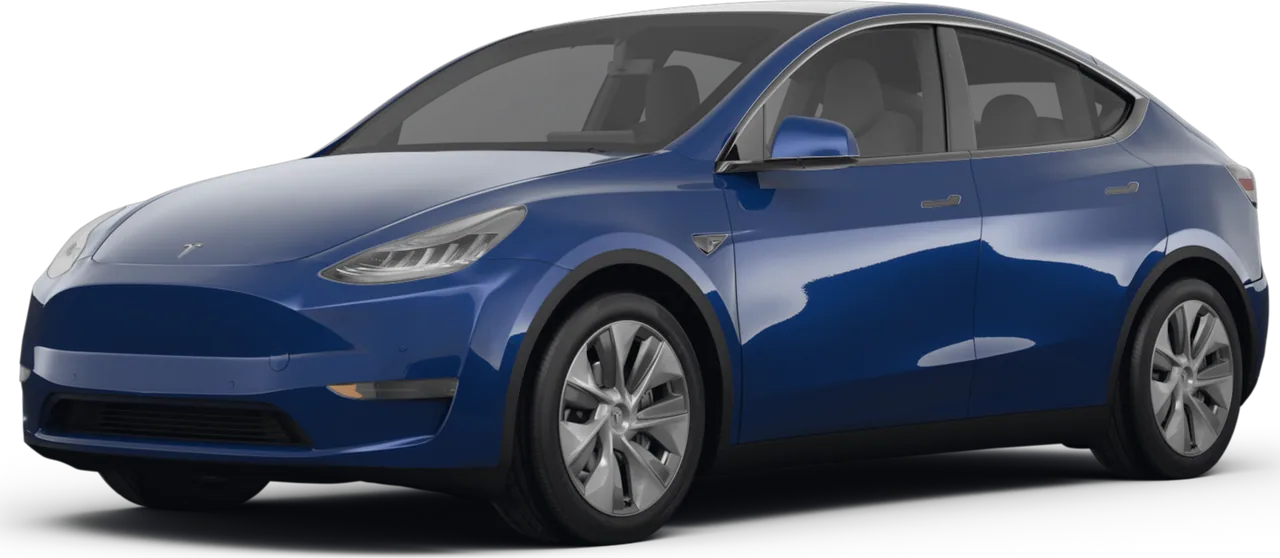
2022 Tesla Model Y AWD
Electric SUV · AWD
Based on battery health, build quality, owner data, EPA range, and market pricing
Below average for 2022 EV SUVs (class avg 66)
Personalize this scoreIs a low score bad?
Last scanned 24 days ago
The 2022 Tesla Model Y AWD packs 279 miles of EPA range and 250 kW fast charging, and 18 recall campaigns affect this make/year — verify every one is closed on the exact VIN.
Score read
A 65/100 makes this worth comparing, not chasing. Do not let the composite hide this split: owner feedback score is 76/100, while range and efficiency score is 51/100. Reddit threads cluster around owner satisfaction and software tech — verify both against the service records. Documented completion matters more than the recall count itself.
Price context
Used examples are running around $29,845. Treat that as a budgeting floor, not a final price; pull a current KBB Fair Purchase or Edmunds True Market Value for this exact trim before negotiating.
Who this is for
✓ Good for
- ⏱ Daily commuter ≤50 mi/day, predictable charging
✗ Avoid if you are a
- $ Bargain hunter Best TCO, reliability + low depreciation
Gotchas
- Serviceable Recall paperwork has to match the exact VIN.
Mitigation Use NHTSA and the automaker lookup, then require repair records instead of a verbal promise.
- Built in Range is the easy place to overbuy this trim (51/100).
Mitigation Check your commute, winter margin, and fast-charge plan before you assume the EPA number fits your use.
Pre-purchase inspection
- 1 Run the exact VIN through NHTSA and the automaker recall lookup before discussing price.
- 2 Compare the dashboard range estimate with the EPA 279-mile rating after a full charge.
- 3 Confirm how much of the 8-year/120,000-mile battery warranty remains and whether it transfers.
- 4 If road trips matter, run a short DC fast-charge session and watch whether speed tapers normally.
- 5 Map your normal highway route and winter margin against the EPA range before you treat it as a road-trip car.
VIN status first This model has 18 NHTSA recall records. The exact VIN lookup decides whether the car in front of you is clear.
Complaint context This scan found 805 NHTSA complaint records (5.4 per 10K VINs, near industry average). Read the themes below before treating the raw count as the verdict.
Price anchor Current market range is $29,400-$29,845. Use that range to compare listings for the same trim, mileage, and condition.
Pricing & Market Value
Score Breakdown
What matters most to you?
Drag the sliders to prioritize what you care about. Your TrimIndex Score recalculates instantly.
Vehicle Specifications
EVs at your price point that match or beat this trim
Price-gated peer set: vehicles within $23.7K–$35.5K market value (±20% of $29.6K). 2 outscore · 4 score within ±2. Mixed across makes — no "spend more, score better" comps.
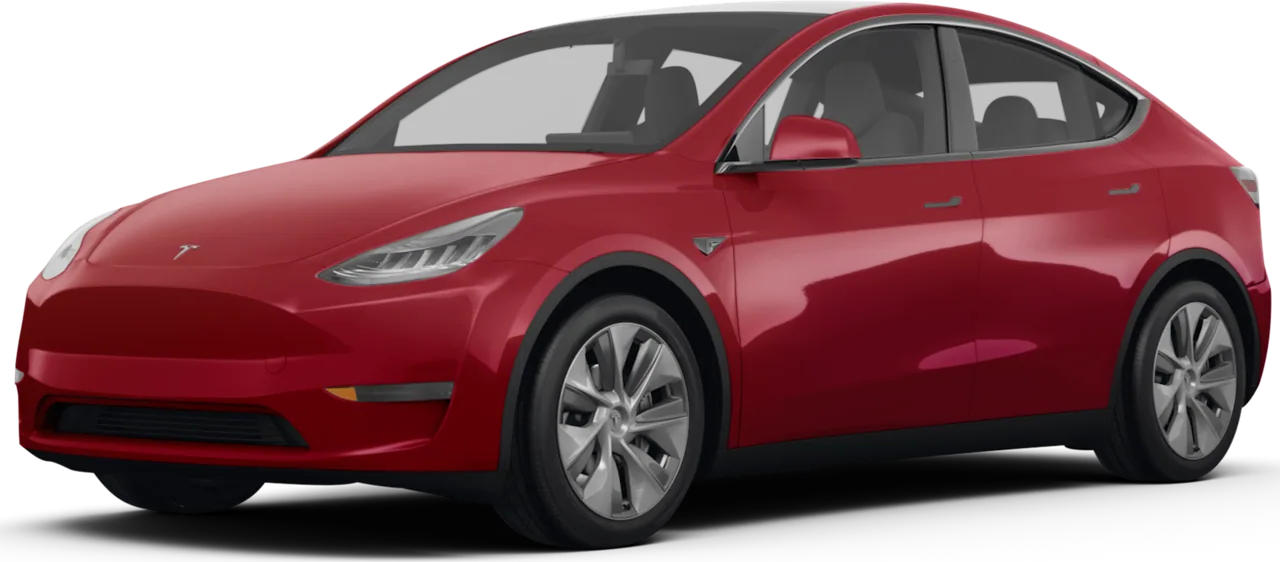
Model Y
- ✓ Different trade-offs at the same price
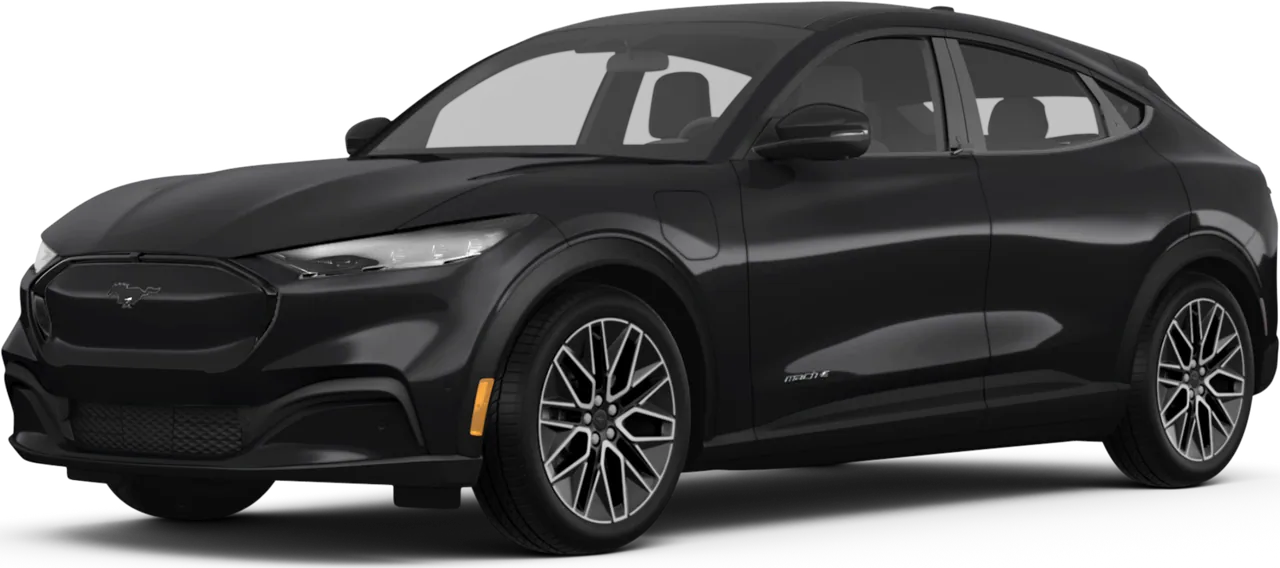
Mustang Mach-E
- ✓ Better infotainment UX
- ✓ +41 mi more range
- ✓ Notably better build quality
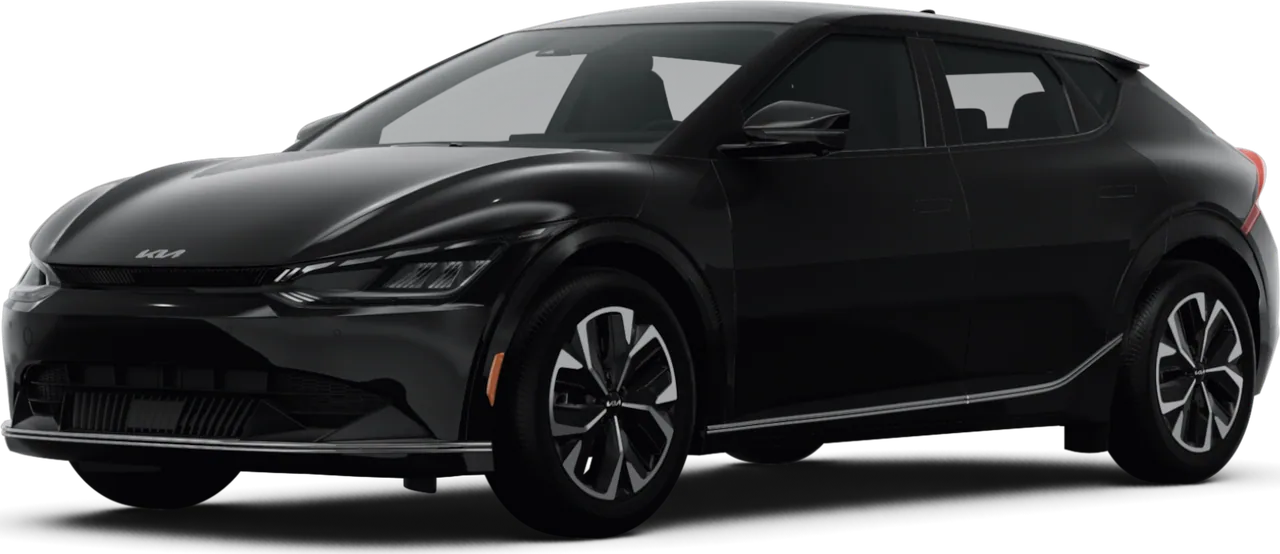
EV6
- ✓ +31 mi more range
- ✓ Better infotainment UX
- ✓ Better safety score
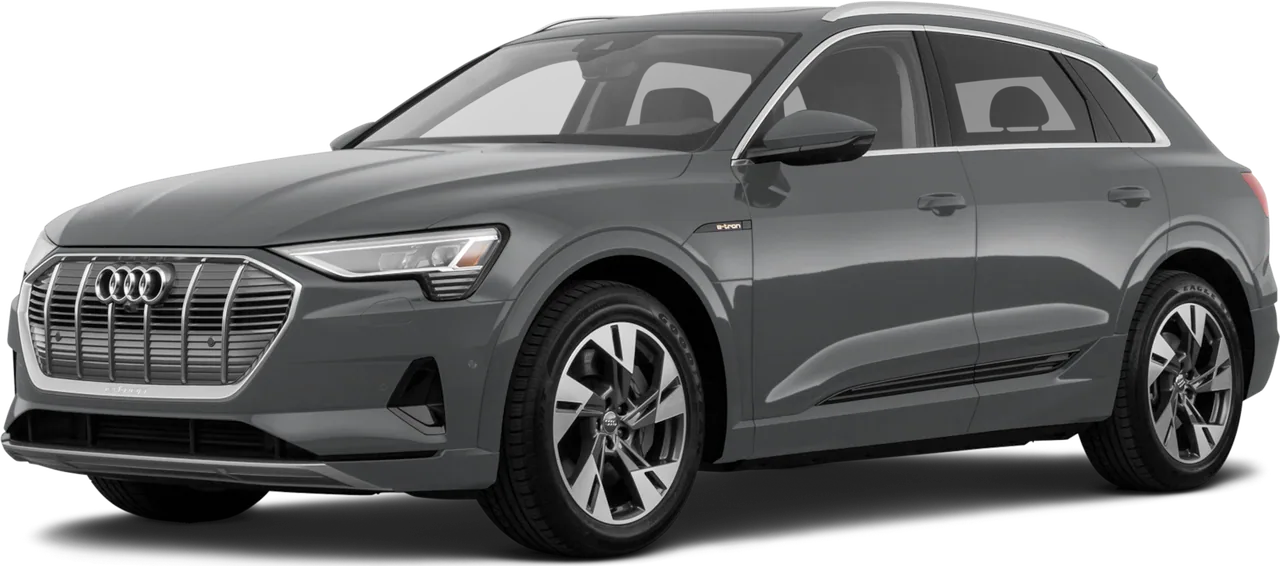
e-tron
- ✓ Better infotainment UX
- ✓ Better bang-for-buck
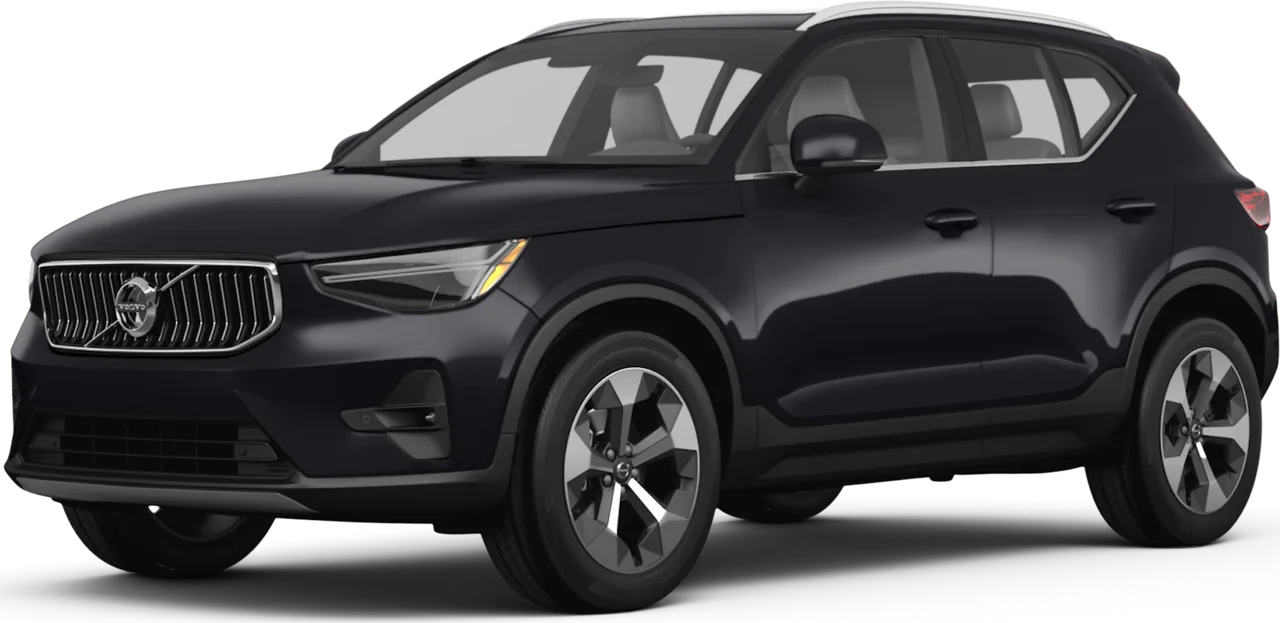
XC40
- ✓ Better infotainment UX
- ✓ Better bang-for-buck
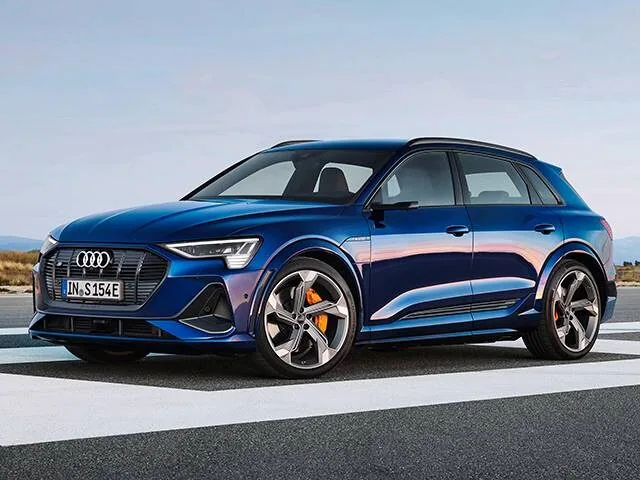
e-tron S
- ✓ Better infotainment UX
- ✓ Better bang-for-buck
The federal $4,000 used-EV credit ended Sept 30, 2025.
But 10 states still run their own used-EV rebate programs — some up to $5,000. Pick your state to see what's available for this trim.
Source & disclaimer
Dealers make ~$8,968 on the average car loan.
After the price is set, the finance manager runs four plays to rebuild margin. Every buyer without a pre-approval is a target. Here's exactly what they run — and what stops each one.
78% of dealer loans carry a hidden +1.13% markup above what the lender actually charges. You never see it — it's buried in the contract. · CFPB
Dealer must match or beat your lender — they can't add margin invisibly. The markup play is dead on arrival.
Once you answer, they stretch the term to hit your number. Median result: $4K less off the price, 12 more months on the loan. · Industry avg
Financing is done. Only the sale price is on the table — and the dealer knows it.
Back-office F&I profit averages $1,975/vehicle, up 8.5% YoY. These products exist — but dealer markup is 4–10x what you'd pay elsewhere. · Dealership Guy
Dealer GAP runs $500–1K. Your insurer sells the same coverage for $100–250 over 5 years. Now you know.
"Your loan fell through — come re-sign." This pulls your APR up +5% on average. It's legal. It works because you've already driven the car home. · Ctr for Responsible Lending
A lender commitment letter means the deal is final. "Pending dealer approval" doesn't apply. You can't be yo-yo'd.
That's 20 months of your car payment — handed to the dealer's finance department for nothing.
Takes 2 minutes. No obligation to use it — but you'll walk in with all the leverage.
Pre-approval is a soft credit inquiry — no score impact. FICO treats all auto-loan hard pulls within 14 days as one, so you can still shop rates at the dealer.
NHTSA Recalls (18)
Tesla, Inc. (Tesla) is recalling certain 2024 Cybertruck, 2017-2025 Model 3, and 2020-2025 Model Y vehicles. The tire pressure monitoring system (TPMS) warning light may not remain illuminated between drive cycles, failing to warn the driver of low tire pressure. As such, these vehicles fail to comply with the requirements of Federal Motor Vehicle Safety Standard number 138, "Tire Pressure Monitoring Systems."
Driving with improperly inflated tires increases the risk of a crash.
Check VIN status at NHTSA.govTesla, Inc. (Tesla) is recalling certain 2021-2024 Model 3, Model S, Model X, and 2020-2024 Model Y vehicles. The hood latch assembly may fail to detect an unlatched hood condition after the hood has been opened.
An unlatched hood can fully open, obstructing the driver's view and increasing the risk of a crash.
Check VIN status at NHTSA.govTesla, Inc. (Tesla) is recalling certain 2012-2024 Model S, 2015-2024 Model X, 2017-2023 Model 3, and 2020-2023 Model Y vehicles. In the event of an unbelted driver, the seat belt warning light and audible chime may not activate as intended. As such, these vehicles fail to comply with the requirements of Federal Motor Vehicle Safety Standard number 208, "Occupant Crash Protection."
A seat belt warning system that fails to alert occupants of an unbelted seat belt can increase the risk of injury during a crash.
Check VIN status at NHTSA.govTesla, Inc. (Tesla) is recalling certain 2013, 2018-2021 Model S, 2020-2021 Model X, 2018-2022 Model 3, and 2020-2022 Model Y vehicles. A factory reset muted the Pedestrian Warning System (PWS) sounds. As such, these vehicles fail to comply with the requirements of Federal Motor Vehicle Safety Standard number 141, "Minimum Sound Requirements for Hybrid and Electric Vehicles."
Pedestrians may be unaware of an approaching vehicle if the PWS sounds are muted, increasing the risk of a crash.
Check VIN status at NHTSA.govTesla, Inc. (Tesla) is recalling certain 2012-2023 Model S, 2016-2024 Model X, 2017-2023 Model 3, 2019-2024 Model Y, and 2024 Cybertruck vehicles. An incorrect font size is displayed on the instrument panel for the Brake, Park, and Antilock Brake System (ABS) warning lights. As such, these vehicles fail to comply with the requirements of Federal Motor Vehicle Safety Standard number 105, "Hydraulic and Electric Brake Systems" and 135, "Light Vehicle Brake Systems."
Warning lights with a smaller font size can make critical safety information on the instrument panel difficult to read, increasing the risk of a crash.
Check VIN status at NHTSA.govTesla, Inc. (Tesla) is recalling 2012-2023 Model S, 2016-2023 Model X, 2017-2023 Model 3, and 2020-2023 Model Y vehicles equipped with all versions of Autosteer leading up to the version(s) that contains the recall remedy. In certain circumstances when Autosteer is engaged, the prominence and scope of the feature's controls may not be sufficient to prevent driver misuse of the SAE Level 2 advanced driver-assistance feature.
In certain circumstances when Autosteer is engaged, and the driver does not maintain responsibility for vehicle operation and is unprepared to intervene as necessary or fails to recognize when Autosteer is canceled or not engaged, there may be an increased risk of a crash.
Check VIN status at NHTSA.govTesla, Inc. (Tesla) is recalling certain 2022-2023 Model Y vehicles. The steering wheel fastener may be loose.
A loose fastener may allow the steering wheel to disconnect from the steering column, which can cause a loss of steering control and increase the risk of a crash.
Check VIN status at NHTSA.govTesla, Inc. (Tesla) is recalling certain 2022-2023 Model Y vehicles. The bolts securing the second-row seat back frames may not have been securely tightened.
A loose seat frame bolt may reduce the seat belt system's performance, increasing the risk of injury during a crash.
Check VIN status at NHTSA.govTesla, Inc. (Tesla) is recalling certain 2016-2023 Model S, Model X, 2017-2023 Model 3, and 2020-2023 Model Y vehicles equipped with Full Self-Driving Beta (FSD Beta) software or pending installation. The FSD Beta system may allow the vehicle to act unsafe around intersections, such as traveling straight through an intersection while in a turn-only lane, entering a stop sign-controlled intersection without coming to a complete stop, or proceeding into an intersection during a steady yellow traffic signal without due caution. In addition, the system may respond insufficiently to changes in posted speed limits or not adequately account for the driver's adjustment of the vehicle's speed to exceed posted speed limits.
FSD Beta software that allows a vehicle to exceed speed limits or travel through intersections in an unlawful or unpredictable manner increases the risk of a crash.
Check VIN status at NHTSA.govTesla, Inc. (Tesla) is recalling certain 2023 Model 3 and 2020-2023 Model Y vehicles. One or both taillights may intermittently fail to illuminate.
A taillight that fails to illuminate may reduce the visibility of the vehicle, increasing the risk of a crash.
Check VIN status at NHTSA.govTesla, Inc. (Tesla) is recalling certain 2017-2022 Model 3, 2020-2022 Model Y, and 2021-2022 Model S and Model X vehicles. The window automatic reversal system may not react correctly after detecting an obstruction. As such, these vehicles fail to comply with the requirements of Federal Motor Vehicle Safety Standard number 118, "Power-Operated Window Systems."
A closing window may exert excessive force by pinching a driver or passenger before retracting, increasing the risk of injury.
Check VIN status at NHTSA.govTesla, Inc. (Tesla) is recalling certain 2021-2022 Model S, Model X, and 2022 Model 3 and Model Y vehicles operating certain firmware releases. The infotainment central processing unit (CPU) may overheat during the preparation or process of fast-charging, causing the CPU to lag or restart.
A lagging or restarting CPU may prevent the center screen from displaying the rearview camera image, gear selection, windshield visibility control settings, and warning lights, increasing the risk of a crash.
Check VIN status at NHTSA.govTesla, Inc. (Tesla) is recalling certain 2020-2022 Model Y, Model X, Model S, and 2017-2022 Model 3 vehicles. The Boombox function allows sounds to be played through an external speaker while the vehicle is in motion, which may obscure the Pedestrian Warning System (PWS) sounds. As such, these vehicles fail to comply with the requirements of Federal Motor Vehicle Safety Standard number 141, "Minimum Sound Requirements for Hybrid and Electric Vehicles."
Pedestrians may be unaware of an approaching vehicle if the PWS sounds are obscured, increasing the risk of a crash.
Check VIN status at NHTSA.govTesla, Inc. (Tesla) is recalling certain 2020-2022 Model S, Model X, Model Y, and 2017-2022 Model 3 vehicles. The Boombox function allows sounds to be played through an external speaker while the vehicle is in motion, which may obscure the Pedestrian Warning System (PWS) sounds. As such, these vehicles fail to comply with the requirements of Federal Motor Vehicle Safety Standard number 141, "Minimum Sound Requirements for Hybrid and Electric Vehicles."
Pedestrians may be unaware of an approaching vehicle if the PWS sounds are obscured, increasing the risk of a crash.
Check VIN status at NHTSA.govTesla, Inc. (Tesla) is recalling certain 2021-2022 Model 3, Model S, Model X, and 2020-2022 Model Y vehicles. A software error may cause a valve in the heat pump to open unintentionally and trap the refrigerant inside the evaporator, resulting in decreased defrosting performance. As such, these vehicles fail to comply with the requirements of Federal Motor Vehicle Safety Standard number 103, "Windshield Defrosting and Defogging Systems."
Decreased defrosting performance may reduce the driver's visibility, increasing the risk of a crash.
Check VIN status at NHTSA.govTesla, Inc. (Tesla) is recalling certain 2021-2022 Model S and Model X, 2017-2022 Model 3, and 2020-2022 Model Y vehicles. The audible chime may not activate when the vehicle starts and the driver has not buckled their seat belt. As such, these vehicles fail to comply with the requirements of Federal Motor Vehicle Safety Standard number 208, "Occupant Crash Protection."
The driver may be unaware that their seat belt is not fastened, increasing the risk of injury during a crash.
Check VIN status at NHTSA.govTesla, Inc. (Tesla) is recalling certain 2016-2022 Model S and Model X, 2017-2022 Model 3, and 2020-2022 Model Y vehicles. The "rolling stop" functionality available as part of the Full Self-Driving (Beta) software may allow the vehicle to travel through an all-way stop intersection without first coming to a stop.
Failing to stop at a stop sign can increase the risk of a crash.
Check VIN status at NHTSA.govTesla, Inc. (Tesla) is recalling certain 2020-2022 Model Y vehicles. The front and rear suspension knuckles may fracture, causing the suspension links to separate.
Suspension links that separate can reduce vehicle stability and control, increasing the risk of a crash.
Check VIN status at NHTSA.govNHTSA Complaints (805 total · 5.4 per 10K US vehicles · near industry average)
INCIDENT SUMMARY On April 16, 2026, at approximately 2:06 PM local time, my 2022 Tesla Model Y was traveling on a multi-lane divided roadway in the Austin/Lakeway, Texas area with Autopilot engaged. Traffic in my direction of travel was heavily congested and traveling with 32 mph. Without warning, alert, or any input from me, Autopilot commanded an uncommanded left steering maneuver. The vehicle veered left out of its lane and into a painted buffer separator area. The direction of travel pointed directly toward a building, an electrical transformer/utility box, and a landscaped area containing mature trees. I immediately recognized the unexpected maneuver and manually gripped the steering wheel to override Autopilot. I steered the vehicle to avoid collision with the building and the electrical box, both of which posed serious collision and electrocution risks. In the approximately 1.5 to 2 seconds available to me, I successfully redirected the vehicle away from the building and the transformer. The vehicle came to rest after striking a tree in the landscaped area adjacent to the road. The vehicle was totaled. Driver and curtain airbags deployed. I was wearing my seatbelt, was alert, and sustained no major injuries as a result of my intervention and the successful redirection of the vehicle.
INCIDENT SUMMARY On April 16, 2026, at approximately 2:06 PM local time, my 2022 Tesla Model Y was traveling on a multi-lane divided roadway in the Austin/Lakeway, Texas area with Autopilot engaged. Traffic in my direction of travel was heavily congested and traveling with 32 mph. Without warning, alert, or any input from me, Autopilot commanded an uncommanded left steering maneuver. The vehicle veered left out of its lane and into a painted buffer separator area. The direction of travel pointed directly toward a building, an electrical transformer/utility box, and a landscaped area containing mature trees. I immediately recognized the unexpected maneuver and manually gripped the steering wheel to override Autopilot. I steered the vehicle to avoid collision with the building and the electrical box, both of which posed serious collision and electrocution risks. In the approximately 1.5 to 2 seconds available to me, I successfully redirected the vehicle away from the building and the transformer. The vehicle came to rest after striking a tree in the landscaped area adjacent to the road. The vehicle was totaled. Driver and curtain airbags deployed. I was wearing my seatbelt, was alert, and sustained no major injuries as a result of my intervention and the successful redirection of the vehicle.
1. Incident Description (FSD Failure) "While operating the vehicle using FSD (Supervised) on December 30, 2025, at approximately [Time], the vehicle failed to detect and completely ran through a red light/stop light at the intersection of [Street Name] and [Cross Street]. I had to take over the vehicle to avoid a potential collision. The system did not provide a warning or attempt to brake for the traffic signal." 2. Control Failure (Sliding/Steering) "Under low-speed conditions (approximately 13 mph), the vehicle suffered an uncontrolled loss of traction and directional stability. The Traction Control System (TCS) failed to intervene or stabilize the car. I was forced to perform a manual steering intervention to correct the slide and maintain my lane. This occurred at [Location/Address]." 3. Hardware/Exit Concern (Door) "The vehicle has a mechanical defect in the [Front/Rear] door. It requires excessive physical force (hard slamming) to latch properly. I am concerned that in an emergency, the door may fail to open or close correctly, posing a safety risk to passengers." 4. Summary of Risk "I no longer feel safe operating this vehicle. The combination of an autonomous driving system that ignores traffic signals and a stability system that fails at school-zone speeds makes this vehicle a life-threatening hazard to myself and others on the road."
1. Incident Description (FSD Failure) "While operating the vehicle using FSD (Supervised) on December 30, 2025, at approximately [Time], the vehicle failed to detect and completely ran through a red light/stop light at the intersection of [Street Name] and [Cross Street]. I had to take over the vehicle to avoid a potential collision. The system did not provide a warning or attempt to brake for the traffic signal." 2. Control Failure (Sliding/Steering) "Under low-speed conditions (approximately 13 mph), the vehicle suffered an uncontrolled loss of traction and directional stability. The Traction Control System (TCS) failed to intervene or stabilize the car. I was forced to perform a manual steering intervention to correct the slide and maintain my lane. This occurred at [Location/Address]." 3. Hardware/Exit Concern (Door) "The vehicle has a mechanical defect in the [Front/Rear] door. It requires excessive physical force (hard slamming) to latch properly. I am concerned that in an emergency, the door may fail to open or close correctly, posing a safety risk to passengers." 4. Summary of Risk "I no longer feel safe operating this vehicle. The combination of an autonomous driving system that ignores traffic signals and a stability system that fails at school-zone speeds makes this vehicle a life-threatening hazard to myself and others on the road."
I experienced a safety issue with my Tesla vehicle where the automatic window and locking system malfunctioned. While the car was stationary, my baby was looking out of the window, and suddenly, the car locked itself and the window began closing automatically. Despite the presence of my baby near the window, the obstacle detection system did not respond, and the window continued to close. It seems the detection system is designed to sense firm or hard objects but fails to recognize softer or smaller obstructions, such as a child’s head or hand. This poses a significant safety risk, especially for young children. I urge NHTSA to investigate the following: 1.The sensitivity and reliability of Tesla’s obstacle detection system for power windows. 2.Whether this issue meets the required safety standards for automatic windows. 3.Potential updates or recalls needed to address this safety concern. This is a critical issue that requires immediate attention to make sure the safety of passengers, especially children, in Tesla vehicles.
I experienced a safety issue with my Tesla vehicle where the automatic window and locking system malfunctioned. While the car was stationary, my baby was looking out of the window, and suddenly, the car locked itself and the window began closing automatically. Despite the presence of my baby near the window, the obstacle detection system did not respond, and the window continued to close. It seems the detection system is designed to sense firm or hard objects but fails to recognize softer or smaller obstructions, such as a child’s head or hand. This poses a significant safety risk, especially for young children. I urge NHTSA to investigate the following: 1.The sensitivity and reliability of Tesla’s obstacle detection system for power windows. 2.Whether this issue meets the required safety standards for automatic windows. 3.Potential updates or recalls needed to address this safety concern. This is a critical issue that requires immediate attention to make sure the safety of passengers, especially children, in Tesla vehicles.
Sudden Unintended Acceleration. TESLA Service refuses to check the vehicle, it happened 4 times so far. On first occasion they sent it to their engineering team, and result came back after five months and they claimed nothing is wrong. They refused to provide a copy of engineering report. IF nothing is wrong, why did they refuse to provide car owner a copy. IT happened three times after that and they asking for exact day and time, which was provided for second time and they mentioned that there is nothing they can do. I had the car for about 14 months and had less than 6000 miles because I am afraid of driving it and cause into accident.
Sudden Unintended Acceleration. TESLA Service refuses to check the vehicle, it happened 4 times so far. On first occasion they sent it to their engineering team, and result came back after five months and they claimed nothing is wrong. They refused to provide a copy of engineering report. IF nothing is wrong, why did they refuse to provide car owner a copy. IT happened three times after that and they asking for exact day and time, which was provided for second time and they mentioned that there is nothing they can do. I had the car for about 14 months and had less than 6000 miles because I am afraid of driving it and cause into accident.
On 9/4/23, I encountered a serious malfunction with my Model Y. The issue in question involved the vehicle crashing into a wall on the top level of a parking structure while using the “Smart Summon” feature in Tesla’s mobile app. The “Smart Summon” feature allows you to use the Tesla app to retrieve the vehicle and have it move to your location (within 12 meters) while you are standing outside of the vehicle. This malfunction rendered the vehicle unsafe to drive and significantly affected its performance. I immediately contacted Tesla's customer support and was advised to take my vehicle to the nearest Tesla Service Center or certified repair service center. The Tesla Service Center located in West Covina, CA, performed a diagnostics inspection and technicians said that due to the “Smart Summon” feature being a beta version, they do not take responsibility for the damage caused. I explained that the “Smart Summon” feature was first released in 2016 and that it’s original feature design is for the vehicle to stop completely if it detects any objects in its path of travel. I also raised the question on what if it was our children or any other pedestrian that could have been injured. I would like to emphasize that my Model Y is only 1.4 year old, purchased in April 2022 and it has been meticulously maintained according to Tesla's recommended guidelines. It is perplexing and disheartening to learn that a significant malfunction, seemingly unrelated to any neglect or misuse on my part, would not be covered by Tesla's warranty. I understand that warranties have limitations, but I firmly believe that the malfunction I experienced falls well within the scope of what should be covered. This situation has placed an unexpected financial burden on me, as the estimated repair costs are substantial at almost $8,000. It also raises questions about the reliability and durability of Tesla vehicles. I kindly request your time and assistance in the matter.
On 9/4/23, I encountered a serious malfunction with my Model Y. The issue in question involved the vehicle crashing into a wall on the top level of a parking structure while using the “Smart Summon” feature in Tesla’s mobile app. The “Smart Summon” feature allows you to use the Tesla app to retrieve the vehicle and have it move to your location (within 12 meters) while you are standing outside of the vehicle. This malfunction rendered the vehicle unsafe to drive and significantly affected its performance. I immediately contacted Tesla's customer support and was advised to take my vehicle to the nearest Tesla Service Center or certified repair service center. The Tesla Service Center located in West Covina, CA, performed a diagnostics inspection and technicians said that due to the “Smart Summon” feature being a beta version, they do not take responsibility for the damage caused. I explained that the “Smart Summon” feature was first released in 2016 and that it’s original feature design is for the vehicle to stop completely if it detects any objects in its path of travel. I also raised the question on what if it was our children or any other pedestrian that could have been injured. I would like to emphasize that my Model Y is only 1.4 year old, purchased in April 2022 and it has been meticulously maintained according to Tesla's recommended guidelines. It is perplexing and disheartening to learn that a significant malfunction, seemingly unrelated to any neglect or misuse on my part, would not be covered by Tesla's warranty. I understand that warranties have limitations, but I firmly believe that the malfunction I experienced falls well within the scope of what should be covered. This situation has placed an unexpected financial burden on me, as the estimated repair costs are substantial at almost $8,000. It also raises questions about the reliability and durability of Tesla vehicles. I kindly request your time and assistance in the matter.
The contact rented a 2022 Tesla Model Y. The contact stated that while his wife was driving approximately 55-65 MPH, the vehicle started swerving to the left and to the right. The failure occurred while driving towards oncoming traffic. The contact stated that his wife was able to regain control of the vehicle and pulled into the nearest driveway. Hertz Rental Car was contacted and had the vehicle towed. The contact was provided another rental car. The contact was informed that a software update was needed; however, the contact was unaware if the vehicle was diagnosed or repaired. The manufacturer was not made aware of the failure. The approximate failure mileage was 33,071.
The contact rented a 2022 Tesla Model Y. The contact stated that while his wife was driving approximately 55-65 MPH, the vehicle started swerving to the left and to the right. The failure occurred while driving towards oncoming traffic. The contact stated that his wife was able to regain control of the vehicle and pulled into the nearest driveway. Hertz Rental Car was contacted and had the vehicle towed. The contact was provided another rental car. The contact was informed that a software update was needed; however, the contact was unaware if the vehicle was diagnosed or repaired. The manufacturer was not made aware of the failure. The approximate failure mileage was 33,071.
The driver seat's manual door opening latch does not open the door. That means in case of battery failure, fire or accident ( when the car 's battery is not working) driver cannot get out of the car from driver's seat. And from the design there is no manual door opening function in the back seats.
The driver seat's manual door opening latch does not open the door. That means in case of battery failure, fire or accident ( when the car 's battery is not working) driver cannot get out of the car from driver's seat. And from the design there is no manual door opening function in the back seats.
As I was walking up to my Tesla Model Y I used the tesla app on my phone to open my read hatch. The door opened as I approached, when I got to the car, Some how the rear hatch closed without touching the car button or the app, striking me on the head hard, causing a contusion to the top of my head. I have video from the car showing the incident, but can not upload below due to file type restriction
As I was walking up to my Tesla Model Y I used the tesla app on my phone to open my read hatch. The door opened as I approached, when I got to the car, Some how the rear hatch closed without touching the car button or the app, striking me on the head hard, causing a contusion to the top of my head. I have video from the car showing the incident, but can not upload below due to file type restriction
No manual door latch present on rear passenger doors. In event of emergency not able to open the rear doors manually. Manual safety cord located under sealed compartment, inaccessible without small screwdriver or special tool.
No manual door latch present on rear passenger doors. In event of emergency not able to open the rear doors manually. Manual safety cord located under sealed compartment, inaccessible without small screwdriver or special tool.
Since I received this awful vehicle it has never properly identified emergency vehicles. Sometimes it confuses neon/led signs with emergency lights and smashes on the brake for emergency vehicles that aren't there. Other times it slams on the brakes on the highway when behind an emergency vehicle and the reflective tape is lit up from my own headlights bouncing on the awfully hard and cheap suspension on this 'performance' vehicle. Lately I've captured video of the car completely failing to see a FIRE TRUCK right in front of it for at least 1 minute straight with the lights and sirens on. This is unacceptable. Tesla not only wants me and my family dead, they don't care about the lives of our brave firefighters, EMTs and police officers. Then don't care about YOU either. Shut it down this is beyond criminal! Here's the video: https://www.instagram.com/reel/CrdWg6wgo3H/?igshid=MzRlODBiNWFlZA%3D%3D not sure if I added the link for the report right before this about the car freezing while I'm driving. Here's that video too: https://www.instagram.com/reel/CrN7GEPLYh_/?igshid=MzRlODBiNWFlZA%3D%3D
Since I received this awful vehicle it has never properly identified emergency vehicles. Sometimes it confuses neon/led signs with emergency lights and smashes on the brake for emergency vehicles that aren't there. Other times it slams on the brakes on the highway when behind an emergency vehicle and the reflective tape is lit up from my own headlights bouncing on the awfully hard and cheap suspension on this 'performance' vehicle. Lately I've captured video of the car completely failing to see a FIRE TRUCK right in front of it for at least 1 minute straight with the lights and sirens on. This is unacceptable. Tesla not only wants me and my family dead, they don't care about the lives of our brave firefighters, EMTs and police officers. Then don't care about YOU either. Shut it down this is beyond criminal! Here's the video: https://www.instagram.com/reel/CrdWg6wgo3H/?igshid=MzRlODBiNWFlZA%3D%3D not sure if I added the link for the report right before this about the car freezing while I'm driving. Here's that video too: https://www.instagram.com/reel/CrN7GEPLYh_/?igshid=MzRlODBiNWFlZA%3D%3D
Narrative November 18, 2022 At approximately 8:30 in the morning I was driving my new Tesla Model Y through the rolling hills of South Central Pennsylvania on I-70 heading to Breezewood in order to catch the Pennsylvania Turnpike West. Suddenly and without warning, the car began to break as hard as a car can brake without skidding. Almost like a full panic stop. The car must have stopped in four or five seconds from 60 miles an hour. I was in the left lane at the time and I tried to get over onto the shoulder but I was unable. The car came to a complete stop in the middle of the right lane. The car was in the center of the right lane and was completely locked up. I was unable to get it into neutral. I was unable to get it into a gear so I turned on the emergency flashers. Right behind me were three semis. The first one had to swerve to avoid me. The trailer almost flipped over into me. The semi behind him had to swerve to avoid me and thank God there were no cars in the left lane. The third semi had to take evasive action to get around me. I am grateful those three truck drivers were on the ball at that moment. After they went by, I got out of the car and ran up the hill to flag other trucks and cars to move into the left lane. The car had come to a stop on the other side of the top of a crest so cars and trucks didn't have much notice coming up on my car. Meanwhile, I called 911. I stood at the top of the crest for the better part of an hour and a half, maybe two hours waiting for the police to show, but they never did. I did receive some help from passersby who stopped to help and called 911 as well. After almost two hours, a road crew showed up to lay down flares. And finally a tow truck came to tow me to Crystal Lake PA. Almost 8 hours later I finally got my car into a Tesla dealer in Mechanicsburg PA. When I got there [XXX] the service manager told me they did a preliminary diagnostic and determined that the computer chip in the car was defective. The dealer l INFORMATION Redacted PURSUANT TO THE FREEDOM
Narrative November 18, 2022 At approximately 8:30 in the morning I was driving my new Tesla Model Y through the rolling hills of South Central Pennsylvania on I-70 heading to Breezewood in order to catch the Pennsylvania Turnpike West. Suddenly and without warning, the car began to break as hard as a car can brake without skidding. Almost like a full panic stop. The car must have stopped in four or five seconds from 60 miles an hour. I was in the left lane at the time and I tried to get over onto the shoulder but I was unable. The car came to a complete stop in the middle of the right lane. The car was in the center of the right lane and was completely locked up. I was unable to get it into neutral. I was unable to get it into a gear so I turned on the emergency flashers. Right behind me were three semis. The first one had to swerve to avoid me. The trailer almost flipped over into me. The semi behind him had to swerve to avoid me and thank God there were no cars in the left lane. The third semi had to take evasive action to get around me. I am grateful those three truck drivers were on the ball at that moment. After they went by, I got out of the car and ran up the hill to flag other trucks and cars to move into the left lane. The car had come to a stop on the other side of the top of a crest so cars and trucks didn't have much notice coming up on my car. Meanwhile, I called 911. I stood at the top of the crest for the better part of an hour and a half, maybe two hours waiting for the police to show, but they never did. I did receive some help from passersby who stopped to help and called 911 as well. After almost two hours, a road crew showed up to lay down flares. And finally a tow truck came to tow me to Crystal Lake PA. Almost 8 hours later I finally got my car into a Tesla dealer in Mechanicsburg PA. When I got there [XXX] the service manager told me they did a preliminary diagnostic and determined that the computer chip in the car was defective. The dealer l INFORMATION Redacted PURSUANT TO THE FREEDOM
Was stopped at a light and the car rapidly accelerate on its own hitting the car in front of me. The air bags didn't deploy. I stepped on the break pedal but the car continued to accelerate, I have informed Tesla and opened a service ticket. A police report was filed for the resulting accident involving 2 other cars. I have also had instances in the recent past where while driving on the highway the car has rapidly slowed down / applied the breaks for now obvious reason. The phantom breaking issue reported by many.
Was stopped at a light and the car rapidly accelerate on its own hitting the car in front of me. The air bags didn't deploy. I stepped on the break pedal but the car continued to accelerate, I have informed Tesla and opened a service ticket. A police report was filed for the resulting accident involving 2 other cars. I have also had instances in the recent past where while driving on the highway the car has rapidly slowed down / applied the breaks for now obvious reason. The phantom breaking issue reported by many.
Child opened door to exit vehicle. Finger was resting near window. Window retracted as door opened and took child's finger with it. Child's finger was trapped and smashed between glass and door. Finger was able to be removed with injury to finger. Window did not pop back up when door was closed in an effort go release the finger.
Child opened door to exit vehicle. Finger was resting near window. Window retracted as door opened and took child's finger with it. Child's finger was trapped and smashed between glass and door. Finger was able to be removed with injury to finger. Window did not pop back up when door was closed in an effort go release the finger.
Tesla Y has a special setting for carwashes, that driver has to enable, which puts the car in neutral, closses all the windows and plus some more. Unfortunately system failed; car accelerated on its own and I hit a car in front of me, so it failed the second time and car didn't stop on its own to avoid collision. I called Tesla and this incident is under their investigation.
Tesla Y has a special setting for carwashes, that driver has to enable, which puts the car in neutral, closses all the windows and plus some more. Unfortunately system failed; car accelerated on its own and I hit a car in front of me, so it failed the second time and car didn't stop on its own to avoid collision. I called Tesla and this incident is under their investigation.
The driver reported while slowly turning right into a parking stall, the vehicle accelerated and collided into a building despite efforts to stop the vehicle. The driver stated she was applying the brakes as the vehicle accelerated.
The driver reported while slowly turning right into a parking stall, the vehicle accelerated and collided into a building despite efforts to stop the vehicle. The driver stated she was applying the brakes as the vehicle accelerated.
I am reporting a serious safety concern involving my Tesla Model Y. While driving, the vehicle’s main center screen (MCU) suddenly failed and entered a continuous reboot loop. This resulted in the loss of critical driving information and controls, including navigation, camera display, and vehicle system status. The issue occurred without any warning and nearly caused a serious accident, as I was unable to safely monitor essential driving information. This failure made the vehicle extremely unsafe to operate. The problem appears to be related to a known MCU system failure affecting some Tesla vehicles. I am concerned that this issue may present a broader safety risk for other drivers. Please investigate this matter for potential safety defects.
I am reporting a serious safety concern involving my Tesla Model Y. While driving, the vehicle’s main center screen (MCU) suddenly failed and entered a continuous reboot loop. This resulted in the loss of critical driving information and controls, including navigation, camera display, and vehicle system status. The issue occurred without any warning and nearly caused a serious accident, as I was unable to safely monitor essential driving information. This failure made the vehicle extremely unsafe to operate. The problem appears to be related to a known MCU system failure affecting some Tesla vehicles. I am concerned that this issue may present a broader safety risk for other drivers. Please investigate this matter for potential safety defects.
The contact stated that they rented a 2022 Tesla Model Y. The contact stated that the vehicle was supervised in autonomous mode when it suddenly turned left while driving at approximately 45 MPH, causing it to hit an electrical box nearby. The vehicle then steered itself back onto the road and shortly after, turned off the road towards the right and crashed into a tree, where it came to a stop. There were no warnings or notifications that were displayed during the incident. The air bags did deploy. The vehicle did not allow the driver to correct the direction of the vehicle or disable the autonomous mode setting. The vehicle had caught on fire. The contact and the other passenger, sitting in the front passenger seat of the vehicle at the time, were able to exit the vehicle. The fire department was called and extinguished the fire. The police department was contacted, and a police report was filed. The vehicle was towed and totaled. The contact received a broken left wrist, a sprained right foot, and seat belt bruising to their lower stomach and chest area. The passenger in the vehicle received seat belt bruising. Medical attention was needed. The contact rented the vehicle through Turo and informed the person they had rented from. The contact was not sure if the incident was reported to the dealer or manufacturer by the owner. The contact stated their attorney contacted the manufacturer and informed them of the incident in an attempt to retrieve data information from the vehicle at the time of the incident. The failure mileage was unknown.
The contact stated that they rented a 2022 Tesla Model Y. The contact stated that the vehicle was supervised in autonomous mode when it suddenly turned left while driving at approximately 45 MPH, causing it to hit an electrical box nearby. The vehicle then steered itself back onto the road and shortly after, turned off the road towards the right and crashed into a tree, where it came to a stop. There were no warnings or notifications that were displayed during the incident. The air bags did deploy. The vehicle did not allow the driver to correct the direction of the vehicle or disable the autonomous mode setting. The vehicle had caught on fire. The contact and the other passenger, sitting in the front passenger seat of the vehicle at the time, were able to exit the vehicle. The fire department was called and extinguished the fire. The police department was contacted, and a police report was filed. The vehicle was towed and totaled. The contact received a broken left wrist, a sprained right foot, and seat belt bruising to their lower stomach and chest area. The passenger in the vehicle received seat belt bruising. Medical attention was needed. The contact rented the vehicle through Turo and informed the person they had rented from. The contact was not sure if the incident was reported to the dealer or manufacturer by the owner. The contact stated their attorney contacted the manufacturer and informed them of the incident in an attempt to retrieve data information from the vehicle at the time of the incident. The failure mileage was unknown.
Following a 25-day repair at a certified collision center due to an earlier accident, the vehicle's Full Self-Driving (FSD) and Active Safety Systems began failing. The vehicle repeatedly failed to keep speed and failed to stay centered in the lane. On March 25, 2026, while traveling at low speed on a public roadway with FSD actively engaged, the system failed to maintain a stable path and incorrectly steered the vehicle into a curb, causing property damage to the wheel. This failure put my safety and the safety of surrounding traffic at risk by executing an unpredictable steering maneuver that the active safety systems failed to prevent. The vehicle was taken to the manufacturer's service center twice with this specific complaint prior to the curb strike. The service center investigated and officially concluded that this was not a software issue, stating that they could do nothing else. They deferred the resolution back to the collision shop, citing likely camera/sensor physical misalignment from the 25-day body repair. The collision shop is now refusing to review the vehicle or inspect the hardware, claiming lack of visible exterior damage despite the internal service team stating this is a latent hardware alignment defect. The vehicle is currently in the same failing condition and available for inspection upon request. No warning lamps or error messages appeared on the screen prior to the failure or the curb strike. The symptom of unpredictable lane tracking first appeared immediately upon receiving the vehicle back from the collision repair earlier this year. Note: I have a formal data privacy request pending with Tesla to pull the exact chat logs showing their refusal to service this hardware defect. I will provide these to the investigator upon follow-up.
Following a 25-day repair at a certified collision center due to an earlier accident, the vehicle's Full Self-Driving (FSD) and Active Safety Systems began failing. The vehicle repeatedly failed to keep speed and failed to stay centered in the lane. On March 25, 2026, while traveling at low speed on a public roadway with FSD actively engaged, the system failed to maintain a stable path and incorrectly steered the vehicle into a curb, causing property damage to the wheel. This failure put my safety and the safety of surrounding traffic at risk by executing an unpredictable steering maneuver that the active safety systems failed to prevent. The vehicle was taken to the manufacturer's service center twice with this specific complaint prior to the curb strike. The service center investigated and officially concluded that this was not a software issue, stating that they could do nothing else. They deferred the resolution back to the collision shop, citing likely camera/sensor physical misalignment from the 25-day body repair. The collision shop is now refusing to review the vehicle or inspect the hardware, claiming lack of visible exterior damage despite the internal service team stating this is a latent hardware alignment defect. The vehicle is currently in the same failing condition and available for inspection upon request. No warning lamps or error messages appeared on the screen prior to the failure or the curb strike. The symptom of unpredictable lane tracking first appeared immediately upon receiving the vehicle back from the collision repair earlier this year. Note: I have a formal data privacy request pending with Tesla to pull the exact chat logs showing their refusal to service this hardware defect. I will provide these to the investigator upon follow-up.
On January 12, 2026, I was involved in a multi-vehicle collision on I-4 West near US-27 Off Ramp in Polk County, Florida. My vehicle was struck on the left rear quarter panel causing me to lose control, hit a second vehicle, and travel off the road to the hazard lane. The vehicle was declared a total loss by the insurance company. Despite the severity of the impact, none of the airbags deployed. The Florida state crash report confirms airbags were marked as Not Deployed. The vehicle is currently at a salvage yard and is available for inspection. No warning lamps related to the airbag system were present prior to the crash. The failure of the airbag system to deploy in a total loss collision put the driver at significant risk of serious injury.”
On January 12, 2026, I was involved in a multi-vehicle collision on I-4 West near US-27 Off Ramp in Polk County, Florida. My vehicle was struck on the left rear quarter panel causing me to lose control, hit a second vehicle, and travel off the road to the hazard lane. The vehicle was declared a total loss by the insurance company. Despite the severity of the impact, none of the airbags deployed. The Florida state crash report confirms airbags were marked as Not Deployed. The vehicle is currently at a salvage yard and is available for inspection. No warning lamps related to the airbag system were present prior to the crash. The failure of the airbag system to deploy in a total loss collision put the driver at significant risk of serious injury.”
The contact owns a 2022 Tesla Model Y. The contact stated that the steering wheel material had been unraveling. The contact received notification of TSB Number: SB2332003. A Tesla Service Center was contacted via the Mobile App Chat feature, and informed the contact that the vehicle would be repaired at the owner's expense because the warranty had expired. The vehicle was not repaired. The manufacturer was notified of the failure. The failure mileage was approximately 70,000.
The contact owns a 2022 Tesla Model Y. The contact stated that the steering wheel material had been unraveling. The contact received notification of TSB Number: SB2332003. A Tesla Service Center was contacted via the Mobile App Chat feature, and informed the contact that the vehicle would be repaired at the owner's expense because the warranty had expired. The vehicle was not repaired. The manufacturer was notified of the failure. The failure mileage was approximately 70,000.
The vehicle was delivered with a critical safety defect in the braking system and inoperable safety software (GPS/FSD/Navigation). Upon further inspection by the dealer's own technician, it was confirmed that the vehicle had 'EXTREMELY POOR BRAKE FEEL' and 'EXTREME RUST BUILD UP' on all pads and rotors, which violated Tesla’s 6mm minimum safety standard for used vehicles. Additionally, a physically damaged windshield harness caused the failure of GPS and FSD features. These defects posed a significant safety risk to myself and my family during operation. The dealer has documented and confirmed these safety issues but is now refusing a buyback and is retaliating with storage fees for my rejection of the unsafe product. No warning lights appeared prior to the technician's discovery of the brake defects.
The vehicle was delivered with a critical safety defect in the braking system and inoperable safety software (GPS/FSD/Navigation). Upon further inspection by the dealer's own technician, it was confirmed that the vehicle had 'EXTREMELY POOR BRAKE FEEL' and 'EXTREME RUST BUILD UP' on all pads and rotors, which violated Tesla’s 6mm minimum safety standard for used vehicles. Additionally, a physically damaged windshield harness caused the failure of GPS and FSD features. These defects posed a significant safety risk to myself and my family during operation. The dealer has documented and confirmed these safety issues but is now refusing a buyback and is retaliating with storage fees for my rejection of the unsafe product. No warning lights appeared prior to the technician's discovery of the brake defects.
On January 9th my wife got into an accident in our 2022 Tesla Model Y vehicle. She reported that as she was backing out of a prking spot in a strip mall, the vrhicle suddenly accelerated backward involuntarely which resulted in colliding with a vehicle which was approaching from the rear side. My wife reported the speed was so violent that she felt dizziness. When she took the car bto the Tesla shop for repair by the insurance, the Tesla repair people discounted her reporting and did not do any follow-up to investigate the issue. Note the onboard camera recorded the swift movement of the vehicle and I will try to upload it. We have read that such problem was looked into by the NTHSA in the past and that it is being revisited again. Note that that Tesla has determined the vehicle as being totalled and has kept it at their shop. Please let us know your thoughts on this matter so if this is a serious problem that it can be addressed so it won't happen to others. My wif was lucky she didn't get hurt and also she didn''t heart others. Please note I am currently traveling out of the country and will be be back in the US on March 12, 2026. You can contact me via my email or I will be available for phone conversation on the indicated date. Also please note I could not upload the recording of the on board camera because of the format incompatibility. THe phone number included is my wife's and please feel free to contact her.
On January 9th my wife got into an accident in our 2022 Tesla Model Y vehicle. She reported that as she was backing out of a prking spot in a strip mall, the vrhicle suddenly accelerated backward involuntarely which resulted in colliding with a vehicle which was approaching from the rear side. My wife reported the speed was so violent that she felt dizziness. When she took the car bto the Tesla shop for repair by the insurance, the Tesla repair people discounted her reporting and did not do any follow-up to investigate the issue. Note the onboard camera recorded the swift movement of the vehicle and I will try to upload it. We have read that such problem was looked into by the NTHSA in the past and that it is being revisited again. Note that that Tesla has determined the vehicle as being totalled and has kept it at their shop. Please let us know your thoughts on this matter so if this is a serious problem that it can be addressed so it won't happen to others. My wif was lucky she didn't get hurt and also she didn''t heart others. Please note I am currently traveling out of the country and will be be back in the US on March 12, 2026. You can contact me via my email or I will be available for phone conversation on the indicated date. Also please note I could not upload the recording of the on board camera because of the format incompatibility. THe phone number included is my wife's and please feel free to contact her.
While driving, the front left brake caliper detached, causing immediate damage to the wheel and a tire blowout. There was no recent brake, wheel, or suspension service (over two years). Tesla is repairing the vehicle for an estimated $2,336.41 but did not clearly identify root cause. This was a sudden brake system failure that could have resulted in loss of control. I am reporting this as a potential safety defect.
While driving, the front left brake caliper detached, causing immediate damage to the wheel and a tire blowout. There was no recent brake, wheel, or suspension service (over two years). Tesla is repairing the vehicle for an estimated $2,336.41 but did not clearly identify root cause. This was a sudden brake system failure that could have resulted in loss of control. I am reporting this as a potential safety defect.
While using cruise control at highway speed, the car suddenly slams on the breaks causing major panic. Oversteering onto incoming traffic and cars following are affected slamming on their breaks to avoid contact. Have contacted Tesla Service Center multiple times addressing the problem (Phantom breaking problem). What they keep on telling me is that there is no fix to the problem at this time. The cruise control intermittently turns off and on by itself with no warning or obstruction. No lamps warning or messages prior to failure. My Tesla 2022 Model Y (Performance) has been inspected at the Tesla Service Center many times, but to no avail problem still exists.
While using cruise control at highway speed, the car suddenly slams on the breaks causing major panic. Oversteering onto incoming traffic and cars following are affected slamming on their breaks to avoid contact. Have contacted Tesla Service Center multiple times addressing the problem (Phantom breaking problem). What they keep on telling me is that there is no fix to the problem at this time. The cruise control intermittently turns off and on by itself with no warning or obstruction. No lamps warning or messages prior to failure. My Tesla 2022 Model Y (Performance) has been inspected at the Tesla Service Center many times, but to no avail problem still exists.
In 9/2025 I noticed that the vehicle software was defaulting to a speed limit of 55 mph. I noticed that when in any form of autopilot and FSD it would accelerate to that speed. This happens in any situation before the car encounters a sign or an area that it's internal map corrects it, which is not common outside of major routes in Idaho. This includes paved marked roads, graded roads, single track dirt roads, my driveway and garage. Sometimes the car controls it's speed consistent with conditions, sometimes not. It can happen unexpectedly, and that's the issue. Where I have learned this is a problem, I of course turn off the AP or FSD and drive myself, however, if I am in driver assist mode and things are going well and the speed limit in the vehicle changes suddenly to the default 55 mph, it can take a moment for me to react. In October 2025 I reported this to my Tesla Service center as well as Tesla's over the air and on line email reporting options (from which I got no response). The service center entered a ticket directly with Tesla, and told me that that Tesla was aware. The explanation that came back was that it was due to a mapping update for the internal map of the car. They said it was the result of Google Maps setting the default speed limit in Idaho, which is where I live, to 55 and that this was due to a September 2025 update. They said it might be corrected with the next update, which has not occurred at this point (January 2026). This speeding behavior can happen suddenly and unexpectedly and seemingly randomly, and has the potential to injure pedestrians, the driver, and property, not to mention that it is also exceeding by far the legal speed limit. Drivers from other areas that may not be aware of the issue are likely to be caught unaware. There is absolutely no reason for the default speed to be 55, ever. It's unsafe, and unnecessary. It is rare to see a speed limit of 55 at all in Idaho. Most of the roads are above or below that speed limit.
In 9/2025 I noticed that the vehicle software was defaulting to a speed limit of 55 mph. I noticed that when in any form of autopilot and FSD it would accelerate to that speed. This happens in any situation before the car encounters a sign or an area that it's internal map corrects it, which is not common outside of major routes in Idaho. This includes paved marked roads, graded roads, single track dirt roads, my driveway and garage. Sometimes the car controls it's speed consistent with conditions, sometimes not. It can happen unexpectedly, and that's the issue. Where I have learned this is a problem, I of course turn off the AP or FSD and drive myself, however, if I am in driver assist mode and things are going well and the speed limit in the vehicle changes suddenly to the default 55 mph, it can take a moment for me to react. In October 2025 I reported this to my Tesla Service center as well as Tesla's over the air and on line email reporting options (from which I got no response). The service center entered a ticket directly with Tesla, and told me that that Tesla was aware. The explanation that came back was that it was due to a mapping update for the internal map of the car. They said it was the result of Google Maps setting the default speed limit in Idaho, which is where I live, to 55 and that this was due to a September 2025 update. They said it might be corrected with the next update, which has not occurred at this point (January 2026). This speeding behavior can happen suddenly and unexpectedly and seemingly randomly, and has the potential to injure pedestrians, the driver, and property, not to mention that it is also exceeding by far the legal speed limit. Drivers from other areas that may not be aware of the issue are likely to be caught unaware. There is absolutely no reason for the default speed to be 55, ever. It's unsafe, and unnecessary. It is rare to see a speed limit of 55 at all in Idaho. Most of the roads are above or below that speed limit.
Full Self Driving caused my Tesla to enter an intersection while the light was red. The FSD stopped at the red light on Monday Dec. 22. 2025 at 9:37 am. After a few moments is began to drive from the correct stop and enter the intersection while the traffic light was red. I had to manually take control to prevent it from continuing thru.
Full Self Driving caused my Tesla to enter an intersection while the light was red. The FSD stopped at the red light on Monday Dec. 22. 2025 at 9:37 am. After a few moments is began to drive from the correct stop and enter the intersection while the traffic light was red. I had to manually take control to prevent it from continuing thru.
Vehicle: 2022 Tesla Model Y VIN: [XXX] Mileage: 85,000 Complaint Description (Copy & Paste): I am filing this complaint due to serious and ongoing safety-related defects with my 2022 Tesla Model Y that remain unresolved despite multiple service visits. The vehicle experiences shuddering and vibration during regenerative braking, especially when driving downhill. In addition, the braking behavior is unpredictable, which compromises vehicle control and creates a risk of loss of control while driving. These issues occur during normal driving conditions and present a significant safety hazard to myself, my passengers, and other road users. I have taken the vehicle to Tesla for service three separate times for this issue. Despite these visits, the Tesla service department has stated they are unable to fix the problem, and the safety concern remains unresolved. I’m being having this issues since I bought the car new. INFORMATION REDACTED PURSUANT TO THE FREEDOM OF INFORMATION ACT (FOIA), 5 U.S.C. 552(B)(6)
Vehicle: 2022 Tesla Model Y VIN: [XXX] Mileage: 85,000 Complaint Description (Copy & Paste): I am filing this complaint due to serious and ongoing safety-related defects with my 2022 Tesla Model Y that remain unresolved despite multiple service visits. The vehicle experiences shuddering and vibration during regenerative braking, especially when driving downhill. In addition, the braking behavior is unpredictable, which compromises vehicle control and creates a risk of loss of control while driving. These issues occur during normal driving conditions and present a significant safety hazard to myself, my passengers, and other road users. I have taken the vehicle to Tesla for service three separate times for this issue. Despite these visits, the Tesla service department has stated they are unable to fix the problem, and the safety concern remains unresolved. I’m being having this issues since I bought the car new. INFORMATION REDACTED PURSUANT TO THE FREEDOM OF INFORMATION ACT (FOIA), 5 U.S.C. 552(B)(6)
On [XXX], while using Full Self-Driving (FSD) to drive to a hospital in Oak Park, Illinois, the vehicle experienced sudden unintended acceleration during the disengagement of FSD. As the vehicle approached the hospital area, I initiated disengagement of FSD to manually enter the parking area. During—or immediately after—the disengagement, the vehicle suddenly accelerated at full power without warning, causing an immediate loss of control and a collision with a nearby fixed structure. No system warnings or alerts were issued prior to the event, and the acceleration was so abrupt that manual intervention was not possible. This occurred in a low-speed, street-level environment where no acceleration was intended or expected and does not correspond to any normal driver input. Based on review of preliminary incident data provided by Tesla, there appear to be irregularities during the FSD-to-manual control transition, including missing or invalid input values, gaps in accelerator/brake/steering signals, and speed readings inconsistent with the crash severity. These indicators suggest potential instability in the real-time control system during disengagement. This report is submitted due to concern that sudden unintended acceleration during FSD disengagement may represent a safety defect with potential risk to drivers and the public. INFORMATION REDACTED PURSUANT TO THE FREEDOM OF INFORMATION ACT (FOIA), 5 U.S.C. 552(B)(6)
On [XXX], while using Full Self-Driving (FSD) to drive to a hospital in Oak Park, Illinois, the vehicle experienced sudden unintended acceleration during the disengagement of FSD. As the vehicle approached the hospital area, I initiated disengagement of FSD to manually enter the parking area. During—or immediately after—the disengagement, the vehicle suddenly accelerated at full power without warning, causing an immediate loss of control and a collision with a nearby fixed structure. No system warnings or alerts were issued prior to the event, and the acceleration was so abrupt that manual intervention was not possible. This occurred in a low-speed, street-level environment where no acceleration was intended or expected and does not correspond to any normal driver input. Based on review of preliminary incident data provided by Tesla, there appear to be irregularities during the FSD-to-manual control transition, including missing or invalid input values, gaps in accelerator/brake/steering signals, and speed readings inconsistent with the crash severity. These indicators suggest potential instability in the real-time control system during disengagement. This report is submitted due to concern that sudden unintended acceleration during FSD disengagement may represent a safety defect with potential risk to drivers and the public. INFORMATION REDACTED PURSUANT TO THE FREEDOM OF INFORMATION ACT (FOIA), 5 U.S.C. 552(B)(6)
The seat belt buckle not latching and keep popped out while driving
The seat belt buckle not latching and keep popped out while driving
On October 13th 2025, while driving, I began to hear a clunking and rattling sound from the front left wheel area when braking. Concerned for my safety, I brought the vehicle to a local independent brake specialist for inspection. Their technician found that one of the two bolts securing the brake caliper was completely missing, and the remaining bolt was approximately halfway backed out. The shop explained that this condition presented an immediate risk of caliper detachment and total brake failure, potentially leading to serious injury or death. After both bolts were replaced and properly torqued, the brake noise that Tesla had previously attributed to “pad burnishing” disappeared entirely. This indicates that the squeaking and vibration symptoms Tesla dismissed were, in fact, caused by an improperly secured caliper—a direct safety issue, not a normal wear condition. I notified Tesla legal of this problem (via certified mail) on October 13 2025 and requested a response within 14 days. I have received no such response, nor have I been contacted for further investigation into this dangerous situation with my vehicle.
On October 13th 2025, while driving, I began to hear a clunking and rattling sound from the front left wheel area when braking. Concerned for my safety, I brought the vehicle to a local independent brake specialist for inspection. Their technician found that one of the two bolts securing the brake caliper was completely missing, and the remaining bolt was approximately halfway backed out. The shop explained that this condition presented an immediate risk of caliper detachment and total brake failure, potentially leading to serious injury or death. After both bolts were replaced and properly torqued, the brake noise that Tesla had previously attributed to “pad burnishing” disappeared entirely. This indicates that the squeaking and vibration symptoms Tesla dismissed were, in fact, caused by an improperly secured caliper—a direct safety issue, not a normal wear condition. I notified Tesla legal of this problem (via certified mail) on October 13 2025 and requested a response within 14 days. I have received no such response, nor have I been contacted for further investigation into this dangerous situation with my vehicle.
I keep getting alerts that there is a front right safety restraint system issue and service is required. Repair note Nov. 14 2024 stated: Safety Restraint alert has been intermittent over at least the past year. Customer has had previous Service Visits for same alert (RCM2_a136_sideAB1stRowROpen). Issue seems to be somewhere within the harness affecting the passenger side airbag. Replaced the Front Right (passenger) seat harness.Alerts are currently cleared. Feb 15, 2024 Repair Notes: Technician verified customer concern. Tech found the alert was for the 1st row passenger side airbag. Tech checked the connector in the seat and it was softset. Tech plugged it back in and made sure it was secure. Tech test drove and verified no alerts present.
I keep getting alerts that there is a front right safety restraint system issue and service is required. Repair note Nov. 14 2024 stated: Safety Restraint alert has been intermittent over at least the past year. Customer has had previous Service Visits for same alert (RCM2_a136_sideAB1stRowROpen). Issue seems to be somewhere within the harness affecting the passenger side airbag. Replaced the Front Right (passenger) seat harness.Alerts are currently cleared. Feb 15, 2024 Repair Notes: Technician verified customer concern. Tech found the alert was for the 1st row passenger side airbag. Tech checked the connector in the seat and it was softset. Tech plugged it back in and made sure it was secure. Tech test drove and verified no alerts present.
Seat belt locked up on my son(8yr old) on the back of passager seat. he can't unbuckle. It got tight. I have to drove to fire department ask for help. We had 3 fire fighters helping him to get out of it. they can't. so the fire fighters have to cut the seat belt.
Seat belt locked up on my son(8yr old) on the back of passager seat. he can't unbuckle. It got tight. I have to drove to fire department ask for help. We had 3 fire fighters helping him to get out of it. they can't. so the fire fighters have to cut the seat belt.
Subject: Complaint – Tesla North Hollywood Service Visit on Aug 30 Date: August 30, 2025 Time: Around 12:25 PM Location: Tesla North Hollywood Service Center Advisor: Anthony I visited the Tesla service center to report issues with my car: Possible seat belt problem in the back seat (my two kids sit there) Front and rear windows sometimes stop working I spoke with Anthony explained the issues and showed him the video i recorded it clearly show seat belt and windows malfunction. tesla Security cameras will confirm this. He smiled and asked if we wore seat belts. I said yes. He asked me to go to the car, but he didn’t inspect anything. I asked him again to check, and he said there’s nothing he can do unless the problem is happening right now. Then he walked away. This was very disappointing, especially because this is a safety concern involving children. No inspection was done, and my concerns were dismissed.
Subject: Complaint – Tesla North Hollywood Service Visit on Aug 30 Date: August 30, 2025 Time: Around 12:25 PM Location: Tesla North Hollywood Service Center Advisor: Anthony I visited the Tesla service center to report issues with my car: Possible seat belt problem in the back seat (my two kids sit there) Front and rear windows sometimes stop working I spoke with Anthony explained the issues and showed him the video i recorded it clearly show seat belt and windows malfunction. tesla Security cameras will confirm this. He smiled and asked if we wore seat belts. I said yes. He asked me to go to the car, but he didn’t inspect anything. I asked him again to check, and he said there’s nothing he can do unless the problem is happening right now. Then he walked away. This was very disappointing, especially because this is a safety concern involving children. No inspection was done, and my concerns were dismissed.
After installing the most recent Tesla software update, my vehicle immediately displayed multiple alerts: traction control disabled, stability control disabled, and reduced steering assist. Cameras were disabled, navigation was disabled and my vehicle location was wrong. The vehicle lost core safety systems that are critical to safe driving The car functioned normally before the update. Immediately afterward, these safety systems were disabled. Tesla Service has since diagnosed and confirmed, They state “an internal short within the drive assistance module (computer). The internal short is causing excessive current draw, resulting in loss of driver assistance features. The latest software has revealed the underlying root issue within the car computer.” This indicates that the vehicle was operating with a latent defect that Tesla’s diagnostic update exposed. The update did not cause wear-and-tear failure; it surfaced a hidden safety defect inside Tesla’s own hardware. Why This Is a Safety Concern Loss of traction control, stability control, and steering assist creates a significant risk of loss of vehicle control. If this had occurred while driving at speed, the sudden loss of these systems could have led to an accident. Attempting a reboot while driving (Tesla’s standard troubleshooting suggestion) would have created further distraction and risk. luckily when the car catastrophically failed and was unable to turn, I was in my driveway and not on a highway or any other roads.
After installing the most recent Tesla software update, my vehicle immediately displayed multiple alerts: traction control disabled, stability control disabled, and reduced steering assist. Cameras were disabled, navigation was disabled and my vehicle location was wrong. The vehicle lost core safety systems that are critical to safe driving The car functioned normally before the update. Immediately afterward, these safety systems were disabled. Tesla Service has since diagnosed and confirmed, They state “an internal short within the drive assistance module (computer). The internal short is causing excessive current draw, resulting in loss of driver assistance features. The latest software has revealed the underlying root issue within the car computer.” This indicates that the vehicle was operating with a latent defect that Tesla’s diagnostic update exposed. The update did not cause wear-and-tear failure; it surfaced a hidden safety defect inside Tesla’s own hardware. Why This Is a Safety Concern Loss of traction control, stability control, and steering assist creates a significant risk of loss of vehicle control. If this had occurred while driving at speed, the sudden loss of these systems could have led to an accident. Attempting a reboot while driving (Tesla’s standard troubleshooting suggestion) would have created further distraction and risk. luckily when the car catastrophically failed and was unable to turn, I was in my driveway and not on a highway or any other roads.
[XXX] [XXX] When I entered [XXX] from Los Angeles Airport using the [XXX], I was going about 30 miles per hour when I finished entering and was climbing the left curve to return to the sharing lane, when suddenly the steering wheel turned to the left by itself and I almost hit the wall. If I hadn't turned the steering wheel back hard, I think the car would have crashed into the wall. The dashcam footage is also available. INFORMATION REDACTED PURSUANT TO THE FREEDOM OF INFORMATION ACT (FOIA), 5 U.S.C. 552(B)(6)
[XXX] [XXX] When I entered [XXX] from Los Angeles Airport using the [XXX], I was going about 30 miles per hour when I finished entering and was climbing the left curve to return to the sharing lane, when suddenly the steering wheel turned to the left by itself and I almost hit the wall. If I hadn't turned the steering wheel back hard, I think the car would have crashed into the wall. The dashcam footage is also available. INFORMATION REDACTED PURSUANT TO THE FREEDOM OF INFORMATION ACT (FOIA), 5 U.S.C. 552(B)(6)
Steering consistently made rattling/clicking noises, coming from under near the steering column. Car was taken to Tesla Service Center, and service center replaced the front lower lateral and compliance link assemblies due to worn bushings. For additional context, this car has only 38,000 miles on the odometer, driven primarily in Southern California.
Steering consistently made rattling/clicking noises, coming from under near the steering column. Car was taken to Tesla Service Center, and service center replaced the front lower lateral and compliance link assemblies due to worn bushings. For additional context, this car has only 38,000 miles on the odometer, driven primarily in Southern California.
I was driving on the freeway in the fast lane using FSD (full self driving). The car attempted to merge into another Tesla in the lane to my right. I immediately took over control and pressed on the brake to prevent a high speed accident. At that speed the car almost totally lost control. My friend and I could easily have died. We both felt the car just tried to kill us.
I was driving on the freeway in the fast lane using FSD (full self driving). The car attempted to merge into another Tesla in the lane to my right. I immediately took over control and pressed on the brake to prevent a high speed accident. At that speed the car almost totally lost control. My friend and I could easily have died. We both felt the car just tried to kill us.
Tesla's FSD functions slowly has been reduced in the last years. Firts Tesla disabled the double pull function, resulted taken away the standard cruise control function. Lately, the fully paid ($12000) FSD is not recognizing streetsigns anymore, which worked perfectly before. This function is crucial to manage speeds, lanes, pedestrians and school zones or just attend in public roads! Tesla service center refuses to fix this issue or offer any additional solutions! This is very concerning and those vehicles with full FSD are not safe to operate on public roads anymore! Thank you
Tesla's FSD functions slowly has been reduced in the last years. Firts Tesla disabled the double pull function, resulted taken away the standard cruise control function. Lately, the fully paid ($12000) FSD is not recognizing streetsigns anymore, which worked perfectly before. This function is crucial to manage speeds, lanes, pedestrians and school zones or just attend in public roads! Tesla service center refuses to fix this issue or offer any additional solutions! This is very concerning and those vehicles with full FSD are not safe to operate on public roads anymore! Thank you
What component or system failed or malfunctioned, and is it available for inspection upon request? The car exhibited a noise from the drivers side (LH) rear brake caliper, car was brought into Tesla for repair and it was determined that "Technician Notes: Technician inspected and verified excessive noise from the driver's side rear brake when applied, as reported by the customer. The noise was caused by a loose brake caliper on the left rear side. The technician replaced the left rear brake caliper and performed a brake fluid bleed/flush to resolve the issue. After the repair, the technician confirmed that the brake noise was no longer present." Tesla Service. How was your safety or the safety of others put at risk? Brake caliper coming loose reduces brake performance and could lead to catastrophic failure and accident. Has the problem been reproduced or confirmed by a dealer or independent service center? Yes, see above. Tesla Service center "resolved" the issue by replacing the caliper. Has the vehicle or component been inspected by the manufacturer, police, insurance representatives or others? No inspection, beyond Tesla service noted above. Were there any warning lamps, messages or other symptoms of the problem prior to the failure, and when did they first appear? No warning lights, just a clicking sound from the caliper, sounded loose.
What component or system failed or malfunctioned, and is it available for inspection upon request? The car exhibited a noise from the drivers side (LH) rear brake caliper, car was brought into Tesla for repair and it was determined that "Technician Notes: Technician inspected and verified excessive noise from the driver's side rear brake when applied, as reported by the customer. The noise was caused by a loose brake caliper on the left rear side. The technician replaced the left rear brake caliper and performed a brake fluid bleed/flush to resolve the issue. After the repair, the technician confirmed that the brake noise was no longer present." Tesla Service. How was your safety or the safety of others put at risk? Brake caliper coming loose reduces brake performance and could lead to catastrophic failure and accident. Has the problem been reproduced or confirmed by a dealer or independent service center? Yes, see above. Tesla Service center "resolved" the issue by replacing the caliper. Has the vehicle or component been inspected by the manufacturer, police, insurance representatives or others? No inspection, beyond Tesla service noted above. Were there any warning lamps, messages or other symptoms of the problem prior to the failure, and when did they first appear? No warning lights, just a clicking sound from the caliper, sounded loose.
Every few months, my car receives a warning stating "Front passenger safety restraint system fault". This error noted that there are issues related to checking the front passenger seatbelt/airbag status, and that they may not work as expected. Tesla has tried to repair this 4 times on my car already, but the error keeps coming back after a few months. This is now the 5th time this is happening in my car over the 3 years I've owned it. The date/mileage listed is when this issue first started occuring.
Every few months, my car receives a warning stating "Front passenger safety restraint system fault". This error noted that there are issues related to checking the front passenger seatbelt/airbag status, and that they may not work as expected. Tesla has tried to repair this 4 times on my car already, but the error keeps coming back after a few months. This is now the 5th time this is happening in my car over the 3 years I've owned it. The date/mileage listed is when this issue first started occuring.
The contact owns a 2022 Tesla Model Y. The contact stated that while washing the vehicle, the contact became aware that the entire inner sidewall of the tires were warped and damaged, and the TPMS warning light was illuminated. The vehicle was taken to a local dealer where it was diagnosed, and the contact was advised that a cause for failure could not be determined; however, the tires were replaced and the front-end aligned. The vehicle was repaired; however, the failure persisted, and the contact became aware that the tires displayed inner sidewall damages. The manufacturer was not made aware of the failure. The approximate failure mileage was 21,000.
The contact owns a 2022 Tesla Model Y. The contact stated that while washing the vehicle, the contact became aware that the entire inner sidewall of the tires were warped and damaged, and the TPMS warning light was illuminated. The vehicle was taken to a local dealer where it was diagnosed, and the contact was advised that a cause for failure could not be determined; however, the tires were replaced and the front-end aligned. The vehicle was repaired; however, the failure persisted, and the contact became aware that the tires displayed inner sidewall damages. The manufacturer was not made aware of the failure. The approximate failure mileage was 21,000.
The contact owns a 2022 Tesla Model Y. The contact stated that while idling, waiting for their garage to open, the vehicle began to move forward independently. The contact attempted to apply the brake pedal, but the brakes failed, and the vehicle accelerated forward at a higher speed. The vehicle crashed into an unoccupied vehicle parked in the garage, causing the other vehicle to crash into the garage wall and into the laundry room inside the home. The Tesla's air bag deployed. The contact confirmed that no self-driving or other feature was activated at the time of the failure. The vehicle was towed and deemed totaled. The contact sustained injury to their neck, knee, and hands. Medical attention was sought via ambulance. A police report was filed. The manufacturer was informed of the failure and opened a case. The failure mileage was 45,417.
The contact owns a 2022 Tesla Model Y. The contact stated that while idling, waiting for their garage to open, the vehicle began to move forward independently. The contact attempted to apply the brake pedal, but the brakes failed, and the vehicle accelerated forward at a higher speed. The vehicle crashed into an unoccupied vehicle parked in the garage, causing the other vehicle to crash into the garage wall and into the laundry room inside the home. The Tesla's air bag deployed. The contact confirmed that no self-driving or other feature was activated at the time of the failure. The vehicle was towed and deemed totaled. The contact sustained injury to their neck, knee, and hands. Medical attention was sought via ambulance. A police report was filed. The manufacturer was informed of the failure and opened a case. The failure mileage was 45,417.
The car will continue losing power steering while driving making it very hard to steer. It has happened at all levels of speed.
The car will continue losing power steering while driving making it very hard to steer. It has happened at all levels of speed.
The contact owns a 2022 Tesla Model Y. The contact stated that while at a stop, the brake pedal was depressed when suddenly the steering wheel seized to function, and the vehicle started to move forward independently, causing the driver to veer to the right to avoid crashing into a home garage. The contact attempted to get back into the street however, the vehicle kept moving forward independently as the contact kept depressing on the brake pedal crashing the front center of the vehicle into a sign pole. The vehicle continued to accelerate independently causing the contact to crash into a second sign pole on the front passenger side where the vehicle came to a stop. The vehicle was damaged by the fender upon the first impact and was damaged on the front passenger side upon the second impact however, the vehicle was not destroyed. The air bags did not deploy. The contact and his wife suffered from whiplash however, medical attention was not required. A police report was filed. The vehicle was towed from the place of the accident to the contact's home. The manufacturer was not notified of the failure. The dealer was not contacted. The failure mileage was approximately 10,100.
The contact owns a 2022 Tesla Model Y. The contact stated that while at a stop, the brake pedal was depressed when suddenly the steering wheel seized to function, and the vehicle started to move forward independently, causing the driver to veer to the right to avoid crashing into a home garage. The contact attempted to get back into the street however, the vehicle kept moving forward independently as the contact kept depressing on the brake pedal crashing the front center of the vehicle into a sign pole. The vehicle continued to accelerate independently causing the contact to crash into a second sign pole on the front passenger side where the vehicle came to a stop. The vehicle was damaged by the fender upon the first impact and was damaged on the front passenger side upon the second impact however, the vehicle was not destroyed. The air bags did not deploy. The contact and his wife suffered from whiplash however, medical attention was not required. A police report was filed. The vehicle was towed from the place of the accident to the contact's home. The manufacturer was not notified of the failure. The dealer was not contacted. The failure mileage was approximately 10,100.
I have an intermittent warning message "Front passenger safety restraint fault" which started about 1.5 years ago. Tesla added a "filter" which sorta resolved the problem, but as i mentioned its an intermittent problem. I submit another service reqyest for the same issue January 2024 at 51k miles but they denied my warranty claim because it is past their 50k basic warranty. I resubmitted a service request around September 2024 to look at the issue but they said they will look into my request for warranty but never got back to me. Fast forward to 2025 I submit another service request because the warning message keepings popping up more frequently and I read that Tesla SRS warranty is up until 60,000 miles which as of January 2024 I was still within. Now they are denying my claims because I didnt request a service within warranty period. I wasn't aware of the SRS warranty and Tesla employee saying i am outside the warranty and deny my warranty claim which was either incorrect, a lie or both. I have tried explaining to them multiple times but every time they say its outside of warranty now.
I have an intermittent warning message "Front passenger safety restraint fault" which started about 1.5 years ago. Tesla added a "filter" which sorta resolved the problem, but as i mentioned its an intermittent problem. I submit another service reqyest for the same issue January 2024 at 51k miles but they denied my warranty claim because it is past their 50k basic warranty. I resubmitted a service request around September 2024 to look at the issue but they said they will look into my request for warranty but never got back to me. Fast forward to 2025 I submit another service request because the warning message keepings popping up more frequently and I read that Tesla SRS warranty is up until 60,000 miles which as of January 2024 I was still within. Now they are denying my claims because I didnt request a service within warranty period. I wasn't aware of the SRS warranty and Tesla employee saying i am outside the warranty and deny my warranty claim which was either incorrect, a lie or both. I have tried explaining to them multiple times but every time they say its outside of warranty now.
While driving a front passenger seat occupant classification system (OCS) error appeared. Made appointment February 7, 2025, Tesla replaced front row seat harness assembly as well as the front row occupancy sensor. Invoice # 3000S0012299476 states they did a retrofit service and proceeded with the required update and replaced sensor with the latest version.
While driving a front passenger seat occupant classification system (OCS) error appeared. Made appointment February 7, 2025, Tesla replaced front row seat harness assembly as well as the front row occupancy sensor. Invoice # 3000S0012299476 states they did a retrofit service and proceeded with the required update and replaced sensor with the latest version.
Have had a service error come up multiple times front passenger safety restraint system fault -
Have had a service error come up multiple times front passenger safety restraint system fault -
Collision while using Summon feature on a Tesla. I was parked, rear end in, in a parking stall at work. A minivan was parked, front end in, in the stall adjacent to me. The two cars were facing opposite directions with the drivers side of each car next to each other. As I approached my car, from a distance of about 100ft, I used the Tesla app to summon my car to me. I pressed and held down the "Come to Me" button and my car lights went on and the car began moving forward then made a sudden, unexpected sharp left turn before pulling out of the stall. The turn was too sharp and a collision was imminent. I let the button go on the app, but it was too late and my drivers side back door panel scraped the rear drivers side bumper of the minivan next to me. I got into the car, manually backed up and surveyed the damage. I thought it was minor, but I reported it to the minivan owner. Due to an estimate of damage in the several thousand dollar range, I filed a claim with my insurance company. They repaired the damage to the minivan. I deferred any repair to my own car because I thought it was minimal. No injuries occurred as the result of this collision. I did not mention the use of the Summon feature when I reported this collision to my insurance company. I simply mentioned that I hit the car next to me pulling out of a parking stall and that the fault was mine.
Collision while using Summon feature on a Tesla. I was parked, rear end in, in a parking stall at work. A minivan was parked, front end in, in the stall adjacent to me. The two cars were facing opposite directions with the drivers side of each car next to each other. As I approached my car, from a distance of about 100ft, I used the Tesla app to summon my car to me. I pressed and held down the "Come to Me" button and my car lights went on and the car began moving forward then made a sudden, unexpected sharp left turn before pulling out of the stall. The turn was too sharp and a collision was imminent. I let the button go on the app, but it was too late and my drivers side back door panel scraped the rear drivers side bumper of the minivan next to me. I got into the car, manually backed up and surveyed the damage. I thought it was minor, but I reported it to the minivan owner. Due to an estimate of damage in the several thousand dollar range, I filed a claim with my insurance company. They repaired the damage to the minivan. I deferred any repair to my own car because I thought it was minimal. No injuries occurred as the result of this collision. I did not mention the use of the Summon feature when I reported this collision to my insurance company. I simply mentioned that I hit the car next to me pulling out of a parking stall and that the fault was mine.
Rear seatbelt buckle won’t latch
Rear seatbelt buckle won’t latch
Driver side control arm while driving separated. I heard a loud thump and then the front driver side portion of the vehicle drop down. After further investigation, I have seen numerous vehicles have this exact same issue on multiple forums. I’m glad that I was going slow when this happened because it could’ve been catastrophic if I would’ve been going faster. How is this not a recall?
Driver side control arm while driving separated. I heard a loud thump and then the front driver side portion of the vehicle drop down. After further investigation, I have seen numerous vehicles have this exact same issue on multiple forums. I’m glad that I was going slow when this happened because it could’ve been catastrophic if I would’ve been going faster. How is this not a recall?
Showing top 50 of 805 complaints (sorted by severity, most recent first). Full records available via NHTSA ODI search.
What Owners Are Saying
"In the year I’ve owned the car, I’ve had absolutely NOTHING go wrong with it. Zip, zero, nada! The ONLY thing I’ve done is to rotate the tires every 6,500 miles. I realize other people have had some needed repairs and you will find many complaints on this website. I think part of this is the “squeaky wheel gets the grease” theory. People who have problems post about it. Those who have had no issues with the car don’t post about how great it’s been. After one year, based on my experience the car has exceeded my expectations. Is it perfect? Of course not. Would I buy another one? Definitely! " 0 Tesla Model Y 1" by Benespit is licensed under CC BY-SA 4.0. - - - Reactions: BWJ., cdub, Destiny1701 and 37 others Jul 1, 2023154239Indianapolis"
"The new Tesla Model Y is the best car we've driven in 2025 If we could award the new Tesla Model Y a "Most Improved Car" award, it would win, hands down. We added the Model Y to our One-Year Road Test fleet earlier this year, and we quickly realized that it solved pretty much everything we didn't like about the last-generation Model Y. The ride quality has gone from insufferable to perhaps the best among its competitors. And those interior build-quality issues? They're entirely gone. The cabin took a much-needed leap forward in both fit and finish and materials alike. This is the best car we've driven this year, so far."
"Tesla with HW4 FSD is the best daily driving experience I ever had. FSD was doing 80% of my driving a couple months ago, now it’s like 95%. Supercharger network is nice, but FSD is the feature I can’t live without."
"I had a 2022 Ioniq 5 and now drive a 2026 Model Y, and I totally get where you’re coming from. The Ioniq had great style and a cool vibe overall, but the constant trips to the dealer got old fast. I had it in for multiple recalls, and they could never fix this annoying creak coming from the lift gate. It got a little better after they tightened it down, but it still squeaked over every bump, drove me nuts. Charging was also frustrating. I’d often be stuck waiting 30 minutes or more at public stations for my “free Electrify America” perk, and sometimes they weren’t even working. With the Model Y, Supercharging is seamless, I haven’t waited once. Everything is just better integrated, from charging to dashcams to speakers and music choices. I love being able to say something like, “Play Thunderstruck by ACDC on Apple Music” and it just plays it. I’ve got my lock sound set to the Zelda “secret discovered” chime, which is fun, unless you’re under 30 and think it sounds like a washing machine. And yeah, FSD is kind of surreal. It’s not perfect, but it’s close, and way smoother than I expected. After switching, it’s hard to imagine going back. BTW, I’m in a loaner Model Y now while the dealer installs my Homelink module and I can tell you the new Model Y has made a TON of improvements!"
"Tesla Model Y Software v12 (2024.44.3.1) Update Issues: Anyone Else? Hi all, Just updated my 2024 MY (7-seater) to software version v12 (2024.44.3.1), and it’s been a disaster. Since the update, I’ve lost all connectivity, which means no autopilot, no GPS/connectivity, driver assistance features, and no functioning cameras. Even basic screen functions are acting up, and the car is borderline unusable apart from actually being able to drive. I’ve already tried multiple resets by holding both scroll wheels, but nothing has improved. It’s incredibly frustrating, especially since the car worked perfectly fine before this update. Has anyone else experienced similar issues with this update? Any advice or insights on how to troubleshoot would be really appreciated. Thanks in advance! Update: I got my car back after Tesla replaced the computer, and everything worked fine for about two weeks. The same issues—loss of connectivity, non-functional cameras, autopilot, and GPS—started happening again. The car is now back at the service center for a second computer replacement."
"The Tesla Model Y LR Brand new car continues to have issues after the software update after 3 attempts to fix it, and the loaner was denied :(. What would you do next? We picked up our brand-new Tesla at the end of December 2023. We were very excited as it was our first car. After testing multiple vehicles of different brands, we decided on getting the TESLA Model Y majorly because of its convenience features, i.e., Blind spot indicator, Side Camera, Backup Camera, Navigation, Autopilot, etc. Within 15 days of driving, we got a Sentry mode failure error on our Tesla app. Upon further investigation, we also found that the side cameras, backup cameras, and navigation were also not working. ​ **Attempt 1:** We immediately took it to the service center in Jan to see if they could help us fix the issue. The service center accepted all the problems and mentioned they needed time to fix them as it might be a computer or firmware update issue. They gave us a loaner and assured us to resolve the issue. Four days later, we got a message notification that the car was fixed, and when we went to pick it up, we noticed the cameras were blacking out intermittently(2-5) seconds. They again took the car, gave us the loaner, and mentioned they would send this to a high-caliber technician to fix it. **Attempt 2:** Fifteen days later, we again got the notification to pick up the car, as it had been fixed, but this time, while picking it up, we noticed water getting clogged at the trunk hatch. We brought this to the service help desk, and they again kept it at the service center as they needed time to fix it. **Attempt 3:** After a few days, for the third time, we got a notification that all issues were resolved, and we were finally excited, keeping our hopes high to drive back our car home happily. But again, lousy luck, as when we went to pick up the car and moved out of the parking lot, our vehicle was swamped with all of the issues we faced in January 2024. This time, again, no cameras on screen, navigation, autopilot, or sentry mode were working anymore. We immediately addressed it to the service center. They asked to wait patiently for the next update when the issues will fix themselves. They have no timeline for when we will get the new update. They had engineering work on the car multiple times and confirmed it was not a computer replacement and would not solve these as it was a firmware issue. The service helpdesk argued that these Cameras, Blind spot indicators, Side Cameras, Backup Cameras, Navigation, Autopilot, etc., are all convenient features, and the car is safe to drive to, which we disagree with as the decision to buy a Tesla car was significant because of these features which makes it safe to drive. They even said, "Sorry about the inconvenience caused, but we won't be able to give you the loaner back." In the service summary, they asked to do a scroll reset if the issue occurs in the future. I have done that four times, but none"
"I too have own the Tesla for about a year; I chose the MYP EPA total deception; I get in the low 200 miles; Can’t seem to go to far without making pit stops; Can’t rotate the tires, no camber in the rear; Probably get about 25K miles out of them; Outch 21’ are not cheap and last, the sudden price drop after I bought it… You must log in or register to reply here. Model y on dirt roads? - chessgoon - Monday at 10:09 AM - Model Y Model Y Wednesday at 4:22 PM Tesla Model 3 Four Years On"
"Tesla Quality Concerns I have owned EVs since about 2013 (Nissan Leaf). To date, all of my EVs have been in the small box category. I got to the point where I really wanted a higher-end car. I looked at an M4, a C63, and the Model Y. After test driving the various cars I decided to order a Tesla Model Y Performance. It looks like it will be here in the next 3-5 weeks. I started getting excited so I have been reading up on the tech and ordering some things (floor mats, key fob, etc...). Then I found some subreddits... I started reading horror stories about build quality (poor fit and finish) and service center issues (causing more damage than they fix). I am starting to have some buyer's remorse and I have not even received the car. Realizing that most people do not post great build quality photos I am wondering if these issues happen on most new Teslas? I would think at this price point I would not have to worry about it but it appears I may have to. Like many I suppose, this is the most expensive car I have ever purchased and I don't want a lemon. I am thinking about canceling my order and getting an M4."
Showing 8 of 72 owner excerpts (sorted by sentiment strength)