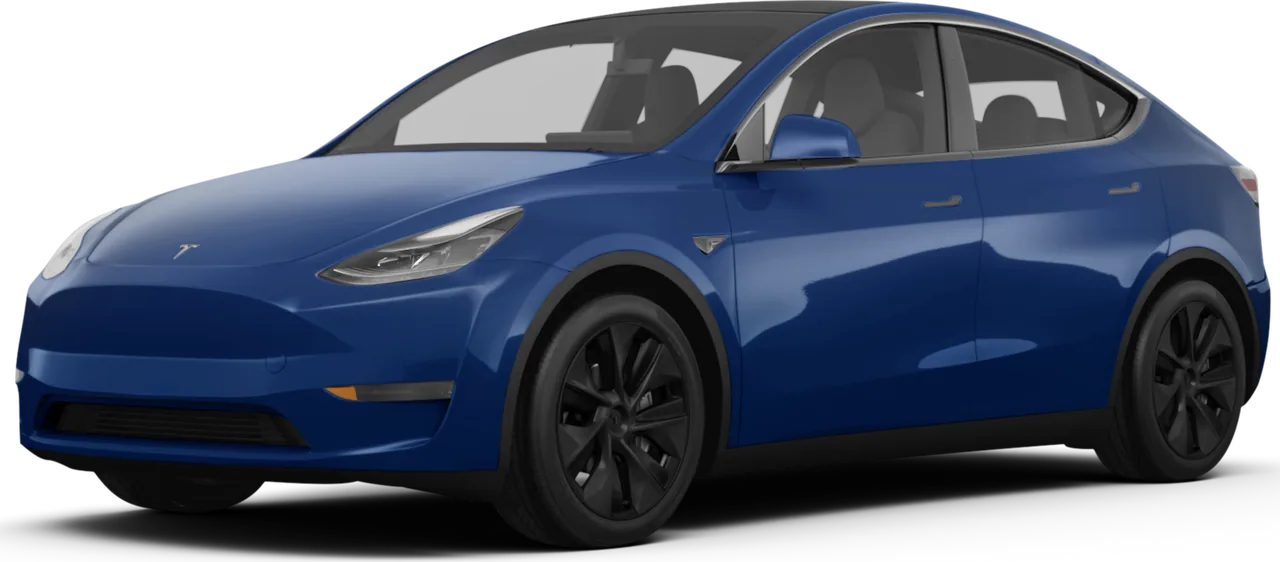
2025 Tesla Model Y Long Range RWD
Electric SUV · RWD
Based on battery health, build quality, owner data, EPA range, and market pricing
Above average for 2025 EV SUVs (class avg 66 · top 6%)
Personalize this scoreIs a low score bad?
Last scanned 22 days ago
The 2025 Tesla Model Y Long Range RWD comes with 337 miles of EPA range and 250 kW fast charging, and the score gets it into the conversation; battery and service records decide whether to make an offer.
Score read
A 74/100 makes this good enough to inspect, not good enough to skip diligence. Do not let the composite hide this split: battery-health score is 79/100, while owner feedback score is 65/100. Owners on Reddit repeatedly cite owner satisfaction and software tech as recurring problems. Documented completion matters more than the recall count itself.
Price context
This trim started from $44,990 new. Used examples have come down since launch, but pricing varies by miles, condition, and how the model is moving right now; pull a current KBB Fair Purchase, an Edmunds True Market Value, or an active dealer listing for this exact trim, and anchor your offer there. Walk if the seller will not move off new-car-style pricing.
Who this is for
✓ Good for
- ⏱ Daily commuter ≤50 mi/day, predictable charging
- ↦ Road tripper Long trips, needs DC fast network
✗ Avoid if you are a
- $ Bargain hunter Best TCO, reliability + low depreciation
Gotchas
- Serviceable Recall paperwork has to match the exact VIN.
Mitigation Use NHTSA and the automaker lookup, then require repair records instead of a verbal promise.
- Verify Owner feedback is the part to read carefully (65/100).
Mitigation Read the complaint themes and ask whether this VIN has already had those issues repaired.
- Verify Current market pricing is not confirmed well enough for this trim.
Mitigation Compare KBB, J.D. Power, and live listings for the same trim before treating price as a buying signal.
Pre-purchase inspection
- 1 Run the exact VIN through NHTSA and the automaker recall lookup before discussing price.
- 2 Compare the dashboard range estimate with the EPA 337-mile rating after a full charge.
- 3 Confirm how much of the 8-year/120,000-mile battery warranty remains and whether it transfers.
- 4 If road trips matter, run a short DC fast-charge session and watch whether speed tapers normally.
- 5 Read the complaint themes, not just the count, and ask the seller whether those issues have shown up on this VIN.
VIN status first This model has 2 NHTSA recall records. The exact VIN lookup decides whether the car in front of you is clear.
Complaint context This scan found 78 NHTSA complaint records (0.5 per 10K VINs, low for any vehicle class). Read the themes below before treating the raw count as the verdict.
Price anchor Current market range is $46,630-$46,630. Use that range to compare listings for the same trim, mileage, and condition.
Pricing & Market Value
Score Breakdown
What matters most to you?
Drag the sliders to prioritize what you care about. Your TrimIndex Score recalculates instantly.
Vehicle Specifications
EVs at your price point that match or beat this trim
Price-gated peer set: vehicles within $37.3K–$56.0K market value (±20% of $46.6K). 1 outscore · 5 score within ±2. Mixed across makes — no "spend more, score better" comps.
Model Y
- ✓ Notably better build quality
- ✓ Better infotainment UX
- ✓ Better safety score
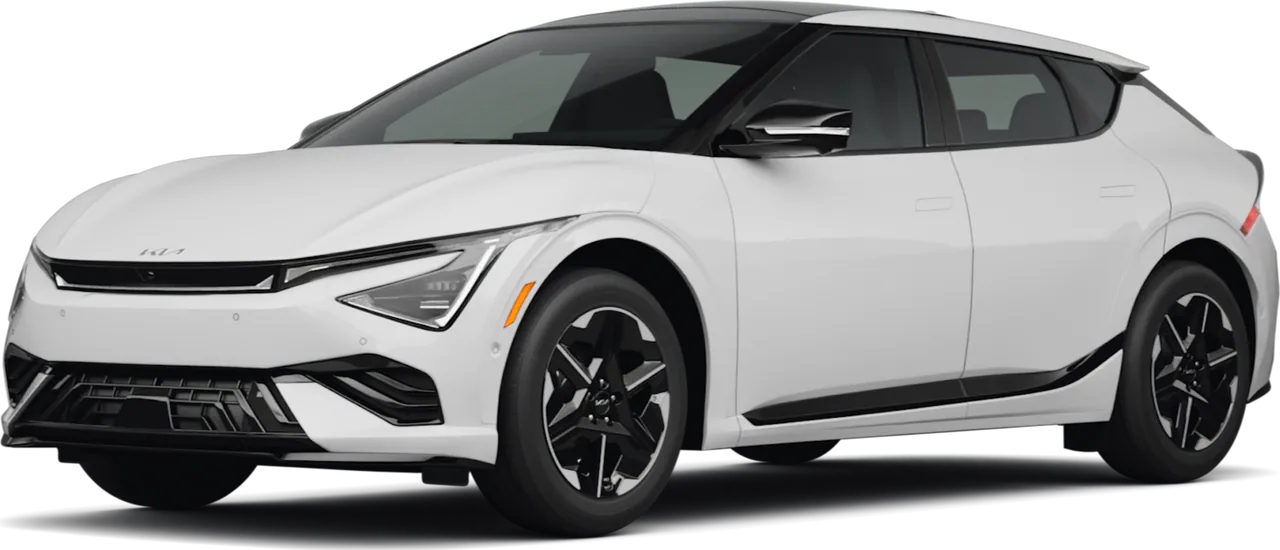
EV6
- ✓ Better bang-for-buck
- ✓ Better build quality
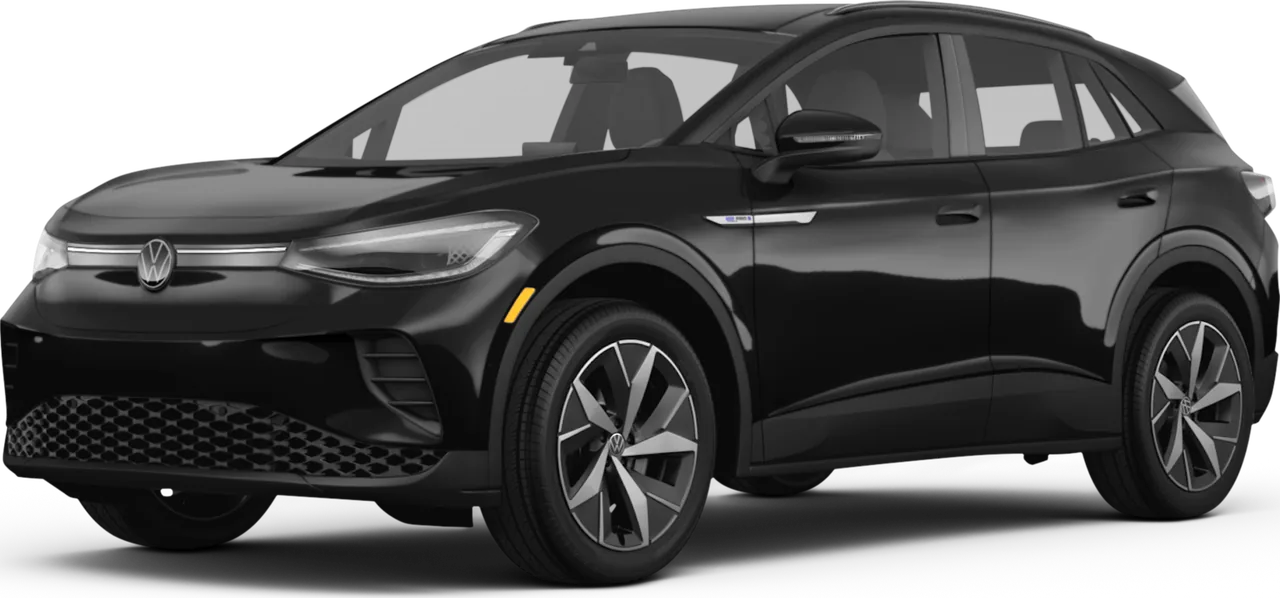
ID.4
- ✓ Better infotainment UX
- ✓ Better build quality
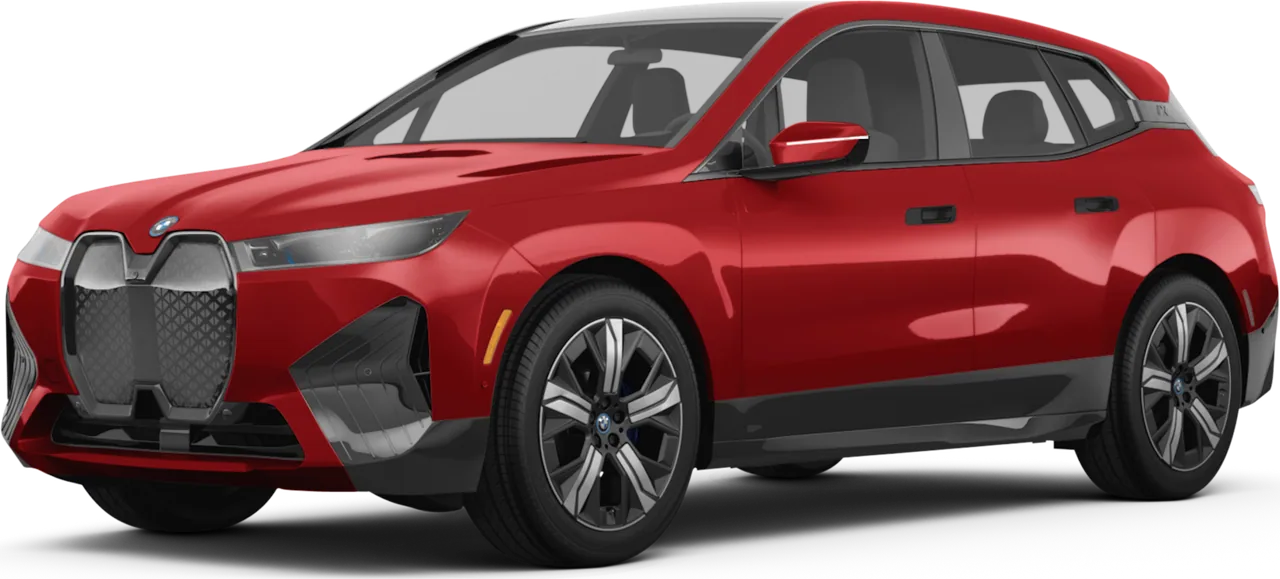
iX
- ✓ Better bang-for-buck
- ✓ Better infotainment UX
- ✓ Better owner satisfaction
EV6
- ✓ Better bang-for-buck
- ✓ Better build quality
- ✓ Better infotainment UX
iX
- ✓ Better bang-for-buck
- ✓ Better infotainment UX
The federal $4,000 used-EV credit ended Sept 30, 2025.
But 10 states still run their own used-EV rebate programs — some up to $5,000. Pick your state to see what's available for this trim.
Source & disclaimer
Dealers make ~$12,065 on the average car loan.
After the price is set, the finance manager runs four plays to rebuild margin. Every buyer without a pre-approval is a target. Here's exactly what they run — and what stops each one.
78% of dealer loans carry a hidden +1.13% markup above what the lender actually charges. You never see it — it's buried in the contract. · CFPB
Dealer must match or beat your lender — they can't add margin invisibly. The markup play is dead on arrival.
Once you answer, they stretch the term to hit your number. Median result: $4K less off the price, 12 more months on the loan. · Industry avg
Financing is done. Only the sale price is on the table — and the dealer knows it.
Back-office F&I profit averages $1,975/vehicle, up 8.5% YoY. These products exist — but dealer markup is 4–10x what you'd pay elsewhere. · Dealership Guy
Dealer GAP runs $500–1K. Your insurer sells the same coverage for $100–250 over 5 years. Now you know.
"Your loan fell through — come re-sign." This pulls your APR up +5% on average. It's legal. It works because you've already driven the car home. · Ctr for Responsible Lending
A lender commitment letter means the deal is final. "Pending dealer approval" doesn't apply. You can't be yo-yo'd.
That's 17 months of your car payment — handed to the dealer's finance department for nothing.
Takes 2 minutes. No obligation to use it — but you'll walk in with all the leverage.
Pre-approval is a soft credit inquiry — no score impact. FICO treats all auto-loan hard pulls within 14 days as one, so you can still shop rates at the dealer.
NHTSA Recalls (2)
Tesla, Inc. (Tesla) is recalling certain 2024-2025 Model 3, Model S, 2023-2025 Model X, and Model Y vehicles. The computer circuit board may short, resulting in the loss of the rearview camera image. As such, these vehicles fail to comply with the requirements of Federal Motor Vehicle Safety Standard (FMVSS) number 111, "Rear Visibility."
A rearview camera that does not display an image reduces the driver's rear view, increasing the risk of a crash.
Check VIN status at NHTSA.govTesla, Inc. (Tesla) is recalling certain 2024 Cybertruck, 2017-2025 Model 3, and 2020-2025 Model Y vehicles. The tire pressure monitoring system (TPMS) warning light may not remain illuminated between drive cycles, failing to warn the driver of low tire pressure. As such, these vehicles fail to comply with the requirements of Federal Motor Vehicle Safety Standard number 138, "Tire Pressure Monitoring Systems."
Driving with improperly inflated tires increases the risk of a crash.
Check VIN status at NHTSA.govNHTSA Complaints (78 total · 0.5 per 10K US vehicles · low for any vehicle class)
Vehicle Information 2025 Tesla Model Y Approx. 30,000 miles Purchased new ~11 months ago Incident Description While driving at highway speed, the front trunk (frunk/hood) of my 2025 Tesla Model Y unexpectedly opened. The hood immediately flew upward, flipped backward over the windshield, and shattered the windshield. The frunk had not been opened in approximately two weeks prior to the incident. The vehicle had not undergone recent service or repair involving the hood or latch assembly. There were no prior warnings or alerts indicating that the frunk was unlatched or not latched properly before driving. The hood appeared fully closed prior to the trip. However, after the incident once we pulled over, a bolt was completely out of place, as shown in my video. Even if the primary latch was faulty, the secondary latch / catch should have prevented the hood from opening all the way and slamming the windshield. This failure to notify improper latching created an immediate and total obstruction of forward visibility at highway speed and posed a serious crash risk. The vehicle has approximately 30,000 miles and is less than one year old. Given Tesla’s prior recall related to hood latch detection issues, I am concerned that either: •The latch system failed mechanically, and/or •The vehicle failed to properly detect and warn of an unlatched hood. This is a significant safety event and could result in serious injury or death if it occurs in traffic.
Vehicle Information 2025 Tesla Model Y Approx. 30,000 miles Purchased new ~11 months ago Incident Description While driving at highway speed, the front trunk (frunk/hood) of my 2025 Tesla Model Y unexpectedly opened. The hood immediately flew upward, flipped backward over the windshield, and shattered the windshield. The frunk had not been opened in approximately two weeks prior to the incident. The vehicle had not undergone recent service or repair involving the hood or latch assembly. There were no prior warnings or alerts indicating that the frunk was unlatched or not latched properly before driving. The hood appeared fully closed prior to the trip. However, after the incident once we pulled over, a bolt was completely out of place, as shown in my video. Even if the primary latch was faulty, the secondary latch / catch should have prevented the hood from opening all the way and slamming the windshield. This failure to notify improper latching created an immediate and total obstruction of forward visibility at highway speed and posed a serious crash risk. The vehicle has approximately 30,000 miles and is less than one year old. Given Tesla’s prior recall related to hood latch detection issues, I am concerned that either: •The latch system failed mechanically, and/or •The vehicle failed to properly detect and warn of an unlatched hood. This is a significant safety event and could result in serious injury or death if it occurs in traffic.
On December 16 and 17, 2025, the manufacturer (Tesla, Inc.) utilized remote telemetry to modify the software state of my 2025 Model Y while it was being operated on public roadways. The manufacturer remotely switched the vehicle profile to "Inventory Mode" (Error Code displayed: "Delivery Type: PICKUP_SERVICE_CENTER"). The Safety Failure: This unauthorized remote manipulation immediately DISABLED the electronic Child Safety Locks without driver consent or warning. My minor children were seated in the rear of the vehicle at the time. The rear doors, which had been locked for child safety, suddenly became operable from the inside while the vehicle was in motion - and my children actually opened the doors while the vehicle was in operation. (Thus my discovery of the issue) The Hazard: This defect allows the manufacturer to remotely override and deactivate critical safety retention features (Child Locks) on a moving vehicle. This created an immediate risk of accidental door opening and passenger ejection for the minor occupants. Manufacturer Response: The manufacturer admitted in writing (email dated Dec 15, 2025) that there was "No Active Financing" on the vehicle, yet persisted in accessing the vehicle's safety computer systems to alter its status. This demonstrates a systemic defect where Tesla’s remote access tools lack safety interlocks, allowing them to degrade safety features on vehicles currently in motion/use by consumers. Status: The vehicle remains unsafe as the manufacturer retains the ability to toggle safety locks remotely without operator input.
On December 16 and 17, 2025, the manufacturer (Tesla, Inc.) utilized remote telemetry to modify the software state of my 2025 Model Y while it was being operated on public roadways. The manufacturer remotely switched the vehicle profile to "Inventory Mode" (Error Code displayed: "Delivery Type: PICKUP_SERVICE_CENTER"). The Safety Failure: This unauthorized remote manipulation immediately DISABLED the electronic Child Safety Locks without driver consent or warning. My minor children were seated in the rear of the vehicle at the time. The rear doors, which had been locked for child safety, suddenly became operable from the inside while the vehicle was in motion - and my children actually opened the doors while the vehicle was in operation. (Thus my discovery of the issue) The Hazard: This defect allows the manufacturer to remotely override and deactivate critical safety retention features (Child Locks) on a moving vehicle. This created an immediate risk of accidental door opening and passenger ejection for the minor occupants. Manufacturer Response: The manufacturer admitted in writing (email dated Dec 15, 2025) that there was "No Active Financing" on the vehicle, yet persisted in accessing the vehicle's safety computer systems to alter its status. This demonstrates a systemic defect where Tesla’s remote access tools lack safety interlocks, allowing them to degrade safety features on vehicles currently in motion/use by consumers. Status: The vehicle remains unsafe as the manufacturer retains the ability to toggle safety locks remotely without operator input.
Critical Safety Defect Report – Tesla Full Self-Driving (FSD) Malfunction on [XXX] I am writing to formally report a critical and potentially deadly safety defect involving Tesla’s Full Self-Driving (FSD) system. During a recent road trip with my husband and daughter from Boston, MA to Washington, D.C., I used Tesla's FSD feature. On our return trip on [XXX] while traveling on [XXX] under FSD control, the system demonstrated erratic and dangerous behavior that nearly caused a fatal accident. As we approached an intersection on [XXX], I observed that the traffic lights were red. However, the vehicle—still under FSD control—continued traveling at approximately 70 mph without slowing down. Sensing something was wrong, I quickly intervened and manually stopped the car at the intersection, where cross traffic was moving at high speeds in both directions. Had I reacted even a second later—or had the lights remained red in our direction—we likely would have been struck and potentially killed by the oncoming traffic. After reviewing dashcam footage from the incident, I confirmed that the FSD system had not only failed to recognize the red traffic signal but had also directed the car onto the wrong path, leading us into the potential path of oncoming vehicles. This serious failure posed an extreme and unacceptable risk to my family’s lives. Following the incident, my young daughter was deeply traumatized and developed a high fever that night. This experience has left lasting emotional and psychological distress for all of us. I believe this event highlights a severe and urgent defect in Tesla’s FSD system. I respectfully urge the NHTSA to launch an immediate investigation to prevent similar occurrences that could result in injury or loss of life. I am prepared to submit the dashcam footage and relevant vehicle logs to support this report. Please advise on the next steps for providing this evidence. Thank you for your attention INFORMATION REDACTED PURSUANT TO THE FREEDOM OF INFORMATION ACT (FOIA), 5 U.S.C. 552(B)(6)
Critical Safety Defect Report – Tesla Full Self-Driving (FSD) Malfunction on [XXX] I am writing to formally report a critical and potentially deadly safety defect involving Tesla’s Full Self-Driving (FSD) system. During a recent road trip with my husband and daughter from Boston, MA to Washington, D.C., I used Tesla's FSD feature. On our return trip on [XXX] while traveling on [XXX] under FSD control, the system demonstrated erratic and dangerous behavior that nearly caused a fatal accident. As we approached an intersection on [XXX], I observed that the traffic lights were red. However, the vehicle—still under FSD control—continued traveling at approximately 70 mph without slowing down. Sensing something was wrong, I quickly intervened and manually stopped the car at the intersection, where cross traffic was moving at high speeds in both directions. Had I reacted even a second later—or had the lights remained red in our direction—we likely would have been struck and potentially killed by the oncoming traffic. After reviewing dashcam footage from the incident, I confirmed that the FSD system had not only failed to recognize the red traffic signal but had also directed the car onto the wrong path, leading us into the potential path of oncoming vehicles. This serious failure posed an extreme and unacceptable risk to my family’s lives. Following the incident, my young daughter was deeply traumatized and developed a high fever that night. This experience has left lasting emotional and psychological distress for all of us. I believe this event highlights a severe and urgent defect in Tesla’s FSD system. I respectfully urge the NHTSA to launch an immediate investigation to prevent similar occurrences that could result in injury or loss of life. I am prepared to submit the dashcam footage and relevant vehicle logs to support this report. Please advise on the next steps for providing this evidence. Thank you for your attention INFORMATION REDACTED PURSUANT TO THE FREEDOM OF INFORMATION ACT (FOIA), 5 U.S.C. 552(B)(6)
I was at full stop on [XXX] facing [XXX] at a red traffic signal at intersection. Then while still at light which was red the vehicle unexpectedly accelerated toward [XXX] on its even with feet on brake, I attempted to maneuver to avoid colliding with vehicles traveling on [XXX], then made a sharp right turn on sidewalk of [XXX] drove striking a "Bee Line Bus" sign located in front of [XXX]. I was able to maneuver not hitting any pedestrians and crashing vehicle out a brush on sidewalk without putting passengers/family in car at risk of injury INFORMATION REDACTED PURSUANT TO THE FREEDOM OF INFORMATION ACT (FOIA), 5 U.S.C. 552(B)(6)
I was at full stop on [XXX] facing [XXX] at a red traffic signal at intersection. Then while still at light which was red the vehicle unexpectedly accelerated toward [XXX] on its even with feet on brake, I attempted to maneuver to avoid colliding with vehicles traveling on [XXX], then made a sharp right turn on sidewalk of [XXX] drove striking a "Bee Line Bus" sign located in front of [XXX]. I was able to maneuver not hitting any pedestrians and crashing vehicle out a brush on sidewalk without putting passengers/family in car at risk of injury INFORMATION REDACTED PURSUANT TO THE FREEDOM OF INFORMATION ACT (FOIA), 5 U.S.C. 552(B)(6)
On January 28, 2026, the vehicle (a Tesla Model Y) was operating with the Full Self-Driving (FSD) system actively engaged in normal highway traffic conditions. Without any prior warning messages, chimes, or system alerts, the FSD system abruptly disengaged approximately 1 second before the vehicle steered into a concrete road divider. Component failed: The Tesla Full Self-Driving (FSD) software and underlying perception/control systems failed to maintain the lane and abruptly handed over control with insufficient time to react. The vehicle and its data are available for inspection. Safety risk: The sudden, sub-second disengagement provided the driver with zero time to react, take manual control, or perform an evasive maneuver. This system failure directly resulted in a high-speed collision with a road divider, causing significant vehicle damage and physical injuries to the driver that required medical treatment. Inspection/Confirmation: The vehicle is currently subject to an open insurance claim and has been evaluated for repair. Warnings: There were no warning lamps, messages, or requests for the driver to take over prior to the immediate 1-second window before the crash. Evidence: I have downloaded and preserved the complete Event Data Record (EDR) and the multi-angle dashcam video files. The EDR data mathematically documents the sub-second disengagement, and the video files confirm normal traffic flow with no external hazards forcing the collision. I can provide the EDR PDF and video files to NHTSA investigators immediately upon request.
On January 28, 2026, the vehicle (a Tesla Model Y) was operating with the Full Self-Driving (FSD) system actively engaged in normal highway traffic conditions. Without any prior warning messages, chimes, or system alerts, the FSD system abruptly disengaged approximately 1 second before the vehicle steered into a concrete road divider. Component failed: The Tesla Full Self-Driving (FSD) software and underlying perception/control systems failed to maintain the lane and abruptly handed over control with insufficient time to react. The vehicle and its data are available for inspection. Safety risk: The sudden, sub-second disengagement provided the driver with zero time to react, take manual control, or perform an evasive maneuver. This system failure directly resulted in a high-speed collision with a road divider, causing significant vehicle damage and physical injuries to the driver that required medical treatment. Inspection/Confirmation: The vehicle is currently subject to an open insurance claim and has been evaluated for repair. Warnings: There were no warning lamps, messages, or requests for the driver to take over prior to the immediate 1-second window before the crash. Evidence: I have downloaded and preserved the complete Event Data Record (EDR) and the multi-angle dashcam video files. The EDR data mathematically documents the sub-second disengagement, and the video files confirm normal traffic flow with no external hazards forcing the collision. I can provide the EDR PDF and video files to NHTSA investigators immediately upon request.
On February 11, 2026, the 2025 Tesla Model Y "Vision AutoPark" system initiated an uncommanded high-speed reverse acceleration into a stationary yellow concrete bollard in a parking lot. The vehicle's vision-only parking assist hardware failed to detect a clearly visible, fixed obstruction and displayed a clear path on the system interface immediately before impact. No warning lamps, chimes, messages, or other alerts preceded the failure. The system provided zero indication of the imminent collision. The vehicle closed the distance to the bollard in under one second, exceeding human reaction time and making manual braking intervention impossible before impact. This failure mode — autonomous acceleration toward a stationary object without detection or warning — creates a severe crush hazard for pedestrians and property. The vehicle and its onboard data logs are available for inspection upon request. High-definition video evidence of the failure has been preserved showing the system ignoring the visible obstacle. The problem has not been confirmed by a dealer. The manufacturer's service center refused to inspect the vehicle or review data logs on the date of the incident despite an immediate in-person request. The vehicle has not yet been inspected by insurance, police, or the manufacturer. The failed component is the Tesla Vision-only AutoPark system, including its camera-based object detection and autonomous vehicle control software.
On February 11, 2026, the 2025 Tesla Model Y "Vision AutoPark" system initiated an uncommanded high-speed reverse acceleration into a stationary yellow concrete bollard in a parking lot. The vehicle's vision-only parking assist hardware failed to detect a clearly visible, fixed obstruction and displayed a clear path on the system interface immediately before impact. No warning lamps, chimes, messages, or other alerts preceded the failure. The system provided zero indication of the imminent collision. The vehicle closed the distance to the bollard in under one second, exceeding human reaction time and making manual braking intervention impossible before impact. This failure mode — autonomous acceleration toward a stationary object without detection or warning — creates a severe crush hazard for pedestrians and property. The vehicle and its onboard data logs are available for inspection upon request. High-definition video evidence of the failure has been preserved showing the system ignoring the visible obstacle. The problem has not been confirmed by a dealer. The manufacturer's service center refused to inspect the vehicle or review data logs on the date of the incident despite an immediate in-person request. The vehicle has not yet been inspected by insurance, police, or the manufacturer. The failed component is the Tesla Vision-only AutoPark system, including its camera-based object detection and autonomous vehicle control software.
Tesla Supervised Self Driving (FSSD) update 14 removed the ability for the vehicle operator to set speed targets. Additionally, their system is unable to accurately determine speed limits for many roadways. The discrepancy between FSSDs perceived speed limit and actual speed limit can be as much at +/- 25mph. The discrepancy can occur suddenly and at any time during a drive, even on stretches of road with a consistent speed limit. This results in moments of dangerous acceleration and/or deceleration that is not requested by the vehicle operator or can be reasonably anticipated. This causes erratic driving behavior to both the Tesla and to other motorist in the vicinity. Erratic, unpredictable driving is a major cause of traffic accidents that can lead to serious damage, injury, or death. Prior versions allowed the operator to set a speed target, similar to standard cruise control, that the vehicle attempted to maintain and would not exceed. FSSD v14 does not allow the vehicle operator to have any control over the speed of the vehicle to any degree that meaningfully contributes towards safe, legal driving.
Tesla Supervised Self Driving (FSSD) update 14 removed the ability for the vehicle operator to set speed targets. Additionally, their system is unable to accurately determine speed limits for many roadways. The discrepancy between FSSDs perceived speed limit and actual speed limit can be as much at +/- 25mph. The discrepancy can occur suddenly and at any time during a drive, even on stretches of road with a consistent speed limit. This results in moments of dangerous acceleration and/or deceleration that is not requested by the vehicle operator or can be reasonably anticipated. This causes erratic driving behavior to both the Tesla and to other motorist in the vicinity. Erratic, unpredictable driving is a major cause of traffic accidents that can lead to serious damage, injury, or death. Prior versions allowed the operator to set a speed target, similar to standard cruise control, that the vehicle attempted to maintain and would not exceed. FSSD v14 does not allow the vehicle operator to have any control over the speed of the vehicle to any degree that meaningfully contributes towards safe, legal driving.
Passenger side airbag did not deploy. Emergency auto brake did not seem to work. The passenger side of the vehicle was struck by other car at high speed and sustained significant damage
Passenger side airbag did not deploy. Emergency auto brake did not seem to work. The passenger side of the vehicle was struck by other car at high speed and sustained significant damage
I swerved in the road in the back passenger seat seatbelt came unbuckled with a car seat in the car in the car seat came out
I swerved in the road in the back passenger seat seatbelt came unbuckled with a car seat in the car in the car seat came out
I am writing to formally report a serious safety incident involving a Tesla vehicle and to document multiple critical system failures that occurred during an accident, resulting in physical injuries to me. On the 12/24/2025, while operating Tesla under rainy conditions, I experienced a sudden and dangerous malfunction of the vehicle. During the event, the steering system became unresponsive and appeared to lock, preventing me from maintaining control of the vehicle. Simultaneously, the braking system failed to respond as expected despite my attempt to apply the brakes. These failures significantly impaired my ability to avoid or mitigate the collision. Most concerning, the vehicle’s airbag system did not deploy during the impact. Given the severity of the collision and the resulting injuries, the lack of airbag deployment represents a serious failure of a critical safety system designed to protect occupants in such events. As a direct result of this incident and the apparent malfunction of multiple safety systems, I sustained physical injuries that required medical evaluation and treatment. Beyond the physical harm, the incident caused significant emotional distress and raised serious concerns about the safety and reliability of the vehicle. I am submitting this complaint to formally document these safety failures and to request a thorough investigation into the performance of the steering, braking, and airbag systems involved in this incident. I believe this matter presents a significant safety concern not only for myself but also for other drivers and passengers who rely on these systems to function properly in emergency situations. Please confirm receipt of this complaint and advise me of the next steps in your investigation process. I am prepared to provide additional documentation, including medical records, photographs, vehicle data, and incident details, upon request. Thank you for your attention to this serious matter
I am writing to formally report a serious safety incident involving a Tesla vehicle and to document multiple critical system failures that occurred during an accident, resulting in physical injuries to me. On the 12/24/2025, while operating Tesla under rainy conditions, I experienced a sudden and dangerous malfunction of the vehicle. During the event, the steering system became unresponsive and appeared to lock, preventing me from maintaining control of the vehicle. Simultaneously, the braking system failed to respond as expected despite my attempt to apply the brakes. These failures significantly impaired my ability to avoid or mitigate the collision. Most concerning, the vehicle’s airbag system did not deploy during the impact. Given the severity of the collision and the resulting injuries, the lack of airbag deployment represents a serious failure of a critical safety system designed to protect occupants in such events. As a direct result of this incident and the apparent malfunction of multiple safety systems, I sustained physical injuries that required medical evaluation and treatment. Beyond the physical harm, the incident caused significant emotional distress and raised serious concerns about the safety and reliability of the vehicle. I am submitting this complaint to formally document these safety failures and to request a thorough investigation into the performance of the steering, braking, and airbag systems involved in this incident. I believe this matter presents a significant safety concern not only for myself but also for other drivers and passengers who rely on these systems to function properly in emergency situations. Please confirm receipt of this complaint and advise me of the next steps in your investigation process. I am prepared to provide additional documentation, including medical records, photographs, vehicle data, and incident details, upon request. Thank you for your attention to this serious matter
The contact owned a 2025 Tesla Model Y. The contact stated that while the vehicle was parked in a school zone area, and while engaging the brake pedal, the vehicle unexpectedly lunged forward with no warning light illuminated. The contact stated that after lifting their foot from the brake pedal, they heard a hissing sound and the vehicle accelerated. The contact attempted to avoid a collision by making a left turn; however, the vehicle traveled into a bushy area and rolled down a hill. The contact sustained injuries, including head, neck, and back injuries, and received medical attention at a local emergency room. The contact stated that the air bags deployed during the incident. A police report was filed. The vehicle was towed and deemed a total loss. The dealer was not contacted. The vehicle was not diagnosed or repaired. The manufacturer was not made aware of the failure. The approximate failure mileage was 7,213.
The contact owned a 2025 Tesla Model Y. The contact stated that while the vehicle was parked in a school zone area, and while engaging the brake pedal, the vehicle unexpectedly lunged forward with no warning light illuminated. The contact stated that after lifting their foot from the brake pedal, they heard a hissing sound and the vehicle accelerated. The contact attempted to avoid a collision by making a left turn; however, the vehicle traveled into a bushy area and rolled down a hill. The contact sustained injuries, including head, neck, and back injuries, and received medical attention at a local emergency room. The contact stated that the air bags deployed during the incident. A police report was filed. The vehicle was towed and deemed a total loss. The dealer was not contacted. The vehicle was not diagnosed or repaired. The manufacturer was not made aware of the failure. The approximate failure mileage was 7,213.
The vehicle was in supervised full self driving on the turnpike, when all of a sudden it darted out of the lane into th grass hitting a guard rail.
The vehicle was in supervised full self driving on the turnpike, when all of a sudden it darted out of the lane into th grass hitting a guard rail.
ON 11/29/2025 AT 1635 HOURS, OUR TESLA MODEL Y - AWD WAS PARKED ON OUR DRIVEWAY WITH A LESS THAN 1% INCLINE AFTER IT WAS SNOW BLOWED, CLEARED OF SNOW. THE TESLA WAS PLUGGED IN TO ITS CHARGER. THE VEHICLE THEN UNEXPECTEDLY, UNCONTROLLED BEGAN MOVING FORWARD, STRIKING THE CAR IN FRONT OF IT SHORTLY AFTER I WALKED IN FRONT OF THESE TESLA. THIS INCIDENT COULD HAVE SERIOUSLY INJURED MYSELF OR ONE OF MY CHILDREN. TESLA SAID CAR IS OPERATING AS DESIGNED AND WAS DUE TO COLD TEMPS, SNOW AND SLIGHT GRADE OF DRIVEWAY. VIDEO IS AVAILABLE FROM SECURITY CAMERAS ON HOUSE WHICH CAN BE SUPPLIED UPON REQUEST AS YOU SYSTEM DOESN'T SUPPORT THE VIDEO UPLOAD.
ON 11/29/2025 AT 1635 HOURS, OUR TESLA MODEL Y - AWD WAS PARKED ON OUR DRIVEWAY WITH A LESS THAN 1% INCLINE AFTER IT WAS SNOW BLOWED, CLEARED OF SNOW. THE TESLA WAS PLUGGED IN TO ITS CHARGER. THE VEHICLE THEN UNEXPECTEDLY, UNCONTROLLED BEGAN MOVING FORWARD, STRIKING THE CAR IN FRONT OF IT SHORTLY AFTER I WALKED IN FRONT OF THESE TESLA. THIS INCIDENT COULD HAVE SERIOUSLY INJURED MYSELF OR ONE OF MY CHILDREN. TESLA SAID CAR IS OPERATING AS DESIGNED AND WAS DUE TO COLD TEMPS, SNOW AND SLIGHT GRADE OF DRIVEWAY. VIDEO IS AVAILABLE FROM SECURITY CAMERAS ON HOUSE WHICH CAN BE SUPPLIED UPON REQUEST AS YOU SYSTEM DOESN'T SUPPORT THE VIDEO UPLOAD.
My model Y tesla deployed the emergency brake system while I was driving the vehicle. There wasn’t any vehicle or anything in the way for my tesla to do the emergency brake. I did get whiplash from the incident and been experiencing neck and shoulder pain. Lucky I was able to get an appointment to service my Tesla the next morning but at this moment they haven’t given me any diagnostic. My Tesla did have a message related to the camera that showed up like 5-10 minutes prior to the incident but the warning message disappeared after a few seconds.
My model Y tesla deployed the emergency brake system while I was driving the vehicle. There wasn’t any vehicle or anything in the way for my tesla to do the emergency brake. I did get whiplash from the incident and been experiencing neck and shoulder pain. Lucky I was able to get an appointment to service my Tesla the next morning but at this moment they haven’t given me any diagnostic. My Tesla did have a message related to the camera that showed up like 5-10 minutes prior to the incident but the warning message disappeared after a few seconds.
We were T-boned in a serious accident that totaled the car, but none of the airbags deployed and the seat belts did not lock.
We were T-boned in a serious accident that totaled the car, but none of the airbags deployed and the seat belts did not lock.
Tesla removed the creep/roll braking function (which mimicked an automatic transmission) from the Model Y 2024 forward. You now have to use the accelerator to control slow speed maneuvers like backing. It seems that it would be pretty easy to press the accelerator too much and have the car lurch forward or backwards. Seems like an accident waiting to happen. It would be safer to have your foot on the brake pedal and allow the car to creep backwards similar to an automatic transmission. Tesla should return the "creep" function as an option. This is what China is doing and the US should do the same.
Tesla removed the creep/roll braking function (which mimicked an automatic transmission) from the Model Y 2024 forward. You now have to use the accelerator to control slow speed maneuvers like backing. It seems that it would be pretty easy to press the accelerator too much and have the car lurch forward or backwards. Seems like an accident waiting to happen. It would be safer to have your foot on the brake pedal and allow the car to creep backwards similar to an automatic transmission. Tesla should return the "creep" function as an option. This is what China is doing and the US should do the same.
My Model Y reversed twice in a month while in 'D' drive mode. In one incident, I was pulling my car out of the parking lot in a garage and shifted the gear stalk down multiple times to engage 'D' drive mode. Instead of moving forward, the car reversed and collided with the garage wall.
My Model Y reversed twice in a month while in 'D' drive mode. In one incident, I was pulling my car out of the parking lot in a garage and shifted the gear stalk down multiple times to engage 'D' drive mode. Instead of moving forward, the car reversed and collided with the garage wall.
Both my wife and I accidentally used the right side stalk to signal for a turn. Our mistake, except the car responded by suddenly accelerating. Fortunately we were both able to put on the brake. In the wrong situation this could be very dangerous.
Both my wife and I accidentally used the right side stalk to signal for a turn. Our mistake, except the car responded by suddenly accelerating. Fortunately we were both able to put on the brake. In the wrong situation this could be very dangerous.
1. Brake I used the FSD all the way from the New Asian Market (Charlotte, NC) to the T-section of [XXX] and [XXX] (Columbia, SC), then changed to driver control and turned to [XXX] (home). Entering the garage, when arrived at the parking spot, I released accelerator pedal and pressed the brake pedal, the car did not stop but pushed forward, and hit a wooden shelf, BBQ grill and the drywall. The car, shelf, BBQ grill and the wall all damaged. 2. USB Storage The USB memory did not record any information. INFORMATION REDACTED PURSUANT TO THE FREEDOM OF INFORMATION ACT (FOIA), 5 U.S.C. 552(B)(6)
1. Brake I used the FSD all the way from the New Asian Market (Charlotte, NC) to the T-section of [XXX] and [XXX] (Columbia, SC), then changed to driver control and turned to [XXX] (home). Entering the garage, when arrived at the parking spot, I released accelerator pedal and pressed the brake pedal, the car did not stop but pushed forward, and hit a wooden shelf, BBQ grill and the drywall. The car, shelf, BBQ grill and the wall all damaged. 2. USB Storage The USB memory did not record any information. INFORMATION REDACTED PURSUANT TO THE FREEDOM OF INFORMATION ACT (FOIA), 5 U.S.C. 552(B)(6)
This car is three months old. Driving near my home on a four-lane divided road with 55MPH speed limit. While having either cruise or auto-steer enabled and using cruise control only, experiencing ongoing instances—during every drive—of unexpected and unexplained hard, sudden braking, reducing vehicle speed dramatically (multiples of 10MPH in less than five seconds). Each time, there has been very light traffic, and there is nothing I can see on the road that could explain the reason for the braking, hence the unexpected nature. The problem could easily cause a rear-end collision soon if another car is following closely, and I’m not able to correct and accelerate fast enough. Vehicle is very clean all around, including camera locations, and the weather is perfectly sunny and temperate each day. I do not recall this event happening while driving at night in my semi-rural area. I have not yet reported the problem to Tesla, so they have not inspected or attempted service on the vehicle.
This car is three months old. Driving near my home on a four-lane divided road with 55MPH speed limit. While having either cruise or auto-steer enabled and using cruise control only, experiencing ongoing instances—during every drive—of unexpected and unexplained hard, sudden braking, reducing vehicle speed dramatically (multiples of 10MPH in less than five seconds). Each time, there has been very light traffic, and there is nothing I can see on the road that could explain the reason for the braking, hence the unexpected nature. The problem could easily cause a rear-end collision soon if another car is following closely, and I’m not able to correct and accelerate fast enough. Vehicle is very clean all around, including camera locations, and the weather is perfectly sunny and temperate each day. I do not recall this event happening while driving at night in my semi-rural area. I have not yet reported the problem to Tesla, so they have not inspected or attempted service on the vehicle.
The contact owns a 2025 Tesla Model Y. The contact stated that while driving at approximately 30 MPH, the vehicle crashed into a tree impacting the front of the vehicle, but the air bags did not deploy. In addition, the seat belt failed to retract during the crash. The front of the vehicle was severely damaged. The contact did not sustain injuries. The vehicle was towed to a collision center. A police report was filed. The vehicle was not diagnosed or repaired however it was pending diagnosis at a Tesla Service Center. The manufacturer was notified of the failure. The failure mileage was 4,444.
The contact owns a 2025 Tesla Model Y. The contact stated that while driving at approximately 30 MPH, the vehicle crashed into a tree impacting the front of the vehicle, but the air bags did not deploy. In addition, the seat belt failed to retract during the crash. The front of the vehicle was severely damaged. The contact did not sustain injuries. The vehicle was towed to a collision center. A police report was filed. The vehicle was not diagnosed or repaired however it was pending diagnosis at a Tesla Service Center. The manufacturer was notified of the failure. The failure mileage was 4,444.
While driving towards our friends place, an alert came up saying "Steering Assist reduced" with error code GTW_w075. The car was running at about 60 to 65 mph and at that speed l, we didn't notice much issue in handling the car. When we were leaving for home, the alert was still active and at that time, we realized that the steering was extremely difficult to use. Herculean effort was required to turn the car left or right and we decided it was unsafe to drive. I then researched this alert and lots of other drivers had observed this error on their 2023 or older model 3 or Yes. Mine is 2025 and not even 20 days old since I took delivery. The car had to be towed to the nearest service center.
While driving towards our friends place, an alert came up saying "Steering Assist reduced" with error code GTW_w075. The car was running at about 60 to 65 mph and at that speed l, we didn't notice much issue in handling the car. When we were leaving for home, the alert was still active and at that time, we realized that the steering was extremely difficult to use. Herculean effort was required to turn the car left or right and we decided it was unsafe to drive. I then researched this alert and lots of other drivers had observed this error on their 2023 or older model 3 or Yes. Mine is 2025 and not even 20 days old since I took delivery. The car had to be towed to the nearest service center.
I was trying to reverse the car from my Garage. I turned on the Engine and put the vehicle in Reverse Gear. The vehicle just zoomed out of the driveway leaving me without the ability to control it and hit a tree on a neighbor's house and stopped. Then I tried to bring the Car into the Garage by engaging the Drive Gear. Again, the vehicle zoomed into the Garage, hit a few objects in the garage and stopped. At that point I just turned off power and walked out. I took pictures of the damaged parts. At that time, I only noticed damage to the Rear on the Driver Side and the front on the Driver Side. When a tow-truck came a couple of days later, I noticed damage on the Front on the Passenger side also. When the incident happened, the street was empty and luckily no one (including me) was hurt n
I was trying to reverse the car from my Garage. I turned on the Engine and put the vehicle in Reverse Gear. The vehicle just zoomed out of the driveway leaving me without the ability to control it and hit a tree on a neighbor's house and stopped. Then I tried to bring the Car into the Garage by engaging the Drive Gear. Again, the vehicle zoomed into the Garage, hit a few objects in the garage and stopped. At that point I just turned off power and walked out. I took pictures of the damaged parts. At that time, I only noticed damage to the Rear on the Driver Side and the front on the Driver Side. When a tow-truck came a couple of days later, I noticed damage on the Front on the Passenger side also. When the incident happened, the street was empty and luckily no one (including me) was hurt n
What component or system failed or malfunctioned, and is it available for inspection upon request? There were multiple component and system failures that were experienced. My vehicles autopilot and full self driving took over causing my vehicle to crash head on into a tree. How was your safety or the safety of others put at risk? My safety and others were at risk because I had no control over my vehicle. Has the vehicle or component been inspected by the manufacturer, police, insurance representatives or others? No. The car was taken into custody of the insurance company. Were there any warning lamps, messages or other symptoms of the problem prior to the failure, and when did they first appear? No.
What component or system failed or malfunctioned, and is it available for inspection upon request? There were multiple component and system failures that were experienced. My vehicles autopilot and full self driving took over causing my vehicle to crash head on into a tree. How was your safety or the safety of others put at risk? My safety and others were at risk because I had no control over my vehicle. Has the vehicle or component been inspected by the manufacturer, police, insurance representatives or others? No. The car was taken into custody of the insurance company. Were there any warning lamps, messages or other symptoms of the problem prior to the failure, and when did they first appear? No.
Car was in FSD mode, backing out of a parking place very slowly when it accelerated and crashed into a post and wall. No other cars or people were involved, but no alarms, beeps, or warnings were sounded and the screen/monitor/camera systems went blank simultaneously. This caused over $5000 worth of damage per the estimate provided by the only body shop in the area allowed to fix Teslas. There is also a gap in saved data per our retrieval from the USB and camera installed in the vehicle.
Car was in FSD mode, backing out of a parking place very slowly when it accelerated and crashed into a post and wall. No other cars or people were involved, but no alarms, beeps, or warnings were sounded and the screen/monitor/camera systems went blank simultaneously. This caused over $5000 worth of damage per the estimate provided by the only body shop in the area allowed to fix Teslas. There is also a gap in saved data per our retrieval from the USB and camera installed in the vehicle.
Following a "secondary" botched windshield replacement within 3 weeks performed by the Tesla Service Center in Carle Place, NY, my Tesla Model Y experienced a catastrophic structural water intrusion during rainfall. A great amounts of water dripping directly through the windshield seal into the cabin, soaking the dashboard electronics, floorboards, and much more water coming in from the brake pedal area while driving on LIE. While I was driving the vehicle with my three children in the back seat, this water intrusion triggered an active electrical short circuit. The vehicle's hazard lights began flashing autonomously, and the electrical system became severely compromised, creating an immediate and life-threatening safety hazard on the road. The vehicle is currently grounded, completely undrivable, and poses a continued electrical fire risk. Tesla Service has been notified in writing and has officially acknowledged via their app that the vehicle must be towed. This gross negligence in structural sealing has directly compromised the vehicle's electrical control modules, severely endangering the lives of the occupants."
Following a "secondary" botched windshield replacement within 3 weeks performed by the Tesla Service Center in Carle Place, NY, my Tesla Model Y experienced a catastrophic structural water intrusion during rainfall. A great amounts of water dripping directly through the windshield seal into the cabin, soaking the dashboard electronics, floorboards, and much more water coming in from the brake pedal area while driving on LIE. While I was driving the vehicle with my three children in the back seat, this water intrusion triggered an active electrical short circuit. The vehicle's hazard lights began flashing autonomously, and the electrical system became severely compromised, creating an immediate and life-threatening safety hazard on the road. The vehicle is currently grounded, completely undrivable, and poses a continued electrical fire risk. Tesla Service has been notified in writing and has officially acknowledged via their app that the vehicle must be towed. This gross negligence in structural sealing has directly compromised the vehicle's electrical control modules, severely endangering the lives of the occupants."
I am filing a safety complaint regarding Tesla's removal of driver-controlled maximum speed in FSD (Supervised), a change that has alarmed a significant number of Tesla owners and safety-conscious drivers. Previous software allowed drivers to set a precise maximum speed via the steering wheel scroll wheel while FSD (Supervised) was active. Tesla replaced this with fixed "Speed Profiles" (Sloth, Chill, Standard, Hurry, Mad Max), none of which allow a driver to set a specific speed. Each profile operates at a programmed range relative to the posted speed limit. Even the slowest profile (Sloth) has been observed exceeding the speed limit. The system also frequently misreads posted limits entirely. This is a serious safety regression. In winter conditions, a cautious driver may need to travel well below the speed limit due to snow or black ice. Previously, they could reduce FSD's max speed precisely. That is no longer possible, the system determines speed, and the driver cannot override it downward while FSD remains engaged. This concern is not isolated to just me. Online forums and Tesla owner communities have seen widespread discussion and frustration over this change, with many drivers expressing that it has made them feel unsafe and less in control of their own vehicle. Removing precise speed control from a supervised autonomous system directly contradicts Tesla's stated position that the driver remains responsible for safe operation. This is an ongoing issue and not limited to a single date for the "Tell us the approximate date this incident occurred." I request NHTSA: 1. Investigate Tesla's removal of driver-adjustable maximum speed in FSD (Supervised); 2. Evaluate compliance with FMVSS and driver control guidelines for automated driving features; 3. Require Tesla to restore precise, driver-controlled maximum speed settings.
I am filing a safety complaint regarding Tesla's removal of driver-controlled maximum speed in FSD (Supervised), a change that has alarmed a significant number of Tesla owners and safety-conscious drivers. Previous software allowed drivers to set a precise maximum speed via the steering wheel scroll wheel while FSD (Supervised) was active. Tesla replaced this with fixed "Speed Profiles" (Sloth, Chill, Standard, Hurry, Mad Max), none of which allow a driver to set a specific speed. Each profile operates at a programmed range relative to the posted speed limit. Even the slowest profile (Sloth) has been observed exceeding the speed limit. The system also frequently misreads posted limits entirely. This is a serious safety regression. In winter conditions, a cautious driver may need to travel well below the speed limit due to snow or black ice. Previously, they could reduce FSD's max speed precisely. That is no longer possible, the system determines speed, and the driver cannot override it downward while FSD remains engaged. This concern is not isolated to just me. Online forums and Tesla owner communities have seen widespread discussion and frustration over this change, with many drivers expressing that it has made them feel unsafe and less in control of their own vehicle. Removing precise speed control from a supervised autonomous system directly contradicts Tesla's stated position that the driver remains responsible for safe operation. This is an ongoing issue and not limited to a single date for the "Tell us the approximate date this incident occurred." I request NHTSA: 1. Investigate Tesla's removal of driver-adjustable maximum speed in FSD (Supervised); 2. Evaluate compliance with FMVSS and driver control guidelines for automated driving features; 3. Require Tesla to restore precise, driver-controlled maximum speed settings.
A few weeks ago my seatbelt censor started acting up, and then two weeks later that my heater quit. They blamed Chewed wiring because of soy based coatings, and set its not in the warranty and accused rodent damage since the rear seat was eaten. I got the call during diagnosis demanding i bring the loaner car because they wanted $1,349.07 which i did not have because a 9/11 first responder and don't have other insurance accept mandated state minimums, they told me bring the loaner back, on the way home FSD worked till i got towards my putnam county rural route 22 when power steering FSD and power breaks died. I skidded at 25 mph managed to get to park and plug it and leaving it this. So the tech put the plugs together and made the situation worse by plugging chewed harness together. No heat, transport, no car, no door dash money for me, no medical appointment and cant risk losing all steering. When TESLA works, it works very and great car. had they refused to use soy coatings and stayed with rubber coatings this issue would not be here. how Many FSD crashes are result of rodent damage?
A few weeks ago my seatbelt censor started acting up, and then two weeks later that my heater quit. They blamed Chewed wiring because of soy based coatings, and set its not in the warranty and accused rodent damage since the rear seat was eaten. I got the call during diagnosis demanding i bring the loaner car because they wanted $1,349.07 which i did not have because a 9/11 first responder and don't have other insurance accept mandated state minimums, they told me bring the loaner back, on the way home FSD worked till i got towards my putnam county rural route 22 when power steering FSD and power breaks died. I skidded at 25 mph managed to get to park and plug it and leaving it this. So the tech put the plugs together and made the situation worse by plugging chewed harness together. No heat, transport, no car, no door dash money for me, no medical appointment and cant risk losing all steering. When TESLA works, it works very and great car. had they refused to use soy coatings and stayed with rubber coatings this issue would not be here. how Many FSD crashes are result of rodent damage?
All safety and most computer related features in the vehicle have failed. Cruise control, backup cameras, all other cameras, the navigation (assuming this is also impacting the projection of remaining battery life as my car always thinks it is at my home), warning signals for approaching obstacles/dangers, cruise control of any kind does now work, lane departure warning has failed, and automatic windshield wipers do not work. This happened without warning and was not related to an update. On January 13, 2026, the car worked in the morning and then all of these issues started happening. I made a Tesla service appointment, but they are not able to see me until February 3, 2026.
All safety and most computer related features in the vehicle have failed. Cruise control, backup cameras, all other cameras, the navigation (assuming this is also impacting the projection of remaining battery life as my car always thinks it is at my home), warning signals for approaching obstacles/dangers, cruise control of any kind does now work, lane departure warning has failed, and automatic windshield wipers do not work. This happened without warning and was not related to an update. On January 13, 2026, the car worked in the morning and then all of these issues started happening. I made a Tesla service appointment, but they are not able to see me until February 3, 2026.
On January 17, 2026 the vehicle self-accelerated when put in reverse and crashed into a parked truck. This was the second time this occurred. The prior incident occurred on November 29, 2025 when backing out of the garage at our home. The new incident occurred the FIRST time we put the car in reverse after receiving it back after repair from the prior accident (we received it on January 15. 2026 and this was the first time we drove it since then). We had driven the car forward with the full self driving feature turned on and engaged (part of the time and part manually) without incident. However when placed in reverse with the full delf driving turned on but not enagaged the car "took off." It is only through good fortune no one was seriously injured or killed. Self acceleration in reverse only occurred after the vehicle was serviced by Tesla to repair the full self driving system which, at that time, would only engage intermittently.
On January 17, 2026 the vehicle self-accelerated when put in reverse and crashed into a parked truck. This was the second time this occurred. The prior incident occurred on November 29, 2025 when backing out of the garage at our home. The new incident occurred the FIRST time we put the car in reverse after receiving it back after repair from the prior accident (we received it on January 15. 2026 and this was the first time we drove it since then). We had driven the car forward with the full self driving feature turned on and engaged (part of the time and part manually) without incident. However when placed in reverse with the full delf driving turned on but not enagaged the car "took off." It is only through good fortune no one was seriously injured or killed. Self acceleration in reverse only occurred after the vehicle was serviced by Tesla to repair the full self driving system which, at that time, would only engage intermittently.
On or about May 23 or 24, 2025, while using FSD to park the vehicle, I engaged reverse mode. The vehicle was fully under FSD control during this maneuver. Unexpectedly, the car reversed into a fixed pole, impacting the rear of the vehicle and causing a noticeable dent. The system did detect the collision and stopped upon impact, but failed to avoid it entirely. This incident occurred despite my hands being on the wheel and full attention as a supervising driver, in accordance with Tesla's guidelines for FSD use. I believe this represents a malfunction in the FSD system's object detection or path planning during reverse parking.
On or about May 23 or 24, 2025, while using FSD to park the vehicle, I engaged reverse mode. The vehicle was fully under FSD control during this maneuver. Unexpectedly, the car reversed into a fixed pole, impacting the rear of the vehicle and causing a noticeable dent. The system did detect the collision and stopped upon impact, but failed to avoid it entirely. This incident occurred despite my hands being on the wheel and full attention as a supervising driver, in accordance with Tesla's guidelines for FSD use. I believe this represents a malfunction in the FSD system's object detection or path planning during reverse parking.
After approximately 6 months we leased this vehicle we found out some issues with the vehicle. This vehicle has e Parking(P),Drive(D),Neutral(N),Reverse(R) positions. When you want to maneuver you vehicle you pull the lever at the required position. So what happenes some times: I put the vehicle in drive(D) and when I am in very slow traffic,or stop and go traffic or in stop light/sign vehicle Parks itself in Park (P) positions and sometime its difficult placing the vehicle right away in Drive (D). Parking (P) is reseved only to put the vehicle manually in Park(P) like any other vehicle. This vehicle has another option:when you remove your feet from accelarator after 2-4 sec it does apply brakes without pressing the brake pedal. This has happen several times until now. Can you imaging you are in traffick and this keeps happen and when it happens there is a possibility that this can be cause for accident because as soon as trafic start moving drivers behind you as soon as they see that traffic is moving they aslo start moving and if the car does Park istelf than the chance for the driver behind you to hit you is high,because you are making unintentionaly unnecesary sudden stop. I brought this problem up several times to manufacture's service location and they are telling me (initially i was told its normal,after explaing in details thay accepted the issue and took the vehicle and kept for 2 weeks.) After the service i was told that nothing was found.Issue had repeated againg.Also i was told that they are not able to find/read a problem if something happen to the car if had passed more than a month from the incident.I informed them again with the date/time stapm.Looks like they are not taking this issue seriosly, and i beleive that this is a safety issue because this for now its happening when in slow speeds but no one knows that this will not happen in higher speed and if this happen in higher speeds the consequences are bad. Thank you
After approximately 6 months we leased this vehicle we found out some issues with the vehicle. This vehicle has e Parking(P),Drive(D),Neutral(N),Reverse(R) positions. When you want to maneuver you vehicle you pull the lever at the required position. So what happenes some times: I put the vehicle in drive(D) and when I am in very slow traffic,or stop and go traffic or in stop light/sign vehicle Parks itself in Park (P) positions and sometime its difficult placing the vehicle right away in Drive (D). Parking (P) is reseved only to put the vehicle manually in Park(P) like any other vehicle. This vehicle has another option:when you remove your feet from accelarator after 2-4 sec it does apply brakes without pressing the brake pedal. This has happen several times until now. Can you imaging you are in traffick and this keeps happen and when it happens there is a possibility that this can be cause for accident because as soon as trafic start moving drivers behind you as soon as they see that traffic is moving they aslo start moving and if the car does Park istelf than the chance for the driver behind you to hit you is high,because you are making unintentionaly unnecesary sudden stop. I brought this problem up several times to manufacture's service location and they are telling me (initially i was told its normal,after explaing in details thay accepted the issue and took the vehicle and kept for 2 weeks.) After the service i was told that nothing was found.Issue had repeated againg.Also i was told that they are not able to find/read a problem if something happen to the car if had passed more than a month from the incident.I informed them again with the date/time stapm.Looks like they are not taking this issue seriosly, and i beleive that this is a safety issue because this for now its happening when in slow speeds but no one knows that this will not happen in higher speed and if this happen in higher speeds the consequences are bad. Thank you
SUMMARY OF SAFETY DEFECT: Multiple critical safety systems randomly disengage without warning while the vehicle is in operation, creating an immediate crash hazard. DETAILED DESCRIPTION: For approximately one month, my vehicle has experienced intermittent, unpredictable failures of multiple safety-critical systems while driving. These failures occur randomly during operation and include: Regenerative Braking System Failure (PRIMARY SAFETY CONCERN) Lane Departure Warning System Failure Automatic Vehicle Hold System Failure Traction Control System Failure Automatic Emergency Braking System Failure Electronic Stability Control System Failure SAFETY HAZARD ANALYSIS: The sudden disengagement of regenerative braking while driving poses an acute collision risk. Tesla vehicles are designed with regenerative braking as the primary deceleration method when releasing the accelerator. Drivers develop muscle memory and expectations based on consistent vehicle behavior. When regenerative braking unexpectedly disengages mid-drive, the vehicle's deceleration characteristics change dramatically and without warning, creating a dangerous situation where: The driver expects normal deceleration upon releasing the accelerator The vehicle instead continues at speed, requiring sudden brake application Reaction time is insufficient to compensate for the unexpected behavior change Rear-end collisions or other crashes become likely, particularly in traffic Similarly, the Automatic Vehicle Hold feature unexpectedly disengaging means the vehicle may roll when the driver expects it to remain stationary at traffic lights or stop signs. PATTERN AND FREQUENCY: These system failures occur randomly and unpredictably while driving. The issues sometimes resolve after: Restarting the vehicle Restarting the cent However, the failures recur without warning during subsequent driving. MANUFACTURER RESPONSE: Service Visit Date: November 28, 2024 Diagnosis: Tesla Service Center acknowledged this as a
SUMMARY OF SAFETY DEFECT: Multiple critical safety systems randomly disengage without warning while the vehicle is in operation, creating an immediate crash hazard. DETAILED DESCRIPTION: For approximately one month, my vehicle has experienced intermittent, unpredictable failures of multiple safety-critical systems while driving. These failures occur randomly during operation and include: Regenerative Braking System Failure (PRIMARY SAFETY CONCERN) Lane Departure Warning System Failure Automatic Vehicle Hold System Failure Traction Control System Failure Automatic Emergency Braking System Failure Electronic Stability Control System Failure SAFETY HAZARD ANALYSIS: The sudden disengagement of regenerative braking while driving poses an acute collision risk. Tesla vehicles are designed with regenerative braking as the primary deceleration method when releasing the accelerator. Drivers develop muscle memory and expectations based on consistent vehicle behavior. When regenerative braking unexpectedly disengages mid-drive, the vehicle's deceleration characteristics change dramatically and without warning, creating a dangerous situation where: The driver expects normal deceleration upon releasing the accelerator The vehicle instead continues at speed, requiring sudden brake application Reaction time is insufficient to compensate for the unexpected behavior change Rear-end collisions or other crashes become likely, particularly in traffic Similarly, the Automatic Vehicle Hold feature unexpectedly disengaging means the vehicle may roll when the driver expects it to remain stationary at traffic lights or stop signs. PATTERN AND FREQUENCY: These system failures occur randomly and unpredictably while driving. The issues sometimes resolve after: Restarting the vehicle Restarting the cent However, the failures recur without warning during subsequent driving. MANUFACTURER RESPONSE: Service Visit Date: November 28, 2024 Diagnosis: Tesla Service Center acknowledged this as a
INCIDENT REPORT – TESLA Y – UNINTENTIONAL ACCELERATION SATURDAY NOVEMBER 29, 2025, APPROXIMATELY 2:40 PM On the above-referenced date and time, we were returning home with the intention of pulling the car into our garage, an activity performed over a hundred times in the one year we have owned the car. Because of the need to back in to allow the car to be charged, the following procedure is adhered to: 1.Disengage self-driving (if it was being used) in the street prior to entering the courtyard for residence. 2.Pull forward three-quarters of the way into garage (since the residence is the last on the courtyard and the car cannot be pulled beyond the garage opening to directly back in). 3.Place car in reverse and slowly perform K-turn to back into garage. On the date in question. The following anomalies occurred: 1.After placing the car in reverse (action 2), instead of starting to back out, the car lurched forward. The brake was immediately applied and the car stopped about a foot before hitting the garage wall. 2.The brake was applied again to assure self-driving was disengaged and proceed with action 3. 3.Car was placed in reverse and accelerator was lightly pressed to slowly back out of garage. Rather than slowly back out (as was done hundreds of times) the car immediately accelerated and rapidly gained speed. 4.The brake was applied to stop the car but could not overcome the acceleration (pictures of skid marks were taken). 5.In order not to directly hit the wall located across from garage, Car steering wheel was turned to minimize any direct contact ( skid marks will show turn). 6.Car came to a stop when it hit the wall causing significant damage to the car and causing damage to the wall (pictures can be forwarded).
INCIDENT REPORT – TESLA Y – UNINTENTIONAL ACCELERATION SATURDAY NOVEMBER 29, 2025, APPROXIMATELY 2:40 PM On the above-referenced date and time, we were returning home with the intention of pulling the car into our garage, an activity performed over a hundred times in the one year we have owned the car. Because of the need to back in to allow the car to be charged, the following procedure is adhered to: 1.Disengage self-driving (if it was being used) in the street prior to entering the courtyard for residence. 2.Pull forward three-quarters of the way into garage (since the residence is the last on the courtyard and the car cannot be pulled beyond the garage opening to directly back in). 3.Place car in reverse and slowly perform K-turn to back into garage. On the date in question. The following anomalies occurred: 1.After placing the car in reverse (action 2), instead of starting to back out, the car lurched forward. The brake was immediately applied and the car stopped about a foot before hitting the garage wall. 2.The brake was applied again to assure self-driving was disengaged and proceed with action 3. 3.Car was placed in reverse and accelerator was lightly pressed to slowly back out of garage. Rather than slowly back out (as was done hundreds of times) the car immediately accelerated and rapidly gained speed. 4.The brake was applied to stop the car but could not overcome the acceleration (pictures of skid marks were taken). 5.In order not to directly hit the wall located across from garage, Car steering wheel was turned to minimize any direct contact ( skid marks will show turn). 6.Car came to a stop when it hit the wall causing significant damage to the car and causing damage to the wall (pictures can be forwarded).
My vehicle experienced multiple safety system malfunctions before a minor collision occurred. While driving, the car displayed warnings indicating that traction control had been disabled, followed immediately by a warning that the automatic vehicle hold/brake hold was disabled. These failures happened before any impact. At the same time, the vehicle’s cameras were not functioning correctly, and the vehicle did not provide any forward collision warning. The automatic emergency braking system also did not activate. Because these systems failed, the vehicle did not warn, slow down, or brake to avoid a collision. After the collision, the vehicle showed several additional safety system failures. These included automatic emergency braking unavailable, and repeated safety restraint system faults affecting both the front left and front right restraint systems. The airbags did not deploy even though conditions suggested they should have, and afterwards the vehicle displayed persistent airbag and seatbelt system error icons. The restraint system appears to have gone offline. The vehicle is currently unsafe to drive due to failures in braking, traction control, perception/camera systems, forward collision warning, automatic emergency braking, and the airbag/restraint systems. These failures occurred before the collision, contributed to the collision, and continued afterward. The manufacturer’s service center has declined to provide towing or a loaner or rental vehicle while the safety defects are being investigated, which will take about 30 days.
My vehicle experienced multiple safety system malfunctions before a minor collision occurred. While driving, the car displayed warnings indicating that traction control had been disabled, followed immediately by a warning that the automatic vehicle hold/brake hold was disabled. These failures happened before any impact. At the same time, the vehicle’s cameras were not functioning correctly, and the vehicle did not provide any forward collision warning. The automatic emergency braking system also did not activate. Because these systems failed, the vehicle did not warn, slow down, or brake to avoid a collision. After the collision, the vehicle showed several additional safety system failures. These included automatic emergency braking unavailable, and repeated safety restraint system faults affecting both the front left and front right restraint systems. The airbags did not deploy even though conditions suggested they should have, and afterwards the vehicle displayed persistent airbag and seatbelt system error icons. The restraint system appears to have gone offline. The vehicle is currently unsafe to drive due to failures in braking, traction control, perception/camera systems, forward collision warning, automatic emergency braking, and the airbag/restraint systems. These failures occurred before the collision, contributed to the collision, and continued afterward. The manufacturer’s service center has declined to provide towing or a loaner or rental vehicle while the safety defects are being investigated, which will take about 30 days.
Self driving was maintaining vehicle. Looked at roadway before reaching down to passengers side for water bottle. The weight shift in the seat turned the self driving off immediately while turning sharp left. The Tesla Model Y crossed the left interstate lane barely missing an 18-wheeler. Drove 80mph in the central ditch, branches, and rocks. Car was still in drive, and rolled up to roadside which was covered in dust. The two eighteen-wheelers that I cut off then Drove away, and drove tesla to next exit to see damage.(dashcam footage available.)
Self driving was maintaining vehicle. Looked at roadway before reaching down to passengers side for water bottle. The weight shift in the seat turned the self driving off immediately while turning sharp left. The Tesla Model Y crossed the left interstate lane barely missing an 18-wheeler. Drove 80mph in the central ditch, branches, and rocks. Car was still in drive, and rolled up to roadside which was covered in dust. The two eighteen-wheelers that I cut off then Drove away, and drove tesla to next exit to see damage.(dashcam footage available.)
On November 10, 2025 while my 2025 Tesla Model Y was being driven, in Miami, Florida, around 2:55–3:05 PM, the brakes failed completely. Despite firm brake pedal pressure, the vehicle did not slow down or stop as expected and continued forward until a collision occurred. The brake pedal felt normal with no loss of resistance, but the car did not decelerate as expected. No forward collision warning (FCW) or automatic emergency braking (AEB) activated prior to impact. There were no audible or visual alerts displayed before or during braking. After the collision, the vehicle’s screen displayed messages stating “Airbags Deployed” and “Automatic Emergency Braking is unavailable. Feature may be restored on next drive.” However, the airbags did not deploy. A burst of white particulate dust, consistent with airbag propellant or deployment powder, was released inside the cabin. None of the vehicle’s cameras recorded the incident; there is no Dashcam or Sentry Mode footage from that time. At the same time, the cell phone, which was actively linked to the vehicle through Bluetooth and the Tesla app, stopped transmitting location data through the Life360 app for a few minutes. This may indicate a coinciding electrical or data interruption affecting both the vehicle and connected devices. This incident placed my families safety and that of others at serious risk. Multiple safety systems appear to have failed simultaneously, including the braking function, forward collision warning, automatic emergency braking, camera recording systems, and airbag deployment.
On November 10, 2025 while my 2025 Tesla Model Y was being driven, in Miami, Florida, around 2:55–3:05 PM, the brakes failed completely. Despite firm brake pedal pressure, the vehicle did not slow down or stop as expected and continued forward until a collision occurred. The brake pedal felt normal with no loss of resistance, but the car did not decelerate as expected. No forward collision warning (FCW) or automatic emergency braking (AEB) activated prior to impact. There were no audible or visual alerts displayed before or during braking. After the collision, the vehicle’s screen displayed messages stating “Airbags Deployed” and “Automatic Emergency Braking is unavailable. Feature may be restored on next drive.” However, the airbags did not deploy. A burst of white particulate dust, consistent with airbag propellant or deployment powder, was released inside the cabin. None of the vehicle’s cameras recorded the incident; there is no Dashcam or Sentry Mode footage from that time. At the same time, the cell phone, which was actively linked to the vehicle through Bluetooth and the Tesla app, stopped transmitting location data through the Life360 app for a few minutes. This may indicate a coinciding electrical or data interruption affecting both the vehicle and connected devices. This incident placed my families safety and that of others at serious risk. Multiple safety systems appear to have failed simultaneously, including the braking function, forward collision warning, automatic emergency braking, camera recording systems, and airbag deployment.
The horn becomes MUTED during rain. Major safety defect. Tesla service center checked and replied 'it works normal when water driesd out'. This is a major safety problem. Technician is telling me that's how it is, does that mean raining days I have to drive without a functional horn? Sunny days it works fine, as that's how every vehicle should be. But under slippery, foggy and limited vision raining days, car becomes mute on horn, how would that be fine and normal? The horn is a federally mandated safety feature. A horn that fails in the rain is a safety defect. Tesla need to have attention on this and either fix the issue or replace the horn with other better designed product. I'm not the only model y owner who has this issue, Google it, you'll see that's a 'common problem '
The horn becomes MUTED during rain. Major safety defect. Tesla service center checked and replied 'it works normal when water driesd out'. This is a major safety problem. Technician is telling me that's how it is, does that mean raining days I have to drive without a functional horn? Sunny days it works fine, as that's how every vehicle should be. But under slippery, foggy and limited vision raining days, car becomes mute on horn, how would that be fine and normal? The horn is a federally mandated safety feature. A horn that fails in the rain is a safety defect. Tesla need to have attention on this and either fix the issue or replace the horn with other better designed product. I'm not the only model y owner who has this issue, Google it, you'll see that's a 'common problem '
While on a two lane road, my car decided to go around the car in front of me into on-coming traffic while in Full Self-Driving mode. I had to jerk the car to the right to prevent a head-on collision!!!! I missed the on-coming vehicle by seconds!!! This was terrifying!
While on a two lane road, my car decided to go around the car in front of me into on-coming traffic while in Full Self-Driving mode. I had to jerk the car to the right to prevent a head-on collision!!!! I missed the on-coming vehicle by seconds!!! This was terrifying!
Vehicle Autopilot settings with default settings, 1) traveling marked highway speed of 75 mph, vehicle detects something in either the lane to the right or left will slam on the brakes possibly causing a rear end collision, 2) traveling at marked highway speed of 75 mph, vehicle detects curve signs either to the right or left will slam on the brakes possibly causing a rear end collision, 3) traveling in town at marked speed of 40 mph, vehicle detects a vehicle turning at a safe distance for the speed either right or left will slam on the brakes possibly causing a rear end collision. Vehicle Autopilot settings: Forward Collision Warning “OFF”, Lane Departure Avoidance “OFF”. Emergency Lane Departure Avoidance “OFF”, Automatic Emergency Braking “OFF”, Obstacle-Aware Acceleration “OFF”, will remain set for the current drive without any of the above safety issues. Next drive the Automatic Emergency Braking “ON” and the above safety issues can happen. Tesla must make immediate software improvements in the Automatic Emergency Braking system and/or allow continual “OFF” setting disabling of the Automatic Emergency Braking system.
Vehicle Autopilot settings with default settings, 1) traveling marked highway speed of 75 mph, vehicle detects something in either the lane to the right or left will slam on the brakes possibly causing a rear end collision, 2) traveling at marked highway speed of 75 mph, vehicle detects curve signs either to the right or left will slam on the brakes possibly causing a rear end collision, 3) traveling in town at marked speed of 40 mph, vehicle detects a vehicle turning at a safe distance for the speed either right or left will slam on the brakes possibly causing a rear end collision. Vehicle Autopilot settings: Forward Collision Warning “OFF”, Lane Departure Avoidance “OFF”. Emergency Lane Departure Avoidance “OFF”, Automatic Emergency Braking “OFF”, Obstacle-Aware Acceleration “OFF”, will remain set for the current drive without any of the above safety issues. Next drive the Automatic Emergency Braking “ON” and the above safety issues can happen. Tesla must make immediate software improvements in the Automatic Emergency Braking system and/or allow continual “OFF” setting disabling of the Automatic Emergency Braking system.
I am filing this complaint regarding recurring safety, security, and system failures in my Tesla Model Y, concerns about unauthorized access, and Tesla’s refusal to provide complete diagnostic and privacy data. These issues have directly endangered my safety and prevent me from confirming whether the vehicle has been compromised. The vehicle’s touchscreen and associated software systems repeatedly failed. An unfamiliar key fob activity was detected on July 27, 2025 and on at least two occasions prior to July 27, 2025, the touchscreen went black and could only be restored via a full hard reboot. Safety Risks: * Loss of touchscreen functionality could disable access to critical driving and emergency controls. * Potential unauthorized access poses risks of theft or malicious interference with the vehicle. * Chemical/gas odors could indicate exposure to harmful substances. Tesla service center inspected the vehicle but reported no issues; I believe the inspection may not have been fully conducted as requested. The vehicle has not been independently inspected outside of Tesla. Police and insurance representatives have not been involved. Warning Signs Prior to Failure: * The touchscreen went black twice in the two days prior to July 27, 2025. * Unfamiliar key fob activity was detected on July 27, 2025. * The charger port opened by itself multiple times. * The vehicle locked while I was inside on one occasion. Attempts to Resolve: * Tesla’s mobile service rescheduling and service center inspection did not identify or resolve the issues. * Five privacy/data requests submitted to Tesla for access and diagnostic logs returned incomplete, empty, or irrelevant files. Desired Outcome: * A complete copy of all records and data related to my vehicle, including access logs, diagnostic logs, security/camera events, and system communications. * A thorough, transparent inspection of the vehicle by Tesla, conducted in my presence, with full documentation of findings provided.
I am filing this complaint regarding recurring safety, security, and system failures in my Tesla Model Y, concerns about unauthorized access, and Tesla’s refusal to provide complete diagnostic and privacy data. These issues have directly endangered my safety and prevent me from confirming whether the vehicle has been compromised. The vehicle’s touchscreen and associated software systems repeatedly failed. An unfamiliar key fob activity was detected on July 27, 2025 and on at least two occasions prior to July 27, 2025, the touchscreen went black and could only be restored via a full hard reboot. Safety Risks: * Loss of touchscreen functionality could disable access to critical driving and emergency controls. * Potential unauthorized access poses risks of theft or malicious interference with the vehicle. * Chemical/gas odors could indicate exposure to harmful substances. Tesla service center inspected the vehicle but reported no issues; I believe the inspection may not have been fully conducted as requested. The vehicle has not been independently inspected outside of Tesla. Police and insurance representatives have not been involved. Warning Signs Prior to Failure: * The touchscreen went black twice in the two days prior to July 27, 2025. * Unfamiliar key fob activity was detected on July 27, 2025. * The charger port opened by itself multiple times. * The vehicle locked while I was inside on one occasion. Attempts to Resolve: * Tesla’s mobile service rescheduling and service center inspection did not identify or resolve the issues. * Five privacy/data requests submitted to Tesla for access and diagnostic logs returned incomplete, empty, or irrelevant files. Desired Outcome: * A complete copy of all records and data related to my vehicle, including access logs, diagnostic logs, security/camera events, and system communications. * A thorough, transparent inspection of the vehicle by Tesla, conducted in my presence, with full documentation of findings provided.
Bike rack fell off of car on northbound interstate 294 less than 1/2 mile from the 127th street exit. I believe I set it up correctly. Pin was in and the knob was tightened. No accidents as traffic narrowly avoided the unit and bikes. IDOT showed up quickly to remove. I believe the safety pin is inadequate to hold the unit on. Pictures attached.
Bike rack fell off of car on northbound interstate 294 less than 1/2 mile from the 127th street exit. I believe I set it up correctly. Pin was in and the knob was tightened. No accidents as traffic narrowly avoided the unit and bikes. IDOT showed up quickly to remove. I believe the safety pin is inadequate to hold the unit on. Pictures attached.
I have had multiple incidents of "Curvature Assist Active" message appearing on screen while on Cruise Control. It suddenly reduces the speed of the car. This happens on a straight road with no curves or slope. It also happens at random. On the same stretch of road at the same time of the day, this issue pops up sometimes and doesn't on other times. Every time this comes up, the car reduces speed suddenly. For example, I go from 45 mph to 23 mph in a few moments. If there is a lot of traffic behind me and the car behind me was not expecting such a sudden decrease in speed as there is no obstruction in front of me, this could lead to a safety issue. I took the car in for repair. The technicians could not find out what the issue was. They said they recalibrated the sensors and test drove and did not see this occur. As this is occurring randomly it might not have shown up when they test drove. But, it happened to me when I took the car back and it keeps happening randomly at least twice a day. There is no specific location and/or time of the day. Tesla doesn't provide an option to disable this "Curvature Assist" feature for something so basic as Cruise Control. Along with this I have had 2 incidents where my car applied brakes suddenly when there was no obstruction in front of me. In both incidents, I had to immediately take over and speed up to avoid any issue with traffic behind me. If there is any safety incident due to these issues, Tesla will have to be held liable.
I have had multiple incidents of "Curvature Assist Active" message appearing on screen while on Cruise Control. It suddenly reduces the speed of the car. This happens on a straight road with no curves or slope. It also happens at random. On the same stretch of road at the same time of the day, this issue pops up sometimes and doesn't on other times. Every time this comes up, the car reduces speed suddenly. For example, I go from 45 mph to 23 mph in a few moments. If there is a lot of traffic behind me and the car behind me was not expecting such a sudden decrease in speed as there is no obstruction in front of me, this could lead to a safety issue. I took the car in for repair. The technicians could not find out what the issue was. They said they recalibrated the sensors and test drove and did not see this occur. As this is occurring randomly it might not have shown up when they test drove. But, it happened to me when I took the car back and it keeps happening randomly at least twice a day. There is no specific location and/or time of the day. Tesla doesn't provide an option to disable this "Curvature Assist" feature for something so basic as Cruise Control. Along with this I have had 2 incidents where my car applied brakes suddenly when there was no obstruction in front of me. In both incidents, I had to immediately take over and speed up to avoid any issue with traffic behind me. If there is any safety incident due to these issues, Tesla will have to be held liable.
In FSD mode, my Tesla Model Y always heads to the "Do Not Enter" road and I have to take over manually to prevent entering the "Do Not Enter" road. This has happened almost all the time I am there. This is a very unsafe. Tesla needs to correct this issue at their highest priority.
In FSD mode, my Tesla Model Y always heads to the "Do Not Enter" road and I have to take over manually to prevent entering the "Do Not Enter" road. This has happened almost all the time I am there. This is a very unsafe. Tesla needs to correct this issue at their highest priority.
It is impossible to disable automatic emergency, breaking system permanently. The vehicle brakes strongly and abruptly causing the cars behind to slam on their brakes and potentially cause accidents. Every time I disable it, it comes back on next time we get into the car. There has been several instances where the vehicle hit the brakes really hard, even if there was nothing in front of it.. I was told that this is happening because Tesla does not use sensors but realize on cameras for these features and it can be quite wrong. I don’t know how to drive this car safely because the car makes decisions for me. Since it happens all the time, I’m having to keep my foot on the gas, and when it slams on the brakes, I counter it by pressing the gas pedal. The incident date is just an estimate, but it happens all the time.
It is impossible to disable automatic emergency, breaking system permanently. The vehicle brakes strongly and abruptly causing the cars behind to slam on their brakes and potentially cause accidents. Every time I disable it, it comes back on next time we get into the car. There has been several instances where the vehicle hit the brakes really hard, even if there was nothing in front of it.. I was told that this is happening because Tesla does not use sensors but realize on cameras for these features and it can be quite wrong. I don’t know how to drive this car safely because the car makes decisions for me. Since it happens all the time, I’m having to keep my foot on the gas, and when it slams on the brakes, I counter it by pressing the gas pedal. The incident date is just an estimate, but it happens all the time.
Smoke began coming out of the vents while driving. Battery was at 2%. Driver pulled over, exited vehicle and within 2 minutes flames could be seen (on video) coming from the center, dash area of the vehicle. Fire developed rapidly. Lt. Copley Detroit Fire Department, Fire investigation section 313-237-0466
Smoke began coming out of the vents while driving. Battery was at 2%. Driver pulled over, exited vehicle and within 2 minutes flames could be seen (on video) coming from the center, dash area of the vehicle. Fire developed rapidly. Lt. Copley Detroit Fire Department, Fire investigation section 313-237-0466
Shortly after purchasing the vehicle in late 2024, I began experiencing multiple safety-related malfunctions. These issues include: Full Self-Driving (FSD) malfunction: On the third use of FSD, the vehicle attempted to enter a left-turn lane but failed to fully move into the lane, resulting in the right front panel of the vehicle colliding with the bumper of a truck in the adjacent lane. There were no warnings from the system prior to the collision. The incident occurred at low speed. The truck sustained no visible damage, and the rubber from the truck's bumper transferred to the car, which was removed by hand later. This event raised serious concerns about the safety and reliability of the FSD system. No police report was filed, and the manufacturer was not present at the scene. Backup alert system failure: On several occasions while reversing, the car failed to issue audible or visual alerts despite vehicles being within 10–15 feet. In one instance, the screen finally showed a red zone when a car was within 10 feet, but still provided no audible warning. This issue has been intermittently reproducible but not consistent. It poses a significant risk to pedestrians and other drivers, particularly in low-visibility or driveway situations. Manufacturer's Response: The vehicle was inspected by Tesla. After one in-person service visit and extended discussions, Tesla service representatives stated there was “nothing more they could do” and that a buyback was the only next step. A buyback request was submitted by a Tesla representative but has not been acknowledged or resolved more than 45 days later.
Shortly after purchasing the vehicle in late 2024, I began experiencing multiple safety-related malfunctions. These issues include: Full Self-Driving (FSD) malfunction: On the third use of FSD, the vehicle attempted to enter a left-turn lane but failed to fully move into the lane, resulting in the right front panel of the vehicle colliding with the bumper of a truck in the adjacent lane. There were no warnings from the system prior to the collision. The incident occurred at low speed. The truck sustained no visible damage, and the rubber from the truck's bumper transferred to the car, which was removed by hand later. This event raised serious concerns about the safety and reliability of the FSD system. No police report was filed, and the manufacturer was not present at the scene. Backup alert system failure: On several occasions while reversing, the car failed to issue audible or visual alerts despite vehicles being within 10–15 feet. In one instance, the screen finally showed a red zone when a car was within 10 feet, but still provided no audible warning. This issue has been intermittently reproducible but not consistent. It poses a significant risk to pedestrians and other drivers, particularly in low-visibility or driveway situations. Manufacturer's Response: The vehicle was inspected by Tesla. After one in-person service visit and extended discussions, Tesla service representatives stated there was “nothing more they could do” and that a buyback was the only next step. A buyback request was submitted by a Tesla representative but has not been acknowledged or resolved more than 45 days later.
While driving westbound on Lee Jackson Memorial Highway (U.S. Route 50) after passing the intersection with Stonecroft Boulevard in Chantilly, Virginia, the Autopilot system on my Tesla Model Y malfunctioned. Without any warning or obstacle in my lane, the vehicle suddenly and sharply veered to the right, directly toward two vehicles traveling in the adjacent lane. I was holding the steering wheel at the time and was able to immediately countersteer to prevent a collision. There were no audible or visual warnings from the vehicle before or during the incident. The Autopilot system did not display any messages or alerts, and no braking or turn signal was engaged by the system. The lane shift was abrupt and uncommanded. The dashcam footage clearly captured the incident, and it is available for inspection upon request. To my knowledge, the issue has not yet been reproduced or inspected by the manufacturer or service center. The vehicle has not been examined by police, insurance representatives, or others at this time. This unexpected maneuver created a serious safety risk for myself and nearby drivers.
While driving westbound on Lee Jackson Memorial Highway (U.S. Route 50) after passing the intersection with Stonecroft Boulevard in Chantilly, Virginia, the Autopilot system on my Tesla Model Y malfunctioned. Without any warning or obstacle in my lane, the vehicle suddenly and sharply veered to the right, directly toward two vehicles traveling in the adjacent lane. I was holding the steering wheel at the time and was able to immediately countersteer to prevent a collision. There were no audible or visual warnings from the vehicle before or during the incident. The Autopilot system did not display any messages or alerts, and no braking or turn signal was engaged by the system. The lane shift was abrupt and uncommanded. The dashcam footage clearly captured the incident, and it is available for inspection upon request. To my knowledge, the issue has not yet been reproduced or inspected by the manufacturer or service center. The vehicle has not been examined by police, insurance representatives, or others at this time. This unexpected maneuver created a serious safety risk for myself and nearby drivers.
During the autopilot self driving feature the model Y was stopped at a red light waiting to make a left turn. For an unknown reason it proceeded through the red light. Cross traffic had to aggressively break to avoid an incident. Not sure what causes this glitch.
During the autopilot self driving feature the model Y was stopped at a red light waiting to make a left turn. For an unknown reason it proceeded through the red light. Cross traffic had to aggressively break to avoid an incident. Not sure what causes this glitch.
on 2/15/2025, while backing out of a driveway at about 7:30PM, the vehicle backed into a parked car directly behind it parked in street. There was no warning signal emitted that an object was behind the car. There was no safety alert on the display. Essentially the vehicle's sensors did not see the vehicle directly behind it.
on 2/15/2025, while backing out of a driveway at about 7:30PM, the vehicle backed into a parked car directly behind it parked in street. There was no warning signal emitted that an object was behind the car. There was no safety alert on the display. Essentially the vehicle's sensors did not see the vehicle directly behind it.
Showing top 50 of 78 complaints (sorted by severity, most recent first). Full records available via NHTSA ODI search.
What Owners Are Saying
"GM and Ford EVs Don’t Come Close to Tesla, Here’s Why... I want this to be a healthy discussion and not drift sideways. I just bought a 2026 Tesla Model Y Juniper, my first Tesla, and after only a few days of ownership I’m honestly blown away by what it offers for the price. For context, my previous car was a 2022 Chevy Bolt EUV. That car was fine for what I paid, about $26,000 after the 2021 tax credit. It got me from point A to point B without trouble, but it was basic. Before ordering the Tesla, I spent real time with other new EVs to make sure I was being fair. The first was a fully loaded 2026 Chevy Blazer EV with the Super Cruise package. I put about 280 miles on it and came away extremely unimpressed. The Google-based infotainment system is laggy, freezes randomly, and doesn’t have many apps to download from. Apple Music worked, but iPhone integration was clunky. You have to carry a key fob because there is no phone-as-key option. There is no integrated dashcam to record accidents or incidents. I contacted at least 5 different people in the GM EV Concierge department, including supervisors, and nobody could tell me whether my vehicle had a feature or how to verify or enable it. Super Cruise was the biggest disappointment. Even on mapped highways in perfect weather, it constantly disengaged with “take over now” warnings. On several occasions, it drifted toward the center of a two-lane highway before handing control back, which felt unsafe and made me lose trust in the system. GM’s ads claiming it’s the best driver-assist system? Not even close. Next, I spent a few days in a friend’s 2025 Ford Mustang Mach-E with Blue Cruise. BlueCruise felt sharper and more confident than Super Cruise, and I trusted it more to stay centered. But the limited mapped-road coverage meant frequent disengagements that became annoying on longer trips. The infotainment system was faster and supported CarPlay and Android Auto, which made daily use easier, but it still felt like a half step behind what Tesla offers. Then I drove my Model Y. Night and day. I can unlock and drive away using my phone or Apple Watch, and if those are unavailable I can use a simple key card. Driver profiles are a game changer: the car recognizes my wife as she approaches and automatically sets her mirrors, seat, steering wheel, climate controls, and signs her into her music apps. Sentry Mode and the integrated dashcam record possible hit-and-run events or anyone lingering near the car and notify me through the app. Supercharging is effortless. I simply pull up, plug in, and it charges without creating accounts with a dozen different networks. The rear seats fold down and back up at the push of a button, and the interior is roomy and comfortable. The delivery process alone shows how different Tesla is. I ordered online, scheduled pickup, and avoided dealership games and ridiculous add-ons like nitrogen tire air, $300 wheel locks, or the $600 “opticam” pitch. Other dealers tried to a"
"From Ioniq 5 to MYLR Why I’m Never Going Back Alright, so I used to drive a 23’ Hyundai Ioniq. Great little car. Nice tech, smooth ride, the works. But let’s be real… when it came to charging, it was like playing a high-stakes game of “Find the open Charger.” And spoiler alert: most of the time, I lost. I spent way too much time at charging stations with a 30-40 minute wait just to get some juice, trying to entertain my wife and kids in sketchy lots with rare amenities. Or I’d have to settle for some random off-brand station in the middle of nowhere with nothing to do, and not even a bathroom.. Fun, right? 😅 Then, in the summer of 24, I totaled my Hyundai, rear wheels hydroplaned due to heavy rain, I spun out on the highway and hit the median 3 times.. a freak accident.. Then I made the upgrade to a 21’ Tesla Model Y Long Range (MYLR). Now, I’m cruising with FSD (Full Self Driving), popping into Tesla Superchargers, and guess what? No more waiting in lines. The stations are at actual places, so while I’m charging, I can walk into Target, grab a Venti Iced Americano, and pretend I’m not in a hurry while my car is doing all the hard work. The Ioniq’s frunk? Tiny. Seriously, it’s like another glovebox. Now, I’ve got an actual USEFUL frunk and a spacious trunk to boot. If you’ve got kids, you get it. The Tesla’s space is a game changer. It’s not just for groceries, it’s for real everyday life. And let’s not forget, once you get used to the future with FSD… you won’t want to go back to any other car. But here’s the real kicker: Over-the-air upgrades. Yup. Every time I see a recall in the news, I’m just like, “Cool, my Tesla is updating itself while I’m asleep.” No need to drive to the service center, no hassle. I just wake up with a better car. And did I mention it’s SO FAST? Seriously, I have the acceleration boost, and I use it often. Actually, I just finished toying with a Porsche 911 today. Guess who won that race? 😂 (It was me, in case you were wondering.) So, to anyone still on the fence: Sure, the Ioniq is a solid car for the price, but if you really want to live in the future, deal with fewer charging headaches, get more space and perks, and rarely have to drive to the service center…the Tesla MYLR is the obvious upgrade and worth all the hype. For anyone who’s thinking of jumping into the Tesla world.. take it from someone who’s been in the “budget EV” world: once you experience this, you won’t want to go back. Trust !"
"Tesla with HW4 FSD is the best daily driving experience I ever had. FSD was doing 80% of my driving a couple months ago, now it’s like 95%. Supercharger network is nice, but FSD is the feature I can’t live without."
"The cheapest Tesla Model Y sets a new range standard for the SUV beating its EPA estimate The cheapest Model Y sets a new range standard for the SUV, traveling 337 real-world miles on a single charge in the Edmunds EV Range Test. Not only did it beat its EPA estimate, it's also the best result any Model Y has ever achieved on our test."
"The Tesla Model Y LR Brand new car continues to have issues after the software update after 3 attempts to fix it, and the loaner was denied :(. What would you do next? We picked up our brand-new Tesla at the end of December 2023. We were very excited as it was our first car. After testing multiple vehicles of different brands, we decided on getting the TESLA Model Y majorly because of its convenience features, i.e., Blind spot indicator, Side Camera, Backup Camera, Navigation, Autopilot, etc. Within 15 days of driving, we got a Sentry mode failure error on our Tesla app. Upon further investigation, we also found that the side cameras, backup cameras, and navigation were also not working. ​ **Attempt 1:** We immediately took it to the service center in Jan to see if they could help us fix the issue. The service center accepted all the problems and mentioned they needed time to fix them as it might be a computer or firmware update issue. They gave us a loaner and assured us to resolve the issue. Four days later, we got a message notification that the car was fixed, and when we went to pick it up, we noticed the cameras were blacking out intermittently(2-5) seconds. They again took the car, gave us the loaner, and mentioned they would send this to a high-caliber technician to fix it. **Attempt 2:** Fifteen days later, we again got the notification to pick up the car, as it had been fixed, but this time, while picking it up, we noticed water getting clogged at the trunk hatch. We brought this to the service help desk, and they again kept it at the service center as they needed time to fix it. **Attempt 3:** After a few days, for the third time, we got a notification that all issues were resolved, and we were finally excited, keeping our hopes high to drive back our car home happily. But again, lousy luck, as when we went to pick up the car and moved out of the parking lot, our vehicle was swamped with all of the issues we faced in January 2024. This time, again, no cameras on screen, navigation, autopilot, or sentry mode were working anymore. We immediately addressed it to the service center. They asked to wait patiently for the next update when the issues will fix themselves. They have no timeline for when we will get the new update. They had engineering work on the car multiple times and confirmed it was not a computer replacement and would not solve these as it was a firmware issue. The service helpdesk argued that these Cameras, Blind spot indicators, Side Cameras, Backup Cameras, Navigation, Autopilot, etc., are all convenient features, and the car is safe to drive to, which we disagree with as the decision to buy a Tesla car was significant because of these features which makes it safe to drive. They even said, "Sorry about the inconvenience caused, but we won't be able to give you the loaner back." In the service summary, they asked to do a scroll reset if the issue occurs in the future. I have done that four times, but none"
"Tesla Model Y Software v12 (2024.44.3.1) Update Issues: Anyone Else? Hi all, Just updated my 2024 MY (7-seater) to software version v12 (2024.44.3.1), and it’s been a disaster. Since the update, I’ve lost all connectivity, which means no autopilot, no GPS/connectivity, driver assistance features, and no functioning cameras. Even basic screen functions are acting up, and the car is borderline unusable apart from actually being able to drive. I’ve already tried multiple resets by holding both scroll wheels, but nothing has improved. It’s incredibly frustrating, especially since the car worked perfectly fine before this update. Has anyone else experienced similar issues with this update? Any advice or insights on how to troubleshoot would be really appreciated. Thanks in advance! Update: I got my car back after Tesla replaced the computer, and everything worked fine for about two weeks. The same issues—loss of connectivity, non-functional cameras, autopilot, and GPS—started happening again. The car is now back at the service center for a second computer replacement."
"Vehicle shutting down - Pull over safely This is a late-2023 Model Y Long Range. Last weekend, while exiting a shopping center, the screen suddenly flashed red at the bottom, the car shuddered, and a warning appeared instructing me to pull over safely. The road was slightly uphill with no shoulder. With whatever power the car allowed me to use, I managed to coast to the next intersection, where the car came to a complete stop. I tried restarting the vehicle by holding down both scroll wheels, but the issue persisted. I stepped outside, began waving to alert oncoming traffic, and opened the Tesla app to request roadside assistance. Then, by a stroke of luck, when I got back in and shifted into Drive, the car responded. I was able to drive it home safely. I took the vehicle to service on Monday where they kept the vehicle for two days and diagnosed it to be "a single occurrence and has not been reproduced since". I did to reason with them, but their response was "we did everything we could; our engineers were informed of this issue; our future updates will make sure it won't happen again; everything is documented and vehicle is under warranty; blah blah blah" I came across various posts like this in r/TeslaModelY where the rear drive unit was found to be culprit. However, Tesla returning the car back to me saying that it's "a single occurrence" didn't instill any confidence. I'm still driving on the right most lanes on the freeway, ready to pull over if the issue reoccurs. This was the first time anything like this has happened to me. After 1.5 years of ownership, I had complete confidence in my car’s reliability—but this incident shook me. I keep thinking: what if this had happened on the freeway, in the middle lane, with no shoulder? At best, I could have caused a pile-up. At worst, it could have ended in tragedy. Has this happened to anyone else here? Almost all cases reported here were of vehicle needing a tow to the service center. Alerts shown 1. DI\_a063: Vehicle shutting down 2. DI\_a137: Unable to drive 3. BMS\_a170: Acceleration and top speed reduced 4. APP\_w009: Automatic emergency braking unavailable"
"Tesla Model Y Tops Defect List in Germany for 2025 **Germany’s TÜV report names Tesla’s Model Y as the most defect-prone car in its 2-3 year age group, raising fresh questions about the EV’s mechanical reliability.** Tesla's Model Y has been named the most defective car in Germany for 2025, according to the TÜV report, which inspects millions of vehicles annually. The Model Y, aged between two and three years, showed a serious defect rate of 17.3 percent, the highest among all vehicles in that category. Main problem areas include the suspension, braking system, and lighting equipment, all crucial for safe daily driving. This defect rate surpasses that of its sibling, the Model 3, which held the worst reliability spot for the two previous years. The increasing defect trend is notable in Germany, with nearly one in five vehicles failing their initial inspection. Older models from brands like BMW, Dacia, and Renault also show significant issues, but Tesla’s model stands out for such an early and high failure rate. This highlights a potential gap between Tesla's cutting-edge software capabilities and the mechanical reliability expected in conventional automotive engineering. While Tesla may push the envelope on innovation, these results suggest the hardware components of the Model Y struggle with durability, affecting driver experience and safety perceptions. This report poses questions about whether Tesla’s rapid development pace compromises core mechanical quality. Meanwhile, traditional automakers like Mercedes are recognized for longer-term reliability, with their models aged ten years and older showing defect rates comparable to new Teslas. The 2025 TÜV inspection data reveals the Tesla Model Y's significant reliability issues in Germany, sparking debate on the balance between software-driven features and mechanical robustness in electric vehicles today."
Showing 8 of 59 owner excerpts (sorted by sentiment strength)