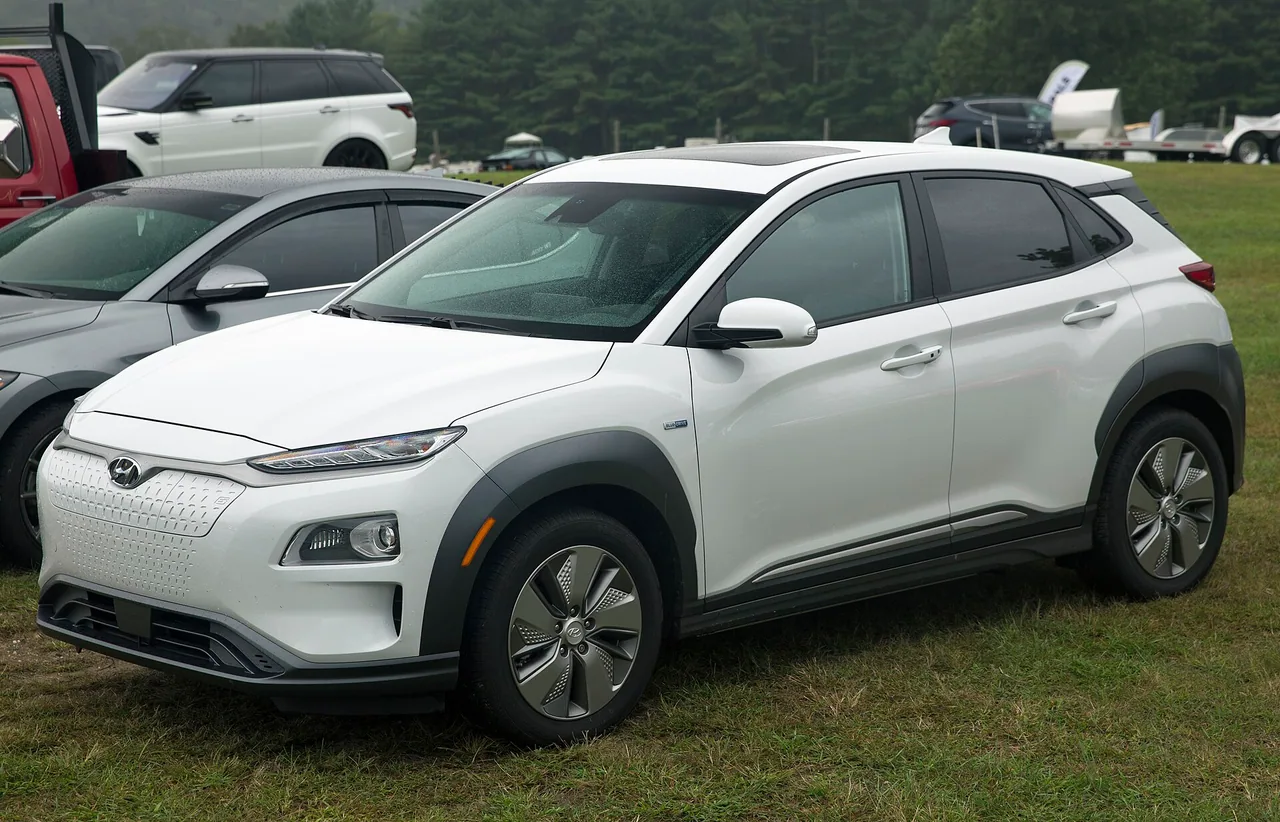

2020 Hyundai Kona Electric (SEL, Limited, Ultimate)
Updated · Published
The 2020 Hyundai Kona Electric scores 64/100, above the average for 2020 EV SUVs; first confirm that the park-outside fire-risk recalls 21V127000 and 20V630000 were repaired on this VIN, and once they are, its 258 miles of EPA range suits commuting and occasional trips.
What changed on :
- Prices collected Nov 2026: KBB Fair Purchase Price $14,150 (was $12,800); J.D. Power owners paid $9,930–$13,290 (was $11,492–$19,623); the prices before were collected Apr 2026.
Used$14,150 KBB Fair Purchase Price, this trim, collected Nov 2026
Electric SUV · FWD
Above average for 2020 EV SUVs (class avg 60 · top 33%)
Personalize this scoreSee what to check before buying →
Data:NHTSA through · Prices collected Nov 2026
Buyer brief
The 2020 Hyundai Kona Electric is a front-wheel-drive SUV with 201 hp, 258 miles of EPA range and DC fast charging up to 75 kW.
Against the 12 trims we score among 2020 EV SUVs, it leads its class most on software; Where it stands, below, sets each score beside the class average.
What to check before buying
-
Recall 21V127000: park-outside fire-risk advisory
Recall 21V127000 covers the high-voltage battery and tells owners to park outside, away from buildings, until it is repaired. When it was filed (March 2021), the final fix was not yet available.
Check: Ask for the dealer repair order showing the final repair for 21V127000 was done on this VIN; until it is, park it outside and away from buildings.
-
Recall 20V630000: park-outside fire-risk advisory
Recall 20V630000 covers the high-voltage battery and tells owners to park outside, away from buildings, until it is repaired.
Check: Ask for the dealer repair order showing 20V630000 was completed on this VIN. Without it, treat the car as unrepaired.
-
Battery warranty after recall 21V127000
The fix for recall 21V127000 replaces high-voltage battery parts where the dealer finds it necessary, so on a car that got them the 10-year/100,000-mile battery warranty may run from the replacement date, not from when the car entered service.
Check: Ask for the 21V127000 repair order: it shows whether battery parts were replaced, and when. Then ask a Hyundai dealer which battery warranty end date applies to this VIN.
Who it suits
Suits
-
Commuting and occasional trips. 258 miles of EPA range sits between our 220-mile and 280-mile lines.
Figures in this brief: NHTSA recalls and complaints on every 2020 Hyundai Kona, not this trim alone (recalls as NHTSA listed them in November 2026); EPA range (fueleconomy.gov); TrimIndex scores and class averages.
Vehicle Specifications
NHTSA crash tests
NHTSA lists the 2020 Hyundai Kona Electric SUV FWD as not rated: it has published no crash-test stars for it.
Source: NHTSA, “5-Star Safety Ratings: 2020 Hyundai Kona Electric SUV FWD”, retrieved Nov 25, 2026.
Range and efficiency
- EPA range
- 258 miles
- 284 miles city, 226 miles highway.
- Energy use, EPA combined
- 27.5 kWh per 100 miles
- Efficiency, EPA combined
- 120 MPGe
- Electricity for 15,000 miles a year
- $600
- At $0.15 per kWh, EPA's price of Nov 20, 2026.
Source: U.S. EPA and DOE, fueleconomy.gov, “Kona Electric (EPA vehicle 42089)”, record updated Feb 2, 2022.
Charging
- Full charge at 240 volts
- 9 hourssource 1
- Home (AC) charging power
- 7.2 kWsource 2
- Applies to every 2020 Hyundai Kona Electric trim.
- Fast-charging port
- CCS1 (Combined Charging System)source 3
- Tesla Supercharger access
- With an adapter, since Mar 25, 2025source 3
- NACS DC adapter, free offer
- Announced Mar 25, 2025source 3
- Free to owners who bought or leased on or before Jan 31, 2025, one per vehicle, with a MyHyundai account, claimed within 60 days of an emailed invitation (invitations from the week of Apr 7, 2025).
Sources: 1 U.S. EPA and DOE, fueleconomy.gov, “Kona Electric (EPA vehicle 42089)”, record updated Feb 2, 2022; 2 Hyundai Motor America (hyundainews.com), “2020 Kona Electric Specifications”, published Jan 10, 2020; 3 Hyundai Motor America, “Hyundai Owners Gain Access to U.S. Tesla Superchargers With Complimentary NACS Adapters”, published Mar 25, 2025; archived copy captured Sep 9, 2025.
Battery
- Stated by the manufacturer
- 64 kWh
- The manufacturer does not say usable or gross. Applies to every 2020 Hyundai Kona Electric trim.
Source: Hyundai Motor America (hyundainews.com), “2020 Kona Electric Specifications”, published Jan 10, 2020.
Performance
- Horsepower
- 201 hpsource 1
- From the 2025 model year's document.
- Drive
- Front-wheel drivesource 2
Sources: 1 Hyundai Motor America, retrieved May 27, 2026; 2 U.S. EPA and DOE, fueleconomy.gov, “Kona Electric (EPA vehicle 42089)”, record updated Feb 2, 2022.
Size and space
- Seats
- 5source 1
- Cargo, behind the rear seats
- 19.2 cu ftsource 2
- Cargo, rear seats folded
- 45.8 cu ftsource 2
- Curb weight
- 3,715 lbsource 2
- Wheelbase
- 102.4 inchessource 2
- Length
- 164.6 inchessource 2
- Width
- 70.9 inchessource 2
- Height
- 61.2 inchessource 2
- EPA size class
- Small sport utility vehiclesource 3
Curb weight applies to this version; the other manufacturer figures here apply to every 2020 Hyundai Kona Electric trim.
Sources: 1 Hyundai Motor America (hyundainews.com), “2020 Kona Electric Features”, published Jan 10, 2020; 2 Hyundai Motor America (hyundainews.com), “2020 Kona Electric Specifications”, published Jan 10, 2020; 3 U.S. EPA and DOE, fueleconomy.gov, “Kona Electric (EPA vehicle 42089)”, record updated Feb 2, 2022.
Where It Stands: Score Breakdown
What matters most to you?
Against its class
Class: 2020 EV SUVs, 12 trims on TrimIndex.
- Stronger than its class by 8 points or more: Software & Tech 89 against a class average of 71 (11 trims).
- Battery Health 69 against a class average of 60 (12 trims) is not called a strength while recall 21V127000, and owners are told to park outside, has no remedy yet (NHTSA: an electrical short in the Li-ion battery increases the risk of a fire).
- Owner Satisfaction (50) is not compared: only 2 owner posts about overall satisfaction are on file.
| Dimension | This trim | Class average |
|---|---|---|
| Battery Health | 69+9, open recall | 6012 trims |
| Owner Satisfaction | 50limited data | not compared |
| Build Quality | 58−6 | 6411 trims |
| Range & Efficiency | 68+5 | 6312 trims |
| Software & Tech | 89+18 stronger | 7111 trims |
The same configuration in other model years
No change in these figures in 2021: the 2021 Hyundai Kona Electric has the same EPA range and connector.
| Figure | 2020This trim | 2021Hyundai Kona Electric |
|---|---|---|
| EPA range | 258 mi | 258 mi |
| Charging connector | CCS1 | CCS1 |
| NHTSA recalls | 4 | 3 |
| NHTSA complaints | 31 | 28 |
| TrimIndex score | 64 | 70 |
NHTSA recalls and complaints: NHTSA records through Nov 22, 2026, filed by model year.
EPA range: U.S. EPA and DOE, fueleconomy.gov, for each trim's own EPA test configuration.
Pricing & Market Value
Georgia Tax-Assessed Value
Georgia assessed value, 2026 manual
The 2026 manual prints 3 values that could be the 2020 Hyundai Kona Electric, under 3 series; it does not say which one is this trim, so each is shown.
| Manual series | Assessed value | VIN pattern | Page | Earlier editions |
|---|---|---|---|---|
| EV SEL Sold as SEL | $9,225 | 14 patterns | 2,831 | 2021$24,500, 2022$26,900, 2023$26,225, 2024$17,125, 2025$11,475 |
| EV LIMITED Sold as Limited | $10,850 | 14 patterns | 2,831 | 2021$27,575, 2022$30,175, 2023$29,100, 2024$19,325, 2025$13,550 |
| EV ULTIMATE Sold as Ultimate | $11,050 | 7 patterns | 2,830 | 2021$29,375, 2022$32,050, 2023$31,450, 2024$20,750, 2025$14,575 |
Hyundai's documents give SEL, Limited and Ultimate as names this configuration was sold under, and no other; the rows marked are those series.
Pursuant to the provisions of O.C.G.A. § 48-5C-1(a)(1), “fair market value of the motor vehicle” is set by averaging the current fair market value and the current wholesale value of a motor vehicle. Therefore, the fair market value reflected in this Manual generally will be less than the actual fair market value for a retail sale. The values listed in this Manual are intended solely for calculating tax liabilities.
Source: Georgia Department of Revenue, 2026 Motor Vehicle Assessment Manual for TAVT. Georgia title ad valorem tax figures, not offers or sale prices.
EVs with a similar range
SUVs from model years 2020–2022 closest to this trim's 258 miles of EPA range.
Kona
Better: score 70 vs 64.
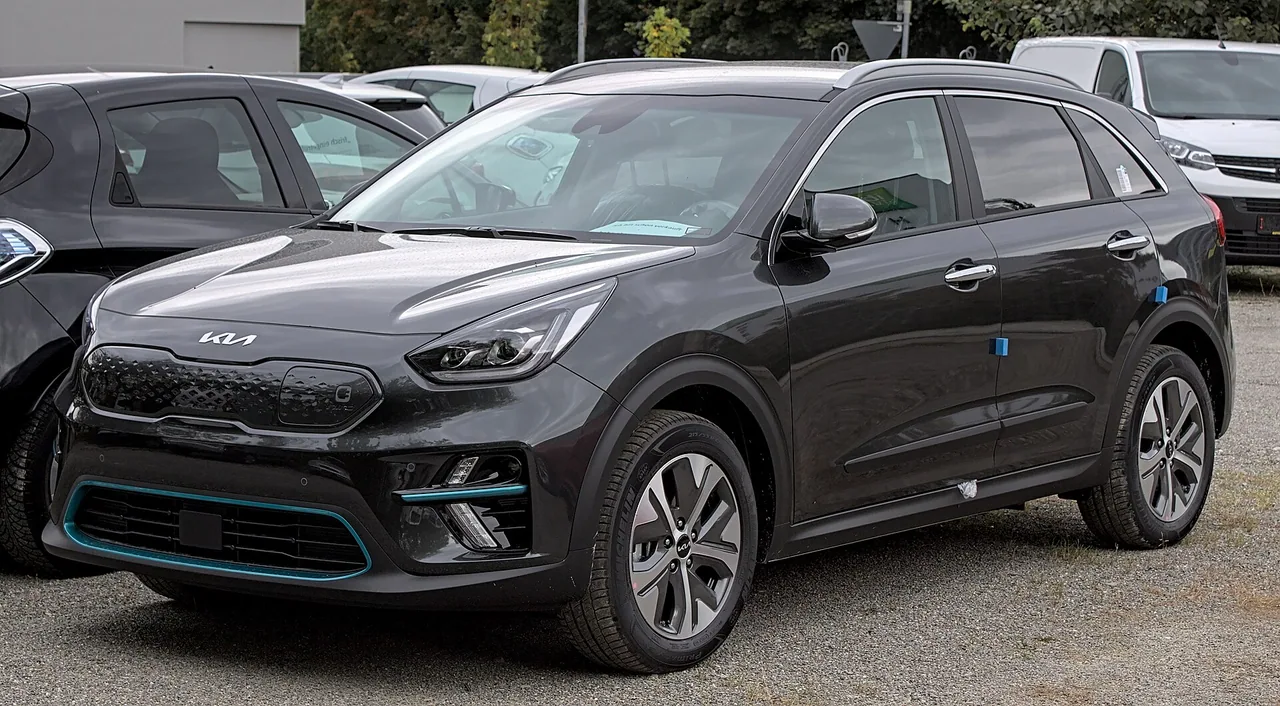
Niro
Worse: 239 vs 258 mi EPA range.
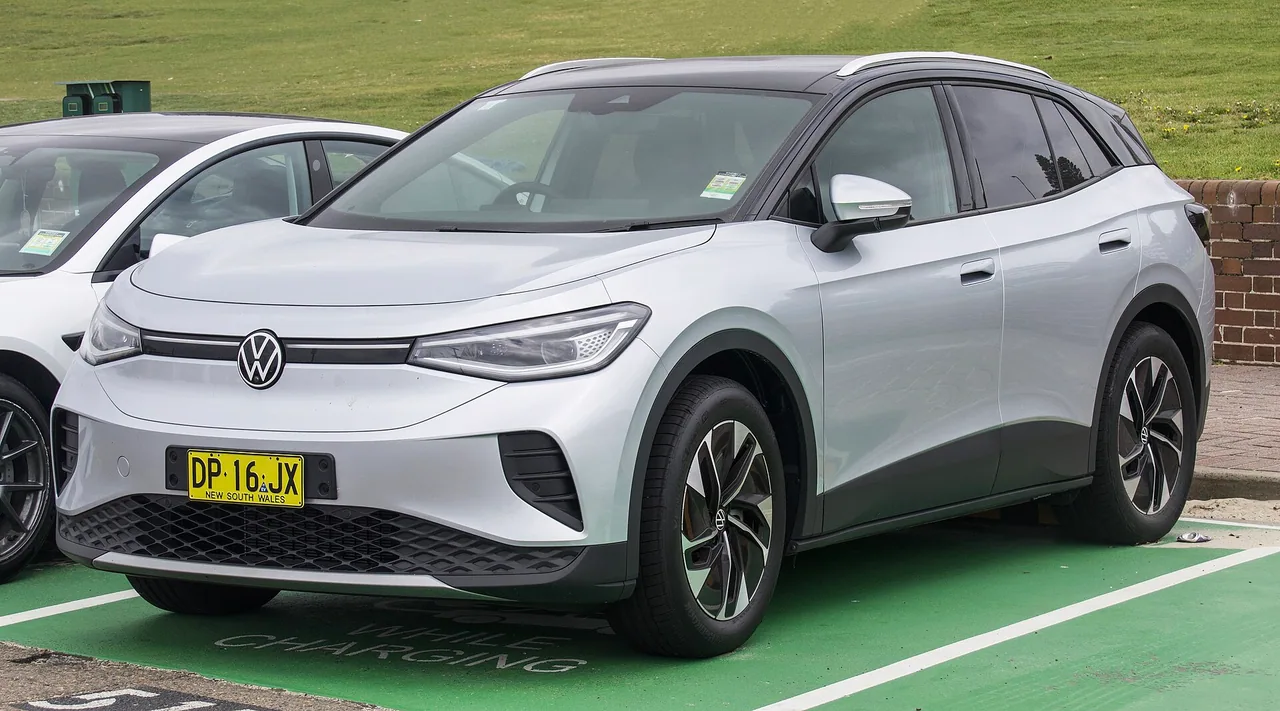
ID.4
Close: score 62 vs 64; 260 vs 258 mi EPA range.
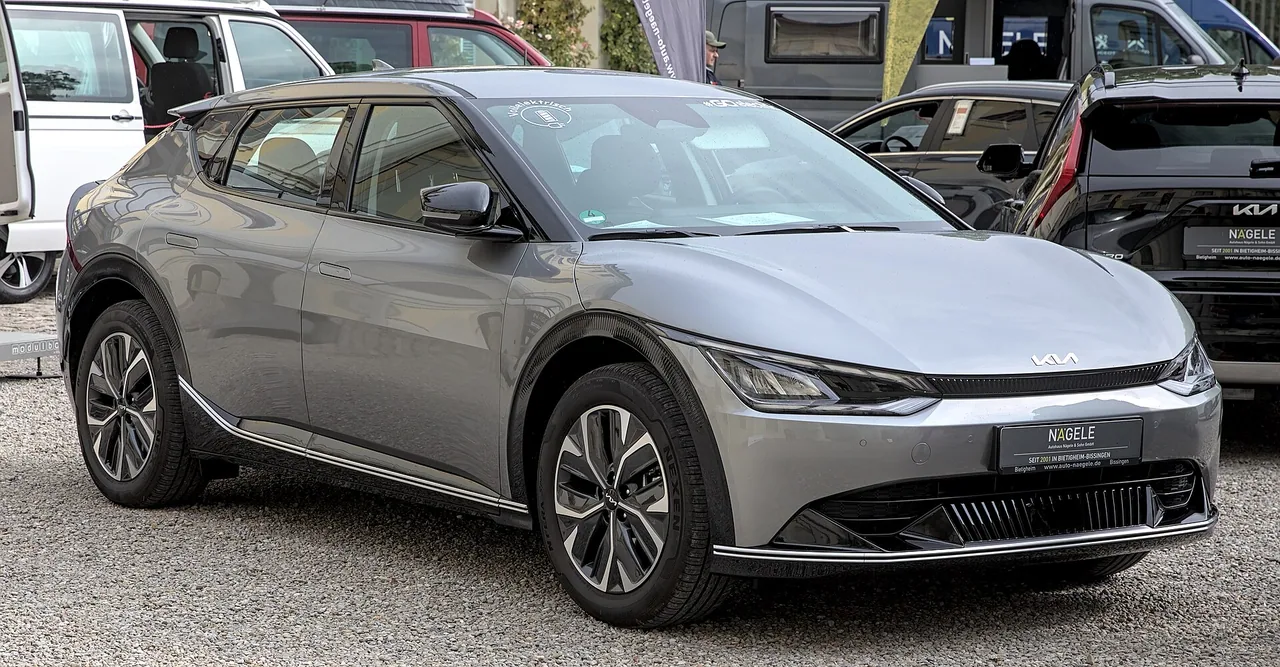
EV6
Worse: score 61 vs 64; 232 vs 258 mi EPA range.
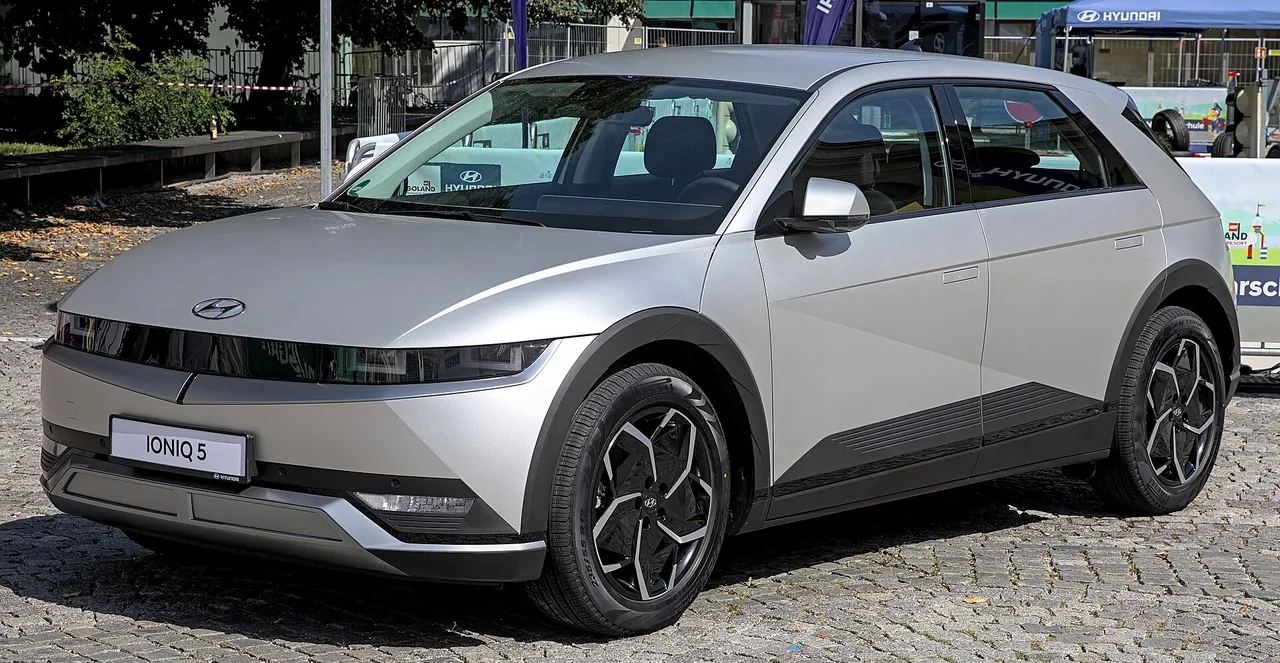
Ioniq 5
Close: score 64 vs 64; 256 vs 258 mi EPA range.
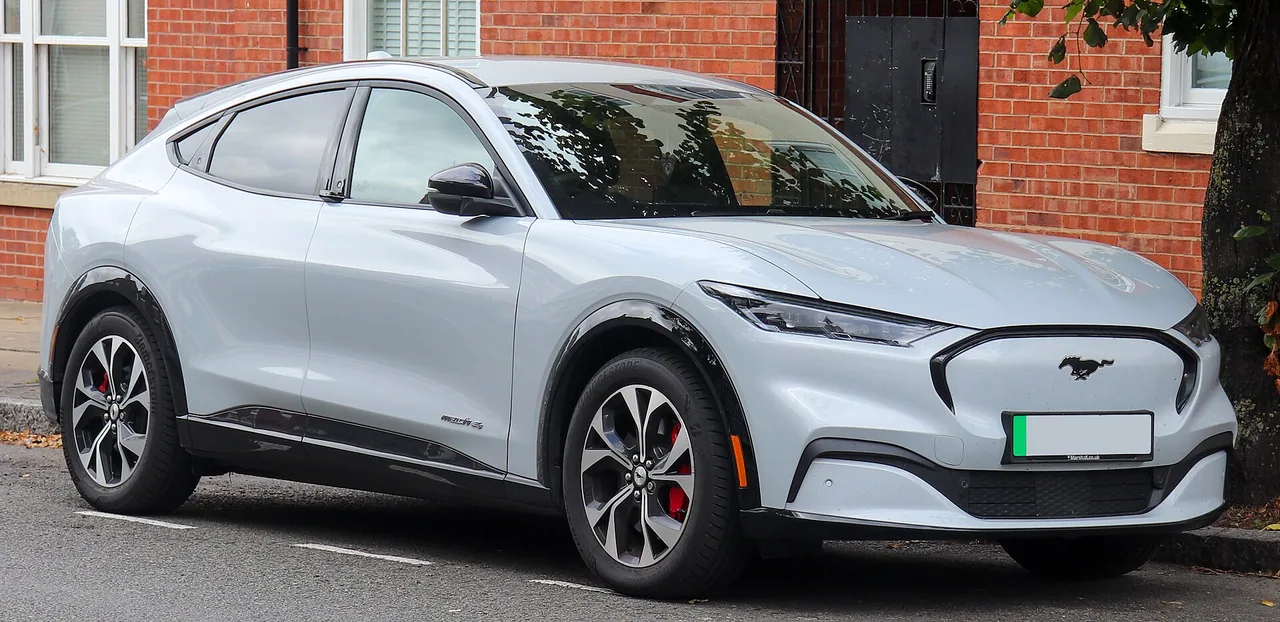
Mustang Mach-E
Worse: score 61 vs 64; 247 vs 258 mi EPA range.
NHTSA Recalls (4)
- NHTSA lists 4 recall campaigns for the 2020 Hyundai Kona Electric, filed between Oct 2020 and Nov 2026.
- 21V127000 (traction battery) and 20V630000 (management system/energy control module (BMS/BECM)) carry a Park Outside advisory.
- When it was filed, 21V127000 (traction battery) had no final fix available yet.
- How the other 3 are fixed, per the filings: 2 by a software update and 1 by both a software update and work on the car.
Source: NHTSA recall filings for the 2020 Hyundai Kona Electric, data through Nov 22, 2026. Why the VIN decides
- PARK
OUTSIDEFiled Mar 2021The lithium-ion (Li-ion) battery may short-circuit.
Campaign #21V127000 · Part (NHTSA): electrical system › propulsion system › traction battery- What happens:
- An electrical short in the Li-ion battery increases the risk of a fire.
- Until it is fixed:
- Owners are advised to park their vehicles outside and away from structures until the interim action is complete.
- The fix
- When filed (Mar 2021) the final fix was not yet available. Check the VIN for the final repair. Hyundai will notify owners, and as an interim action, owners have the option to follow provided instructions to perform a battery update through the vehicle's infotainment system or request a Hyundai dealer to provide the update.
- Covers:
- certain 2019-2020 Kona Electric and 2020 Ioniq Electric vehicles.
NHTSA lists 4,696 vehicles in this campaign (all models it covers).
Check VIN status at NHTSA.gov - PARK
OUTSIDEFiled Oct 2020The lithium-ion (Li-ion) battery may short-circuit.
Campaign #20V630000 · Part (NHTSA): electrical system › propulsion system › traction battery › management system/energy control module (BMS/BECM) › software- What happens:
- An electrical short in the Li-ion battery increases the risk of a fire.
- Until it is fixed:
- Owners are advised to park their vehicles outside and away from structures until the repair is complete.
- The fix
- Free fix: software update plus work on the car at a dealer Hyundai will notify owners, and dealers will update the Battery Management System (BMS) software and inspect the Li-ion battery, replacing it if necessary, free of charge.
- Covers:
- certain 2019-2020 Kona Electric vehicles.
NHTSA lists 6,707 vehicles in this campaign (all models it covers).
Check VIN status at NHTSA.gov - Filed Nov 2026
A software error in the air bag control unit (ACU) may improperly deactivate the air bag system and seat belt pretensioners.
Campaign #26V728000 · Part (NHTSA): air bags › air bag/restraint control module › software- What happens:
- Air bags and seat belt pretensioners that do not activate in a crash increases the risk of injury.
- The fix
- Free fix: software update at a dealer Dealers will update the ACU software, free of charge.
- Covers:
- certain 2019-2022 Veloster N, 2019-2023 Kona Electric vehicles.
NHTSA lists 37,901 vehicles in this campaign (all models it covers).
Check VIN status at NHTSA.gov - Filed Dec 2020
The Integrated Electronic Brake (IEB) system may detect an abnormal sensor signal and as a result, may significantly reduce braking performance.
Campaign #20V748000 · Part (NHTSA): service brakes, hydraulic › power assist › electric › control module › software- What happens:
- Reduced braking power could lengthen the distance required to stop the vehicle, increasing the risk of a crash.
- The fix
- Free fix: software update at a dealer Hyundai will notify owners, and dealers will update the IEB software, free of charge.
- Covers:
- certain 2019-2020 Nexo Fuel Cell and 2019-2021 Kona Electric vehicles.
NHTSA lists 8,176 vehicles in this campaign (all models it covers).
Check VIN status at NHTSA.gov
NHTSA Investigations (1 closed petition)
NHTSA has closed 1 action on the 2020 Hyundai Kona Electric: 1 defect petition, opened Jan 2023.
Show the 1 closed action
- Pedestrian alert soundsDefect petition DP22005, opened Jan 27, 2023, closed Aug 7, 2023
Source: NHTSA Office of Defects Investigation, investigations file, records through Nov 19, 2026.
NHTSA Complaints (31 total)
What owners report most
TrimIndex grouped the 31 complaints owners filed with NHTSA on the 2020 Hyundai Kona Electric (every trim; NHTSA files complaints by model year, not trim) into problem themes on Nov 16, 2026: 23 of them fall in the 4 themes below. How themes are made and checked
-
Battery recall repair long delayed
11 of 31 complaints (35%): Owners report the battery fire recall repair being unavailable for months, with dealers capping the charge level and owners told to park outside while waiting.
“provided a temporary fix by reducing the battery charging capacity to 80%. The part for the final repair remained unavailable.”
NHTSA complaint 11420023 “The contact stated that the manufacturer had exceeded a reasonable amount of time for the recall repair.”
NHTSA complaint 11418460 -
Dead battery, car will not start
5 of 31 complaints (16%): Owners report the car failing to start or drive with a drained or dead battery, sometimes after dealer recall work, requiring jump starts or towing.
“12 volt battery was dead; EV was fully charged 6/16/2024 using Level 2 charger in my home garage.”
NHTSA complaint 11641724 “the car has been draining from the 12volt battery on it's own and killing the charging circuit for the battery.”
NHTSA complaint 11580665 -
Emergency braking activates without need
4 of 31 complaints (13%): Owners report the automatic emergency braking slamming the car to an abrupt stop in traffic when the driver was already slowing, leaving following vehicles to swerve.
“my car beeps it's warning, adds it's efforts and the brakes lock up with tires squealing”
NHTSA complaint 11574761 “the avoidance system has several times almost CAUSED me to have an accident and thrown me forward, through sudden and hard breaking”
NHTSA complaint 11438845 -
Brakes lose stopping power
3 of 31 complaints (10%): Owners report braking dropping out or the car failing to stop, sometimes with a regenerative brake warning on the dashboard.
“I was driving at about 45mph and my vehicle brakes suddenly stopped responding.”
NHTSA complaint 11543580 “I am receiving an intermittent "check regenerative brake" message.”
NHTSA complaint 11740362
31 complaints filed with NHTSA for the 2020 Hyundai Kona Electric, between Feb 2020 and May 2026.
Parts named most often
| Part | Complaints | Share |
|---|---|---|
| Electrical system (other) | 17 | 55% |
| Brakes | 6 | 19% |
| Forward collision avoidance including automatic emergency braking (3) and warnings (3) | 5 | 16% |
| Drive unit | 4 | 13% |
| Battery and propulsion system | 3 | 10% |
Share of all 31 complaints; one complaint can name more than one part, so shares add up to more than 100%. 1 complaint names no specific part.
Owners reported a crash in 1 of the 31 complaints. How these fields are filled
Median odometer reading when the problem happened: 4,250 miles, from the 6 complaints that give one.
Complaints by year filed
| Year filed | Complaints |
|---|---|
| 2020 | 4 |
| 2021 | 13 |
| 2022 | 3 |
| 2023 | 1 |
| 2024 | 3 |
| 2025 | 4 |
| 2026 (to Nov 22) | 3 |
Source: NHTSA owner complaints filed on every 2020 Hyundai Kona Electric (NHTSA files them by model year, not trim), data through Nov 22, 2026.
The 25 most severe, then newest, of 31
- Severity 4 of 5.Brakes
I am receiving an intermittent "check regenerative brake" message. The message will clear automatically and then reappear every three to four weeks.
Show the rest
An internet search reveals this is a common error for the Kona. Most people report no repair by the dealer. In several cases, the brakes stopped working, resulting in collisions. The hydraulic breaks do not work if the regenerative brake system fails leaving you with no way to stop the car. The manufacture has no solution.
NHTSA ODI #11740362 - Severity 4 of 5.Electrical system (other) · Battery and propulsion system · Drive unit
While driving approximately 70 mph on I-10 in Louisiana late at night, my 2020 Hyundai Kona EV displayed a “Check EV System” warning while I was on the highway.
Show the rest
There were no safe areas or emergency shoulders available to pull over, so I continued driving toward the nearest exit. Approximately 15 minutes after the warning appeared, as I attempted to exit the highway, the vehicle suddenly lost power and rapidly slowed. The vehicle came to a complete stop and could not accelerate, move forward, or reverse. This created a serious safety risk because the vehicle lost propulsion while traveling at highway speed. The vehicle had approximately 62,000 miles at the time of the incident. The vehicle was towed to Giles Hyundai where the dealership diagnosed an internal temperature sensor and resolver failure. Because these components are integrated into the drive system, the dealership replaced the entire traction motor assembly. The repair cost was approximately $9,000. The sudden loss of propulsion at highway speed created a dangerous situation for both the driver and surrounding traffic.
NHTSA ODI #11722050 - Severity 4 of 5.Drive unit · Forward collision avoidance Crash
My wife was pulling into a parking place at Home Depot when the car suddenly accelerated, jumped the curb & hit a tree on the sidewalk.
Show the rest
It did significant damage to the front bumper of the car but the airbags did not deploy & my wife was not hurt. I am guessing that it will be several thousand dollars to repair.
NHTSA ODI #11667507 - Severity 4 of 5.Brakes · Forward collision avoidance
This has happened about 15 times since I bought my Hyundai Kona EV Ultimate new in February 2021: When a car in front of me slows very quickly, occasionally my car tries to help me too much.
Show the rest
I have been in complete control of the situations, but my car beeps it's warning, adds it's efforts and the brakes lock up with tires squealing, and we stop with plenty of space in between myself and the car in front of me. This usually happens in freeway traffic. It is terrifying and I always immediately look in my rearview mirror to see if I'm going to get rear-ended. I haven't been hit yet, though I have been flipped off a few times. One of these days, people will be hurt, along with the damages to the cars. The first time it happened was only about 2 weeks after the purchase. I had my 5-year old twin granddaughters in their car seats. Just as described above, the brakes locked up and it really scared them (me too!). I took it back to the salesman I bought it from at Stevens Creek Hyundai and he said it was just a setting with the response time, so he changed it. But it kept happening intermittently. I brought into the Future Hyundai of Concord dealer and they test drove it, could not replicate it, and after checking with their computers, said that the "system is working as designed". Frustrated that I wasn't being heard, I contacted Hyundai Consumer Affairs. They supported me and I got a case number and another appointment at a different dealer, Dublin Hyundai. This time, I went on the test drive and the technician was able to replicate the situation. At first he said it was a setting, but I said that I didn't care what the setting was, this should never happen. It is very dangerous. He agreed and said he would need to contact "Techline" the next day. But when I tried to find out any information about this conversation, I got only silence. Then I got a message that I could come pick up my car and that "the system is working as designed". Help!
NHTSA ODI #11574761 - Severity 4 of 5.Brakes
I was driving at about 45mph and my vehicle brakes suddenly stopped responding. The car alarms went crazy and said "regenerative brake failure" which is fine and all, but why the
Show the rest
hell would the regent failing impact my ability to stop entirely? I could not get the vehicle to respond by pumping the brakes, so I put my flashers on and rolled into a lot and thankfully didn't kill anyone. Rolled into an uphill spot, thanked the curb, and engaged the ebrake which I'm not sure actually worked. The brake was both firm and soft when pressed. That was terrifying and I was literally just on the freeway.
NHTSA ODI #11543580 - Severity 4 of 5.Brakes
Braking: When coming to a stop, the vehicle slows as expected. at about 10 MPH or less, while still continuing to apply braking pressure by foot, the vehicle stops braking and a
Show the rest
sudden acceleration kick occurs, propelling the vehicle forward an additional 10 feet or so, then the brake kicks in again. Was able to duplicate this issue with a Tech from Hyundai of Moreno Valley riding as a passenger. This is hazardous, because it could result in striking a vehicle or pedestrian in a crosswalk for example.
NHTSA ODI #11458516 - Severity 4 of 5.Brakes · Forward collision avoidance at 4,100 miles
MY VEHICLE UNNECESSARILY ACTIVATED AUTOMATIC EMERGENCY BRAKING, LOCKING THE WHEELS AND CAUSING THE TRUCK BEHIND ME TO SWERVE ONTO THE SHOULDER TO AVOID CRASHING INTO MY VEHICLE.
Show the rest
THIS IS THE SECOND TIME THIS HAS OCCURRED WITH THIS CAR. I WAS DRIVING IN THE SLOW LANE OF A LIMITED ACCESS FREEWAY. THE LANE WAS CONGESTED AND I ESTIMATE THE SPEED AT ABOUT 40 MPH. THE CARS AHEAD SLOWED AND BEGAN TO STOP. I TOOK MY FOOT OFF THE ACCELERATOR AND MOVED TO THE BRAKE. AT THIS TIME I WAS THREE OR FOUR CAR LENGTHS BEHIND THE CAR AHEAD, AND COULD HAVE STOPPED EASILY WITH FIRM BUT NORMAL BRAKING. AS SOON AS MY FOOT TOUCHED THE BRAKE PEDAL, MY VEHICLE LOCKED ITS BRAKES AND SCREECHED TO AN ABRUPT STOP. OBJECTS ON THE PASSENGER SEAT WERE THROWN TO THE FLOOR. A TRUCK BEHIND ME HAD TO SWERVE TO THE RIGHT OF MY VEHICLE TO AVOID CRASHING INTO IT. THE DRIVER FOLLOWED ME HONKING FOR HALF A MILE UNTIL MY EXIT. THIS HAPPENED ONCE BEFORE, IN FEBRUARY 2020. FOLLOWING THAT INCIDENT, I TOOK THE CAR TO HYUNDAI DEALER SERVICE, WHO ADVISED THAT "THE CAR IS OPERATING CORRECTLY." SEE ATTACHED SERVICE REPORT. NOTE THAT NO VEHICLES CHANGED LANES IN FRONT OF MINE DURING EITHER INCIDENT, BUT NOTWITHSTANDING, THE DEALER SERVICE SUGGESTED THAT AS A CAUSE.
NHTSA ODI #11415035 - Severity 4 of 5.Brakes at 530 miles
DRIVING DURING RUSH HOUR ON INTERSTATE IN AN URBAN AREA. CARS IN FRONT SLOWED RAPIDLY, APPLIED BRAKES TO SLOW DOWN, DID SO SUCCESSFULLY.
Show the rest
DYNAMIC BRAKE SUPPORT THEN APPARENTLY KICKED IN, AND FORCED THE CAR TO A STOP, DESPITE BRAKE BEING FULLY RELEASED. CAR FROM BEHIND BARELY ABLE TO AVOID CRASHING INTO ME, THE DRIVER HAD TO SWERVE ONTO THE SHOULDER TO AVOID ME AND ENDED UP STOPPING BESIDE MY CAR. ONCE CAR CAME TO A STOP, WAS ABLE TO GET GOING AGAIN. ISSUE HAS NOT REPRODUCED SINCE.
NHTSA ODI #11309058 - Severity 3 of 5.Electrical system (other)
the headlights in this model Kona keep burning out after 9 months or so. I have replaced them multiple times in the last 5 years on both left and right sides.
Show the rest
I use glove to put in the bulbs and are very careful not to let my hands touch the bulb. I have never had this happen with any other car I have owned. I suspect an electrical system issue, or perhaps wiring, but that is speculation. I have not had this inspected by the dealership. The latest date of failure is listed below.
NHTSA ODI #11699982 - Severity 3 of 5.
On 3.22.2025 the rear view camera did not display; either a black screen with text "Check surroundings for your safety," a green screen reading "No camera signa received.
Show the rest
Please try again later," or distorted images appeared. Camera was replaced under warranty on 4.14.2025; I learned from Crossroads Hyundai that other vehicles had a recall in effect. Images and work order are included.
NHTSA ODI #11654523
Show 15 more complaints
- Severity 3 of 5.Forward collision avoidance
I am concerned about the safety of my car and have little faith that there are qualified mechanics who understand EVs and can properly service an EV car.
Show the rest
Two times on April 9, 2024 (and on at least 4 other occasions in 2023) while drive at approximately 45 miles an hour on a RI State highway at a safe distance from any care in front of me, my vehicle went into the fail-safe mode while I was driving causing a sudden significant loss of power to the car and it appeared to be that it was going to stall. There was no warning sound indicating that I was going to crash into the forward vehicle (again, I was at a safe distance). In order to continue driving, I had to pull onto the road shoulder, shut off the car, which seemed to reset it. On this particular day/occasion, this situation occurred twice in the span of about 10 minutes. Had there been anyone driving right behind me, they would have hit my car. In addition, I brought my car to the dealer to address but the dealership did not know how to fix/address my problem. They did find "multiple codes" in the car history, deleted the codes, and test drove the car. They said if it happened again, to let them know. They also told me if it occurred again, then I should bring it in when the 1 and only technician, who knows anything about the EV cars, was working. I took a photo of the dashboard immediately after one of the episodes while the car was still running before I shut if off. I will attach it.
NHTSA ODI #11585896 - Severity 3 of 5.Battery and propulsion system
Since the October 2020 recall requirements, I have been told not to park in my garage (thereby exposing my car exterior paint and plastic to the elements) and I have not been able
Show the rest
to use my battery at 100% (forced to change limit to 80%). I would not have bought this car if I was going to be limited to 80% of the estimated mileage and gone with a Tesla instead. I live in a desert climate so exposing my car each day to sand and sun is aggravating when I normally park in my garage to protect my car's plastic elements and paint. It has been 16 months without a resolution to the issue and no reasonable compensation for loss of use of vehicle and increased damage to exterior of car since October 2020. Hyundai sold 2020 Kona EV owners a defective car. Had I known I would have been limited to about 200 miles, I would have chosen a different car.
NHTSA ODI #11447669 - Severity 3 of 5.Electrical system (other)
The contact owns a 2020 Hyundai Kona. The contact received notification of NHTSA Campaign Number: 21V127000, however, the dealer exceeded a reasonable amount of time for the recall repair.
Show the rest
The contact stated that the dealer advised her the vehicle can not be fixed due to no parts. The contact was concerned that her vehicle would have a failure while driving. The manufacturer was made aware of the issue.
NHTSA ODI #11446612 - Severity 3 of 5.Forward collision avoidance
When starting the vehicle, the forward collision avoidance system is automatically on, this is the default.
Show the rest
I must take the active step of turning it off every time I begin to drive, if I do not wish to use it. The issue is that the avoidance system has several times almost CAUSED me to have an accident and thrown me forward, through sudden and hard breaking if the car thinks I am too close to the vehicle in front of me. This is why I continually turn it off. I would like to point out that I have NEVER rear ended anyone in over 40 years of driving, so rather than truly avoiding any collision, the car causes me to come very close to having an accident, as the sudden and hard braking has caused me to swerve while preparing to pass another vehicle.
NHTSA ODI #11438845 - Severity 3 of 5.Electrical system (other)
Car battery not longer allows for the car to drive The electric system stop working due to failure of the battery A new battery needs to be order Car not longer works
NHTSA ODI #11433926 - Severity 3 of 5.Electrical system (other)
The contact owns a 2020 Hyundai Kona. The contact received notification of NHTSA Campaign Number: 21V127000 (Electrical System) however, the part to do the recall repair was unavailable.
Show the rest
The local dealer was contacted, and it was confirmed that the part was not available. The contact stated that the manufacturer had exceeded a reasonable amount of time for the recall repair. The manufacturer was made aware of the issue. The contact had not experienced a failure. The contact was concerned that the manufacturer had not yet determined what the remedy would be for his vehicle. Parts distribution disconnect.
NHTSA ODI #11430654 - Severity 3 of 5.Electrical system (other)
The traction batteries are deffective and needs to be replaced due to the battery catching fire under Recall 200 for Hyundia Kona Electric cars.
Show the rest
The cars effected were manufactured from Aug 28,2018 to March 2, 2020 which our car falls within this window date. According to Hyundai Consumer Assistance there is no solution.
NHTSA ODI #11424424 - Severity 3 of 5.Electrical system (other)
The contact owns a 2020 Hyundai Kona. The contact received notification of NHTSA campaign number: 21V127000 (Electrical System) however, the part to do the recall repair was not yet available.
Show the rest
The vehicle was taken to the local dealer and it was confirmed that the part was not yet available. The contact stated that the manufacturer had exceeded a reasonable amount of time for the recall repair. The manufacturer was made aware of the issue. The contact had not experienced a failure. Parts distribution disconnect.
NHTSA ODI #11420016 - Severity 3 of 5.Electrical system (other)
The contact owns a 2020 Hyundai Kona. The contact received a notification for NHTSA Campaign Number: 21V127000 (Electrical System) however, the part to do the recall repair was not yet available.
Show the rest
The dealer was notified about the issue and provided a temporary fix by reducing the battery charging capacity to 80%. The part for the final repair remained unavailable. The manufacturer was made aware of the issue. The contact stated that the manufacturer had exceeded a reasonable amount of time for the recall repair. The contact had not experienced a failure. Parts distribution disconnect.
NHTSA ODI #11420023 - Severity 3 of 5.Electrical system (other)
Hyundai issued a several recalls that notified me of various updates related to my car battery as well as that I cannot park my car in my garage as battery could catch fire.
Show the rest
I have taken my car to a local dealer each time for these software updates as required. They originally did a "fix" for the battery issue back in 2020 but clearly the issue has not been remedied since it first came to light in 3/2019. Then in 3/2021, Hyundai notified me by mail that in addition, I must limit my battery capacity to 80%, prohibiting my use of the car for longer planned trips this spring and summer and likely fall 2021. I have had to change my lifestyle and make other arrangements in order to continue my plans. The battery has a lifetime guarantee and I bought the car due to this guarantee as well as the use of 100% of the battery expected mileage as I have a long commute and take long day trips since this is my only car. The requirement of parking outside my garage for over 6 months now reduces the value of my car as it is subject to intense heat/sun/sandy wind/fire debris as I live in a Southern California desert. Between the reduction in battery change, fire danger of battery, parking outside, the value of my purchase had decreased significantly and it was false advertising when I purchased the car in 11/2019. I would not have purchased this car if I only had 80% of the battery capacity and had to park it outside to avoid possible fire due to charging. Hyundai has only offered $200 to come in to dealer to have then change battery capacity to 80% (which I did. That is not enough compensation for the loss of use, loss of value, loss of car quality from parking outside, and loss of my time. My fear is that they will issue a buyback that does not include the value of my window tinting and specialized lazer fit car mats and deducts value for my mileage. There is not ETA on when the battery will be replaced/fixed at this time - completely unacceptable.
NHTSA ODI #11418961 - Severity 3 of 5.Electrical system (other)
Smell like electrical overheating. Not driving due to fire risk.
NHTSA ODI #11418951 - Severity 3 of 5.Electrical system (other)
The contact owns a 2020 Hyundai Kona. The contact received notification of NHTSA Campaign Number: 20V127000 (Electrical System) however, the part to do the recall repair was not yet available.
Show the rest
The dealer was contacted and confirmed that the part was not yet available. The contact stated that the manufacturer had exceeded a reasonable amount of time for the recall repair. The manufacturer was not made aware of the issue. The contact had not experienced a failure. Parts distribution disconnect.
NHTSA ODI #11418460 - Severity 3 of 5.Electrical system (other) · Battery and propulsion system at 3,600 miles
HYUNDAI IS FAILING TO PROVIDE THE INTERIM REMEDY PROMISED IN YOUR SAFETY RECALL REPORT 21V-127 (ATTACHED).
Show the rest
THIS REMEDY CONSISTS OF SIMPLY DISCLOSING THE SAFE CHARGING LIMIT PERCENTAGE FOR THE PROPULSION BATTERY. THE RECALL REPORT STATES, UNDER REMEDY PROGRAM, "OWNERS WILL ALSO BE PROVIDED WITH INSTRUCTIONS TO MANUALLY LOWER THE BATTERY'S STATE OF CHARGE LIMIT VIA THE INFOTAINMENT SYSTEM." I REQUESTED THAT INFORMATION FROM HYUNDAI CUSTOMER CARE. HOWEVER THEY REPLIED "CURRENTLY THERE IS NO REMEDY AVAILABLE." (SEE ATTACHED) PLEASE DIRECT HYUNDAI TO MAKE THIS INFORMATION AVAILABLE FORTHWITH SO THAT I AND OTHER HYUNDAI EV OWNERS CAN SAFELY CHARGE OUR VEHICLES.
NHTSA ODI #11404447 - Severity 3 of 5.Electrical system (other) at 4,400 miles
TL* THE CONTACT OWNS A 2020 HYUNDAI KONA. THE CONTACT RECEIVED NOTIFICATION OF NHTSA CAMPAIGN NUMBER: 20V630000 (ELECTRICAL SYSTEM).
Show the rest
THE VEHICLE WAS TAKEN TO PALM SPRINGS HYUNDAI (3919 E PALM CANYON DR SUITE A, PALM SPRINGS, CA 92264; (760) 202-8888) WHERE THE RECALL REPAIR WAS PERFORMED. THE CONTACT STATED THAT TWO DAYS AFTER THE RECALL REPAIR WAS PERFORMED, THE CONTACT WAS UNABLE TO START THE VEHICLE. THE CONTACT STATED THAT AN UNKNOWN ELECTRICAL WARNING LIGHT WAS ILLUMINATED. THE VEHICLE WAS NOT DRIVABLE. THE VEHICLE WAS TOWED BACK TO THE SAME DEALER. THE MECHANIC WAS UNABLE TO DUPLICATE THE FAILURE. THE VEHICLE WAS NOT REPAIRED. THE VIN WAS INCLUDED IN NHTSA CAMPAIGN NUMBER: 20V748000 (SERVICE BRAKES, HYDRAULIC) AND 20V630000 (ELECTRICAL SYSTEM). THE MANUFACTURER WAS MADE AWARE OF THE FAILURE. THE FAILURE MILEAGE WAS APPROXIMATELY 4,400.
NHTSA ODI #11383561 - Severity 3 of 5.Electrical system (other)
TL* THE CONTACT OWNS A 2020 HYUNDAI KONA. THE CONTACT DISCOVERED ONLINE THAT THE VEHICLE WAS INCLUDED IN NHTSA RECALL NUMBER: 20V630000 (ELECTRICAL SYSTEM) HOWEVER, THE PART TO DO
Show the rest
THE RECALL REPAIR WAS NOT YET AVAILABLE. TEAM HYUNDAI OF BEND (2250 NE HWY 20, BEND, OR 97701) AND TONKIN GLADSTONE HYUNDAI (19300 SE MCLOUGHLIN BLVD, GLADSTONE, OR 97027) WERE MADE AWARE OF THE ISSUE AND BOTH CONFIRMED THAT PARTS WERE NOT YET AVAILABLE. THE CONTACT STATED THAT THE BATTERY SOFTWARE WAS UPDATED AT TEAM HYUNDAI OF BEND. THE MANUFACTURER WAS MADE AWARE OF THE ISSUE. THE CONTACT HAD NOT EXPERIENCED A FAILURE. VIN TOOL CONFIRMS PARTS NOT AVAILABLE.
NHTSA ODI #11365831
Battery Health Readings
1 battery-health reading from an individual car with this pack is on file.
This trim uses the LG Kona Electric / Niro EV / Soul EV (64 kWh — pre-recall) battery pack. Cars in our catalog with this pack: Hyundai Kona Electric (2020–2023), Kia Niro EV (2020–2022), Kia Soul EV (2020).
Forum posts that mention this car
4 forum posts are on file for this model year. The 4 posts shown were retrieved Apr 2026.
"Anyone have experience with Grizzl-E? Hi! Just for reference, I have a Hyundai Kona EV and where I live (Eastern Canada) the weather can get extreme with cold and summertime humidity. The Kona is smart enough that I don't need a smart charger, so all I really need is a good, durable charger that can fill the battery overnight. I've been reading up on chargers and have more or less settled on the Grizzl-E Classic NEMA 14-50. Getting the outlet installed seems pretty straightforward, and it's supposed to be able to handle the cold well. Plus if we have the outlet we can also provide…"
"Hyundai Kona " ghost cooling" Has any other EV owner faced the issue of air cooling with just the Fan/blower turned on ( Air conditioner button off )? When I say cooling, I mean very cold air..like about 17 degrees Celsius cold. It's not a consistent occurance..but it happens atleast once a day randomly irrespective of whether the car has been running for a while or just turned on after a while of sitting idle. I have a 2020 Hyundai Kona and this I have confirmed is the same with a couple of other owners. We aren't able to figure out why or how this occurs. For us living in hot conditions…"
"Believing that Hyundai was a well respected and trusted car manufacturer, I bought my first Hyundai at the begining of the year, an all electric Kona Ultimate. Since then I have been surprised how hard it seems to be to get answers from Hyundai on various issues. It appears that Hyundai expect all questions to be put to the local dealer, who often does not seem to be able to respond, effectively saying that they are not able to get an answer from Hyundai. My latest issue relates to software updates, which I was led to believe could be done over the air (OTA) on my car thus ensuring that the…"
"2020 Kona 39kwh strange noise while accelerating. Link in the comments. Pls listen to it So it has 35.000km in it. We test drove it at the dealership and i especially checked if it has a tapping sound at lower speeds. It was totally fine, but after i took it home, i drove 250km and this sound appeared. Its a bit different than the sound that comes in in other videos."
The federal $4,000 used-EV credit ended Sept 30, 2025.
6 states still run an open used-EV incentive — the largest up to $12,000 for income-qualified buyers; the 2020 Hyundai Kona Electric likely qualifies in 1 state, may qualify in 4 states (some rules this page cannot check) and does not qualify in 1 state.
Source & disclaimer
Frequently Asked Questions
How far does the 2020 Hyundai Kona Electric go on a charge?
EPA rates the 2020 Hyundai Kona Electric at 258 miles on a full charge: 284 miles in city driving and 226 on the highway.
How long does the 2020 Hyundai Kona Electric take to charge?
EPA lists 9 hours to charge the 2020 Hyundai Kona Electric from empty at 240 volts with the standard charger.
Can the 2020 Hyundai Kona Electric use Tesla Superchargers?
Yes, with a NACS DC adapter, since Mar 25, 2025, as announced by Hyundai Motor America that day.
What does the 2020 Hyundai Kona Electric cost to run?
EPA estimates the 2020 Hyundai Kona Electric costs $600 a year to charge, for 15,000 miles a year (55% city, 45% highway) at $0.15 per kWh (EPA's fuel prices of Nov 20, 2026). By EPA's estimate it saves $7,250 over 5 years in fuel compared with the average new vehicle.
What does a used 2020 Hyundai Kona Electric cost?
Kelley Blue Book's Fair Purchase Price for the 2020 Hyundai Kona Electric, collected Nov 2026, is $14,150. J.D. Power reports owners paid $9,930 to $13,290 for the 2020 Hyundai Kona Electric, across all trims (collected Nov 2026).
How safe is the 2020 Hyundai Kona Electric in a crash?
NHTSA has not crash-tested the 2020 Hyundai Kona Electric with front-wheel drive, so it has no NHTSA star rating.
What recalls does the 2020 Hyundai Kona Electric have?
NHTSA lists 4 recall campaigns for the 2020 Hyundai Kona Electric as of Nov 22, 2026; the newest is 26V728000 (Nov 2, 2026), for the air-bag control software. Under 21V127000, owners are told to park outside, and no fix is available yet. Under 20V630000, owners were told to park outside until the fix is done; the fix is available for it, so check that this car's VIN has had it.
How reliable is the 2020 Hyundai Kona Electric?
Owners have filed 31 complaints with NHTSA about the 2020 Hyundai Kona Electric as of Nov 22, 2026.
What problems do owners report on the 2020 Hyundai Kona Electric?
Of the 31 complaints owners filed with NHTSA about the 2020 Hyundai Kona Electric as of Nov 22, 2026, the three largest problem themes are: Battery recall repair long delayed (11); Dead battery, car will not start (5); and Emergency braking activates without need (4). 23 of them fall in the 4 themes TrimIndex grouped from their narratives on Nov 16, 2026.
How long does the battery warranty last on the 2020 Hyundai Kona Electric?
Hyundai's warranty page (hyundaiusa.com) gives the battery warranty as 10 years or 100,000 miles, whichever comes first. For a 2020 car that went into service in 2020, it runs until 2030 or 100,000 miles, whichever comes first. The Hyundai warranty page says the battery coverage carries over to later owners.
What is the TrimIndex score for a 2020 Hyundai Kona Electric?
The 2020 Hyundai Kona Electric scores 64 out of 100 on TrimIndex. It is above the average of 60 for 2020 EV SUVs (latest TrimIndex score of each of 12 trims). Its strongest dimension is Software & Tech (89/100); weakest is Build Quality (58/100).
What EV incentives can I get on a 2020 Hyundai Kona Electric?
6 of the 7 statewide used-EV programs open as of Oct 12, 2026 do not rule out a 2020 Hyundai by make, model-year age or price. The incentive finder on this page shows which, state by state.
What this page is built on
NHTSA data through
- NHTSA recall campaigns 4 1 with no fix available yet
- Owner complaints to NHTSA 31
- EPA record 258 mi Kona Electric, updated Feb 2, 2022
- NHTSA crash rating Not tested
- Manufacturer documents cited 5 from hyundaiusa.com and hyundainews.com
- Forum posts used 4 2 Reddit threads, 3 sources, none naming another model year
- Used prices collected Nov 2026 from Kelley Blue Book and J.D. Power
Compare Hyundai Kona Electric Against Rivals
Other Hyundai Kona Electric Years on TrimIndex
Photo credits
- Kia Niro EV (DE, 2019-2022): Alexander Migl / Wikimedia Commons, CC BY-SA 4.0, resized. Representative photo of the generation, not the exact trim or market.
- Volkswagen ID.4 (2021-): LuvsMG481 / Wikimedia Commons, CC BY-SA 4.0, resized. Representative photo of the generation, not the exact trim or market.
- Kia EV6 (CV, 2022-2024): Alexander Migl / Wikimedia Commons, CC BY-SA 4.0, resized. Representative photo of the generation, not the exact trim or market.
- Hyundai Ioniq 5 (NE, 2022-2024): Alexander Migl / Wikimedia Commons, CC BY-SA 4.0, resized. Representative photo of the generation, not the exact trim or market.
- Ford Mustang Mach-E (2021-): Vauxford / Wikimedia Commons, CC BY-SA 4.0, resized. Representative photo of the generation, not the exact trim or market.


