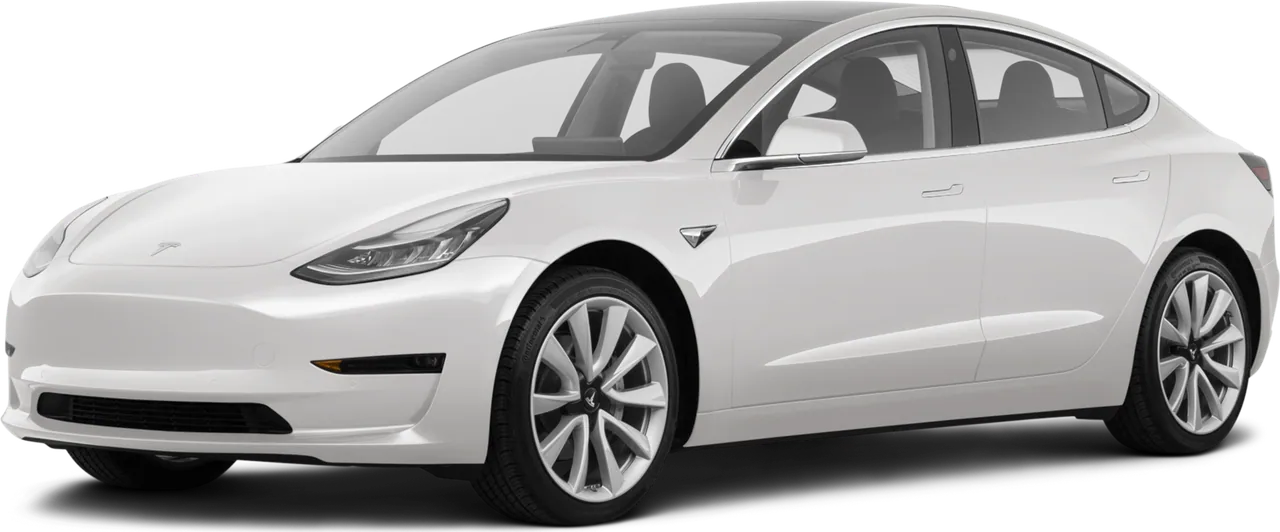
2020 Tesla Model 3 Mid Range
Electric Sedan · RWD
Based on battery health, build quality, owner data, EPA range, and market pricing
Below average for 2020 EV Sedans (class avg 69)
Personalize this scoreIs a low score bad?
Last scanned 34 days ago
The 2020 Tesla Model 3 Mid Range has 264 miles of EPA range and 250 kW fast charging, and with 20 recall campaigns on this make/year, the VIN lookup is the first thing you do.
Score read
A 63/100 makes this a paperwork-and-test-drive decision. The useful split is build quality score at 74/100 versus range and efficiency score at 54/100. Owners on Reddit repeatedly cite build quality and owner satisfaction as recurring problems. If the seller cannot show recall completion, price that risk or move on.
Price context
Used examples are running around $21,381. Treat that as a budgeting floor, not a final price; pull a current KBB Fair Purchase or Edmunds True Market Value for this exact trim before negotiating.
Who this is for
✓ Good for
- ⏱ Daily commuter ≤50 mi/day, predictable charging
✗ Avoid if you are a
- $ Bargain hunter Best TCO, reliability + low depreciation
Gotchas
- Serviceable Recall paperwork has to match the exact VIN.
Mitigation Use NHTSA and the automaker lookup, then require repair records instead of a verbal promise.
- Built in Range is the easy place to overbuy this trim (54/100).
Mitigation Check your commute, winter margin, and fast-charge plan before you assume the EPA number fits your use.
Pre-purchase inspection
- 1 Run the exact VIN through NHTSA and the automaker recall lookup before discussing price.
- 2 Compare the dashboard range estimate with the EPA 264-mile rating after a full charge.
- 3 Confirm how much of the 8-year/100,000-mile battery warranty remains and whether it transfers.
- 4 If road trips matter, run a short DC fast-charge session and watch whether speed tapers normally.
- 5 Map your normal highway route and winter margin against the EPA range before you treat it as a road-trip car.
VIN status first This model has 20 NHTSA recall records. The exact VIN lookup decides whether the car in front of you is clear.
Complaint context This scan found 424 NHTSA complaint records (4.5 per 10K VINs, low for any vehicle class). Read the themes below before treating the raw count as the verdict.
Price anchor Current market range is $19,850-$21,381. Use that range to compare listings for the same trim, mileage, and condition.
Pricing & Market Value
Score Breakdown
What matters most to you?
Drag the sliders to prioritize what you care about. Your TrimIndex Score recalculates instantly.
Vehicle Specifications
EVs at your price point that match or beat this trim
Price-gated peer set: vehicles within $16.5K–$24.7K market value (±20% of $20.6K). 3 outscore · 3 score within ±2. Mixed across makes — no "spend more, score better" comps.
Model 3
- ✓ +40 mi more range
- ✓ Better infotainment UX
- ✓ Better safety score
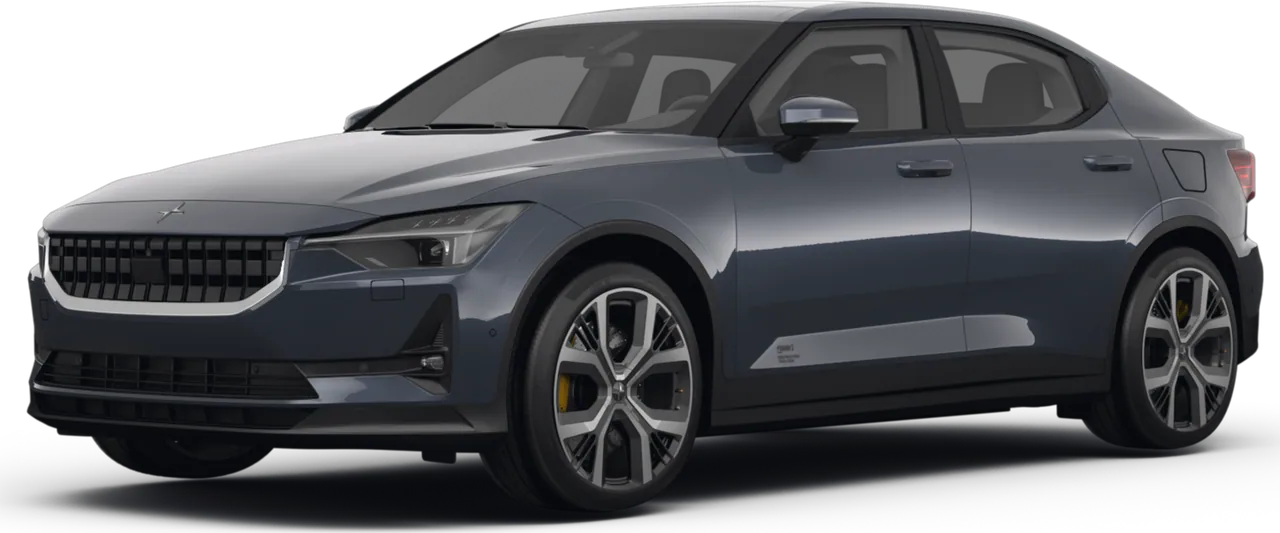
2
- ✓ Better infotainment UX
- ✓ Better bang-for-buck
- ✓ Notably better build quality
Model 3
- ✓ +58 mi more range
- ✓ Better safety score
- ✓ Better owner satisfaction
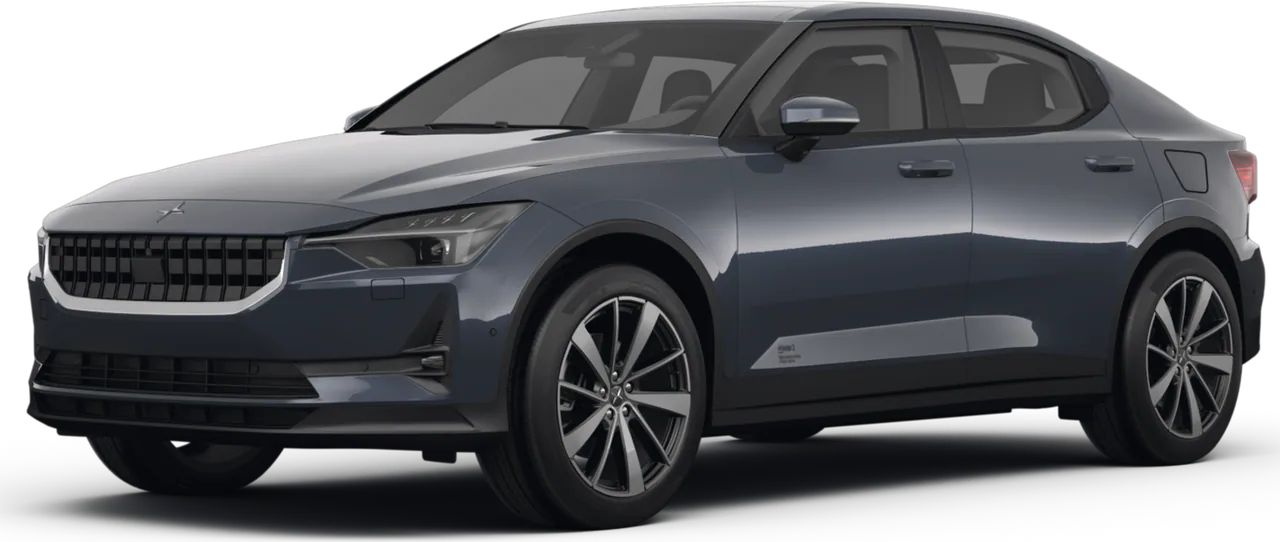
2
- ✓ Better infotainment UX
- ✓ Better bang-for-buck
- ✓ Notably better build quality
Model 3
- ✓ Better infotainment UX
- ✓ Better safety score
- ✓ Better owner satisfaction
2
- ✓ Better infotainment UX
- ✓ Better bang-for-buck
- ✓ Notably better build quality
The federal $4,000 used-EV credit ended Sept 30, 2025.
But 10 states still run their own used-EV rebate programs — some up to $5,000. Pick your state to see what's available for this trim.
Source & disclaimer
Dealers make ~$7,328 on the average car loan.
After the price is set, the finance manager runs four plays to rebuild margin. Every buyer without a pre-approval is a target. Here's exactly what they run — and what stops each one.
78% of dealer loans carry a hidden +1.13% markup above what the lender actually charges. You never see it — it's buried in the contract. · CFPB
Dealer must match or beat your lender — they can't add margin invisibly. The markup play is dead on arrival.
Once you answer, they stretch the term to hit your number. Median result: $4K less off the price, 12 more months on the loan. · Industry avg
Financing is done. Only the sale price is on the table — and the dealer knows it.
Back-office F&I profit averages $1,975/vehicle, up 8.5% YoY. These products exist — but dealer markup is 4–10x what you'd pay elsewhere. · Dealership Guy
Dealer GAP runs $500–1K. Your insurer sells the same coverage for $100–250 over 5 years. Now you know.
"Your loan fell through — come re-sign." This pulls your APR up +5% on average. It's legal. It works because you've already driven the car home. · Ctr for Responsible Lending
A lender commitment letter means the deal is final. "Pending dealer approval" doesn't apply. You can't be yo-yo'd.
That's 24 months of your car payment — handed to the dealer's finance department for nothing.
Takes 2 minutes. No obligation to use it — but you'll walk in with all the leverage.
Pre-approval is a soft credit inquiry — no score impact. FICO treats all auto-loan hard pulls within 14 days as one, so you can still shop rates at the dealer.
NHTSA Recalls (20)
Tesla, Inc. (Tesla) is recalling certain 2024 Cybertruck, 2017-2025 Model 3, and 2020-2025 Model Y vehicles. The tire pressure monitoring system (TPMS) warning light may not remain illuminated between drive cycles, failing to warn the driver of low tire pressure. As such, these vehicles fail to comply with the requirements of Federal Motor Vehicle Safety Standard number 138, "Tire Pressure Monitoring Systems."
Driving with improperly inflated tires increases the risk of a crash.
Check VIN status at NHTSA.govTesla, Inc. (Tesla) is recalling certain 2012-2024 Model S, 2015-2024 Model X, 2017-2023 Model 3, and 2020-2023 Model Y vehicles. In the event of an unbelted driver, the seat belt warning light and audible chime may not activate as intended. As such, these vehicles fail to comply with the requirements of Federal Motor Vehicle Safety Standard number 208, "Occupant Crash Protection."
A seat belt warning system that fails to alert occupants of an unbelted seat belt can increase the risk of injury during a crash.
Check VIN status at NHTSA.govTesla, Inc. (Tesla) is recalling certain 2013, 2018-2021 Model S, 2020-2021 Model X, 2018-2022 Model 3, and 2020-2022 Model Y vehicles. A factory reset muted the Pedestrian Warning System (PWS) sounds. As such, these vehicles fail to comply with the requirements of Federal Motor Vehicle Safety Standard number 141, "Minimum Sound Requirements for Hybrid and Electric Vehicles."
Pedestrians may be unaware of an approaching vehicle if the PWS sounds are muted, increasing the risk of a crash.
Check VIN status at NHTSA.govTesla, Inc. (Tesla) is recalling certain 2012-2023 Model S, 2016-2024 Model X, 2017-2023 Model 3, 2019-2024 Model Y, and 2024 Cybertruck vehicles. An incorrect font size is displayed on the instrument panel for the Brake, Park, and Antilock Brake System (ABS) warning lights. As such, these vehicles fail to comply with the requirements of Federal Motor Vehicle Safety Standard number 105, "Hydraulic and Electric Brake Systems" and 135, "Light Vehicle Brake Systems."
Warning lights with a smaller font size can make critical safety information on the instrument panel difficult to read, increasing the risk of a crash.
Check VIN status at NHTSA.govTesla, Inc. (Tesla) is recalling 2012-2023 Model S, 2016-2023 Model X, 2017-2023 Model 3, and 2020-2023 Model Y vehicles equipped with all versions of Autosteer leading up to the version(s) that contains the recall remedy. In certain circumstances when Autosteer is engaged, the prominence and scope of the feature's controls may not be sufficient to prevent driver misuse of the SAE Level 2 advanced driver-assistance feature.
In certain circumstances when Autosteer is engaged, and the driver does not maintain responsibility for vehicle operation and is unprepared to intervene as necessary or fails to recognize when Autosteer is canceled or not engaged, there may be an increased risk of a crash.
Check VIN status at NHTSA.govTesla, Inc. (Tesla) is recalling certain 2016-2023 Model S, Model X, 2017-2023 Model 3, and 2020-2023 Model Y vehicles equipped with Full Self-Driving Beta (FSD Beta) software or pending installation. The FSD Beta system may allow the vehicle to act unsafe around intersections, such as traveling straight through an intersection while in a turn-only lane, entering a stop sign-controlled intersection without coming to a complete stop, or proceeding into an intersection during a steady yellow traffic signal without due caution. In addition, the system may respond insufficiently to changes in posted speed limits or not adequately account for the driver's adjustment of the vehicle's speed to exceed posted speed limits.
FSD Beta software that allows a vehicle to exceed speed limits or travel through intersections in an unlawful or unpredictable manner increases the risk of a crash.
Check VIN status at NHTSA.govTesla, Inc. (Tesla) is recalling certain 2017-2022 Model 3 vehicles. The second-row left seat belt buckle and second-row center seat belt anchor may have been incorrectly reassembled during vehicle service.
An incorrectly reassembled seat belt anchor can impair the performance of the seat belt during a crash, increasing the risk of injury.
Check VIN status at NHTSA.govTesla, Inc. (Tesla) is recalling certain 2017-2022 Model 3, 2020-2022 Model Y, and 2021-2022 Model S and Model X vehicles. The window automatic reversal system may not react correctly after detecting an obstruction. As such, these vehicles fail to comply with the requirements of Federal Motor Vehicle Safety Standard number 118, "Power-Operated Window Systems."
A closing window may exert excessive force by pinching a driver or passenger before retracting, increasing the risk of injury.
Check VIN status at NHTSA.govTesla, Inc. (Tesla) is recalling certain 2018-2022 Model 3 Performance vehicles. The unit of speed (mph or km/h) may fail to display on the speedometer while in Track Mode. As such, these vehicles fail to comply with the requirements of Federal Motor Vehicle Safety Standard number 101, "Control and Displays."
The driver may not know how fast the vehicle is traveling without the mph or km/h unit display, increasing the risk of a crash.
Check VIN status at NHTSA.govTesla, Inc. (Tesla) is recalling certain 2020-2022 Model Y, Model X, Model S, and 2017-2022 Model 3 vehicles. The Boombox function allows sounds to be played through an external speaker while the vehicle is in motion, which may obscure the Pedestrian Warning System (PWS) sounds. As such, these vehicles fail to comply with the requirements of Federal Motor Vehicle Safety Standard number 141, "Minimum Sound Requirements for Hybrid and Electric Vehicles."
Pedestrians may be unaware of an approaching vehicle if the PWS sounds are obscured, increasing the risk of a crash.
Check VIN status at NHTSA.govTesla, Inc. (Tesla) is recalling certain 2018-2019 Model S, Model X, and 2017-2020 Model 3 vehicles equipped with Autopilot Computer 2.5 and operating certain firmware releases. The rearview image may not immediately display when the vehicle begins to reverse. As such, these vehicles fail to comply with the requirements of Federal Motor Vehicle Safety Standard number 111, "Rear Visibility."
A delayed rearview camera image reduces the driver's rear view, increasing the risk of a crash.
Check VIN status at NHTSA.govTesla, Inc. (Tesla) is recalling certain 2020-2022 Model S, Model X, Model Y, and 2017-2022 Model 3 vehicles. The Boombox function allows sounds to be played through an external speaker while the vehicle is in motion, which may obscure the Pedestrian Warning System (PWS) sounds. As such, these vehicles fail to comply with the requirements of Federal Motor Vehicle Safety Standard number 141, "Minimum Sound Requirements for Hybrid and Electric Vehicles."
Pedestrians may be unaware of an approaching vehicle if the PWS sounds are obscured, increasing the risk of a crash.
Check VIN status at NHTSA.govTesla, Inc. (Tesla) is recalling certain 2021-2022 Model S and Model X, 2017-2022 Model 3, and 2020-2022 Model Y vehicles. The audible chime may not activate when the vehicle starts and the driver has not buckled their seat belt. As such, these vehicles fail to comply with the requirements of Federal Motor Vehicle Safety Standard number 208, "Occupant Crash Protection."
The driver may be unaware that their seat belt is not fastened, increasing the risk of injury during a crash.
Check VIN status at NHTSA.govTesla, Inc. (Tesla) is recalling certain 2016-2022 Model S and Model X, 2017-2022 Model 3, and 2020-2022 Model Y vehicles. The "rolling stop" functionality available as part of the Full Self-Driving (Beta) software may allow the vehicle to travel through an all-way stop intersection without first coming to a stop.
Failing to stop at a stop sign can increase the risk of a crash.
Check VIN status at NHTSA.govTesla, Inc. (Tesla) is recalling all 2017-2020 Model 3 vehicles. The rearview camera cable harness may be damaged by the opening and closing of the trunk lid, preventing the rearview camera image from displaying.
A rearview camera that does not function reduces the driver's rear view, increasing the risk of a crash.
Check VIN status at NHTSA.govTesla, Inc. (Tesla) is recalling certain 2017-2021 Model S, Model 3, Model X, and 2020-2021 Model Y vehicles operating software version 2021.36.5.2. A communication error may cause false forward-collision warning (FCW) or unexpected activation of the automatic emergency brake (AEB) system.
Unexpected activation of the AEB system may cause the car to stop suddenly, increasing the risk of a crash.
Check VIN status at NHTSA.govTesla, Inc. (Tesla) is recalling certain 2020-2021 Model Y and 2019-2021 Model 3 vehicles. The front suspension lateral link fasteners may loosen, allowing the lateral link to separate from the sub-frame.
A lateral link separation could shift the wheel alignment, causing instability and increasing the risk of a crash.
Check VIN status at NHTSA.govTesla, Inc. (Tesla) is recalling certain 2020-2021, 2023 Model 3 vehicles. The left and/or right side curtain air bag may have been improperly secured to the roof rail, which could result in a twisted air bag. As such, these vehicles fail to comply with the requirements of Federal Motor Vehicle Safety Standard numbers 214, "Side Impact Protection" and 226, "Ejection Mitigation."
A twisted side curtain air bag may improperly deploy, increasing the risk of injury or occupant ejection during a crash.
Check VIN status at NHTSA.govTesla, Inc. (Tesla) is recalling certain 2019-2021 Model 3 and 2020-2021 Model Y vehicles. The brake caliper bolts may be loose, allowing the brake caliper to separate and contact the wheel rim.
Contact with the rim may cause a loss of tire pressure, increasing the risk of a crash.
Check VIN status at NHTSA.govTesla, Inc. (Tesla) is recalling certain 2018-2020 Model 3 and 2019-2021 Model Y vehicles. One or both fasteners that secure the front seat shoulder belt to the b-pillar may not be properly attached.
An improperly attached fastener may prevent the seat belt system from performing as designed, increasing the risk of injury.
Check VIN status at NHTSA.govNHTSA Complaints (424 total · 4.5 per 10K US vehicles · low for any vehicle class)
Experienced sudden unintended acceleration (SUA) while parking the car. Was pulling into a parking spot at a very slow speed, approx 5 mph and the car accelerated to an extremely high speed on its own without any input from me. Tried to brake to stop the car but the car did not respond or stop or slow down. Due to the SUA event, the car crashed into the side of a building, all air bags in the car were deployed, and the car is a total loss per insurance.
Experienced sudden unintended acceleration (SUA) while parking the car. Was pulling into a parking spot at a very slow speed, approx 5 mph and the car accelerated to an extremely high speed on its own without any input from me. Tried to brake to stop the car but the car did not respond or stop or slow down. Due to the SUA event, the car crashed into the side of a building, all air bags in the car were deployed, and the car is a total loss per insurance.
Car did not react to uncoming car and accident happened. Car was totaled. RECALL NO. 23V-838 involved as the car didn’t have the right safety controls and caused collision
Car did not react to uncoming car and accident happened. Car was totaled. RECALL NO. 23V-838 involved as the car didn’t have the right safety controls and caused collision
Re: California Highway Patrol Accident Report [XXX] (see doc: [XXX] ). The driver of the Tesla noted that Tesla's FSD Beta version was engaged, and "When (the Tesla) was in the tunnel, (the Tesla) moved from the #2 lane into the #1 lane and started slowing down unaccountably. When (the Tesla) was about 20 miles per hour, he felt a rear impact." In January 2023, I reviewed available Google map data at the approximate GPS location of the accident. (see video: [XXX] ). Multiple conflicting data layers corresponding to that location may have contributed to the accident if the FSD Beta-controlled vehicle referenced the same or similar map data. The ADAS may have read a road closure on the island surface above the tunnel at [XXX] as relating to the lower level of the tunnel, and the lane change and subsequent slowing of the vehicle described by the driver may have been in response to this map data anomaly. In early 2023, I made multiple attempts to recreate the error while driving a Tesla Model 3 with the then-current FSD Beta version engaged. I drove in both directions of the tunnel and observed no abnormal reactions in any lanes of the eastbound tunnel. In one instance on a Sunday at approximately the same time of day and GPS location as the [XXX] accident, while driving in one of the tunnel's upper-level centermost lanes in the westbound direction, an ADAS alarm was triggered, and the system advised that the driver should take over immediately. It did not automatically slow the vehicle or change lanes. I noted that both occurred when GPS Navigation routing information may have been referencing weekend and holiday data versus weekday commute hours data. Previously, I had observed a difference between weekday and weekend navigation routes into San Francisco. A subsequent retest in the westbound direction on a later Sunday at a different time of day did not trigger an alarm. INFORMATION REDACTED PURSUANT TO THE FREEDOM OF INFORMATION ACT (FOIA), 5 U.S.C. 552(B)(6)
Re: California Highway Patrol Accident Report [XXX] (see doc: [XXX] ). The driver of the Tesla noted that Tesla's FSD Beta version was engaged, and "When (the Tesla) was in the tunnel, (the Tesla) moved from the #2 lane into the #1 lane and started slowing down unaccountably. When (the Tesla) was about 20 miles per hour, he felt a rear impact." In January 2023, I reviewed available Google map data at the approximate GPS location of the accident. (see video: [XXX] ). Multiple conflicting data layers corresponding to that location may have contributed to the accident if the FSD Beta-controlled vehicle referenced the same or similar map data. The ADAS may have read a road closure on the island surface above the tunnel at [XXX] as relating to the lower level of the tunnel, and the lane change and subsequent slowing of the vehicle described by the driver may have been in response to this map data anomaly. In early 2023, I made multiple attempts to recreate the error while driving a Tesla Model 3 with the then-current FSD Beta version engaged. I drove in both directions of the tunnel and observed no abnormal reactions in any lanes of the eastbound tunnel. In one instance on a Sunday at approximately the same time of day and GPS location as the [XXX] accident, while driving in one of the tunnel's upper-level centermost lanes in the westbound direction, an ADAS alarm was triggered, and the system advised that the driver should take over immediately. It did not automatically slow the vehicle or change lanes. I noted that both occurred when GPS Navigation routing information may have been referencing weekend and holiday data versus weekday commute hours data. Previously, I had observed a difference between weekday and weekend navigation routes into San Francisco. A subsequent retest in the westbound direction on a later Sunday at a different time of day did not trigger an alarm. INFORMATION REDACTED PURSUANT TO THE FREEDOM OF INFORMATION ACT (FOIA), 5 U.S.C. 552(B)(6)
The problem is my car has been in the shop six times for an issue that Tesla claims it is unable to fix. I started smelling a burning smell (smoke coming from my air vents anytime the air is on) and brought it in. The first three times they were unable to find anything the fourth time they noticed debris That was embedded in the heating fins. They replaced that unit. The fifth/sixth time they actually took the HVAC unit out and noticed the entire plastic underneath was melted and warped. Since the smell has continued and I’m worried that it’s dangerous, I had the air quality tested. The formaldehyde levels were 50 times higher than the EPA recommends as a safe level. (HCH0 level of 6 ppm) I’ve submitted all this to Tesla and they said they are currently working with their legal team to figure out if a buy back as possible. The New York Attorney General told me that the car is not viable for a lemon law due to the fact they didn’t do three chances to fix it in 90 days. (The first 2 appointments were in the 90 days but the 3-6th were just past it) The car is not safe to breath air in and my lungs hurt from even spending a few minutes in the car. I’m worried about the effects it has on my health and I feel morally wrong to sell it to anyone else. Please help.
The problem is my car has been in the shop six times for an issue that Tesla claims it is unable to fix. I started smelling a burning smell (smoke coming from my air vents anytime the air is on) and brought it in. The first three times they were unable to find anything the fourth time they noticed debris That was embedded in the heating fins. They replaced that unit. The fifth/sixth time they actually took the HVAC unit out and noticed the entire plastic underneath was melted and warped. Since the smell has continued and I’m worried that it’s dangerous, I had the air quality tested. The formaldehyde levels were 50 times higher than the EPA recommends as a safe level. (HCH0 level of 6 ppm) I’ve submitted all this to Tesla and they said they are currently working with their legal team to figure out if a buy back as possible. The New York Attorney General told me that the car is not viable for a lemon law due to the fact they didn’t do three chances to fix it in 90 days. (The first 2 appointments were in the 90 days but the 3-6th were just past it) The car is not safe to breath air in and my lungs hurt from even spending a few minutes in the car. I’m worried about the effects it has on my health and I feel morally wrong to sell it to anyone else. Please help.
Body control module failed. Car locked my wife inside the car when the power for the entire car shut down. Managed to get her out. Car was towed by Tesla to their repair facility in Pensacola FL on 6/22/22. It has been there since with no ETA on repair, they cannot get body control modules to repair the car. This was a previously known defect (see article https://hackaday.com/2021/02/11/tesla-recalls-cars-with-emmc-failures-calls-part-a-wear-item/ ). Tesla staff in Pensacola said they had 6-7 cars at their facility with the same exact issue.
Body control module failed. Car locked my wife inside the car when the power for the entire car shut down. Managed to get her out. Car was towed by Tesla to their repair facility in Pensacola FL on 6/22/22. It has been there since with no ETA on repair, they cannot get body control modules to repair the car. This was a previously known defect (see article https://hackaday.com/2021/02/11/tesla-recalls-cars-with-emmc-failures-calls-part-a-wear-item/ ). Tesla staff in Pensacola said they had 6-7 cars at their facility with the same exact issue.
We were pulling our car from 5th floor of a parking garage and as the car was coming down the ramp into the 4th floor, it accelerated itself to a high speed, hit another parked car, and came to a stop hitting concrete pillar in the garage. Our car was damaged severely and all the airbags got deployed, smoke came out it. We are still in shock from the incident and it was a traumatic experience for all 4 members of our family including two of our children. It would have been catastrophic had there been another person around or if something more had happened. Our car unexpectedly accelerated and none of the warnings worked. Tesla car usually gives us warning (a shrilling beeping noise) when an unexpected obstacle, be it another car or a trash can or a human, is within a short distance of the vehicle. This warning sound comes up even when no automatic driving feature is used. But on that day, the warning sound did not come and we think the vehicle may have malfunctioned. When we searched in the internet, we found many incidents of unexpected acceleration with Tesla Model 3.When we brought our concern to the insurance, we were asked to report to NHTSA. The car is now with insurance and the manufacturer has not looked into it as we haven’t informed them yet. The car was in excellent condition and there were no warning or failure lamps on before the incident. This warrants your attention and hence we are writing this to you. Please advise us the next steps and if we need to preserve the car to retrieve any data recorded in the vehicle. For the safety of other drivers and pedestrians, this needs to be thoroughly investigated. Kindly do the needful.
We were pulling our car from 5th floor of a parking garage and as the car was coming down the ramp into the 4th floor, it accelerated itself to a high speed, hit another parked car, and came to a stop hitting concrete pillar in the garage. Our car was damaged severely and all the airbags got deployed, smoke came out it. We are still in shock from the incident and it was a traumatic experience for all 4 members of our family including two of our children. It would have been catastrophic had there been another person around or if something more had happened. Our car unexpectedly accelerated and none of the warnings worked. Tesla car usually gives us warning (a shrilling beeping noise) when an unexpected obstacle, be it another car or a trash can or a human, is within a short distance of the vehicle. This warning sound comes up even when no automatic driving feature is used. But on that day, the warning sound did not come and we think the vehicle may have malfunctioned. When we searched in the internet, we found many incidents of unexpected acceleration with Tesla Model 3.When we brought our concern to the insurance, we were asked to report to NHTSA. The car is now with insurance and the manufacturer has not looked into it as we haven’t informed them yet. The car was in excellent condition and there were no warning or failure lamps on before the incident. This warrants your attention and hence we are writing this to you. Please advise us the next steps and if we need to preserve the car to retrieve any data recorded in the vehicle. For the safety of other drivers and pedestrians, this needs to be thoroughly investigated. Kindly do the needful.
I BOUGHT A TESLA MODEL 3 ON 9/19/20. ON 9/23/20 I WAS WAITING IN MY CAR IN A LINE OF CARS AT A FAST FOOD DELIVERY WINDOW, STOPPED 8-10 FT BEHIND A LARGE VEHICLE WITH MY FOOT ON THE BRAKE AS WELL AS IN THE PARK MODE BECAUSE OF THE SLOW SERVICE AHEAD. AFTER A WHILE I REALIZED THAT MY TESLA HAD STARTED MOVING SLOWLY TOWARDS THE VEHICLE IN FRONT. PUMPING THE BRAKE, TRYING TO CHANGE THE GEAR TO REVERSE DID NOT STOP THE CAR. THE SCREEN DATA DISAPPEARED AND A MESSAGE FLASHED SAYING THAT ALL SAFETY FEATURES WERE OFF. I OPENED THE DOOR WHICH IS SUPPOSED TO STOP THE CAR. IT DID NOT EVEN AFTER I GOT OUT OF IT. IT CONTINUED TO MOVE EVEN AFTER CONTACT WAS MADE WITH THE CAR IN FRONT. THE TESLA WAS COMPLETELY CRUSHED. IT WAS A TOTAL LOSS ACCORDING TO A REPAIR SHOP WHERE IT WAS TOWED ON TESLA'S RECOMMENDATION. WHEN I CONTACTED TESLA THEY INFORMED ME THAT MY ACCELERATOR WAS FULLY DEPLOYED. NOT TRUE. I BOUGHT THE TESLA BECAUSE OF ALL THE SAFETY FEATURES, NONE OF WHICH SEEMED TO WORK INCLUDING FAILURE TO NOTICE A LARGE VEHICLE IN FRONT, NOT STOPPING WHEN THE DOOR WAS OPENED, STARTING BY ITSELF IN THE PARK MODE, AND THE DATA SCREEN GOING BLANK EXCEPT FOR THE MESSAGE ABOUT SAFETY SYSTEMS BEING OFF.
I BOUGHT A TESLA MODEL 3 ON 9/19/20. ON 9/23/20 I WAS WAITING IN MY CAR IN A LINE OF CARS AT A FAST FOOD DELIVERY WINDOW, STOPPED 8-10 FT BEHIND A LARGE VEHICLE WITH MY FOOT ON THE BRAKE AS WELL AS IN THE PARK MODE BECAUSE OF THE SLOW SERVICE AHEAD. AFTER A WHILE I REALIZED THAT MY TESLA HAD STARTED MOVING SLOWLY TOWARDS THE VEHICLE IN FRONT. PUMPING THE BRAKE, TRYING TO CHANGE THE GEAR TO REVERSE DID NOT STOP THE CAR. THE SCREEN DATA DISAPPEARED AND A MESSAGE FLASHED SAYING THAT ALL SAFETY FEATURES WERE OFF. I OPENED THE DOOR WHICH IS SUPPOSED TO STOP THE CAR. IT DID NOT EVEN AFTER I GOT OUT OF IT. IT CONTINUED TO MOVE EVEN AFTER CONTACT WAS MADE WITH THE CAR IN FRONT. THE TESLA WAS COMPLETELY CRUSHED. IT WAS A TOTAL LOSS ACCORDING TO A REPAIR SHOP WHERE IT WAS TOWED ON TESLA'S RECOMMENDATION. WHEN I CONTACTED TESLA THEY INFORMED ME THAT MY ACCELERATOR WAS FULLY DEPLOYED. NOT TRUE. I BOUGHT THE TESLA BECAUSE OF ALL THE SAFETY FEATURES, NONE OF WHICH SEEMED TO WORK INCLUDING FAILURE TO NOTICE A LARGE VEHICLE IN FRONT, NOT STOPPING WHEN THE DOOR WAS OPENED, STARTING BY ITSELF IN THE PARK MODE, AND THE DATA SCREEN GOING BLANK EXCEPT FOR THE MESSAGE ABOUT SAFETY SYSTEMS BEING OFF.
Sunday [XXX] downtown Sacramento, driving about 25 mph. Heard a loud bang—bolt sheared off front subframe. Steering felt lagging upon making a right turn vehicle proceeded in a very wide turn, pulled into parking lot. Wheel locked right as I exited [XXX] parking spot; steering went slack, brakes scraped rotor. Two witnesses saw hardware hit pavement. AAA tech removed tire: lower control arm bolt missing, no Loctite, subframe raw. Second bolt loose—single point of failure. Tesla missed this on six different service visits and during their one-twenty inspection before delivery. Recall 21V835 should’ve flagged it but service personnel assured me all clear on every visit. Vehicle towed to Tesla service center at 1104 Tinker rd, Rocklin, CA. Tesla shop manager Sal confirmed this failure as manufacturers defect, and poor assembly. Safety was seconds from total loss. Need probe. INFORMATION REDACTED PURSUANT TO THE FREEDOM OF INFORMATION ACT (FOIA), 5 U.S.C. 552(B)(6)
Sunday [XXX] downtown Sacramento, driving about 25 mph. Heard a loud bang—bolt sheared off front subframe. Steering felt lagging upon making a right turn vehicle proceeded in a very wide turn, pulled into parking lot. Wheel locked right as I exited [XXX] parking spot; steering went slack, brakes scraped rotor. Two witnesses saw hardware hit pavement. AAA tech removed tire: lower control arm bolt missing, no Loctite, subframe raw. Second bolt loose—single point of failure. Tesla missed this on six different service visits and during their one-twenty inspection before delivery. Recall 21V835 should’ve flagged it but service personnel assured me all clear on every visit. Vehicle towed to Tesla service center at 1104 Tinker rd, Rocklin, CA. Tesla shop manager Sal confirmed this failure as manufacturers defect, and poor assembly. Safety was seconds from total loss. Need probe. INFORMATION REDACTED PURSUANT TO THE FREEDOM OF INFORMATION ACT (FOIA), 5 U.S.C. 552(B)(6)
The newer versions of FSD do not allow driver control of the max speed. The current versions allow you to set a maximum speed with a scroll wheel on the steering wheel.
The newer versions of FSD do not allow driver control of the max speed. The current versions allow you to set a maximum speed with a scroll wheel on the steering wheel.
The car has message saying "Safety Restraint System issue". There has been no event to cause this. No recent MVA or any stress or damaging incident to the seat belt or seat in general. Reviewing this on the internet, this is a common defect on Tesla's. The company won't fix it unless you pay them to do so which is crazy considering it is a defect in their safety system. And a well known one to them from my communication with their Tesla service centers which have a monopoly on fixing Tesla's. He said there would have to be a recall. So that is exactly what needs to happen from the NHTSA.
The car has message saying "Safety Restraint System issue". There has been no event to cause this. No recent MVA or any stress or damaging incident to the seat belt or seat in general. Reviewing this on the internet, this is a common defect on Tesla's. The company won't fix it unless you pay them to do so which is crazy considering it is a defect in their safety system. And a well known one to them from my communication with their Tesla service centers which have a monopoly on fixing Tesla's. He said there would have to be a recall. So that is exactly what needs to happen from the NHTSA.
Steering wheel covering delaminates and peels during normal use, creating loss of grip and distraction while driving.
Steering wheel covering delaminates and peels during normal use, creating loss of grip and distraction while driving.
Air bags did not deploy during crash. It is available for inspection upon request My face smashed into the steering wheel resulting in black eyes, swollen nose, cuts on my face and a concussion. Yes, the airbags clearly did not deploy during crash No No
Air bags did not deploy during crash. It is available for inspection upon request My face smashed into the steering wheel resulting in black eyes, swollen nose, cuts on my face and a concussion. Yes, the airbags clearly did not deploy during crash No No
My Tesla Model 3 is experiencing premature suspension failures involving the lower lateral links and stabilizer links. These components were already replaced once, and they are failing again in less than 30,000 miles. This is not normal wear for suspension parts on a modern vehicle. These failures cause clunking, instability, and looseness in the front end—conditions that affect the vehicle’s ability to track straight and maintain control, especially over uneven pavement or during emergency maneuvers. This isn’t an isolated case. There are extensive reports from other Tesla owners across multiple models (Model 3 and Model Y in particular) showing the same premature wear on these suspension links. Many owners have parts failing even earlier. Once the car is out of warranty, Tesla charges thousands of dollars to replace these components, despite clear indications that the suspension was under-engineered for the weight of the vehicle. Tesla knows this is a recurring issue but refuses to issue a recall or goodwill repairs. A repeated failure of critical suspension links in such low mileage suggests a defect. These parts should not be wearing out this fast, and the resulting instability poses a real safety risk. I’m requesting NHTSA investigate these premature failures.
My Tesla Model 3 is experiencing premature suspension failures involving the lower lateral links and stabilizer links. These components were already replaced once, and they are failing again in less than 30,000 miles. This is not normal wear for suspension parts on a modern vehicle. These failures cause clunking, instability, and looseness in the front end—conditions that affect the vehicle’s ability to track straight and maintain control, especially over uneven pavement or during emergency maneuvers. This isn’t an isolated case. There are extensive reports from other Tesla owners across multiple models (Model 3 and Model Y in particular) showing the same premature wear on these suspension links. Many owners have parts failing even earlier. Once the car is out of warranty, Tesla charges thousands of dollars to replace these components, despite clear indications that the suspension was under-engineered for the weight of the vehicle. Tesla knows this is a recurring issue but refuses to issue a recall or goodwill repairs. A repeated failure of critical suspension links in such low mileage suggests a defect. These parts should not be wearing out this fast, and the resulting instability poses a real safety risk. I’m requesting NHTSA investigate these premature failures.
While driving my Tesla Model 3 with self-driving engaged in excellent conditions, the car suddenly braked to a full stop. There was no apparent reason to do so and the driver did nothing. The road ahead was free of traffic, and no obstacles, pedestrians or animals were visible. It was possible to resume driving by turning self-driving off. Tesla forums online show many instances of others reporting similar problems in various Tesla models over several years. A rear end collision will ultimately be the result of this flaw if it hasn’t yet occurred.
While driving my Tesla Model 3 with self-driving engaged in excellent conditions, the car suddenly braked to a full stop. There was no apparent reason to do so and the driver did nothing. The road ahead was free of traffic, and no obstacles, pedestrians or animals were visible. It was possible to resume driving by turning self-driving off. Tesla forums online show many instances of others reporting similar problems in various Tesla models over several years. A rear end collision will ultimately be the result of this flaw if it hasn’t yet occurred.
The complaint was filed on behalf of the contact's daughter. The contact's daughter owned a 2020 Tesla Model 3. The contact stated that while the contact's daughter was driving at 35 MPH, the brake pedal was depressed; however, the vehicle failed to stop as intended. The contact stated that the contact's daughter stated that the brake pedal felt spongy and unusual. The contact's daughter stated that the brake pedal was depressed to the floor; however, the vehicle still did not stop. The contact's daughter enabled the emergency braking system; however, the vehicle still did not stop. The contact's daughter beeped the horn to alert the nearby driver, and the dash cam independently activated. The contact stated that because of the failure, the contact's daughter's vehicle rear-ended the vehicle in front of the contact's daughter's vehicle. The air bags did not deploy. The contact stated that after the crash, the emergency braking system failure warning light was illuminated. The vehicle was towed to a local tow yard. The vehicle was condemned as a total loss by the insurance company. A Police report was filed. The contact's daughter was treated at the local hospital on the following day. The contact's daughter sustained headaches, whiplash, and a concussion. The manufacturer was not made aware of the failure. The failure mileage was approximately 49,000.
The complaint was filed on behalf of the contact's daughter. The contact's daughter owned a 2020 Tesla Model 3. The contact stated that while the contact's daughter was driving at 35 MPH, the brake pedal was depressed; however, the vehicle failed to stop as intended. The contact stated that the contact's daughter stated that the brake pedal felt spongy and unusual. The contact's daughter stated that the brake pedal was depressed to the floor; however, the vehicle still did not stop. The contact's daughter enabled the emergency braking system; however, the vehicle still did not stop. The contact's daughter beeped the horn to alert the nearby driver, and the dash cam independently activated. The contact stated that because of the failure, the contact's daughter's vehicle rear-ended the vehicle in front of the contact's daughter's vehicle. The air bags did not deploy. The contact stated that after the crash, the emergency braking system failure warning light was illuminated. The vehicle was towed to a local tow yard. The vehicle was condemned as a total loss by the insurance company. A Police report was filed. The contact's daughter was treated at the local hospital on the following day. The contact's daughter sustained headaches, whiplash, and a concussion. The manufacturer was not made aware of the failure. The failure mileage was approximately 49,000.
Incident #1 Vehicle sitting at a red light. After several seconds the vehicle operating under Tesla FSD suddenly started to drive as if the light had turned green, which it had not. I stopped it immediately. Incident #2 Vehicle was stopped a t a red light and started forward again as it the light had changed but had not. I noticed a flashing red light at the next intersection a few hundred feet away. So, I went around the block and tried again and it behaved the same. After a few seconds it started to go again. There was not another light near where the first incident occurred.
Incident #1 Vehicle sitting at a red light. After several seconds the vehicle operating under Tesla FSD suddenly started to drive as if the light had turned green, which it had not. I stopped it immediately. Incident #2 Vehicle was stopped a t a red light and started forward again as it the light had changed but had not. I noticed a flashing red light at the next intersection a few hundred feet away. So, I went around the block and tried again and it behaved the same. After a few seconds it started to go again. There was not another light near where the first incident occurred.
I have been getting an alert: Front passenger safety restraint system issue/Service is required. It has come on when there is no one in the seat and goes away shortly after I start to drive. I contacted Tesla and they sent an estimate to repair it which includes a bunch of different bolts, Passenger Airbag, Airbag Harmiss Retaining Clip. Also replacing Occupant Classification System (OCS) of Front Passenger Seat while Servicing Supcomponents. List of parts for that is First Row Seat Harness Assembly-Right Hand, First Row - Seat Belt Reminder Sensor Box Clip, First Row Occupancy. All of this will cost over $700. Aren't these items required safety equipment that they should responsible to maintain? I have seen that there are a lot of other people having the same issue, I think that there should be a recall on this that they shoud have to pay for.
I have been getting an alert: Front passenger safety restraint system issue/Service is required. It has come on when there is no one in the seat and goes away shortly after I start to drive. I contacted Tesla and they sent an estimate to repair it which includes a bunch of different bolts, Passenger Airbag, Airbag Harmiss Retaining Clip. Also replacing Occupant Classification System (OCS) of Front Passenger Seat while Servicing Supcomponents. List of parts for that is First Row Seat Harness Assembly-Right Hand, First Row - Seat Belt Reminder Sensor Box Clip, First Row Occupancy. All of this will cost over $700. Aren't these items required safety equipment that they should responsible to maintain? I have seen that there are a lot of other people having the same issue, I think that there should be a recall on this that they shoud have to pay for.
Summary Complaint – 2020 Tesla Model 3 (VIN: [XXX] ) I am reporting a defect with the passenger side airbag system in my 2020 Tesla Model 3. Tesla Service identified the passenger airbag sensor as defective and quoted a $1,600 repair cost. This raises concern that the problem is not isolated, but may represent a broader safety defect affecting other Model 3 vehicles of the same year. Why this is a safety issue: - Airbags are federally required safety systems. A defective sensor risks non-deployment, delayed deployment, or incorrect deployment. - Tesla has already recalled 2020 Model 3 vehicles for airbag issues (twisted side curtain airbags – NHTSA Campaign ID 21V834000). - In 2024, a Model 3 recall was issued for a defective driver airbag module. - Other automakers (GM, Hyundai/Kia, Takata) have recalled vehicles for similar airbag sensor/module failures. Requested Action: I respectfully request that NHTSA: 1. Open a defect investigation into passenger side airbag sensor/module failures in the 2020 Tesla Model 3. 2. Require Tesla to issue a recall and provide free repairs if systemic defects are confirmed. 3. make sure reimbursement for owners who have already paid out-of-pocket. Airbag integrity is essential. I urge NHTSA to investigate and protect the safety of Tesla Model 3 owners and passengers. Complainant Information: [XXX] [XXX] Phone: [XXX] INFORMATION REDACTED PURSUANT TO THE FREEDOM OF INFORMATION ACT (FOIA), 5 U.S.C. 552(B)(6)
Summary Complaint – 2020 Tesla Model 3 (VIN: [XXX] ) I am reporting a defect with the passenger side airbag system in my 2020 Tesla Model 3. Tesla Service identified the passenger airbag sensor as defective and quoted a $1,600 repair cost. This raises concern that the problem is not isolated, but may represent a broader safety defect affecting other Model 3 vehicles of the same year. Why this is a safety issue: - Airbags are federally required safety systems. A defective sensor risks non-deployment, delayed deployment, or incorrect deployment. - Tesla has already recalled 2020 Model 3 vehicles for airbag issues (twisted side curtain airbags – NHTSA Campaign ID 21V834000). - In 2024, a Model 3 recall was issued for a defective driver airbag module. - Other automakers (GM, Hyundai/Kia, Takata) have recalled vehicles for similar airbag sensor/module failures. Requested Action: I respectfully request that NHTSA: 1. Open a defect investigation into passenger side airbag sensor/module failures in the 2020 Tesla Model 3. 2. Require Tesla to issue a recall and provide free repairs if systemic defects are confirmed. 3. make sure reimbursement for owners who have already paid out-of-pocket. Airbag integrity is essential. I urge NHTSA to investigate and protect the safety of Tesla Model 3 owners and passengers. Complainant Information: [XXX] [XXX] Phone: [XXX] INFORMATION REDACTED PURSUANT TO THE FREEDOM OF INFORMATION ACT (FOIA), 5 U.S.C. 552(B)(6)
I am getting "Safety Restraint System Fault" on my car. This puts my family at risk if the safety features are faulty. When I contacted Tesla, they want me to drive 41(!) miles away and charge me almost $500.
I am getting "Safety Restraint System Fault" on my car. This puts my family at risk if the safety features are faulty. When I contacted Tesla, they want me to drive 41(!) miles away and charge me almost $500.
Subject: Urgent Complaint Regarding Power Steering Failure in 2019 Tesla Model 3 Hello NHTSA, I am writing to file a complaint regarding a very dangerous situation I recently experienced with my 2019 Tesla Model 3. While driving on the freeway at approximately 65 mph, the power steering failed unexpectedly. I struggled significantly to change lanes in order to exit the freeway, and it felt as though my vehicle was going to collide with other cars. After managing to get off the freeway, I nearly hit the guardrail while attempting to turn onto a side street, creating a hazardous situation. I am deeply concerned about the potential consequences; for instance, what if I had struck a pedestrian, or if the car had collided with another vehicle at high speed? I live on a winding mountain road, where I could have easily driven off a cliff. Turning the car off and back on temporarily resolved the issue. However, there are numerous complaints regarding steering rack failures with Tesla vehicles. Tesla has quoted me $2,700.00 to fix what appears to be a known manufacturing defect. They are aware of this potentially hazardous situation but are not taking responsibility for the repairs. This is a serious safety issue, and I urge Tesla to accept responsibility and cover the repair costs before someone is seriously injured or killed—if such an incident has not already occurred. Please let me know what further actions I can take to facilitate Tesla's resolution of this dangerous problem. Thank you for your attention to this matter. Sincerely,
Subject: Urgent Complaint Regarding Power Steering Failure in 2019 Tesla Model 3 Hello NHTSA, I am writing to file a complaint regarding a very dangerous situation I recently experienced with my 2019 Tesla Model 3. While driving on the freeway at approximately 65 mph, the power steering failed unexpectedly. I struggled significantly to change lanes in order to exit the freeway, and it felt as though my vehicle was going to collide with other cars. After managing to get off the freeway, I nearly hit the guardrail while attempting to turn onto a side street, creating a hazardous situation. I am deeply concerned about the potential consequences; for instance, what if I had struck a pedestrian, or if the car had collided with another vehicle at high speed? I live on a winding mountain road, where I could have easily driven off a cliff. Turning the car off and back on temporarily resolved the issue. However, there are numerous complaints regarding steering rack failures with Tesla vehicles. Tesla has quoted me $2,700.00 to fix what appears to be a known manufacturing defect. They are aware of this potentially hazardous situation but are not taking responsibility for the repairs. This is a serious safety issue, and I urge Tesla to accept responsibility and cover the repair costs before someone is seriously injured or killed—if such an incident has not already occurred. Please let me know what further actions I can take to facilitate Tesla's resolution of this dangerous problem. Thank you for your attention to this matter. Sincerely,
Vehicle must have thought a shadow line in the road from a bridge indicated a wall I was about to hit, as it slammed on the breaks in the middle of the freeway. Car behind had to swerve to avoid. On the same trip, several nags of 'keep eyes on the road' were incorrect, as my eyes were directly on the road, but phone was in hand functioning as a microphone taking voice memos. Car proceeded to shut itself down while in the middle of the freeway, causing me to go slower than traffic and put me in danger as cars behind me had to swerve or lane change to avoid me as I tried to pull off to the shoulder. These forced shutdowns from incorrect 'nag fails' are causing safety issues. Nag failures should not forcibly shut the car down. Not sure if this is being enforced by NHTSA, or why Tesla is choosing to disable their auto steer or FSD when drivers are detected to be failing nags - nags should be there to help drivers, and potentially the nag data/cab video can be used after the fact should a user failing nags be involved in an accident for insurance dispute resolution, but shutting the cars down themselves is causing issues.
Vehicle must have thought a shadow line in the road from a bridge indicated a wall I was about to hit, as it slammed on the breaks in the middle of the freeway. Car behind had to swerve to avoid. On the same trip, several nags of 'keep eyes on the road' were incorrect, as my eyes were directly on the road, but phone was in hand functioning as a microphone taking voice memos. Car proceeded to shut itself down while in the middle of the freeway, causing me to go slower than traffic and put me in danger as cars behind me had to swerve or lane change to avoid me as I tried to pull off to the shoulder. These forced shutdowns from incorrect 'nag fails' are causing safety issues. Nag failures should not forcibly shut the car down. Not sure if this is being enforced by NHTSA, or why Tesla is choosing to disable their auto steer or FSD when drivers are detected to be failing nags - nags should be there to help drivers, and potentially the nag data/cab video can be used after the fact should a user failing nags be involved in an accident for insurance dispute resolution, but shutting the cars down themselves is causing issues.
Steering rack failed
Steering rack failed
Airbags did not deploy when vehicle hit 75 ft highway guardrail driving over 70 mph. The car was totaled, the driver's head hit the steering wheel, requiring stitches. EMS and police at the scene were surprised to find airbags not deployed. Vehicle has been inspected by insurance. Manufacturer has not yet been informed, to my knowledge. There were no warning lights or messages indicating a problem with airbags or anything else for that matter. Driver was wearing seatbelt.
Airbags did not deploy when vehicle hit 75 ft highway guardrail driving over 70 mph. The car was totaled, the driver's head hit the steering wheel, requiring stitches. EMS and police at the scene were surprised to find airbags not deployed. Vehicle has been inspected by insurance. Manufacturer has not yet been informed, to my knowledge. There were no warning lights or messages indicating a problem with airbags or anything else for that matter. Driver was wearing seatbelt.
Automatic breaking was initiated as I was pulling in a driveway as I got closer to a large trashcan. The braking was aggressive and I now have concerns that it might've given me minor whiplash as it was so sudden. I have pictures of where I parked. I was about 6-8 feet away from the trashcan when the car automatically braked. I've pulled into this spot numerous times and never had this reaction.
Automatic breaking was initiated as I was pulling in a driveway as I got closer to a large trashcan. The braking was aggressive and I now have concerns that it might've given me minor whiplash as it was so sudden. I have pictures of where I parked. I was about 6-8 feet away from the trashcan when the car automatically braked. I've pulled into this spot numerous times and never had this reaction.
My 2020 Tesla Model 3 has displayed a "Front Passenger Safety Restraint System Fault - Service is required" error since June 2023. This error has persisted for well over a year despite troubleshooting attempts, such as restarting the vehicle and checking for obstructions. Tesla service quoted over $400 to repair this issue, but I believe this is a basic safety-related defect that should be covered by the manufacturer, as it likely disables the front passenger airbag, posing an unreasonable risk of injury or death in a crash. This appears to be a widespread issue, as I’ve seen similar complaints from other Tesla owners online. I request that NHTSA investigate this as a potential safety defect for a recall.
My 2020 Tesla Model 3 has displayed a "Front Passenger Safety Restraint System Fault - Service is required" error since June 2023. This error has persisted for well over a year despite troubleshooting attempts, such as restarting the vehicle and checking for obstructions. Tesla service quoted over $400 to repair this issue, but I believe this is a basic safety-related defect that should be covered by the manufacturer, as it likely disables the front passenger airbag, posing an unreasonable risk of injury or death in a crash. This appears to be a widespread issue, as I’ve seen similar complaints from other Tesla owners online. I request that NHTSA investigate this as a potential safety defect for a recall.
I have to pay over $1444 to Tesla to change the airbag because it is not working properly. Tesla will: Update front passenger Airbag to Maintain compatibility with front passenger seat. Replace Occupant Classification System (OCS) of Front passenger Seat. Install OCS filter module.
I have to pay over $1444 to Tesla to change the airbag because it is not working properly. Tesla will: Update front passenger Airbag to Maintain compatibility with front passenger seat. Replace Occupant Classification System (OCS) of Front passenger Seat. Install OCS filter module.
Tried to put on seatbelt and would not click locked. Have never had issues and nothing has changed that could cause any damage or malfunction. Nothing inside or stuck just won’t lock.
Tried to put on seatbelt and would not click locked. Have never had issues and nothing has changed that could cause any damage or malfunction. Nothing inside or stuck just won’t lock.
The passenger-side seatbelt system in my Tesla Model 3 (bought Dec 2020) has been malfunctioning repeatedly. The vehicle displays a "Front passenger safety restraint system fault” warning, even when no one is on the passenger side. This issue has persisted despite multiple repair attempts by Tesla during the warranty period, but they have been unable to resolve it. Safety Concern: A malfunctioning seatbelt system is a serious safety hazard, as it could result in the seatbelt failing to function properly in an accident, potentially putting the passenger at greater risk of injury or death. Additionally, the fault warning may prevent proper airbag deployment or create a distraction for the driver while operating the vehicle. Attempts to Fix & Verification: Tesla has attempted multiple repairs but has not been able to fix the issue. According to Tesla, this is a common issue with this model, which raises concerns about a wider systemic defect. The problem is persistent and ongoing, making the vehicle unreliable and unsafe for passengers. Warning & Symptoms: The seatbelt fault warning appears randomly but frequently while driving. Tesla attempted to fix this issue as early as June of 2023, and has remained unresolved despite 4 or more service visits. We might have asked Tesla to work on this issue even earlier and more times since we're unable to pull up repair history before this due to their system error. This issue requires immediate investigation to determine if it is a broader safety defect affecting other Tesla vehicles and if a recall or mandatory repair is necessary.
The passenger-side seatbelt system in my Tesla Model 3 (bought Dec 2020) has been malfunctioning repeatedly. The vehicle displays a "Front passenger safety restraint system fault” warning, even when no one is on the passenger side. This issue has persisted despite multiple repair attempts by Tesla during the warranty period, but they have been unable to resolve it. Safety Concern: A malfunctioning seatbelt system is a serious safety hazard, as it could result in the seatbelt failing to function properly in an accident, potentially putting the passenger at greater risk of injury or death. Additionally, the fault warning may prevent proper airbag deployment or create a distraction for the driver while operating the vehicle. Attempts to Fix & Verification: Tesla has attempted multiple repairs but has not been able to fix the issue. According to Tesla, this is a common issue with this model, which raises concerns about a wider systemic defect. The problem is persistent and ongoing, making the vehicle unreliable and unsafe for passengers. Warning & Symptoms: The seatbelt fault warning appears randomly but frequently while driving. Tesla attempted to fix this issue as early as June of 2023, and has remained unresolved despite 4 or more service visits. We might have asked Tesla to work on this issue even earlier and more times since we're unable to pull up repair history before this due to their system error. This issue requires immediate investigation to determine if it is a broader safety defect affecting other Tesla vehicles and if a recall or mandatory repair is necessary.
This happened on 2/18/2023. After I charged my car at a local supercharging station, I drove on the local roads for about 2 miles when the car started shutting down. I could barely steer, and the computer monitor stated that the brakes were turning off, and other parts, like cameras, were losing functionality. I pulled over into the local park. I was frightened that my car was no longer functional and that I could be in grave danger driving again. I tried to call Tesla but no one answered. I had to go through the app. My dad came and we found a Youtube video that said to walk out of the car to let it restart. Looks like it happened to another owner. We did that and the car started functioning again. Not sure why it did this after a charge. But it happened again 3 mos later when I was on the freeway. Luckily, I knew what to do from prior experience. But I am mindful of this whenever I supercharge my car. I wait after charging to drive. This shouldn't be the case and Tesla should tell people of this issue. I tried to tell Tesla service when I went in for another repair but they ignored my comments.
This happened on 2/18/2023. After I charged my car at a local supercharging station, I drove on the local roads for about 2 miles when the car started shutting down. I could barely steer, and the computer monitor stated that the brakes were turning off, and other parts, like cameras, were losing functionality. I pulled over into the local park. I was frightened that my car was no longer functional and that I could be in grave danger driving again. I tried to call Tesla but no one answered. I had to go through the app. My dad came and we found a Youtube video that said to walk out of the car to let it restart. Looks like it happened to another owner. We did that and the car started functioning again. Not sure why it did this after a charge. But it happened again 3 mos later when I was on the freeway. Luckily, I knew what to do from prior experience. But I am mindful of this whenever I supercharge my car. I wait after charging to drive. This shouldn't be the case and Tesla should tell people of this issue. I tried to tell Tesla service when I went in for another repair but they ignored my comments.
My Model 3 failed at under 50,000 miles and gave out a series of failure warnings. It was unable to drive anymore and steering became stiff and unresponsive. In researching this I see it is a common issue with hundreds of thousands of cars affected. And the NHTSA has an open investigation into it. Tesla as usual is denying the problem exists.
My Model 3 failed at under 50,000 miles and gave out a series of failure warnings. It was unable to drive anymore and steering became stiff and unresponsive. In researching this I see it is a common issue with hundreds of thousands of cars affected. And the NHTSA has an open investigation into it. Tesla as usual is denying the problem exists.
I keep receiving an alert: “Front Passenger Safety Restraint System Fault”. I contacted Tesla and they informed me that my airbag sensor needs to be recalibrated and may jeopardize a child sitting in the seat if the airbag is deployed. I understand that this is a common problem with the Model of Tesla.
I keep receiving an alert: “Front Passenger Safety Restraint System Fault”. I contacted Tesla and they informed me that my airbag sensor needs to be recalibrated and may jeopardize a child sitting in the seat if the airbag is deployed. I understand that this is a common problem with the Model of Tesla.
In a private parking lot, within line of sight and ample time to respond to problem I used Tesla Smart Summon. Instead of taking an obvious route through the parking lot, it narrowly hit a parked car, then proceeded to drive over a parking barrier and into a wooded field towards me and a crowded food truck area. I was unable to cancel the feature in time to stop the car from the collision as it accelerated too fast and without any initial signs of an issue. Even after canceling through the app, the car tried to continue for a brief period. If anyone was in the area or we were closer we could have been hit. Tesla replaced the cameras but claimed no responsibility for damages, citing I was "in control". There were no warning lamps or indicators of any defects before the incident. I also have the original dashcam footage portraying the incident, which clearly shows numerous safety hazards to the smart summon feature.
In a private parking lot, within line of sight and ample time to respond to problem I used Tesla Smart Summon. Instead of taking an obvious route through the parking lot, it narrowly hit a parked car, then proceeded to drive over a parking barrier and into a wooded field towards me and a crowded food truck area. I was unable to cancel the feature in time to stop the car from the collision as it accelerated too fast and without any initial signs of an issue. Even after canceling through the app, the car tried to continue for a brief period. If anyone was in the area or we were closer we could have been hit. Tesla replaced the cameras but claimed no responsibility for damages, citing I was "in control". There were no warning lamps or indicators of any defects before the incident. I also have the original dashcam footage portraying the incident, which clearly shows numerous safety hazards to the smart summon feature.
I was driving my vehicle. It said there was an issue with code "RCM_a056 Front Passenger Safety Restraint System Fault." Many older model 3's are having this issue and with the quote from tesla, they would need to perform a retrofit for the electrical wiring system.
I was driving my vehicle. It said there was an issue with code "RCM_a056 Front Passenger Safety Restraint System Fault." Many older model 3's are having this issue and with the quote from tesla, they would need to perform a retrofit for the electrical wiring system.
Unknown issue with front passanger safety restraint system. Car suddenly notified me of an issue with the restraint system. Before the fault the car was simply just parked in my driveway, then I went into the car and the safety issue appeared. The seat was adjusted for my mom's height the day prior, this might have caused a wire to become pinched and caused the fault due to how the wiring under the seat is set up from manufacturing. Online search results show this to be a common occurrence for cars from 2019-2021 in Tesla.
Unknown issue with front passanger safety restraint system. Car suddenly notified me of an issue with the restraint system. Before the fault the car was simply just parked in my driveway, then I went into the car and the safety issue appeared. The seat was adjusted for my mom's height the day prior, this might have caused a wire to become pinched and caused the fault due to how the wiring under the seat is set up from manufacturing. Online search results show this to be a common occurrence for cars from 2019-2021 in Tesla.
The contact owns a 2020 Tesla Model 3. The contact stated while driving 10 MPH and making a left turn, the steering wheel seized, and the front passenger's side of the vehicle lowered to the ground and made an abnormal grinding sound, before coming to a stop. The contact stated that upon exiting and inspecting the vehicle, it was noticed that the tie rod had detached from the front passenger's side wheel, and the front passenger's side wheel had turned inward and was pinned by the wheel well. The vehicle was towed to a Tesla Service Center, where it was diagnosed and determined that the front passenger's side steering assembly needed to be replaced. The contact was charged a fee for the repair. The manufacturer was notified of the failure. The failure mileage was approximately 36,000.
The contact owns a 2020 Tesla Model 3. The contact stated while driving 10 MPH and making a left turn, the steering wheel seized, and the front passenger's side of the vehicle lowered to the ground and made an abnormal grinding sound, before coming to a stop. The contact stated that upon exiting and inspecting the vehicle, it was noticed that the tie rod had detached from the front passenger's side wheel, and the front passenger's side wheel had turned inward and was pinned by the wheel well. The vehicle was towed to a Tesla Service Center, where it was diagnosed and determined that the front passenger's side steering assembly needed to be replaced. The contact was charged a fee for the repair. The manufacturer was notified of the failure. The failure mileage was approximately 36,000.
My car did a Phantom break while I was driving on President George bush Turnpike E at the Dallas North tollway exit. I was taking the exit with in the speed limit of 40 miles per hour and was keeping the distance from the car in front. Suddenly the car did an automatic break and car slow down significantly. I got hit from behind and had damage to the bumper and trunk. Emergency break feature went out and an alert came. It is very concerning that the car stops in the middle of road by itself and being hit from behind. I would like an answer from Tesla. I have the dash cam footage of the accident
My car did a Phantom break while I was driving on President George bush Turnpike E at the Dallas North tollway exit. I was taking the exit with in the speed limit of 40 miles per hour and was keeping the distance from the car in front. Suddenly the car did an automatic break and car slow down significantly. I got hit from behind and had damage to the bumper and trunk. Emergency break feature went out and an alert came. It is very concerning that the car stops in the middle of road by itself and being hit from behind. I would like an answer from Tesla. I have the dash cam footage of the accident
The 2020 and older models of the tesla has bad control arms an should be a recall they are charging us over $1,500 for an issue that happens to so many teslas
The 2020 and older models of the tesla has bad control arms an should be a recall they are charging us over $1,500 for an issue that happens to so many teslas
When the seat moves forward I get a warning about the restraint error and turn the airbag off. When I slide the seat back the error goes away.
When the seat moves forward I get a warning about the restraint error and turn the airbag off. When I slide the seat back the error goes away.
Passenger seat occupancy sensor malfunction which sometimes turns off passenger airbag even though adult passenger is sitting in the seat. Possible no airbag deployment upon crash. Car was brought into service center and sensor was replaced but same issue popped up again 2 yrs later. Car is out of warranty and service center refused to look at the car without first charging $1k. Intermittent airbag light, intermittent passenger airbag off indicator even with adult in seat and seatbelt on.
Passenger seat occupancy sensor malfunction which sometimes turns off passenger airbag even though adult passenger is sitting in the seat. Possible no airbag deployment upon crash. Car was brought into service center and sensor was replaced but same issue popped up again 2 yrs later. Car is out of warranty and service center refused to look at the car without first charging $1k. Intermittent airbag light, intermittent passenger airbag off indicator even with adult in seat and seatbelt on.
While driving I attempted a turn and heard many horribly loud clunking noises and was unable to steer car. I looked under the front of the car and saw the left front tire turned to the left (the right front tire was straight) and there was a piece on the ground which was determined to be the lower control arm. The two bolts were missing so it became disconnected. Thankfully I was in a parking lot at a slow speed so no injuries. The car was towed to a repair shop who analyzed the problem. There was no warning given on the car’s computer system, just sudden loud clunking sounds when the car became inoperable. One day later I located one of the two bolts in the driveway.
While driving I attempted a turn and heard many horribly loud clunking noises and was unable to steer car. I looked under the front of the car and saw the left front tire turned to the left (the right front tire was straight) and there was a piece on the ground which was determined to be the lower control arm. The two bolts were missing so it became disconnected. Thankfully I was in a parking lot at a slow speed so no injuries. The car was towed to a repair shop who analyzed the problem. There was no warning given on the car’s computer system, just sudden loud clunking sounds when the car became inoperable. One day later I located one of the two bolts in the driveway.
Received several "Steering Assist Reduced" alerts when stopped in traffic last week, followed immediately by the failure of the power steering after each alert. Power steering resumed after a soft restart. Tried to make appointment at Tesla Service Center last Friday to get this addressed, but they said they had no appointments available and would not be able to diagnose my vehicle until today, August 12, 2024.. In the interim, the power steering went out again while on the freeway, forcing me to exit and restart the vehicle again. This is a clear danger to myself and my passengers. After receiving the results of the diagnosis today, they informed me that both the steering rack and harness would need to be replaced at the cost of nearly $5,000. The technician showed me some corrosion in one of the electrical connections where there had been water intrusion. I told him this was surprising since the car is relatively new and it would seem that Tesla would have sealed this connections to resist the relatively dry rainy seasons we experience here in Southern California.
Received several "Steering Assist Reduced" alerts when stopped in traffic last week, followed immediately by the failure of the power steering after each alert. Power steering resumed after a soft restart. Tried to make appointment at Tesla Service Center last Friday to get this addressed, but they said they had no appointments available and would not be able to diagnose my vehicle until today, August 12, 2024.. In the interim, the power steering went out again while on the freeway, forcing me to exit and restart the vehicle again. This is a clear danger to myself and my passengers. After receiving the results of the diagnosis today, they informed me that both the steering rack and harness would need to be replaced at the cost of nearly $5,000. The technician showed me some corrosion in one of the electrical connections where there had been water intrusion. I told him this was surprising since the car is relatively new and it would seem that Tesla would have sealed this connections to resist the relatively dry rainy seasons we experience here in Southern California.
The contact owns a 2020 Tesla Model 3. The contact stated that on several occasions while driving with the cruise control feature activated at various speeds, the brakes applied inadvertently. The contact also stated that the cruise control feature failed to operate as intended after dark, after deactivating inadvertently. Additionally, the contact stated that the front and rear cameras displayed phantom images and failed to work as intended. The vehicle was not diagnosed or repaired. The manufacturer was not notified of the failure. The failure mileage was unknown.
The contact owns a 2020 Tesla Model 3. The contact stated that on several occasions while driving with the cruise control feature activated at various speeds, the brakes applied inadvertently. The contact also stated that the cruise control feature failed to operate as intended after dark, after deactivating inadvertently. Additionally, the contact stated that the front and rear cameras displayed phantom images and failed to work as intended. The vehicle was not diagnosed or repaired. The manufacturer was not notified of the failure. The failure mileage was unknown.
Safety restraints are malfunctioning
Safety restraints are malfunctioning
Got a front passenger safety restraint system fault issue that Tesla wants me to pay for repair.
Got a front passenger safety restraint system fault issue that Tesla wants me to pay for repair.
Front passenger safety restraint system fault error Received. Airbag icons appeared and apparently safety airbags disabled. No passengers were sitting when error received. Contacted Tesla to report safety concern and was advised charges were due to vehicle outside of 50k warranty. Is safety equipment only valid to work under the warranty?
Front passenger safety restraint system fault error Received. Airbag icons appeared and apparently safety airbags disabled. No passengers were sitting when error received. Contacted Tesla to report safety concern and was advised charges were due to vehicle outside of 50k warranty. Is safety equipment only valid to work under the warranty?
An alert stated: "RCM_a056 Front passenger safety restraint system fault." Upon bringing car to Tesla service center, Tesla stated: "Confirmed concern through vehicle logs. Found vehicle needing passenger ocs retrofit to resolve issue. Customer declined repair." They wanted over $1,200.00 for a faulty seat sensor because they claimed they couldn't replace the seat sensor without replacing the entire airbag system on the passenger side. They explained to me that they changed the airbag systems in their newer Model 3s and refused to stock or replace components in their older Model 3s.
An alert stated: "RCM_a056 Front passenger safety restraint system fault." Upon bringing car to Tesla service center, Tesla stated: "Confirmed concern through vehicle logs. Found vehicle needing passenger ocs retrofit to resolve issue. Customer declined repair." They wanted over $1,200.00 for a faulty seat sensor because they claimed they couldn't replace the seat sensor without replacing the entire airbag system on the passenger side. They explained to me that they changed the airbag systems in their newer Model 3s and refused to stock or replace components in their older Model 3s.
My car is experiencing a passenger seat safety restraint error, which is a safety issue.
My car is experiencing a passenger seat safety restraint error, which is a safety issue.
An error 'Front passenger safety restraint system fault' came up that seems to be a very common issue with someone people paying $1500 to nothing to fix.
An error 'Front passenger safety restraint system fault' came up that seems to be a very common issue with someone people paying $1500 to nothing to fix.
I have had an Alert notification, and reading through online, it seems there might be a consistent issue. Alert Notification: RCM_a056 Front passenger safety restraint system fault
I have had an Alert notification, and reading through online, it seems there might be a consistent issue. Alert Notification: RCM_a056 Front passenger safety restraint system fault
At 04/12/2024 7:17pm EST the alert "Steering assist reduced. Steering may require increased effort" appeared while driving and remained for the duration of the drive. In the event log this was listed as "UI_a020 Steering assist reduced". The alert disappeared after the car was parked for a while and restarted. This alert also occurred multiple times earlier in the year (and mentioned when the car was brought in for an unrelated service issue) but I had not recorded the date and time so Tesla was not able to capture a log. It eeappeared on two occasions after 4/12, including once on 4/19/2024 at 6:47pm EST. In some, but not all instances, the steering wheel did require considerably more force to turn after the alert appeared. I scheduled a service request with Tesla on 4/13/2024 (for a service date of 4/24/2024) and received a repair estimate on 4/18/2024 with a remote diagnosis. The repair suggested was a steering rack replacement. I dropped off the car at the service center on 4/24 but because of a shipping delay on the part, the repair was completed Tuesday 4/30. I am attaching the initial estimate as well as the final invoice from Tesla.
At 04/12/2024 7:17pm EST the alert "Steering assist reduced. Steering may require increased effort" appeared while driving and remained for the duration of the drive. In the event log this was listed as "UI_a020 Steering assist reduced". The alert disappeared after the car was parked for a while and restarted. This alert also occurred multiple times earlier in the year (and mentioned when the car was brought in for an unrelated service issue) but I had not recorded the date and time so Tesla was not able to capture a log. It eeappeared on two occasions after 4/12, including once on 4/19/2024 at 6:47pm EST. In some, but not all instances, the steering wheel did require considerably more force to turn after the alert appeared. I scheduled a service request with Tesla on 4/13/2024 (for a service date of 4/24/2024) and received a repair estimate on 4/18/2024 with a remote diagnosis. The repair suggested was a steering rack replacement. I dropped off the car at the service center on 4/24 but because of a shipping delay on the part, the repair was completed Tuesday 4/30. I am attaching the initial estimate as well as the final invoice from Tesla.
Showing top 50 of 424 complaints (sorted by severity, most recent first). Full records available via NHTSA ODI search.
What Owners Are Saying
"A definitive Tesla Model 3 review after two years of ownership and a cross-country road trip ​ Tesla Model 3 LR AWD and Cross Country Road Trip \(2800+ miles, 12 states, 30 Superchargers\) After completing a cross-country road trip in my two-year old Tesla Model 3, I fell in love with it all over again and knew I had to write a post about it. In my opinion, Tesla hasn’t just revolutionized the electrical vehicle (EV) industry, it has reinvented the car, as I will show you in this (highly biased) post. Whether you’re in the market for a Tesla, are an existing owner or are simply curious about EVs, I hope you’ll get some value from this post. *You’ll see why comparing a Tesla to most cars today is like comparing a smartphone to a flip phone — it’s really that big of a difference.* If you don’t know much about how EVs work, I highly recommend watching this popular 10-minute YouTube video titled How does an Electric Car work? — it’s a bit technical but overall worth a one-time watch to understand why EVs are the future. It’s no surprise the EV market is expected to reach over $800 billion by 2027! In this post, we’ll take a tour of the following aspects of a Tesla Model 3: 1. App 2. Exterior 3. Interior 4. Driving 5. Charging 6. Safety 7. Maintenance 8. Community 9. Cost 10. Improvements Here we go. # 1. App Before describing the car itself, I want to begin with one of the most convenient aspects of owning a Tesla: the Tesla mobile app. This serves as your primary car key and provides many remote control features. The mobile app automatically unlocks and locks the Tesla 3 doors using bluetooth — this short-distance, keyless access is extremely convenient because it’s hands-free (e.g. phone in pocket) and eliminates having to carry a physical car key. Tesla does provide key FOBs but in the two years of owning my car, I’ve only used them for valet parking or as a backup in my wallet, in case my phone dies. Tesla Mobile App The Tesla mobile app complements the interior touchscreen by giving you many controls outside the car. The long list of remote control features include lock/unlock doors/trunks, turning on the climate, control charging, valet mode, honk/flash to locate the car, set speed limit…and more. You can even use the Summon feature to slowly drive the car in reverse or forward — think remote control toy cars — this can come in handy for water puddles or tight garages. Other neat features include the abili"
"I am now one of you. My entire experience shared. Speed: I ordered on 9/11/24 half expecting a couple months out wait time, only to be notified the next day I had a vin assigned. Literal 1 day turnaround, what the hell. Human help: Tesla advisors were helpful every time I was able to reach someone through the well known 818 customer service number, they answered my questions, and of course my main concern was on build quality, and of the horror stories of delivery day experiences I’ve read all across Reddit. I was assured that the m3p 2024 I wanted was a flagship and get the most attention in terms of quality control. Actual delivery day: flawless experience, I was in queue so the line was long and took some time, but by the time I saw the condition of my vehicle, I knew the wait was worth it. Impeccably solid. I came prepared with a flashlight and a checklist ready to reject the vehicle as soon as anything irked me. I found nothing. I was nitpicking hard and still couldn’t find anything to be unhappy about. She’s beautiful. Thank you Tesla. Thank you Tesla of Riverside. You guys did an amazing job. Enjoyment: I was waiting for the right time to pull the trigger and my cars broke down suddenly and I took it as a sign from God to enjoy life for once and I decided to get a Tesla Model 3 Performance at that. I couldn’t be happier now, the smile on my face upon stepping on the pedal for the first time was unforgettable. I am now one of you."
"I documented my delivery experience in another post back around that time. The car came with a few minor issues, nothing concerning and were dealt with quickly. I've done 47,000 miles, which is likely pretty average for a 4 year old car. I moved house 9 months ago and i'd say i've done more mileage in the last 9 months than I normally would - probably closer to 14.000 in the last year than my normal 10-11k. - I've owned Ford, Audi, BMW, Porsche, Range Rover previously. This is the best driving experience and fun car i've ever owned. I think we can all appreciate how Tesla have redefined the driving experience. - From a reliability standpoint I've had zero issues. - The acceleration of this car and handling is truely remarkable. More fun that a Porsche, McLaren or Aston Martin. I feel the upgrade to Performance was worth it (although expensive - see below). - Range wise, i've not had any issues driving in the UK. My Porsche (Cayenne) broke down at home and I had to take the M3P to the Lake District on a family holiday. I had concerns about range and charger availability. I had zero issues and it made me realise I didn't need the Porsche anymore - we went with the Model Y for family use to replace the Cayenne. - Charging - I now have a 12KW charger at home, I feel like this is important if you have 2 EVs. Also have solar, so I can charge during the day whenever its sunny. - Upgrades - The software updates have been much appreciated. Autopilot is much improved and feel like they may have finally addressed the issues with the windscreen wipers (let see what the winter brings). Updates to the UI and functionality are always solid. - Interior - the car has held up even though I two active kids being ferried around. - Enjoyed not being impacted by lines at the petrol station or flooding - Super charging on trips - 3-6 hour trips I'll stop once or twice for a food or bio break. The charger locations are plentiful, never queued and charging is often complete by the time i've finished my break. Sad to see all the "other EV" owners having to queue at non Tesla chargers. - Sound system and audio/media functionality is awesome. - Seats are still super comfortable. - Spent pretty much zero on services/servicing (outside of tires etc) - Boot space and frunk are perfect - even for a family of 4 going on a weeks hols."
"I bought 2021 Tesla Model 3 and I HATE IT, I really regret buying it and all I want is to sell it ASAP UPDATE: Car is amazing, for some reason suspension was extremely bad after car spend a few months outside in very cold temperatures. But it got fixed somehow after the first 500km of driving. I also fixed all noise with silicone spray. Now everything is amazing! ~~I used to be a huge Tesla fan until I actually bought Tesla.~~ ~~It's a 2021 Tesla Model 3 Performance with 18" wheels for better range and better comfort.~~ ~~It's THE WORST CAR SUSPENSION I EVER HAD. It's literally a bad suspension, it's extremely bumpy, on some roads whole car shaking on certain speed. Every single car I har before gives SO MUCH MORE comfort and smoothness. And it's not resulting in better handling, it's just rough and bumpy. That's it.~~ ~~It's not comfortable to drive. I don't enjoy driving. I also have 350km instead of 550km in winter. Interior feels cheap as well.~~ ~~It's basically $20,000 car with $50,000 price tag.~~ ~~I actually hate it and I think all this posts about "how amazing and smooth and high quality" this car is toxic because it's not.~~ ~~I really regret wasting a lot of money and it already dropped a lot in the last 6 months in price so I can sell it for maybe $5,000 - $8,000 less.~~ ~~But the biggest problem is that the entire interior creaks when driving on imperfect roads. Worst build quality of any car I've ever owned.~~"
"Software Update Glitch Advice Since the most recent update, my Tesla Model 3 has stopped working entirely. These issues started immediately after the most recent software update where I think the software may have improperly updated. As soon as I try to start the car up, numerous alerts simultaneously sound and any attempts to drive the car are dangerous as the car’s brakes cease to function properly. I tried a soft reset and hard reset but that didn’t fix anything. My other attempts at fixing the car consisted of switching between driving modes (hold, creep, roll) and keeping the car powered off for a longer time in hopes the software would repair itself. Usually, I drive on the “hold” driving mode and the car does “hold” after coming to a stop; in this instance, as soon as I started the car and switched into reverse, the car immediately started moving even without touching any pedal. When I had backed up into my incline drive way, unless I was holding my brakes down, the car would immediately roll down the driveway. When I tried to engage my parking brake, a new alert sounded saying I couldn’t engage my parking brake. Does anyone know of any ways to fix this? I’ve tried scheduling an appointment and calling the center, but the “advice” they’ve given so far is lackluster and generic. Is there another way to reboot the car or the software?"
"Tesla Model 3 Performance (Dec 2020) 1 Year Ownership - All Repair Costs (Over £6000!) Edit: Forgot to mention that's before VAT so £7,292.35 ($9058) Hi all, I made a similar post at the 8 month mark, but now I'm official out of warranty and in fact a few of these repairs have been done outside of warranty but still for free, so props to Tesla for the outstanding customer service I've experienced. Here is everything that I have done for me on warranty/goodwill, only things I've paid for was 12v battery swap, brake service and cleaning up my brake discs. I'm a bit OCD and buying this car from an ex-company lease like a lot of us, they don't tend to look after it as much or just ignore issues for the next person. As I saved and bought this car outright with my own money and intend to keep it, any concern I had investigated, and towards the end of my warranty I had a 3rd party inspection by Cleevely EV who managed to save me around £2500 from this list and for the small cost of the check, it's well worth it and I recommended everyone to have one done, even Tesla offer one which is 3rd party. I spoke to one of the techs and he thinks I've had pretty much everything done now lol, so hopefully its like a new car for me. Being a December 2020 M3P, a lot of these parts, especially suspension have new part revisions and was told they are much more reliable. If you have any questions, want a more detailed breakdown, feel free to shoot me a message or comment here. I think the moral of the story is if you are going to buy used, make sure it has some warranty left (at least 6 months) to get an inspection, or buy pre-approved used from Tesla and you get a year. Power Strut - Trunk (Remove & Replace) Parts & Labour: £73.97 Respraying front wheel arches Parts & Labour: £781.25 Mud Flap Install Parts and Labour: £48.70 Control Arm - Upper - Front - Pair (Remove and Replace) Parts & Labour: £512.36 AC Cable - Charge Port to HV Battery (Removal and Replace) Parts & Labour: £185.10 USB Drive - 128GB Parts & Labour: £32.50 Check Strap - Door - Front - RH (Remove and Replace) Parts & Labour: £136.75 Touch Up paint - Apply - 0.4 Parts & Labour: £66 Spoiler - Rear (Remove & Replace) Parts & Labour: £699.22 12v Negative Terminal Corrosion Removal Parts & Labour: £49.50 Link - Fore - Upper - Rear - RH (Remove & Replace) Link - Fore - Upper - Rear - LH (Remove & Replace) Links - Lateral - Lower - Front - Pair (Remove & Replace) Links - Compliance - Lower - Front - Pair (Remove & Replace) Four Wheel Alignment Parts & Labour: £1474.80 Power Strut - Trunk (Remove & Replace) M3S Trunk Hinge LH with Paint Parts & Labour: £245.42 Bumper Corner / Half Bumper Tailgate Painted with new badges Parts & Labour: £639.80 Active Grille Chirping Diagnosis Parts & Labour: £181.50 Tailgate Panel Gap Adjustment Parts & Labour: £231 Active Grille Shutter (Remove & Replace) Parts & Labour: £426.93 Corroded 12V negative lead reoccurred clean Parts &"
"Tesla assigned my Model 3 to some random person in Europe Maybe you’ve heard of me. I’m the guy who managed to reverse-engineer the Tesla Key Cards that are used on the Model 3 and Model Y. But that’s not what this post is about. This is the story about how Tesla accidentally assigned my vehicle to some random person “in Europe”, giving them the ability to remotely control various aspects of my vehicle—even the garage door to my home—without my knowledge or consent. It started a few days ago, when my partner told me that the garage door was open and I walked out to investigate. This seemed strange: I didn’t remember opening the garage door. “Maybe I’m just being forgetful?”, I thought to myself. A little later in the day, my partner told me that our Tesla Model 3 had been acting strangely. When walking up to the car, she would notice the trunk and frunk open, and the AC blowing at full blast. After closing both, she said they opened again a short while later. At this point I was a little more concerned, but I was quite busy with work and didn’t have time to investigate. When I did finally get around to looking into it, the vehicle was already taken by another family member to run an errand. Concerned that my account might have been hacked, I logged into my Tesla account on the website to see what might be going on. Nothing. My car was gone. Now very concerned, I checked the Tesla app on my phone. For a moment I saw a brief flash of the picture of my car, which was immediately replaced with options to look into new vehicles to purchase. My car was gone. I then checked the Tesla app on my partner’s phone. Again: My car was gone. My mind raced. Had my account been hacked? That seemed implausible. My passwords are high-entropy and unique per account. Had the guys at Costco changing my tires somehow figured out a way to override my account? That seemed implausible too, but…maybe? Was my vehicle being stolen right now? Clearly, someone else knew where the car was, maybe they were just waiting for it to be left in a public parking lot before making their move? I texted the family member to check if the vehicle was still where she parked it and that all the doors, trunk, and frunk were still locked. I then urgently searched for Tesla’s customer service phone number, which is surprisingly difficult to find on their website when stressed out about your vehicle no longer being under your control. Google came to the rescue: 1 (888) 518-3752 I luckily got a human on the line relatively quickly. I explained the situation, told her my account info. She then asked for the last six digits of the VIN. After nervously scraping around the filing cabinet, I found a document with the VIN and gave her the digits. She then asked me to read it back to her. Her responses after this point started to sound puzzled. She asked for the full VIN. Then after a few moments of typing, she said she"
"My Tesla Model 3 Won't Charge I have a 2020 Tesla Model 3 Performance. I bought it pre-owned from Automation with 30k miles on Nov 22, 2022. It's currently February 5th, 2025 and it has 125k miles. 2 days ago my car stopped charging while I had it on a Level 1 charger over night. 2 days later it's still not charging. The error on screen is "Unavle to charge - Maximum charge level reached" and "Reduced maximum charge level - schedule service" Reading online people have done a lot of things in the end it seems like you need a new HV battery. Has anyone had this issue and not needed a new battery or found a way to fix it. I don't think i'm under warranty as the second owner and so many miles(correct me If I'm wrong). I'm going to try to do the following to fix it and hope it works. 1. Super charger 2. Hard reset battery 3. Check if I'm under warranty still and pray I am"
Showing 8 of 80 owner excerpts (sorted by sentiment strength)