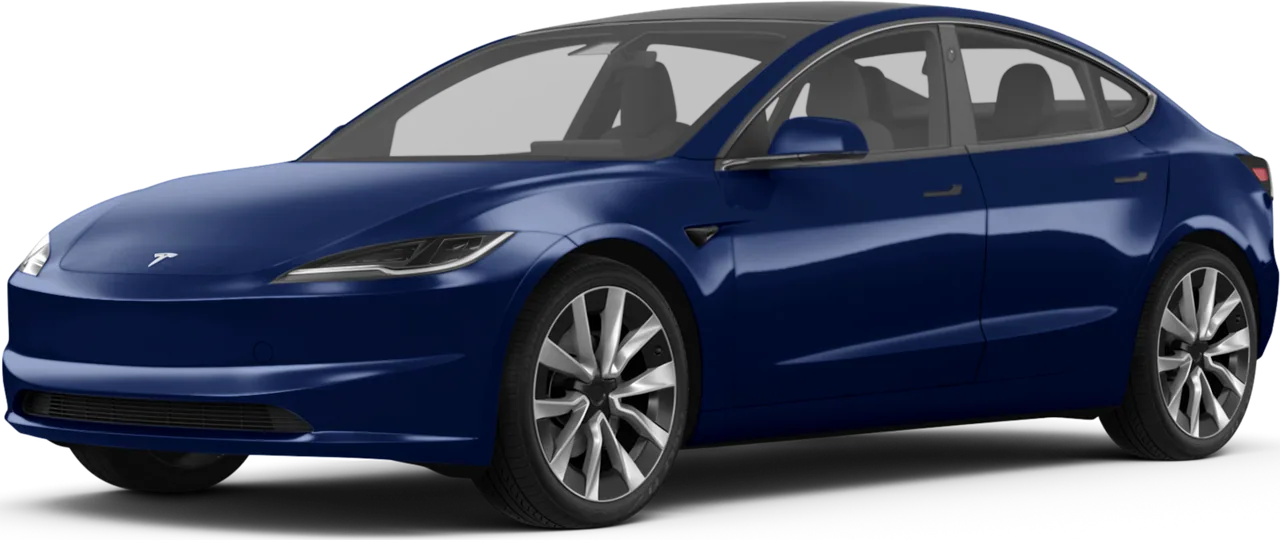
2024 Tesla Model 3 Performance AWD
Electric Sedan · AWD
Based on battery health, build quality, owner data, EPA range, and market pricing
Below average for 2024 EV Sedans (class avg 69)
Personalize this scoreIs a low score bad?
Last scanned 22 days ago
The 2024 Tesla Model 3 Performance AWD comes with 303 miles of EPA range and 250 kW fast charging, and the score gets it into the conversation; battery and service records decide whether to make an offer.
Score read
A 66/100 makes this a paperwork-and-test-drive decision. Do not let the composite hide this split: build quality score is 79/100, while owner feedback score is 55/100. Owners on Reddit repeatedly cite owner satisfaction and build quality as recurring problems. Documented completion matters more than the recall count itself.
Price context
Used examples are running around $36,201. Treat that as a budgeting floor, not a final price; pull a current KBB Fair Purchase or Edmunds True Market Value for this exact trim before negotiating.
Who this is for
✓ Good for
- ⏱ Daily commuter ≤50 mi/day, predictable charging
- ↦ Road tripper Long trips, needs DC fast network
✗ Avoid if you are a
- $ Bargain hunter Best TCO, reliability + low depreciation
Gotchas
- Serviceable Recall paperwork has to match the exact VIN.
Mitigation Use NHTSA and the automaker lookup, then require repair records instead of a verbal promise.
- Verify Owner feedback is the part to read carefully (55/100).
Mitigation Read the complaint themes and ask whether this VIN has already had those issues repaired.
Pre-purchase inspection
- 1 Run the exact VIN through NHTSA and the automaker recall lookup before discussing price.
- 2 Compare the dashboard range estimate with the EPA 303-mile rating after a full charge.
- 3 Confirm how much of the 8-year/120,000-mile battery warranty remains and whether it transfers.
- 4 If road trips matter, run a short DC fast-charge session and watch whether speed tapers normally.
- 5 Read the complaint themes, not just the count, and ask the seller whether those issues have shown up on this VIN.
VIN status first This model has 4 NHTSA recall records. The exact VIN lookup decides whether the car in front of you is clear.
Complaint context This scan found 190 NHTSA complaint records (2 per 10K VINs, low for any vehicle class). Read the themes below before treating the raw count as the verdict.
Price anchor Current market range is $36,201-$41,000. Use that range to compare listings for the same trim, mileage, and condition.
Pricing & Market Value
Score Breakdown
What matters most to you?
Drag the sliders to prioritize what you care about. Your TrimIndex Score recalculates instantly.
Vehicle Specifications
EVs at your price point that match or beat this trim
Price-gated peer set: vehicles within $30.9K–$46.3K market value (±20% of $38.6K). 6 outscore · 0 score within ±2. Mixed across makes — no "spend more, score better" comps.
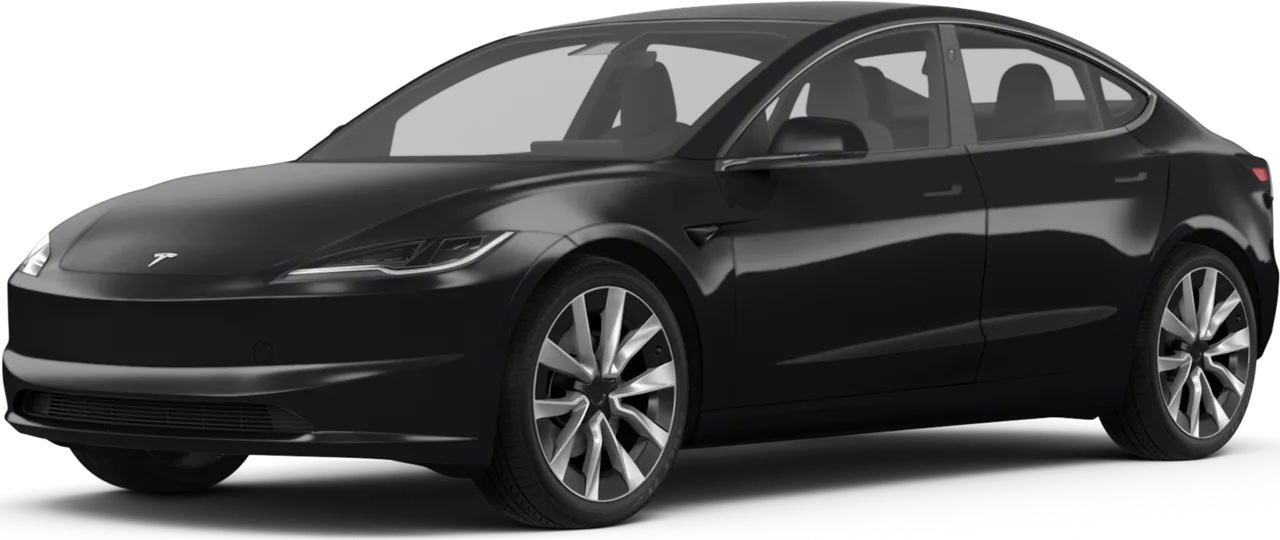
Model 3
- ✓ Better infotainment UX
- ✓ +60 mi more range
- ✓ Stronger safety record
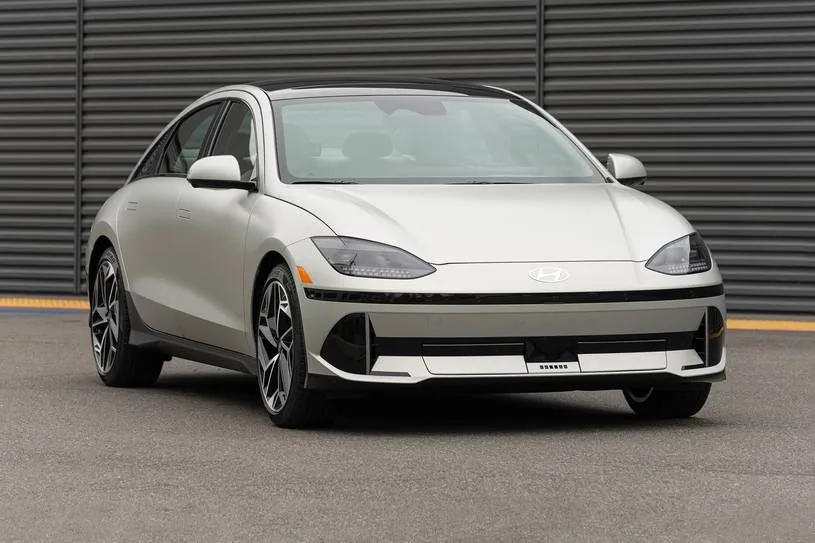
Ioniq 6
- ✓ Better infotainment UX
- ✓ Happier owners overall
- ✓ Stronger safety record
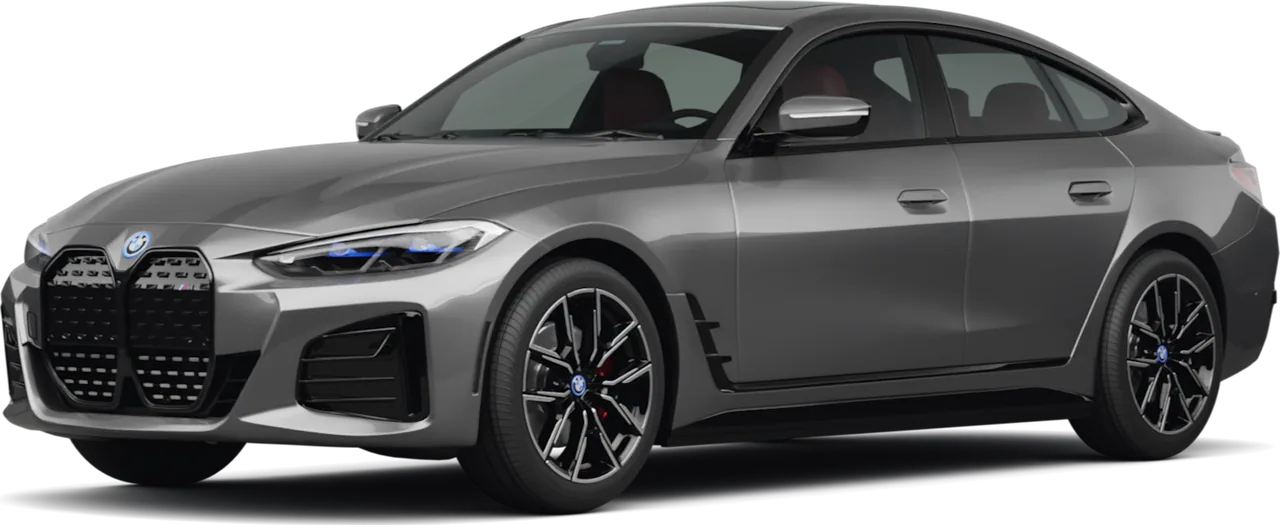
i4
- ✓ Better infotainment UX
- ✓ Happier owners overall
- ✓ Better safety score
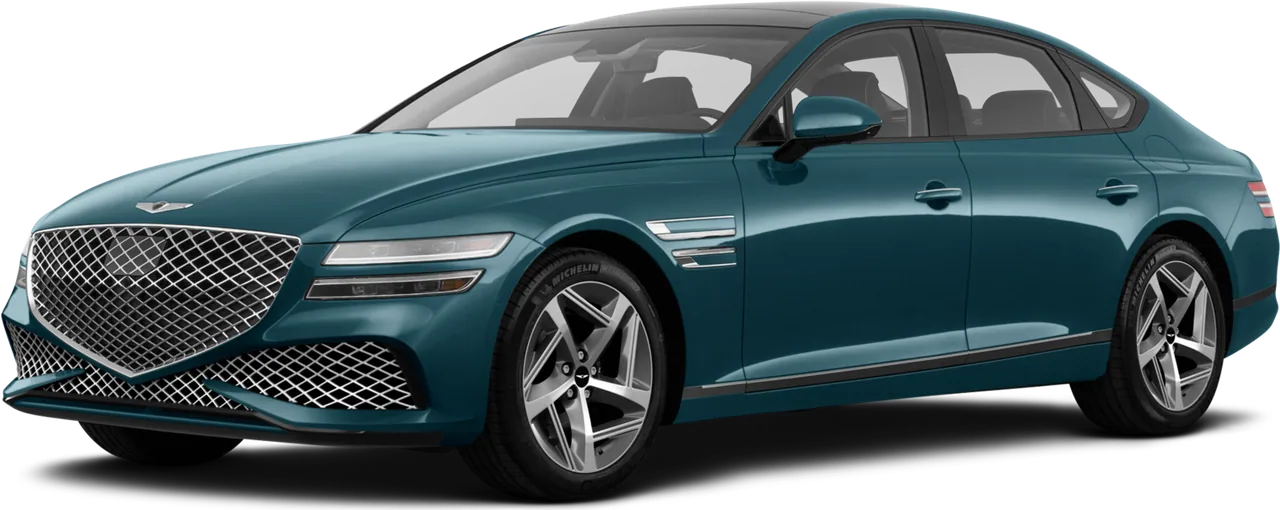
G80
- ✓ Better infotainment UX
- ✓ Notably better build quality
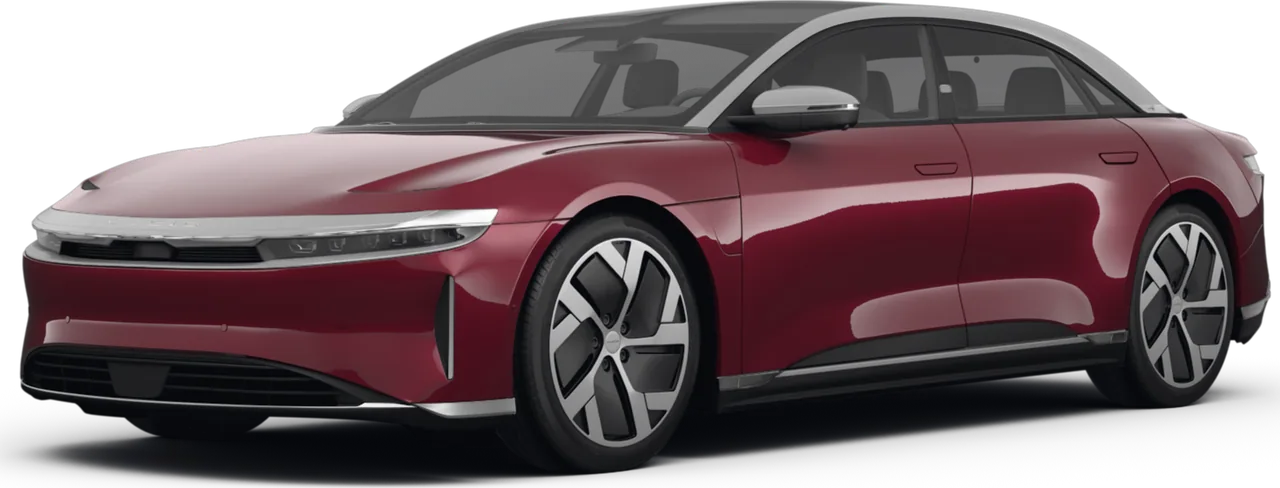
Air
- ✓ Better infotainment UX
- ✓ +166 mi more range
- ✓ Better safety score
Model 3
- ✓ Better infotainment UX
- ✓ Stronger safety record
- ✓ Happier owners overall
The federal $4,000 used-EV credit ended Sept 30, 2025.
But 10 states still run their own used-EV rebate programs — some up to $5,000. Pick your state to see what's available for this trim.
Source & disclaimer
Dealers make ~$10,602 on the average car loan.
After the price is set, the finance manager runs four plays to rebuild margin. Every buyer without a pre-approval is a target. Here's exactly what they run — and what stops each one.
78% of dealer loans carry a hidden +1.13% markup above what the lender actually charges. You never see it — it's buried in the contract. · CFPB
Dealer must match or beat your lender — they can't add margin invisibly. The markup play is dead on arrival.
Once you answer, they stretch the term to hit your number. Median result: $4K less off the price, 12 more months on the loan. · Industry avg
Financing is done. Only the sale price is on the table — and the dealer knows it.
Back-office F&I profit averages $1,975/vehicle, up 8.5% YoY. These products exist — but dealer markup is 4–10x what you'd pay elsewhere. · Dealership Guy
Dealer GAP runs $500–1K. Your insurer sells the same coverage for $100–250 over 5 years. Now you know.
"Your loan fell through — come re-sign." This pulls your APR up +5% on average. It's legal. It works because you've already driven the car home. · Ctr for Responsible Lending
A lender commitment letter means the deal is final. "Pending dealer approval" doesn't apply. You can't be yo-yo'd.
That's 18 months of your car payment — handed to the dealer's finance department for nothing.
Takes 2 minutes. No obligation to use it — but you'll walk in with all the leverage.
Pre-approval is a soft credit inquiry — no score impact. FICO treats all auto-loan hard pulls within 14 days as one, so you can still shop rates at the dealer.
NHTSA Recalls (4)
Tesla, Inc. (Tesla) is recalling certain 2024-2025 Model 3, Model S, 2023-2025 Model X, and Model Y vehicles. The computer circuit board may short, resulting in the loss of the rearview camera image. As such, these vehicles fail to comply with the requirements of Federal Motor Vehicle Safety Standard (FMVSS) number 111, "Rear Visibility."
A rearview camera that does not display an image reduces the driver's rear view, increasing the risk of a crash.
Check VIN status at NHTSA.govTesla, Inc. (Tesla) is recalling certain 2024 Cybertruck, 2017-2025 Model 3, and 2020-2025 Model Y vehicles. The tire pressure monitoring system (TPMS) warning light may not remain illuminated between drive cycles, failing to warn the driver of low tire pressure. As such, these vehicles fail to comply with the requirements of Federal Motor Vehicle Safety Standard number 138, "Tire Pressure Monitoring Systems."
Driving with improperly inflated tires increases the risk of a crash.
Check VIN status at NHTSA.govTesla, Inc. (Tesla) is recalling certain 2021-2024 Model 3, Model S, Model X, and 2020-2024 Model Y vehicles. The hood latch assembly may fail to detect an unlatched hood condition after the hood has been opened.
An unlatched hood can fully open, obstructing the driver's view and increasing the risk of a crash.
Check VIN status at NHTSA.govTesla, Inc. (Tesla) is recalling one 2024 Model 3 vehicle. The driver seat side air bag module was assembled without a deflector that directs gas flow during deployment.
Without a deflector, the air bag may deploy improperly, increasing the risk of injury during a crash.
Check VIN status at NHTSA.govNHTSA Complaints (190 total · 2 per 10K US vehicles · low for any vehicle class)
Button turn signal on New Model 3 is vet dangerous. When steering is rotated, is is impossible to find the Signal Button because of the location of the Button is also rotated according to the Rotation of the Steering Wheel. It caused me a traffic accident when I tried to find the Signal Button when there was traffic congestion in the middle os traffics. This must be replaced traditional turn signal lever.
Button turn signal on New Model 3 is vet dangerous. When steering is rotated, is is impossible to find the Signal Button because of the location of the Button is also rotated according to the Rotation of the Steering Wheel. It caused me a traffic accident when I tried to find the Signal Button when there was traffic congestion in the middle os traffics. This must be replaced traditional turn signal lever.
While using Tesla’s Auto Park feature, the vehicle struck an obstacle without detecting it before or after impact. The system failed to log a collision event in its detection systems, giving no warning and providing no reasonable opportunity for driver intervention. Data retrieved directly from Tesla confirms that forward/side collision sensors did not activate, “Near Deploy” collision detectors remained inactive, and although a “Crash Algorithm Wake-Up” was triggered, the vehicle did not brake or attempt avoidance. This represents a potential systemic defect in Tesla’s Auto Park detection logic and/or related hardware that could result in collisions without driver awareness or system logging — a safety risk for any Tesla driver using Auto Park.
While using Tesla’s Auto Park feature, the vehicle struck an obstacle without detecting it before or after impact. The system failed to log a collision event in its detection systems, giving no warning and providing no reasonable opportunity for driver intervention. Data retrieved directly from Tesla confirms that forward/side collision sensors did not activate, “Near Deploy” collision detectors remained inactive, and although a “Crash Algorithm Wake-Up” was triggered, the vehicle did not brake or attempt avoidance. This represents a potential systemic defect in Tesla’s Auto Park detection logic and/or related hardware that could result in collisions without driver awareness or system logging — a safety risk for any Tesla driver using Auto Park.
The steering wheel turn signal buttons on my Tesla Model 3 intermittently becoming unresponsive or getting stuck signaling left or right. This prevents me from reliably signaling lane changes or turns. This is a safety risk because I may be unable to properly signal maneuvers as required under Maryland Vehicle Law §21-604, potentially confusing nearby drivers and increasing the risk of an accident. As this is a moving violation, I can be fined and or points on my driving record The issue has occurred multiple times during normal driving but has not yet been formally confirmed by a service center.
The steering wheel turn signal buttons on my Tesla Model 3 intermittently becoming unresponsive or getting stuck signaling left or right. This prevents me from reliably signaling lane changes or turns. This is a safety risk because I may be unable to properly signal maneuvers as required under Maryland Vehicle Law §21-604, potentially confusing nearby drivers and increasing the risk of an accident. As this is a moving violation, I can be fined and or points on my driving record The issue has occurred multiple times during normal driving but has not yet been formally confirmed by a service center.
On March 21, 2026, the vehicle’s Automatic Emergency Braking (AEB) and Traffic-Aware Cruise Control (TACC), suffered a severe "phantom braking" failure. While driving, the vehicle engaged in a violent, full-force emergency brake application without any external hazard or driver input. This unprompted deceleration caused the seatbelt to exert extreme pressure and trauma on my abdomen. As I was [XXX] pregnant, this abrupt stop was medically treated as a high-force accident. The trauma caused pregnancy abnormalities, requiring a 20-hour hospital admission for observation and fetal monitoring. I contacted Tesla customer service multiple times. Initially, I was told a service check was necessary, but the Service Center stated they could not provide assistance for "automatic behavior" issues. A corporate representative (Angel) admitted the vehicle should have been flagged for a formal medical claim and instructed me not to visit the service center. Despite this, I took the vehicle to the Service Center on April 15, 2026. Technicians confirmed they had no findings or solutions regarding the phantom braking event. No warning lamps, audible alerts, or system messages appeared prior to the failure. Upon requesting the vehicle data logs for the date of the incident, I noticed that the specific timeframe of the event was "missing" from the record. The manufacturer cited a VIN-matching error as the cause for the data gap. On April 20, 2026, Tesla corporate denied that a claim had ever been filed and stated they would not take responsibility for injuries related to pregnancy or a fetus, claiming these do not meet their internal threshold for medical injury. The vehicle remains available for inspection. INFORMATION REDACTED PURSUANT TO THE FREEDOM OF INFORMATION ACT (FOIA), 5 U.S.C. 552(B)(6)
On March 21, 2026, the vehicle’s Automatic Emergency Braking (AEB) and Traffic-Aware Cruise Control (TACC), suffered a severe "phantom braking" failure. While driving, the vehicle engaged in a violent, full-force emergency brake application without any external hazard or driver input. This unprompted deceleration caused the seatbelt to exert extreme pressure and trauma on my abdomen. As I was [XXX] pregnant, this abrupt stop was medically treated as a high-force accident. The trauma caused pregnancy abnormalities, requiring a 20-hour hospital admission for observation and fetal monitoring. I contacted Tesla customer service multiple times. Initially, I was told a service check was necessary, but the Service Center stated they could not provide assistance for "automatic behavior" issues. A corporate representative (Angel) admitted the vehicle should have been flagged for a formal medical claim and instructed me not to visit the service center. Despite this, I took the vehicle to the Service Center on April 15, 2026. Technicians confirmed they had no findings or solutions regarding the phantom braking event. No warning lamps, audible alerts, or system messages appeared prior to the failure. Upon requesting the vehicle data logs for the date of the incident, I noticed that the specific timeframe of the event was "missing" from the record. The manufacturer cited a VIN-matching error as the cause for the data gap. On April 20, 2026, Tesla corporate denied that a claim had ever been filed and stated they would not take responsibility for injuries related to pregnancy or a fetus, claiming these do not meet their internal threshold for medical injury. The vehicle remains available for inspection. INFORMATION REDACTED PURSUANT TO THE FREEDOM OF INFORMATION ACT (FOIA), 5 U.S.C. 552(B)(6)
2024 Tesla model 3 driving on the turnpike heading south of NJ right between exit 5-6 when my vehicle suddenly and spontaneously spun out into the guardrail, while at the same time the automatic emergency brake was disabled. Weather conditions were slightly rainy, there was no signs of traction issues or alerts regarding any concerns. Luckily no other vehicles were hit. The vehicle has not been inspected by any other of the above questioned. No such warning signs, lamps, or symptoms prior to this failure. I do have the dash cam footage that shows the incident.
2024 Tesla model 3 driving on the turnpike heading south of NJ right between exit 5-6 when my vehicle suddenly and spontaneously spun out into the guardrail, while at the same time the automatic emergency brake was disabled. Weather conditions were slightly rainy, there was no signs of traction issues or alerts regarding any concerns. Luckily no other vehicles were hit. The vehicle has not been inspected by any other of the above questioned. No such warning signs, lamps, or symptoms prior to this failure. I do have the dash cam footage that shows the incident.
I purchased a 2024 Tesla Model 3 a little over a year ago. Recently, and after an update, myself, and other drivers in my life, noticed the self-driving feature was malfunctioning - to the point I used the audio reporting feature to report this problem twice to Tesla. The car would veer off the road when flasing lights appeared and would jerk suddenly for no reason when it thought there was a obstruction in the road (sticks, plastic bags, etc.). Last month this malfunction has caused an accident, and my car has been totaled, my insurance will not cover it, and I have been advised by two separate attorneys to sue. This has been litigated in court with lawsuits against Tesla (See Benavides v. Tesla; see also IN RE: TESLA ADVANCED DRIVER ASSISTANCE SYSTEMS LITIGATION). I had notified Telsa twice of this issue, the car left the lane and did not notice a concrete barrier on the left side going north on I-95 in or around Broward County. To my knowledge no one has inspected the car. I was not warned that this car would cause an accident, the problem first appeared when I reported the issue using the voice reporting feature around November 2025. It is currently located at a tow facility in Broward County, FL and can be inspected there.
I purchased a 2024 Tesla Model 3 a little over a year ago. Recently, and after an update, myself, and other drivers in my life, noticed the self-driving feature was malfunctioning - to the point I used the audio reporting feature to report this problem twice to Tesla. The car would veer off the road when flasing lights appeared and would jerk suddenly for no reason when it thought there was a obstruction in the road (sticks, plastic bags, etc.). Last month this malfunction has caused an accident, and my car has been totaled, my insurance will not cover it, and I have been advised by two separate attorneys to sue. This has been litigated in court with lawsuits against Tesla (See Benavides v. Tesla; see also IN RE: TESLA ADVANCED DRIVER ASSISTANCE SYSTEMS LITIGATION). I had notified Telsa twice of this issue, the car left the lane and did not notice a concrete barrier on the left side going north on I-95 in or around Broward County. To my knowledge no one has inspected the car. I was not warned that this car would cause an accident, the problem first appeared when I reported the issue using the voice reporting feature around November 2025. It is currently located at a tow facility in Broward County, FL and can be inspected there.
on Jan 4th 2026 my car popped a waring RCM2_a700 Front Right Safety Restraint System Issue - I took it in Jan 5th 2026 they said they could not replicate the warning and it was a GLITCH. On Jan 10th 2026 the warning popped up again
on Jan 4th 2026 my car popped a waring RCM2_a700 Front Right Safety Restraint System Issue - I took it in Jan 5th 2026 they said they could not replicate the warning and it was a GLITCH. On Jan 10th 2026 the warning popped up again
SUPPLEMENT TO PREVIOUS COMPLAINT (VIN:...XXX): CRITICAL NEW EVIDENCE OF MULTI-POINT SAFETY FAILURE. On Dec 10, 2025, Tesla Service performed a full diagnostic and repair of the airbag safety system. In addition to the previously reported "damaged wires" in the passenger seat (OCS Module), the technician ALSO had to replace the Steering Column Control Module (SCCM) to resolve the active safety faults. Safety Implication: The vehicle was sold with simultaneous hardware failures in both the passenger occupant sensing system AND the driver's steering column airbag controls. This confirms widespread physical/electrical trauma to the vehicle's Supplemental Restraint System (SRS) that was concealed at the time of sale. The dealer released a vehicle with compromised safety hardware in both the driver and passenger zones. I have attached the official Tesla Invoice confirming these replacements. INFORMATION REDACTED PURSUANT TO THE FREEDOM OF INFORMATION ACT (FOIA), 5 U.S.C. 552(B)(6)
SUPPLEMENT TO PREVIOUS COMPLAINT (VIN:...XXX): CRITICAL NEW EVIDENCE OF MULTI-POINT SAFETY FAILURE. On Dec 10, 2025, Tesla Service performed a full diagnostic and repair of the airbag safety system. In addition to the previously reported "damaged wires" in the passenger seat (OCS Module), the technician ALSO had to replace the Steering Column Control Module (SCCM) to resolve the active safety faults. Safety Implication: The vehicle was sold with simultaneous hardware failures in both the passenger occupant sensing system AND the driver's steering column airbag controls. This confirms widespread physical/electrical trauma to the vehicle's Supplemental Restraint System (SRS) that was concealed at the time of sale. The dealer released a vehicle with compromised safety hardware in both the driver and passenger zones. I have attached the official Tesla Invoice confirming these replacements. INFORMATION REDACTED PURSUANT TO THE FREEDOM OF INFORMATION ACT (FOIA), 5 U.S.C. 552(B)(6)
SUPPLEMENT TO ODI # 11702355 and 11698467: Validated proof of physical defect: Tesla Service diagnosis (Dec 10, 2025) confirms "damaged wires at the OCS module" caused the airbag failure. This finding indicates the vehicle suffered physical trauma that was concealed prior to sale. The presence of damaged internal safety wiring is inconsistent with a factory-condition vehicle and suggests the vehicle was released to the public after substandard repairs to a prior wreck. The airbag system was disabled due to this physical damage.
SUPPLEMENT TO ODI # 11702355 and 11698467: Validated proof of physical defect: Tesla Service diagnosis (Dec 10, 2025) confirms "damaged wires at the OCS module" caused the airbag failure. This finding indicates the vehicle suffered physical trauma that was concealed prior to sale. The presence of damaged internal safety wiring is inconsistent with a factory-condition vehicle and suggests the vehicle was released to the public after substandard repairs to a prior wreck. The airbag system was disabled due to this physical damage.
I am leasing a 2024 Tesla Model 3. The vehicle has a steering column defect that was previously acknowledged and temporarily repaired by Tesla Service. Within days, the issue returned. Tesla has now informed me that the steering column has a known design flaw, that replacement parts are still in development, and that any repair attempted now would fail. Despite this, I am being asked to continue driving the vehicle until at least January. This defect affects the steering system, a critical safety component, and raises serious concerns regarding vehicle control and driver safety. Tesla has not offered a loaner vehicle or alternative transportation while awaiting a permanent fix. I believe this vehicle is unsafe to operate and am reporting this as a safety-related defect in the steering system.
I am leasing a 2024 Tesla Model 3. The vehicle has a steering column defect that was previously acknowledged and temporarily repaired by Tesla Service. Within days, the issue returned. Tesla has now informed me that the steering column has a known design flaw, that replacement parts are still in development, and that any repair attempted now would fail. Despite this, I am being asked to continue driving the vehicle until at least January. This defect affects the steering system, a critical safety component, and raises serious concerns regarding vehicle control and driver safety. Tesla has not offered a loaner vehicle or alternative transportation while awaiting a permanent fix. I believe this vehicle is unsafe to operate and am reporting this as a safety-related defect in the steering system.
I purchased this used Tesla Model 3 (VIN: [XXX] ) from a licensed dealer on July 15th, 2025. The vehicle is still under the original manufacturer warranty. Since ownership, I have experienced a persistent metal-impact noise coming from the suspension and steering area, especially when going over speed bumps, uneven road surfaces, or low-speed turns. The noise sounds like loose metal parts making contact. Tesla service has attempted repairs multiple times, including a recent visit that lasted several weeks. Although some minor issues were addressed, the abnormal metal impact noise continues and has never been fully resolved. The repeated unresolved noise raises concerns about structural integrity and potential failure within components related to steering, wheels, or suspension. While the vehicle remains operable, the issue affects driving confidence, comfort, and concentration. Over time, the repeated metal noise has caused stress and anxiety because I am unsure whether a part will loosen or fail while driving. Since the problem remains after multiple attempts to repair, I am reporting this as a potential safety-related defect. Thank you. INFORMATION REDACTED PURSUANT TO THE FREEDOM OF INFORMATION ACT (FOIA), 5 U.S.C. 552(B)(6)
I purchased this used Tesla Model 3 (VIN: [XXX] ) from a licensed dealer on July 15th, 2025. The vehicle is still under the original manufacturer warranty. Since ownership, I have experienced a persistent metal-impact noise coming from the suspension and steering area, especially when going over speed bumps, uneven road surfaces, or low-speed turns. The noise sounds like loose metal parts making contact. Tesla service has attempted repairs multiple times, including a recent visit that lasted several weeks. Although some minor issues were addressed, the abnormal metal impact noise continues and has never been fully resolved. The repeated unresolved noise raises concerns about structural integrity and potential failure within components related to steering, wheels, or suspension. While the vehicle remains operable, the issue affects driving confidence, comfort, and concentration. Over time, the repeated metal noise has caused stress and anxiety because I am unsure whether a part will loosen or fail while driving. Since the problem remains after multiple attempts to repair, I am reporting this as a potential safety-related defect. Thank you. INFORMATION REDACTED PURSUANT TO THE FREEDOM OF INFORMATION ACT (FOIA), 5 U.S.C. 552(B)(6)
NHTSA Complaint Narrative (Copy & Paste) CRITICAL SAFETY DEFECT: SALE OF VEHICLE WITH DISABLED AIRBAGS Incident: 10/24/2025 | Dealer: Braman Cadillac (Miami, FL) | VIN: [XXX] Braman Cadillac sold me this 2024 Tesla Model 3 representing it as "clean/no accidents." In reality, they released a vehicle with a disabled airbag system resulting from a crash that occurred in their inventory. 1. DISABLED RESTRAINT SYSTEM (RCM): Tesla Service Mode diagnostics confirm the Restraint Control Module (RCM) is in "Post Replacement" state, displaying the prompt: "Post Replacement Tasks - Routine requires Service Mode Plus authentication." This proves the airbag computer was replaced following a crash/electrical trauma but NEVER calibrated. Consequently, the SRS is disabled and will not deploy. The vehicle explicitly warns: "The Safety Restraint System may not perform as designed." The dealer released a non-roadworthy vehicle. 2. EVIDENCE OF DEALER KNOWLEDGE: Internal logs show critical crash fault codes (VCFRONT_a059 & RCM2_a003) logged on Oct 15, 2025. Dealer records confirm the car was in their exclusive inventory on this date (listed since Sept 23). These faults were active 9 days before sale. The dealer ignored active safety warnings to facilitate the transaction. 3. CONCEALED DAMAGE: Inspection by Classic Collision confirmed hidden structural damage requiring $9,676.69 in repairs, consistent with the uncalibrated module. CONCLUSION: Braman Cadillac knowingly sold a vehicle with a lethal safety defect. I demand an investigation into their release of vehicles with uncalibrated safety modules. INFORMATION REDACTED PURSUANT TO THE FREEDOM OF INFORMATION ACT (FOIA), 5 U.S.C. 552(B)(6)
NHTSA Complaint Narrative (Copy & Paste) CRITICAL SAFETY DEFECT: SALE OF VEHICLE WITH DISABLED AIRBAGS Incident: 10/24/2025 | Dealer: Braman Cadillac (Miami, FL) | VIN: [XXX] Braman Cadillac sold me this 2024 Tesla Model 3 representing it as "clean/no accidents." In reality, they released a vehicle with a disabled airbag system resulting from a crash that occurred in their inventory. 1. DISABLED RESTRAINT SYSTEM (RCM): Tesla Service Mode diagnostics confirm the Restraint Control Module (RCM) is in "Post Replacement" state, displaying the prompt: "Post Replacement Tasks - Routine requires Service Mode Plus authentication." This proves the airbag computer was replaced following a crash/electrical trauma but NEVER calibrated. Consequently, the SRS is disabled and will not deploy. The vehicle explicitly warns: "The Safety Restraint System may not perform as designed." The dealer released a non-roadworthy vehicle. 2. EVIDENCE OF DEALER KNOWLEDGE: Internal logs show critical crash fault codes (VCFRONT_a059 & RCM2_a003) logged on Oct 15, 2025. Dealer records confirm the car was in their exclusive inventory on this date (listed since Sept 23). These faults were active 9 days before sale. The dealer ignored active safety warnings to facilitate the transaction. 3. CONCEALED DAMAGE: Inspection by Classic Collision confirmed hidden structural damage requiring $9,676.69 in repairs, consistent with the uncalibrated module. CONCLUSION: Braman Cadillac knowingly sold a vehicle with a lethal safety defect. I demand an investigation into their release of vehicles with uncalibrated safety modules. INFORMATION REDACTED PURSUANT TO THE FREEDOM OF INFORMATION ACT (FOIA), 5 U.S.C. 552(B)(6)
Tesla Model 3 Software & Trunk Security Issue Vehicle: Tesla Model 3, 2024 Issue Date: September 25, 2025 I am reporting a serious software reliability and security defect in my Tesla Model 3. On September 25, 2025, the trunk opened on its own overnight due to what appears to be a software malfunction, resulting in the theft of $500 in personal belongings. The Tesla app sent only one notification while I was sleeping, with no alerts for over eight hours, failing to provide proper security warnings. Tesla customer support was unable to resolve the issue and suggested multiple drivers might have access, even though only one friend has access to the car and it was not her doing. Vehicle data from Tesla privacy support showed two hours missing during the trunk event, and Tesla could not explain why, only speculating a software glitch. This incident demonstrates a critical software and security failure that compromises vehicle safety and personal property. Tesla has failed to provide an explanation, solution, or preventive fix. I am reporting this as a serious software reliability and consumer safety concern. Best, [XXX] INFORMATION REDACTED PURSUANT TO THE FREEDOM OF INFORMATION ACT (FOIA), 5 U.S.C. 552(B)(6)
Tesla Model 3 Software & Trunk Security Issue Vehicle: Tesla Model 3, 2024 Issue Date: September 25, 2025 I am reporting a serious software reliability and security defect in my Tesla Model 3. On September 25, 2025, the trunk opened on its own overnight due to what appears to be a software malfunction, resulting in the theft of $500 in personal belongings. The Tesla app sent only one notification while I was sleeping, with no alerts for over eight hours, failing to provide proper security warnings. Tesla customer support was unable to resolve the issue and suggested multiple drivers might have access, even though only one friend has access to the car and it was not her doing. Vehicle data from Tesla privacy support showed two hours missing during the trunk event, and Tesla could not explain why, only speculating a software glitch. This incident demonstrates a critical software and security failure that compromises vehicle safety and personal property. Tesla has failed to provide an explanation, solution, or preventive fix. I am reporting this as a serious software reliability and consumer safety concern. Best, [XXX] INFORMATION REDACTED PURSUANT TO THE FREEDOM OF INFORMATION ACT (FOIA), 5 U.S.C. 552(B)(6)
Safety restraint warning in car, unsure of actual issue but warning keeps popping up. Presumed that the seatbelts or airbags would not properly work in event of a crash. Dealer/company says it's a known issue, with other cars needing a fix too, however they aren't able to specify exactly the issue or issue a timeframe on repair. Issue first started appearing in Late August of this year, and has become more frequent as of recent. Potentially this is a critical safety issue regarding airbag/seatbelt's potentially failing to work as designed for all similiar models.
Safety restraint warning in car, unsure of actual issue but warning keeps popping up. Presumed that the seatbelts or airbags would not properly work in event of a crash. Dealer/company says it's a known issue, with other cars needing a fix too, however they aren't able to specify exactly the issue or issue a timeframe on repair. Issue first started appearing in Late August of this year, and has become more frequent as of recent. Potentially this is a critical safety issue regarding airbag/seatbelt's potentially failing to work as designed for all similiar models.
Turn signal indicator buttons stick and/or activate the opposite turn indicator of the button pressed. Issue is persistent and I have had two other steering wheels replaced and all three have the same problem. Tesla technician told me that it is an issue with the steering wheel and there was no fix. Have a video of the problem but I am currently unable to upload.
Turn signal indicator buttons stick and/or activate the opposite turn indicator of the button pressed. Issue is persistent and I have had two other steering wheels replaced and all three have the same problem. Tesla technician told me that it is an issue with the steering wheel and there was no fix. Have a video of the problem but I am currently unable to upload.
On October 17, 2025, while Full Self-Driving (Supervised) was engaged, the vehicle made an abrupt, uncommanded steering input to the right, causing a collision with a tunnel wall. This crash appears to be the result of a critical vehicle hardware failure. In the 24 hours prior to the crash, the vehicle logged multiple critical steering errors, including EPAS3P_a086_dasMia, which indicates the Electric Power Assisted Steering system was "Missing in Action" and not communicating. Furthermore, the vehicle has logged daily, recurring hardware faults for the Steering Column Control Module (SCCM_a016_hardwareError) since it was purchased. The uncommanded steering action created an extremely dangerous safety condition resulting in a collision. All stability and traction control faults appeared at the exact moment of impact, not before, indicating the steering system failure was the root cause. The problem has been confirmed by the vehicle's own internal diagnostic logs. The vehicle is available for inspection.
On October 17, 2025, while Full Self-Driving (Supervised) was engaged, the vehicle made an abrupt, uncommanded steering input to the right, causing a collision with a tunnel wall. This crash appears to be the result of a critical vehicle hardware failure. In the 24 hours prior to the crash, the vehicle logged multiple critical steering errors, including EPAS3P_a086_dasMia, which indicates the Electric Power Assisted Steering system was "Missing in Action" and not communicating. Furthermore, the vehicle has logged daily, recurring hardware faults for the Steering Column Control Module (SCCM_a016_hardwareError) since it was purchased. The uncommanded steering action created an extremely dangerous safety condition resulting in a collision. All stability and traction control faults appeared at the exact moment of impact, not before, indicating the steering system failure was the root cause. The problem has been confirmed by the vehicle's own internal diagnostic logs. The vehicle is available for inspection.
My Model 3 was T-boned in an intersection, hitting both the front and rear doors, as a result of a vehicle running a red light. The driver that hit us was speeding and didn’t hit brakes. The impact pushed the Tesla almost in a complete 360 on an adjacent street where the driver side of the car jumped a curb and stopped after hitting a pole slightly on the driver side. Red light etc all substantiated by police report. Airbags deployed on the passenger side from the seat and upper panels. Front airbags failed on both sides. There was also a delayed airbag deployment from the back of the driver seat that only ripped the seat but never deployed fully. The smell of fire / burning and debris was all that happened from the driver seat. I requested a crash report from Tesla which outlines the speed and airbag deployment. The report says that knee level airbags deployed but they never did. I crossed referenced crash test speed data and various complaints about Tesla airbags. The data reviewed seems to indicate that I experienced failed equipment which is currently under review. I’ve also reviewed various sources of information about 7 2024 Model 3 driver side airbag known issues, where Tesla only recalled one vehicle. I’ve been told that other recalls for this issue are u see evaluation and to keep checking my vin for details. I share this because serious injuries can be caused by this failure, especially when hit by an SUV. The vehicle was totaled, not drivable and towed from the scene. Please be cautious if you have a 2024 model 3 and demand that Tesla look into the airbag manufacturing issues promptly and issue relative recalls. The collision alert also failed.
My Model 3 was T-boned in an intersection, hitting both the front and rear doors, as a result of a vehicle running a red light. The driver that hit us was speeding and didn’t hit brakes. The impact pushed the Tesla almost in a complete 360 on an adjacent street where the driver side of the car jumped a curb and stopped after hitting a pole slightly on the driver side. Red light etc all substantiated by police report. Airbags deployed on the passenger side from the seat and upper panels. Front airbags failed on both sides. There was also a delayed airbag deployment from the back of the driver seat that only ripped the seat but never deployed fully. The smell of fire / burning and debris was all that happened from the driver seat. I requested a crash report from Tesla which outlines the speed and airbag deployment. The report says that knee level airbags deployed but they never did. I crossed referenced crash test speed data and various complaints about Tesla airbags. The data reviewed seems to indicate that I experienced failed equipment which is currently under review. I’ve also reviewed various sources of information about 7 2024 Model 3 driver side airbag known issues, where Tesla only recalled one vehicle. I’ve been told that other recalls for this issue are u see evaluation and to keep checking my vin for details. I share this because serious injuries can be caused by this failure, especially when hit by an SUV. The vehicle was totaled, not drivable and towed from the scene. Please be cautious if you have a 2024 model 3 and demand that Tesla look into the airbag manufacturing issues promptly and issue relative recalls. The collision alert also failed.
Full self drive 14.1 removes the max speed setting that allows drivers to control the speed of the vehicle while under computer control, leaving no way to prevent the car from speeding when the speed profiles choose to drive over 28+ mph over the speed limit. The lack of ability to control the speed of the system is fundamentally unsafe by design.
Full self drive 14.1 removes the max speed setting that allows drivers to control the speed of the vehicle while under computer control, leaving no way to prevent the car from speeding when the speed profiles choose to drive over 28+ mph over the speed limit. The lack of ability to control the speed of the system is fundamentally unsafe by design.
The contact owned a 2024 Tesla Model 3. The contact stated that while her daughter was driving 65 MPH, and was driving on the exit ramp, the brake pedal was depressed, but the vehicle failed to respond. The contact's daughter stated that the brake pedal felt hard. The contact's daughter used the emergency brake but failed to function as intended. In addition, the steering wheel locked. The contact's daughter, to avoid hitting the vehicle in front, was able to pull over to the side of the road using excessive force on the steering wheel, and hit a tree, where it came to a stop. The driver-side air bags and side curtain air bags deployed. Three of the contact’s daughters were taken to the hospital by ambulance. The contact's daughter suffered three fractures in her left eye, three fingers on her left hand were fractured, and the seat belt left a burn on her neck. The contact's three other daughters were passengers inside the vehicle. The daughter who sat in the front passenger seat suffered hematomas on the abdomen and had bruises on her face, legs, and arms. The daughter who sat behind the driver in the back suffered injuries, scratches on the legs, the glass debris from the window caused cuts on the head, and had bruises on her chest and back. The daughter who sat in the front passenger seat was not seriously injured. A police report was filed. The vehicle was towed to the towing yard. The vehicle was not diagnosed or repaired. The insurance company was notified. The contact filed a claim, and it was denied. The manufacturer was notified of the failure but denied assistance. The failure mileage was 13,816.
The contact owned a 2024 Tesla Model 3. The contact stated that while her daughter was driving 65 MPH, and was driving on the exit ramp, the brake pedal was depressed, but the vehicle failed to respond. The contact's daughter stated that the brake pedal felt hard. The contact's daughter used the emergency brake but failed to function as intended. In addition, the steering wheel locked. The contact's daughter, to avoid hitting the vehicle in front, was able to pull over to the side of the road using excessive force on the steering wheel, and hit a tree, where it came to a stop. The driver-side air bags and side curtain air bags deployed. Three of the contact’s daughters were taken to the hospital by ambulance. The contact's daughter suffered three fractures in her left eye, three fingers on her left hand were fractured, and the seat belt left a burn on her neck. The contact's three other daughters were passengers inside the vehicle. The daughter who sat in the front passenger seat suffered hematomas on the abdomen and had bruises on her face, legs, and arms. The daughter who sat behind the driver in the back suffered injuries, scratches on the legs, the glass debris from the window caused cuts on the head, and had bruises on her chest and back. The daughter who sat in the front passenger seat was not seriously injured. A police report was filed. The vehicle was towed to the towing yard. The vehicle was not diagnosed or repaired. The insurance company was notified. The contact filed a claim, and it was denied. The manufacturer was notified of the failure but denied assistance. The failure mileage was 13,816.
I am filing an urgent complaint regarding multiple incidents involving my 2024 Tesla Model 3 (VIN: [XXX] ) that caused major safety risks, personal property loss, and serious disruption to my life. [XXX] – While in a left-turn lane with Autopilot engaged, the car attempted to go straight. When I took over, the system malfunctioned severely. (Photo evidence available) [XXX] – Remote support failed; car towed to Tesla Upland Service Center. June 27, 2025 – Issued loaner vehicle. July 1, 2025 – Tesla claimed I must pay for repairs. I requested a written evaluation report, but to date it has not been provided. July 20, 2025 – Without consent, Tesla remotely locked my vehicle with my personal belongings inside, violating my property rights. Aug 1, 2025 – Tesla promised review and report but refused to unlock my car. Aug 12, 2025 – After 10+ days, still no report. Upland “options” included threats that my locked car in my garage could be deemed stolen, causing severe mental distress. Demands: 1.Full investigation into Autopilot failure and handling delays. 2.Immediate delivery of written evaluation report. 3.Accountability for delays, threats, and property rights violations. 4.Compensation for all losses and disruptions caused. Contact: [XXX] I request a written response within 24 hours. INFORMATION REDACTED PURSUANT TO THE FREEDOM OF INFORMATION ACT (FOIA), 5 U.S.C. 552(B)(6)
I am filing an urgent complaint regarding multiple incidents involving my 2024 Tesla Model 3 (VIN: [XXX] ) that caused major safety risks, personal property loss, and serious disruption to my life. [XXX] – While in a left-turn lane with Autopilot engaged, the car attempted to go straight. When I took over, the system malfunctioned severely. (Photo evidence available) [XXX] – Remote support failed; car towed to Tesla Upland Service Center. June 27, 2025 – Issued loaner vehicle. July 1, 2025 – Tesla claimed I must pay for repairs. I requested a written evaluation report, but to date it has not been provided. July 20, 2025 – Without consent, Tesla remotely locked my vehicle with my personal belongings inside, violating my property rights. Aug 1, 2025 – Tesla promised review and report but refused to unlock my car. Aug 12, 2025 – After 10+ days, still no report. Upland “options” included threats that my locked car in my garage could be deemed stolen, causing severe mental distress. Demands: 1.Full investigation into Autopilot failure and handling delays. 2.Immediate delivery of written evaluation report. 3.Accountability for delays, threats, and property rights violations. 4.Compensation for all losses and disruptions caused. Contact: [XXX] I request a written response within 24 hours. INFORMATION REDACTED PURSUANT TO THE FREEDOM OF INFORMATION ACT (FOIA), 5 U.S.C. 552(B)(6)
The contact owned a 2024 Tesla Model 3. The contact stated that while driving approximately 20 mph and making a right turn, due to a blind spot, another vehicle driving at full speed almost crashed into the contact. The contact quickly steered the vehicle away, avoiding a collision with the other vehicle. As a result, the contact crashed into another vehicle. The contact ultimately crashed into a nearby light post. The air bags did not deploy. The vehicle was towed and totaled. The light post had fallen to the ground. There were no injuries or medical attention needed. A police report was filed. The vehicle was taken to a local Tesla dealer; however, the vehicle was not diagnosed with a cause for failure. The manufacturer was not informed of the failure. The failure mileage was 19,571.
The contact owned a 2024 Tesla Model 3. The contact stated that while driving approximately 20 mph and making a right turn, due to a blind spot, another vehicle driving at full speed almost crashed into the contact. The contact quickly steered the vehicle away, avoiding a collision with the other vehicle. As a result, the contact crashed into another vehicle. The contact ultimately crashed into a nearby light post. The air bags did not deploy. The vehicle was towed and totaled. The light post had fallen to the ground. There were no injuries or medical attention needed. A police report was filed. The vehicle was taken to a local Tesla dealer; however, the vehicle was not diagnosed with a cause for failure. The manufacturer was not informed of the failure. The failure mileage was 19,571.
Newer Tesla Model 3s (2024+ Hihgland) removed the physical turn signal and drive shift stalks. This creates serious safety concerns: 1. Inconsistent or Difficult/Impossible Signaling: In certain turning maneuvers, especially while driving with a sharp wheel angle, such as on curves, roundabouts, or a turn immediately following another, it becomes physically difficult or impossible to reach and activate the appropriate touch signal. This failure to clearly signal intentions to other drivers increases the likelihood of collisions and endangers both the driver and others on the road. 2. More Frequent Signaling Errors: The touch buttons for left and right turn signals are placed side-by-side, with no tactile distinction. This can lead to frequent accidental activation of the wrong signal, especially in high-pressure or fast-response situations. Misleading or absent signals confuse surrounding drivers and pedestrians, increasing the risk of sideswipes, intersection crashes, or pedestrian strikes. 3. Delayed or Failed Emergency Shifting: The removal of a physical gear shift stalk in favor of an on-screen interface causes dangerous delays when quick, instinctive gear changes are needed, such as switching from Drive to Reverse to avoid a crash or recover vehicle control. Because there is no tactile control, blind muscle-memory responses are difficult or impossible, and looking away from the road to the display may be necessary, increasing the likelihood of a collision in time-critical situations where every second counts. Tesla has since reintroduced turn signal stalks in the updated Model Y (Juniper), and older Model 3s had them, proving this is a design choice, not a limitation. These changes reduce the ability to safely operate the vehicle under pressure and should be reviewed for compliance with safety standards.
Newer Tesla Model 3s (2024+ Hihgland) removed the physical turn signal and drive shift stalks. This creates serious safety concerns: 1. Inconsistent or Difficult/Impossible Signaling: In certain turning maneuvers, especially while driving with a sharp wheel angle, such as on curves, roundabouts, or a turn immediately following another, it becomes physically difficult or impossible to reach and activate the appropriate touch signal. This failure to clearly signal intentions to other drivers increases the likelihood of collisions and endangers both the driver and others on the road. 2. More Frequent Signaling Errors: The touch buttons for left and right turn signals are placed side-by-side, with no tactile distinction. This can lead to frequent accidental activation of the wrong signal, especially in high-pressure or fast-response situations. Misleading or absent signals confuse surrounding drivers and pedestrians, increasing the risk of sideswipes, intersection crashes, or pedestrian strikes. 3. Delayed or Failed Emergency Shifting: The removal of a physical gear shift stalk in favor of an on-screen interface causes dangerous delays when quick, instinctive gear changes are needed, such as switching from Drive to Reverse to avoid a crash or recover vehicle control. Because there is no tactile control, blind muscle-memory responses are difficult or impossible, and looking away from the road to the display may be necessary, increasing the likelihood of a collision in time-critical situations where every second counts. Tesla has since reintroduced turn signal stalks in the updated Model Y (Juniper), and older Model 3s had them, proving this is a design choice, not a limitation. These changes reduce the ability to safely operate the vehicle under pressure and should be reviewed for compliance with safety standards.
When driving in the rain or in wet conditions, the car’s horn cannot be heard at all. It is extremely muffled and can pose a serious hazard to the drivers if they cannot be heard.
When driving in the rain or in wet conditions, the car’s horn cannot be heard at all. It is extremely muffled and can pose a serious hazard to the drivers if they cannot be heard.
I have continuous issues with my steering wheel with the turn signals failing to work. Because the buttons aren't physical buttons, more times than not, they are failing for me to be able to use the turn signal. This causes a major safety concern. I have mentioned it with a service ticket with Tesla, but they state there is no fix for this as of today.
I have continuous issues with my steering wheel with the turn signals failing to work. Because the buttons aren't physical buttons, more times than not, they are failing for me to be able to use the turn signal. This causes a major safety concern. I have mentioned it with a service ticket with Tesla, but they state there is no fix for this as of today.
TURN SIGNAL BUTTONS JAMS OCCASIONALLY. VERY DIFFICULT TO REPRODUCE DUE TO THE INFREQUENT NATURE OF THIS ISSUE, BUT IT HAPPENS ABOUT TWICE A WEEK IN DAILY DRIVING. SEVERAL OWNERS OF THIS MODEL VEHICLE HAVE REPORTED THE SAME ISSUE ON THE FORUMS. DEALER/MANUFACTURER REFUSES TO ADDRESS THIS ISSUE OTHER THAN TO SAY THEY KNOW THIS IS A KNOW ISSUE. IN SEVERAL INSTANCES, THE TURN SIGNAL BUTTON JAMS AT VERY CRITICAL TURNS ON THE HIGHWAY WHICH CREATED A SAFETY HAZZARD. I HAVE SEVERAL VIDEO CLIPS OF THIS OCCURRENCE.
TURN SIGNAL BUTTONS JAMS OCCASIONALLY. VERY DIFFICULT TO REPRODUCE DUE TO THE INFREQUENT NATURE OF THIS ISSUE, BUT IT HAPPENS ABOUT TWICE A WEEK IN DAILY DRIVING. SEVERAL OWNERS OF THIS MODEL VEHICLE HAVE REPORTED THE SAME ISSUE ON THE FORUMS. DEALER/MANUFACTURER REFUSES TO ADDRESS THIS ISSUE OTHER THAN TO SAY THEY KNOW THIS IS A KNOW ISSUE. IN SEVERAL INSTANCES, THE TURN SIGNAL BUTTON JAMS AT VERY CRITICAL TURNS ON THE HIGHWAY WHICH CREATED A SAFETY HAZZARD. I HAVE SEVERAL VIDEO CLIPS OF THIS OCCURRENCE.
Complaint: I took delivery of my new Tesla Model 3 on [XXX], and noticed it pulls hard to the right from day one. The steering shakes constantly, feels unstable, and loses traction—sliding sideways and lurching above 40 mph. It’s dangerous on highways; I’ve nearly lost control multiple times. Service wait times delayed my first visit over a month. Service History: Tesla Service, Dedham, MA, three visits: [XXX]: Techs confirmed pulling, performed alignment—issue unchanged. [XXX]: Pulling replicated, alignment redone—no fix. [XXX]: Supervisor test-drove, claimed no issues, said “normal operation,” and refused further action. Third-Party Input: On [XXX], Electrified Garage (Amesbury, MA), a Tesla/EV specialist, replicated the pulling, shaking, and instability. They suspect a suspension or steering defect (e.g., rack/control arm) and urged Tesla review, citing warranty coverage and parts limits. They called it a safety risk. Current State: The car’s unusable—shaking intensifies above 40 mph, slides unpredictably, and steering resists. I’ve stopped highway driving after near-misses. Tesla’s “normal” ignores this danger. Available for inspection on request. INFORMATION REDACTED PURSUANT TO THE FREEDOM OF INFORMATION ACT (FOIA), 5 U.S.C. 552(B)(6)
Complaint: I took delivery of my new Tesla Model 3 on [XXX], and noticed it pulls hard to the right from day one. The steering shakes constantly, feels unstable, and loses traction—sliding sideways and lurching above 40 mph. It’s dangerous on highways; I’ve nearly lost control multiple times. Service wait times delayed my first visit over a month. Service History: Tesla Service, Dedham, MA, three visits: [XXX]: Techs confirmed pulling, performed alignment—issue unchanged. [XXX]: Pulling replicated, alignment redone—no fix. [XXX]: Supervisor test-drove, claimed no issues, said “normal operation,” and refused further action. Third-Party Input: On [XXX], Electrified Garage (Amesbury, MA), a Tesla/EV specialist, replicated the pulling, shaking, and instability. They suspect a suspension or steering defect (e.g., rack/control arm) and urged Tesla review, citing warranty coverage and parts limits. They called it a safety risk. Current State: The car’s unusable—shaking intensifies above 40 mph, slides unpredictably, and steering resists. I’ve stopped highway driving after near-misses. Tesla’s “normal” ignores this danger. Available for inspection on request. INFORMATION REDACTED PURSUANT TO THE FREEDOM OF INFORMATION ACT (FOIA), 5 U.S.C. 552(B)(6)
This is the 3rd or 4th time I have observed sudden unexpected acceleration when at a full stop at a light while using FSD Supervised (v13.2.7 just updated). It first happened 2 or 3 times on FSD v13.2.6 when mine was the lead car at stop lights. This time I was at a stop light but obviously not the lead car. The truck in front of me was blocking view of the traffic lights. Each time, I have hit the brakes immediately, so I don't know if the vehicle would stop on its own during these situations, but I have no issues with it safely braking at any other time. Other than this intermittent glitch, FSD has been flawless on the HW4 next generation computer, which may lead to driver complacency not expecting this. I am reporting for awareness & hopefully correction. I have MP4 video files of the incident, but I cannot upload them here.
This is the 3rd or 4th time I have observed sudden unexpected acceleration when at a full stop at a light while using FSD Supervised (v13.2.7 just updated). It first happened 2 or 3 times on FSD v13.2.6 when mine was the lead car at stop lights. This time I was at a stop light but obviously not the lead car. The truck in front of me was blocking view of the traffic lights. Each time, I have hit the brakes immediately, so I don't know if the vehicle would stop on its own during these situations, but I have no issues with it safely braking at any other time. Other than this intermittent glitch, FSD has been flawless on the HW4 next generation computer, which may lead to driver complacency not expecting this. I am reporting for awareness & hopefully correction. I have MP4 video files of the incident, but I cannot upload them here.
Vehicle was functioning normally prior to this event. Around 17:30 on 02/10/25 I arrived at airport terminal to pick someone up. I exited vehicle, opened trunk then went back inside vehicle. Upon putting the vehicle in drive I noticed problem with power steering. I had to use excessive force to turn the wheel. I drove forward 100 feet, then pulled over and called Tesla Support. After describing the issue to the agent, she instructed me to put vehicle in park and press and hold both scroll wheels on steering wheel to perform system reset. After 2 attempts the issue persisted. I then exited the vehicle, locked it manually from the app. After 5 seconds I opened the vehicle, put it in drive and steering worked properly. Dry conditions - outside temperature about 30F I noticed that NHTSA is already investigating this issue for certain Tesla Model 3 and Model Y where power steering stopped working. While my issue happened while vehicle was stopped, I am concerned about it happening again while driving on highway
Vehicle was functioning normally prior to this event. Around 17:30 on 02/10/25 I arrived at airport terminal to pick someone up. I exited vehicle, opened trunk then went back inside vehicle. Upon putting the vehicle in drive I noticed problem with power steering. I had to use excessive force to turn the wheel. I drove forward 100 feet, then pulled over and called Tesla Support. After describing the issue to the agent, she instructed me to put vehicle in park and press and hold both scroll wheels on steering wheel to perform system reset. After 2 attempts the issue persisted. I then exited the vehicle, locked it manually from the app. After 5 seconds I opened the vehicle, put it in drive and steering worked properly. Dry conditions - outside temperature about 30F I noticed that NHTSA is already investigating this issue for certain Tesla Model 3 and Model Y where power steering stopped working. While my issue happened while vehicle was stopped, I am concerned about it happening again while driving on highway
The turn signal often fails to operate. It features haptic feedback instead of a physical button. This design is impractical, potentially dangerous, and unwise for use in vehicles.
The turn signal often fails to operate. It features haptic feedback instead of a physical button. This design is impractical, potentially dangerous, and unwise for use in vehicles.
the car consistently has phantom braking. the speed will drop around 15 miles of speed immediately. it also will slow on rolling hills and random long turns on cruise control. most recent date listed
the car consistently has phantom braking. the speed will drop around 15 miles of speed immediately. it also will slow on rolling hills and random long turns on cruise control. most recent date listed
The new steering wheel design has buttons for left and right turn signaling. These buttons often get stuck/jammed and prevents the driver from successfully signaling. This is dangerous on the freeway where you are having to fiddle with the jammed buttons while lane changing at high speeds.
The new steering wheel design has buttons for left and right turn signaling. These buttons often get stuck/jammed and prevents the driver from successfully signaling. This is dangerous on the freeway where you are having to fiddle with the jammed buttons while lane changing at high speeds.
Vehicle Information: 2024 Tesla Model 3 Description of the Problem: We purchased a brand-new 2024 Tesla Model 3 just seven days ago, and we’ve already encountered a serious safety issue: the turn signal frequently fails to function. This problem compromises our ability to signal lane changes or turns, putting our safety and the safety of others at risk, particularly in high-traffic or highway conditions. Inspection and Reproduction: We took the car to Tesla Service, and the service advisor confirmed that this is a known issue with the vehicle. The malfunction has been reproduced and verified by Tesla Service. Safety Risks: The inability to use the turn signal effectively creates a significant safety hazard, as other drivers cannot anticipate our intended movements. This increases the likelihood of accidents, especially during lane changes or turns. Inspection by Authorities: The vehicle has been inspected by Tesla Service, but no inspection has been conducted by any other authorities, such as insurance representatives or law enforcement. Warning Signs: There were no prior warning lights or error messages. The issue became apparent when the turn signal intermittently failed to activate. Request for Action: We are requesting an immediate resolution to this issue, including a repair or replacement of the faulty system, as well as updates on Tesla’s efforts to address this known defect. If no fix is currently available, we request clear communication regarding the timeline for a resolution and any interim safety measures that can mitigate this risk.
Vehicle Information: 2024 Tesla Model 3 Description of the Problem: We purchased a brand-new 2024 Tesla Model 3 just seven days ago, and we’ve already encountered a serious safety issue: the turn signal frequently fails to function. This problem compromises our ability to signal lane changes or turns, putting our safety and the safety of others at risk, particularly in high-traffic or highway conditions. Inspection and Reproduction: We took the car to Tesla Service, and the service advisor confirmed that this is a known issue with the vehicle. The malfunction has been reproduced and verified by Tesla Service. Safety Risks: The inability to use the turn signal effectively creates a significant safety hazard, as other drivers cannot anticipate our intended movements. This increases the likelihood of accidents, especially during lane changes or turns. Inspection by Authorities: The vehicle has been inspected by Tesla Service, but no inspection has been conducted by any other authorities, such as insurance representatives or law enforcement. Warning Signs: There were no prior warning lights or error messages. The issue became apparent when the turn signal intermittently failed to activate. Request for Action: We are requesting an immediate resolution to this issue, including a repair or replacement of the faulty system, as well as updates on Tesla’s efforts to address this known defect. If no fix is currently available, we request clear communication regarding the timeline for a resolution and any interim safety measures that can mitigate this risk.
See attached document for complaint.
See attached document for complaint.
Occasionally, the Turn Signals decide to not work for a 5 second period. This is a car that is "stalkless" (meaning there isn't a physical turn signal stalk to press), but rather it's touchpad buttons on the steering wheel. While these usually work fine, occasionally when I depress one, I can feel that it does not press down at all, and the turn signal does not turn on. I view this as a SAFETY ISSUE in that a Turn Signal indicates intent to other drivers, and it's unsafe to not be able to use it. Tesla has replaced my steering wheel once (after 2+ months of waiting for "diagnostics") but the new wheel has the same issue. This has been occurring ever since I got this car, and that was many months ago. And I've heard other Model 3 and Model S customers have similar complaints. There is something fundamental going on, and Tesla does not seem to want to solve it on their own. They need to have NHTSA add some priority to this.
Occasionally, the Turn Signals decide to not work for a 5 second period. This is a car that is "stalkless" (meaning there isn't a physical turn signal stalk to press), but rather it's touchpad buttons on the steering wheel. While these usually work fine, occasionally when I depress one, I can feel that it does not press down at all, and the turn signal does not turn on. I view this as a SAFETY ISSUE in that a Turn Signal indicates intent to other drivers, and it's unsafe to not be able to use it. Tesla has replaced my steering wheel once (after 2+ months of waiting for "diagnostics") but the new wheel has the same issue. This has been occurring ever since I got this car, and that was many months ago. And I've heard other Model 3 and Model S customers have similar complaints. There is something fundamental going on, and Tesla does not seem to want to solve it on their own. They need to have NHTSA add some priority to this.
I reduced my set standard cruise control speed when traveling on a road curve and the speed drastically reduced by over 15mph lower than my setting on it's own. If i was traveling in a group then this would have created a dangerous situation for the following vehicles. This is another FSD/Beta programming in regular cruise control. Why are you still allowing this to exist???
I reduced my set standard cruise control speed when traveling on a road curve and the speed drastically reduced by over 15mph lower than my setting on it's own. If i was traveling in a group then this would have created a dangerous situation for the following vehicles. This is another FSD/Beta programming in regular cruise control. Why are you still allowing this to exist???
Traveling with cruise control at 80mph with the flow of traffic and the speed setting dropped to 60mph. Why do you still allow this?
Traveling with cruise control at 80mph with the flow of traffic and the speed setting dropped to 60mph. Why do you still allow this?
Traveling with cruise control with the flow of traffic at 75mph and the setting dropped to 60mph. I thought FSD/Beta programming was not allowed as regular vehicle settings so why does this continue?
Traveling with cruise control with the flow of traffic at 75mph and the setting dropped to 60mph. I thought FSD/Beta programming was not allowed as regular vehicle settings so why does this continue?
Turn signal buttons will get stuck intermittently and not be able to actuate. This causes the inability to reliably and predictably use the turn signals. This also takes attention away from driving and places additional focus on looking at the buttons instead of the road.
Turn signal buttons will get stuck intermittently and not be able to actuate. This causes the inability to reliably and predictably use the turn signals. This also takes attention away from driving and places additional focus on looking at the buttons instead of the road.
The turn signals are on the steering wheel. Sometimes these buttons are not pressable so I have to turn w/o signaling. That is after taking a risk of an accident. I have run into this multiple times and the stress level of operating the vehicle when that happens is very high. There have been a couple of occasions that I had to signal when the steering wheel is partially turned and I have to look down and do guess work to locate the right button. This is again an energy drain when driving. Traditional stalk is a no brainer and it takes all the thinking and stress away from driving. I consider this vehicle not safe for driving.
The turn signals are on the steering wheel. Sometimes these buttons are not pressable so I have to turn w/o signaling. That is after taking a risk of an accident. I have run into this multiple times and the stress level of operating the vehicle when that happens is very high. There have been a couple of occasions that I had to signal when the steering wheel is partially turned and I have to look down and do guess work to locate the right button. This is again an energy drain when driving. Traditional stalk is a no brainer and it takes all the thinking and stress away from driving. I consider this vehicle not safe for driving.
Cruising at 75 and speed dropped to 55. There are at least 3 FSD/beta features in the driver set cruise control, did Tesla get approval to add those features to the cruise control?
Cruising at 75 and speed dropped to 55. There are at least 3 FSD/beta features in the driver set cruise control, did Tesla get approval to add those features to the cruise control?
Cruising at 75 the speed suddenly drops to 55, the worst I had was changed from 75 to 40. This is Dangerous and needs to be changed. It drops speeds every day and before I can correct it the car usually drops a minimum of 5mph. If allowed I will start to report this every day until it is corrected as it is a huge safety issue for other drivers and potentially a deadly crash or road rage incident.
Cruising at 75 the speed suddenly drops to 55, the worst I had was changed from 75 to 40. This is Dangerous and needs to be changed. It drops speeds every day and before I can correct it the car usually drops a minimum of 5mph. If allowed I will start to report this every day until it is corrected as it is a huge safety issue for other drivers and potentially a deadly crash or road rage incident.
About two weeks ago with driver set cruise control, the phantom braking was so severe that it took me down from 75 to around 15 if I remember correctly. The braking was so severe and at the same time self steered to the edge of the road along the guard rail that my body was unable to move quicker to correct the vehicle. Your system gets jolted violently without notice which takes a couple seconds to recover from and I decided to report this one after watching the San Francisco video. Fortunately, the two vehicles behind me were far enough away. This is absolutely not OK, I have had several severe braking incidents and each time it not only takes about 2-3 seconds to correct but also created back pain.
About two weeks ago with driver set cruise control, the phantom braking was so severe that it took me down from 75 to around 15 if I remember correctly. The braking was so severe and at the same time self steered to the edge of the road along the guard rail that my body was unable to move quicker to correct the vehicle. Your system gets jolted violently without notice which takes a couple seconds to recover from and I decided to report this one after watching the San Francisco video. Fortunately, the two vehicles behind me were far enough away. This is absolutely not OK, I have had several severe braking incidents and each time it not only takes about 2-3 seconds to correct but also created back pain.
This model vehicle does not have traditional turn signal stalks, it has buttons on the steering wheel to engage the left and right turn signals. Intermittently, these buttons become completely unable to be pressed, and as a result you are unable to signal turns to other drivers. This is a serious safety issue, especially in some circumstances where turn signals are critical to a given situation. Tesla Service denied any attempt to fix this issue, citing that I was not pressing the buttons hard enough. I have driven this vehicle daily for months and understand how hard to press a button. No amount of force will allow the button to press when this occurs. I provided five videos of this to Tesla Service. Online, many other owners are reporting the same issue. I have a personal friend with a 2024 Model 3 with the same issue, and Telsa Service also turned him away and threatened to charge him a fee if he reported it again and they were unable to reproduce. Here is an example of a forum of drivers reporting the same. It does appear this issue happens when a driver accidentally rests their finger on the buttons for a period of time before using them. Seems like a software issue blocking the function of the buttons - which are likely capacitive. https://www.reddit.com/r/TeslaModel3/comments/1esjzlr/turn_signal_issue_on_new_2024_tesla_model_3/
This model vehicle does not have traditional turn signal stalks, it has buttons on the steering wheel to engage the left and right turn signals. Intermittently, these buttons become completely unable to be pressed, and as a result you are unable to signal turns to other drivers. This is a serious safety issue, especially in some circumstances where turn signals are critical to a given situation. Tesla Service denied any attempt to fix this issue, citing that I was not pressing the buttons hard enough. I have driven this vehicle daily for months and understand how hard to press a button. No amount of force will allow the button to press when this occurs. I provided five videos of this to Tesla Service. Online, many other owners are reporting the same issue. I have a personal friend with a 2024 Model 3 with the same issue, and Telsa Service also turned him away and threatened to charge him a fee if he reported it again and they were unable to reproduce. Here is an example of a forum of drivers reporting the same. It does appear this issue happens when a driver accidentally rests their finger on the buttons for a period of time before using them. Seems like a software issue blocking the function of the buttons - which are likely capacitive. https://www.reddit.com/r/TeslaModel3/comments/1esjzlr/turn_signal_issue_on_new_2024_tesla_model_3/
While using Traffic Aware Cruise Control the vehicle would rapidly decelerate with no warnings of potential collision and with no actual emergency situation existing on the road. In a single trip that spanned both day and night there were three rapid declaration events occurring both when light or dark outside. Vehicle display wouldn't show any messages as to the reason for declaration.
While using Traffic Aware Cruise Control the vehicle would rapidly decelerate with no warnings of potential collision and with no actual emergency situation existing on the road. In a single trip that spanned both day and night there were three rapid declaration events occurring both when light or dark outside. Vehicle display wouldn't show any messages as to the reason for declaration.
The push button turn signals occasionally do not work. The buttons are completely unable to be pushed and activated. This issue occurs several times a day when attempting lane changes, left and right turns. I am unable to duplicate the issue on-command, but it occurs often enough and in situations where it is very dangerous, particularly in traffic when a turn signal is necessary and it will not activate. When I took the car in for servicing the issue, the technician confirmed that this is a known issue. They replace the entire turn signal and steering wheel assembly. But it did not solve the issue as the issue continues. There are no warning lamps, messages, etc. It simply does not work sometimes and randomly.
The push button turn signals occasionally do not work. The buttons are completely unable to be pushed and activated. This issue occurs several times a day when attempting lane changes, left and right turns. I am unable to duplicate the issue on-command, but it occurs often enough and in situations where it is very dangerous, particularly in traffic when a turn signal is necessary and it will not activate. When I took the car in for servicing the issue, the technician confirmed that this is a known issue. They replace the entire turn signal and steering wheel assembly. But it did not solve the issue as the issue continues. There are no warning lamps, messages, etc. It simply does not work sometimes and randomly.
Steering wheel has buttons for turn signals (they removed stalks in 2024 model 3). I’ve had several dangerous incidents where the turn signal buttons have failed to activate. This caused me to panic and nearly get into an accident on several occasions. I brought in for service and they said this is a KNOWN problem with 2024 model 3. What a joke! They told me to bring it back in once I can replicate it 3 times again. Apparently we are lab rats.
Steering wheel has buttons for turn signals (they removed stalks in 2024 model 3). I’ve had several dangerous incidents where the turn signal buttons have failed to activate. This caused me to panic and nearly get into an accident on several occasions. I brought in for service and they said this is a KNOWN problem with 2024 model 3. What a joke! They told me to bring it back in once I can replicate it 3 times again. Apparently we are lab rats.
Lane change turn signal/indicator buttons stop working. Multiple times go to change lanes and the indicators have disabled themselves. There are no stalk based turn signals/indicators on the 2024 Tesla 3, only steering wheel indicator touch buttons. Searching on internet says the buttons can disable themselves on Tesla 3 if you rest your fingers near the indicator buttons. This is a huge problem if anticipating a turn or lane change. When you are ready to legitimately use them they are often disabled causing panic and causing you to look down to understand the issue, while at speed while on highway. Feature should be disabled entirely or at least optionally disabled.. or stalks available as retrofit. Super dangerous not being able to indicate when desired. Thousands of these cars on road with same issue. While also a bad design that the signal buttons rotate with steering wheel in general, (eg. almost impossible to indicate and exit while in a traffic circle, or indicate immediate left then right turn, as the buttons are no longer at 9/3 as they would when driving straight, but now some random angle away from hands that have had to re-grip during a tight turn) the buttons disabling themselves for a perhaps 5 second period on a whim is crazy dangerous and main reason to raise this safety issue. This seemingly affects all 2024 Tesla Model 3.
Lane change turn signal/indicator buttons stop working. Multiple times go to change lanes and the indicators have disabled themselves. There are no stalk based turn signals/indicators on the 2024 Tesla 3, only steering wheel indicator touch buttons. Searching on internet says the buttons can disable themselves on Tesla 3 if you rest your fingers near the indicator buttons. This is a huge problem if anticipating a turn or lane change. When you are ready to legitimately use them they are often disabled causing panic and causing you to look down to understand the issue, while at speed while on highway. Feature should be disabled entirely or at least optionally disabled.. or stalks available as retrofit. Super dangerous not being able to indicate when desired. Thousands of these cars on road with same issue. While also a bad design that the signal buttons rotate with steering wheel in general, (eg. almost impossible to indicate and exit while in a traffic circle, or indicate immediate left then right turn, as the buttons are no longer at 9/3 as they would when driving straight, but now some random angle away from hands that have had to re-grip during a tight turn) the buttons disabling themselves for a perhaps 5 second period on a whim is crazy dangerous and main reason to raise this safety issue. This seemingly affects all 2024 Tesla Model 3.
The turn signals buttons for the refreshed Tesla Model 3 (Highland) get stuck, preventing drivers from activating either the left or right signal. This malfunction poses a significant safety hazard as it compromises communication with other drivers on the road. There is no indication or symptom prior to the issue appearing.
The turn signals buttons for the refreshed Tesla Model 3 (Highland) get stuck, preventing drivers from activating either the left or right signal. This malfunction poses a significant safety hazard as it compromises communication with other drivers on the road. There is no indication or symptom prior to the issue appearing.
Turn signal buttons on steering wheel are getting stuck and causes them to be inoperable.
Turn signal buttons on steering wheel are getting stuck and causes them to be inoperable.
There is a a very dangerous software issue with new Tesla models where there is a 1-2 second lag between when cruise control is disengaged and when it actually disengages. Especially, at high speeds this is dangerous because the car can continue maintaining acceleration for several hundred feet against driver controls. I’ve had to slam on the breaks several times because of this. This is not a glitch, and this is not unique to my tesla. It’s a known issue reported by the community that needs Tesla’s attention.
There is a a very dangerous software issue with new Tesla models where there is a 1-2 second lag between when cruise control is disengaged and when it actually disengages. Especially, at high speeds this is dangerous because the car can continue maintaining acceleration for several hundred feet against driver controls. I’ve had to slam on the breaks several times because of this. This is not a glitch, and this is not unique to my tesla. It’s a known issue reported by the community that needs Tesla’s attention.
Showing top 50 of 190 complaints (sorted by severity, most recent first). Full records available via NHTSA ODI search.
What Owners Are Saying
"A definitive Tesla Model 3 review after two years of ownership and a cross-country road trip ​ Tesla Model 3 LR AWD and Cross Country Road Trip \(2800+ miles, 12 states, 30 Superchargers\) After completing a cross-country road trip in my two-year old Tesla Model 3, I fell in love with it all over again and knew I had to write a post about it. In my opinion, Tesla hasn’t just revolutionized the electrical vehicle (EV) industry, it has reinvented the car, as I will show you in this (highly biased) post. Whether you’re in the market for a Tesla, are an existing owner or are simply curious about EVs, I hope you’ll get some value from this post. *You’ll see why comparing a Tesla to most cars today is like comparing a smartphone to a flip phone — it’s really that big of a difference.* If you don’t know much about how EVs work, I highly recommend watching this popular 10-minute YouTube video titled How does an Electric Car work? — it’s a bit technical but overall worth a one-time watch to understand why EVs are the future. It’s no surprise the EV market is expected to reach over $800 billion by 2027! In this post, we’ll take a tour of the following aspects of a Tesla Model 3: 1. App 2. Exterior 3. Interior 4. Driving 5. Charging 6. Safety 7. Maintenance 8. Community 9. Cost 10. Improvements Here we go. # 1. App Before describing the car itself, I want to begin with one of the most convenient aspects of owning a Tesla: the Tesla mobile app. This serves as your primary car key and provides many remote control features. The mobile app automatically unlocks and locks the Tesla 3 doors using bluetooth — this short-distance, keyless access is extremely convenient because it’s hands-free (e.g. phone in pocket) and eliminates having to carry a physical car key. Tesla does provide key FOBs but in the two years of owning my car, I’ve only used them for valet parking or as a backup in my wallet, in case my phone dies. Tesla Mobile App The Tesla mobile app complements the interior touchscreen by giving you many controls outside the car. The long list of remote control features include lock/unlock doors/trunks, turning on the climate, control charging, valet mode, honk/flash to locate the car, set speed limit…and more. You can even use the Summon feature to slowly drive the car in reverse or forward — think remote control toy cars — this can come in handy for water puddles or tight garages. Other neat features include the abili"
"I am now one of you. My entire experience shared. Speed: I ordered on 9/11/24 half expecting a couple months out wait time, only to be notified the next day I had a vin assigned. Literal 1 day turnaround, what the hell. Human help: Tesla advisors were helpful every time I was able to reach someone through the well known 818 customer service number, they answered my questions, and of course my main concern was on build quality, and of the horror stories of delivery day experiences I’ve read all across Reddit. I was assured that the m3p 2024 I wanted was a flagship and get the most attention in terms of quality control. Actual delivery day: flawless experience, I was in queue so the line was long and took some time, but by the time I saw the condition of my vehicle, I knew the wait was worth it. Impeccably solid. I came prepared with a flashlight and a checklist ready to reject the vehicle as soon as anything irked me. I found nothing. I was nitpicking hard and still couldn’t find anything to be unhappy about. She’s beautiful. Thank you Tesla. Thank you Tesla of Riverside. You guys did an amazing job. Enjoyment: I was waiting for the right time to pull the trigger and my cars broke down suddenly and I took it as a sign from God to enjoy life for once and I decided to get a Tesla Model 3 Performance at that. I couldn’t be happier now, the smile on my face upon stepping on the pedal for the first time was unforgettable. I am now one of you."
"Tesla Model 3 wins Edmunds Top Rated 2026 Electric Car In our opinion the new Model 3 has a combination of value, range, performance and quality that other EVs simply can't match. And the build quality just continues to get better and better."
"I got my '24 M3P back from the latest service for rattles and creaks, They replaced my steering wheel with a brand new one, what a difference!! My original one felt lose and creaked, the new one is solid, and quiet. That right there made the car feel 10x better. They also serviced and replaced the HVAC vents and it's much better so far. Slowly rebuilding the car to the quality it should've been when new... piece by piece. Reactions: DocHolliday, Apprunner and jjrandorin You must log in or register to reply here. 2024 M3P New Dash Rattle - Saltytide - Jan 12, 2025 - Model 3: Interior & Exterior Model 3: Interior & Exterior Oct 3, 2025 Tapping rattle rear right handside - Model 3 SR 2021"
"Software Update Glitch Advice Since the most recent update, my Tesla Model 3 has stopped working entirely. These issues started immediately after the most recent software update where I think the software may have improperly updated. As soon as I try to start the car up, numerous alerts simultaneously sound and any attempts to drive the car are dangerous as the car’s brakes cease to function properly. I tried a soft reset and hard reset but that didn’t fix anything. My other attempts at fixing the car consisted of switching between driving modes (hold, creep, roll) and keeping the car powered off for a longer time in hopes the software would repair itself. Usually, I drive on the “hold” driving mode and the car does “hold” after coming to a stop; in this instance, as soon as I started the car and switched into reverse, the car immediately started moving even without touching any pedal. When I had backed up into my incline drive way, unless I was holding my brakes down, the car would immediately roll down the driveway. When I tried to engage my parking brake, a new alert sounded saying I couldn’t engage my parking brake. Does anyone know of any ways to fix this? I’ve tried scheduling an appointment and calling the center, but the “advice” they’ve given so far is lackluster and generic. Is there another way to reboot the car or the software?"
"**Steeringwheel creak**: the lower half of the wheel flexes causing the cheap hollow plastic "V" to creak. _still not fixed_ **Rearview Camera cover rattle**: it rattled against the glass at the mildest of vibration. _fixed on last visit_ **C-Pillar rattle:** _fixed myself - shoved strips of foam rubber between the headliner and metal to prevent rattle._ Dec 3, 2018210116NorCal, Bay Area No, quaity won't improve over time. Guess how I know? The 2024 MYP is no better! You people wishing things get better or suggesting to others it will are just blowing smoke. Jul 2, 20192,0732,783So-cal > CAAD said: > > Lamest quality of all - 2024 M3P. > > My 2018 "first edition" M3P had better quality than this. > > No, quaity won't improve over time. Guess how I know? The 2024 MYP is no better! > > You people wishing things get better or suggesting to others it will are just blowing smoke. > > I want to get rid of both cars if it wasn't for electric and FSD. > > Silicon spray all rubber to quiet the bag of bolts. > > > Click to expand..."
"I have the following unresolved issues. Should I try and fix them at the service centre one by one or all together? I have a 2024 M3P here in Canada (Shanghai built). I’ve been to the SC 3 times now for more serious issues which have been fixed for the most part. My question is how to I go about getting the following resolved. Should I make a service appointment with all of these issues together or do then one at a time? Several of these happen constantly but some come and go for whatever reason and I worry the SC will simply say they cannot be reproduced despite annoying me to the point that I think pretty negatively about my purchase and Tesla as a brand. I want to love this car but I’ve never had this many small annoying issues on much cheaper vehicles like my previous Mazda 3 Turbo. \- creaking steering wheel (plastic creaking noise which I really can’t pinpoint but happens when applying slight pressure or when turning while driving) \- Creaking drivers seat (my drivers sport seat has all sorts of plastic popping and creaking noises while I’m sitting in it. Sounds like the real shell is not the right size. Already tried to get this fixed once and it was better for a week but it’s bad again. The passenger seat is perfect and completely quiet)"
"Tesla assigned my Model 3 to some random person in Europe Maybe you’ve heard of me. I’m the guy who managed to reverse-engineer the Tesla Key Cards that are used on the Model 3 and Model Y. But that’s not what this post is about. This is the story about how Tesla accidentally assigned my vehicle to some random person “in Europe”, giving them the ability to remotely control various aspects of my vehicle—even the garage door to my home—without my knowledge or consent. It started a few days ago, when my partner told me that the garage door was open and I walked out to investigate. This seemed strange: I didn’t remember opening the garage door. “Maybe I’m just being forgetful?”, I thought to myself. A little later in the day, my partner told me that our Tesla Model 3 had been acting strangely. When walking up to the car, she would notice the trunk and frunk open, and the AC blowing at full blast. After closing both, she said they opened again a short while later. At this point I was a little more concerned, but I was quite busy with work and didn’t have time to investigate. When I did finally get around to looking into it, the vehicle was already taken by another family member to run an errand. Concerned that my account might have been hacked, I logged into my Tesla account on the website to see what might be going on. Nothing. My car was gone. Now very concerned, I checked the Tesla app on my phone. For a moment I saw a brief flash of the picture of my car, which was immediately replaced with options to look into new vehicles to purchase. My car was gone. I then checked the Tesla app on my partner’s phone. Again: My car was gone. My mind raced. Had my account been hacked? That seemed implausible. My passwords are high-entropy and unique per account. Had the guys at Costco changing my tires somehow figured out a way to override my account? That seemed implausible too, but…maybe? Was my vehicle being stolen right now? Clearly, someone else knew where the car was, maybe they were just waiting for it to be left in a public parking lot before making their move? I texted the family member to check if the vehicle was still where she parked it and that all the doors, trunk, and frunk were still locked. I then urgently searched for Tesla’s customer service phone number, which is surprisingly difficult to find on their website when stressed out about your vehicle no longer being under your control. Google came to the rescue: 1 (888) 518-3752 I luckily got a human on the line relatively quickly. I explained the situation, told her my account info. She then asked for the last six digits of the VIN. After nervously scraping around the filing cabinet, I found a document with the VIN and gave her the digits. She then asked me to read it back to her. Her responses after this point started to sound puzzled. She asked for the full VIN. Then after a few moments of typing, she said she"
Showing 8 of 56 owner excerpts (sorted by sentiment strength)