Hyundai Ioniq Electric vs. Kia Niro EV: Shared 106.3-Inch Eco-Car Chassis, Budget Hatch vs. Crossover
Updated
Platform Twin Verdict
Few budget EV shoppers realize the discontinued 2020–2021 Hyundai Ioniq Electric rides on the exact same 106.3-inch Hyundai-Kia Eco-Car chassis as the 2020–2022 Kia Niro EV. Both use liquid-cooled 400-volt front-drive hardware, yet split cleanly by mission: Ioniq Electric delivers unmatched 25.4 kWh/100 mi efficiency at rock-bottom used entry prices for strict local commuting, while Niro EV doubles battery capacity for genuine regional travel.
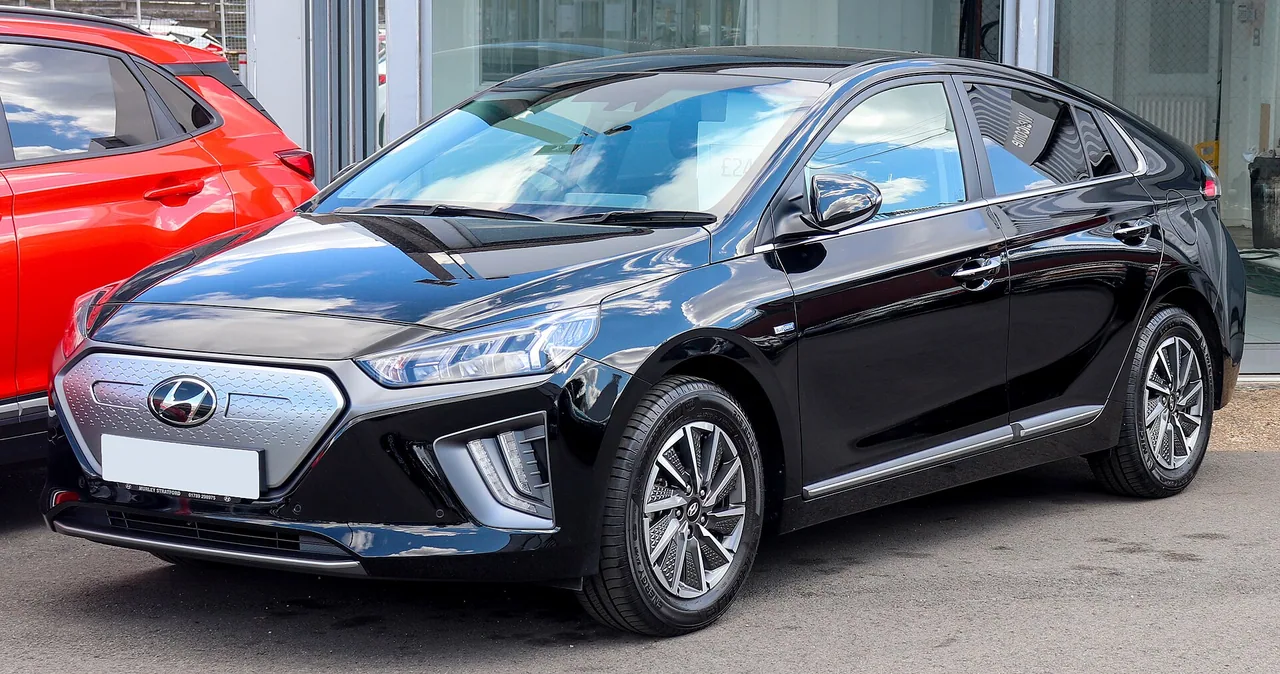
Hyundai Ioniq Electric
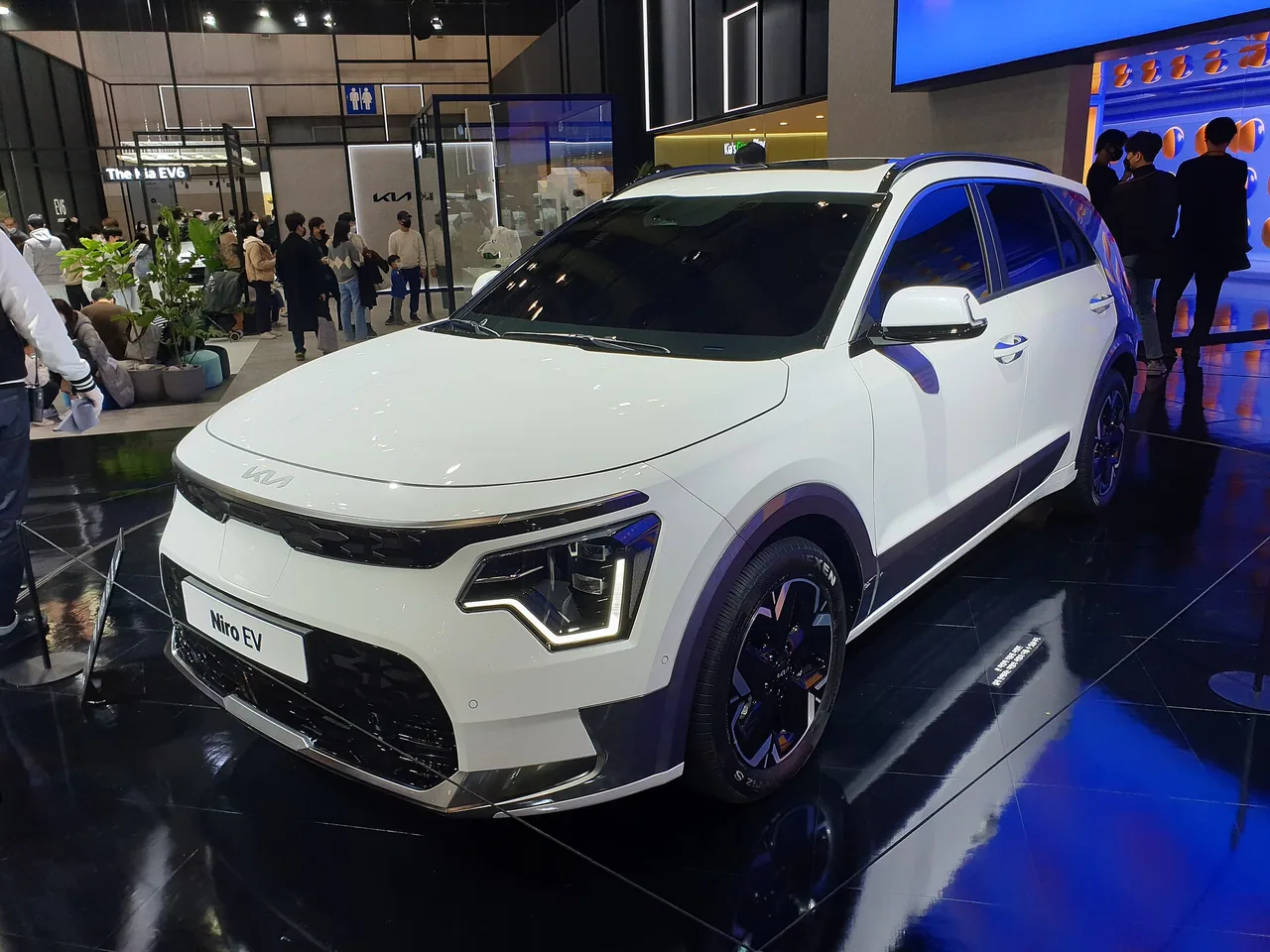
Kia Niro EV
Latest Data Refresh Check · Nov 25, 2026
Reviewed data refresh (2026-11-25) updated records for Niro EV (2025, 2022, 2021, 2020); tables and dates below reflect the refreshed snapshot.
Live Market & Badge-Tax Readout
What you pay for the badge: new MSRP vs. used market
Current market snapshot: Ioniq Electric: $6,808–$10,143 (J.D. Power) vs. Niro EV: $14,300–$20,700 (KBB).
TrimIndex never blends KBB, J.D. Power, and dealer asking figures into one range.
Where dealer asking prices are shown above or in the timeline below, figures summarize active US used dealer listings (asking prices, not final sale prices; excluded from Value-to-Score).
Day-to-Day Ownership Split
Where Ioniq Electric and Niro EV actually diverge
Sharing a platform does not mean identical ownership. Here are the concrete calibration, cabin, software, charging, and dealer differences buyers feel every day.
Usable Battery & EPA Range
Ioniq Electric fits sub-100-mile daily commuting cleanly; Niro EV handles winter commutes and weekend regional drives without charging anxiety.
Energy Efficiency & Aero Drag
High-electricity-rate urban commuters recover meaningful annual utility savings in the ultra-frugal Ioniq liftback.
Real-World DC Fast-Charging Speed
Treat the 2020–2021 Ioniq Electric strictly as a home-charged local vehicle; Niro EV tolerates occasional highway fast-charge stops far better.
Used Price Tier & Body Style
As a pure budget second car or teen/student commuter, Ioniq Electric offers extraordinary value per mile driven.
Charge Port Location & Ergonomics
Ioniq's rear-left charge port is an underrated ergonomic win over Niro's front-nose socket.
Refreshed EPA, charging & safety specs side by side
Pulled directly from TrimIndex’s EPA Fuel Economy, NHTSA NCAP, and charging-access database (NHTSA records through Nov 22, 2026).
| Specification | Hyundai Ioniq Electric | Kia Niro EV |
|---|---|---|
| EPA range (all trims) EPA Fuel Economy Guide | 170 mi | 239–253 mi |
| Efficiency (lower is better) EPA Fuel Economy Guide | 25.4 kWh/100 mi | 29.0–30.0 kWh/100 mi |
| Usable battery capacity | 35.5 kWh | 62.0–64.8 kWh |
| Peak DC fast charging | 100 kW | 85–100 kW |
| Rated horsepower | Not on file | 201 hp |
| Drivetrains offered | FWD | FWD |
| Seating capacity | 5 seats | 5 seats |
| Fast-charging port & Supercharger | CCS1 (Combined Charging System) · With an adapter, since Mar 25, 2025 | CCS1 (Combined Charging System) · With an adapter |
| NHTSA 5-Star overall rating NHTSA NCAP crash tests | Not rated | 5 of 5 stars |
Why an unassuming budget hatchback shares bones with Kia's popular crossover
Before Hyundai Motor Group engineered its dedicated 800-volt E-GMP skateboard, it created a single compact 'Eco-Car' platform expressly designed to package hybrid, plug-in hybrid, and battery-electric drivetrains across two body styles: the sleek 2017–2021 Hyundai Ioniq liftback and the upright 2017–2022 Kia Niro crossover. Both rolled off Korean assembly lines with the exact same 106.3-inch wheelbase, aluminum-intensive hoods and tailgates to trim curb weight, and independent multi-link rear suspensions.
That shared engineering explains why a depreciated 2020–2021 Ioniq Electric feels far more composed, quiet, and modern inside than cheap compliance EVs from the same era. Unlike an air-cooled Nissan LEAF losing range rapidly in Phoenix heat or an aging Fiat 500e, the Ioniq Electric brings active liquid battery cooling, adaptive cruise control, Apple CarPlay/Android Auto, and a practical five-door liftback trunk—all at bottom-rung used hatchback pricing.
The one catch every 2020–2021 Ioniq Electric buyer must respect: DC taper
On spec sheets, both the 2020–2021 Ioniq Electric and Kia Niro EV list 100 kW DC fast-charging capability. In real-world charging sessions, those two packs behave very differently. When Hyundai enlarged the Ioniq Electric from its original 28 kWh battery (2017–2019) to the 38.3 kWh gross / 35.5 kWh usable battery for 2020–2021, cell-voltage and thermal constraints lowered real peak DC intake to roughly 44–50 kW, stretching a 0%–80% fast charge to nearly an hour.
If you plug in at home overnight—even on a basic 120V garage outlet recovering 40–50 miles while you sleep, or a modest 240V charger filling the entire 35.5 kWh pack in five hours—that slow DC taper never touches your life. If you rent an apartment relying exclusively on public fast chargers, or plan regular 300-mile weekend highway runs, spending extra for a 62–64.8 kWh Kia Niro EV saves hours of sitting at charging pedestals.
- Ioniq Electric's 25.4 kWh/100 mi EPA efficiency beats Niro EV (29.0–30.0 kWh/100 mi) by roughly 14%–16% in everyday energy cost.
- 2020–2021 Ioniq Electric covers only two catalog model years (SE and Limited) before Hyundai retired the original nameplate to launch Ioniq 5 and Ioniq 6.
- Check remaining federal 8-year/100,000-mile battery warranty: a 2021 Ioniq Electric or Niro EV keeps transferable high-voltage pack coverage through roughly 2029.
Compare home electricity savings, maintenance, and warranty coverage on deeply depreciated electric sedans and hatchbacks versus conventional gas commuters.
Read our Used EV vs. Used Gas Sedan analysis →When stepping up from Ioniq Electric to a 2023+ Niro EV pays off
Because Kia kept building the Niro EV long after Hyundai sunset the original Ioniq hatchback in 2021, the Niro family bridges two full generations. A 2020–2022 Gen-1 Niro EV delivers nearly 70 extra miles of EPA range (239 vs. 170) plus upright crossover headroom over the Ioniq while sharing its basic interior architecture and 106.3-inch wheelbase.
Moving up to a 2023–2026 Gen-2 Niro EV shifts onto the updated K3 chassis (107.1-inch wheelbase), adding panoramic dual screens, gentler torque delivery that spares front tires, 253 miles EPA range, and noticeably quieter 2024–2025 NHTSA complaint tallies (just 6 and 3 complaints). Choose the Ioniq Electric when maximizing savings for a dedicated local commuter; choose Niro EV when one vehicle must cover both errands and highway trips.
Model-year timeline: Ioniq Electric vs. Niro EV
Refreshed automatically from TrimIndex’s database on each reviewed run so you can spot overlapping model years, Avoid flags, and pricing shifts.
| Year | Ioniq Electric Score & Standing | Ioniq Electric Price | Niro EV Score & Standing | Niro EV Price |
|---|---|---|---|---|
| 2026 | Not sold | Not produced No US model year | $29,290–$33,223 Dealer asking · Nov 2026 | |
| 2025 | Not sold | Not produced No US model year | $22,956–$25,127 Dealer asking · Nov 2026 | |
| 2024 | Not sold | Not produced No US model year | $20,700 KBB · Nov 2026 | |
| 2023 | Not sold | Not produced No US model year | $19,050 KBB · Nov 2026 | |
| 2022 | Not sold | Not produced No US model year | $12,975–$16,944 J.D. Power · Nov 2026 | |
| 2021 | $8,077–$10,143 J.D. Power · Nov 2026 | $15,300 KBB · Nov 2026 | ||
| 2020 | $6,808–$8,099 J.D. Power · Nov 2026 | $14,300 KBB · Nov 2026 |
Which platform twin should you buy?
Choose the Hyundai Ioniq Electric if…
- You have reliable home charging, drive under 100 miles per day, and want the lowest possible used entry price.
- You pay high residential electric rates and want 25.4 kWh/100 mi efficiency that undercuts almost every EV on the road.
- You need an affordable second car, student vehicle, or urban commuter with liquid battery cooling and a practical liftback hatch.
- You prefer a rear-left charge port over Niro's front-grille charging socket.
Choose the Kia Niro EV if…
- You need 239–253 miles of EPA range for winter driving, longer suburban commutes, or occasional regional highway trips.
- You rely on public DC fast charging where Niro EV's larger battery avoids Ioniq's ~44–50 kW real-world taper.
- You want upright crossover seating height, a 5-star NHTSA crash rating, and zero 2020 battery-advisory recall history.
- You want access to newer 2023–2026 Gen-2 K3 cabin tech and longer remaining factory warranty runway.
Used-Market Sweet Spot
For strict home-charged local commuting on a tight budget, a 2021 Hyundai Ioniq Electric Limited (zero recalls, 2 complaints, liquid-cooled pack, 25.4 kWh/100 mi) is an unbeatable value appliance. When you need all-season regional range and stronger 201-hp merging punch from a single daily driver, step up to a 2021 or redesigned 2023–2024 Kia Niro EV.
Ioniq Electric & Niro EV platform questions
Why does a used Hyundai Ioniq Electric cost so much less than a Kia Niro EV?
Three reasons: Hyundai discontinued the original Ioniq hatchback after 2021, its 35.5 kWh usable pack limits EPA range to 170 miles versus Niro EV's 239–253 miles, and its real-world DC fast-charging speed tapers around 44–50 kW. For home-charged local commuters who never road-trip their commuter car, that steep discount creates huge value.
Can a 2020–2021 Hyundai Ioniq Electric handle interstate road trips?
Only with considerable patience. Despite carrying a 100 kW station rating, the 38.3 kWh gross pack charges around 44–50 kW real-world peak and needs roughly 54 minutes to reach 80% for another ~110–130 highway miles. If you plan regular multi-hour highway trips, pick the 62–64.8 kWh Kia Niro EV—or an 800-volt Ioniq 5/EV6.
Do both the Ioniq Electric and Niro EV have liquid-cooled batteries?
Yes. Both 2020–2021 Ioniq Electric and 2020–2026 Kia Niro EV use active liquid-cooled NMC traction packs, giving them far stronger thermal protection in hot southern summers than passively air-cooled budget EVs like the Nissan LEAF.
Can a 2020–2021 Hyundai Ioniq Electric use Tesla Superchargers?
Yes. Hyundai explicitly included the 2020–2021 Ioniq Electric hatchback alongside its newer EVs when unlocking U.S. Tesla Supercharger access on March 25, 2025 using an approved NACS-to-CCS1 DC adapter—matching Kia's April 24, 2025 Supercharger opening for CCS1 Niro EVs.