Tesla Model S vs. Model X: Same Palladium Powertrain, Divergent Ownership Risk
Updated
Platform Twin Verdict
Tesla's Fremont-built flagships share an aluminum skateboard, identical 18650 NCA battery packs with an 8-year/150,000-mile warranty, adaptive air suspension, and Palladium Plaid tri-motor performance. On the used market, however, ownership risk diverges sharply: Model S runs conventional liftback doors, stretches up to 410 miles EPA, and carries zero Avoid years. Model X adds motorized Falcon-Wing doors, heavier half-shaft loads, shorter range, and a 2023 Avoid flag driven by recall and complaint spikes.
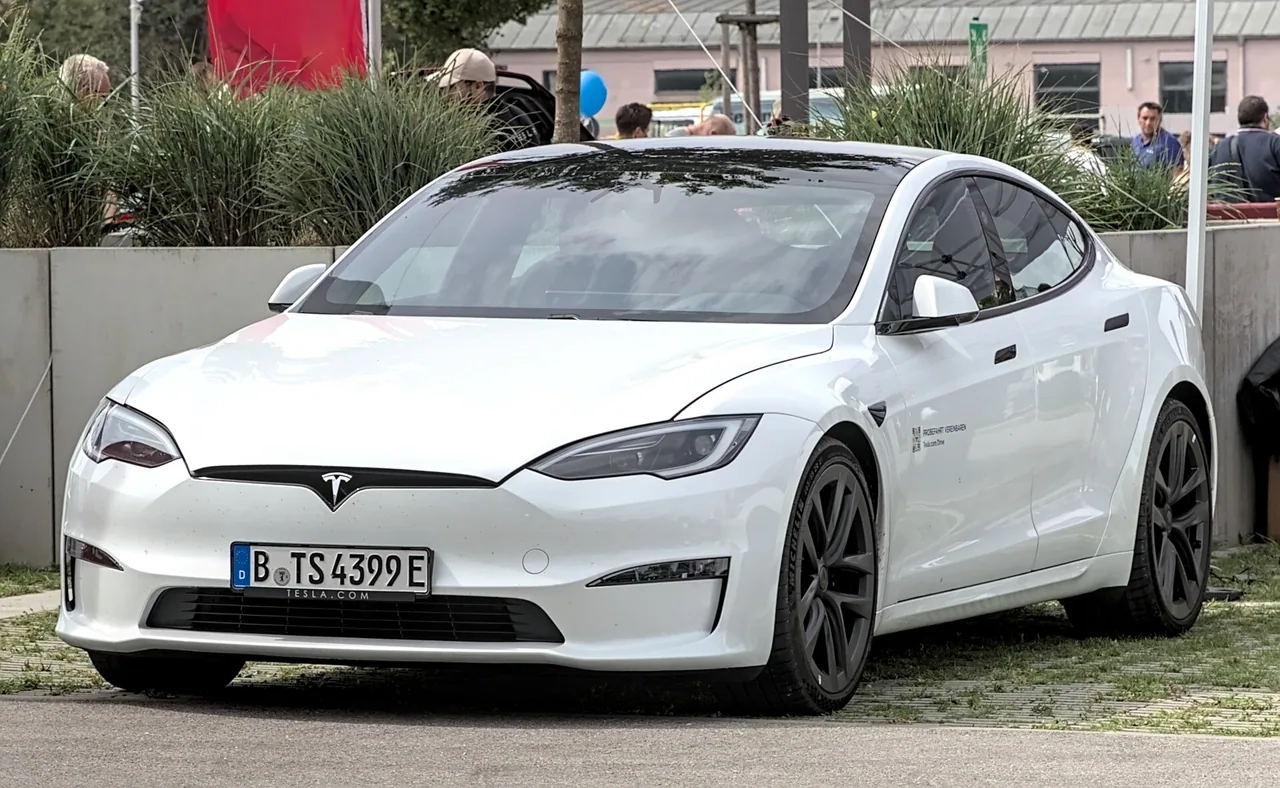
Tesla Model S
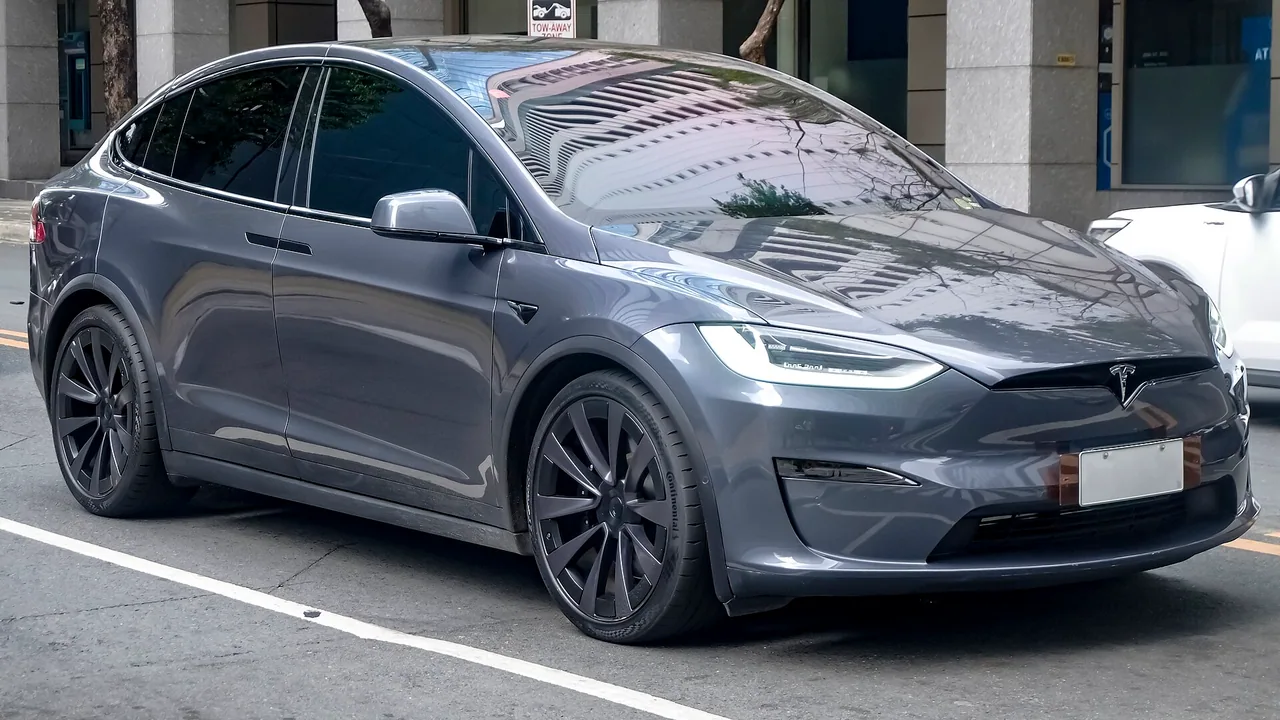
Tesla Model X
Latest Data Refresh Check · Nov 25, 2026
Reviewed data refresh (2026-11-25) updated records for Model S (2025, 2022: new NHTSA complaints) and Model X (2023, 2022, 2021, 2020: new NHTSA complaints); tables and dates below reflect the refreshed snapshot.
Reliability Divergence Alert · NHTSA Record Split
Both suffered Palladium capacitive-horn backlash, while Model X adds door and 2023 Avoid risk (Model S: 76 recalls / 569 complaints vs. Model X: 84 recalls / 548 complaints).
Live Market & Badge-Tax Readout
What you pay for the badge: new MSRP vs. used market
Price gap stays clear on the used market: Model S ($2,800 less on KBB used midpoint).
Model S ($3,400 lower avg MSRP)
TrimIndex never blends KBB, J.D. Power, and dealer asking figures into one range.
Where dealer asking prices are shown above or in the timeline below, figures summarize active US used dealer listings (asking prices, not final sale prices; excluded from Value-to-Score).
Day-to-Day Ownership Split
Where Model S and Model X actually diverge
Sharing a platform does not mean identical ownership. Here are the concrete calibration, cabin, software, charging, and dealer differences buyers feel every day.
Doors, Glass & Out-of-Warranty Repair Risk
Falcon-Wing door actuators, alignment latches, roof trim seals, and specialty windshield glass make Model X meaningfully more expensive to maintain once the 4-year/50,000-mile bumper-to-bumper warranty expires.
Standing & Model-Year Risk Profile
Model S poses noticeably lower mechanical and model-year risk; buyers committed to a Model X should skip 2023 or verify every recall and steering-wheel update.
EPA Range & Highway Efficiency
Running the exact same battery, Model S travels roughly 45–60 miles farther on every full charge—a huge buffer on winter interstate runs.
Seating Rows & Towing Capability
Model X justifies its added complexity only when you genuinely need six or seven seats, upright wheelchair/stroller entry under the Falcon-Wing roof, or 5,000-pound towing.
Front Half-Shaft & Suspension Wear
Both cars share adaptive air springs that age over time, but Model X chews through front half-shafts and rear inner tire shoulders faster than Model S.
Refreshed EPA, charging & safety specs side by side
Pulled directly from TrimIndex’s EPA Fuel Economy, NHTSA NCAP, and charging-access database (NHTSA records through Nov 22, 2026).
| Specification | Tesla Model S | Tesla Model X |
|---|---|---|
| EPA range (all trims) EPA Fuel Economy Guide | 287–410 mi | 258–371 mi |
| Efficiency (lower is better) EPA Fuel Economy Guide | 27.1–33.4 kWh/100 mi | 32.0–37.6 kWh/100 mi |
| Peak DC fast charging | 200–250 kW | 200–250 kW |
| Rated horsepower | 670 hp | 670 hp |
| Drivetrains offered | AWD | AWD |
| Seating capacity | Not on file | 6–7 seats |
| Fast-charging port & Supercharger | NACS (SAE J3400) · Yes, with its built-in NACS port | NACS (SAE J3400) · Yes, with its built-in NACS port |
Why Model X costs far more to own out of warranty—and why 2023 stands out
When two flagships share an aluminum floor, identical Panasonic 18650 cells, and the exact same 670-horsepower dual-motor or 1,020-horsepower Plaid drivetrains, used buyers naturally ask whether buying the SUV carries any extra long-term risk. In the Model S versus Model X pairing, the answer is an emphatic yes—almost entirely because of the body bolted above the beltline.
Model X's motorized Falcon-Wing doors rely on dual-axis hinges, hydraulic struts, pinch-strip trim, and ultrasonic sensors hidden beneath the aluminum skin to gauge garage-ceiling height and adjacent cars. Over years of heat cycles, ultrasonic sensors can misread open space and halt doors halfway up, roof-rail weatherstripping degrades, and out-of-warranty latch or actuator repairs run well into four figures. Add the colossal panoramic windshield—which requires calibration and specialty glass—plus power-presenting front doors, and Model X carries a much longer list of non-powertrain failure points than the sleek liftback Model S.
NHTSA records reinforce the split. While both Palladium twins absorbed massive owner backlash over replacing the traditional center-pad horn with a tiny capacitive touch button on the steering yoke/wheel—logging 65 of 115 complaints on 2023 Model S (57%) and 98 of 197 complaints on 2023 Model X (50%)—Model X's heavier combined complaint and recall density (17 recalls and 197 filings in 2023 alone) earned 2023 Model X an Avoid designation, whereas Model S carries zero Avoid years across 2020–2026.
- Tesla switched back to a mechanical center-pad airbag horn on newer 2024+ steering wheels—and offered retrofit wheels—resolving the #1 complaint on 2021–2023 Palladium cars.
- Model S liftback utility surprises sedan skeptics: folding the rear seats exposes over 60 cubic feet of hatchback-style space without a single motorized roof hinge.
- 2021 Model X also recorded a distinct steering-assist loss cluster (12 of 41 complaints, 29%), making steering rack inspection vital on early refresh SUVs.
Both 2020–2026 flagships share Tesla Autopilot and Full Self-Driving software stacks, with 2024–2026 complaints shifting toward lane-departure steering jerks and driver-assist errors.
Browse active NHTSA EV investigations →Pre-Palladium (2020) vs. Palladium (2021+): knowing which era you are buying
Across both Model S and Model X, model year 2021 marks an engineering fault line. Pre-refresh 2020 'Raven' builds feature a vertical portrait touchscreen, physical turn-signal and gear stalks, a traditional round steering wheel with a mechanical horn, and 200–250 kW charging on an older resistive thermal architecture. Many buyers still prize 2020 Raven cars for their normal controls and steep depreciation off original MSRP.
Starting mid-2021, the 'Palladium' redesign swapped in the horizontal 17-inch landscape display, rear passenger screen, heat-pump thermal system, upgraded 250 kW charging curve, redesigned battery cooling architecture, and Plaid tri-motor powertrain—while stripping away column stalks and introducing the yoke steering wheel (later joined by an optional round wheel). Crucially, both eras retain Panasonic's time-tested 18650 NCA chemistry and Tesla's 8-year/150,000-mile battery warranty.
TrimIndex's verified State of Health samples on the shared S/X pack span 84.5% to 97% all the way up to 137,944 miles—confirming that powertrain longevity rarely breaks the bank on either flagship. Chassis wear (air struts, front half-shafts, camber-induced inner rear tire wear) and Model X door hardware are what separate an easy ownership run from an expensive one.
Review fleet-wide Tesla State of Health findings, warranty thresholds, and pack replacement realities before buying a high-mileage Model S or Model X.
Read the Tesla battery lifespan guide →Six-figure sticker shock turns into used flagship math
Both Model S and Model X saw dramatic MSRP swings between 2020 and 2026—with 2022 Plaid stickers cresting past six figures before Tesla slashed new pricing in 2023–2025. That volatility hammered early resale values, creating 60%+ discounts off original stickers on 2020–2021 builds and bringing 2022–2024 dual-motor cars within reach of mainstream new-crossover buyers.
Even when a used Model S and Model X sit within a few thousand dollars of each other on a lot, get insurance quotes on both VINs first. Model X's aluminum Falcon-Wing rear quarters, ultrasonic door sensors, and oversized panoramic windshield frequently push comprehensive and collision premiums noticeably higher than an equivalent-year Model S.
Model-year timeline: Model S vs. Model X
Refreshed automatically from TrimIndex’s database on each reviewed run so you can spot overlapping model years, Avoid flags, and pricing shifts.
| Year | Model S Score & Standing | Model S Price | Model X Score & Standing | Model X Price |
|---|---|---|---|---|
| 2026 | Not on file No published price | Not on file No published price | ||
| 2025 | $74,999–$119,800 Dealer asking · Nov 2026 | $77,805–$91,371 Dealer asking · Nov 2026 | ||
| 2024 | $69,000–$86,000 KBB · Nov 2026 | $66,000–$86,300 KBB · Nov 2026 | ||
| 2023 | $53,000 KBB · Nov 2026 | $58,000–$71,200 KBB · Nov 2026 | ||
| 2022 | $44,500–$54,300 KBB · Nov 2026 | $48,300–$57,600 KBB · Nov 2026 | ||
| 2021 | $38,900–$51,600 KBB · Nov 2026 | $39,100–$39,500 KBB · Nov 2026 | ||
| 2020 | $26,833–$34,575 J.D. Power · Nov 2026 | $30,663–$39,023 J.D. Power · Nov 2026 |
Which platform twin should you buy?
Choose the Tesla Model S if…
- You want 400+ miles of EPA range and lower charging bills from the exact same 18650 battery pack.
- You want flagship speed and liftback cargo space without Falcon-Wing door maintenance or insurance surcharges.
- You prefer zero Avoid model years and lower front half-shaft and suspension wear over 100,000+ miles.
- Five seats cover your household and you prefer sleek sedan handling over SUV bulk.
Choose the Tesla Model X if…
- You genuinely need six-passenger captain's chairs or seven-passenger seating in a long-range Tesla.
- You need a 5,000-pound factory tow rating for boats, campers, or utility trailers.
- You want high-clearance roof entry under the Falcon-Wing doors for buckling children into car seats.
- You are shopping 2022 or 2024+ builds (bypassing the 2023 Avoid year) and budget for out-of-warranty door/glass upkeep.
Used-Market Sweet Spot
For most flagship Tesla buyers, a 2022–2024 Model S AWD delivers the best reliability-to-performance equation on the S/X platform: 400+ miles EPA, 8-year/150,000-mile pack warranty, massive hatchback utility, and none of the Falcon-Wing service headaches. If three rows are mandatory, target a 2024 Model X (HW4 + updated mechanical center horn, skipping Avoid-flagged 2023) or a steeply depreciated 2020 Raven with physical stalks.
Model S & Model X platform questions
Do the Tesla Model S and Model X use the same battery and warranty?
Yes. Both flagships run Panasonic 18650 NCA liquid-cooled battery packs (~95 kWh usable) backed by Tesla's 8-year or 150,000-mile battery and drive-unit warranty with 70% minimum capacity retention—longer than the 100K/120K mileage limits on Model 3 and Model Y.
Why is the 2023 Tesla Model X flagged as an Avoid year while 2023 Model S is not?
In TrimIndex's NHTSA dataset, 2023 Model X logged 17 recalls and 197 owner complaints (half citing hard-to-find capacitive horn controls, alongside broader quality filings), pushing its combined risk profile into Avoid territory. The 2023 Model S posted fewer recalls (13) and complaints (115) without Falcon-Wing mechanical exposure.
Are Model X Falcon-Wing doors still expensive to repair on newer 2022–2025 builds?
Tesla refined hinge hardware and sealing over the years, but Falcon-Wing doors still rely on complex multi-axis motors, latches, trim seals, and concealed ultrasonic sensors. Out of bumper-to-bumper warranty, door repairs and panoramic windshield replacement remain significantly pricier than conventional Model S bodywork.
How much more range does the Model S get than the Model X?
Using the same battery pack, the aerodynamic Model S reaches 348–410 miles EPA on 2021–2026 trims (up to 410 mi in 2025–2026), whereas the heavier, taller Model X spans 314–371 miles EPA (326–352 mi on 2024–2026 trims)—giving Model S roughly 45–60 extra miles per full charge.
When did Tesla bring back a normal center-pad horn on Model S and Model X?
After widespread complaints about the small capacitive horn button introduced with the 2021 Palladium yoke and wheel, Tesla transitioned back to a traditional mechanical center-pad horn on 2024+ Model S and Model X steering wheels and offered updated replacement wheels for earlier owners.